
Reviewed · CANOES & KAYAKS
Akaroa: Guided Sunrise Sea Kayaking Tour
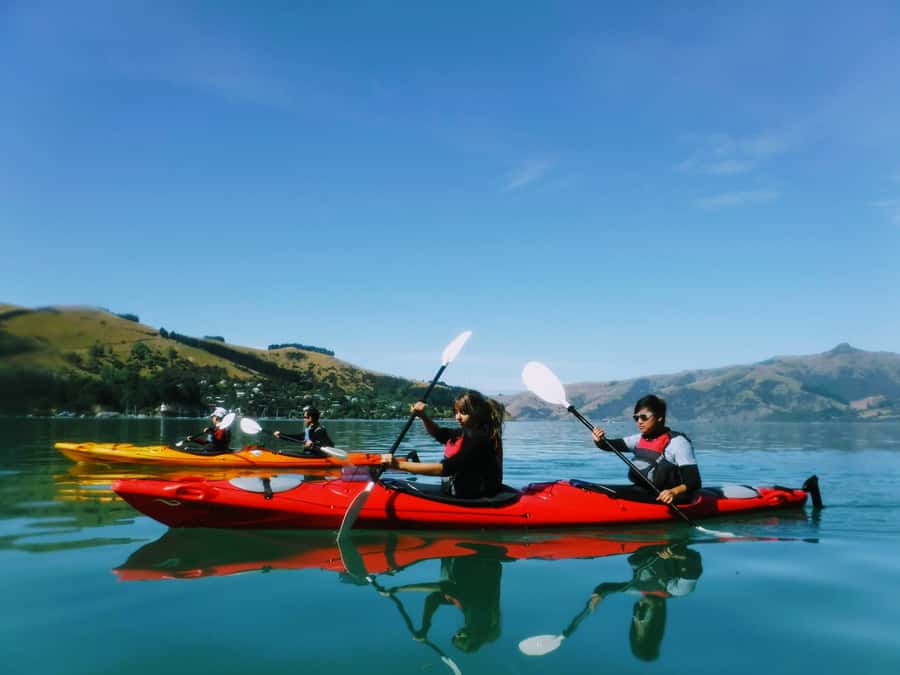
The harbour wakes before the town does. This three-hour paddle puts you on Akaroa Harbour at first light, often before the other boats arrive, with a local guide leading you through a protected marine reserve. I like the early start and quiet water, and I like that you launch from the heart of Akaroa rather than spending much of the tour getting to the kayaking spot.
The main consideration is wildlife luck. Hector dolphins, penguins, seals, and seabirds live here, but they do not follow a timetable. You may see dolphins circling the kayaks, as some groups have, or you may get a peaceful morning with fur seals and birds. Cold weather and wind can also affect what you see and how comfortable you feel.
In This Review
- Key points at a glance
- Why sunrise is the right time on Akaroa Harbour
- Meeting at the Bowling Club and getting ready
- The safety briefing is short but important
- Paddling into the marine reserve
- Wildlife: what you might see
- The guides add more than paddling instructions
- Is three hours enough?
- The $92 price and what you receive
- Who should book this kayaking tour?
- Should you book the Akaroa sunrise kayak tour?
- FAQ
- How long is the Akaroa sunrise sea kayaking tour?
- How much does the tour cost?
- What is included in the tour?
- Where is the meeting point?
- Can the meeting point change?
- What wildlife might I see?
- What should I bring?
- Can I cancel the booking?
Key points at a glance
- First on the harbour: The sunrise departure usually gives you the water before other tour boats begin operating.
- Three hours on the water: The tour is designed for maximum paddling time, with no separate transfer to a distant launch site.
- Small-group guiding: Your local nature guide leads the group and pauses to explain wildlife, plants, local stories, and places around the harbour.
- Real wildlife chances: Hector dolphins, white-flippered penguins, New Zealand fur seals, cormorants, and other birds may appear.
- Strong safety focus: You receive a safety briefing, paddling instructions, and support from guides who take care of the group on the water.
- Good value at $92: For three hours with a kayak, guide, safety briefing, and access to a quiet marine reserve, the price is fair for active sightseeing.
Why sunrise is the right time on Akaroa Harbour
Akaroa is a small French-influenced settlement at the head of a long harbour on Banks Peninsula. The water is the star here, and sunrise kayaking gives you a close view without the noise and traffic that build later in the day.
I like the simple rhythm of the morning. You meet near the Akaroa Bowling Club, walk to the harbour, receive your safety briefing, and get moving while the day is still fresh. The tour operator says it is usually the first operation on the water, with other boats only beginning as the kayak group is finishing.
That timing matters. Calm early conditions can make paddling easier, especially if you are new to sea kayaking. It also gives you a better chance of hearing the guide and spotting animals before boat traffic increases. Of course, sunrise does not guarantee perfect water. Wind direction can lead to a change in the meeting location, so check your phone messages or email the day before.
You need to be ready for an early start. The exact departure time varies, so check availability when booking. The payoff is a quieter harbour and a more natural feeling than a busy midday cruise.
More kayak tours in Christchurch:
- Sea Kayaking Christchurch, Lyttelton Harbour & Quail Island
★ 4.5 · 7 reviews - Christchurch: Waka Paddling Experience on the Avon River
★ 4.8 · 7 reviews - Christchurch: Sea Kayaking Tour of Lyttelton Harbour
★ 5.0 · 6 reviews
Meeting at the Bowling Club and getting ready
The meeting point is outside the Akaroa Bowling Club. Wait by the picnic tables, and use Akaroa Bowling Club in Google Maps if you need directions.
This is not a complicated meeting point, but it is worth arriving prepared. The group may be told to meet somewhere else if the wind direction changes. Check your messages before leaving your accommodation, rather than relying on an old map pin.
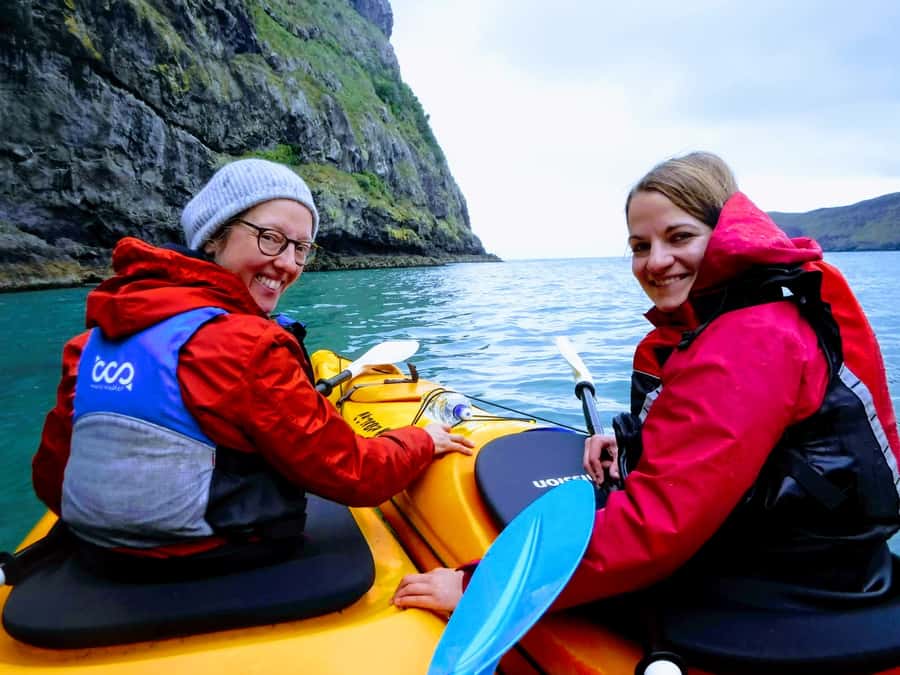
The operator provides the kayak, guide, and safety briefing. Bring a windbreaker, sun hat, and drinks. Leave jeans and large bags behind. Jeans are a poor choice for a wet activity because they become heavy and cold, while a large bag has no useful place on a kayak.
I would dress for changing conditions. The most important item is a wind layer. One group enjoyed a perfectly calm morning but still found it cold, which is a useful warning for anyone who sees a sunny forecast and assumes warm air. Sunrise on the water can feel much cooler than sunrise on shore.
The safety briefing is short but important
Before paddling away, your guide explains how to handle the kayak and what to do on the water. This matters even if you have kayaked before. Sea conditions, boat traffic, and group movement are different from paddling on a small inland lake.
The guides have been praised for making people feel safe while keeping the mood relaxed. John and Seamus were singled out for taking safety seriously without making the outing tense. Peter also helped several groups feel comfortable on the water, and other guides named in the feedback include Alex, Lee, Shaun, and Jake.
You should still be honest about your comfort level. If you are nervous, tell the guide early. The small-group setup makes it easier for the guide to keep an eye on everyone and adjust the pace.
This is a guided paddle rather than a free-form rental. You follow the guide through the harbour, stop briefly at points of interest, and learn what you are seeing. That structure is useful because you can focus on paddling and wildlife instead of trying to navigate unfamiliar water.
Paddling into the marine reserve
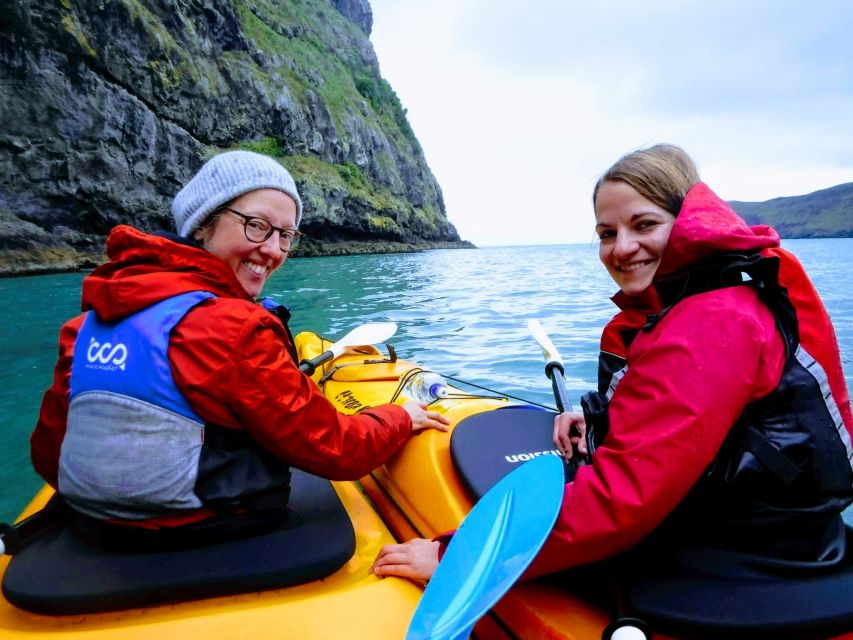
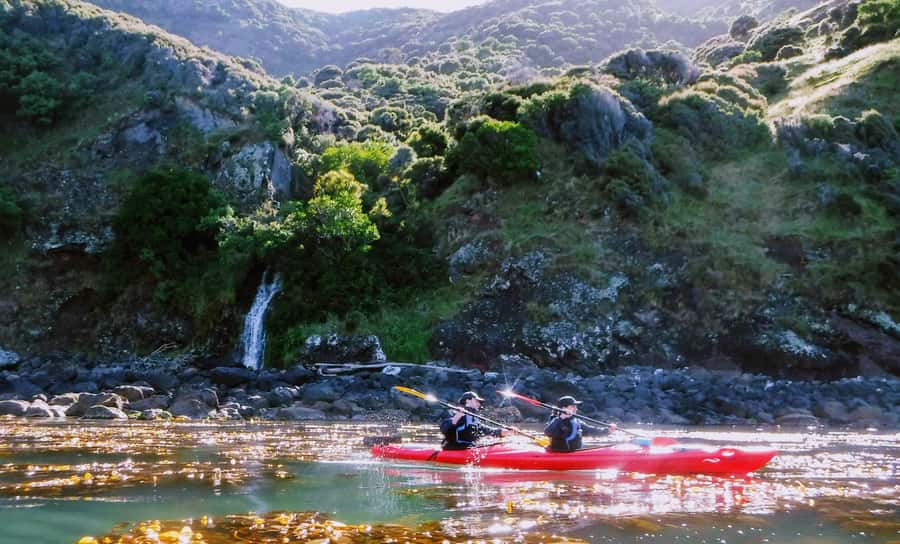
Once the kayaks are on the water, the experience becomes quiet and physical. You paddle through the marine reserve while your guide points out the natural features around you. The route is not presented as a race, and the emphasis is on time on the water.
The operator is based in central Akaroa, so you avoid a long vehicle transfer to a launch point. That is one of the tour’s strongest practical features. With a three-hour activity, every extra transfer cuts into the time you actually spend paddling. Here, the main part of the outing is the kayak journey itself.
The turquoise water can look especially striking in the low morning light. Your guide makes short stops on the water to discuss local wildlife, plants, and the harbour’s human story. Alex, for example, has been praised for covering wildlife, culture, and Akaroa’s history, while Lee made the local birds and environment interesting for the group.
One small weakness is worth knowing. On a calm morning, a guest found it hard to hear when the guide spoke while facing away from the group. That problem can happen on any water-based tour, where wind and distance carry voices away. If you miss a point, ask the guide to repeat it. You are there to learn, not to pretend you heard everything.
A few more Christchurch trips worth weighing up
- Rotorua based Small Group Morning Tour Waimangu and Wai O Tapu
★ 5.0 · 347 reviews - From Rotorua: Wai O Tapu & Waimangu Eco Thermal Morning Tour
★ 4.8 · 320 reviews - Guided 10am Morning Art Deco Walk From Napier Art Deco Trust
★ 4.5 · 167 reviews - Sunrise wildlife sea kayaking in Akaroa marine reserve
★ 5.0 · 123 reviews
Wildlife: what you might see
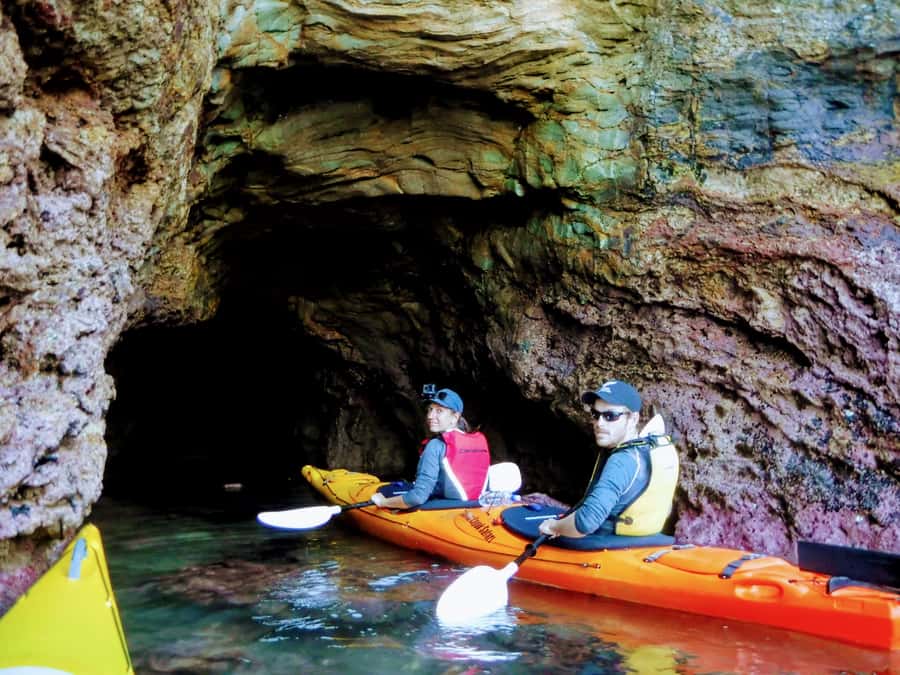
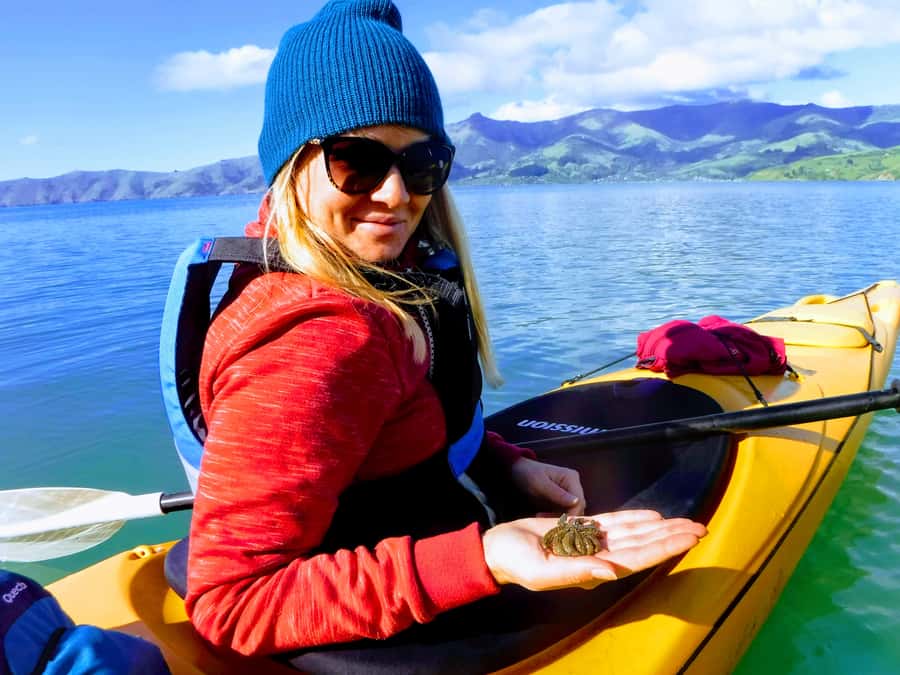
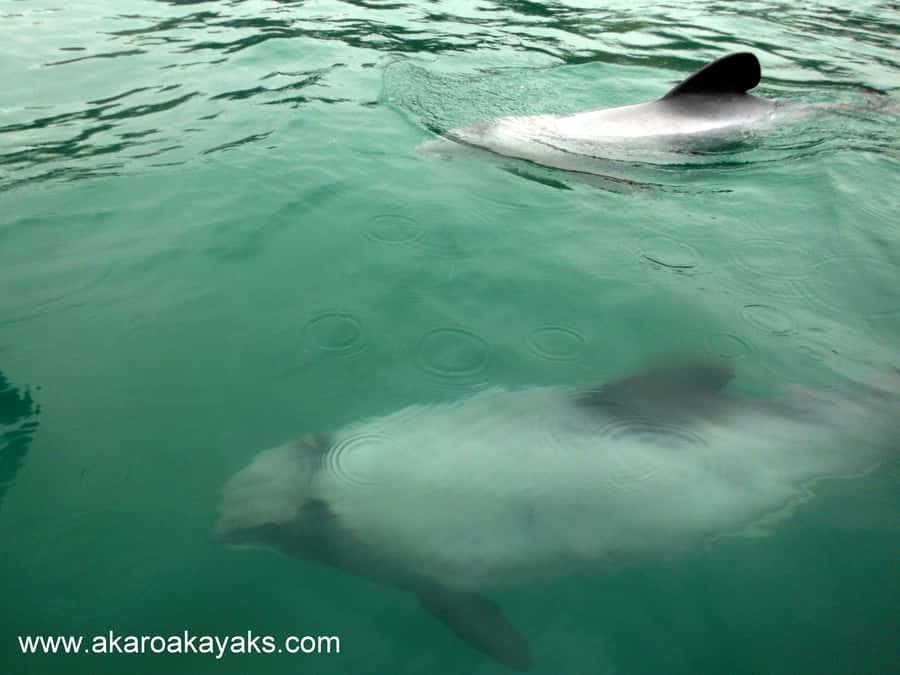
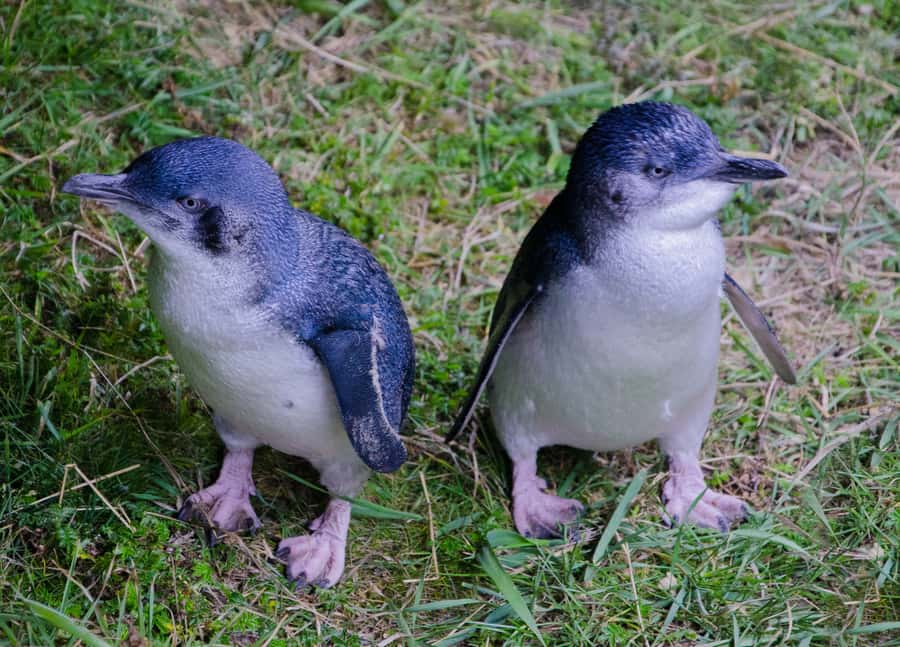
The wildlife is the biggest draw, but it is also the least predictable part of the morning. Hector dolphins are the headline sighting. They are protected and endangered, and they are found only in New Zealand. Seeing one from a low kayak can be a special moment because you are close to the water rather than looking down from a large boat.
One group saw dolphins swimming around the kayaks and described it as the most beautiful moment of their New Zealand stay. Another group was lucky enough to see dolphins on a bright morning and felt the experience was worth repeating. Those sightings show what is possible, but they should not be treated as a promise.
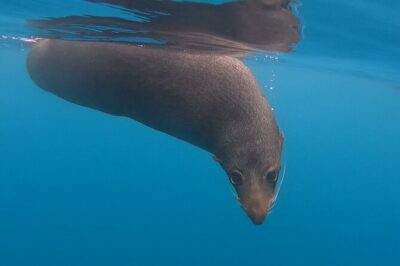
You may instead see New Zealand fur seals swimming or resting on rocks. Cormorants can plunge underwater for food, and white-flippered penguins may be seen preening. Other birds and marine life add interest even when the larger animals stay out of sight.
A morning without dolphins is not a failed tour. One group saw lovely scenery and birds but no dolphins, and still found the guide reassuring and well informed about the area. Another group had fur seals and birds on a calm but chilly morning. That is the right way to approach this outing: choose it for the setting and the act of paddling, with wildlife as a welcome bonus.
The guide’s role is important here. You are not simply looking across the harbour and hoping for movement. The guide knows the area, explains animal behavior, and helps you notice smaller details. Still, wild animals make their own choices. No ethical operator can guarantee a dolphin or penguin sighting.
The guides add more than paddling instructions
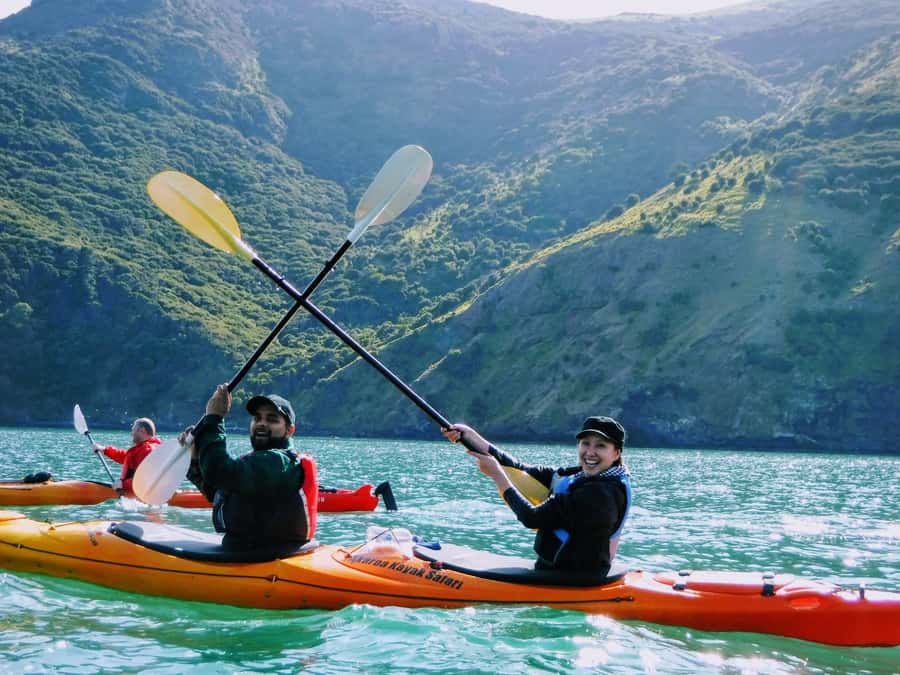
The best part of this tour may be the local interpretation. You get a nature guide who can connect the harbour’s wildlife with its plants, conservation areas, culture, and past.
Different guide styles come through in the feedback. Peter is described as dynamic, friendly, and reassuring. Shaun brought years of tour-leading experience and entertaining stories, while John and Seamus were praised for their calm manner and strong local knowledge. Jake was remembered as a great host, and Alex covered the area’s wildlife, culture, and history.
That range matters because the guide shapes the whole morning. A quiet group may appreciate a gentle pace and short explanations. A curious group may want more detail about birds, seals, and the marine reserve. The tour description promises brief stops rather than a constant lecture, so you get a balance of paddling and interpretation.
If you want a silent workout, this may not be your ideal kayak outing. The point is guided nature viewing. If you want context and reassurance while you paddle, the format works well.
Is three hours enough?
Three hours is a useful length for Akaroa. You get a proper outing rather than a quick introductory paddle, but the tour does not take an entire day from your South Island itinerary.
The advertised focus is maximum water time. Since the operator is located in the centre of Akaroa and does not need to transport the group to a separate launch, more of those three hours can be spent paddling. That makes the timing particularly useful if you are visiting Akaroa on a packed day.
The physical effort should not be underestimated. You will be sitting in a kayak and paddling for a substantial part of the tour. The guide leads the group at a manageable pace, but you should be comfortable with several hours of outdoor activity. A windbreaker and drinks are not minor packing suggestions. They can make the difference between enjoying the morning and wishing it would end.
The sunrise timing also affects your wider plans. You will finish early enough to continue exploring Akaroa, but you must be ready to get up before most people begin their day. For many visitors, that is a good trade.
The $92 price and what you receive
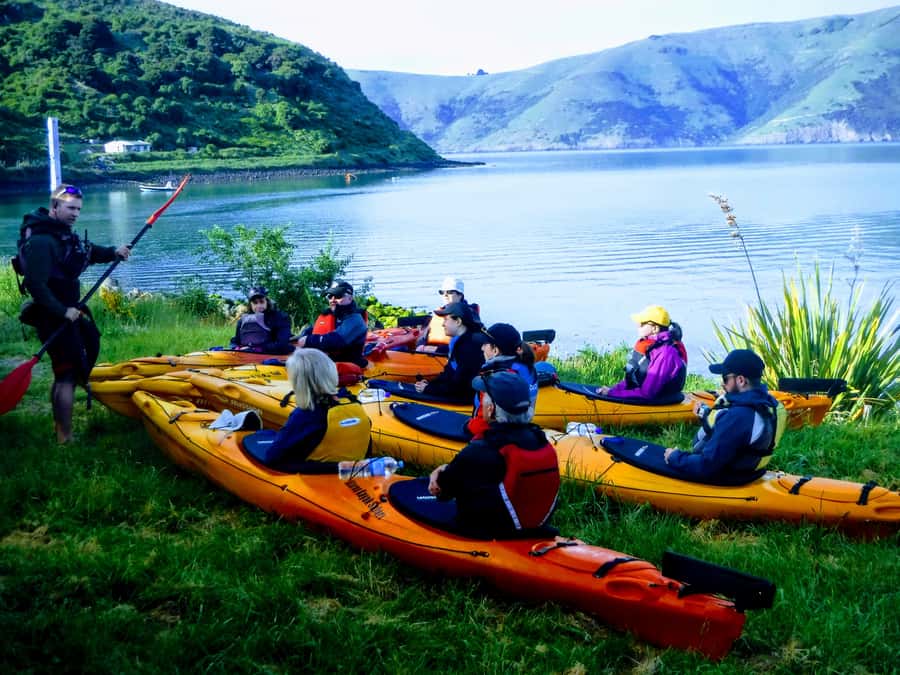
At $92 per person, this is fairly priced for a three-hour guided sea kayaking trip in a marine reserve. You receive a kayak, a safety briefing, and a dedicated guide, with the added benefit of launching close to the centre of Akaroa.
The value comes from access and timing, not just equipment. You are paying for an early position on the harbour, a small-group nature experience, local interpretation, and the chance to see protected wildlife from a low-impact craft.
The tour is also presented as a sustainable way to explore Akaroa. Kayaks create little disturbance compared with motorized boats, and the small group helps limit pressure on conservation areas. That does not guarantee animal sightings, but it gives the outing a responsible shape.
I would compare this price with what you actually want from the morning. If you mainly want a quick photograph of Akaroa from the water, a cruise may be easier. If you want quiet movement, exercise, and a chance to notice wildlife at water level, the $92 makes sense.
The flexible booking terms help if your plans are still moving. You can reserve now and pay later, and cancellation is free up to 24 hours before departure for a full refund. Keep an eye on weather messages, since wind direction can affect the meeting place.
Who should book this kayaking tour?
I would recommend it to active visitors who want a close look at Akaroa Harbour rather than a passive sightseeing trip. It suits people who enjoy nature, do not mind an early morning, and can handle several hours of paddling.
It is especially good for:
- Couples looking for a quiet start to the day
- Families with older children who are comfortable on the water
- Visitors interested in New Zealand wildlife and conservation
- First-time sea kayakers who want a guide and safety support
- Repeat visitors who want a different view of Akaroa
I would think twice if you strongly dislike cold mornings, cannot comfortably paddle for three hours, or require a guaranteed wildlife sighting. This is a nature outing, not a zoo visit. The animals may appear, but they remain wild.
You should also be prepared for imperfect communication on the water. Most groups found the guides clear and helpful, but wind and distance can make short talks hard to hear. Staying close to the guide and asking for repeats will improve the experience.
Should you book the Akaroa sunrise kayak tour?
Book it if you want quiet water, real paddling time, and a fair chance of seeing wildlife. The early departure is the key advantage. You get Akaroa Harbour before the other tour boats, and the three-hour format gives you enough time to settle into the kayak and appreciate the reserve.
Do not book it solely for dolphins. You may see Hector dolphins swimming near the kayaks, which would be unforgettable, but you may also see seals, birds, and open water. The scenery, local stories, and calm start still give the tour plenty of value.
For an active morning in Akaroa, this is one of the better choices. Bring a warm windbreaker, check your messages for any meeting-point change, and arrive ready to paddle. The harbour rewards patience, and this tour gives you a quiet place to practice it.
FAQ
How long is the Akaroa sunrise sea kayaking tour?
The guided sea kayaking tour lasts three hours.
How much does the tour cost?
The listed price is $92 per person.
What is included in the tour?
The price includes a guide, a safety briefing, and a kayak.
Where is the meeting point?
Meet outside the Akaroa Bowling Club and wait by the picnic tables. You can search for Akaroa Bowling Club in Google Maps.
Can the meeting point change?
Yes. Check your phone messages or email the day before, since the meeting location may change due to wind direction.
What wildlife might I see?
Possible sightings include Hector dolphins, New Zealand fur seals, white-flippered penguins, cormorants, and other birds. Wildlife sightings are not guaranteed.
What should I bring?
Bring a windbreaker, sun hat, and drinks.
Can I cancel the booking?
You can cancel up to 24 hours in advance for a full refund. The tour also allows you to reserve now and pay later.
Just added around Christchurch
- Waipara Valley Winery Tour Wine Tastings and Scenic Views★ 5.0 · 5 reviews
- Private Mt Cook Day Tour From Christchurch via Lake Tekapo★ 4.5 · 5 reviews
- (MT) Mount Cook Day Tour From Christchurch★ 4.5 · 5 reviews
- Private Akaroa Day Tour From Christchurch★ 5.0 · 5 reviews
- Private Christchurch & Lyttelton Scenic Day Tour★ 5.0 · 5 reviews
- Mount Cook Day Tour from Christchurch★ 3.7 · 5 reviews
- Christchurch International Airport :Airport to City Centre★ 5.0 · 5 reviews
- Mount Cook, Lake Pukaki: Billion Star Dining★ 4.8 · 6 reviews
Canoes & Kayaks, compared.

Small-Group Kayak Adventure from Franz Josef Glacier
Read our review →
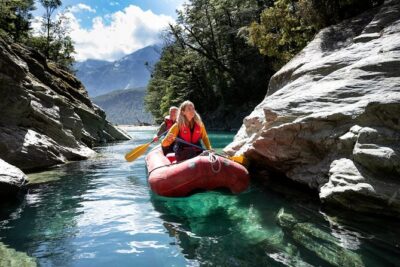
Dart River Canoe and Jet Boat Experience from Queenstown
Read our review →Browse the lists this tour appears in