
Reviewed · MARLBOROUGH & PICTON TOURS
InterIslander Ferry – Picton to Wellington
The best views come before open water. I like this crossing for two clear reasons: the slow passage through Queen Charlotte Sound is beautiful, and the ferry gives you a generous two-bag allowance without the hassle of an airport. The main drawback is that the Cook Strait can turn cold, windy, and rough, and delays can disrupt a full day of plans.
This is practical transport first and a sightseeing trip second. You can bring a car or walk on, choose from several seating areas, buy food and drinks, and watch Wellington Harbour appear after about three and a half hours. Arrive early, read your ticket closely, and check the sailing time before setting out.
In This Review
- Key points to know before sailing
- What the Picton to Wellington crossing is really like
- Leaving Picton through Queen Charlotte Sound
- The Cook Strait crossing after the first 45 minutes
- Arriving beneath the hills of Wellington Harbour
- Choosing a foot passenger or vehicle ticket
- Baggage rules that can save you trouble
- Food, seating, and the Premium Lounge
- Price and value at $58.77 per person
- Delays, cancellations, and planning around weather
- Who will enjoy this ferry most?
- Should you book the Picton to Wellington InterIslander ferry?
- FAQ
- How long is the Picton to Wellington ferry crossing?
- Where does the ferry leave from in Picton?
- Where does the ferry arrive in Wellington?
- Can I bring a vehicle on the ferry?
- How much luggage is included?
- Are food and drinks included?
- Is there outdoor viewing space?
- Can I bring a bicycle or sporting equipment?
- Can I bring a pet?
- Are children allowed in the Premium Lounge?
Key points to know before sailing

- Queen Charlotte Sound provides the finest scenery: The first part of the journey passes forested coves and calm water near Picton.
- The ferry is transport, not a full sightseeing cruise: After roughly 45 minutes, you are generally out in open water.
- Vehicle tickets need careful checking: A passenger booking does not automatically mean your car is included.
- Two checked bags are included: Each bag may weigh up to 23 kilograms, subject to the stated size limit.
- The upper decks are best on a calm day: Decks 7 and 10 offer excellent views, but wind and cold can send you indoors.
- Premium Lounge changes the experience: It offers more comfortable surroundings and includes food and drinks, but young people aged 17 and under cannot use it.
What the Picton to Wellington crossing is really like
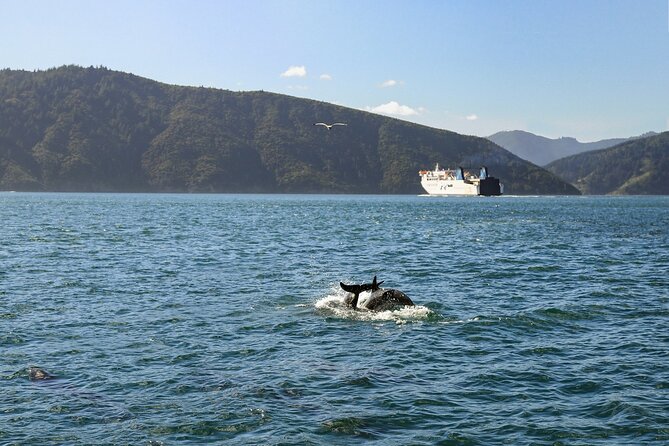
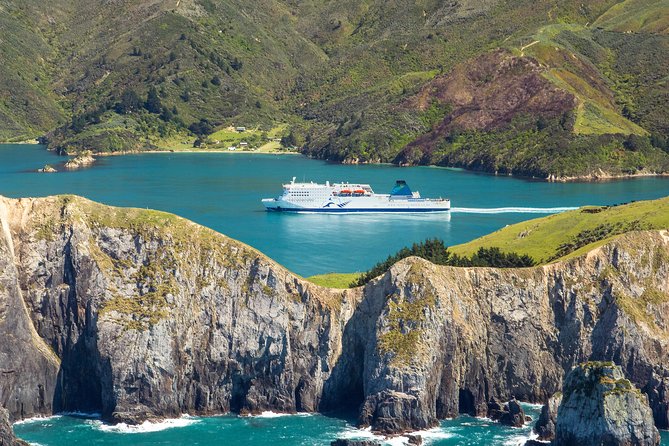
The InterIslander ferry links Picton on the South Island with Wellington on the North Island. It is one of New Zealand’s most useful scenic transport services, especially if you are touring by car and do not want to fly between the islands.
The scheduled crossing takes about 3 hours 30 minutes. That timing includes the quiet departure from Picton, the open Cook Strait crossing, and the approach to Wellington Harbour. The route operates daily, but the timetable can change without notice. Delays and cancellations are possible, so avoid booking a tight onward connection.
You may travel with a car or as a foot passenger. The ferry has cafés, a fast-food takeaway bar, lounge areas, an observation deck, and on selected ships a movie theater. A children’s play area and nursery are also available, although some facilities may operate for limited hours during off-peak sailings.
The fleet includes the Kaitaki and Kaiārahi. Your exact ship can affect the facilities available, so do not assume every feature will operate on every departure.
A few more Picton trips worth weighing up
- Queen Charlotte Sound Mail Boat Cruise from Picton
★ 4.7 · 541 reviews - Beyond the Vines – Full-Day Marlborough Wine Tasting Tour
★ 5.0 · 438 reviews - Coastal Pacific Train Journey from Picton to Christchurch
★ 4.5 · 345 reviews
Leaving Picton through Queen Charlotte Sound
The sailing begins at Picton Port on Auckland Street, close to the small port town and Picton’s rail connection. One useful detail: the ferry terminal is a short walk from Picton train station, making the route especially convenient if you arrive on the Coastal Pacific train from Kaikoura or Christchurch.
Give yourself time at the terminal. The check-in requirement is important, and you should plan to arrive at least 60 minutes before departure. One passenger nearly missed the practical value of this rule after driving four hours to Picton that morning. Another found the ticket showed a different departure time from the actual sailing, so checking the current schedule is wise.
After boarding, the vessel moves through Queen Charlotte Sound. This is the most scenic part of the trip, with calm water, forest-covered hills, small inlets, and the sheltered feel of the Marlborough Sounds. If you want photographs, head outside soon after leaving Picton rather than waiting for the open Cook Strait.
The departure area and boarding route can involve stairs and a long walk from the check-in area. Much of the route is covered, but the Picton ramp and stairs may be difficult for some people. Ask staff for help if needed, and allow extra time if you have heavy luggage or limited mobility.
The Cook Strait crossing after the first 45 minutes
Once the ferry leaves the Marlborough Sounds, the character of the trip changes. The water opens up, the shelter disappears, and the view becomes wider and less detailed. This is where you will notice the difference between a scenic ferry ride and a practical island connection.
On a sunny, calm day, the Cook Strait crossing can be wonderful. You may see the South Island receding behind you and later enjoy Wellington’s surrounding hills as the ferry approaches. An upper viewing deck is the place to be for this stretch. Decks 7 and 10 have been praised for their views.
Weather controls the experience. Some crossings are smooth and easy, while others are cold, windy, overcast, or rough. Even on a rough day, the ferry may feel steady, but open-deck time can become uncomfortable. Bring a warm layer if you plan to watch the crossing outside. Indoor seating is the sensible choice when the weather turns.
Motion sickness is worth considering. The crossing is by sea, and the Cook Strait is not always gentle. If you know you are sensitive to movement, choose a seat indoors, keep your view toward the horizon when possible, and carry any medication you normally use. The supplied information does not promise a smooth crossing, so do not treat the three-and-a-half-hour trip as guaranteed calm water.
Arriving beneath the hills of Wellington Harbour

The approach to Wellington is another scenic highlight. As the ferry enters the harbour, the city and its surrounding hills come into view. This final section feels more intimate than the open strait, with a clear sense that you are moving from a long sea crossing into the capital.
You arrive at the Wellington Ferry Terminal at 1 Aotea Quay in Pipitea. Foot passengers may be offered a shuttle on the Wellington side, and the terminal is near public transportation. If you are driving, allow time to collect your vehicle and get oriented. One delayed arrival resulted in a rental car pickup after dark, an unpleasant complication after an already long day.
The terminal places you within reach of Wellington’s restaurants, shops, theater, and Te Papa Tongarewa Museum. That makes the ferry a useful arrival experience, not merely a way to get from one island to another. Still, avoid promising yourself a busy evening in Wellington if your sailing is late or your schedule is tight.
A completely different kind of day out in Picton:
- Queen Charlotte Sound Mail Boat Cruise
★ 4.5 · 295 reviews - Marlborough Sounds and Ship Cove Cruise from Picton
★ 4.2 · 252 reviews - Discover Marlborough Wine – Afternoon Marlborough Wine Tour
★ 5.0 · 200 reviews - Motuara Wildlife Sanctuary Tour and Dolphin Cruise from Picton
★ 4.5 · 180 reviews
Choosing a foot passenger or vehicle ticket
The central booking decision is simple: are you crossing with a car or without one? A foot passenger ticket is suitable if you are using trains, buses, or other transport on each island. A vehicle booking is essential if you are bringing a rental car or your own vehicle.
Check this detail carefully during booking. A passenger reservation may not include the car. One person paid for a booking and then discovered at check-in that the vehicle was not covered, creating a large extra charge. This is the kind of mistake that can erase the value of a low advertised fare.
Bicycles and sporting equipment, such as canoes or surfboards, may cost extra. Additional luggage also depends on space and carries a surcharge. If you are traveling with a dog, kennels can be bought at the terminal, but availability is limited and the kennel fee is additional.
For drivers, the ferry is especially useful because it lets you keep your vehicle while exploring both islands. For people traveling light, walking on can be easier and avoids the vehicle booking issue. Children aged 2 through 17 qualify for the child rate, and children aged 15 or younger must be accompanied by an adult.
Baggage rules that can save you trouble
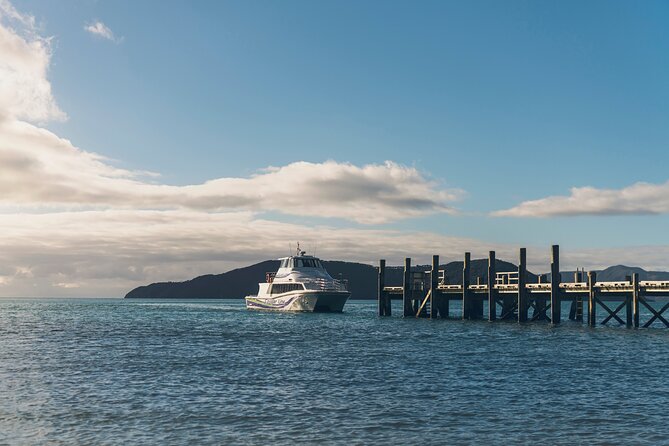
The included allowance is two bags per person, with each individual bag limited to 23 kilograms. The maximum stated dimension is 200 linear centimeters, calculated from height, length, and width. The weight limit is firm for safety reasons.
Large bags, including backpacks, must be checked at the Picton terminal. You collect them from carousels at the arrival port rather than carrying them into the passenger areas. Pack a small day bag with medication, valuables, a phone charger, and anything you need during the crossing.
Extra bags may be accepted if space is available, but you pay an additional fee. Sporting equipment has separate rules, and larger equipment may be accepted beyond the ordinary size limit. Do not assume your bicycle, surfboard, or canoe is covered by the standard passenger fare.
This allowance is a real part of the ferry’s value. Two 23-kilogram bags give you far more flexibility than many flights, especially on a longer New Zealand trip. Just remember that a generous allowance is not the same as unlimited luggage.
Food, seating, and the Premium Lounge

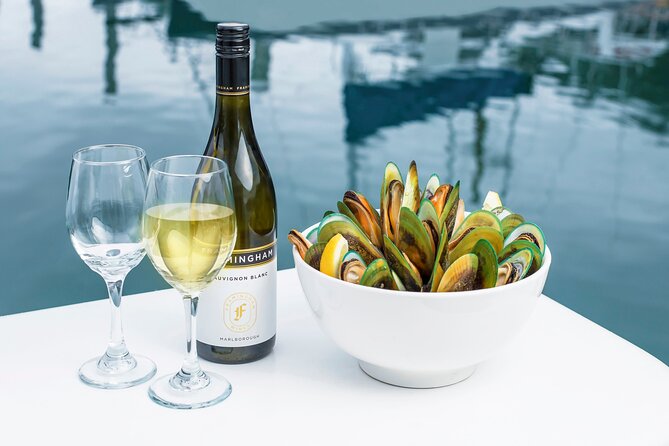
You will find cafés, a bar, and a fast-food takeaway counter on board. Food is not included in the standard fare, but there are enough choices to make the crossing easier. The onboard food has received praise for being fresh and adequate, and it can be a good use of time during the open-water section.
Coffee lines may become long, so buy your drink before you are desperate for it. Gluten-free options may be limited, and the standard service does not include meals or beverages. If you have dietary needs, bring something suitable rather than relying entirely on the café.
Seating is spread across different areas, with indoor lounges and outdoor decks. The ferry is large enough to offer room to move around, and you can change your setting as the weather changes. On a fine day, claim an outside seat early, then retreat indoors when the wind picks up.
The Premium Lounge provides more comfortable surroundings and includes food and drinks for the crossing. It can make sense if you want a quieter, more all-inclusive ride. The lounge is not enormous, and some people find its seating only moderately comfortable. First-time users may also need clearer directions to find it.
Youths aged 17 and under cannot use the Premium Lounge. That makes the ordinary seating areas the practical choice for families, and the children’s play area and nursery may help on longer portions of the crossing. A movie theater is available on selected ships, not every sailing.
Price and value at $58.77 per person
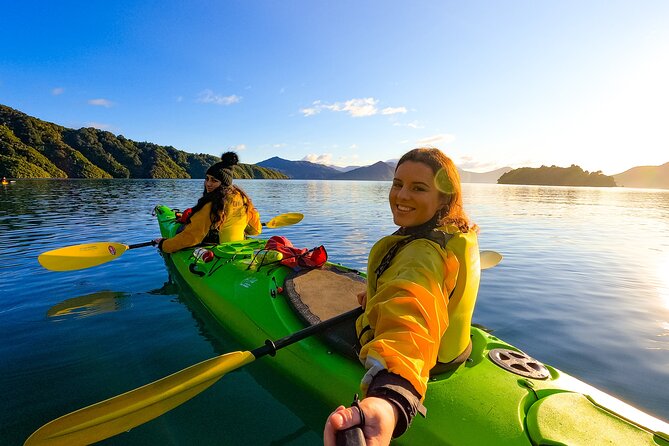
At $58.77 per person, the fare can be good value for a one-way connection between the islands, particularly when you factor in the two-bag allowance, onboard seating, viewing decks, and the chance to avoid a potentially uncomfortable flight into Wellington.
The value depends on what you need. A foot passenger with two bags receives a straightforward transfer with scenery included. A family or couple with a vehicle must compare the full vehicle fare, not just the individual passenger price. Cars, extra luggage, bicycles, sporting gear, and pets can all add fees.
Group discounts are available, which may help if you are traveling with several people. Still, read the final booking details carefully. Make sure every passenger, the vehicle if applicable, and any special equipment appear on the reservation before you pay.
The ferry also saves you from airport transfers and the uncertainty of a short flight in poor weather. You trade speed for space, scenery, and a more relaxed connection. For most island-hopping itineraries, that is a sensible trade.
Delays, cancellations, and planning around weather
The ferry’s timetable may change without notice. Delays can be minor, but a sailing may also run hours late. One reported six-hour delay turned a simple crossing into a wasted day in Picton, even though the onboard experience itself was clean and well organized.
Bad weather can also lead to a cancellation. If the experience is canceled for poor weather, you are offered another date or a full refund. If you need to cancel yourself, free cancellation applies up to 24 hours before the start time. Within 24 hours, the payment is not refunded and changes are not accepted.
The practical lesson is simple: do not schedule a major tour, flight, or fixed appointment immediately after arrival in Wellington. Check the sailing status before leaving for Picton, especially during unsettled weather. If you are connecting with the Coastal Pacific train, confirm how the sailing lines up with the rail timetable.
Who will enjoy this ferry most?
I would choose the InterIslander for road trips, longer New Zealand visits, and anyone who prefers a spacious sea crossing to a short flight. It is also a good fit for families because of the room to move, child facilities, and generous baggage rules.
It suits photographers and scenery lovers when the weather is kind, especially during the Picton departure and Wellington approach. It is less ideal if you want constant sightseeing for all three and a half hours. The best scenery is concentrated at the beginning and end.
The ferry also works well for foot passengers. You can board without a car, enjoy the lounges and decks, and use Wellington public transportation after arrival. People with mobility concerns should contact staff and prepare for possible stairs and long terminal walks.
Should you book the Picton to Wellington InterIslander ferry?
Book it if you want a practical, scenic island connection with generous baggage space. The Queen Charlotte Sound departure and Wellington Harbour arrival are memorable, the ship offers plenty of ways to spend the crossing, and the fare can be fair for the distance.
Do not book it on the assumption that every sailing will be a calm sightseeing cruise. Weather can spoil the outdoor views, delays can affect your plans, and the vehicle option must be selected correctly. Arrive at least an hour early, confirm the current sailing time, check your car is included, and keep a warm layer in your day bag.
For most people touring New Zealand by car or carrying substantial luggage, I consider this ferry the more enjoyable island connection. For a tight schedule or a rough-weather forecast, build in extra time and keep your expectations practical.
FAQ
How long is the Picton to Wellington ferry crossing?
The crossing takes approximately 3 hours and 30 minutes.
Where does the ferry leave from in Picton?
The ferry leaves from Picton Port on Auckland Street, Picton 7281, New Zealand.
Where does the ferry arrive in Wellington?
It arrives at Wellington Ferry Terminal, 1 Aotea Quay, Pipitea, Wellington 6011.
Can I bring a vehicle on the ferry?
Yes. You can choose to travel with a vehicle, but you must make sure the vehicle is included in your booking. A passenger booking may not cover the car.
How much luggage is included?
Each person may bring two baggage items, with each item limited to 23 kilograms. Additional baggage may be accepted for an extra charge, subject to availability.
Are food and drinks included?
No. Food and beverages are not included in the standard fare, but cafés, a bar, and a fast-food takeaway counter are available onboard.
Is there outdoor viewing space?
Yes. Passengers have access to viewing decks, including upper decks on the vessel.
Can I bring a bicycle or sporting equipment?
Bicycles and sporting equipment may be carried for an additional fee. Items such as canoes and surfboards may also incur a per-item charge.
Can I bring a pet?
Kennels for traveling animals may be purchased at the terminal for an additional cost. Kennel availability is limited. Service animals are allowed.
Are children allowed in the Premium Lounge?
Youths aged 17 and under are not permitted to use the Premium Lounge. Children aged 2 through 17 qualify for the child rate, and children aged 15 or younger must travel with an adult.
Just added around Picton
- Private Excursion: Scenic and Seascape Delights from Picton★ 4.0 · 5 reviews
- Exclusive Picton Wine & Scenic Adventure: VIP Cruise Experience★ 5.0 · 6 reviews
- Marlborough: Blenheim Wine Tour; Afternoon of Wine only★ 4.5 · 7 reviews
- Discover Picton: Self-Guided Audio Tour★ 3.0 · 8 reviews
- CRUISE SHIP DAYS – HOP ON HOP OFF – Wine, Beer, Food Tour★ 4.4 · 9 reviews
- Queen Charlotte Track – Ultimate one Day Walk and Cruise★ 5.0 · 9 reviews
- Marlborough Sounds Day Visit to Lochmara★ 4.5 · 13 reviews
- Queen Charlotte Sound Cruise with Lunch★ 4.2 · 15 reviews
Marlborough & Picton Tours, compared.

Queen Charlotte Sound Mail Boat Cruise from Picton
Read our review →
Beyond the Vines – Full-Day Marlborough Wine Tasting Tour
Read our review →
Queen Charlotte Track: Cruise & Self-Guided Hike from Picton
Read our review →
Coastal Pacific Train Journey from Picton to Christchurch
Read our review →

Self-Guided Wine Tours by Bike with Lorelle & Greg
Read our review →

Browse the lists this tour appears in