
Reviewed · MAORI CULTURAL EXPERIENCES
Māori Cultural Experience & Auckland Museum Admission
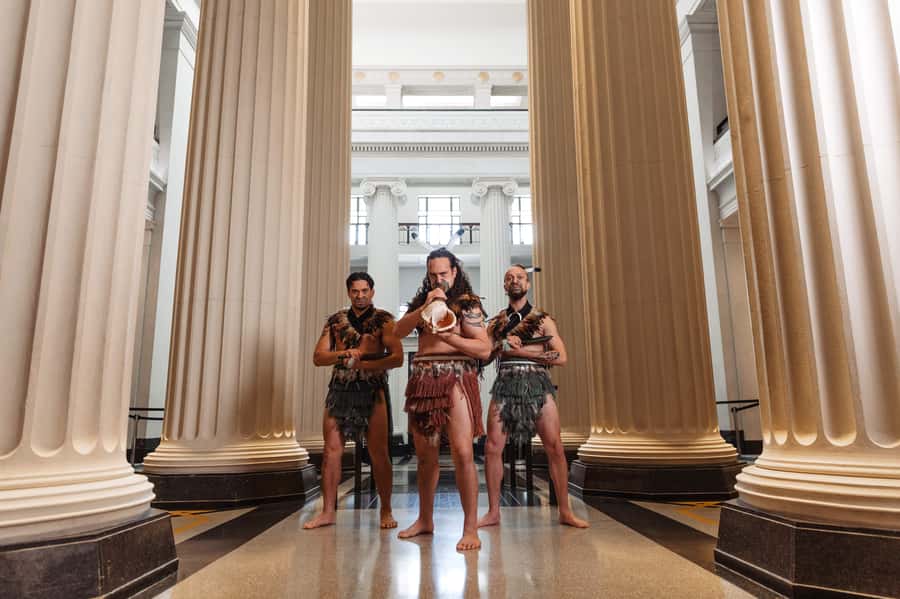
Culture comes alive in half an hour. This Auckland Museum ticket pairs a lively Māori Cultural Experience with all-day access to exhibits on New Zealand’s natural world, heritage, and treasured taonga. I like the clear link between performance and culture, especially the explanation of the haka, and I like that you can stay for the museum long after the 30-minute presentation ends.
The singing, poi work, storytelling, and dancing give you a memorable first look at Māori traditions without requiring a full-day guided tour. The main consideration is value: at $37 per person, it is a good buy if you plan to explore the museum for several hours, but the cultural performance alone may feel costly to some visitors.
You should also plan around the current closure of the Māori Court and Pacific Galleries. That does not cancel the museum visit, but it does reduce access to two especially relevant areas.
In This Review
- Key points at a glance
- Starting at Auckland War Memorial Museum
- The Living Taonga performance
- Waiata, poi, and the meaning of the haka
- What the museum adds after the show
- How to plan your time
- Price and value at $37
- Who will enjoy this most
- Access, language, and practical details
- What I would do with one day
- Should you book Living Taonga?
- FAQ
- How much does the Māori Cultural Experience and Auckland Museum admission cost?
- How long is the Māori Cultural Experience?
- What does the cultural performance include?
- Where does the experience take place?
- What are the museum opening hours?
- Are the Māori Court and Pacific Galleries open?
- Is the museum wheelchair accessible?
- Can I cancel or pay later?
Key points at a glance
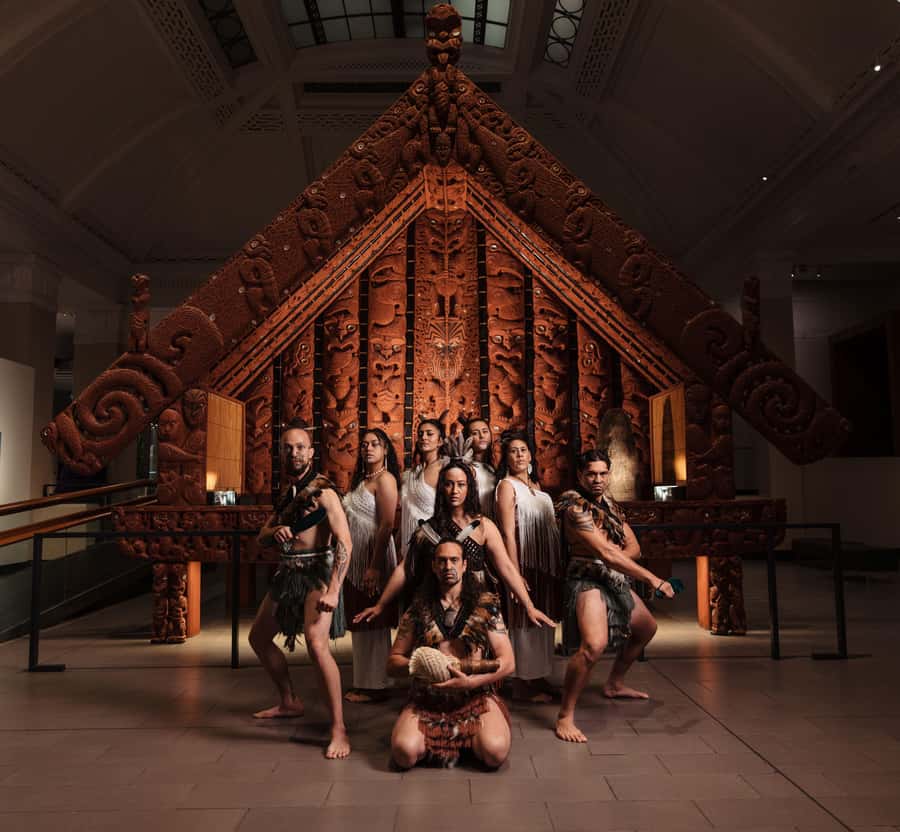
- A 30-minute cultural performance: Hear waiata, see poi, learn about Māori storytelling, and discover the meaning behind the haka.
- One ticket, a full day: Your admission remains valid for the day, giving you time to explore Auckland Museum at your own pace.
- A strong educational focus: The performance explains what the songs, movements, rituals, and traditional weapons represent.
- Best value for a longer visit: The $37 price makes more sense if you spend several hours with the museum’s natural history and New Zealand heritage displays.
- Plan ahead for the schedule: Bookings are essential, and the cultural presentation is not available on Anzac Day, 25 April.
- Important gallery closure: The Māori Court and Pacific Galleries are temporarily closed for essential maintenance.
Starting at Auckland War Memorial Museum
Auckland War Memorial Museum sits in Auckland Domain, about a 30-minute walk or five-minute drive from central Auckland. You can also reach it by public transport, and the location makes it easy to pair with time in the surrounding park.
The building houses the experience provider, Auckland Museum, also known as Tāmaki Paenga Hira. Your ticket is not for a quick show followed by a quick exit. It gives you access to a major museum for the rest of the day, so I would treat this as a flexible half-day or full-day plan.
You can arrive on a weekday from 10:00 to 17:00. On weekends, public holidays, and school holidays, opening begins at 09:00 and continues until 17:00. The museum stays open later on Tuesdays, until 20:30, which is useful if you want a slower visit after the daytime crowds have eased.
If you drive, two levels of secure parking are available on site. Auckland Domain also offers free parking for up to three hours, though that shorter limit matters if you want to see the performance and explore the museum properly.
More Maori Cultural Experiences in Auckland
- Waitomo Caves & Rotorua – Te Puia Small-Group Tour from Auckland
★ 4.5 · 681 reviews - Auckland: Waitomo Caves & Rotorua – Te Puia Small-Group Tour
★ 4.8 · 223 reviews - Hobbiton & Rotorua Small Group Tour including Te Puia from Auckland
★ 5.0 · 190 reviews
The Living Taonga performance
The cultural presentation is called Living Taonga. Taonga means something treasured or prized, and the name points to the central idea: Māori culture is not a display frozen in the past. It continues through language, music, ritual, family, art, and performance.
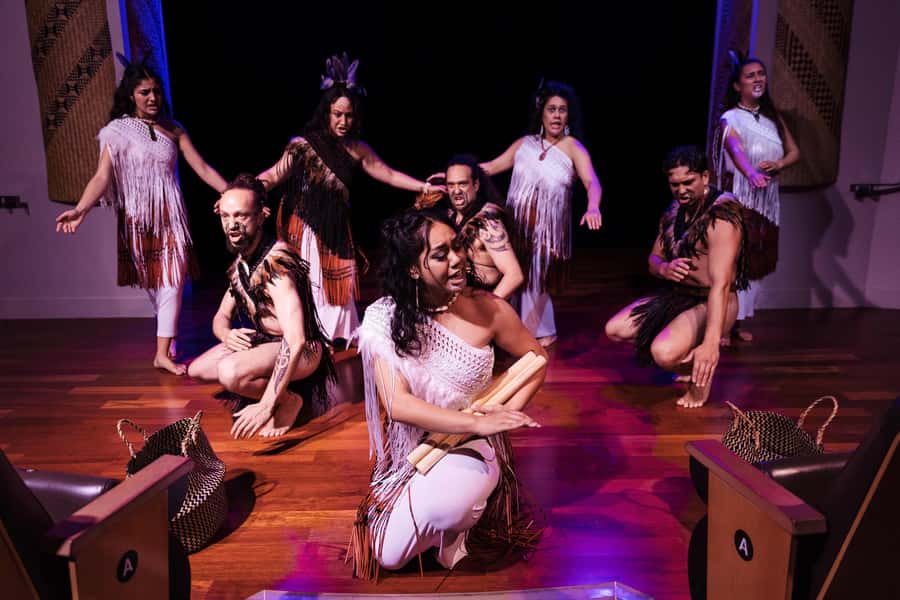
The presentation is led by Māori artists and orators. You will hear waiata, or traditional songs, and see poi used with precise rhythm and movement. Storytelling helps explain what you are watching, which is important because the gestures and sounds can otherwise seem impressive without being understood.
I like this balance of explanation and performance. The strongest part is not simply the singing or the dancing. It is the context that tells you why a particular movement matters and how a song connects to Māori identity.
The performance has been praised for its clear narrator, strong voices, humor, and warm welcome. One particularly useful detail is that the narrator has been described as easy to hear and funny, while the performers bring real force to the singing and chants.
You should expect an entertaining presentation, but not a theatrical show built only for applause. Its purpose is educational as well as enjoyable. That makes it a good introduction for first-time visitors who want to understand Māori culture rather than simply watch a haka as a photo opportunity.
Waiata, poi, and the meaning of the haka
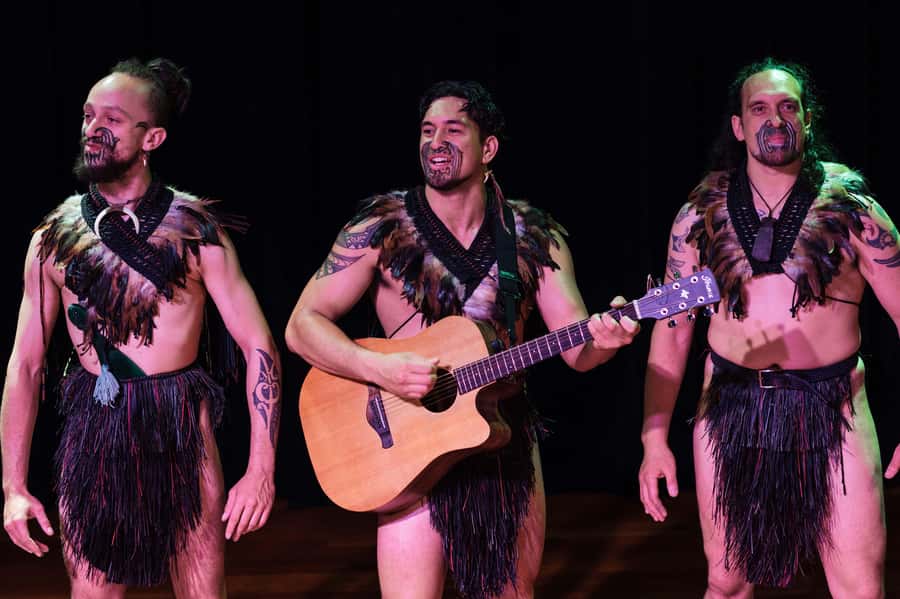
Waiata gives the presentation its musical heart. The songs help communicate stories, feelings, and communal identity, and the performance lets you hear the power of Māori vocal traditions in a direct setting.
Poi adds another layer. The performers handle the balls attached to cords with speed and control, creating patterns through movement and rhythm. It is easy to focus on the skill, but the explanation helps you see poi as more than a visual trick.
The haka receives special attention. Many people first encounter the haka through New Zealand rugby, but the tradition has a much wider meaning. Here, you learn about the haka as a commanding ritual expressing strength, unity, and identity.
That explanation is valuable because the haka can be misunderstood when it is reduced to facial expressions and loud chanting. The performance places it within Māori culture and shows why the movements matter.
The presentation may also introduce traditional weapons and explain how they were used. That adds a practical element to the storytelling and gives you another way to connect objects in the museum with living cultural practice.
Photography may not be possible during the performance. One useful approach is to put your phone away and watch closely. The show is short, and the audience’s attention belongs on the performers rather than on getting a perfect image.
What the museum adds after the show
The museum admission is what turns this from a short cultural presentation into a fuller Auckland activity. You can continue into exhibits covering natural history, New Zealand heritage, the country’s formation, animals, and its distinctive environment.
I would allow several hours if you want to read the displays rather than simply walk through them. One visitor needed more than a few hours to see everything, and that feels like the right warning. The museum is large enough that a quick stop will give you only an outline.
The natural history sections help place New Zealand in its wider setting. Displays about animals and the environment are especially useful if you are still getting oriented to the country. They explain why Aotearoa feels so different from many other parts of the world.
The heritage exhibits give the cultural performance more context. After hearing Māori artists explain waiata, poi, and haka, you can spend time with objects and displays connected to New Zealand’s past and Māori traditions.
At present, the Māori Court and Pacific Galleries are closed for essential maintenance. This is the biggest limitation for someone choosing the ticket mainly for Māori and Pacific collections. You still receive general museum admission and the Living Taonga presentation, but you should not expect access to every relevant gallery.
More Museum Visits in Auckland
- Auckland War Memorial Museum Entry Ticket
★ 4.5 · 293 reviews - Explore gardens & galleries filled with incredible art, Matakana
★ 5.0 · 186 reviews - Skip the Line: Auckland Museum General Admission Ticket
★ 4.5 · 183 reviews - Māori Cultural Experience & Auckland Museum General Admission
★ 4.5 · 92 reviews
How to plan your time
The most sensible plan is to check the available performance time before you arrive, then build your museum visit around it. Bookings are essential and depend on availability, so do not assume you can simply walk in and join the cultural presentation.
Arriving about 20 minutes before the show is a smart move. That gives you time to find the museum, handle admission, and settle before the performance begins. It also avoids turning a cultural presentation into a rushed dash from the entrance.
You can visit the museum before or after the performance, depending on the starting time. If you arrive early, begin with the galleries that interest you most, then attend the presentation when called. If your performance is earlier in the day, use it as an introduction before exploring the exhibits.
The ticket is valid for one day, not just for the scheduled performance window. That flexibility is useful if you are visiting Auckland Domain, eating at the museum café, or breaking your museum visit into shorter sections.
The on-site café has been praised for good-quality fresh food and coffee. Food and drinks are not included in the ticket, and they are not allowed inside the activity areas, so use the café as a planned break rather than expecting refreshments as part of admission.
Price and value at $37
At $37 per person, this is not the cheapest museum entry in Auckland. The value depends on how much of the day you use.
If you attend only the 30-minute cultural presentation and leave, the price can feel steep. A separate museum admission plus an added fee for a short performance may make the total seem high, especially for visitors with limited time.
I think the price works better when you allow at least three or four hours for the museum. You receive the performance, general admission, access to natural history and heritage displays, and the freedom to set your own pace.
Families and first-time visitors may find the combined ticket convenient because it offers both a scheduled activity and open-ended museum time. It is also a sensible choice on a rainy Auckland day, when an indoor program with a clear cultural focus is welcome.
For a visitor already planning to see Auckland Museum, adding Living Taonga makes the day more meaningful. The performance gives you a human introduction before you encounter rows of objects and written explanations.
For a visitor interested only in haka, the calculation is different. You may feel that 30 minutes does not justify the full price unless you also want the museum. Go in expecting a museum visit with a cultural presentation, not a standalone evening show.
Who will enjoy this most
I would recommend this to first-time visitors to New Zealand, especially those who want a respectful introduction to Māori culture. The storytelling gives you enough background to understand the songs, movements, and haka without requiring prior knowledge.
Families should find the mix of live performance and museum displays useful. The presentation holds attention through movement and music, while the exhibits provide more material for older children and adults.
It also suits visitors who want flexibility. You do not have to follow a guide through every room, and the one-day admission lets you choose the sections that match your interests.
You may want to choose another activity if your priority is a long, detailed history lesson about Māori society. One criticism of the performance is that it could use more brief historical background before the presentation begins. The cultural content is clear, but the 30-minute format naturally limits how much context can fit.
The temporary closure of the Māori Court and Pacific Galleries is another reason to check your expectations. If those galleries are the main reason you are visiting, wait until they reopen or confirm the current situation before booking.
Access, language, and practical details
The museum is wheelchair accessible. Wheelchairs are available on site if one is free, but they cannot be reserved ahead of time.
The host or greeter can assist in English or Māori. The performance itself is designed to communicate through spoken explanation, song, movement, and dance, making it approachable even if you know little about Māori culture.
Large bags and luggage are not allowed. Leave substantial bags elsewhere before arriving, since this is a museum visit rather than a place to store airport luggage.
The experience is closed on Christmas Day. It is also not available on Anzac Day, 25 April, even though the museum’s general opening arrangements can vary by date.
Free cancellation is available up to 24 hours before the activity for a full refund. You can also reserve now and pay later, which helps if your Auckland schedule is still changing.
What I would do with one day
I would book a morning or early afternoon performance and arrive 20 minutes ahead. After the presentation, I would spend time with the New Zealand heritage and natural history displays, then take a café break before visiting any remaining sections.
I would not try to see every room at speed. The museum has enough material to reward careful reading, and rushing would weaken the value of the admission.
I would also check the museum’s current gallery status before booking. The Māori Court and Pacific Galleries are temporarily closed, so your visit should be planned around Living Taonga and the galleries that remain open.
If you have only one hour in Auckland, this may not be the right choice. The performance is short, but the ticket earns its price through the museum time around it.
Should you book Living Taonga?
Book it if you want a clear, welcoming introduction to Māori culture and have several hours for Auckland Museum. The singing, poi, storytelling, and haka explanation are the most praised parts, and the performance offers more meaning than a quick staged dance show.
Think twice if you want only a brief haka or if you are visiting mainly for the Māori Court and Pacific Galleries during their maintenance closure. For everyone else, the combination of live culture and a full museum day makes this a worthwhile Auckland stop, provided you arrive early and give the museum enough time.
FAQ
How much does the Māori Cultural Experience and Auckland Museum admission cost?
The listed price is $37 per person.
How long is the Māori Cultural Experience?
The cultural performance lasts about 30 minutes. Your museum admission remains valid for the full day.
What does the cultural performance include?
It includes Māori waiata, poi, storytelling, dance, and an explanation of the origins and meaning of the haka. Traditional weapons and their uses may also be discussed during the presentation.
Where does the experience take place?
It takes place at Auckland War Memorial Museum, Tāmaki Paenga Hira, in Parnell, Auckland 1010, New Zealand.
What are the museum opening hours?
On weekdays, the museum is open from 10:00 to 17:00, except Christmas Day. On weekends, public holidays, and school holidays, it opens from 09:00 to 17:00. It stays open until 20:30 on Tuesdays.
Are the Māori Court and Pacific Galleries open?
No. The Māori Court and Pacific Galleries are temporarily closed for essential maintenance work.
Is the museum wheelchair accessible?
Yes. The museum is wheelchair accessible. Wheelchairs are available on site subject to availability, but they cannot be pre-booked.
Can I cancel or pay later?
You can cancel up to 24 hours in advance for a full refund. A reserve-now, pay-later option is also available.
Just added around Auckland
- Auckland Museum and Highlight Sightseeing Tour★ 5.0 · 5 reviews
- 7 – Day North to South Island Grand Tour – Auckland to Queenstown★ 5.0 · 5 reviews
- Kumeu Winery Boutique Tour with Gourmet Lunch from Auckland★ 4.0 · 5 reviews
- Private 2 Hour Surf Lesson★ 5.0 · 5 reviews
- Private 3 Days Tour From Auckland: Hobbiton, Hamilton, Rotorua & Waitomo Caves★ 5.0 · 5 reviews
- Auckland City Hotel to Cruise Ship Transfer by SUV★ 4.0 · 5 reviews
- Auckland Highlights Full Day Guided Tour★ 4.5 · 5 reviews
- Private Tour – Waiheke Island Luxury Experience★ 5.0 · 5 reviews
Maori Cultural Experiences, compared.
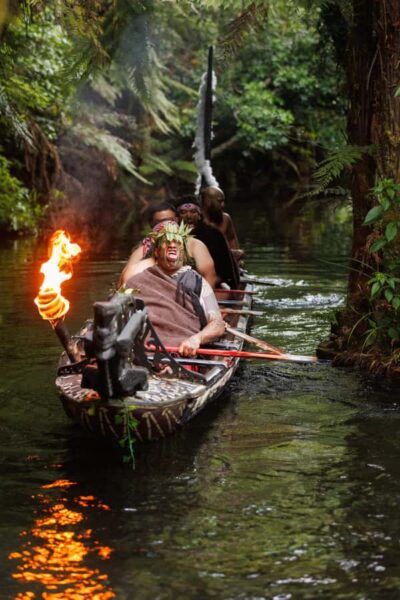
Mitai Maori Village: Cultural Experience and Dinner Buffet
Read our review →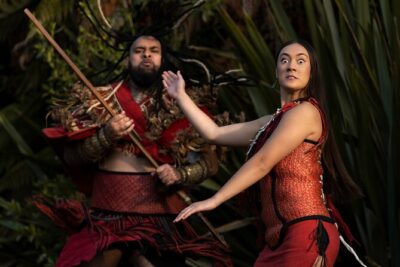
Cultural Experience & Seasonal Māori Cuisine at Te Pā Tū
Read our review →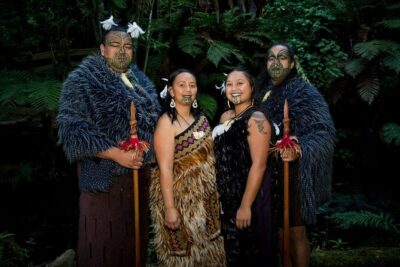
Mitai Maori Village Cultural Experience in Rotorua
Read our review →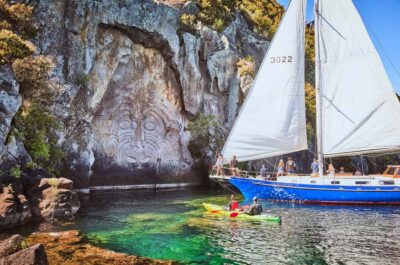
Lake Taupo: Classical Sailing to the Māori Rock Carvings
Read our review →
Te Pa Tu Māori Cultural Experience with Dinner
Read our review →
Lake Taupō Māori Rock Carvings Scenic Cruise aboard Ernest Kemp
Read our review →
Waitomo Caves & Rotorua – Te Puia Small-Group Tour from Auckland
Read our review →
Lake Taupo: Maori Rock Carvings 10.30 AM 1.5-Hour Cruise
Read our review →Browse the lists this tour appears in