
Reviewed · MAORI CULTURAL EXPERIENCES
Māori Whakatau Welcome
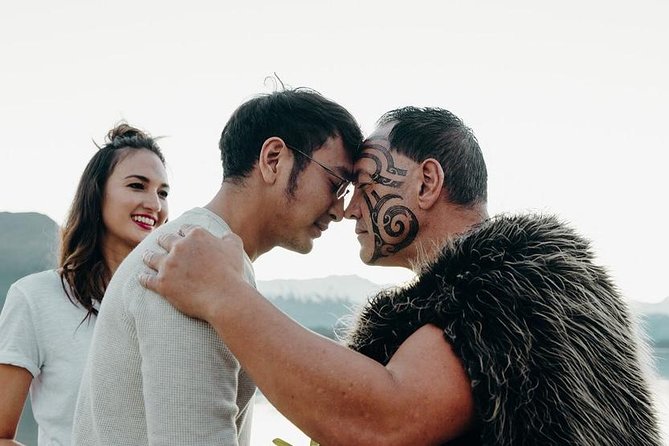
Start your New Zealand trip with a welcome. The Māori Whakatau Welcome introduces you to Otago through a pōwhiri, a formal Māori welcome held near beautiful Lake Wanaka. I like the genuine focus on manaakitanga, or hospitality, and the chance to learn about kaitiakitanga, the responsibility of caring for the land.
I also like the compact 45-minute format, which fits neatly into a busy Wanaka day, and the warm, family-friendly approach. Joe receives especially high praise for making the experience informative and enjoyable, including for children. The main point to watch is the price wording: the Māori bone carving is not included, despite being promoted as a possible keepsake.
In This Review
- Key points to know before you book
- Why this Māori welcome belongs near the start of your trip
- Arriving beside Lake Wanaka
- The wero begins the welcome
- Hearing the story behind manaakitanga and kaitiakitanga
- What the family experience feels like
- The Māori bone carving and other souvenirs
- Is $31.03 good value?
- Wanaka or Queenstown?
- Practical details that matter
- Who should book the Māori Whakatau Welcome?
- Should you book it?
- FAQ
- Where does the Māori Whakatau Welcome take place?
- How long does the experience last?
- What time does the experience start?
- What is included in the price?
- Is the Māori bone carving included?
- Are children allowed to participate?
- Can I cancel for a refund?
Key points to know before you book
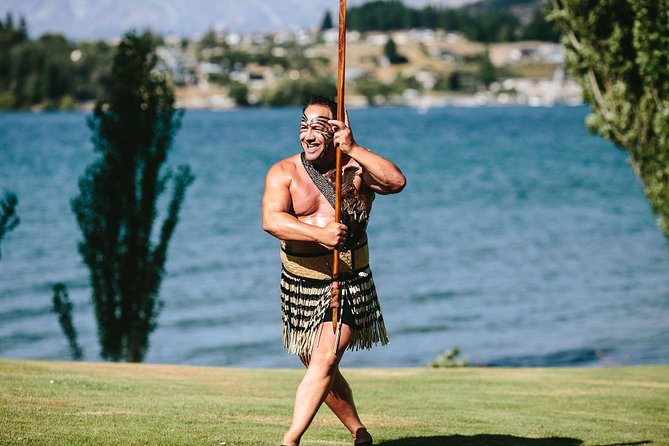
- A real pōwhiri, not a museum display: You take part in a Māori welcome that includes a wero challenge and a mihi whakatau welcome speech.
- Lake Wanaka sets the scene: The meeting point is connected with one of Otago’s most appealing natural settings.
- Joe earns strong praise: His friendly, helpful approach has made the experience particularly popular with families.
- Plan for about 45 minutes: It is short enough to add before lunch, an afternoon outing, or another Wanaka activity.
- The carving costs extra: An authentic Māori bone carving can be purchased separately, as can souvenir photographs and a WanaHaka tea towel.
- Queenstown may also be possible: Wanaka is the stated location, but you should email ahead if you prefer Queenstown.
Why this Māori welcome belongs near the start of your trip
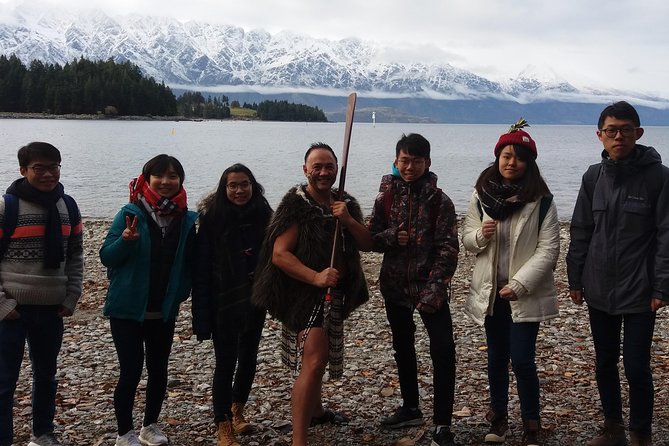
The first days in New Zealand often become a blur of rental cars, jet lag, lake viewpoints, and practical errands. This experience gives you a different first step. Rather than simply looking at Māori objects in a museum, you are introduced to a living cultural practice that welcomes visitors onto the land.
A pōwhiri is an important Māori ritual for receiving people who arrive as strangers. The experience connects that welcome with two ideas central to WanaHaka: manaakitanga, the care and hospitality shown to others, and kaitiakitanga, the duty of guardianship toward the land.
I like this pairing because it keeps the event from being only a performance. You are not just watching a warrior with a taiaha or listening to unfamiliar Māori words. You are also given a reason for the welcome and a way to think about your own place as a visitor in Otago.
The experience has earned a 4.9 out of 5 rating from 72 reviews, with 99 percent recommending it. Those numbers do not replace your own judgment, but they suggest the format is working well. The specific praise for Joe is useful too. His helpful, approachable style seems to make the cultural material easier to follow, especially for families and anyone attending a Māori ceremony for the first time.
More Maori cultural experiences:
- ‘Express’ Wine Tour & Māori Culture Wānaka
★ 5.0 · 85 reviews - Wine Tour & Maori Culture Wanaka
★ 5.0 · 81 reviews - Mitai Maori Village: Cultural Experience and Dinner Buffet
★ 4.7 · 3,575 reviews
Arriving beside Lake Wanaka
The setting is Lake Wanaka, one of the most memorable places in the region. The event uses the lake and surrounding scenery as more than a pretty background. The connection between people and place is part of the message, with local Māori responsibilities tied to the land of Otago.
The exact meeting point should be confirmed when you book, since the information supplied does not provide a street address. The activity ends back at the meeting point, and private transportation is included. That is helpful if the transport is needed to reach the welcome location, but you should still check the pickup details before setting out.
The listed start time is 9:30 am. The experience is also advertised with morning or afternoon options, so confirm your chosen time during booking. This matters in Wanaka, where you may be fitting in a lake cruise, a hike, a winery visit, or a drive toward the region’s other scenic stops.
Arrive ready to give the ceremony your attention. Forty-five minutes is not a long time, but a formal welcome is best approached at a slower pace than a quick photo stop. You may want to allow a little extra time around the scheduled start, even though the actual activity is expected to last from 40 minutes to one hour.
The wero begins the welcome
The first major element is the wero, or challenge. A Māori warrior greets you with a taiaha, a traditional weapon and ceremonial object. This can look dramatic, but its purpose is not to frighten you. The wero establishes that you are entering a new place and that the host community is assessing your intentions.
For many visitors, this will be the most visually striking part of the experience. It gives the welcome a sense of ceremony from the outset and makes clear that you are participating in something with cultural structure, not simply attending a talk.
The presentation is likely to be unfamiliar if you have never seen a pōwhiri. That is part of its value, but it also means you should not expect every moment to be explained in the same way as a standard sightseeing tour. Listen closely, follow the instructions you are given, and allow the hosts to guide the sequence.
The wero is followed by the key stages of the welcome, including the mihi whakatau, or welcome speech. The stated aim is that people may begin as strangers and finish as whānau, or family. That does not mean you should expect a long social gathering. It describes the change in relationship that the pōwhiri is designed to create.
Hearing the story behind manaakitanga and kaitiakitanga
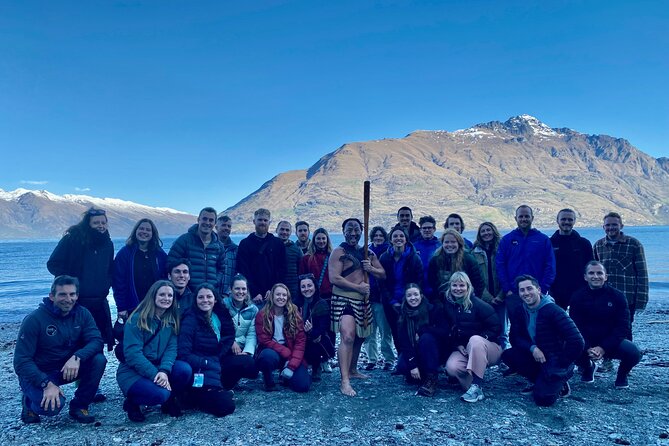
The teaching element is one of the strongest reasons to choose this experience. You learn about local Māori traditions, the local iwi, and the responsibilities of kaitiaki, or custodians of the land.
Those ideas give the ceremony wider meaning. Manaakitanga is not merely being polite to visitors. It is a serious form of hospitality and care. Kaitiakitanga asks people to think about how land, water, and community are protected for those who come later.
I appreciate that these themes apply directly to a visit around Wanaka. You are arriving in a region known for its outdoor beauty, so the message about guardianship is not abstract. It encourages you to see the lake and surrounding country as places with cultural importance, not just scenic stops on a driving route.
The information is presented as part of the pōwhiri rather than as a separate lecture. That helps keep the event focused. You are learning through a welcome and its rituals, which is more personal than reading a short panel in a museum.
Still, this is a brief introduction, not a complete study of Māori culture. In roughly 45 minutes, you can expect a meaningful starting point rather than an exhaustive account of iwi history, language, or regional traditions. If you want a longer cultural program, you will need to add another experience to your itinerary.
A few more Wanaka trips worth weighing up
- Wildwire Wanaka- Level 2 (4 Hours)
★ 5.0 · 467 reviews - Bike the Wanaka and Hawea Trails
★ 5.0 · 346 reviews - Lake Wanaka Happy Hour Cruise
★ 4.6 · 313 reviews - Small Group Jet Boat Adventure on the Clutha River from Wanaka
★ 5.0 · 302 reviews
What the family experience feels like
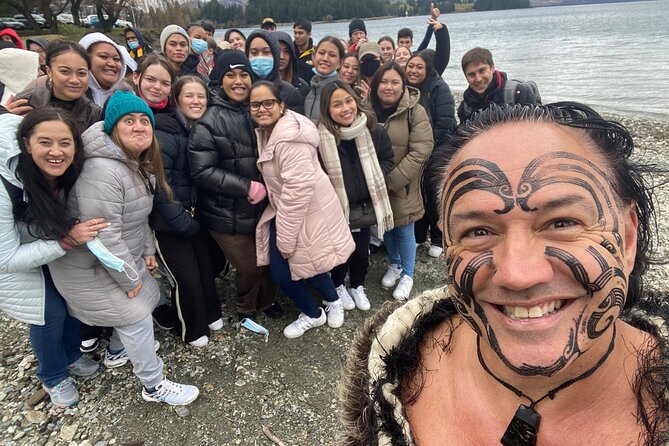
Children aged 16 and under receive a discounted rate, and the activity is designed for families. The combination of a warrior, a taiaha, a formal challenge, and a clear sequence gives younger visitors something concrete to watch and remember.
One of the strongest comments about the experience is that children enjoyed it too. That is important because cultural activities can sometimes lose younger attention if they rely only on a long speech. Here, the ceremony has movement and visual elements before the explanation begins.
Parents should still prepare children for the fact that this is a respectful cultural welcome. It is not a staged adventure show. Children must be accompanied by an adult, and everyone should be ready to listen and follow directions during the pōwhiri.
The small maximum group size of 30 people should help keep the presentation personal. It is not a private booking by default, so you may share the welcome with other participants. Even so, a group of 30 is easier to manage than a large coach party and better suited to a formal cultural exchange.
Most people can participate, and service animals are allowed. The experience requires good weather, so a change of date or a full refund may be offered if conditions force a cancellation.
The Māori bone carving and other souvenirs
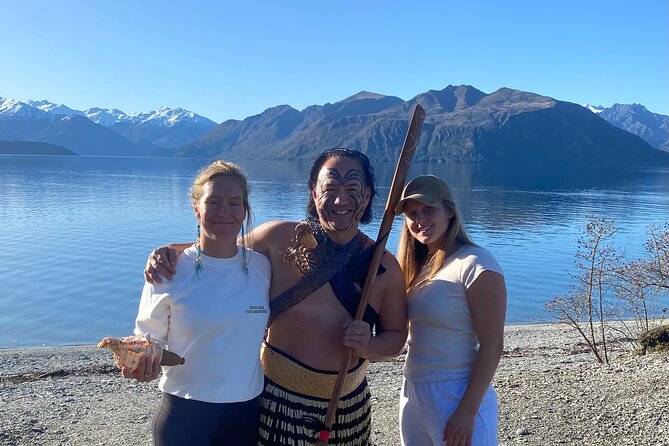
The Māori bone carving is one of the most attractive features for visitors who want a physical reminder of the welcome. A carving can give the experience a lasting place in your trip, especially if you are attending near the beginning of your New Zealand holiday and want to remember the ceremony later.
But read the inclusions carefully. The authentic Māori bone carving is not included in the $31.03 per-person price. It is an optional purchase, as are souvenir photographs and the WanaHaka tea towel.
This is not necessarily a problem. Keeping the base price low lets you choose whether the carving fits your budget. It does mean you should not assume that the keepsake shown in the promotion comes automatically with admission.
The same advice applies to photos. If you want a formal picture of the wero or welcome, ask about the photography option and its cost before the ceremony begins. A mobile ticket is included for entry, but that does not cover the extra souvenirs.
Is $31.03 good value?
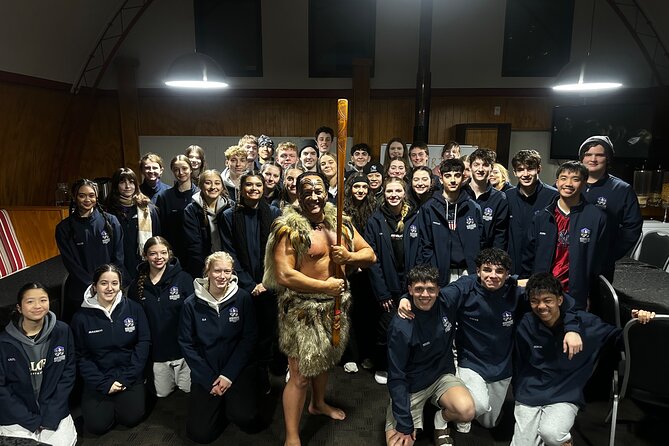
At $31.03 per person, this is a modestly priced cultural activity for the Wanaka area, especially if you value direct contact with local Māori traditions. The experience lasts around 40 minutes to one hour, with 45 minutes listed for the main program, so you are paying for a focused introduction rather than a half-day tour.
The value comes from the format. Private transportation is included, the group is capped at 30, and the welcome brings together cultural explanation, performance, and the local setting. If you were already planning to spend time at Lake Wanaka, this adds meaning without taking over your day.
The cost is less appealing if you mainly want a long guided history lesson or an extensive cultural workshop. It also rises if you decide to buy the carving, photos, and tea towel. Think of the listed fare as the entry price for the pōwhiri, not an all-inclusive souvenir package.
Families benefit from the discounted price for children aged 16 and under. That can make the event easier to justify when several people are paying, particularly if your children are old enough to listen and ask questions.
Wanaka or Queenstown?
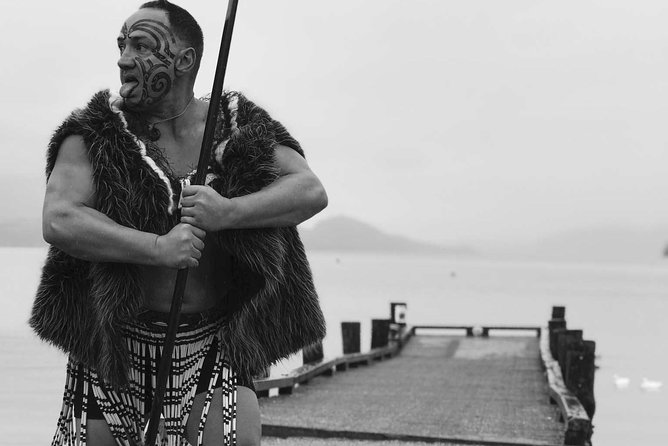
Wanaka is the stated location, and the lake setting is a major part of the appeal. However, the experience can be arranged in either Wanaka or Queenstown, according to the supplied information.
If you prefer Queenstown, email before booking or as soon as possible to confirm the location. Do not assume that selecting the experience automatically gives you your preferred town.
This flexibility could be useful if you are dividing your time between the two resort areas. It also makes the activity easier to fit into a wider South Island route. Just confirm the meeting point, start time, and transportation details for the location you choose.
Practical details that matter
Confirmation is provided at booking, and the mobile ticket makes entry simple. The activity ends at the same meeting point where it begins.
Free cancellation is available if you cancel at least 24 hours before the local start time. Changes or cancellations inside that window are not accepted for a refund. If poor weather causes the cancellation, you may be offered another date or a full refund. The same applies if the minimum number of participants is not reached.
The experience can be booked in advance, and the average booking point is 137 days before the visit. That suggests planning ahead is sensible during a busy New Zealand holiday, especially if you need a particular morning or afternoon time.
I would also confirm the 9:30 am start against the morning and afternoon options shown for the experience. The details point to both, but your confirmation should be treated as the final word.
Who should book the Māori Whakatau Welcome?
I would recommend this for families, first-time visitors to New Zealand, and anyone who wants cultural context before spending several days around Otago. It works especially well near the start of a trip because it gives you a more thoughtful way to approach the places you are about to see.
It is also a good choice if you prefer short activities with a clear purpose. You do not need to sacrifice a full day of sightseeing, and the included transportation removes some of the usual planning work.
I would hesitate only if your schedule is extremely tight, you are uncomfortable with ceremonial participation, or you expect a large-scale show with extensive entertainment. The pōwhiri is a respectful welcome, and its value depends on your willingness to listen and take part properly.
Should you book it?
Yes, if you want a concise and sincere introduction to Māori culture in a memorable setting. The combination of the wero, mihi whakatau, local iwi connections, and lessons about manaakitanga and kaitiakitanga offers more substance than a standard photo stop.
Book it early if you need a specific time, confirm Wanaka or Queenstown in advance, and budget separately for the bone carving and other souvenirs. With a 4.9 out of 5 rating, strong family appeal, and a friendly guide named Joe, this is a worthwhile addition to a Wanaka itinerary for visitors who want their trip to include people and culture, not only scenery.
FAQ
Where does the Māori Whakatau Welcome take place?
It is offered in Wanaka, New Zealand, on the shores of Lake Wanaka. It can also be arranged in Queenstown, so email ahead if you prefer that location.
How long does the experience last?
The welcome lasts approximately 40 minutes to one hour. The listed itinerary duration is 45 minutes.
What time does the experience start?
The supplied meeting information lists a 9:30 am start time. Morning and afternoon pōwhiri options are also advertised, so confirm your selected time when booking.
What is included in the price?
The experience includes the Māori pōwhiri and private transportation. A mobile ticket is provided.
Is the Māori bone carving included?
No. An authentic Māori bone carving is available to purchase separately. Souvenir photos and a WanaHaka tea towel also cost extra.
Are children allowed to participate?
Yes. Children aged 16 and under receive a discounted rate, and children must be accompanied by an adult.
Can I cancel for a refund?
Yes. You can cancel at least 24 hours before the local start time for a full refund. Poor weather or failure to meet the minimum number of participants may also result in a different date or a full refund.
Just added around Wanaka
- Riverside Electric Bike Tour★ 5.0 · 5 reviews
- Go Jets Wanaka Clutha River Jet Boat Experience★ 5.0 · 5 reviews
- From Wanaka Bike the Lake Dunstan Trail with Shuttle Return★ 5.0 · 5 reviews
- Wanaka: Lake Wanaka Guided Kayak Tour★ 5.0 · 5 reviews
- Wanaka: Waterfall Climb and Canyon Tour★ 5.0 · 6 reviews
- Wanaka High Country Walk★ 5.0 · 6 reviews
- Wanaka: Scenic Hot Air Balloon Flight★ 4.7 · 6 reviews
- Kayak Rental Adventure – The Mission★ 5.0 · 6 reviews
Maori Cultural Experiences, compared.
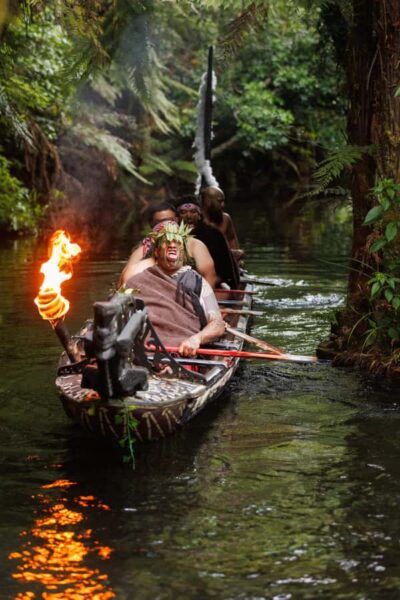
Mitai Maori Village: Cultural Experience and Dinner Buffet
Read our review →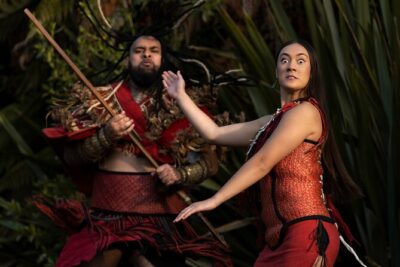
Cultural Experience & Seasonal Māori Cuisine at Te Pā Tū
Read our review →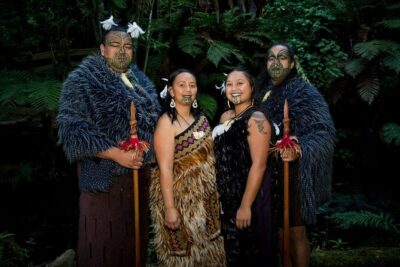
Mitai Maori Village Cultural Experience in Rotorua
Read our review →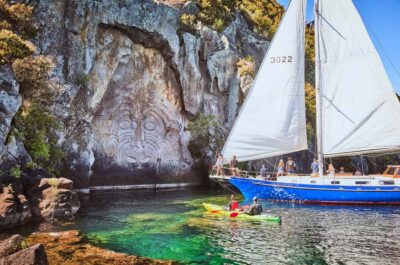
Lake Taupo: Classical Sailing to the Māori Rock Carvings
Read our review →
Te Pa Tu Māori Cultural Experience with Dinner
Read our review →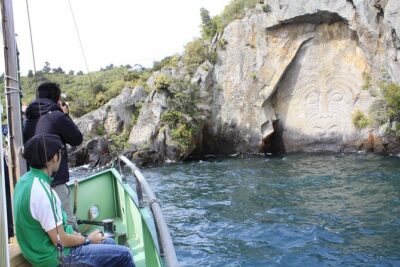
Lake Taupō Māori Rock Carvings Scenic Cruise aboard Ernest Kemp
Read our review →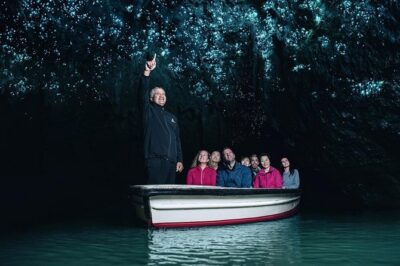
Waitomo Caves & Rotorua – Te Puia Small-Group Tour from Auckland
Read our review →
Lake Taupo: Maori Rock Carvings 10.30 AM 1.5-Hour Cruise
Read our review →Browse the lists this tour appears in