

Reviewed · FOOD & DRINK
Ōtautahi: Christchurch Small-Group Inner City Food Walking Tour
Christchurch tastes better on foot. This 2.5-hour walk links the city’s landmarks with Māori culture, earthquake stories, and generous local food stops. I especially like the small group of up to 12 and the chance to ask a local guide about the city’s changing identity. I also like that the tour is more than a quick snack crawl: it can include lunch, craft beer, chocolate, honey, coffee, and gelato.
The main caution is value. At $133.42 per person, this is not a cheap walking tour, and the food format may not suit everyone. You may receive several tastings, or a substantial sit-down meal with fewer small bites. Food quality can also vary by venue, so I would book this for the cultural access and local perspective first, and the menu second.
In This Review
- Key things to know before you book
- Starting beside the Avon River at the Bridge of Remembrance
- Christchurch through Māori and European eyes
- The Bridge of Remembrance and the city walk
- Food stops that turn the walk into a full outing
- Where the food experience can miss the mark
- Why the earthquake story matters here
- A small group makes the difference
- Is $133.42 a fair price?
- Timing, walking comfort, and cancellation details
- Who will enjoy this Christchurch walk most?
- Should you book Amiki Tours?
- FAQ
- Where does the Christchurch food walking tour start?
- What time does the tour begin?
- How long does the tour last?
- Where does the tour finish?
- How many people can join the tour?
- What food and drinks are included?
- Does the tour include Christchurch earthquake history?
- Is the tour suitable for people with dietary requirements?
- What happens if the weather is poor or I need to cancel?
Key things to know before you book
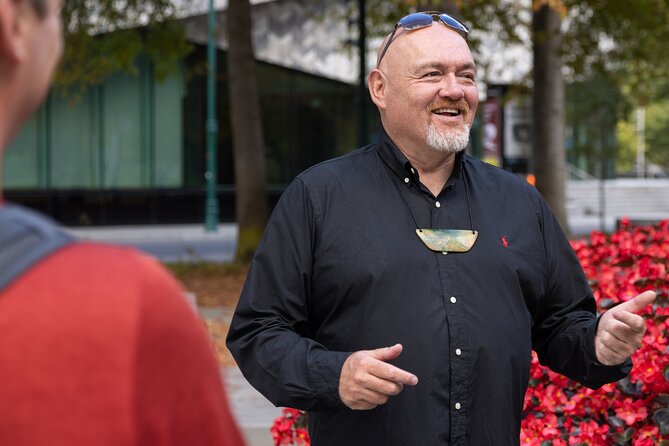
- Māori and European stories share the route: Your guide connects Christchurch landmarks with local whānau, culture, and the city’s past.
- The Bridge of Remembrance is the meeting point: Begin at Cashel Street beside the Avon River at 11:30 am, then finish back where you started.
- Lunch may be a major part of the experience: Food stops can include a three-course meal at a local brewery, rather than only small samples.
- Sweet stops are part of the appeal: Expect the possibility of chocolate, mānuka honey, coffee, and gelato along the walk.
- Earthquake recovery is central: You will hear how Christchurch changed after the 2011 earthquake and how rebuilding decisions included many voices.
- Guide quality is a major strength: Ash, Emily, and Riwai Grace are praised for warmth, local knowledge, cultural insight, and personal storytelling.
Starting beside the Avon River at the Bridge of Remembrance
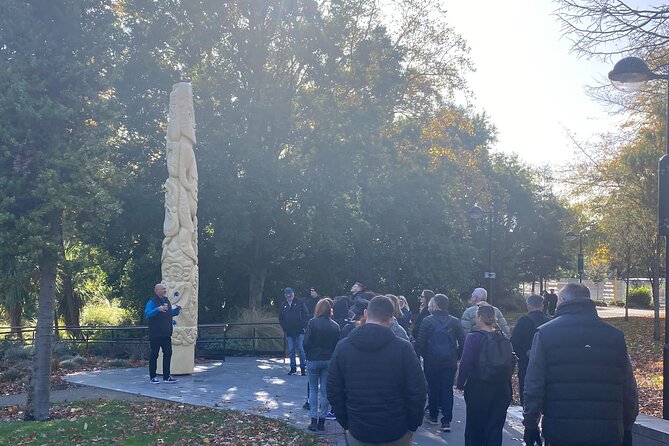
The tour begins at the Bridge of Remembrance on Cashel Street, a fitting place to start a Christchurch story. The bridge links Cambridge and Oxford Terraces over the Avon River and opened in 1924. It is both a city landmark and a useful orientation point in the central city.
Arrive ready to walk at 11:30 am. The activity ends back at the same meeting point, which makes the tour easy to fit into a day of sightseeing. You will not need to arrange a taxi between the start and finish, and the location is close to public transportation.
The opening setting also hints at the tour’s wider theme. Christchurch is not simply a European-style city with Māori material added afterward. Its identity is shared between Māori and European peoples, and the guide helps place those connections in the streets, buildings, artwork, and public spaces around you.
That cultural framing is one of the best reasons to take this walk early in your Christchurch stay. You gain more than a list of landmarks. You get explanations for what you are seeing, plus ideas about places to eat and visit after the tour.
More Walking Tours in Christchurch
- Full Day Guided Walking Tour and Picnic around Godley Head
★ 5.0 · 147 reviews - Lyttelton Shore Excursion – Guided Walking Tour and Picnic
★ 5.0 · 57 reviews - Christchurch: Guided Crater Rim Walk with Coastal Scenery
★ 5.0 · 56 reviews
Christchurch through Māori and European eyes
A standard city walk can point out a building and give you a date. This experience aims to explain who shaped the city and how those relationships continue today. Guides bring Māori culture into the story through local places, family connections, and discussion of values such as community and respect for different voices.
Riwai Grace is praised for making visitors feel like part of the family, while Emily is noted for sharing personal links to Māori people and Christchurch. Ash is repeatedly described as friendly, warm, and especially good at explaining the city’s character. The exact guide is not guaranteed, but the guide is clearly important to the experience.
I would pay attention to how your guide handles the city’s difficult chapters. The Christchurch earthquake is not treated as a footnote. You can expect discussion of the damage, the rebuilding process, and the effort to listen to different groups as the central city took shape again.
This is useful context when you see newer buildings, public art, open areas, and older structures side by side. The tour does not present Christchurch as frozen in time. Instead, it shows a city still working out how to honor its past while making room for a new future.
The Bridge of Remembrance and the city walk
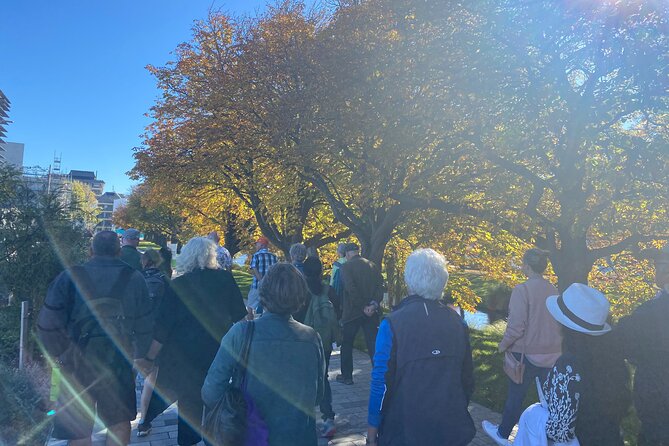
The published route specifically identifies the Bridge of Remembrance, but the experience is broader than one monument. Over roughly two hours and thirty minutes, you walk through Christchurch’s inner city, along the river, past historic buildings, gardens, landmarks, shops, and public artwork.
The pace is described as relaxed, which matters because this is meant to be a sightseeing walk, not a march between restaurants. You have time to listen, ask questions, look around, and stop for food. A small group also makes it easier to hear the guide and request clarification.
The city’s lesser-known corners are part of the appeal. You might pass a place you would otherwise ignore, then learn why it matters to Christchurch’s people or rebuilding story. This is where a local guide earns the fee. A map can show you a building, but it cannot easily explain the meaning behind a carving, a memorial, or a community decision.
The walk is also practical for first-time visitors. Guides can point out places to return to, local eateries, shops, and other sights. One guide even helped visitors find All Blacks clothing for their grandchildren, showing the kind of everyday assistance that can make a city visit feel more personal.
Food stops that turn the walk into a full outing
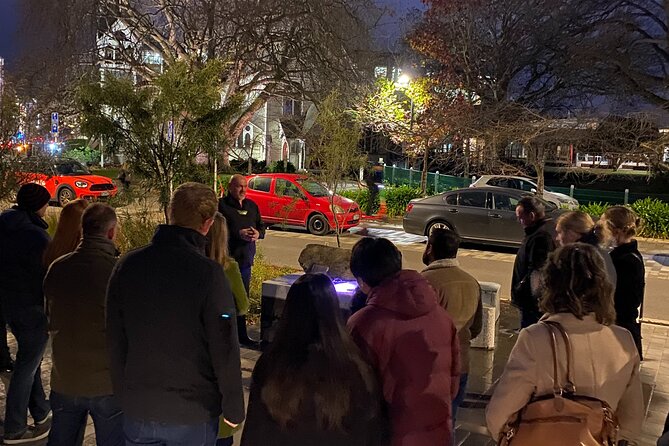
Come hungry. The food is not limited to one sample and a polite sip. The experience can include lunch and a series of tastings, with reported combinations such as chocolate, mānuka honey, coffee, ice cream, gelato, wine, and craft beer.
A sit-down meal may take place at Kaiser’s Brew Garden or within Riverside Market, with a three-course lunch and a local pilsner or other drink. This gives the tour a useful break in the middle of the walk. You can sit down, eat properly, and continue the conversation rather than nibbling while standing on a pavement.
The brewery setting also adds a local angle. Kaiser Pilsner is mentioned as having a special story, so the drink is not just a beverage poured to fill the itinerary. Food and drink are used to connect you with local producers, venues, and habits.
The sweet stops make the route appealing to families and anyone with a serious weakness for dessert. Chocolate and mānuka honey offer distinctly New Zealand flavors, while gelato or ice cream provides a cheerful finish. Children have enjoyed the experience, and the food gives younger visitors something immediate to look forward to during the cultural and historical sections.
Still, be clear about your preference. Some people would rather sample five small dishes than spend time at one restaurant. Others appreciate a real lunch and find the meal a better use of time than a string of tiny bites. This tour may suit you best if you want both sightseeing and a meal, not a tightly focused food crawl.
More food tours:
- Waiheke island Wine Tours – PREMIUM wine tasting MAX 11 clients !
★ 5.0 · 1,378 reviews - Award Winning Premium Wine Tour Queenstown Tasting at 4 Wineries
★ 5.0 · 632 reviews - Speight’s Brewery Tour & Guided Tasting
★ 5.0 · 508 reviews - Taste of Waiheke Food and Wine Tour
★ 4.5 · 465 reviews
Where the food experience can miss the mark
The food is the one part I would approach with modest expectations. Several accounts describe it as excellent, even fabulous, with praise for lunch, ice cream, chocolate, and drinks. Others found the main restaurant disappointing or felt the meal was designed around broad dietary needs rather than adventurous food.
That difference does not necessarily mean the food is poor. It means the experience is built for a mixed group. A restaurant serving people with different tastes and food restrictions may choose safe, widely appealing dishes. If you want a sharp, chef-led tasting menu, this is probably not the right format.
The operator has indicated that the sit-down meal is arranged to suit a range of palates and dietary requirements. Tell the company about your needs when booking, and remind the guide at the start. One participant using a walker and managing shortness of breath received extra care and was able to enjoy the tour, but the general information says most people should be able to participate, not that every mobility need is automatically covered.
Food schedules can also change. The specific venues and order of tastings are not fully fixed in the information provided, so treat the chocolate, honey, coffee, beer, wine, and gelato as likely parts of the style rather than a rigid promise of every item.
Why the earthquake story matters here
Christchurch is a city where the past remains visible in the present. The 2011 earthquake changed the central city, damaged buildings, displaced communities, and forced difficult choices about what to save, replace, or rethink.
A guide who can explain those choices adds real value. You will hear about the post-earthquake reality and the rebuilding process while standing among the places shaped by it. The walk helps you understand why some areas feel old, some feel new, and some combine both.
The strongest version of the tour treats recovery as a human story, not only an engineering project. Guides speak about people, family, culture, and the effort to include many voices in rebuilding Christchurch. That approach gives the city more emotional weight without turning the tour into a lecture.
I would choose this experience if you want to understand Christchurch beyond its postcard views. You will still see landmarks and attractive public spaces, but you also gain a clearer sense of what the city has endured and how its residents are defining its next chapter.
A small group makes the difference
The maximum group size is 12. That is small enough for a conversational walk and large enough to provide a social atmosphere without making the tour feel private.
This matters most during the cultural sections. You can ask about Māori customs, Christchurch history, the earthquake, food, or places to visit later. Guides such as Ash, Emily, and Riwai Grace are praised for tailoring their explanations to the people in front of them, rather than delivering the same speech without pause.
A small group can also help with food preferences. Guides have adjusted the experience to dietary needs and personal interests, and families with children have enjoyed the format. Do not assume every request can be met, but the size of the group gives the guide a better chance to respond.
The tradeoff is that the tour depends heavily on the individual guide. Ash is praised for energy and warmth, Emily for engaging cultural stories, and Riwai for passion and personal attention. The high overall rating of 4.9 from 85 ratings, with 99 percent recommending the experience, suggests strong consistency, but your experience will still have its own personality.
Is $133.42 a fair price?
At $133.42, the price is high for a short walking tour if you think only in terms of hours and distance. It becomes easier to justify if you count the meal, drinks, tastings, guide time, cultural interpretation, and city orientation together.
A useful comparison is the cost of arranging these pieces yourself. You would need to choose a restaurant, find suitable sweet stops, learn the city’s earthquake story, locate Māori-related places, and work out how the sites connect. The tour bundles those tasks into one afternoon and adds a local person who can answer questions.
Still, the value depends on what you want from food. If you prefer a formal restaurant meal plus several generous portions, the price may feel reasonable. If you expected a premium food tour with a long series of carefully selected tastings, you may feel disappointed, particularly if the main meal is average.
I would see the fee as payment for access, context, and convenience, with food included as an important bonus. Book it for the combination rather than expecting the food alone to justify the full cost.
Timing, walking comfort, and cancellation details
The tour starts at 11:30 am and lasts about two hours and thirty minutes. That timing makes it a natural late-morning activity with lunch included, and you should keep the following part of your day flexible because the walking pace and food service may affect the exact finish.
Wear comfortable shoes and allow room for a relaxed walk through the inner city. The tour requires good weather. If poor weather forces cancellation, you can choose another date or receive a full refund. A minimum number of participants is also required, and if that minimum is not reached, you will be offered another option or a refund.
Free cancellation is available up to 24 hours before the start time. Cancellations or changes made inside that window are not accepted for a refund.
The tour is near public transportation, service animals are allowed, and most people can participate. The information does not promise a fully step-free route, so contact Amiki Tours before booking if you have specific mobility concerns.
Who will enjoy this Christchurch walk most?
I would recommend it to first-time visitors who want quick orientation with substance. It is also a good fit for food lovers who like lunch with their sightseeing, families who need regular food rewards, and visitors interested in Māori culture and Christchurch’s rebuilding story.
The tour is especially useful at the beginning of your stay. Guides offer suggestions for other places to eat and visit, and you will finish with a better sense of how the central city fits together.
You may want another option if you want a pure food tour, a fast architectural survey, or a private itinerary built around your own interests. The sit-down meal takes time, and the food selection may feel cautious rather than experimental.
Should you book Amiki Tours?
Yes, if you want a friendly, personal introduction to Christchurch that combines culture, food, and the post-earthquake city. The strongest reasons to book are the guides, the Māori perspective, the relaxed small-group setting, and the chance to see the center through local eyes.
Book with realistic food expectations. At $133.42, this is best value for someone who wants a meal, tastings, stories, and orientation in one package. If you mainly want a bargain snack walk, the price may feel too steep.
For most first visits, I would place this near the start of your Christchurch plans. It gives you useful context, a satisfying lunch, several local flavors, and a human explanation of a city still rebuilding its identity.
FAQ
Where does the Christchurch food walking tour start?
It starts at the Bridge of Remembrance on Cashel Street, Christchurch Central City, beside the Avon River.
What time does the tour begin?
The scheduled start time is 11:30 am.
How long does the tour last?
The experience lasts approximately two hours and thirty minutes.
Where does the tour finish?
The activity ends back at the Bridge of Remembrance meeting point.
How many people can join the tour?
The group has a maximum of 12 participants.
What food and drinks are included?
Food and drink can include lunch, craft beer or other drinks, chocolate, mānuka honey, coffee, and gelato or ice cream. The exact combination may vary.
Does the tour include Christchurch earthquake history?
Yes. Guides discuss the effects of the earthquake and the rebuilding of Christchurch’s central city.
Is the tour suitable for people with dietary requirements?
The guide can tailor the experience to dietary needs and personal preferences. You should provide those details when booking.
What happens if the weather is poor or I need to cancel?
You can cancel up to 24 hours before the start time for a full refund. If bad weather or an insufficient minimum group causes cancellation, you will be offered another date or experience, or a full refund.
Just added around Christchurch
- Waipara Valley Winery Tour Wine Tastings and Scenic Views★ 5.0 · 5 reviews
- Private Mt Cook Day Tour From Christchurch via Lake Tekapo★ 4.5 · 5 reviews
- (MT) Mount Cook Day Tour From Christchurch★ 4.5 · 5 reviews
- Private Akaroa Day Tour From Christchurch★ 5.0 · 5 reviews
- Private Christchurch & Lyttelton Scenic Day Tour★ 5.0 · 5 reviews
- Mount Cook Day Tour from Christchurch★ 3.7 · 5 reviews
- Christchurch International Airport :Airport to City Centre★ 5.0 · 5 reviews
- Mount Cook, Lake Pukaki: Billion Star Dining★ 4.8 · 6 reviews
Food & Drink, compared.
Award Winning Premium Wine Tour Queenstown Tasting at 4 Wineries
Read our review →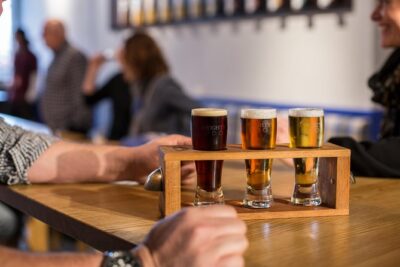

Beyond the Vines – Full-Day Marlborough Wine Tasting Tour
Read our review →

Gourmet Food and Wine Tour Queenstown All-Inclusive Tour
Read our review →
Browse the lists this tour appears in