
Reviewed · CYCLING TOURS
Remutaka Rail Trail Mountain Bike Explorer Cycle Tour
Fresh air, forest, and a little uphill work. This six-hour ride from Wellington takes you into the Remutaka Ranges on an old railway route, with native forest, birdlife, tunnels, creeks, a suspension bridge, and wide mountain views. I like the easy transport from Wellington and the fact that the $124.11 price includes the bike, helmet, safety gear, lunch, snacks, water, and return shuttle.
I also like the flexible route. You can ride the standard 18-kilometre section, shorten it, or take on a longer route if your legs are willing. The main consideration is that this is not a fully guided cycling trip. You receive a briefing and trail information, then ride independently, and some riders find the final section tricky.
In This Review
- Key points to know before you ride
- Why this Wellington bike trip is worth considering
- From Wellington Station to Kaitoke
- Kaitoke and the first forest miles
- The old railway grade and the Remutaka summit
- Tunnels, bridges, and the downhill ride
- Riding independently without getting lost
- Featherston, lunch, and the return shuttle
- What the $124.11 price covers
- Weather, fitness, and practical concerns
- Who will enjoy the Remutaka Rail Trail most
- Should you book this six-hour ride?
- FAQ
- How long does the Remutaka Rail Trail tour last?
- Where can I be picked up in Wellington?
- How long is the bike ride?
- Is the ride suitable for beginners?
- Is a cycling guide included?
- What equipment is provided?
- Is lunch included?
- What happens if the weather is poor?
Key points to know before you ride
- The ride begins in Pakuratahi Forest: The trail starts among native bush and birdlife before reaching the old railway route.
- The standard ride is about 18 kilometres: The route is easy to moderate, with an uphill section toward the summit and a long downhill coast afterward.
- You get a full transport package: Pickup is available from Wellington Port for cruise ship passengers at 9:15 am or Wellington Station at 9:30 am.
- Lunch is included at the summit area: A grassy spot with picnic tables gives you a practical place to stop and eat.
- You ride without an on-trail guide: The host explains the route and answers questions, while signs and information stations help you follow the trail.
- The group is kept small: A maximum of 11 people makes the shuttle and bike setup easier to manage.
Why this Wellington bike trip is worth considering
Wellington is known for hills and harbor views, but the Remutaka Rail Trail gives you a very different day outside the city. Within a short shuttle ride, you are pedaling through forest and along a former railway line in the Remutaka Ranges.
I like this trip because it gives you a proper taste of the outdoors without requiring a complicated transport plan. You do not need to work out how to reach Kaitoke, arrange a bike rental, carry lunch, or organize a shuttle back from Featherston. Those small details matter. They turn a possible day of logistics into a straightforward outing.
The trail also has enough variety to keep the ride interesting. You pass through forest, old railway tunnels, and a suspension bridge. Creeks and bird calls add to the sense that you have left the city behind. The route is not just a long, flat pedal with one view at the end.
The drawback is the guide arrangement. A friendly host handles transport, equipment, and the safety briefing, but no cycling guide stays with you on the trail. That will suit independent riders who like their own pace. If you want a guide riding at the front and explaining every turn, this is not that kind of tour.
More Bike Tours in Wellington
- Guided Wellington Tour by Electric Bike
★ 5.0 · 210 reviews - Wellington Electric Bike Rental
★ 5.0 · 159 reviews - Wellington: Guided Sightseeing Tour by Electric Bike
★ 4.7 · 114 reviews
From Wellington Station to Kaitoke
The day begins with a pickup at Wellington Station’s main entrance at 9:30 am. Cruise ship passengers can instead choose Wellington Port at 9:15 am. You should select your pickup point when booking, since the operator needs to plan the shuttle and bike transport.
The ride to Kaitoke is part of the value. You can leave your city plans behind, travel to the trailhead, and start cycling with the equipment already arranged. The operator supplies bikes, helmets, other safety gear, racks, and a pannier bag for personal items.
You will need to provide your approximate height before the trip so the bike can be sized. That is a small but useful step. A bike that fits well makes the uphill section more comfortable and gives you better control on the rougher parts near the end.
Wear closed shoes. Running shoes are suitable. In warm weather, shorts and a T-shirt with a light jacket in reserve should work. In colder months, use long pants or tights, a T-shirt, fleece, and light jacket. Avoid baggy clothing that could catch on the bike.
Kaitoke and the first forest miles
Kaitoke is the starting point for the longer ride option, listed as about 28 kilometres. It is recommended for riders who feel less confident or prefer to cruise and take their time. The standard route described for the day is about 18 kilometres, so you should clarify the distance you expect if you have a strong preference for a shorter or longer outing.
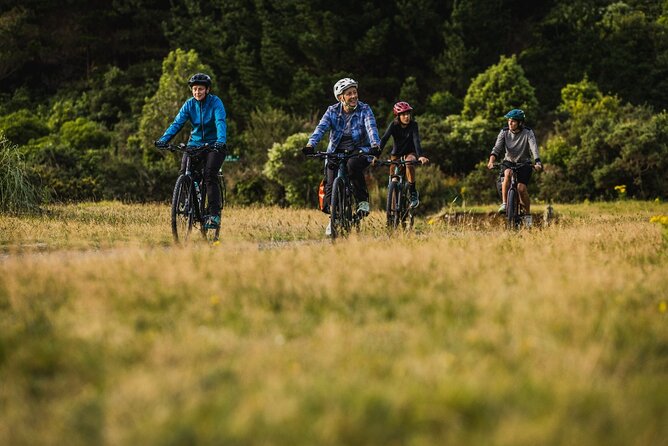
The first section runs through Pakuratahi Forest. This is one of the most appealing parts for anyone who enjoys quiet riding rather than road cycling. Native bush surrounds the trail, and the setting gives you the chance to notice birds and hear water in the creeks.
The forest section also helps set the pace. You are not pushed into a race, and the route can be adjusted to suit the group and the riders. One useful feature of the trip is that the 18-kilometre route can be lengthened or shortened. That flexibility is valuable when a group has mixed fitness levels.
Still, you should not mistake easy to moderate for effortless. One rider using a standard bike found the uphill section a decent workout. You will want a moderate level of fitness, especially if you plan to ride the longer option or take your time on a regular bike rather than an electric one.
The old railway grade and the Remutaka summit
The trail follows an old railway route, which explains its generally manageable character. Instead of tackling a steep mountain road, you ride along a former rail grade toward the summit area.
The uphill section is gradual, but it is still long enough to raise your heart rate. If you are not a regular cyclist, use a comfortable pace and avoid treating the early miles as a test. The tour is meant to be enjoyable, and there is no prize for arriving first.
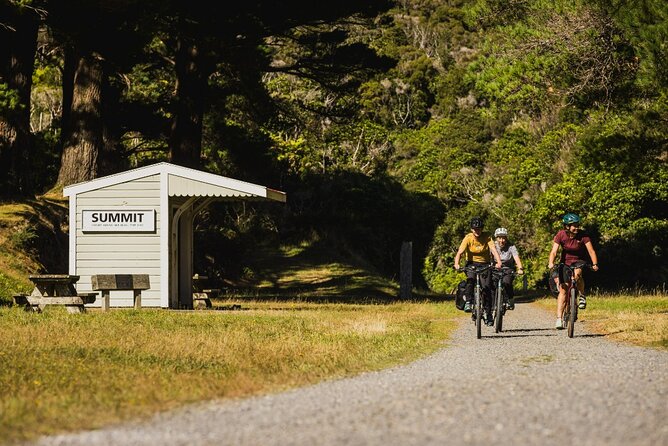
At the summit, you reach a broad grassy area with picnic tables. This is where the included lunch becomes especially useful. You can stop, eat, drink water, and give your legs a break before the downhill portion.
Lunch, snacks, and water are included, but you need to send dietary requirements as soon as possible. Vegetarian and gluten-free requests are specifically invited, along with other restrictions. Do not wait until pickup to mention a food concern.
The summit stop also gives you time to appreciate the old railway setting and the surrounding ranges. Information stations along the trail explain the area, so you can learn more without having to stay beside a guide.
A completely different kind of day out in Wellington:
- Wellington: Wētā Workshop Guided Tour Ticket
★ 4.7 · 997 reviews - Wētā Workshop Experiences Tour – Wellington
★ 5.0 · 875 reviews - Wellington: Return Cable Car Ticket
★ 4.6 · 714 reviews - Half Day Tour of Wellington
★ 4.5 · 638 reviews
Tunnels, bridges, and the downhill ride
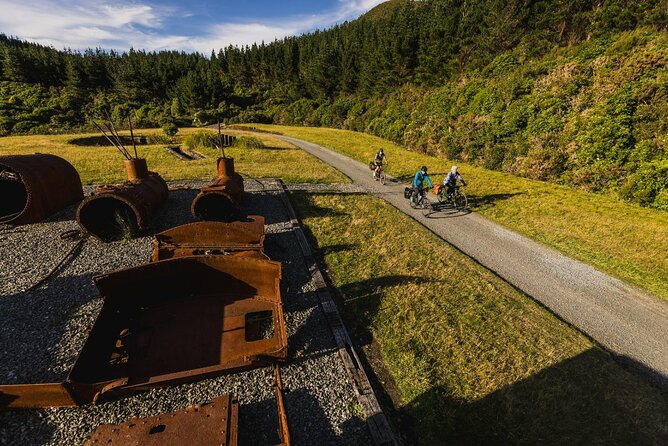
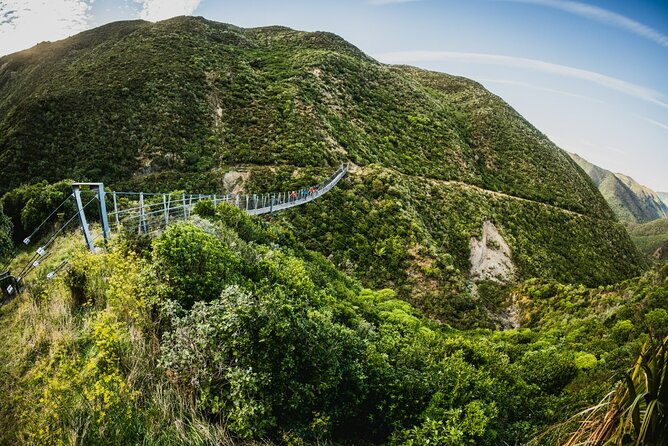
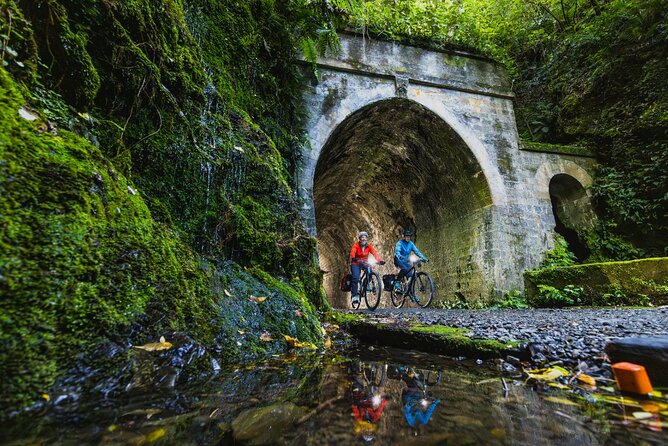
After the summit, the ride changes character. The downhill side offers a long coast, mountain views, tunnels, and a suspension bridge. This is where the trail feels most like an adventure rather than a simple recreational path.
The tunnels add a touch of drama and variety. You move from open views into darker sections, then back out toward forest and mountain scenery. You should stay alert and follow the safety advice, since visibility and riding conditions can change inside these sections.
The suspension bridge is another memorable feature. It breaks up the ride and gives you a reason to pause and take in the setting. The forest, creeks, birds, and old railway structures work together to make the route feel varied.
The downhill ride may sound easy, but downhill control matters. One rider found the final section a little tricky for someone who does not ride often. If you are a beginner, listen carefully during the briefing, keep your speed under control, and do not feel pressured to copy faster riders.
The trail is described as suitable for beginners and advanced cyclists, but that does not mean every metre feels identical. Most of the route is approachable, yet the final section may require more care. This is a good reason to choose a regular bike only if you are comfortable managing your own pace.
Riding independently without getting lost
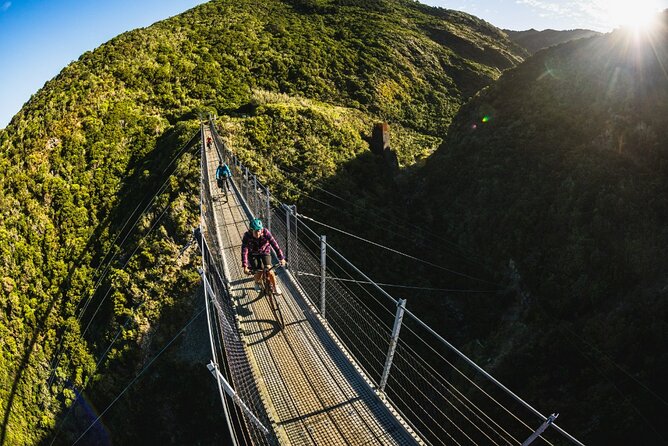
The tour includes a host who explains what to expect and answers questions before you set off. You then follow the trail on your own rather than riding behind a dedicated guide.
For many people, this is a plus. You can stop for bird watching, take photographs, pause beside a creek, or simply enjoy the quiet without needing to keep up with a commentary. One solo rider particularly enjoyed having the trail and mountains largely to themselves.
The route is easy to follow and includes information stations. That makes the lack of an on-trail guide less serious than it might be on a confusing backcountry route. You still need to pay attention to directions, signs, and the planned meeting point.
I would describe this as a supported independent ride. You get transport, equipment, food, safety information, and help from the operator, but the cycling itself is largely yours to manage. That is a good match for riders who want freedom. It is less suitable if you prefer constant supervision.
The maximum group size is 11 people. The actual riding group may be smaller, and it can occasionally be very small. That can make the day peaceful, but it also means the social side of the tour may vary.
Featherston, lunch, and the return shuttle
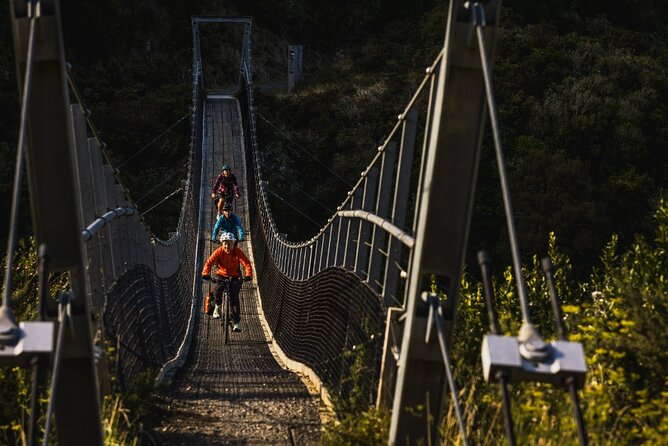
The ride finishes at The Royal Hotel in Featherston. From there, the shuttle takes you back over the Remutaka Ranges, through the Hutt Valley, and toward Wellington.
The planned arrival is about 3:30 to 3:45 pm at Wellington Station or Wellington Port. That timing makes the trip workable as a full-day Wellington activity, though you should leave extra space before any fixed evening plans. Weather, riding pace, and shuttle conditions can affect the exact return time.
Finishing in Featherston gives the day a clear endpoint rather than requiring you to retrace the trail on a bike. You can hand back the equipment, settle into the shuttle, and let someone else manage the route back to the city.
For cruise ship passengers, the port pickup and return option is particularly useful. You should still allow a sensible buffer before your ship’s departure, since the tour lasts around six hours and the return time is approximate.
What the $124.11 price covers

At $124.11 per person, the price is fair if you would otherwise need to arrange several separate services. The package includes the bicycle, helmet, safety equipment, bike racks, pannier bag, lunch, snacks, water, and shuttles from Wellington to Kaitoke and back from Featherston.
The equipment matters most for visitors who do not want to pack or rent cycling gear in the city. The return shuttle is also a major part of the value. Without it, you would need to solve the transport problem at both ends of a one-way trail.
There are no hidden taxes or fees in the headline price. You should remember that the tour does not include an on-trail cycling guide, but the operator is clear about that arrangement. You are paying for support and transport, not for a private guide riding beside you.
The lunch is not merely a token snack. It gives you a proper break at the summit, and the food has been praised as good quality. Water and snacks also mean you do not need to carry a full day’s supply, though you should still dress properly and bring anything personal you may need.
Weather, fitness, and practical concerns
This experience depends on suitable weather. If poor conditions cancel the trip, you can choose another date or receive a full refund. That policy is helpful, since wet weather can make cycling less comfortable and the trickier final section more demanding.
One group rode in rain for the entire experience and still had a memorable day, but they had not brought rain gear and needed to borrow some from the guide. I would not plan on that being available every time. Bring waterproof clothing when the forecast looks uncertain.
You should have a moderate level of physical fitness. The trail is accessible to beginners, but the uphill section takes effort and the downhill finish requires bike control. If you rarely cycle, choose a steady pace and ask questions during the briefing.
The trip is not described as wheelchair accessible. It requires cycling, closed shoes, and a moderate fitness level. If you have concerns about bike size, food, or your ability to complete the route, contact the operator before booking.
Free cancellation is available up to 24 hours before the start time for a full refund. Changes or cancellations inside that 24-hour window are not accepted for a refund. The cutoff uses local Wellington time.
Who will enjoy the Remutaka Rail Trail most
I would choose this trip if you want an active day but do not want a demanding technical mountain-bike ride. The old railway grade, adjustable distance, transport, and supplied equipment make it a sensible option for visitors with moderate fitness.
It also suits mixed groups. Stronger riders can take on more distance, while less confident cyclists can choose the easier 18-kilometre route or ask about shortening it. The operator can adapt the outing, although you should discuss your needs early.
Bird lovers and people who enjoy quiet natural settings will find plenty to notice. The forest, creeks, bird calls, tunnels, and bridge give the ride more character than a simple bike path.
I would hesitate to recommend it to anyone expecting a fully guided cycling lesson or a luxury sightseeing trip. You will be responsible for your own riding once the shuttle drops you at the trail. And if you dislike hills, rain, or variable trail conditions, this may not be your best day out.
Should you book this six-hour ride?
I would book the Remutaka Rail Trail Mountain Bike Explorer if you want a practical, active excursion from Wellington with strong value built into the price. The included shuttle, bike, safety gear, lunch, snacks, and water remove much of the usual hassle.
Book it especially if tunnels, old railway routes, forest birds, and mountain views sound better to you than another city tour. Just arrive prepared for an uphill workout, bring weather protection, and understand that the host supports you without riding as a constant trail guide.
For a beginner, the safest approach is to choose the standard route, ride at your own pace, and take care on the final section. For a confident cyclist, ask about the longer Kaitoke option. Either way, this is a well-rounded way to spend a day outside Wellington.
FAQ
How long does the Remutaka Rail Trail tour last?
The experience lasts approximately six hours. Pickup is in the morning, with planned arrival back in Wellington around 3:30 to 3:45 pm.
Where can I be picked up in Wellington?
Cruise ship passengers can request pickup from Wellington Port at 9:15 am. Other passengers can meet the shuttle at the main entrance of Wellington Station at 9:30 am.
How long is the bike ride?
The standard route is about 11 miles, or 18 kilometres. A longer option of about 28 kilometres begins at Kaitoke, and the route may be lengthened or shortened to suit your needs.
Is the ride suitable for beginners?
Yes. The trail is rated easy to moderate and is suitable for beginners and advanced cyclists. You should still have a moderate level of physical fitness and take care on the more difficult final section.
Is a cycling guide included?
An on-trail cycling guide is not included. The host provides a briefing, answers questions, and explains what to expect, while trail signs and information stations help you follow the route.
What equipment is provided?
The operator supplies bikes, helmets, other safety equipment, bike racks, and a pannier bag for personal items.
Is lunch included?
Yes. Lunch, snacks, and water are provided. You should send dietary requirements, such as vegetarian or gluten-free needs, as soon as possible after booking.
What happens if the weather is poor?
The trip may be canceled in poor weather. You will then be offered an alternative date or a full refund. You can also cancel up to 24 hours before the start time for a full refund.
Just added around Wellington
- Private Tour in Wellington★ 5.0 · 5 reviews
- Wellington: Wētā Workshop Creative Classes Experience Ticket★ 4.7 · 5 reviews
- Exclusive Wellington Sightseeing Private Tour★ 4.0 · 5 reviews
- Wellington Jewish Heritage sightseeing tour with a kosher lunch★ 5.0 · 5 reviews
- Wellington: Lord of the Rings Half-Day Guided Tour inc Weta★ 5.0 · 5 reviews
- Wellington 90 minute Harbour Cruise★ 5.0 · 6 reviews
- Wellington: Wild Skyline Guided Hiking Tour, Transfers + Lunch★ 5.0 · 6 reviews
- Wellington: Lord of the Rings Filming Locations Tour★ 4.0 · 6 reviews
Cycling Tours, compared.
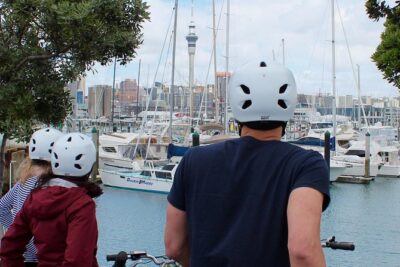
The Classic: our most popular electric bike tour of Auckland’s Highlights
Read our review →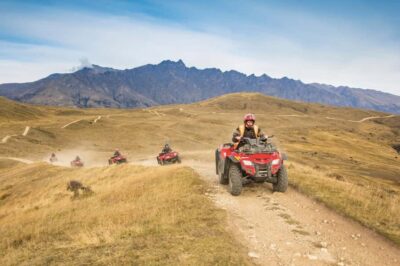
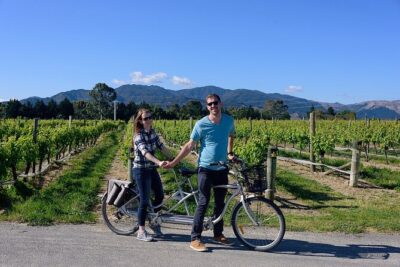
Self-Guided Wine Tours by Bike with Lorelle & Greg
Read our review →
Otago Central Rail Trail One Day Wonder Cycle tour
Read our review →
Off Road Quad Bike Adventure Tour in Franz Josef
Read our review →
Browse the lists this tour appears in