
Reviewed · 2-DAY EXPERIENCES
Waitangi Treaty Grounds: 2-Day Pass
History feels more immediate here. At Waitangi Treaty Grounds, you can stand where New Zealand’s founding document was signed, then hear its story from a Māori perspective. I especially like the 50-minute guided tour and the warm, high-energy cultural performance, both included in the $41 price. The main drawback is that the grounds are spread out, with uneven paths and some uphill walking, so you will want comfortable shoes and extra time.
The two-day ticket is generous. You can tour the site, see two museums, walk the bush tracks, and return for anything you missed. That flexibility matters because a rushed visit can reduce a major part of New Zealand’s history to a few photographs and a quick look at the famous waka.
In This Review
- Key points to know before you go
- Why Waitangi matters so much
- Start at the visitor center and introductory film
- The 50-minute guided tour puts the site in context
- The treaty site and historic buildings
- Two museums, two different angles
- Te Kōngahu Museum of Waitangi
- Te Rau Aroha Museum
- The ceremonial waka is a powerful sight
- The Māori cultural performance in the meeting house
- Bush walks and Bay of Islands views
- How much time should you allow?
- Is $41 good value?
- Who will enjoy Waitangi most?
- Booking and practical details
- Should you book the Waitangi 2-Day Pass?
- FAQ
- Where is Waitangi Treaty Grounds?
- How long is the Waitangi guided tour?
- How long is the Māori cultural performance?
- What is included in the 2-day pass?
- Can I use the ticket on two separate days?
- What museums can I visit with the pass?
- Is Waitangi Treaty Grounds wheelchair accessible?
- What are the opening hours?
- Can children visit without an adult?
Key points to know before you go
- The treaty signing place: Stand at the site where the Treaty of Waitangi was first signed in 1840.
- Two strong museums: Te Kōngahu Museum of Waitangi and Te Rau Aroha Museum add detail, objects, and different views of New Zealand’s past.
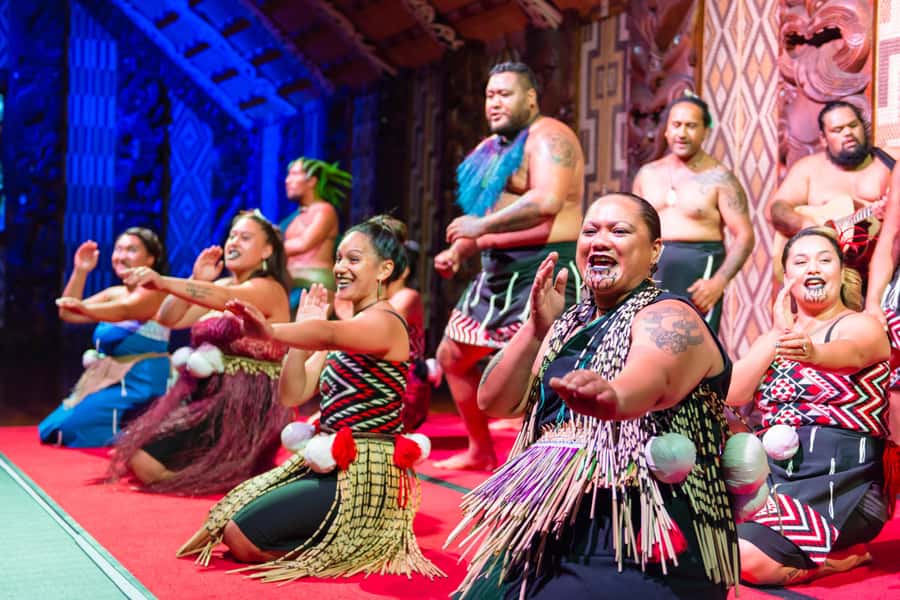
- A Māori-led presentation: The 30-minute performance includes a powhiri welcome, poi, weapon displays, stick games, singing, and haka.
- A useful two-day ticket: You can split the visit across two consecutive days instead of trying to see everything at once.
- Big Bay of Islands views: Self-guided bush walks lead through the grounds and toward broad views over the water.
- Good value at $41: The price includes the tour, performance, museums, historic buildings, waka, film, and site access.
Why Waitangi matters so much
Waitangi is not just another historic estate. It is the place where representatives of the British Crown and many Māori chiefs signed the Treaty of Waitangi in 1840. The document remains central to New Zealand’s national story, and the grounds give you a physical setting for an issue that can otherwise feel distant or abstract.
The experience is strongest when you allow time for both the beauty of the site and the difficult questions behind the treaty. The grounds are peaceful, green, and open to the Bay of Islands, but the story is not simple. The Māori and English versions did not express every idea in the same way, and the treaty was not always honored as its Māori signatories understood it.
That balance is important. You are not given a polished story that skips over conflict. Guides explain the event with humor and warmth, while also addressing the ways Māori communities were treated unfairly afterward. For me, that combination makes the visit more useful than a basic monument stop.
A few more Paihia trips worth weighing up
- Timber Trail – Ongarue to Pureora Shuttle 2 Day Ride
★ 5.0 · 186 reviews - 1/2 Day Guided Wellington Tour incl. Cable Car (Vans not buses)
★ 5.0 · 101 reviews - 2 Day Waitomo Caves, Hobbiton Movie Set and Rotorua Tour from Auckland
★ 4.5 · 57 reviews
Start at the visitor center and introductory film
Your visit begins at the Waitangi Treaty Grounds Visitor Center on Tau Henare Drive. From Paihia, the site is about a 25-minute walk or a two-minute drive. You follow the waterfront road through Paihia, continue across the one-lane bridge, and follow the signs to the grounds.
The introductory film helps you get your bearings before walking outside. It gives you the basic treaty background, which is useful if you arrive knowing little about New Zealand history. You will understand more during the tour if you already know that the agreement exists in both Māori and English versions and that the wording has been a major source of disagreement.
I like this gentle start. You are not thrown straight into dates and names. The film sets up the story, then the guide adds the human detail.
The 50-minute guided tour puts the site in context
The guided tour is the core of the visit. It lasts about 50 minutes, and headsets are provided so you can hear clearly while walking with the group. That is a small but important touch, especially outdoors when wind, distance, or other groups could make a guide difficult to follow.
The tour takes you through the historic grounds and toward the key buildings and treaty site. You will see the place where the document was signed and hear about the people connected to the event. The guide also helps explain why the setting was chosen and how the site developed into a national place of remembrance.
The best part is the Māori point of view. Guides such as James and Roze have been praised for making the subject understandable, entertaining, and personal. You may hear stories delivered with a joke or two, but the humor does not erase the seriousness of the subject.
Allow the tour to challenge you a little. The treaty is often presented as a simple founding agreement between two sides. At Waitangi, you get more detail about the gap between the versions and the consequences of that gap. A family visit can become a real conversation starter, especially for older children and teenagers.
The tour is not very long. If you enjoy history, you may wish it lasted all day. That is one reason the two-day pass is useful: you can return to the museums and grounds after the guided portion without feeling that you have to absorb everything at once.
The treaty site and historic buildings
The signing place is the emotional center of the grounds. Standing there gives scale to an event that can seem remote in a book. You can pause, look across the surrounding area, and think about the many chiefs who gathered for the signing and the expectations they carried into it.
The historic buildings add another layer. They are not simply pretty structures for photographs. Together, they show how the grounds functioned as a place of meetings, authority, and contact between Māori communities and representatives of the Crown.
You should not hurry through this section. Listen to the explanations, then spend a few quiet minutes looking around on your own. The best historical sites give you both information and room to think, and Waitangi does that well.
A completely different kind of day out in Paihia:
- Paihia/Russell: Hole in the Rock Cruise with 2 Island Stops
★ 4.8 · 1,002 reviews - Paihia/Russell: Hole in the Rock, Dolphins & Island Cruise
★ 4.6 · 821 reviews - Hole in the Rock Cruise & Island Tour – with two island stopovers
★ 5.0 · 701 reviews - The Rock Adventure Overnight Cruise
★ 5.0 · 457 reviews
Two museums, two different angles
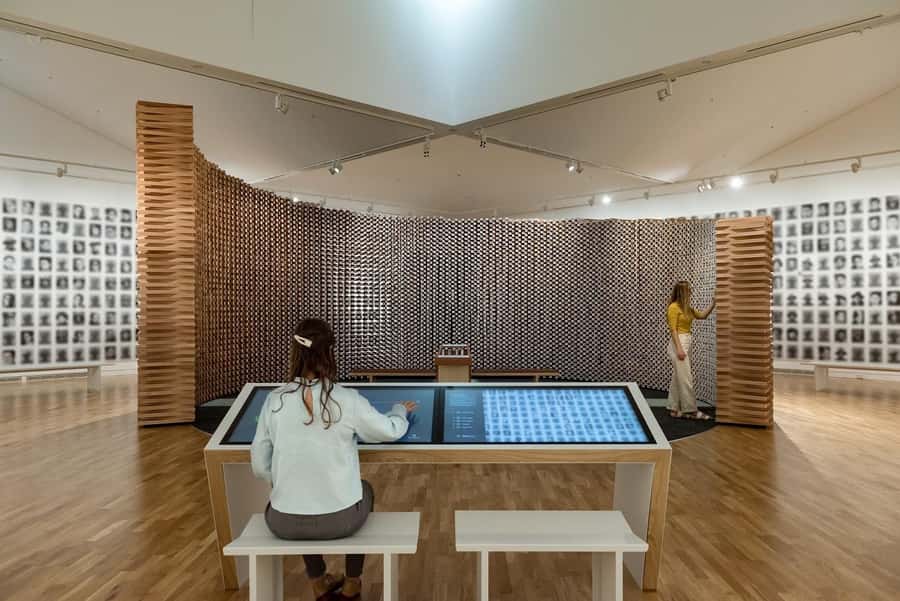
The ticket includes Te Kōngahu Museum of Waitangi and Te Rau Aroha Museum. Give both proper time. If you only attend the tour and performance, you will miss much of the detail that makes the visit worthwhile.
Te Kōngahu Museum of Waitangi
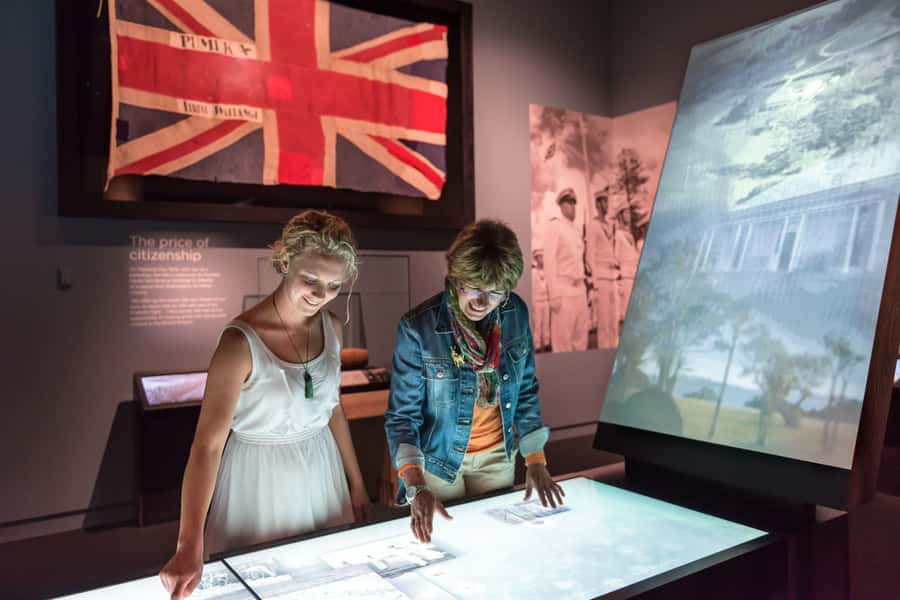
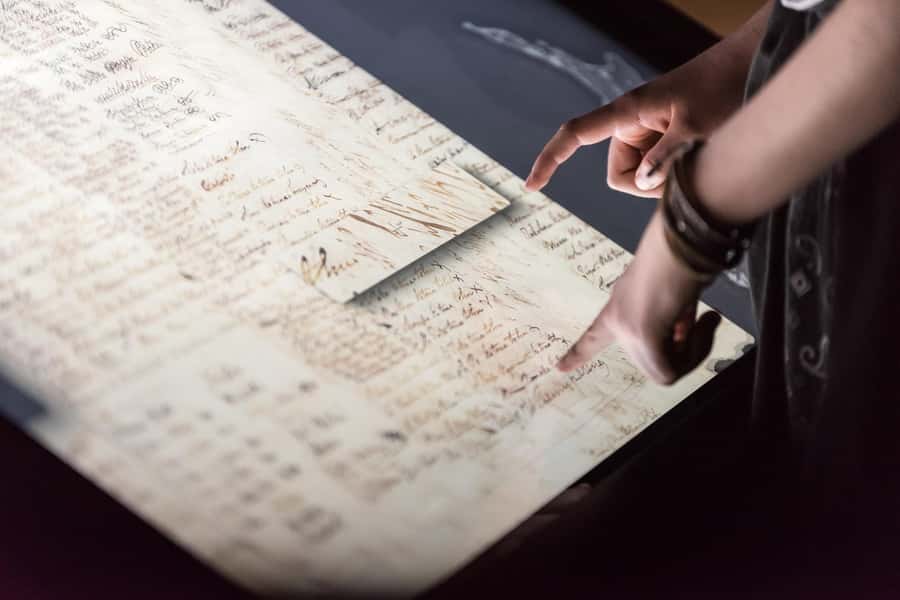
Te Kōngahu focuses on the treaty, the people involved, and the wider story of Māori and European contact. Permanent and changing displays use multimedia, visual material, and taonga, or treasured cultural objects, to explain the background.
This is the museum to visit when you want more than the short version. Displays help connect the treaty to Māori culture, political change, and the continuing importance of the document. If you like reading labels and examining objects, you can easily spend a substantial part of your day here.
The exhibits also help you understand why the treaty cannot be treated as a closed chapter. Its meaning still matters in New Zealand, and the museum gives you tools for understanding that ongoing discussion.
Te Rau Aroha Museum
Te Rau Aroha presents Māori military history and service. Its displays can be moving, particularly if you are interested in the way Māori communities contributed to New Zealand’s armed forces.
The museum provides a useful counterweight to the treaty exhibits. You are not looking only at a political document from the nineteenth century. You are also seeing the experiences, sacrifices, and identity of Māori people in later New Zealand history.
Several hours can pass quickly if you read every display. One practical approach is to see the museums on the first day, then return to a favorite section on the second day. The pass allows that slower pace.
The ceremonial waka is a powerful sight
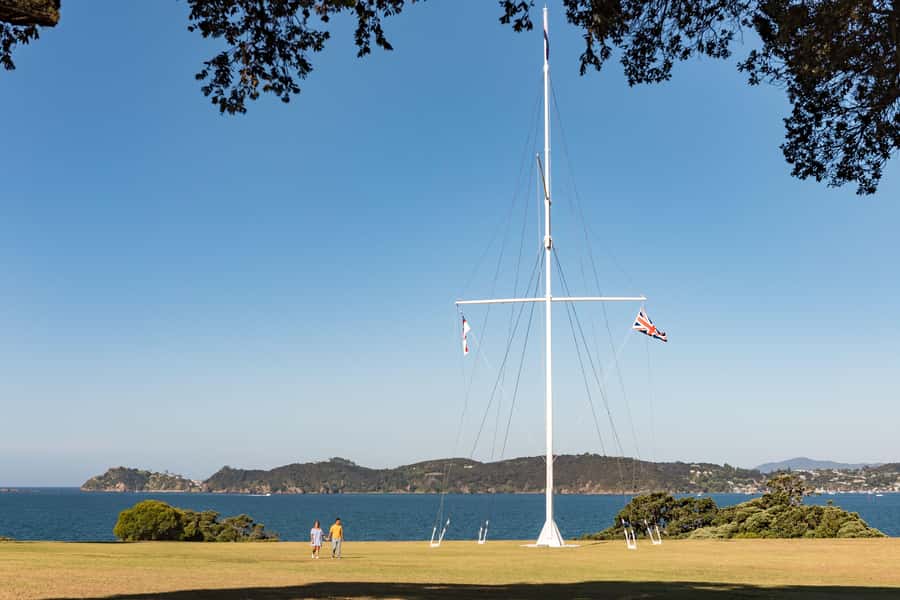
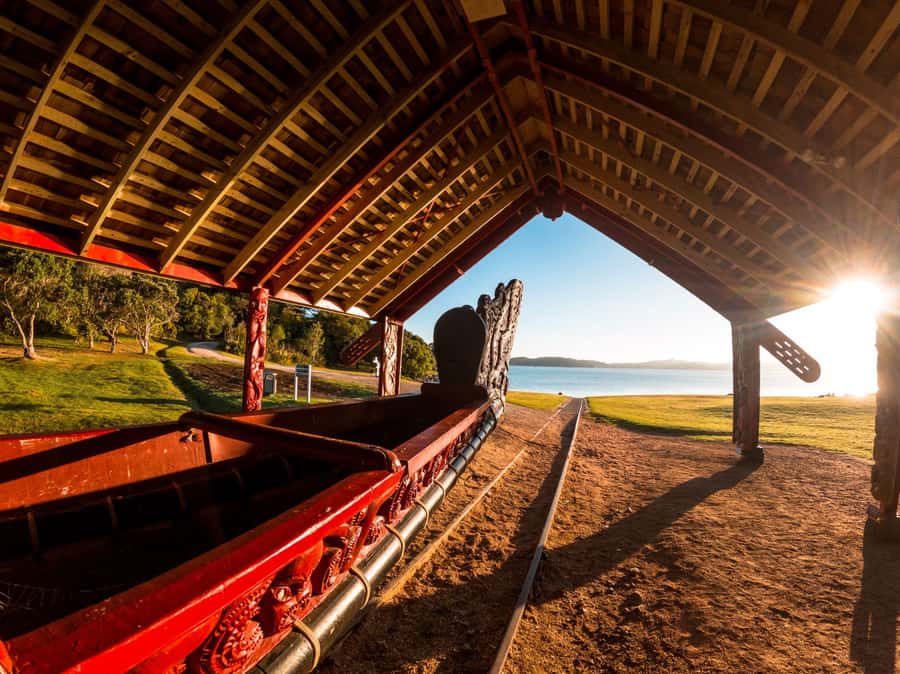
The grounds hold the world’s largest ceremonial war canoe, or waka. It is one of the easiest things to remember from the visit because of its size and craftsmanship.
The waka is not just a large wooden object. It connects the site to Māori voyaging, leadership, ceremony, and collective effort. Look closely at the carvings and scale, and then consider the number of people required when it is used ceremonially.
It is also a good stop for families. Younger children may connect with the waka immediately, even if the treaty discussion feels complicated. Use it as a bridge to talk about how people traveled, gathered, and expressed identity before moving back to the more difficult political history.
The Māori cultural performance in the meeting house
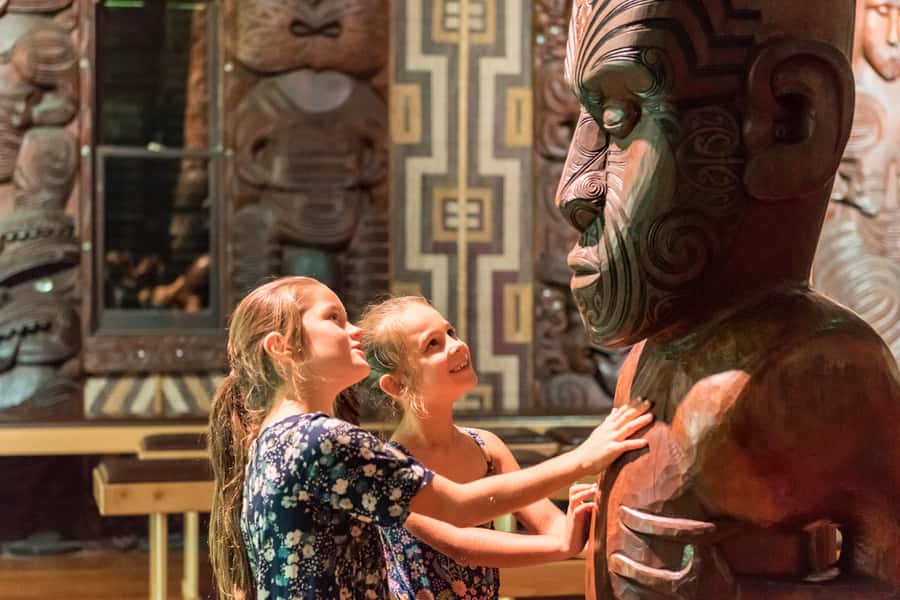
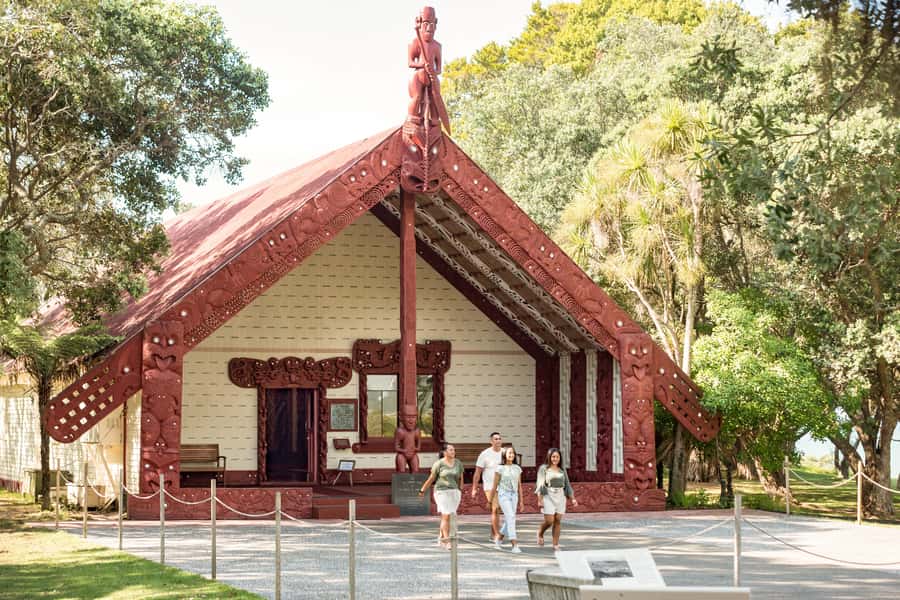
The 30-minute cultural performance takes place in the beautifully carved meeting house. A performing arts group welcomes you inside with a traditional Māori powhiri. The welcome sets a respectful tone before the music and movement begin.
Expect poi twirling, weapon demonstrations, stick games, singing, and a haka. The performance is lively and direct, but it is not a theme-park sideshow. The meeting house, the welcome, and the connection to Māori protocol give it a sense of place.
This is one of the strongest parts of the pass. The singing can be striking, and the haka has real force when performed at close range. The energy also makes the cultural material easier to remember than a lecture alone.
The performance is especially helpful if you are visiting with children. It gives them something active and visual, while the guide and museums supply the historical framework. Adults will appreciate that it is entertaining without being stripped of meaning.
Check the available performance time when you book or arrive. The pass includes the show, but your day works better if you plan the tour, museums, walks, and performance around the scheduled start.
Bush walks and Bay of Islands views
Do not spend the entire visit indoors. Self-guided bush walks lead through the grounds and offer broad views over the Bay of Islands. The scenery provides a welcome change after the museums and treaty explanations.
The walks are self-guided, so you can set your own pace. A short stroll can clear your head between exhibits, while a longer wander gives you more time to appreciate the setting. The site’s beauty is not a distraction from the history. It helps explain why Waitangi became such a significant meeting place.
Bring sensible footwear. The grounds are wheelchair accessible, but uneven surfaces may be difficult for some wheelchair users and people with limited mobility. A moderate level of physical fitness is recommended, and the combination of outdoor walking, slopes, and museum visits can make this a full day.
How much time should you allow?
The pass is valid for two consecutive days, and I suggest using that flexibility if your schedule allows. A focused visit can take around four hours, which is enough for the tour, performance, museums, and a walk. A full day is better if you want to read the displays carefully and take your time outdoors.
A practical plan could look like this:
- Begin with the introductory film and guided tour.
- Visit the treaty site, historic buildings, and ceremonial waka.
- Attend the Māori cultural performance.
- Have a break at the cafe if needed.
- Spend the afternoon in the two museums and on the bush walks.
- Return on the second day for anything you rushed or missed.
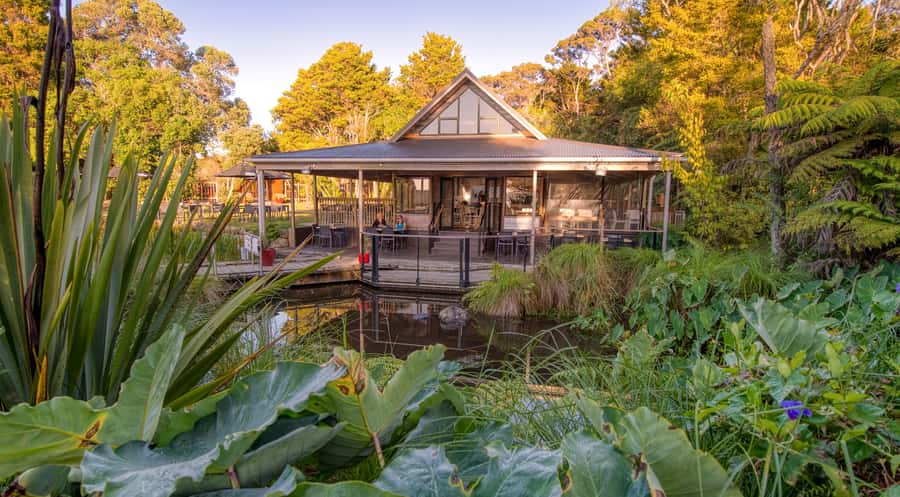
The cafe is useful if rain arrives or you need a pause. Food has been described as reasonably priced, though opening times may not always suit your schedule. Do not rely on it as the sole reason for timing your visit, but it is a handy shelter and rest stop.
Is $41 good value?
At $41 per person, the pass offers solid value if you use more than the basic admission. The guided tour alone gives you a structured explanation of the grounds. Add the cultural performance, two museums, film, historic buildings, waka, and walks, and you have a substantial half-day or full-day visit.
The two-day validity makes the price more attractive. You are not forced to race from one activity to another, and you can return if weather interrupts your plans. That matters in the Bay of Islands, where a sunny morning can change quickly.
The ticket is less useful if you only want a quick look at the treaty site. You would be paying for several parts of the experience without using them. I would book it when you can spare at least four hours, and preferably most of a day.
Be careful when selecting the ticket type. A resident ticket was mistakenly purchased by one person and required an additional NZ$30 payment on site. Check that you choose the correct pass for your circumstances before confirming.
Who will enjoy Waitangi most?
I recommend this experience to first-time visitors who want a clear introduction to New Zealand’s history and Māori culture. It suits families, couples, cruise passengers with enough shore time, and anyone staying in Paihia.
History fans should allow extra time for the museums. People interested in Māori performance will find the cultural show a major reason to visit. You will also appreciate it if you prefer a place where guides explain difficult subjects plainly rather than presenting only dates and old buildings.
The site may be less comfortable for anyone with limited mobility, especially on uneven outdoor surfaces. Wheelchair access is available, but the grounds are not uniformly smooth. Ask staff about the easiest routes if mobility is a concern.
Children must be accompanied by an adult, and unaccompanied minors are not permitted. The performance should hold younger children’s attention, while the museums and treaty discussion are likely to work best for older children who can follow a longer historical story.
Booking and practical details
The grounds are open from 9 a.m. to 5 p.m. The live tour and audio support are in English. Headsets are included during the guided walk.
You can cancel up to 24 hours before the experience for a full refund, and the reserve-now, pay-later option keeps your plans flexible. The pass covers two consecutive days, not two separate visits whenever you like, so plan the start date carefully.
Wear comfortable shoes, bring weather protection, and leave room in your schedule for a slow museum visit. If you are coming from Paihia, walking is practical, while driving takes only about two minutes from town.
Should you book the Waitangi 2-Day Pass?
Yes, if you want more than a photo at the treaty site. The strongest reasons to book are the Māori-led guided tour, the excellent cultural performance, and the chance to connect the treaty with military history, taonga, buildings, and the Bay of Islands setting.
I would be less enthusiastic for a very short stop or for anyone who dislikes museums and outdoor walking. For most visitors to Paihia, though, the $41 pass is a sensible buy, especially when you can return the next day. Give it at least four hours, listen carefully to the guide, and leave time for the museums. That is when Waitangi changes from a famous name into a place you can begin to understand.
FAQ
Where is Waitangi Treaty Grounds?
The visitor center is at 1 Tau Henare Drive, Waitangi, in the Bay of Islands. From Paihia, it is an easy 25-minute walk or about a two-minute drive.
How long is the Waitangi guided tour?
The guided tour lasts 50 minutes. Headsets are provided so you can hear the English-speaking guide clearly.
How long is the Māori cultural performance?
The cultural performance lasts 30 minutes and takes place in the carved meeting house.
What is included in the 2-day pass?
The pass includes admission for two consecutive days, the guided tour, headsets, introductory film, Māori cultural performance, both museums, historic buildings, the ceremonial waka, and access to the grounds and walks.
Can I use the ticket on two separate days?
Yes. The ticket is valid for two consecutive days.
What museums can I visit with the pass?
You can enter Te Kōngahu Museum of Waitangi and Te Rau Aroha Museum.
Is Waitangi Treaty Grounds wheelchair accessible?
The site is wheelchair accessible, but some outdoor areas have uneven surfaces that may be difficult for wheelchair users and people with limited mobility.
What are the opening hours?
Waitangi Treaty Grounds is open from 9 a.m. to 5 p.m.
Can children visit without an adult?
No. Children must be accompanied by an adult, and unaccompanied minors are not allowed.
Just added around Paihia
- Shore Excursion to Historic Kerikeri including Lunch★ 4.9 · 6 reviews
- The Rock Adventure Day Cruise★ 4.8 · 7 reviews
- Private Luxury Sailing Catamaran Charter in the Bay of Islands★ 5.0 · 8 reviews
- From Paihia: The Rock Adventure Overnight Cruise★ 5.0 · 8 reviews
- Haruru Waterfalls and Glow Worm Caves Tour★ 5.0 · 8 reviews
- Bay of Islands: 1 Hour Scenic Bay of Islands Tour★ 4.9 · 10 reviews
- Paihia: Hole in the Rock Fast Boat with Island Stopover★ 4.5 · 10 reviews
- Paihia: Bay of Islands Dolphin Eco Cruise & Island Stopover★ 4.8 · 12 reviews
2-Day Experiences, compared.
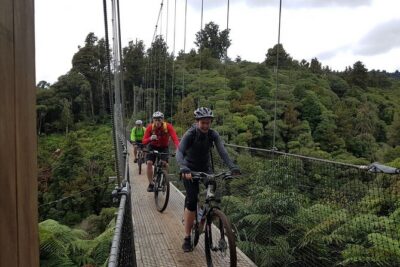
Timber Trail – Ongarue to Pureora Shuttle 2 Day Ride
Read our review →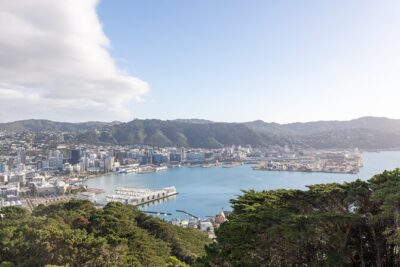
1/2 Day Guided Wellington Tour incl. Cable Car (Vans not buses)
Read our review →
2 Day Waitomo Caves, Hobbiton Movie Set and Rotorua Tour from Auckland
Read our review →
Bike The Wineries (1/2 Day) – Quick Pedal to Pinot
Read our review →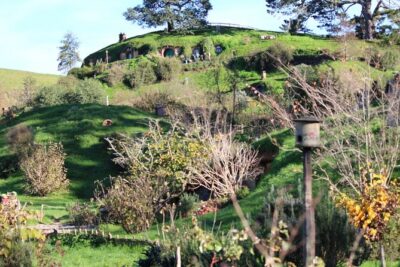
2-Day Hobbiton, Rotorua, Waitomo Caves Tour from Auckland with Accommodation
Read our review →
Bay of Islands 2-Day Small Group Tour & Cruise from Auckland
Read our review →
Photography Tour from Queenstown to Glenorchy – 1/2 Day
Read our review →
Hobbiton, Waitomo, Rotorua & Taupo 2-Day Tour from Auckland
Read our review →Browse the lists this tour appears in