
Reviewed · WELLINGTON TOURS
Zealandia by Day Tour
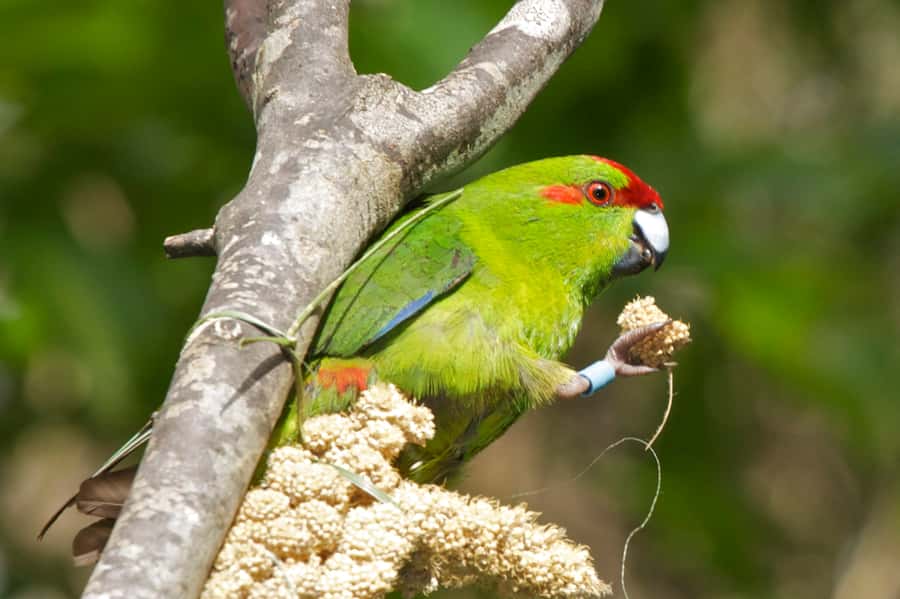
Birdsong begins ten minutes from Wellington. Zealandia by Day is interesting because it puts New Zealand’s threatened wildlife inside a predator-free sanctuary, then helps you notice far more than you would on your own. I like the small groups of up to 12 and the guides’ clear passion for the project, especially guides such as Scott, Juli, Kieran, and Maria. I also like the chance to see tuatara, takahē, kākā, tūī, and other native birds in a protected setting. The main consideration is the moderate walking on uneven ground, which can feel fast-paced for some people.
The $41 price is fair if you want more than a pleasant walk in the woods. Entry is included, and a good guide turns the sanctuary into a living lesson about extinction, predator control, native plants, and the long work of restoring wildlife. You can explore independently, but several visitors found the guided route helped them spot birds and understand the place far better.
In This Review
- Key points to know before you go
- What Zealandia is trying to restore
- Starting at the visitor center
- The biosecurity check and first steps inside
- Birdsong, feeding stations, and the kākā
- The tuatara moment
- Why a guide adds real value
- Two hours on foot: who will enjoy it
- Getting to Zealandia from Wellington CBD
- Is $41 good value?
- Booking flexibility and language options
- Should you book Zealandia by Day?
- FAQ
- Where does the Zealandia by Day Tour meet?
- How long does the guided tour last?
- What is included in the price?
- How large is the tour group?
- Which animals might I see?
- How can I reach Zealandia from Wellington CBD?
- Is the tour suitable for children?
- Is the tour suitable for wheelchair users?
- What should I bring?
Key points to know before you go
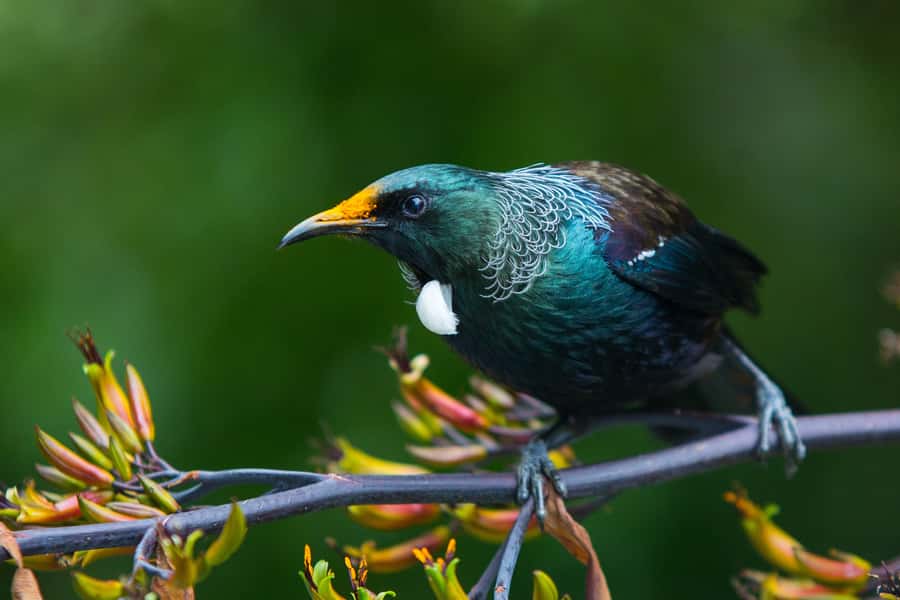
- Rare wildlife in a protected valley: Look for takahē, kākā, kākāriki, tūī, bellbirds, tuatara, and possibly other endangered species.
- A guide makes the difference: The guides point out birdsong, plants, feeding stations, and details you could easily miss alone.
- Small groups feel personal: The tour is limited to 12 people, giving you a better chance to ask questions and hear explanations.
- The sanctuary is part of the lesson: You learn how the fence, biosecurity checks, and predator control support native wildlife.
- Allow for uneven walking: Comfortable shoes and weather-ready clothing matter because the tour runs in all weather.
- Easy from central Wellington: You can reach Zealandia by car, free shuttle, or cable car from Wellington CBD.
What Zealandia is trying to restore
Zealandia Te Māra a Tāne is not a traditional zoo, and that shapes the whole experience. It is a fully fenced, predator-free ecosanctuary where native wildlife can live with far less pressure from introduced predators.
That fence is not just background scenery. It is central to the story. Before you enter, you complete a short biosecurity bag check so you do not accidentally carry a predator into the sanctuary. The process is quick, but it gives you an immediate sense of how carefully the reserve protects its residents.
New Zealand’s native birds evolved in isolation, and many developed unusual habits because they had few land predators. The conservation work here is about giving those species a safer place to survive and build their numbers again. The strongest part of the tour is the way guides connect the birds you see with the wider effort behind the sanctuary.
You are not simply ticking off wildlife sightings. You are seeing the result of fencing, pest control, habitat care, monitoring, and patient restoration. That makes the $41 entry and guide fee feel more worthwhile, especially if conservation is a major reason you visit New Zealand.
A few more Wellington trips worth weighing up
- Wellington: Wētā Workshop Guided Tour Ticket
★ 4.7 · 997 reviews - Wētā Workshop Experiences Tour – Wellington
★ 5.0 · 875 reviews - Wellington: Return Cable Car Ticket
★ 4.6 · 714 reviews
Starting at the visitor center
Your meeting point is the Zealandia Visitor Center at 53 Waiapu Road in Karori. Check in at the ticket desk, then meet your guide before the walking tour begins.
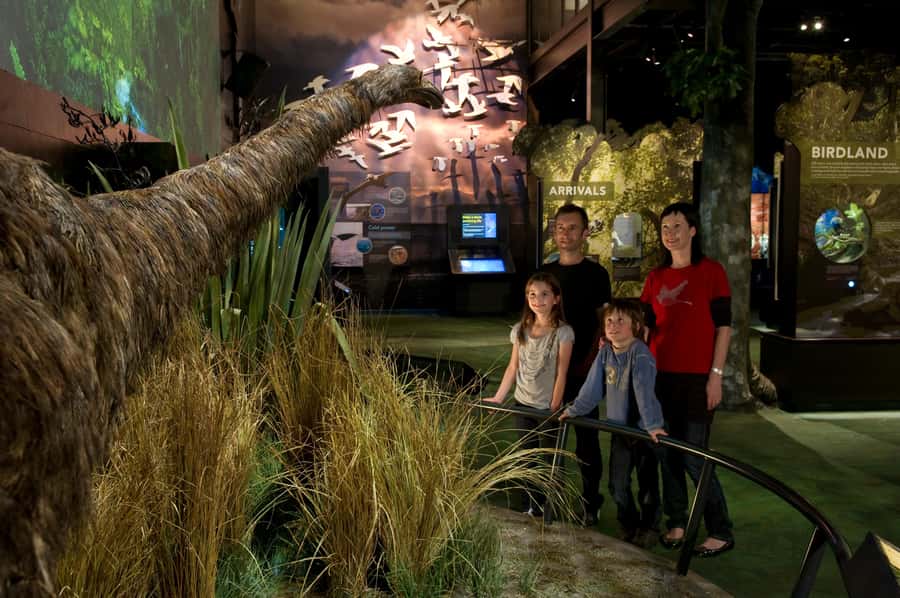
The opening introduction takes place in the exhibition area. This is useful because it gives you the basic story before you head outdoors. You can learn what Zealandia is trying to achieve, why the predator-free fence matters, and how native wildlife fits into New Zealand’s ecological past.
The exhibition also helps you get your bearings. If you arrive early, take a little time to look around before the group sets off. One visitor particularly enjoyed returning to the exhibition after the walk, so you do not need to treat the outdoor portion as the only worthwhile part of your visit.
The visitor center is also your practical base. After the tour, you can relax at Rātā Cafe for coffee or a meal. Food and drinks are not included in the tour price, so plan on paying separately. One piece of direct feedback praised the sanctuary but found the cafe service less welcoming, so I would keep your expectations focused on the sanctuary rather than the cafe.
The biosecurity check and first steps inside
Before entering, you complete a short check of your bags. This is designed to prevent predators from entering with you. It may feel like a small formality, but it gives the tour a useful sense of purpose from the beginning.
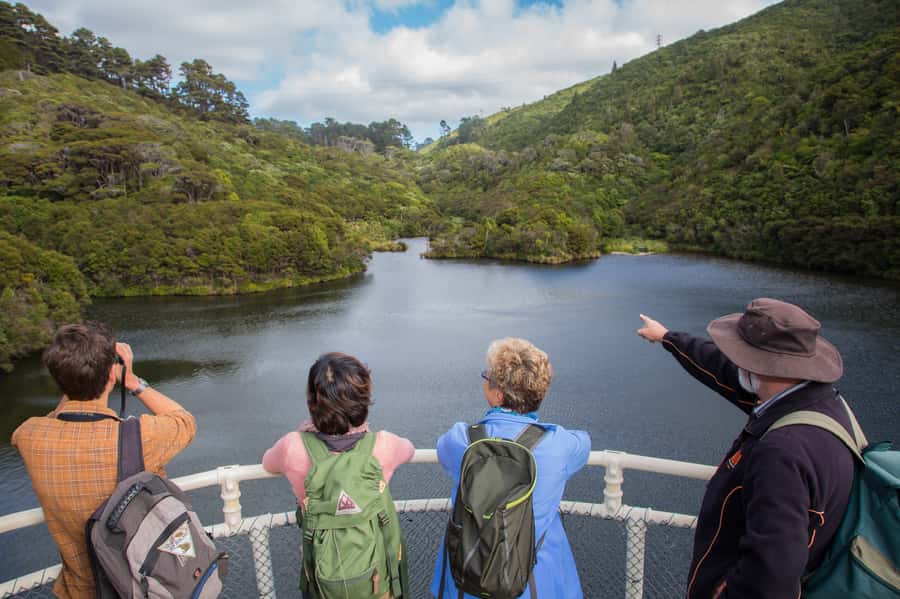
Once inside, your guide begins pointing out the forest’s sounds, plants, and hidden movement. This is where the small group matters. With no more than 12 people, the guide can answer questions and gather everyone around a bird or plant without the experience becoming a large crowd.
Still, you should stay close. One visitor found the pace a little quick, with some people missing explanations because they were not all together when the guide stopped. Another noted that the group did not cover the entire planned route because some people took longer. This is not a reason to avoid the tour, but it is a good reminder to keep up and let the guide know if you need a slower pace.
Birdsong, feeding stations, and the kākā
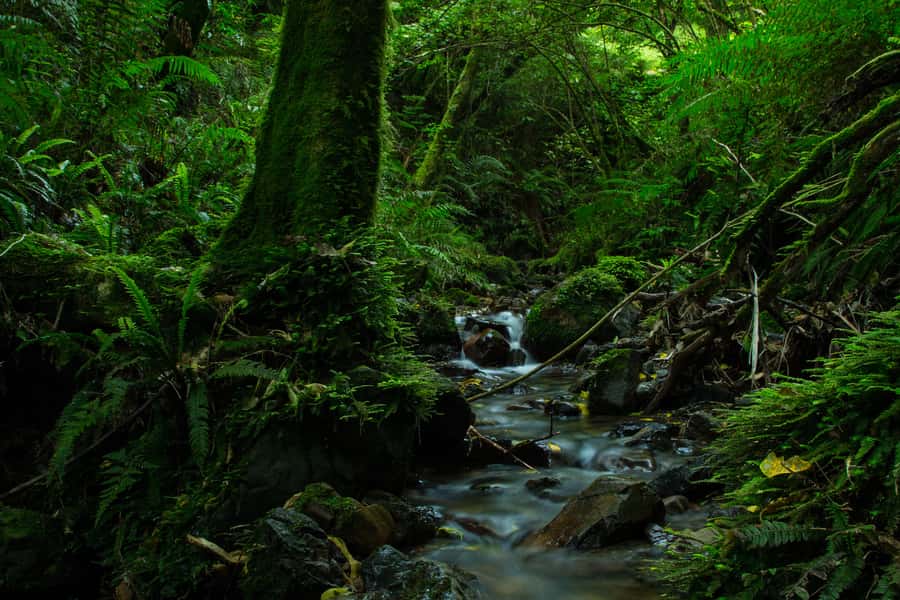
The feeding stations are among the most useful parts of the walk. They are positioned along the sanctuary’s paths, giving you a better chance to see birds rather than simply hearing a distant call in the trees.
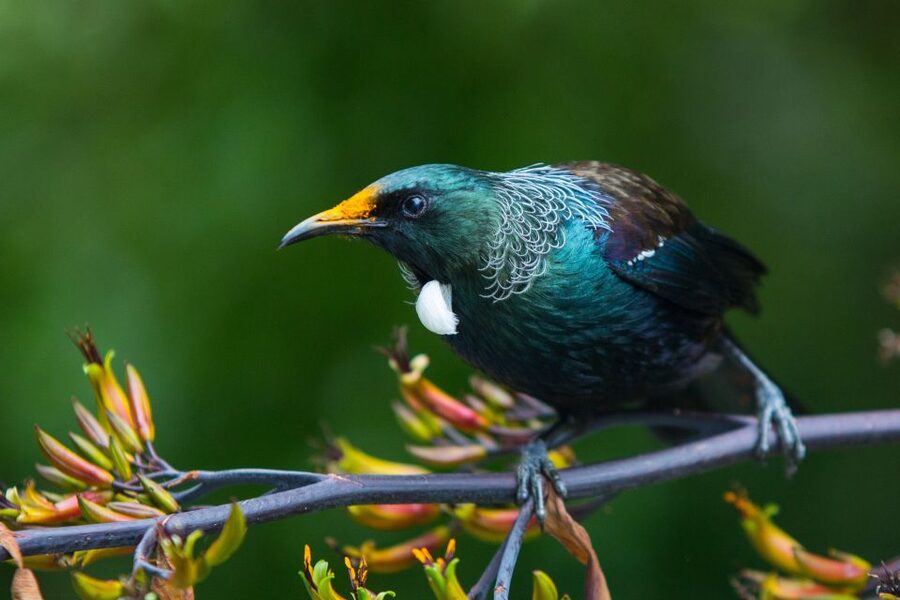
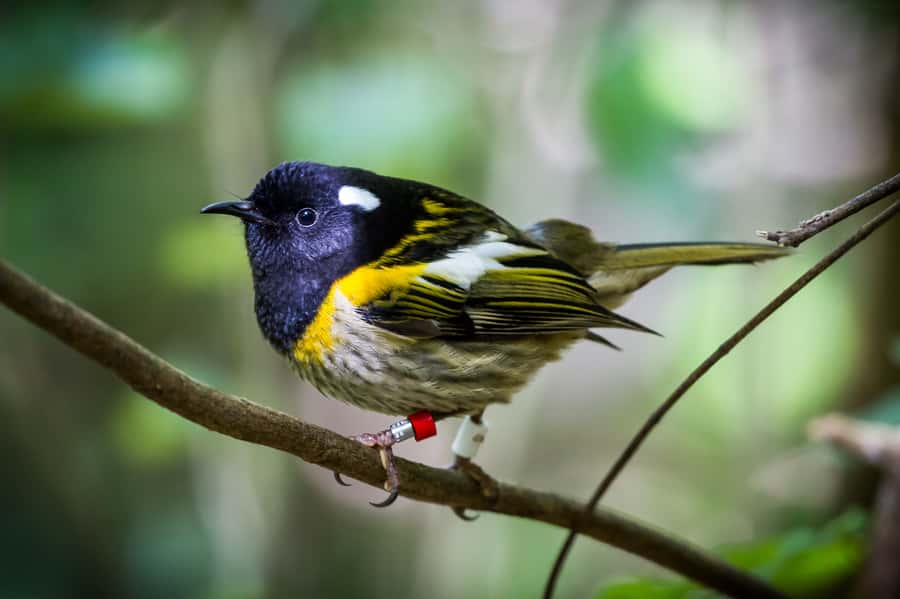
Kākā are a major attraction. These intelligent bush parrots can be lively and entertaining, and the feeding areas offer a practical chance to watch them. You may also see kākāriki, tūī, and bellbirds. The guides help you separate the calls and identify the birds, which is much harder when you are walking alone.
The value here is not just the number of species. It is learning to notice how the forest sounds. Tūī and bellbirds can turn an ordinary section of track into a memorable stop, while a guide may point out where a bird is perched or explain what makes a species unusual.
You should bring patience as well as a camera. Bird sightings are never fully guaranteed, and wildlife does not follow a timetable. One visitor was thrilled to see a pair of tīeke, but found it hard to record their birdsong because people talked over the moment. If you want photos or sound recordings, quietly tell the group when a bird appears and give everyone a chance to listen.
A completely different kind of day out in Wellington:
- Half Day Tour of Wellington
★ 4.5 · 638 reviews - Wellington: Guided City Tour with Cable Car Ticket
★ 4.8 · 553 reviews - Wellington’s Original LOTR Experience – includes Weta and Lunch
★ 5.0 · 529 reviews - Kapiti Island Classic Guided Day Tour
★ 5.0 · 522 reviews
The tuatara moment
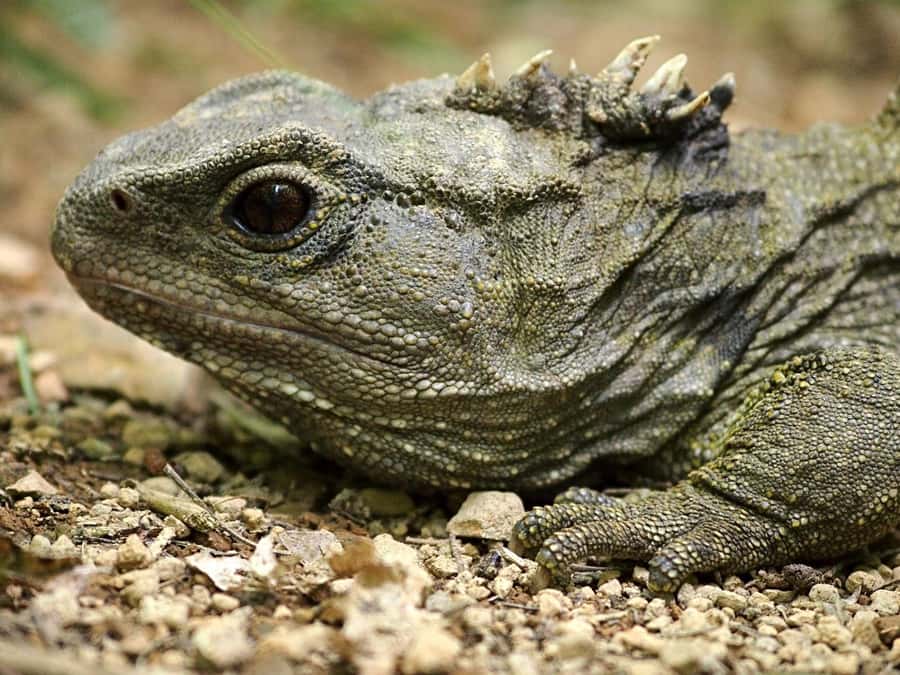
Tuatara are often a highlight of the two-hour walk. These reptiles are among New Zealand’s most distinctive native animals, and seeing one in a natural setting feels very different from looking at a display.
Several guides have been praised for knowing where to look, and visitors have sometimes seen more than one tuatara during a tour. Dawn began her visit with porridge at the cafe and later singled out the tuatara as the day’s best surprise. Another group saw three.
Do not arrive expecting a guaranteed close encounter. The tour includes the possibility of seeing tuatara, not a promise that every group will find one. Your guide’s experience improves your chances, but patience and luck still matter.
The same applies to rarer birds such as takahē. Seeing one can be a special moment because the sanctuary is part of wider work to protect species that once faced severe decline. If wildlife photography is your main goal, you may want to allow extra time at Zealandia beyond the guided walk, since the guided tour itself lasts two hours.
Why a guide adds real value
I would choose the guided tour over simply walking alone if you have only one visit. The reserve is attractive enough to explore independently, but the guide supplies the details that make the place meaningful.
Guides have explained the history of the Zealandia project, the purpose of the fence, native plants, bird behavior, and the sanctuary’s plans for rewilding. Some, including Maria, had been connected with the project from its early days. Others, including Kieran, Scott, Juli, Paul, Kevin, and Merle, have been praised for mixing facts with warmth and enthusiasm.
The best guides also adjust to the group. Alix appreciated a guide who took time with children, while another visitor using a scooter felt included throughout the tour. A guide may pause for questions, point out plants and their uses, or wait quietly for birds to appear.
The tradeoff is that every guide has a different style. One may be chatty and humorous, another more focused on facts. Some tours run beyond the scheduled two hours when the group wants more explanation, but you should not count on extra time if you have another booking afterward.
Two hours on foot: who will enjoy it
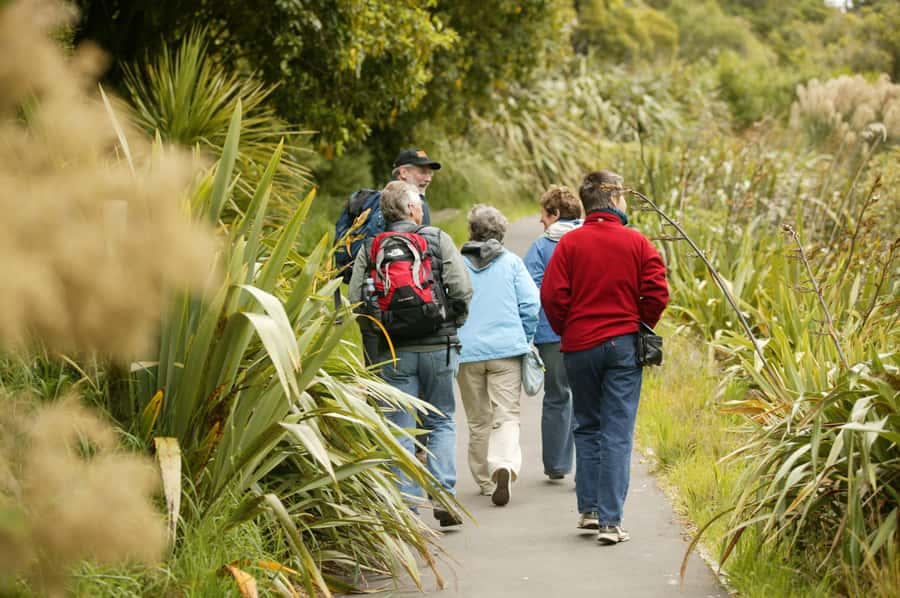
The walk involves a moderate amount of walking over uneven surfaces. Comfortable shoes are essential, and you should wear clothing suited to Wellington’s changeable weather. The tour operates in all weather, so rain or wind does not automatically cancel your outing.
This is a good match for you if you enjoy nature walks, birdwatching, conservation, and learning while moving. Families can enjoy it too, provided children stay with an adult. Unaccompanied minors are not allowed.
The tour is not suitable for people with mobility impairments, and it is not recommended for wheelchair users. If you have a medical condition such as asthma, tell your guide before setting out. The route may feel quick if you need frequent rests, so consider your comfort with two hours of outdoor walking before booking.
The weather does not always spoil the experience. One visitor found that even in poor conditions, the valley offered shelter from the wind and made for a rewarding walk. Another enjoyed the tour in bad weather and still saw several birds. Wellington rain is part of the practical equation, not a minor footnote.
Getting to Zealandia from Wellington CBD
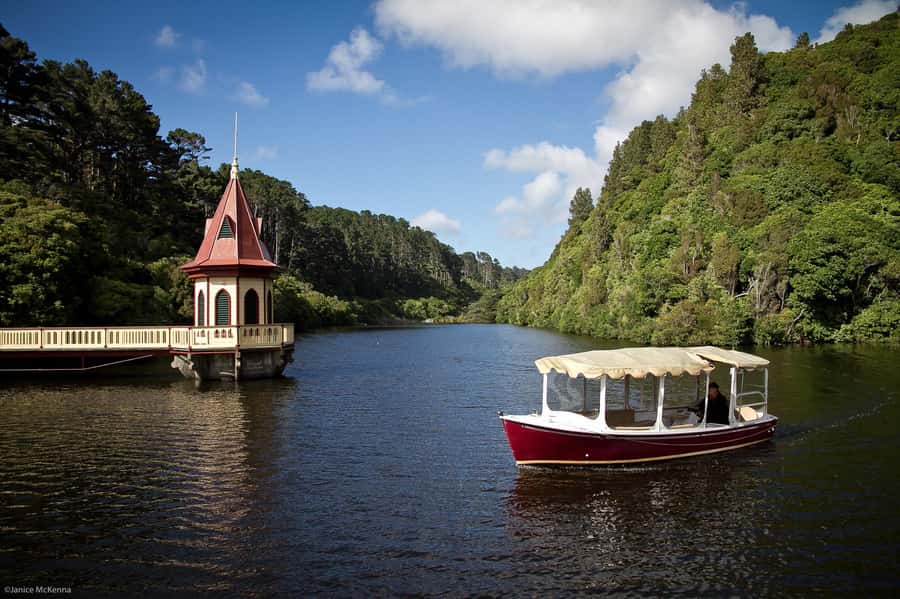
Zealandia is about ten minutes from Wellington CBD. You can drive, use the free shuttle, or travel by cable car from central Wellington. Hotel pickup and drop-off are not included, so you need to make your own way to the visitor center.
The free transportation option helps the $41 price feel better, especially if you are staying in central Wellington. Check the current departure details when you book, and leave enough time to reach the ticket desk before the tour begins.
One visitor also praised the shuttle driver for sharing useful information on the ride back into Wellington. That is a pleasant bonus, but the tour itself begins and ends at Zealandia Visitor Center.
Is $41 good value?
At $41 per person, you are paying for three things: entry, a professional guide, and a two-hour small-group walk. I think the price is good value if you want context and help finding wildlife.
The guide is the key. A self-guided visit may suit you if you prefer to move slowly, take photographs, or spend longer in one area. But the guided route can save you from walking past a bird or plant without noticing it. Several visitors felt they would have missed important sights and facts without the guide.
The price is also easier to justify if you care about conservation. Your visit supports a place doing serious work to restore native wildlife, and the tour explains how that work happens. You are paying for access to the sanctuary, but also for the story that makes the sanctuary matter.
The main value limit is time. Two hours can pass quickly, especially if the guide stops often for birds and questions. If you want a leisurely visit, plan additional time at the sanctuary, and check whether your entry arrangements allow you to continue exploring after the guided portion.
Booking flexibility and language options
You can cancel up to 24 hours before the tour for a full refund. You can also reserve now and pay later, which helps if your Wellington schedule depends on weather or other activities.
Tours are offered with live guides in English and Chinese. The group limit is 12 people, but the exact starting time depends on availability, so check the schedule for your date.
The tour runs in all weather. That makes clothing more important than a last-minute weather forecast. Bring comfortable shoes and layers suitable for rain, wind, or sun.
Should you book Zealandia by Day?
Book it if you want to understand New Zealand’s conservation work while seeing native birds and the chance of a tuatara. The strongest reason to go with a guide is simple: you will likely notice more, learn more, and spend less time wondering where to look.
I especially recommend it for first-time visitors to Wellington, families with older children, bird lovers, and anyone curious about how a predator-free sanctuary works. The small group, excellent guides, and central location make it an easy half-day addition to a city visit.
Choose a self-guided visit instead if you need a very slow pace, use a wheelchair, or prefer complete control over your route. For most able walkers, though, $41 is a sensible spend. Zealandia offers more than pretty forest and bird calls. It shows what careful conservation can achieve, right near Wellington.
FAQ
Where does the Zealandia by Day Tour meet?
The tour meets at the Zealandia Visitor Center, 53 Waiapu Road, Karori, Wellington, New Zealand.
How long does the guided tour last?
The guided walking tour lasts two hours.
What is included in the price?
The $41 price includes entry to Zealandia, a professional guide, and the two-hour small-group walking tour.
How large is the tour group?
The tour is limited to 12 people.
Which animals might I see?
You might see takahē, tūī, kākā, kākāriki, bellbirds, tuatara, and other native wildlife. Sightings are not guaranteed.
How can I reach Zealandia from Wellington CBD?
You can reach Zealandia by car, free shuttle, or cable car from Wellington CBD. Hotel pickup and drop-off are not included.
Is the tour suitable for children?
Children are welcome, but they must be accompanied by an adult. Unaccompanied minors are not allowed.
Is the tour suitable for wheelchair users?
No. The tour includes moderate walking over uneven surfaces and is not recommended for people with walking disabilities or wheelchair users.
What should I bring?
Bring comfortable shoes and clothing suitable for the weather. The tour operates in all weather conditions.
Just added around Wellington
- Private Tour in Wellington★ 5.0 · 5 reviews
- Wellington: Wētā Workshop Creative Classes Experience Ticket★ 4.7 · 5 reviews
- Exclusive Wellington Sightseeing Private Tour★ 4.0 · 5 reviews
- Wellington Jewish Heritage sightseeing tour with a kosher lunch★ 5.0 · 5 reviews
- Wellington: Lord of the Rings Half-Day Guided Tour inc Weta★ 5.0 · 5 reviews
- Wellington 90 minute Harbour Cruise★ 5.0 · 6 reviews
- Wellington: Wild Skyline Guided Hiking Tour, Transfers + Lunch★ 5.0 · 6 reviews
- Wellington: Lord of the Rings Filming Locations Tour★ 4.0 · 6 reviews
Wellington Tours, compared.


Wellington’s Original LOTR Experience – includes Weta and Lunch
Read our review →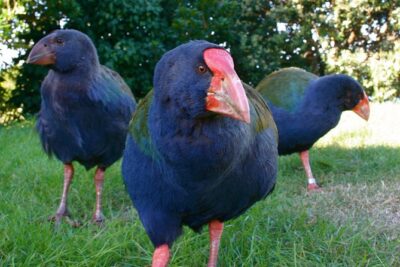

Northern Explorer Train Journey from Wellington to Auckland
Read our review →Browse the lists this tour appears in