
Reviewed · WAITOMO GLOWWORM CAVES TOURS
Auckland North Shore Glowworm Tour
The forest lights up after dark. This short guided walk into Awaruku Reserve gives you a rare chance to see New Zealand glowworms in native bush on Auckland’s North Shore, without glass, walls, or a long trip to Waitomo. I especially like the close-up setting and the way the walk connects glowworms with forest care, Māori history, and native birds.
I also like the small group size, limited to 10 people, which makes it easier to hear the guide and ask questions. Guides such as Legend and Chris have earned praise for making the science easy to follow and the walk lively. The main drawback is that the experience is quite short, and glowworm sightings depend on darkness and natural conditions.
In This Review
- Key points to know before you go
- Meeting at Hairluxx Boutique in Torbay
- Awaruku Reserve after sunset
- Meeting Arachnocampa luminosa
- What the strongest guide commentary adds
- Photography in near darkness
- Conservation beyond the glowworms
- A note about other forms of bioluminescence
- The walk back to Hairluxx Boutique
- How the value compares with a trip to Waitomo
- Who should book this North Shore night walk?
- Is the Auckland Glowworm Tour worth booking?
- FAQ
- Where does the Auckland North Shore Glowworm Tour meet?
- How long does the tour last?
- What language is the tour offered in?
- How large is the group?
- What should I bring?
- Can I cancel or pay later?
Key points to know before you go
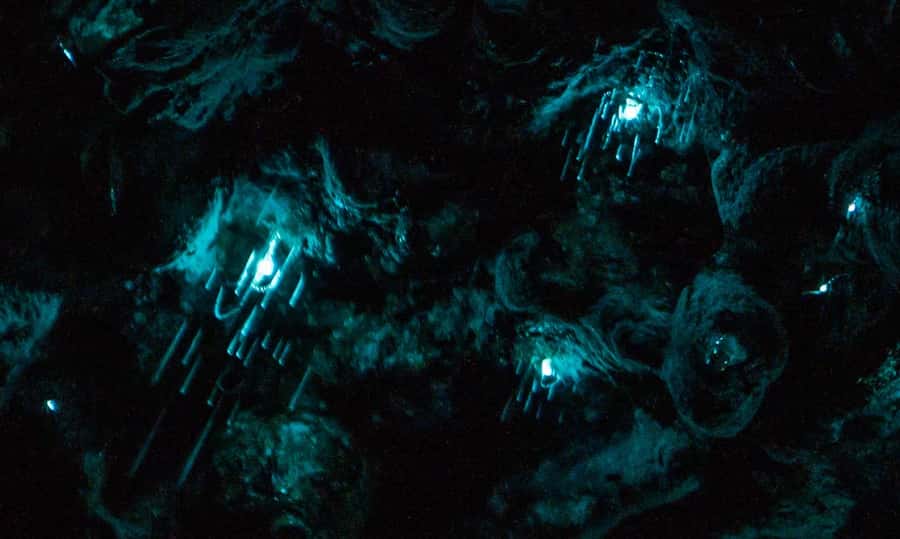
- Glowworms in open bush: See Arachnocampa luminosa in their natural setting, without barriers between you and the display.
- Auckland alternative to Waitomo: You can see New Zealand glowworms without making the long journey south to the famous caves.
- Awaruku Reserve setting: The walk passes through more than 12 hectares of native forest with Kauri trees and Nikau Palms.
- Small English-speaking group: The maximum group size is 10, with a live guide leading the walk.
- Easy walking focus: The track has been described as well maintained, but comfortable walking shoes are still important.
- Natural light, not a staged show: The glowworms and any other bioluminescence appear only when conditions are right.
Meeting at Hairluxx Boutique in Torbay
Your evening begins outside Hairluxx Boutique Torbay, at approximately -36.698219299316406, 174.73330688476562. This is the meeting point for the walk, and your guide meets you there before leading the group toward Awaruku Reserve.
The start is simple, but you should take the location seriously. A night walk is not the time to arrive hurriedly at the wrong address. Check the meeting instructions before leaving, allow a little extra time, and make sure your phone has enough battery if you plan to use it for directions or photographs.
The guide begins with an introduction and a safety briefing. That may sound routine, but it matters here. You are walking through native bush after dark, and the group needs to stay together while also protecting the glowworm habitat.
The tour is offered in English. A group capped at 10 people should feel more personal than a large coach excursion, especially when the guide stops to point out small details in the trees or along the track.
More Waitomo glowworm cave trips:
- Hobbiton & Waitomo Caves Guided Day Trip from Auckland incl lunch
★ 5.0 · 2,677 reviews - From Auckland: Hobbiton & Waitomo Caves Day Trip with Lunch
★ 4.9 · 2,505 reviews - Hobbiton & Waitomo Caves Small-Group Tour W Lunch from Auckland
★ 5.0 · 1,117 reviews
Awaruku Reserve after sunset
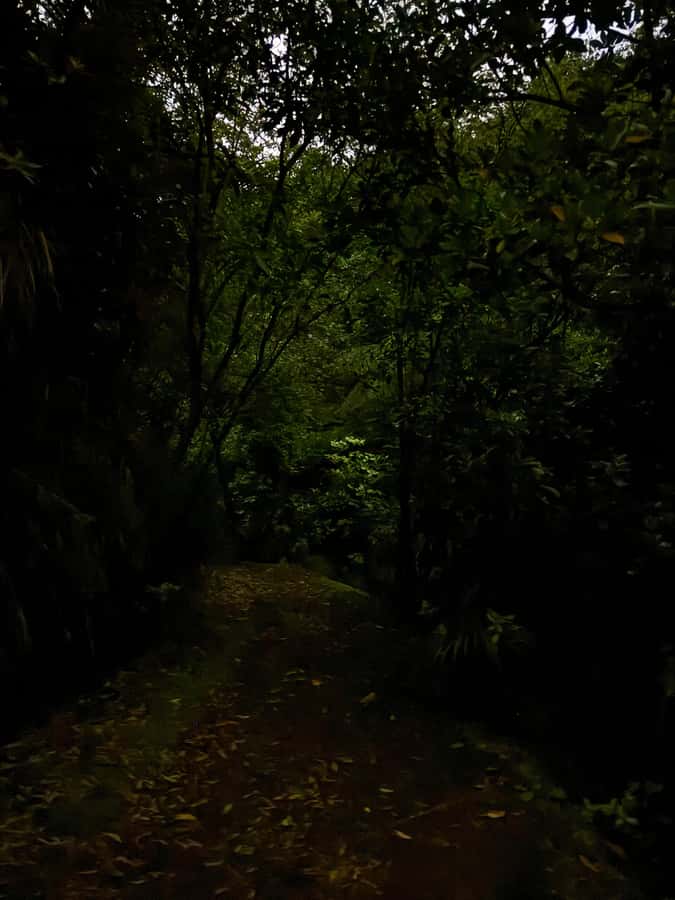
Awaruku Reserve covers more than 12 hectares of native forest. Its importance is not limited to the glowworms. The reserve also provides habitat for native species including the New Zealand Kākā and Kererū, and it has a connection to ancient Māori settlements.
Your guide uses the walk to explain how the reserve functions as a living ecosystem. The emphasis is not simply on reaching a glowing patch of forest, taking a photograph, and going home. You also learn why native trees and restoration work matter to the wider bush.
Look out for Kauri trees and Nikau Palms as you go. In daylight, these plants would be easier to study, but the night setting changes your attention. You hear more, see less, and become aware of the forest in smaller pieces: a trunk, a palm frond, a patch of damp ground, or a faint light ahead.
The darkness is part of the attraction, but it also creates the tour’s main practical limitation. You will not get a broad daytime view of the reserve. If you want to study the vegetation closely or take clear photographs of the trees, you may find a daytime visit more useful. This experience is about the forest at night and the glowworms within it.
Meeting Arachnocampa luminosa
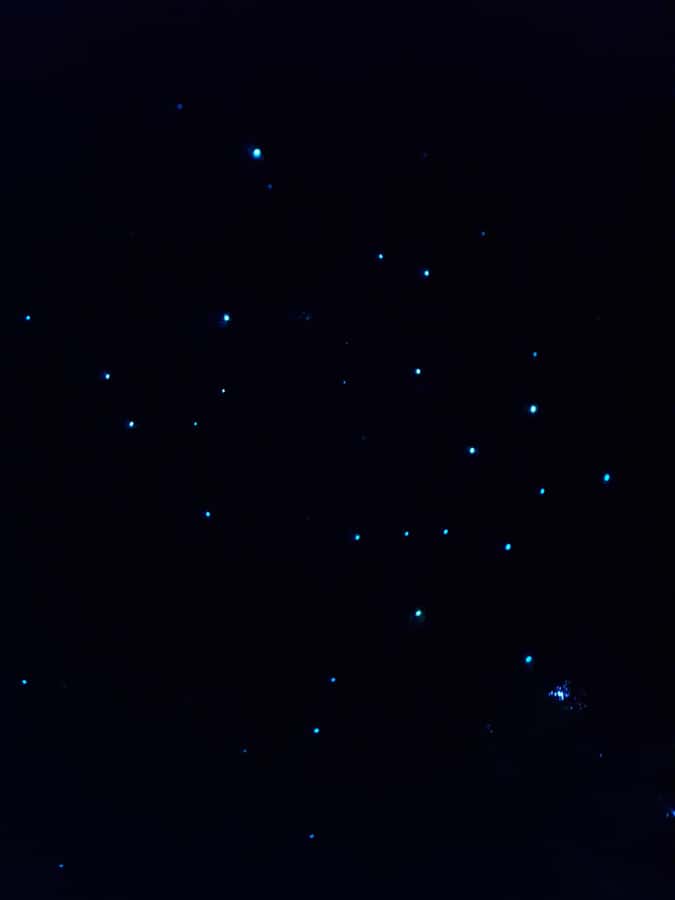
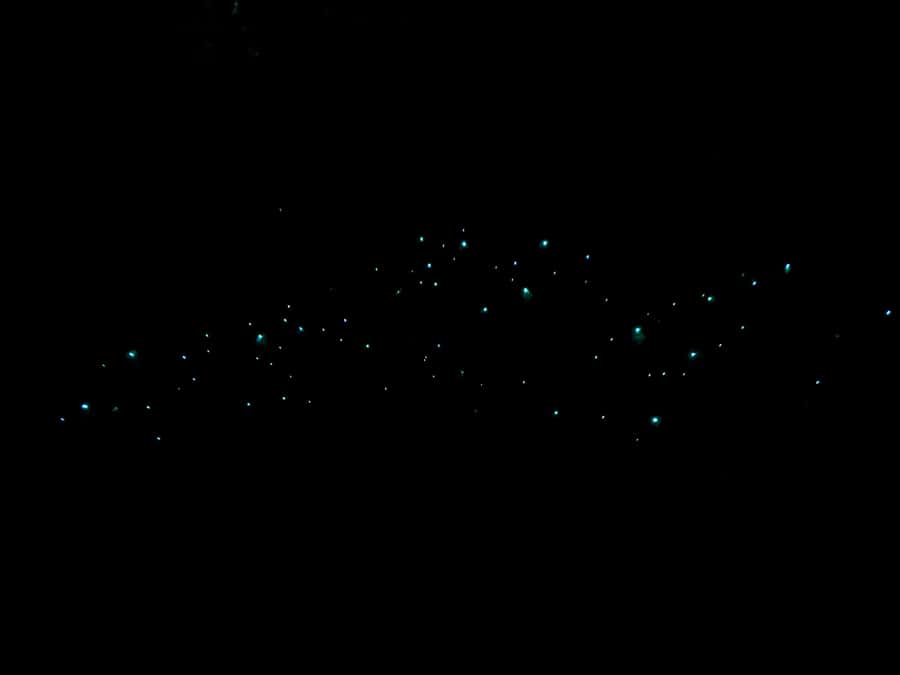
The star of the walk is Arachnocampa luminosa, New Zealand’s glowworm. Despite its common name, it is a larval insect, not a worm. Your guide explains its life cycle and the reason for its blue-green light.
The glowworm uses light to attract small flying prey. It also creates silk threads that hang down from its hiding place. In the dark, the light and threads form a delicate trap, turning a quiet patch of bush into a tiny feeding system.
This is where a guide adds real value. Without an explanation, you may see a scatter of blue-green points and simply call it pretty. With the biology explained, you understand that the display is part of the animal’s survival, not decoration.
The tour lets you approach the glowworms closely, while still leaving them in their natural habitat. That is a meaningful difference from viewing wildlife behind a barrier. You are not looking at an artificial installation or a controlled indoor exhibit. You are seeing living insects in the reserve they depend on.
Still, keep your expectations sensible. Glowworms are small, and darkness is essential for viewing them. This is not a brightly lit attraction where every detail is visible. The magic comes from adjusting your eyes and allowing the blue-green points to emerge from the blackness.
What the strongest guide commentary adds
The guides are a major part of the experience. Legend has been praised for explaining both the glowworms and their surrounding environment, while also answering questions about the forest and other wildlife. Chris has been singled out for sharing many interesting facts in an engaging way.
Other feedback highlights a funny, approachable guide who could explain the subject without turning the walk into a lecture. That balance is useful. You get enough science to understand what you are seeing, but the evening remains relaxed and social.
A small group helps here. If the guide stops to explain the glowworm life cycle, you should be close enough to hear. If you have a question about Kauri trees, native birds, or the reserve’s Māori connections, there is a better chance of getting a direct answer than on a crowded outing.
Guide names may vary by departure. Legend and Chris are examples of guides praised for their mix of good humor and subject knowledge, not a promise that either will lead your particular walk.
A few more Auckland trips worth weighing up
- Waiheke Island: Ferry & Hop-On Hop-Off Explorer Bus Tickets
★ 4.6 · 3,311 reviews - Auckland Dolphin and Whale Watching Eco-Safari Cruise
★ 4.5 · 1,790 reviews - Skydive Auckland
★ 5.0 · 1,516 reviews - Auckland: Hobbiton Movie Set Day Trip with Festive Lunch
★ 4.8 · 1,431 reviews
Photography in near darkness
You are encouraged to bring a camera, but glowworm photography is difficult. The light is faint, the subject is small, and camera movement can blur the result. A phone may record something, but you should not judge the experience by whether the photographs look as impressive as the view in person.
Use your camera with care. Avoid bright screens and sudden flashes, since they can affect the group’s night vision and reduce the atmosphere for everyone. The supplied information does not specify camera rules, so follow the guide’s directions on site.
The surrounding nature may be easier to photograph before full darkness, while the glowworms require low light. If photography matters a great deal to you, ask the guide for advice and be prepared to spend more time watching than shooting.
That is the right approach anyway. The glowworms are best appreciated as a quiet natural display, not as a series of perfect images for your phone.
Conservation beyond the glowworms
After the glowworm viewing, the walk turns toward conservation. You learn about efforts to protect the reserve and support native species such as Kākā and Kererū.
This section gives the tour a wider purpose. The glowworms are an excellent reason to visit, but the reserve’s future depends on the health of the entire forest. Protecting trees, restoring habitat, and supporting native birds all help maintain the conditions that make the night walk possible.
The reference to ancient Māori settlements also adds context. Awaruku Reserve is not just a patch of bush that happens to contain glowworms. It has ecological value and cultural significance, and the guide helps place the evening within that larger story.
I appreciate this part because it avoids treating nature as a backdrop. You are shown how a local reserve can support insects, plants, birds, and people at the same time.
A note about other forms of bioluminescence
The tour information also discusses bioluminescence more broadly. In the forest, that means glowworms. On some evenings and in suitable conditions, related experiences may visit coastal areas where microscopic dinoflagellates create glowing water and shoreline effects.
That does not mean you should expect a water display on this Awaruku Reserve walk. The main experience described here is a guided glowworm walk through native bush. Bioluminescent marine life is associated with separate coastal or kayak experiences, and sightings are natural and condition-dependent.
The science is still useful. Bioluminescence is the ability of living organisms to produce light. Understanding that both glowworms and marine organisms can create natural light helps you see New Zealand’s night environment as more than a collection of attractions.
If you specifically want glowing water, choose a dedicated bioluminescence kayak experience instead. If you want glowworms close to Auckland, this bush walk is the more direct choice.
The walk back to Hairluxx Boutique
Once the glowworm viewing and conservation discussion finish, you return on foot to the car park and then back toward Hairluxx Boutique.
The return is intentionally quiet. You have time to think about the glowworms, the reserve, and the effort needed to protect native bush. That gentle ending suits the experience better than a rushed finish.
The tour information gives a duration of 45 minutes, while the itinerary also labels the guided Awaruku Reserve portion as 105 minutes. That is a notable inconsistency. Check the exact departure details and expected total time when booking, particularly if you have dinner plans, a ferry connection, or another evening activity.
The walking itself has been described as easy, with a well-maintained track. Even so, wear comfortable walking shoes. Night conditions can make any path feel less familiar, and practical footwear is a small choice that makes the evening more pleasant.
How the value compares with a trip to Waitomo
No price is provided in the supplied details, so I cannot judge the exact cost. I can still explain where the value lies.
For an Auckland-based visitor, the biggest saving may be time and effort. Several people specifically appreciated seeing glowworms in the bush without driving to Waitomo. This does not replace the larger cave experience, but it gives you a local option while staying on the North Shore.
You are paying for access to a guided night setting, interpretation, a small group, and the chance to view glowworms without barriers. You are not paying for a long attraction with dramatic underground chambers, extensive transport, or a full-day excursion.
That makes the tour a good fit if you have limited time in Auckland or want an evening activity close to the city. It is less suitable if you expect a major cave system, a long adventure, or a guaranteed display of a particular size.
The free cancellation policy allows cancellation up to 24 hours in advance for a full refund. You can also reserve now and pay later, which helps if your schedule is still changing. Those terms add practical value, especially when natural conditions can affect an outdoor evening plan.
Who should book this North Shore night walk?
I would recommend this tour to you if you like small-scale nature experiences, local ecology, and guided walks with a calm pace. It is especially useful for people who want to see glowworms but do not have time for Waitomo.
Families may appreciate the short format, though the supplied information does not give a specific minimum age or child policy. Ask before booking if you are traveling with young children. The tour also suits solo visitors and couples who want a quiet evening rather than a loud group activity.
Nature photographers may enjoy the setting, but should keep expectations realistic. The glowworms are faint and close to the ground or forest surfaces, so this is better for observation than guaranteed professional-quality images.
You should think twice if you dislike walking after dark, need a fully lit route, or want a weather-proof attraction. The experience takes place outdoors, and natural light displays cannot be promised at a fixed intensity.
The current score is 5 out of 5 from 22 verified ratings, with praise focused on the glowworms being close, the track being easy, and the guides being funny and well informed. One especially memorable detail was a cat joining part of the walk, though that is clearly an occasional surprise rather than a tour feature.
Is the Auckland Glowworm Tour worth booking?
Yes, if you want a short, local glowworm experience with real natural surroundings and useful interpretation. The strongest reasons to book are the close viewing, the small group, and the chance to learn about Awaruku Reserve rather than simply stop for a photograph.
Do not book it expecting Waitomo-sized caves or a guaranteed marine bioluminescence display. Confirm the actual duration because the supplied details list both 45 minutes and a 105-minute guided portion, wear proper walking shoes, and bring a camera only if you are happy with the limits of night photography.
For a compact Auckland evening, this is a smart choice. You leave the city’s brighter streets, follow a quiet bush track, and see one of New Zealand’s most unusual natural sights in the place where it actually lives.
FAQ
Where does the Auckland North Shore Glowworm Tour meet?
The meeting point is outside Hairluxx Boutique Torbay. The listed coordinates are -36.698219299316406, 174.73330688476562.
How long does the tour last?
The activity information lists a duration of 45 minutes. The itinerary also describes the guided Awaruku Reserve portion as 105 minutes, so check the exact timing when you book.
What language is the tour offered in?
The live guided tour is offered in English.
How large is the group?
The tour is limited to 10 participants, making it a small-group experience.
What should I bring?
Wear comfortable walking shoes and bring a camera if you want to photograph the glowworms and surrounding nature.
Can I cancel or pay later?
You can cancel up to 24 hours in advance for a full refund. The reserve-now, pay-later option lets you book without paying immediately.
Just added around Auckland
- Auckland Museum and Highlight Sightseeing Tour★ 5.0 · 5 reviews
- 7 – Day North to South Island Grand Tour – Auckland to Queenstown★ 5.0 · 5 reviews
- Kumeu Winery Boutique Tour with Gourmet Lunch from Auckland★ 4.0 · 5 reviews
- Private 2 Hour Surf Lesson★ 5.0 · 5 reviews
- Private 3 Days Tour From Auckland: Hobbiton, Hamilton, Rotorua & Waitomo Caves★ 5.0 · 5 reviews
- Auckland City Hotel to Cruise Ship Transfer by SUV★ 4.0 · 5 reviews
- Auckland Highlights Full Day Guided Tour★ 4.5 · 5 reviews
- Private Tour – Waiheke Island Luxury Experience★ 5.0 · 5 reviews
Waitomo Glowworm Caves Tours, compared.
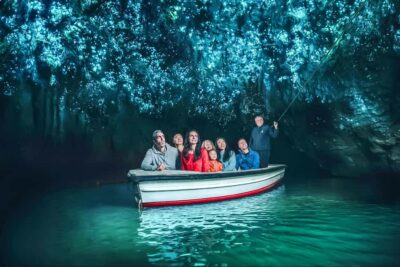
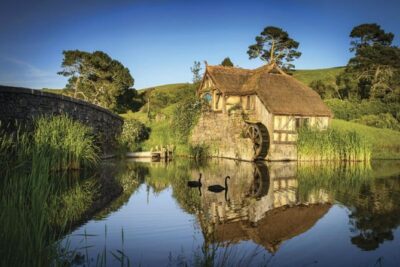
Hobbiton & Waitomo Caves Guided Day Trip from Auckland incl lunch
Read our review →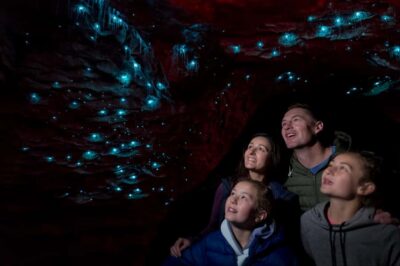
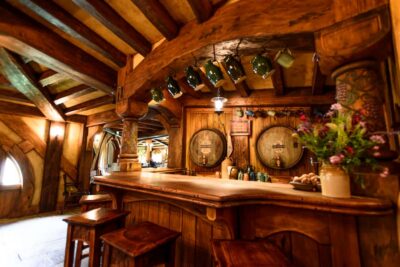
Hobbiton & Waitomo Caves Day Trip with Lunch
Read our review →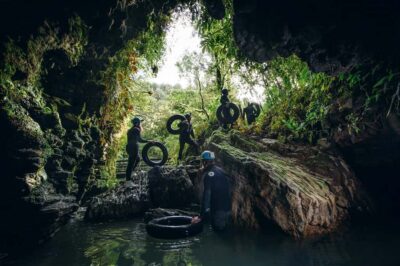
Waitomo Caves: Labyrinth Black Water Rafting Experience
Read our review →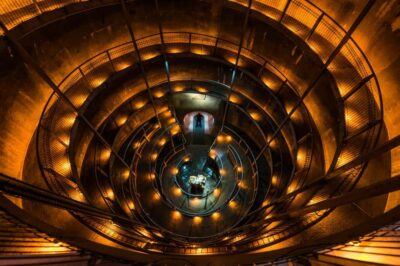
Waitomo Caves: Ruakuri Glowworm Cave Guided Walking Tour
Read our review →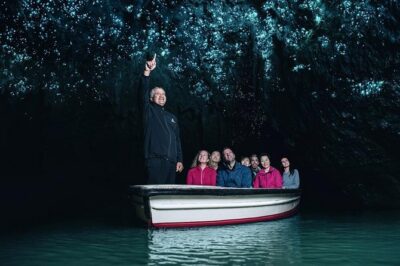
Hobbiton & Waitomo Caves Small-Group Tour W Lunch from Auckland
Read our review →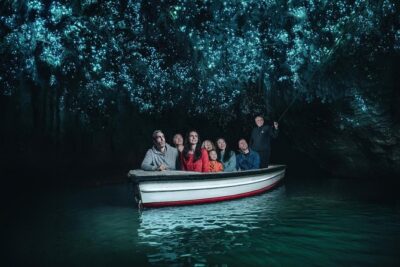
Browse the lists this tour appears in