
Reviewed · MAORI CULTURAL EXPERIENCES
Auckland : Rotorua Living Maori Village with Haka and Hangi Lunch
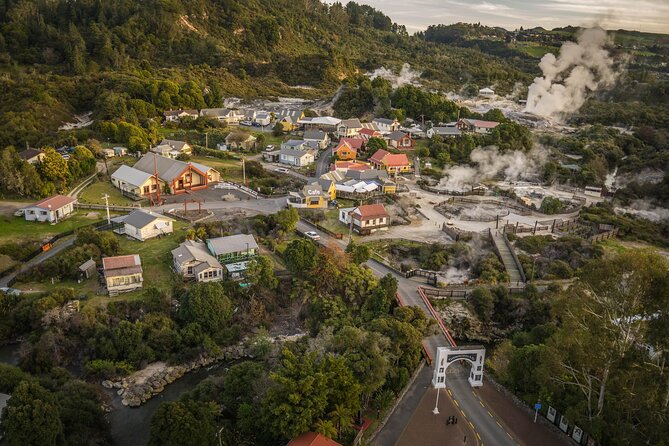
Steam rises before the stories begin. This long Auckland day trip pairs Whakarewarewa Living Māori Village with geysers, bubbling mud, a haka, and a traditional hāngī meal. I like the genuine local connection, especially because the guide was born and raised in the village, and I like the small group size, capped at 11 people.
The trade-off is the road time. You spend about 3 hours and 15 minutes going each way, making this an 11 to 12-hour day from Auckland. That is a lot of sitting, though the route includes stops as needed and the Rotorua visit gives you a strong cultural payoff.
In This Review
- Key points at a glance
- Why this Auckland to Rotorua day trip works
- The 6:00 am start from Auckland
- Walking through Whakarewarewa Living Māori Village
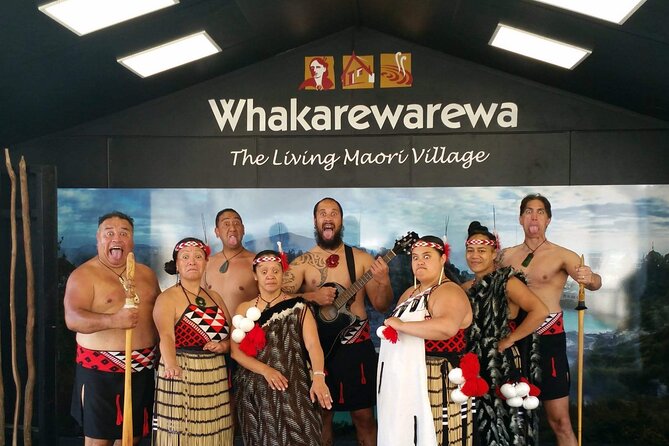
- The haka brings the visit to life
- Hāngī lunch and a practical booking warning
- Rotorua’s highlights by guided drive
- Is $232.71 good value?
- Who should book this experience?
- FAQ
- What time does the tour start?
- How long does the full experience last?
- Is pickup available?
- How large is the tour group?
- Is lunch included?
- What happens if I need to cancel?
- Should you book this Auckland to Rotorua tour?
Key points at a glance
- Local guide from Whakarewarewa: The guide was born and raised in the village and still lives there, giving the visit a personal link to the Tūhourangi Ngāti Wāhiao community.
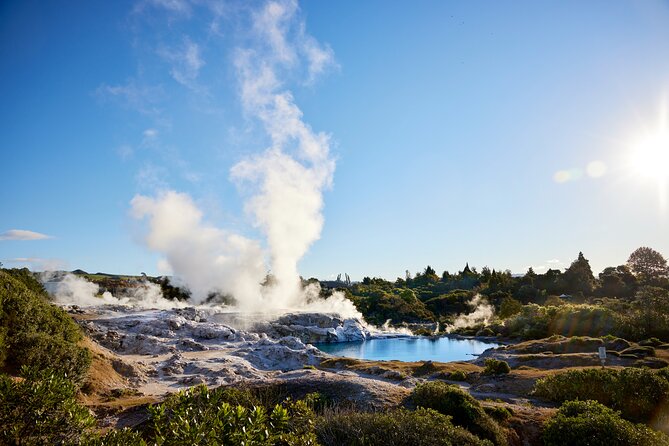
- Geothermal village setting: Walk past steaming vents, bubbling mud pools, and geysers while learning how daily life works around the heat below ground.
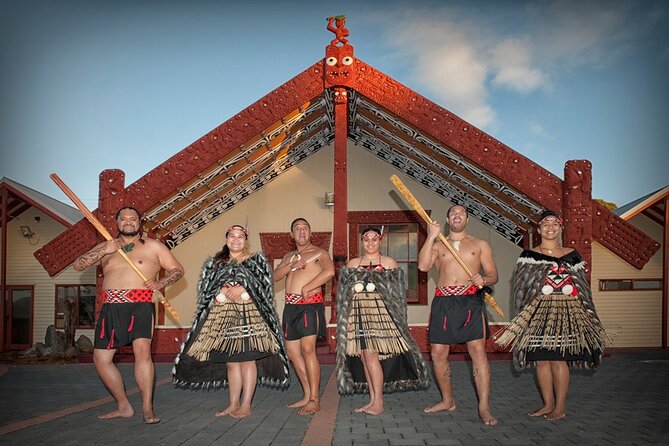
- Haka and cultural performance: The performance adds energy and ceremony to the guided visit, rather than leaving the culture as a museum display.
- Traditional hāngī meal: Food is prepared with natural steam, followed by dessert. Confirm the meal details before booking because the supplied information lists lunch both as included and not included.
- Rotorua sightseeing by vehicle: Government Gardens, Lake Rotorua, Sulphur Point, and Rotorua Museum are covered during a short guided drive.
- Small-group transport: An air-conditioned vehicle, bottled water, snacks, and a maximum of 11 people make the long day easier.
Why this Auckland to Rotorua day trip works
This experience is built around one strong idea: Rotorua is more than a place to look at steam. Its geothermal activity shapes the town, the cooking, the stories, and the daily life of the Māori community at Whakarewarewa.
I like that the main visit is not just a stage performance or a quick photo stop. You walk through a living village with local guidance. That gives the geothermal features a human setting. A steaming vent is interesting on its own, but it means more when you hear how people live near it and why the ground has a place in Māori stories and traditions.
The tour also handles the transport problem for you. Auckland and Rotorua are far enough apart that driving yourself adds planning, parking, and fatigue. Here, you can settle into an air-conditioned vehicle, watch the North Island pass by, and let the guide manage the route.
Still, this is not a relaxed half-day outing. The drive takes roughly 6 hours and 30 minutes in total. If you dislike long road trips, you may prefer to stay in Rotorua and visit Whakarewarewa separately. If you have only one day available from Auckland, the transport makes the outing practical.
More Maori Cultural Experiences in Auckland
- Waitomo Caves & Rotorua – Te Puia Small-Group Tour from Auckland
★ 4.5 · 681 reviews - Auckland: Waitomo Caves & Rotorua – Te Puia Small-Group Tour
★ 4.8 · 223 reviews - Hobbiton & Rotorua Small Group Tour including Te Puia from Auckland
★ 5.0 · 190 reviews
The 6:00 am start from Auckland
The day begins at 6:00 am from Auckland Central. That early departure is not a minor detail. You need to be ready for a full day, and breakfast is not included, so plan ahead before pickup.
The ride to Rotorua takes about 3 hours and 15 minutes. The route crosses the North Island through changing scenery, with lush views along the way. Bottled water and snacks are supplied, which helps, though you should not count on those items replacing breakfast.
A major strength here is the small group. With no more than 11 people, the vehicle should feel more personal than a large coach. The guide can keep the day moving while still answering questions and making stops as needed. The available feedback gives special praise to the guide’s courtesy, punctuality, and informative approach, so that human side of the trip appears to be a real part of the service.
The length of the drive remains the main concern. You will spend a good part of the day seated, and traffic can affect timing. The upside is that you avoid having to navigate between Auckland and Rotorua yourself. For a first visit to New Zealand’s North Island, that can be worth the time.
Walking through Whakarewarewa Living Māori Village
The main stop lasts about four hours, and that is where the tour earns its price. Whakarewarewa is presented as a living Māori village, not simply a collection of displays. The Tūhourangi Ngāti Wāhiao people welcome you into a community connected to the geothermal ground beneath it.
The guided walk takes you along paths past bubbling mud pools, steaming vents, and spouting geysers. These features are dramatic, but the guide’s role is just as important as the scenery. You learn how the community lives with geothermal forces and how Māori history and mythology connect with the area.
I would pay close attention during this part rather than rushing from one hot pool to the next. The most useful questions are likely to involve daily life, cooking, local customs, and the meaning of the geothermal features. Since the guide is from the village and still lives there, you get a direct community perspective instead of a general script about Māori culture.
The setting also makes this experience different from an indoor cultural attraction. You are outdoors on village paths, close to steam and active geothermal features. Wear practical shoes and clothing suited to walking and changing conditions. The supplied information does not give a detailed accessibility description, though most people can take part.
Four hours is a generous amount of time. That allows room for the guided village visit, geothermal viewing, cultural performance, and meal without forcing every part into a rushed schedule. It also means the stop is the central focus of your day, not an add-on squeezed between other attractions.
The haka brings the visit to life
The haka and cultural performance provide the most theatrical part of the experience. A haka is powerful, precise, and physical, and seeing it within a Māori village gives the performance a stronger setting than watching it as an isolated show.
You should approach this respectfully. The haka is not simply a dance for entertainment. It carries identity, pride, welcome, challenge, and memory. The guide’s explanation helps place the performance in its cultural setting, so listen for the meaning behind the movements and words.
I like the balance here. The geothermal walk gives you time to listen and observe, while the performance adds sound, movement, and emotion. It keeps the visit from feeling like a standard sightseeing circuit.
The cultural performance may be a highlight for families, first-time visitors to New Zealand, and anyone who wants a clear introduction to Māori traditions. It also gives you a shared moment after the more educational walking portion. Just remember that the experience offers an introduction, not a complete account of Māori culture. The village visit has a defined schedule, and the tour cannot cover every iwi, tradition, or historical period in one afternoon.
A completely different kind of day out in Auckland:
- Waiheke Island: Ferry & Hop-On Hop-Off Explorer Bus Tickets
★ 4.6 · 3,311 reviews - Hobbiton & Waitomo Caves Guided Day Trip from Auckland incl lunch
★ 5.0 · 2,677 reviews - From Auckland: Hobbiton & Waitomo Caves Day Trip with Lunch
★ 4.9 · 2,505 reviews - Auckland Dolphin and Whale Watching Eco-Safari Cruise
★ 4.5 · 1,790 reviews
Hāngī lunch and a practical booking warning
The meal is described as a traditional hāngī cooked with natural steam, followed by a sweet dessert. That cooking method fits the location perfectly. The geothermal heat is not just something you observe; it becomes part of the meal itself.
This is one of the experience’s most appealing details. You get a taste of Māori food traditions in the same place where you have been learning about geothermal life. One reviewer specifically praised the included lunch, and the meal appears to be an important part of the visit rather than an afterthought.
There is one booking issue you should not ignore. The tour description presents the hāngī lunch as included, but the supplied inclusion details also say lunch is not included. Those statements conflict. Before paying, confirm directly with Expedigo Tours and Travels Auckland exactly what the $232.71 price covers and whether lunch is provided on your selected date.
Dinner is not included, and breakfast is not included. Since you leave Auckland at 6:00 am and return in the evening, bring or buy breakfast before departure. You may also want a little extra food for the road, even though snacks are supplied.
Rotorua’s highlights by guided drive
After Whakarewarewa, you get a short guided driving tour of Rotorua lasting about 30 minutes. This part is more of an overview than a full stop-by-stop visit, so keep your expectations in check.
The route includes the Government Gardens, Lake Rotorua, Sulphur Point, and the historic Rotorua Museum. Each location gives you a different view of the town.
The Government Gardens provide a polished, scenic contrast to the raw geothermal activity at the village. Lake Rotorua broadens the picture, showing the water that helps define the city. Sulphur Point brings you back to the area’s distinctive volcanic character, with the smell and sight of geothermal activity close to town.
Rotorua Museum adds a historical reference point to the drive. The supplied details do not say that you enter the museum, so treat this as a guided exterior or passing visit unless the operator tells you otherwise. The same applies to the other sights. You should expect a driving overview, not extended time at each location.
That short city tour works well after four hours at Whakarewarewa. You see several important Rotorua spots without adding another long walking session. The downside is limited time. If you want to explore the Government Gardens, Sulphur Point, or the museum at length, plan a separate Rotorua stay.
Is $232.71 good value?
At $232.71 per person, this is not a cheap day trip. The price makes more sense when you add up what is bundled: return transport from Auckland, an air-conditioned vehicle, a guide, bottled water, snacks, admission to Whakarewarewa, the village program, the performance, and a Rotorua sightseeing drive.
The long return journey is part of the value calculation. You are paying for convenience as well as admission. A self-drive option could give you more freedom, but you would handle fuel, route planning, parking, and the fatigue of a long day behind the wheel.
The maximum group size of 11 also helps justify the cost. A small vehicle usually offers a calmer experience and makes it easier to ask questions. The feedback gives strong praise to the guide’s punctuality, courtesy, and passion for Māori heritage. One guide was born and raised in the village and still lives there, which is a meaningful advantage over a generic city tour.
The lunch discrepancy weakens the value until it is cleared up. If the hāngī meal is included, the price is easier to defend. If it is not, you should compare the cost with other Auckland to Rotorua options before booking.
I would also compare this day trip with the cost of staying overnight in Rotorua. An overnight visit lets you slow down and see more, but it requires accommodation and extra planning. This tour is aimed at people who want a concentrated cultural day without changing hotels.
Who should book this experience?
I would recommend it most strongly if you are staying in Auckland and have one open day for Rotorua. You get the main cultural attraction, a geothermal setting, a meal, a performance, and a quick look at the city without arranging separate transport.
It suits first-time visitors who want context, not just photographs. The local guide connection is especially valuable if Māori culture is one of your main reasons for visiting New Zealand.
Families and small groups may also like the structure. The vehicle is air-conditioned, snacks and water are supplied, and most people can participate. The day has a clear rhythm: drive, village visit, meal, performance, city highlights, drive back.
I would hesitate if you want a slow, flexible day or several hours at each Rotorua sight. The 6:00 am start and 3-hour-15-minute return journey make this a demanding schedule. It is also not the best choice if you want a full museum visit, extensive lake time, or a wider selection of geothermal attractions.
The tour requires a minimum number of people to operate. If that number is not reached, you should be offered another date or experience, or a full refund. Free cancellation is available if you cancel at least 24 hours before the start time. Changes or cancellations inside that window are not accepted for a refund.
FAQ
What time does the tour start?
The tour starts at 6:00 am from Auckland Central.
How long does the full experience last?
The full day lasts approximately 11 to 12 hours. The drive from Auckland to Rotorua takes about 3 hours and 15 minutes each way.
Is pickup available?
Yes. Pickup is offered, and the stated starting point is Auckland Central.
How large is the tour group?
The experience has a maximum of 11 people.
Is lunch included?
The experience describes a traditional hāngī lunch and dessert, but the supplied booking details also list lunch as not included. Confirm this point with Expedigo Tours and Travels Auckland before booking.
What happens if I need to cancel?
You can receive a full refund if you cancel at least 24 hours before the experience start time. Cancellations or changes made less than 24 hours in advance are not refunded or accepted.
Should you book this Auckland to Rotorua tour?
Book it if you want a well-organized, culture-focused day from Auckland and you accept the long road time. The strongest reasons are the village setting, the local guide connection, the haka, and the chance to eat food prepared with geothermal steam.
Before you commit, confirm the lunch inclusion and make peace with the 6:00 am start. If those points work for you, this is a practical way to reach Rotorua and gain a meaningful introduction to Māori culture without arranging the trip yourself.
More Lunch Experiences
- Auckland: Hobbiton Movie Set Day Trip with Festive Lunch
★ 4.8 · 1,431 reviews - Hobbiton & Waitomo Caves Small-Group Tour W Lunch from Auckland
★ 5.0 · 1,117 reviews - Hobbiton & Waitomo Caves Guided Tour from Auckland with Lunch
★ 4.5 · 796 reviews - From Auckland: Waitomo & Hobbiton Bus Tour with Lunch
★ 4.7 · 789 reviews
Just added around Auckland
- Auckland Museum and Highlight Sightseeing Tour★ 5.0 · 5 reviews
- 7 – Day North to South Island Grand Tour – Auckland to Queenstown★ 5.0 · 5 reviews
- Kumeu Winery Boutique Tour with Gourmet Lunch from Auckland★ 4.0 · 5 reviews
- Private 2 Hour Surf Lesson★ 5.0 · 5 reviews
- Private 3 Days Tour From Auckland: Hobbiton, Hamilton, Rotorua & Waitomo Caves★ 5.0 · 5 reviews
- Auckland City Hotel to Cruise Ship Transfer by SUV★ 4.0 · 5 reviews
- Auckland Highlights Full Day Guided Tour★ 4.5 · 5 reviews
- Private Tour – Waiheke Island Luxury Experience★ 5.0 · 5 reviews
Maori Cultural Experiences, compared.
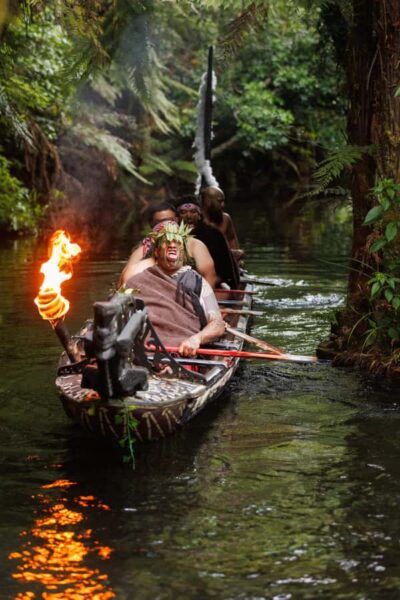
Mitai Maori Village: Cultural Experience and Dinner Buffet
Read our review →
Cultural Experience & Seasonal Māori Cuisine at Te Pā Tū
Read our review →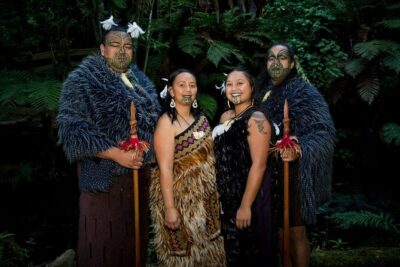
Mitai Maori Village Cultural Experience in Rotorua
Read our review →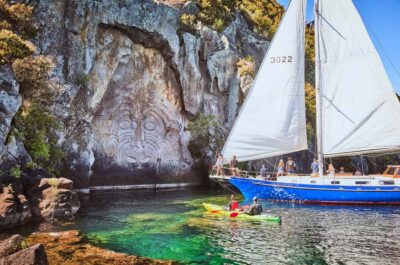
Lake Taupo: Classical Sailing to the Māori Rock Carvings
Read our review →
Te Pa Tu Māori Cultural Experience with Dinner
Read our review →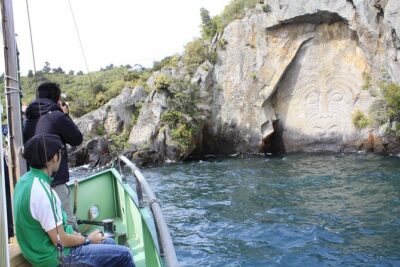
Lake Taupō Māori Rock Carvings Scenic Cruise aboard Ernest Kemp
Read our review →
Waitomo Caves & Rotorua – Te Puia Small-Group Tour from Auckland
Read our review →
Lake Taupo: Maori Rock Carvings 10.30 AM 1.5-Hour Cruise
Read our review →Browse the lists this tour appears in