
Reviewed · HISTORICAL TOURS
Blenheim: Omaka Aviation Heritage Centre Admission Ticket
Warplanes tell their stories best when seen up close. The Omaka Aviation Heritage Centre makes that possible through a superb aircraft collection and dramatic film-set displays, and I especially like Sir Peter Jackson’s WWI collection and the way the exhibitions connect machines to the people who flew them. The main thing to consider is that transportation is not included, so you need to arrange your own way to Omaka.
You can choose the WWI exhibition, the WWII exhibition, or both, making the $14 admission price flexible for a shorter visit. I also like the practical setup: the ticket is valid for one day, the centre welcomes wheelchair users, and the 4.9 rating from 31 bookings reflects its consistently praised aircraft, displays, and passionate staff.
In This Review
- Key things to know before visiting
- Why Omaka is more than a room full of aircraft
- Starting with Knights of the Sky and World War I
- Moving into Dangerous Skies and World War II
- How to choose one exhibition or both
- What the $14 price really offers
- Opening hours, arrival, and practical planning
- Who will enjoy Omaka most
- My final recommendation: book one exhibition or both?
- FAQ
- Where is the Omaka Aviation Heritage Centre?
- How much does admission cost?
- Can I visit only one exhibition?
- What are the two exhibitions called?
- What aircraft are featured in the WWII exhibition?
- How long is the ticket valid?
- When is the centre open?
- Is transportation included?
- Can I cancel or pay later?
Key things to know before visiting
- Two separate exhibitions: Choose Knights of the Sky for World War I, Dangerous Skies for World War II, or buy access to both.
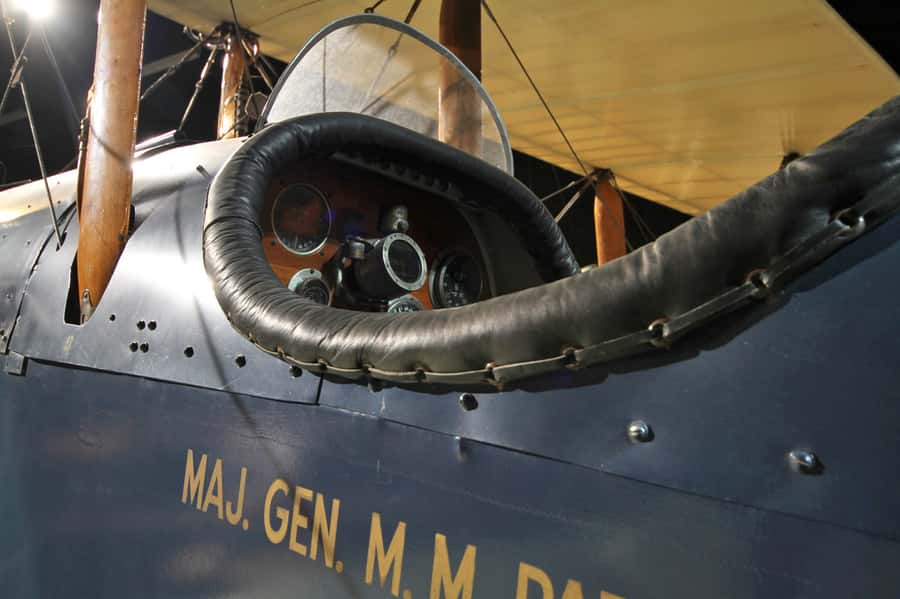
- Rare aircraft and memorabilia: The centre presents original machines, wartime objects, and stories that are difficult to find elsewhere.
- Film-quality presentation: WingNut Films created the WWI sets, with mannequins made by Wētā Workshop.
- Major WWII aircraft: Look for an original de Havilland Mosquito and a Griffon-powered Mk XIVe Spitfire.
- Good value at $14: You can match the ticket to your available time instead of paying for an all-day tour.
- Simple, flexible visit: The centre is open seven days a week from 9 am, with final admission one hour before closing.
Why Omaka is more than a room full of aircraft
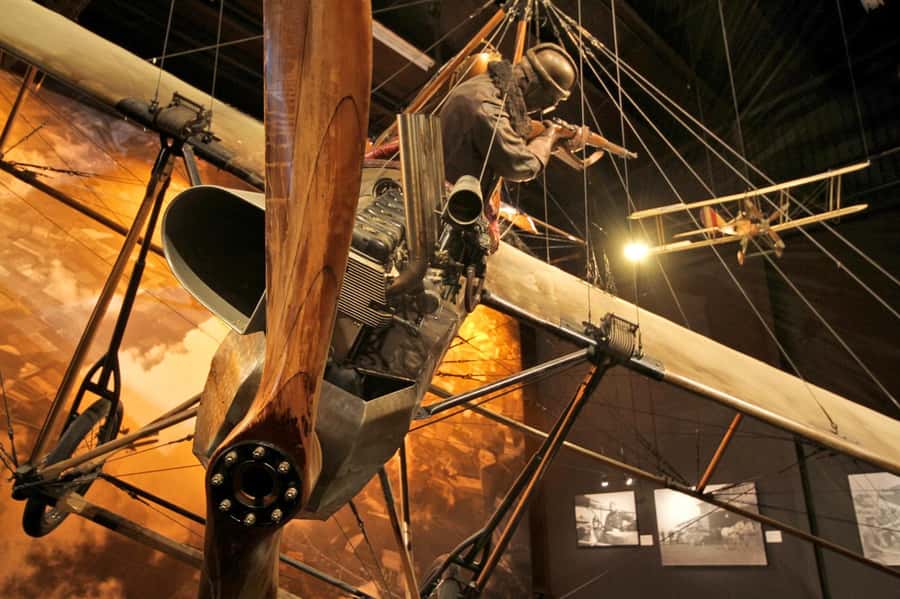
Aviation museums can sometimes feel like aircraft storage sheds with labels attached. Omaka takes a different route. It uses full scenes, figures, objects, and personal stories to show what these aircraft meant in wartime.
That matters because a fighter plane tells you only part of the story. You can study its wings, engine, and markings, but the surrounding display helps explain the fear, skill, loss, and pressure connected to flying it in combat.
The centre focuses on both World War I and World War II, so you get two very different chapters in the development of military aviation. The first war introduced aircraft to modern combat on a large scale. By the second, aircraft had become faster, more heavily armed, and central to operations across several continents.
I like that the exhibitions are not presented as a simple parade of famous machines. You are encouraged to consider what the aircraft could do, why it mattered, and what its pilot and crew faced. That extra context gives the displays more weight than a basic aircraft identification exercise.
The centre also has a strong local connection to New Zealand’s interest in aviation and military heritage. Its best moments come from the mix of rare hardware and carefully built scenes. You are not just looking at an old plane. You are being shown how that plane fits into a human story.
More history tours:
- Skip the Line:WWI & WWII Combo Exhibitions at the Omaka Aviation Heritage Centre
★ 5.0 · 86 reviews - Skip the Line: Dangerous Skies WWII Exhibition – Omaka Aviation Heritage Centre
★ 4.5 · 25 reviews - Auckland: All Blacks Experience Guided Cultural Tour
★ 4.7 · 453 reviews
Starting with Knights of the Sky and World War I
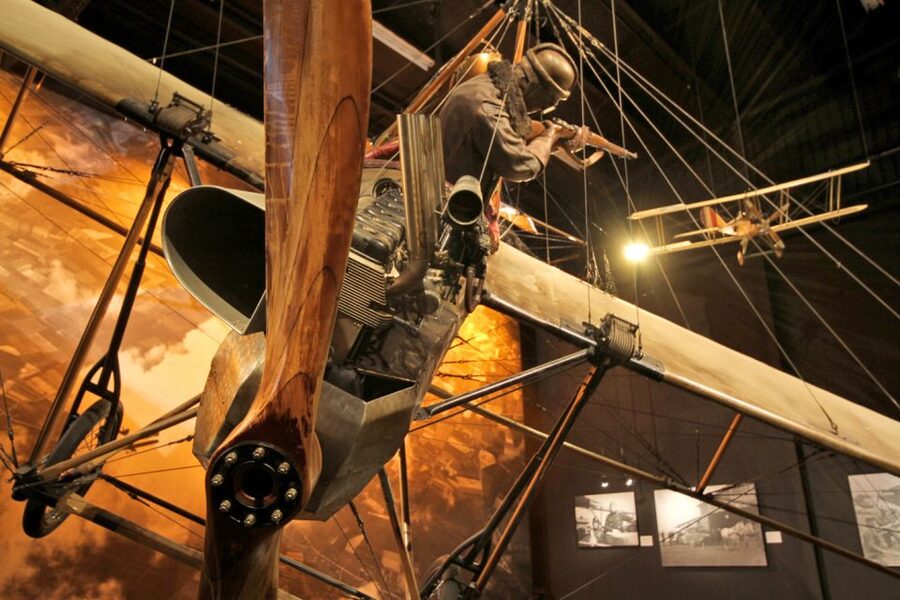
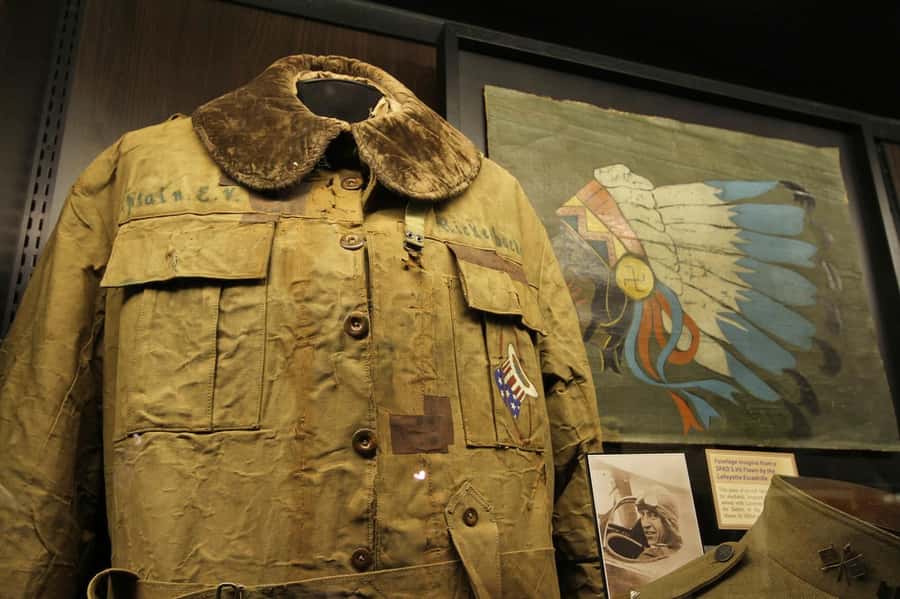
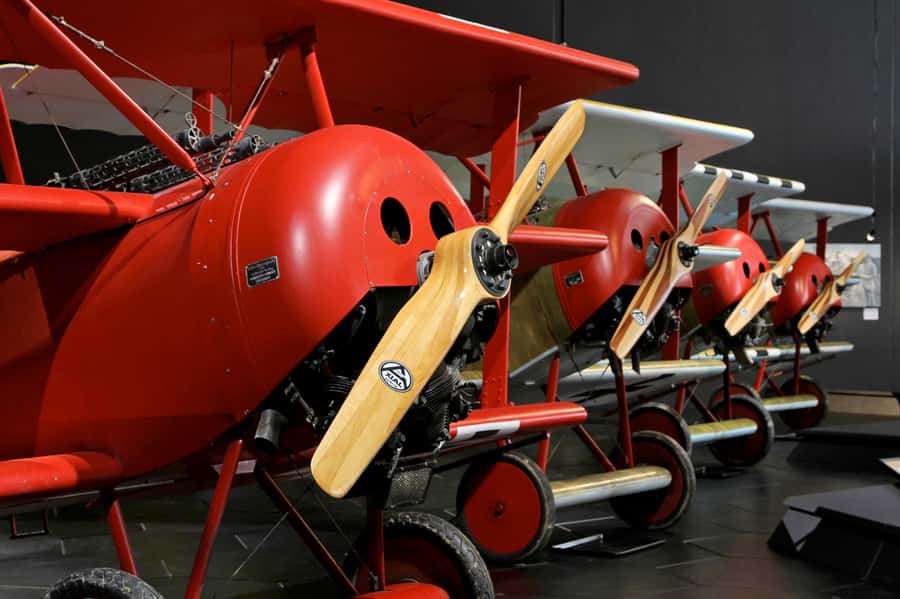
The original WWI exhibition is called Knights of the Sky. It features Sir Peter Jackson’s collection of World War I aircraft and artifacts, making it the natural first stop for anyone interested in early military aviation.
The title points to the romantic image of the early pilot, but the exhibition also gives you a sense of how dangerous this period was. Aircraft technology was developing quickly, while the men flying these machines had little room for error.
I find this part especially useful because it shows aviation at a turning point. Planes were no longer experimental curiosities. They were being used for reconnaissance, combat, and tactical work, even as aircraft design continued to change.
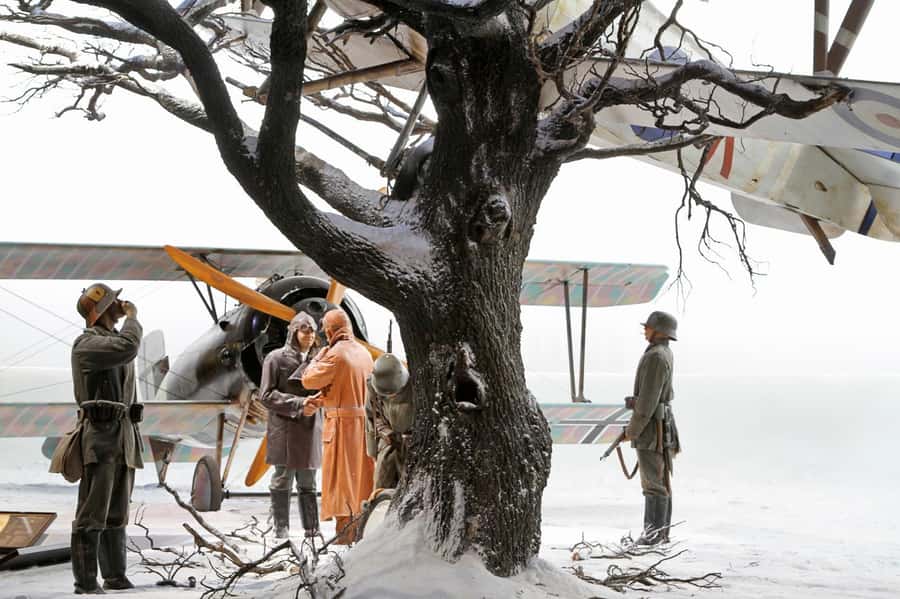
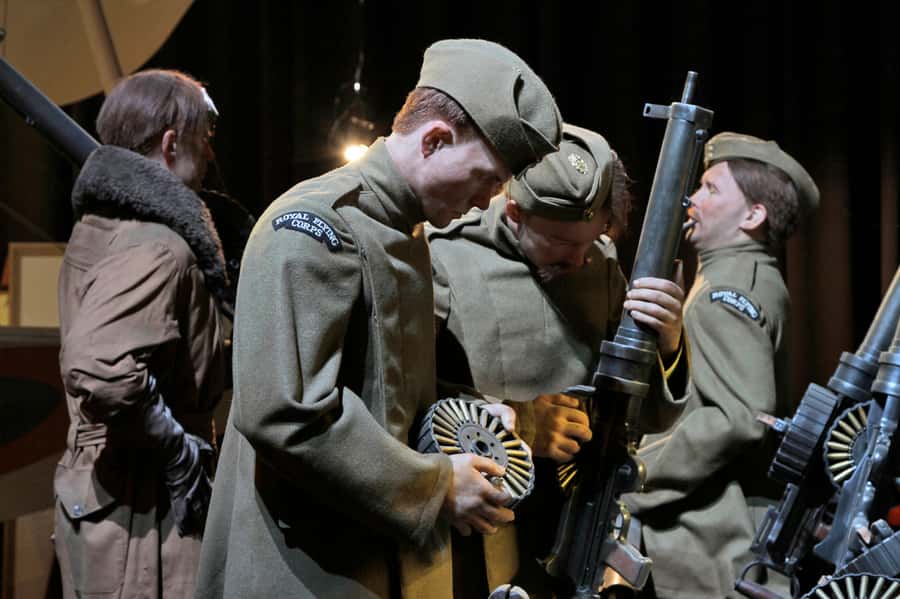
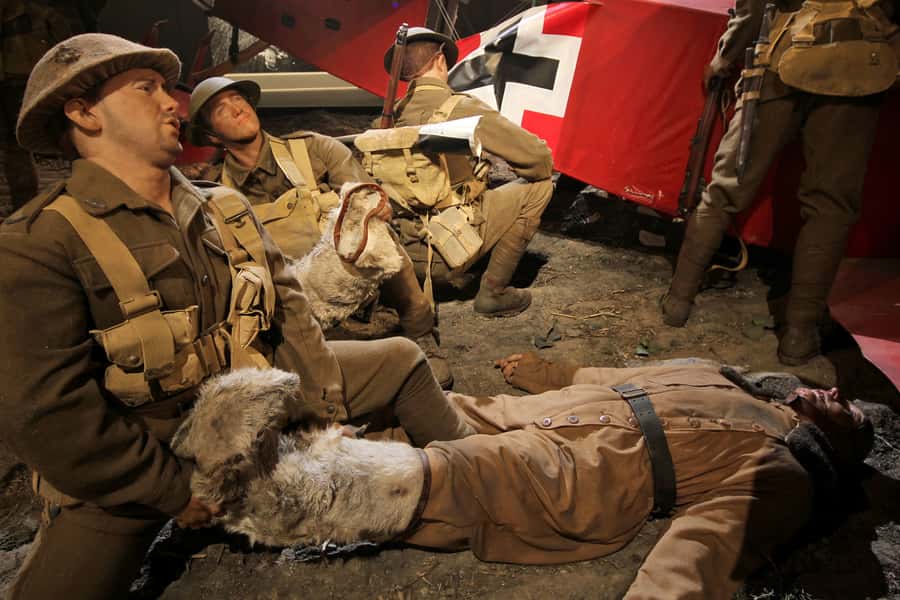
The displays were created with sets by WingNut Films, the production company associated with Sir Peter Jackson, and mannequins by Wētā Workshop. That combination gives the rooms a theatrical quality, but the presentation is not just decoration. The sets help you picture the surroundings in which these aircraft and artifacts belonged.
You may see a scene arranged around an aircraft rather than a plane sitting alone on a stand. This makes the exhibition easier to follow, especially if you do not already know the difference between the various aircraft types. The visual setting gives you a starting point, and the objects and stories add the detail.
The human side is just as important. The centre tells the stories of men and women connected with the machines, not only the pilots whose names became famous. That broader focus helps correct the usual museum habit of reducing wartime aviation to aces, victories, and technical specifications.
If you have a strong interest in early aircraft, allow enough time to read and look carefully. The collection rewards attention. A quick walk through will show you the scale and atmosphere, but you will get more from the visit if you pause to connect each machine with the story around it.
Moving into Dangerous Skies and World War II
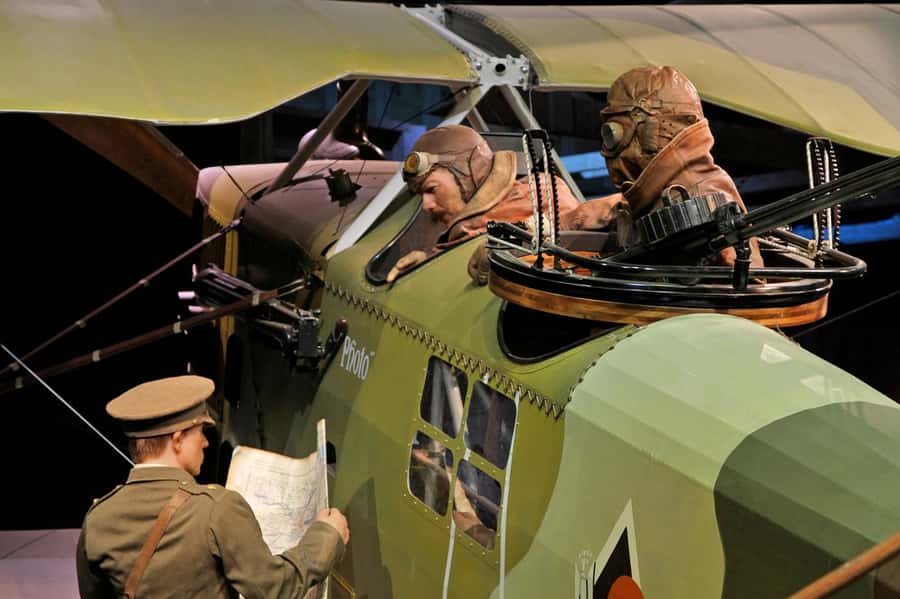
The WWII exhibition, Dangerous Skies, shifts the focus from the first era of military flight to a global war fought with far more advanced aircraft.
The exhibition covers stories from the British Isles, the forests of Germany, the defence of Russia, and the hot jungles of the Pacific. Those settings matter because they show how different the demands of wartime flying could be. A mission over Europe was not the same as flying in the Pacific, and the exhibition gives you a wider sense of that variety.
I like this geographic spread. It keeps the story from becoming only a British or American account and reminds you that World War II aviation involved several fronts, climates, and forms of danger.
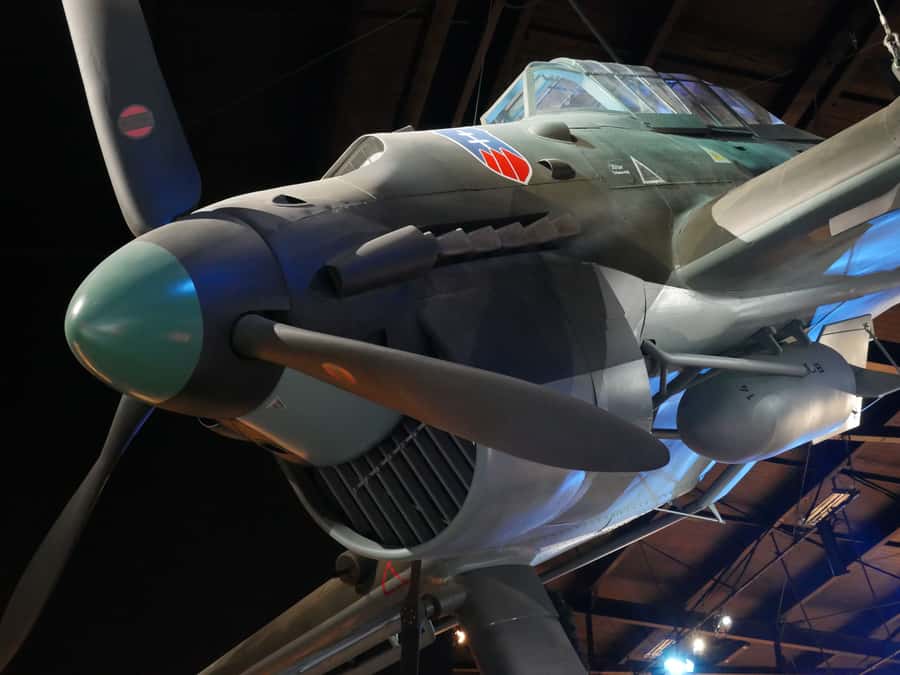
Two major aircraft are listed as the stars of this exhibition: an original de Havilland Mosquito and a Griffon-powered Mk XIVe Spitfire. Even if you arrive knowing little about either aircraft, these machines give the WWII section a clear focus.
The de Havilland Mosquito is especially interesting because of its unusual place in wartime aviation. The aircraft is remembered for speed and versatility, and seeing an original example gives you a chance to consider how design choices affected the missions it could undertake.
The Spitfire needs little introduction, but the specific Mk XIVe designation adds useful technical interest. Its Griffon engine marks a later stage in the aircraft’s development. You can look beyond the famous name and see how the machine changed as wartime needs changed.
The exhibition also addresses courage and tragedy. That balance is important. Aviation museums can sometimes make war look sleek and exciting, especially when the aircraft are beautifully restored. Omaka keeps the human cost in view, which makes the machines more meaningful and the visit more honest.
If your time is limited, Dangerous Skies may appeal most if you already have an interest in WWII aircraft or famous fighter types. If you prefer to see how aviation began its military development, choose Knights of the Sky. If possible, visit both, since they complement each other well.
How to choose one exhibition or both
Your ticket choice should depend on your schedule and interest, not on the idea that one section is automatically better.
Choose the WWI exhibition if you want:
- Early aircraft and the first major era of military aviation
- Sir Peter Jackson’s collection
- Film-set scenes created by WingNut Films
- Figures made by Wētā Workshop
- A close look at aviation development during the Great War
Choose the WWII exhibition if you want:
- Stories from Europe, Russia, and the Pacific
- The original de Havilland Mosquito
- A Griffon-powered Mk XIVe Spitfire
- Aircraft connected with a larger and more technically advanced war
- Tales of courage and tragedy across several fronts
Choose both if you want the clearest picture of aviation development across the two World Wars. The combined visit also gives you better value from a trip to Omaka, especially if you have planned enough time to read the displays rather than simply walk through them.
The supplied ticket options allow you to select one exhibition or both. Check the exact option before paying, because the admission included depends on your choice.
A few more Blenheim trips worth weighing up
- Self-Guided Wine Tours by Bike with Lorelle & Greg
★ 5.0 · 304 reviews - Full Day Winemakers Tour in Marlborough
★ 5.0 · 285 reviews - Marlborough: Full-Day Self-Guided Biking Wine Tour
★ 4.7 · 221 reviews - Self-Guided Biking Wine Tour (full day) in the Marlborough Region.
★ 5.0 · 206 reviews
What the $14 price really offers
At $14 per person, this is an inexpensive attraction compared with many specialist museums and paid cultural sites. The value is strongest if you choose both exhibitions, since you get access to two substantial themes and a wider collection of aircraft and artifacts.
Even the single-exhibition option can make sense. You are not forced to buy a full-day package if your schedule is tight or if one period interests you much more than the other.
The price does not include transportation, so the total cost of your visit depends on how you reach Omaka. That is the main budget point to remember. The ticket itself is straightforward, but you should account for your own travel arrangements.
The centre is valid for one day, which gives you flexibility around the rest of your Blenheim plans. You can check available starting times when booking, although the ticket information does not specify a fixed visit length.
I would treat the $14 as good value for a focused museum visit, particularly for anyone who appreciates aircraft, wartime stories, or carefully built displays. Families and casual visitors may also find the staged presentation easier to enjoy than a museum made only of technical labels.
Opening hours, arrival, and practical planning
The Omaka Aviation Heritage Centre opens seven days a week from 9 am. The last admission is one hour before closing, but the available information does not state the exact closing time, so check it before setting out.
You exchange your voucher at the ticket counter. This is a simple process, but keep the voucher ready so you do not waste time at the entrance.
Transportation is not included. You need to make your own way to the centre in the Blenheim area, so factor that into your day. The attraction is best planned as a deliberate stop rather than something you assume will be covered by another activity.
The host or greeter speaks English, and the listed language for the experience is English. If you need interpretation in another language, the supplied information does not indicate that it is available.
Wheelchair access is provided. If accessibility is important to your visit, you can book with that in mind, although the available details do not describe specific routes, seating, or facilities inside the exhibitions.
The ticket can be cancelled up to 24 hours in advance for a full refund. You can also reserve now and pay later, which helps if your South Island schedule is still changing.
Who will enjoy Omaka most
I would recommend Omaka to anyone with an interest in aircraft, military history, engineering, or museum design. You do not need to be an aviation expert to enjoy it, since the scenes and stories provide a clear way into the subject.
It is also a good choice for visitors who want something more focused than a large general museum. The subject is narrow, but the two exhibitions give it useful range.
Families may appreciate the large aircraft and visual presentation, though the wartime subject includes tragedy and loss. Parents should decide how much detail will suit their children.
The centre is less suitable if you have only a few minutes or if aircraft hold no interest for you. Even with striking displays, the visit depends on your willingness to spend time with aviation stories and wartime context.
The strongest reason to go is the quality of the presentation. The aircraft collection is praised for its range and rarity, while the displays receive consistent approval for their overall effect. Just as important, the centre is run by people with clear enthusiasm for the subject. That passion can make technical material feel approachable rather than dry.
My final recommendation: book one exhibition or both?
I recommend booking Omaka Aviation Heritage Centre if you want a reasonably priced, carefully presented aviation museum in the Blenheim area.
Choose one exhibition if your day is crowded or your interest is firmly focused on one World War. Choose both if you want the full story of how military aviation changed from World War I to World War II, and if you can allow time to read the displays properly.
The best choice for most visitors is both exhibitions. You get the early aircraft and dramatic WWI sets, followed by major WWII machines such as the Mosquito and Spitfire. Just remember that you arrange your own transportation, and confirm the closing time before you go.
FAQ
Where is the Omaka Aviation Heritage Centre?
The centre is in Omaka, near Blenheim on New Zealand’s South Island.
How much does admission cost?
The listed price is $14 per person.
Can I visit only one exhibition?
Yes. You can choose admission to the WWI exhibition, the WWII exhibition, or both, depending on the ticket option selected.
What are the two exhibitions called?
The WWI exhibition is called Knights of the Sky. The WWII exhibition is called Dangerous Skies.
What aircraft are featured in the WWII exhibition?
The exhibition features an original de Havilland Mosquito and a Griffon-powered Mk XIVe Spitfire.
How long is the ticket valid?
Admission is valid for one day.
When is the centre open?
The centre is open seven days a week from 9 am. The last admission is one hour before closing.
Is transportation included?
No. Transportation is not included, so you must arrange your own way to the centre.
Can I cancel or pay later?
You can cancel up to 24 hours in advance for a full refund. Reserve now and pay later is also available.
Just added around Blenheim
- Marlborough: Half Day Blenheim Wine Tour – Eating & Sipping★ 4.1 · 7 reviews
- Private Driving Wine Tour (full day) in the Marlborough Region★ 5.0 · 7 reviews
- Picton & Blenheim Scenic Tour★ 5.0 · 9 reviews
- Full-Day Wine Gourmet and Scenic Delight Tour of Marlborough from Picton★ 5.0 · 9 reviews
- Progressive Wine and Gourmet Trail of Marlborough★ 5.0 · 12 reviews
- Private Biking Wine Tour (full day) in the Marlborough Region★ 5.0 · 13 reviews
- Marlborough Classic Wine Tasting Tour.★ 5.0 · 15 reviews
- Marlborough Wine Tour – Afternoon Sippers of Wine Only 4hrs★ 5.0 · 15 reviews
Historical Tours, compared.


All Blacks Experience: Interactive Guided Cultural Tour
Read our review →

Skippers Canyon 4WD Heritage half day Tour from Queenstown
Read our review →
Scenic Cruise & Guided Walk on Historic Motor Yacht Lake Te Anau
Read our review →
Tauranga Shore Excursion: History & Kiwifruit Tasting – 4 Hours
Read our review →
Skip the Line:WWI & WWII Combo Exhibitions at the Omaka Aviation Heritage Centre
Read our review →Scenic Cruise & Guided walk on Historic Motor Yacht Lake Te Anau
Read our review →Browse the lists this tour appears in