
Reviewed · MUSEUMS
Skip the Line: Dangerous Skies WWII Exhibition – Omaka Aviation Heritage Centre
History takes flight at Omaka. The Dangerous Skies exhibition in Blenheim combines beautifully restored World War II aircraft with dramatic displays about the people who flew, maintained, and faced them. I especially like the focus on overlooked figures such as Russia’s all-woman Night Witches, and I appreciate the remarkable mannequin work by Wellington’s Weta Workshop. The main drawback is that guided commentary is not automatically included, so you may need to request it or explore much of the exhibition on your own.
At $15.51 per person, this is a strong-value stop for aviation fans, families, and anyone with time to spare in the Marlborough region. Allow at least 45 minutes, though the flexible visit length can stretch much longer if you read every panel, study the aircraft, and spend time with the Battle of Stalingrad display.
In This Review
- Key things to know before you go
- Arriving at Omaka Aviation Heritage Centre
- Why Dangerous Skies is more than an aircraft collection
- The restored aircraft: careful work worth your attention
- The Night Witches and the people behind the planes
- Weta Workshop’s mannequins bring the scenes to life
- The Battle of Stalingrad multimedia experience
- Guided or self-guided: choose the visit that suits you
- How long should you allow?
- Is the $15.51 admission good value?
- Who will enjoy this exhibition most?
- Practical planning tips for your visit
- Should you book Dangerous Skies?
- FAQ
- Where is the Dangerous Skies exhibition?
- How much does admission cost?
- How long should I allow for the visit?
- Is guided commentary included?
- What are the opening hours?
- Is transportation included?
- Can I cancel for a full refund?
Key things to know before you go
- The Night Witches receive welcome attention: Learn about the Soviet Union’s all-woman bombing squad, one of the exhibition’s most memorable human stories.
- Weta Workshop created the mannequins: Wellington’s famous film-effects team helped give the displays their lifelike presence.
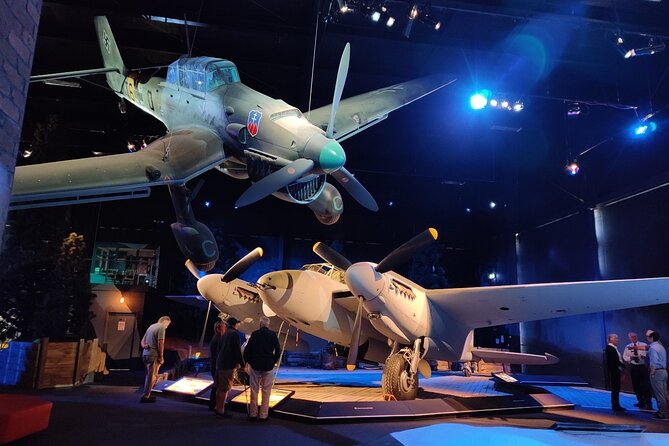
- Restored aircraft are the main attraction: The centre presents carefully repaired bombers and fighter planes from the World War II era.
- The Battle of Stalingrad display uses multimedia: This section adds sound, visual effects, and a strong sense of the siege’s pressure.
- You can stay from 45 minutes to several hours: The official minimum is 45 minutes, but enthusiasts can make a much longer visit of it.
- You need to arrange your own transport: Admission is included, but transportation, food, and drinks are not.
Arriving at Omaka Aviation Heritage Centre
The Omaka Aviation Heritage Centre is in Blenheim, a useful stop if you are exploring Marlborough. The museum opens seven days a week, except Christmas Day. Opening hours vary by season: from May 1 through November 30, the centre is open from 9 a.m. to 4 p.m., while from December 1 through March 31 it opens from 9 a.m. to 5 p.m.
Pay attention to the last-entry time. The published information gives last entry as 4 p.m., with the centre closing at 5 p.m. Seasonal hours can differ, so check the hours attached to your booking date before setting out. You do not want to arrive late and turn a museum visit into a hurried walk through the final rooms.
Your mobile ticket makes entry simple. The ticket covers admission, and GST is included in the listed price. Transportation is not included, so you will need to arrange your own way to the centre. The experience is not a transport tour or a guided excursion around Blenheim.
A coffee kiosk and light refreshments are available on site. There is also a shop with souvenirs for children and adults. These small details matter if you are visiting with family or need a short break between exhibits.
More museum visits:
- Skip the Line:WWI & WWII Combo Exhibitions at the Omaka Aviation Heritage Centre
★ 5.0 · 86 reviews - Knights of the Sky – The Great War Exhibition in Blenheim
★ 5.0 · 26 reviews - Auckland War Memorial Museum Entry Ticket
★ 4.5 · 293 reviews
Why Dangerous Skies is more than an aircraft collection
Omaka’s World War II exhibition is designed to tell stories through aircraft, figures, scenery, and sound. That approach gives the collection more human weight than a simple row of machines with technical labels.
The centre’s wider purpose is to explain aviation during both world wars, a period when aircraft design changed at a remarkable speed. Dangerous Skies focuses on World War II, when bombers, fighters, crews, and ground staff were caught up in huge changes in warfare.
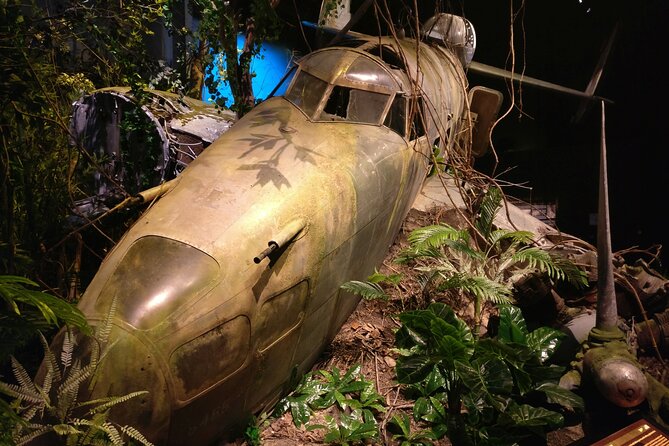
You will see restored bombers and fighter planes from the era, but the exhibition also asks you to think about the people connected to them. That is where the mannequins and staged scenes help. The display style puts faces and bodies into the story, rather than leaving you with only polished metal and engine specifications.
The approach is especially useful if you are not an aircraft expert. You can admire the machinery without needing to identify every model, then follow the personal stories to understand why each aircraft mattered.
The restored aircraft: careful work worth your attention
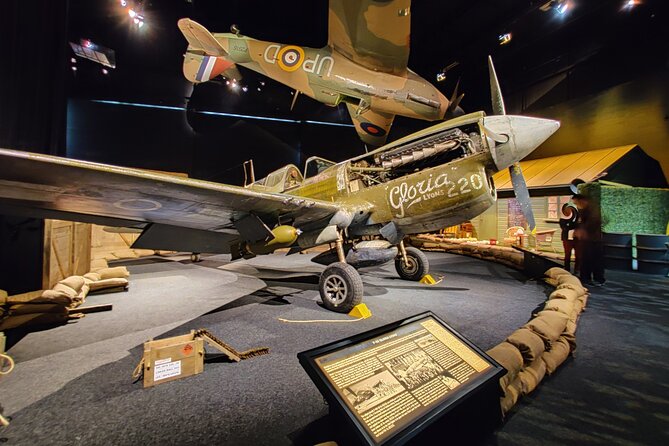
The restoration work is one of the exhibition’s strongest features. The aircraft are presented as historic objects that deserve close study, not as background decoration.
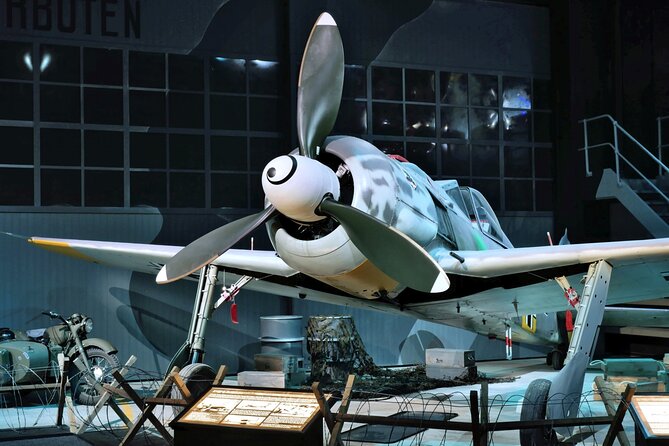
Take time to look at the workmanship. The careful restoration gives you a sense of the engineering involved, from the shape of a fighter plane to the larger structure of a bomber. Even if you cannot name the aircraft types, you can appreciate the scale, materials, and practical design.
The quality of the restoration has earned particular praise, and that is easy to understand as a reason to visit. Aircraft restoration demands patience and precision. Small details can affect how a machine looks and how accurately it represents its era.
I recommend allowing more than the bare 45-minute minimum if aircraft are your main reason for coming. A quick visit lets you see the broad picture, but enthusiasts will want time to examine the planes and read the accompanying material.
The museum works well for mixed groups too. One person can focus on engines and airframes while another follows the personal accounts and wartime scenes. Children may be drawn first to the size of the aircraft and the display figures, then pick up more of the story through the visual presentation.
The Night Witches and the people behind the planes

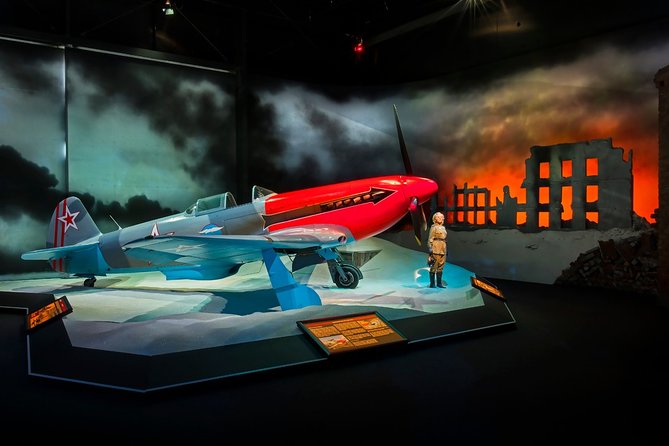
The story of the Night Witches gives Dangerous Skies a valuable human focus. This all-woman Soviet bombing squad is one of the exhibition’s featured subjects, and the story helps correct the usual assumption that wartime aviation was only a male world.
You will learn about women who took on dangerous bombing missions during World War II. The subject is powerful because it connects military technology with courage, risk, and the limits placed on people by their own societies.
This part of the exhibition also broadens the geographic view. World War II aviation was not only about the famous air forces most often seen in popular films. By including the Night Witches, Omaka points you toward a less familiar part of the conflict.
For me, this is the sort of story that gives a museum visit staying power. You may come for the aircraft, but a human story is more likely to remain with you after you leave.
More history tours:
- Blenheim: Omaka Aviation Heritage Centre Admission Ticket
★ 4.9 · 31 reviews - Auckland: All Blacks Experience Guided Cultural Tour
★ 4.7 · 453 reviews - All Blacks Experience: Interactive Guided Cultural Tour
★ 4.5 · 228 reviews - Olveston Historic Home Guided Tour
★ 5.0 · 205 reviews
Weta Workshop’s mannequins bring the scenes to life

Wellington’s Weta Workshop helped create the mannequins used in the exhibition. That detail is worth knowing before you enter because it explains why the staged scenes have such a strong visual presence.
The figures help you picture the people who occupied these aircraft and wartime settings. Instead of imagining an unnamed crew, you see a display arranged around human forms and physical action. This makes the stories easier to follow, especially for younger visitors.
The mannequins are not a substitute for original documents or aircraft. Their purpose is different. They help set the mood and show how the machines were used, while the written information supplies the historical context.
I like this combination because it gives the museum a film-like quality without reducing the subject to entertainment. The technique is dramatic, but it serves a clear purpose: helping you picture events that otherwise might feel distant.
The Battle of Stalingrad multimedia experience
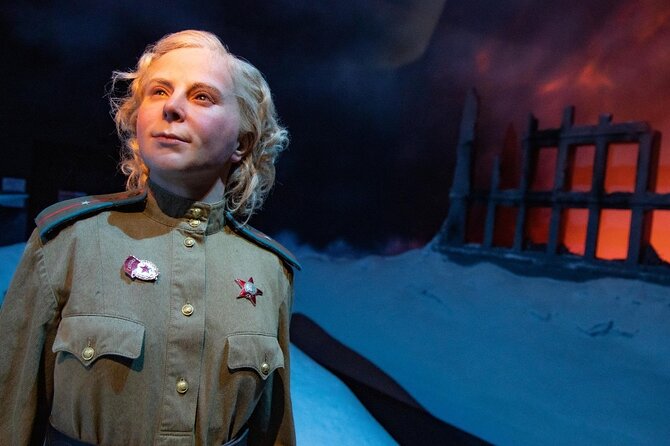
The Battle of Stalingrad section is described as a multimedia presentation that places you in the middle of the siege. It is one of the exhibition’s most theatrical elements and likely to be a highlight for anyone who responds to sound, light, and staged environments.
Stalingrad was a brutal turning point in World War II, and the exhibition presents the battle through more than static text. The multimedia treatment adds pressure and atmosphere to the account, giving the military story an emotional setting.
You should expect this section to feel different from the aircraft displays. The restored planes reward quiet observation, while the Stalingrad presentation aims for a stronger sensory effect. Some people will find that contrast effective. Others may prefer the technical and historical information around the aircraft.
The best way to handle it is to give the multimedia section time rather than rushing through. If you are visiting with children, this may be the part they remember most, though the subject matter is serious and the exhibition is about wartime violence, not simple entertainment.
Guided or self-guided: choose the visit that suits you
A self-guided visit is available, and it is the most flexible option. You can move at your own pace, pause at the aircraft that interest you, and spend less time on sections that are not central to your plans.
Guided commentary is not included unless requested. If you want more explanation, ask about the guided option before or on arrival. A guide can add useful context to the aircraft, the Night Witches, the mannequin displays, and the Battle of Stalingrad presentation.
One highly praised aspect of the experience is the quality of the guide’s presentation and subject knowledge. That makes requesting guided commentary worthwhile if you prefer a structured visit or want help connecting the different parts of the exhibition.
The trade-off is simple. Self-guided entry gives you freedom and works well for independent museum visits. A guide may give you more context, but you should not assume guided commentary is part of the basic admission.
How long should you allow?

The published minimum is 45 minutes. That is enough for a quick look at the main aircraft and headline displays, but it will feel tight if you read carefully or want to enjoy the restoration work.
A longer visit can run anywhere from several hours to much of the day. The stated duration range extends from 45 minutes to seven hours, which reflects the open-ended nature of a museum visit rather than a fixed seven-hour program.
Use this simple plan:
- Allow 45 minutes if Omaka is one brief stop in a busy day.
- Allow 90 minutes to two hours for a more relaxed first visit.
- Allow several hours if you are an aviation enthusiast, want guided commentary, or plan to study every section.
- Add time for the coffee kiosk and the shop if you are visiting with family.
Do not treat the minimum time as a recommended full visit. It is better understood as the shortest reasonable window.
Is the $15.51 admission good value?
At $15.51 per person, the admission is modest for a specialist museum with restored aircraft, staged displays, and a multimedia presentation. The value is strongest if you enjoy military history, engineering, museums, or carefully presented historical scenes.
The price also works well for a flexible schedule. You are not paying for a long coach excursion or a fixed itinerary. You are paying for entry and then deciding how much time the exhibition deserves.
The value drops slightly if you have no interest in aviation or wartime history and only want a quick indoor stop. The museum’s subject is focused, not broad entertainment for every taste.
Because food, drinks, and transportation are extra, include those costs in your day plan. The coffee kiosk and light refreshments are convenient, but admission does not cover a meal.
Who will enjoy this exhibition most?
I would recommend Dangerous Skies to several kinds of visitors:
- Aviation enthusiasts who want to inspect restored bombers and fighters.
- Families looking for a museum with strong visual displays.
- People interested in lesser-known World War II stories.
- Fans of Weta Workshop and practical film-effects work.
- Anyone visiting Blenheim who wants a substantial indoor activity.
- Independent visitors who prefer to control their own pace.
It may be less suitable if you want a short, purely interactive attraction with little reading. It is also not the right choice if you expect transportation from your hotel or a fully guided tour to be included automatically.
Most people can take part, and service animals are allowed. All visitors must be well and sign in for contact tracing. Those are simple requirements, but you should allow a few moments for them when you arrive.
Practical planning tips for your visit
Book ahead if your dates are firm. The experience is often reserved well before the visit date, with an average booking lead time of about 43 days. That does not guarantee that same-day admission is impossible, but advance booking is sensible during busy periods.
Keep your mobile ticket ready. Since this is a skip-the-line admission product, having the ticket available on your phone should make the entry process easier.
Check the exact opening hours for your season. The centre is open seven days a week except Christmas Day, but the closing time changes between the May to November period and the December to March period.
If you need a full meal, plan for that separately. The on-site coffee kiosk offers light refreshments rather than a complete dining program.
The cancellation terms are friendly if your plans are uncertain. You can cancel for a full refund up to 24 hours before the experience start time. Changes or cancellations made inside that 24-hour window are not accepted for a refund.
Should you book Dangerous Skies?
Yes, if you have an interest in aircraft, World War II, or well-made museum displays. The restored planes, Night Witches story, Weta Workshop mannequins, and Battle of Stalingrad presentation give the visit more range than a basic aircraft hangar.
Book it with realistic expectations. Your ticket covers admission, but not transportation, food, or automatic guided commentary. Allow 45 minutes at the very least, and give yourself 90 minutes or more if you want to enjoy the exhibition rather than simply pass through.
At this price, Omaka is an easy recommendation for a Blenheim itinerary. Request guided commentary if you want expert explanation, or take the self-guided route if you prefer to linger over the aircraft in your own way.
FAQ
Where is the Dangerous Skies exhibition?
The exhibition is at Omaka Aviation Heritage Centre in Blenheim, New Zealand.
How much does admission cost?
The listed price is $15.51 per person, with GST included.
How long should I allow for the visit?
The minimum recommended visit is 45 minutes. The total visit can last from 45 minutes to several hours, with the stated duration range extending up to seven hours.
Is guided commentary included?
Guided commentary is not included unless requested. Self-guided visits are available.
What are the opening hours?
From May 1 through November 30, the centre is open Monday through Sunday from 9 a.m. to 4 p.m. From December 1 through March 31, it is open Monday through Sunday from 9 a.m. to 5 p.m. The centre is closed on Christmas Day.
Is transportation included?
No. Transportation to and from the attraction is not included.
Can I cancel for a full refund?
Yes. You can cancel at least 24 hours before the experience start time for a full refund. Cancellations or changes made less than 24 hours before the start time are not refunded or accepted.
More Skip the Line
- Skip the Line: Auckland Museum General Admission Ticket
★ 4.5 · 183 reviews - Skip the Line: Franz Josef Wildlife Center Ticket with Optional Backstage Pass
★ 4.5 · 160 reviews - Skip the Line: Shantytown Heritage Park Experience Ticket
★ 4.0 · 59 reviews
Just added around Blenheim
- Marlborough: Half Day Blenheim Wine Tour – Eating & Sipping★ 4.1 · 7 reviews
- Private Driving Wine Tour (full day) in the Marlborough Region★ 5.0 · 7 reviews
- Picton & Blenheim Scenic Tour★ 5.0 · 9 reviews
- Full-Day Wine Gourmet and Scenic Delight Tour of Marlborough from Picton★ 5.0 · 9 reviews
- Progressive Wine and Gourmet Trail of Marlborough★ 5.0 · 12 reviews
- Private Biking Wine Tour (full day) in the Marlborough Region★ 5.0 · 13 reviews
- Marlborough Classic Wine Tasting Tour.★ 5.0 · 15 reviews
- Marlborough Wine Tour – Afternoon Sippers of Wine Only 4hrs★ 5.0 · 15 reviews
Museums, compared.
Explore gardens & galleries filled with incredible art, Matakana
Read our review →
Skip the Line: Auckland Museum General Admission Ticket
Read our review →
Museum of NZ Te Papa Tongarewa: Gallipoli Exhibition Guided Tour
Read our review →
Museum of New Zealand Te Papa Tongarewa: Introducing Te Papa Tour
Read our review →
Māori Cultural Experience & Auckland Museum General Admission
Read our review →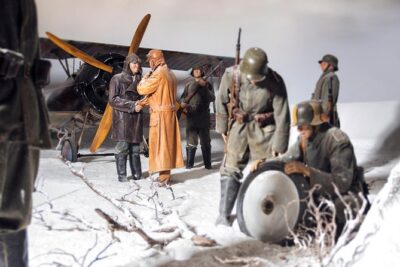
Skip the Line:WWI & WWII Combo Exhibitions at the Omaka Aviation Heritage Centre
Read our review →Browse the lists this tour appears in