
Reviewed · FARM & SHEEP STATION TOURS
Bullswool Heritage Farm General Entry Ticket
Farm life gets wonderfully hands-on here. Bullswool Heritage Farm gives you friendly rare-breed animals to hand-feed, walking tracks through 100 acres, and a useful look at New Zealand’s rural past. I like the mix of animal encounters and small museums, and I like that you can spend two or three hours here without being rushed.
The farm suits families especially well, thanks to its play areas, wooden toys, and easy animal encounters for different ages. I also appreciate the low entry price of $11.17 per person. The main consideration is the weather: this is an outdoor experience, and poor conditions can lead to a date change or full refund.
In This Review
- What makes Bullswool Farm worth your time
- A rural New Zealand stop near Karangahake Gorge
- Feeding the animals along the walking tracks
- The Sheepshed Museum and New Zealand’s farming story
- Early milking, working horses, kauri, and gold
- The Karangahake Native Bird Reserve
- Why children can spend hours here
- How long to allow for Bullswool Farm
- Price, opening hours, and booking details
- Weather, cancellation, and practical planning
- Who will enjoy Bullswool most
- Should you book Bullswool Heritage Farm?
- FAQ
- Where is Bullswool Heritage Farm?
- How much does general entry cost?
- How long does a visit take?
- What are the opening hours?
- Can I feed the animals?
- Is the experience suitable for children?
- What happens if the weather is poor?
What makes Bullswool Farm worth your time
- Hand-feed friendly farm animals, from sheep to larger animals, along marked walking tracks.
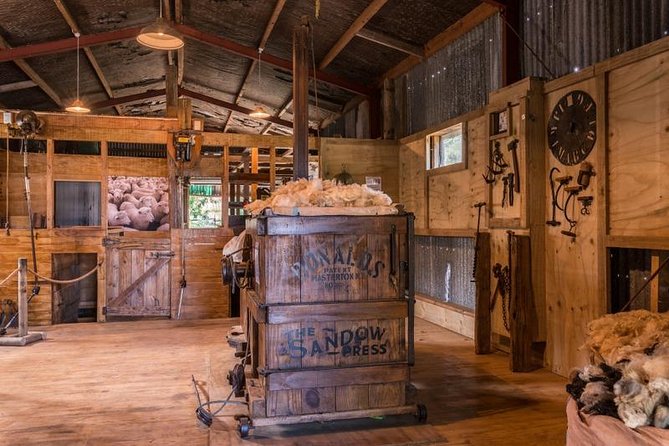
- Working Sheepshed Museum explains the lives of New Zealand’s early farming pioneers.
- Karangahake Native Bird Reserve adds a conservation element beyond the usual petting-farm visit.
- Five distinct museum areas cover shearing, milking, working horses, kauri, and gold.
- Large play areas and wooden toys give children something to do between animal stops.
- Near Karangahake Gorge and Waihi, making it a practical stop on a wider Coromandel drive.
A rural New Zealand stop near Karangahake Gorge
Bullswool Heritage Farm sits in the southern Coromandel, only minutes from the famous Karangahake Gorge. The property covers 100 acres of native bush and hill country, so this is not just a small enclosure with a few animals beside a car park.
You follow walking tracks around the farm, stopping at animal areas, displays, museums, and play spaces along the way. I like this format because you are free to set your own pace. You can make a quick two-hour visit, or linger longer with a picnic and give children time to play.
The setting is part of the appeal. You are visiting a working rural property with historic buildings, bush, open ground, and farm animals rather than a polished indoor attraction. That makes Bullswool a good match for anyone wanting a more local-feeling experience in the Coromandel.
The farm has also been named one of the AA’s 101 Must Dos for Kiwis, recognized as one of the Coromandel’s best visitor attractions, and given a Pride of New Zealand Award for conservation work. Those honors do not replace your own judgment, but they help explain why this family-run attraction has such a strong local reputation.
More farm tours:
- Wool Sheep Farm Experience with Handmade Wool Hat in New Zealand
★ 5.0 · 9 reviews - Queenstown: Walter Peak Gourmet BBQ & Lake Whakatipu Cruise
★ 4.8 · 2,713 reviews - Walter Peak Gourmet BBQ Lunch & Queenstown Lake Cruise
★ 5.0 · 1,196 reviews
Feeding the animals along the walking tracks
The animal encounters are the heart of the visit. The farm’s animals are described as friendly and suitable for hand-feeding, which gives you more to do than simply look through a fence.
You can expect plenty of close contact with farm animals, including sheep and larger animals. One particularly appealing detail is that the experience works for adults as well as children. Feeding sheep may be routine for a New Zealander, but for someone visiting from overseas, it can be a memorable first taste of rural life.
I would plan to spend more time here than you first expect. Children may want to stop at every animal area, while adults may enjoy the chance to slow down and watch the animals’ behavior. The lack of a strict time limit is useful. You are not pushed through a short feeding session before moving on.
There is one practical point to remember: feeding animals is still a supervised family activity, not a free-for-all. Young children will need adults nearby, especially around larger animals. The provided information does not specify feeding costs, exact animal species, or feeding times, so you should not assume every animal is available at every moment.
The Sheepshed Museum and New Zealand’s farming story
The Working Sheepshed Museum gives the visit a useful sense of place. It tells the story of New Zealand’s early farming pioneers and connects the animals outside with the work that shaped rural communities.
This is not simply a collection of old objects with no context. A sheepshed explains why sheep farming mattered, how demanding early farm work could be, and how much skill was required before modern equipment made daily tasks easier.
I like having this historical stop alongside the animal areas. Children can see where farming work happened, while adults get a clearer picture of the country’s rural past. If your family is mainly focused on feeding animals, you may move through the museum quickly. If you enjoy old buildings and practical history, it may be one of the more rewarding parts of the farm.
The sheepshed also helps keep Bullswool from feeling like a standard petting zoo. The animals draw you in, but the farm’s museums give the visit substance.
Early milking, working horses, kauri, and gold
Bullswool includes several other museum displays, each covering a different part of New Zealand life.
The Early New Zealand Milking Shed display shows the equipment and setting connected with traditional dairy work. Like the sheepshed, it gives a physical sense of how farming was done before modern systems became common.
The Working Horses of New Zealand Stable Museum focuses on the animals that once powered much of the country’s farm work. For children, the word working horse may be unfamiliar in a practical sense. This display can help explain how farms moved materials, prepared land, and completed heavy jobs before tractors took over.
The Historic Kauri and Gold Museum broadens the visit beyond farming. Kauri and gold are both strongly linked with New Zealand’s early industries, and this display gives you a chance to connect the farm’s rural setting with the wider story of the North Island.
Do not expect a huge national museum. The appeal here is the range. In one visit, you can see animals, old farming spaces, working-horse displays, and material connected with kauri and gold. That variety is helpful for mixed-age groups, since not everyone wants to spend the entire afternoon in an animal enclosure.
A few more North Island trips worth weighing up
- Queenstown: Queenstown Lake Cruise and Walter Peak Farm Tour
★ 4.8 · 950 reviews - Dinner at Walter Peak High Country Farm and Cruise from Queenstown
★ 4.5 · 576 reviews - Queenstown Lake Cruise and Walter Peak Farm Adventure
★ 4.5 · 439 reviews - Rotorua: Authentic Kiwi Farm Experience at the Agrodome
★ 4.8 · 270 reviews
The Karangahake Native Bird Reserve
The award-winning Karangahake Native Bird Reserve adds a conservation focus to the day. It is a welcome change from attractions that treat animals only as entertainment.
The reserve gives you a chance to see native bird protection as part of the farm’s wider purpose. The available information does not name the bird species or promise sightings, so I would treat it as a quiet nature stop rather than a guaranteed wildlife encounter.
This area may appeal most to adults, older children, and anyone interested in New Zealand’s native wildlife. It also gives the walking route a calmer rhythm. After the noise and excitement of feeding animals, a reserve can provide a more thoughtful pause.
Because the attraction covers bush and hill country, wear shoes suited to walking on outdoor tracks. The exact track surface and difficulty are not stated, so anyone with particular mobility needs should confirm details before booking.
Why children can spend hours here
Bullswool works well for families because the day is not built around one short activity. Children can feed animals, walk between areas, explore museums, and use the play spaces.
The farm has fantastic kids’ play areas, along with wooden toys that can keep younger children occupied. One family visit during the October school holidays included children aged four and seven, with enough activity to fill several hours. That age range is a useful guide, though older children may also enjoy the animals and historic displays.
I like attractions that give children room to change gears. A child who has had enough of a museum can play. A child who is tired of the playground can feed an animal. That flexibility matters more than a packed schedule when you are spending a day together.
The farm is also suitable for a birthday outing. One family birthday visit received special hospitality from Sue, the owner, which suggests that personal service is part of the attraction’s character. You should not expect a formal party package unless you arrange one directly, but the setting can work well for a relaxed celebration.
Bring a picnic if you want to extend your stay. A picnic lunch was part of one successful visit, and the grounds were described as a pleasant place to eat. The information provided does not confirm specific picnic facilities, so check what is available before relying on the farm for lunch arrangements.
How long to allow for Bullswool Farm
The expected visit lasts about two to three hours. I would allow the full three hours if you are traveling with young children, want to feed the animals slowly, and plan to visit the museums and play areas.
A shorter visit can work if Bullswool is one stop on a busy Coromandel day. The nearby Karangahake Gorge makes it easy to pair the farm with another local attraction, though the amount of time you need will depend on your wider plans.
The farm’s no-time-pressure style is one of its strongest practical features. You are not buying a tightly timed tour with a fixed route or a guide-led commentary. Instead, admission gives you access to the property, and you choose how long to spend at each part.
That freedom is especially useful for families. Young children often set the pace, and Bullswool lets you follow their interests without missing a scheduled departure.
Price, opening hours, and booking details
Entry costs $11.17 per person, which is strong value if you use the full two or three hours. The price covers admission, including the farm’s walking areas, animal encounters, museums, reserve, and play spaces as described.
The value improves for families who would otherwise pay for several separate activities. You get animals, history, nature, and play in one place. You are also paying for access to a large property rather than a brief animal-feeding session.
The listed opening hours are Tuesday through Sunday, 10:00 a.m. to 4:00 p.m. The supplied operating period runs from October 12, 2019, through February 16, 2027. Since opening information can change, I would confirm the date and hours when booking, especially if you are planning a tight driving route.
A mobile ticket makes entry simple. Booking confirmation is provided at the time of booking, and the experience is generally suitable for most people. Service animals are allowed.
The farm is booked an average of 13 days ahead, so I would not leave it until the last moment if your Coromandel schedule is fixed. That is particularly wise during school holidays or around a planned birthday visit.
Weather, cancellation, and practical planning
This is an outdoor farm experience, so weather matters. If poor conditions cause the farm to cancel, you will be offered another date or a full refund.
You can cancel for a full refund if you do so at least 24 hours before the experience start time. Cancellations or changes made less than 24 hours beforehand are not accepted for a refund. The cut-off follows local time.
I would plan clothing and footwear for walking outdoors, but the supplied details do not specify track conditions, shelter, food services, or facilities for every mobility level. If those details matter to you, ask Bullswool Heritage Farm before booking.
The attraction is open Tuesday through Sunday, not Monday, according to the stated schedule. That small detail can save you a wasted drive.
Who will enjoy Bullswool most
I would recommend Bullswool most strongly to families with young children, animal lovers, overseas visitors seeking a taste of New Zealand farm life, and anyone who enjoys small museums with a hands-on setting.
It also suits a mixed group. One person can focus on farm history, another on birds and bush, and children can spend time in the play areas. That variety helps prevent the common family problem where one person enjoys the attraction and everyone else waits around.
You may want to choose another activity if you dislike outdoor walking, have very limited time, or want a large-scale wildlife park with a long list of exotic animals. Bullswool’s charm comes from its farm setting, local history, and personal scale.
I would also avoid treating it as a quick photo stop. The price is reasonable, but the experience makes most sense when you give yourself enough time to feed animals, explore the displays, and let children play.
Should you book Bullswool Heritage Farm?
Yes, if you want an affordable, relaxed, family-friendly stop near Karangahake Gorge. The combination of friendly animals, early farming museums, a native bird reserve, and play areas gives you more variety than the entry price suggests.
I especially like Bullswool for visitors who want an authentic New Zealand rural experience rather than a polished attraction built around one headline activity. Book ahead by about two weeks if possible, check the opening day, and allow up to three hours. If the forecast is poor, keep your plans flexible.
FAQ
Where is Bullswool Heritage Farm?
Bullswool Heritage Farm is in the southern Coromandel on New Zealand’s North Island, only minutes from Karangahake Gorge.
How much does general entry cost?
The listed price is $11.17 per person.
How long does a visit take?
Plan on approximately two to three hours, depending on how long you spend with the animals, museums, reserve, and play areas.
What are the opening hours?
The listed hours are Tuesday through Sunday, from 10:00 a.m. to 4:00 p.m. The stated operating period runs from October 12, 2019, through February 16, 2027.
Can I feed the animals?
Yes. The farm has friendly animals that can be hand-fed, including sheep and larger farm animals.
Is the experience suitable for children?
Yes. The farm has kids’ play areas and wooden toys, and most people can participate. It is particularly suitable for families with young children.
What happens if the weather is poor?
The experience requires good weather. If it is canceled because of poor conditions, you can choose another date or receive a full refund. You can also cancel at least 24 hours before the start time for a full refund.
More History Tours
- Auckland: All Blacks Experience Guided Cultural Tour
★ 4.7 · 453 reviews - All Blacks Experience: Interactive Guided Cultural Tour
★ 4.5 · 228 reviews - Olveston Historic Home Guided Tour
★ 5.0 · 205 reviews - Skippers Canyon 4WD Heritage half day Tour from Queenstown
★ 5.0 · 204 reviews
Just added around North Island
- Glowworm Kayak Adventure on the Waikato River★ 5.0 · 5 reviews
- Wool Sheep Farm Experience with Handmade Wool Hat in New Zealand★ 5.0 · 9 reviews
- Private tour to Cape Kidnappers Gannet Colony★ 5.0 · 10 reviews
- Cathedral Cove Dive & Snorkel- Marine Reserve specialised trips★ 5.0 · 11 reviews
- Leigh: Goat Island Clear Kayak Rental★ 4.0 · 16 reviews
- Fine Wine Tour in Napier, New Zealand★ 5.0 · 17 reviews
- River Valley Stables – Burn The Breeze, Half Day Horse Ride For Riders★ 5.0 · 19 reviews
- Puketi Rainforest Guided Walks .This is not a Shore Excursion product .★ 5.0 · 20 reviews
Farm & Sheep Station Tours, compared.

Walter Peak Gourmet BBQ & Lake Whakatipu Cruise
Read our review →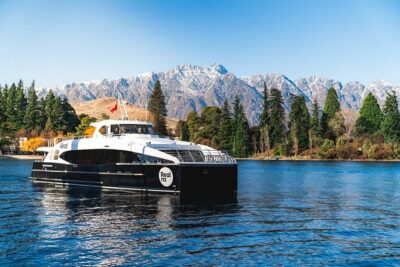
Walter Peak Gourmet BBQ Lunch & Queenstown Lake Cruise
Read our review →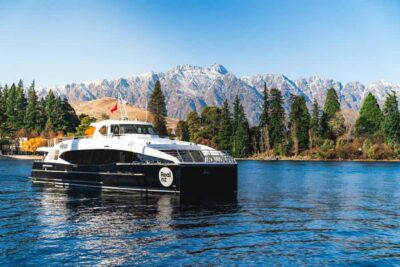
Queenstown Lake Cruise and Walter Peak Farm Tour
Read our review →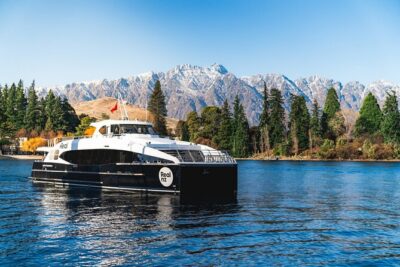
Dinner at Walter Peak High Country Farm and Cruise from Queenstown
Read our review →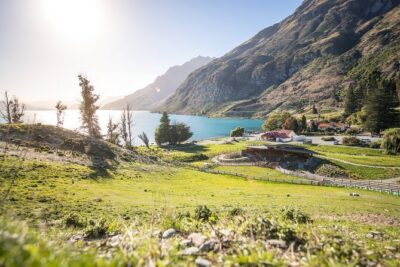
Queenstown Lake Cruise and Walter Peak Farm Adventure
Read our review →
Agrodome Farm Experience including Farm Show and Farm Tour – Rotorua
Read our review →
Browse the lists this tour appears in