
Reviewed · WALKING TOURS
Christchurch: Ōtautahi Meander Walking Tour with Tastings
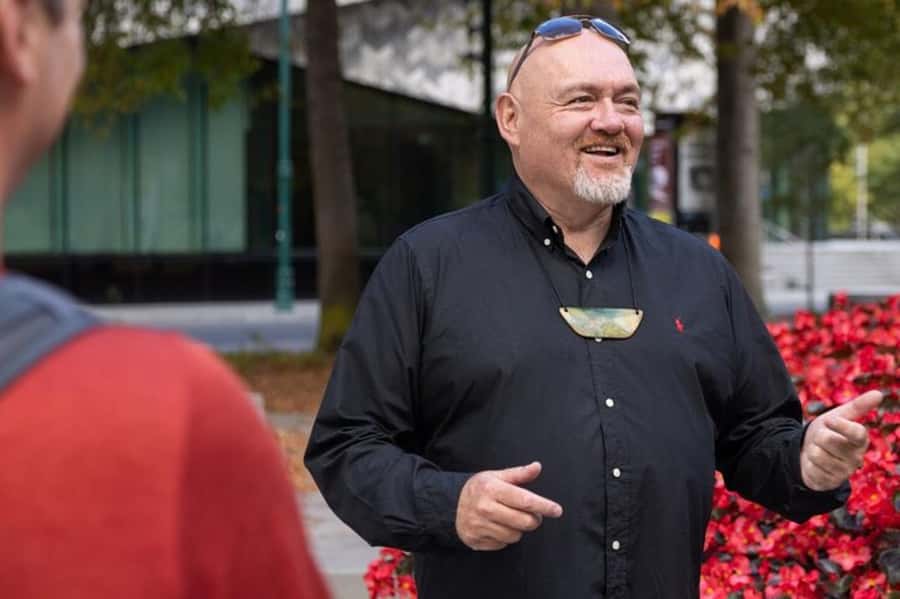
Christchurch reveals itself one story at a time. I like the way this small-group walking tour places Māori and settler stories side by side, rather than treating Christchurch as only a European city. I also like the local tastings, which turn a history lesson into a pleasant morning out.
The main consideration is time: two hours gives you a lively introduction, not a complete tour of Christchurch. At $95 per person, the price makes the most sense if you value a personal guide, cultural context, morning tea, and artisan food stops more than a long list of attractions.
In This Review
- Key points to know before you book
- Meeting Christchurch at the Bridge of Remembrance
- Why Ōtautahi is more than a Māori translation
- Walking through Māori and settler stories
- Mahinga kai and pā sites in the city centre
- Manaakitanga, greeting, and the tone of the walk
- Laneways, coffee, and artisan tastings
- What the $95 price really buys you
- Who will enjoy this two-hour introduction
- Practical advice for getting the most from the walk
- Should you book the Ōtautahi Meander?
- FAQ
- Where does the Ōtautahi Meander Walking Tour meet?
- How long does the tour last?
- What language is the tour conducted in?
- Is the tour wheelchair accessible?
- Are food and drinks included?
- Does the tour include hotel pickup and drop-off?
- What should I bring?
- Can I cancel the booking?
Key points to know before you book
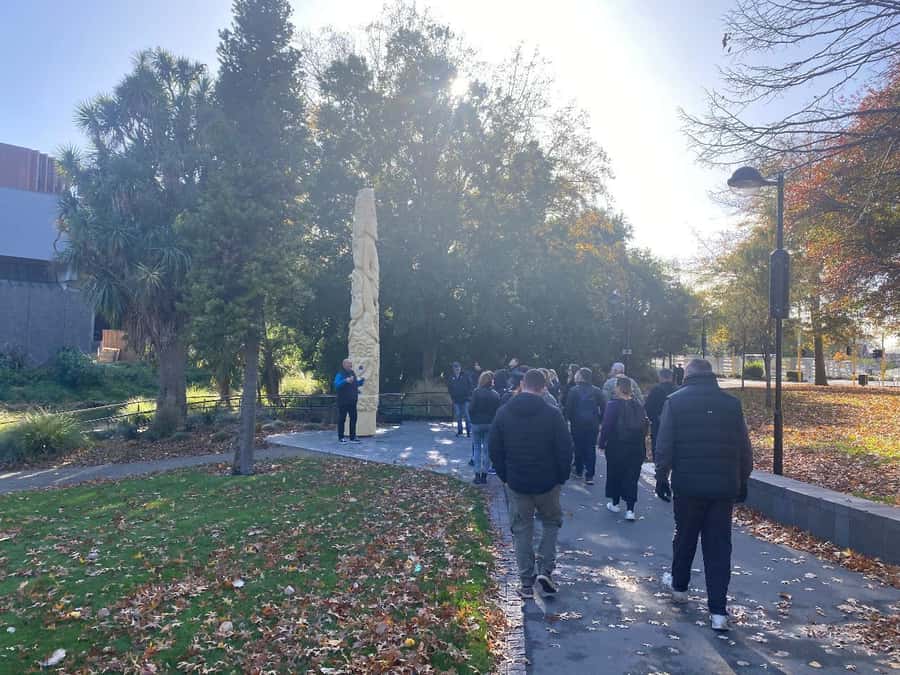
- Ōtautahi has a story behind its name: The tour begins by explaining the Māori name for Christchurch and how it connects to the area’s earlier people and places.
- Māori and settler history share the same streets: You hear both perspectives, including ways of life, cultural values, and the changes that shaped the modern city.
- Traditional sites sit beneath the modern city: The route passes former mahinga kai food-gathering areas and pā village sites.
- Manaakitanga gives the tour its heart: A traditional Māori greeting introduces the idea of caring for your people, expressed in the whakataukī Kia atawhai ki te iwi.
- Food is part of the sightseeing: Laneway stops include morning tea and tastings from local artisan producers.
- The guides make the difference: Ash, also called Ashley, Riwa or Riwai, and Spud have each been praised for warmth, cultural understanding, and an engaging style.
Meeting Christchurch at the Bridge of Remembrance

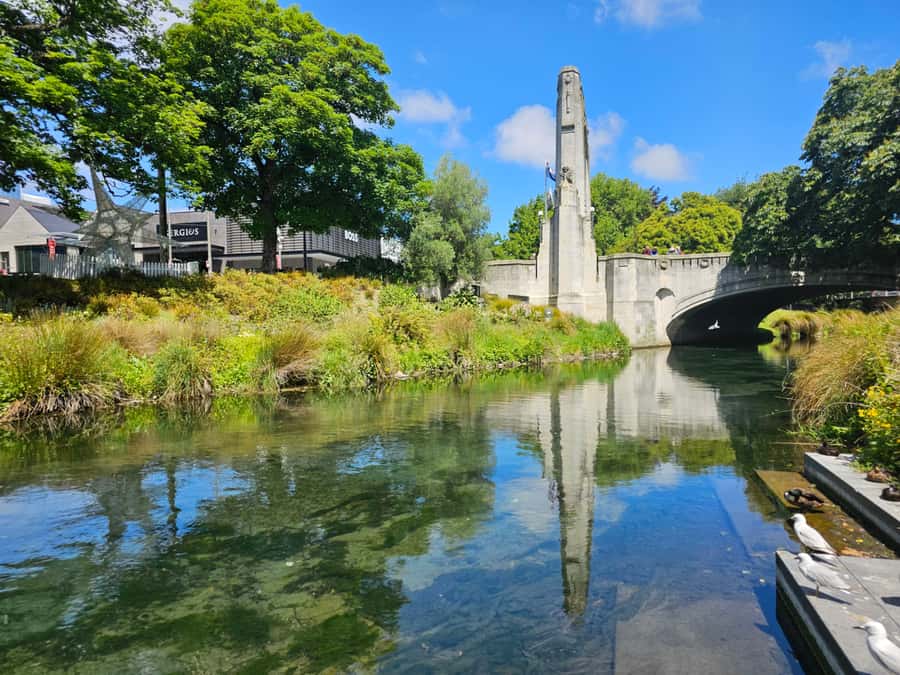
You meet in front of the Bridge of Remembrance, on the shopping precinct side. This central start is useful if you are already in town, and it places you close to Christchurch’s rebuilt central area.
There is no hotel pickup or drop-off, so you need to make your own way to the meeting point. That is not a problem for most people staying in central Christchurch, but it matters if you are based farther out or arranging the tour around a cruise, airport transfer, or day trip.
The walk lasts two hours. That is long enough to cover several connected ideas without turning the morning into a tiring march. I would still wear comfortable shoes, since you will be on city streets and moving between stops rather than sitting in one place.
The tour is conducted in English and is wheelchair accessible. You should bring water, sunscreen, a sun hat, and a camera. Christchurch can be bright even when the temperature feels mild, and a walking tour gives you little shade control.
More Walking Tours in Christchurch
- Full Day Guided Walking Tour and Picnic around Godley Head
★ 5.0 · 147 reviews - Ōtautahi: Christchurch Small-Group Inner City Food Walking Tour
★ 5.0 · 85 reviews - Lyttelton Shore Excursion – Guided Walking Tour and Picnic
★ 5.0 · 57 reviews
Why Ōtautahi is more than a Māori translation
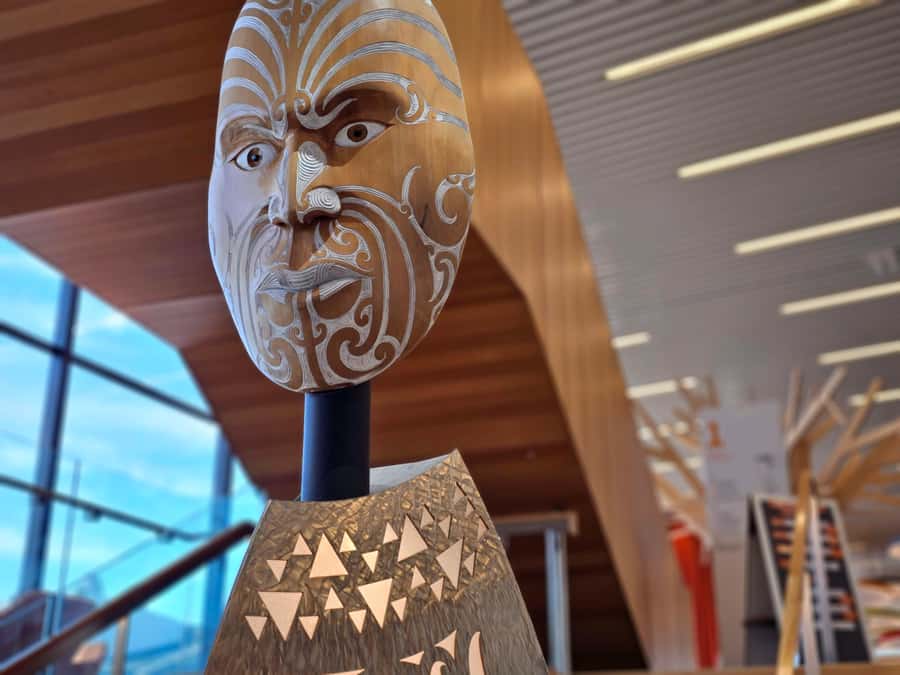
The opening discussion about Ōtautahi is one of the tour’s most important parts. You are not simply given a Māori name to repeat. You learn that the name carries a connection to people, place, and memory, giving Christchurch a wider identity than its colonial street grid suggests.
That framing helps you read the city differently. A modern building, a shopping lane, or a restored public space can also sit within an older Māori story. The tour brings those layers together without asking you to choose one version of Christchurch over another.
This approach is especially useful if you have already seen the cathedral precinct, the Avon River, or the central shopping streets on your own. You may have noticed the city’s post-earthquake changes, but a guide can connect those visible changes with older cultural stories and the lives of the people who shaped the area.
The tour also follows the footsteps of ancestors. That phrase is not just decorative. It signals that the guide is sharing cultural knowledge and personal connection, not only dates and architectural facts.
Guides such as Ash and Riwai have been praised for making this material approachable. Ash has been described as friendly and enthusiastic about her heritage, while Riwai brings a strong sense of connection and mutual respect between Māori and European cultures. The guide you meet may vary, but the experience depends heavily on this personal storytelling.
Walking through Māori and settler stories
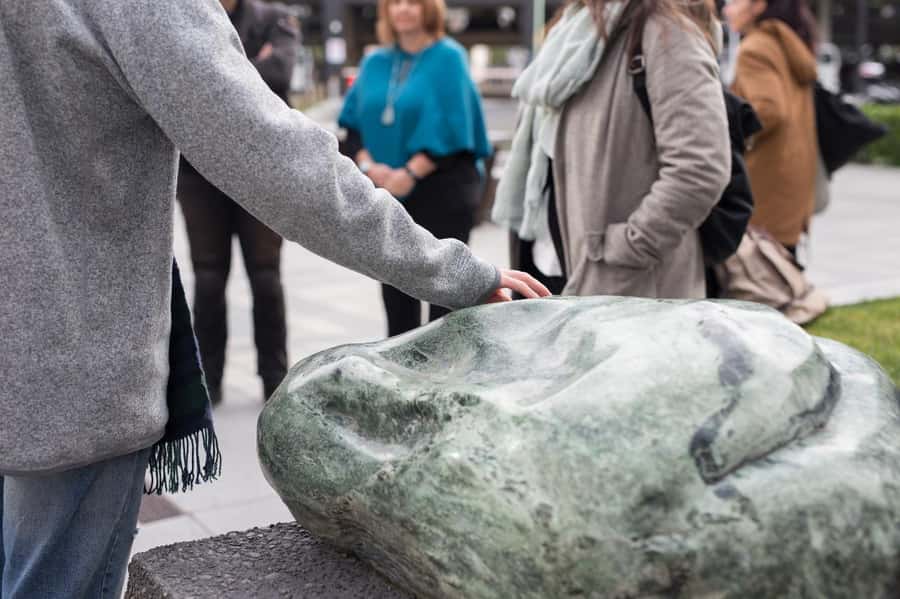
The tour gives attention to both Māori and settler ways of life. That balance is valuable because a short city walk can easily reduce Christchurch to one neat story: either a colonial foundation or a modern city rebuilding after disaster.
Instead, you hear how different communities used the area, understood it, and helped shape it. The Māori perspective is not presented as a small footnote to European settlement. At the same time, settler history remains part of the account, creating a fuller picture of Christchurch.
I like this shared approach because it gives you a better way to understand present-day Ōtautahi. The point is not to turn the walk into a debate. It is to show how cooperation, respect, and connection continue to matter between cultures.
One guide, Riwai, has been especially praised for expressing that idea clearly. His perspective treats Māori and European heritage as connected parts of the city’s story rather than opposing camps. That can make the tour feel more thoughtful than a standard sightseeing walk.
You should expect stories and interpretation rather than a museum-style presentation. The experience works best if you enjoy asking questions. Small-group walks allow more time for conversation, and one particularly useful feature of the tour is the chance to ask about details as they come up.
Mahinga kai and pā sites in the city centre
A highlight is the route past traditional mahinga kai and pā sites. Mahinga kai refers to places used for gathering food, while a pā was a Māori village or fortified settlement.
The modern city can make these places hard to picture. Streets, shops, and public buildings do not always reveal what came before them. A guide helps bring those earlier uses back into view, showing how the area supported communities before Christchurch took its present form.
This is where the walk becomes more than a sequence of facts. You are moving through ordinary city spaces while learning how those same areas once functioned. The contrast between the present streetscape and the older Māori use of the land gives the tour much of its meaning.
The supplied route information does not specify every exact stop or the current condition of each site. You should therefore think of these places as interpreted points along the walk, not as preserved archaeological attractions with large signs and visible remains.
That is both a strength and a limitation. If you want dramatic ruins or a formal heritage site, this may feel subtle. If you like learning how history survives through place names, oral tradition, and a guide’s explanation, it can be far more rewarding.
A completely different kind of day out in Christchurch:
- Christchurch Hop-On Hop-Off Tram
★ 4.5 · 841 reviews - Christchurch Gondola and Tram City Tour Combo
★ 4.5 · 725 reviews - Christchurch: Hop-On Hop-Off Tour by Vintage Tram
★ 4.6 · 717 reviews - Christchurch: Tram, Punt and Gondola Ride Combo Ticket
★ 4.7 · 608 reviews
Manaakitanga, greeting, and the tone of the walk
The tour includes a traditional Māori greeting and an introduction to manaakitanga. The guiding idea is care for your people, expressed through the whakataukī Kia atawhai ki te iwi.
This sets a welcoming tone from the start. You are not only being shown around Christchurch. You are being introduced to a principle that helps explain how people relate to one another and how hospitality can carry cultural meaning.
I appreciate that manaakitanga is connected to the way the tour itself operates. A friendly greeting, patient answers, and food shared along the route all support the idea. The experience is not presented as a detached lecture.
The guides are a major reason this part works. Ash has been praised for being personable and enthusiastic, while other guides have been described as patient, warm, and easy to follow. Spud, in particular, has been remembered as both entertaining and well informed.
You should still keep an open mind about the style. A cultural tour is not simply a performance for visitors. The best experience comes when you listen carefully, ask respectful questions, and allow the guide to set the tone.
Laneways, coffee, and artisan tastings
The final part of the walk moves through Christchurch’s laneways and includes morning tea plus food tastings from local artisan producers. This gives the tour a useful change of pace after the historical discussion.
Coffee is an especially welcome start to the day, and one account of the experience singled it out as a pleasant part of the morning. The exact producers and tasting menu are not specified, so you should not book expecting a fixed restaurant meal or a guaranteed list of dishes.
What you can expect is a collection of local tastes along the route. One visit included regional food selected with care, while another included several indulgent tastings from local businesses. These stops help you connect the city’s current food culture with the people and small producers working there now.
The food is included in the $95 price, along with morning tea. That matters because the tour is not priced like a simple free city walk. You are paying for a guide-led cultural experience plus refreshments and tastings.
Still, food alone does not justify the cost. If you are mainly looking for breakfast, you can eat more cheaply elsewhere. The value comes from combining the tastings with stories, access to local businesses, and a route that gives context to the places you pass.
The laneways also offer a different view of central Christchurch. You are not only checking off major landmarks. You are seeing smaller urban spaces and local businesses that you might otherwise walk past without understanding their place in the city.
What the $95 price really buys you
At $95 per person, this is a premium two-hour activity. The price includes the guided walk, morning tea, and tastings from local artisan producers. It does not include transportation to or from your hotel.
For a large group, the cost might feel high compared with exploring central Christchurch independently. You could walk around the city for free and buy your own coffee and snacks. That option gives you freedom, but not the cultural explanation that ties Māori sites, settler stories, manaakitanga, and the modern city together.
The price is easier to justify if you want a personal introduction early in your visit. A good guide can help you understand what you are seeing before you explore Christchurch on your own. You also get the chance to ask questions instead of relying only on plaques or guidebooks.
The strongest value comes from the guide. Ash, Riwai, Riwai’s alternate spelling Riwai or Riwa in guide references, and Spud have all been praised for making the walk friendly and informative. Names and staffing may change, so book for the tour’s purpose rather than expecting a specific person unless the operator confirms your guide.
The tour has received a perfect rating from 10 submitted ratings, with praise focused on the guides, cultural content, pace, and food. The small number means you should not treat the score as a guarantee, but the repeated themes are useful: this experience succeeds through human connection more than spectacle.
Who will enjoy this two-hour introduction
I would recommend this tour if you want to understand Christchurch before exploring it on your own. It suits first-time visitors, people interested in Māori culture, and anyone who prefers stories and conversation to a standard landmark checklist.
It also suits many age groups. The pace has been praised as comfortable, and the walk is short enough to fit into a morning without taking over your day. Comfortable shoes remain important, especially if you are not used to spending two hours on city streets.
Food lovers will appreciate the artisan tastings, but you should see them as part of the tour rather than a full food tour. The stops add pleasure and local flavor, yet the main purpose remains cultural and historical.
The experience may not suit you if you want a long, detailed architectural tour, a dedicated earthquake tour, or a full meal. The earthquake is discussed, according to the feedback, but the activity is broader than that single event.
You might also prefer a self-guided walk if you want complete control over your route and timing. This tour is structured, with a fixed meeting point and a two-hour schedule. Its advantage is the guide’s interpretation, not flexibility.
Practical advice for getting the most from the walk
Arrive ready to walk and listen. Bring water, sunscreen, a sun hat, and a camera, and wear shoes that will stay comfortable for the full two hours.
I would schedule the experience near the start of your Christchurch stay if possible. The stories about Ōtautahi, mahinga kai, pā sites, and the city’s changing identity can give later sightseeing more meaning.
Come hungry enough to enjoy morning tea, but do not assume the tastings replace lunch. The food selection varies, and the included offerings are described as tastings and morning tea rather than a full meal.
Ask questions respectfully. The guides have been praised for answering patiently, and the small-group format gives you a better chance to have a real exchange. You will get more from the experience if you treat it as a conversation, not just a moving lecture.
The tour is wheelchair accessible, which makes it a practical choice for many visitors. You should still confirm any route-specific needs when booking, since the information supplied does not describe the exact surface or every stop.
Cancellation is free up to 24 hours before the start time, and you can reserve now and pay later. That flexibility helps if your Christchurch schedule depends on weather or a changing South Island itinerary.
Should you book the Ōtautahi Meander?
Book it if you want a warm, well-paced introduction to Christchurch that places Māori and settler stories together. The strongest reasons are the personal guiding, the explanation of Ōtautahi, the visit to former mahinga kai and pā areas, and the chance to taste local products along the way.
I would be less quick to book if your main goal is a cheap walk, a full meal, or a long list of major attractions. At $95, you are paying for cultural interpretation and hospitality, not transportation or an extensive sightseeing circuit.
For most first visits, I think the tour earns its place in the schedule, especially in the morning. It gives you a human way into Christchurch, and the coffee and tastings make the lesson easier to enjoy.
FAQ
Where does the Ōtautahi Meander Walking Tour meet?
Meet in front of the Bridge of Remembrance, on the shopping precinct side.
How long does the tour last?
The walking tour lasts two hours.
What language is the tour conducted in?
The live tour guide conducts the experience in English.
Is the tour wheelchair accessible?
Yes, the activity is listed as wheelchair accessible.
Are food and drinks included?
Morning tea and food tastings from local artisan producers are included.
Does the tour include hotel pickup and drop-off?
No. Hotel pickup and drop-off are not included, so you must reach the Bridge of Remembrance independently.
What should I bring?
Bring comfortable shoes, a sun hat, a camera, sunscreen, and water.
Can I cancel the booking?
Yes. You can cancel up to 24 hours in advance for a full refund. You can also reserve your place and pay later.
Just added around Christchurch
- Waipara Valley Winery Tour Wine Tastings and Scenic Views★ 5.0 · 5 reviews
- Private Mt Cook Day Tour From Christchurch via Lake Tekapo★ 4.5 · 5 reviews
- (MT) Mount Cook Day Tour From Christchurch★ 4.5 · 5 reviews
- Private Akaroa Day Tour From Christchurch★ 5.0 · 5 reviews
- Private Christchurch & Lyttelton Scenic Day Tour★ 5.0 · 5 reviews
- Mount Cook Day Tour from Christchurch★ 3.7 · 5 reviews
- Christchurch International Airport :Airport to City Centre★ 5.0 · 5 reviews
- Mount Cook, Lake Pukaki: Billion Star Dining★ 4.8 · 6 reviews
Walking Tours, compared.
Hobbiton™ Movie Set Walking Tour from Shires Rest
Read our review →
Rotorua’s Ultimate Zipline: 6 ziplines, 400 m Tandem, Cliff Walk
Read our review →
Waitomo Caves: Ruakuri Glowworm Cave Guided Walking Tour
Read our review →
Abel Tasman: Sea Shuttle Cruise and Walking Tour Combo
Read our review →
Browse the lists this tour appears in