

Reviewed · TICKETS
International Antarctic Centre General Admission Ticket
Antarctica feels surprisingly close here. The International Antarctic Centre packs blue penguins, huskies, and Antarctic science into a lively Christchurch visit beside the airport. I like the mix of hands-on exhibits and real cold-weather thrills, especially the Hägglund ride and storm room. You get more than a museum walk-through, yet you do not need expedition gear or a ship to reach the far south.
I also like how well this works for families. You can watch rescued kororā, learn about explorers and research stations, meet sled dogs, and try a 4D film in one visit. The main drawback is that the centre can feel brief if you move quickly, while some visitors may find the historical displays lighter than expected. The Hägglund ride also has a height rule and is not suitable for everyone.
In This Review
- Quick reasons to put Antarctica on your Christchurch plan
- What your $45.92 admission covers
- Getting to the centre beside Christchurch Airport
- Entering Antarctica through interactive exhibits
- The Antarctic storm and cold room
- Riding a Hägglund off-road
- Little blue penguins in a Christchurch setting
- Huskies, sled dogs, and the human side of exploration
- The 4D film adds motion and weather
- How long to spend, and how to plan the visit
- Who will enjoy it most
- Small practical points that matter
- Should you book the International Antarctic Centre?
- FAQ
- How long does the International Antarctic Centre visit take?
- What is included in general admission?
- How tall must children be to ride the Hägglund?
- Is the Hägglund ride suitable for everyone?
- Where is the International Antarctic Centre located?
- Can I cancel for a full refund?
Quick reasons to put Antarctica on your Christchurch plan

- A simulated Antarctic storm can feel close to -18C, with wind and cold that make the science suddenly personal.
- The Hägglund ride is the top thrill, taking you off-road in the tracked vehicle used for Antarctic conditions.
- Little blue penguins are a major draw, especially if you enjoy watching animals more than reading display panels.
- The husky area adds a human story, linking these handsome dogs with the sled teams used by polar explorers.
- The centre sits beside Christchurch International Airport, making it practical before a flight or after collecting a rental car.
- You should allow two to three hours, though people who read every panel and attend talks can spend longer.
What your $45.92 admission covers
The listed price is $45.92 per person for one-time general admission. That includes the International Antarctic Centre itself, with the storm experience, Hägglund ride, 4D entertainment, penguin viewing, husky area, and the educational displays.
That is a fair price if you use the whole centre rather than treating it as a quick indoor stop. The ride alone gives the visit a clear activity value, while the penguins and storm room add experiences you cannot reproduce with a standard museum display.
I would be less enthusiastic about the price if you have only an hour and plan to skip the timed or interactive parts. Several sections reward patience, and the centre works best when you give it room to unfold. At two or three hours, the admission feels much easier to justify.
The centre is open every day from 9am to 4:30pm, except Christmas Day. Since opening hours are fixed and some activities may have waiting periods, an early or mid-day arrival gives you more flexibility than turning up near closing.
A few more Christchurch trips worth weighing up
- Christchurch Hop-On Hop-Off Tram
★ 4.5 · 841 reviews - Christchurch Gondola and Tram City Tour Combo
★ 4.5 · 725 reviews - Christchurch: Hop-On Hop-Off Tour by Vintage Tram
★ 4.6 · 717 reviews
Getting to the centre beside Christchurch Airport
The International Antarctic Centre is at the corner of Roy Place and Orchard Road in the Christchurch Airport area. Its airport location is one of the best practical features of the experience.
You can use public transport, and the centre is near transport links. If you are staying in central Christchurch, remember that this is not a downtown attraction. You need to arrange your own way there.
That point matters if you are arriving by cruise transfer or working around a flight. General admission does not include transportation. One visitor had less time than planned after discovering that transport was not part of the ticket, so check your route and allow enough time before committing to a tight schedule.
The location is especially useful on a flight day. You might visit before heading to the airport, but leave a sensible buffer for traffic, luggage, check-in, and any rental-car return. Excess luggage charges, if applicable, are not included.
Entering Antarctica through interactive exhibits
The first part of the centre gives you a broad look at Antarctica’s terrain, wildlife, exploration, and scientific work. The displays are built for participation, so you are not simply walking past glass cases and reading long labels.
I like this approach because Antarctica can otherwise seem abstract. A map tells you where the continent is, but interactive material helps explain why people work there, how isolated stations operate, and why the region matters to research.
You can learn about Antarctic explorers, equipment, remote Scott Base life, wildlife behavior, and the work carried out by modern science teams. The focus is broad rather than deeply academic. If you want a detailed account of every famous expedition, you may wish for more material on figures such as Shackleton and more original expedition objects.
Still, this section does a good job of giving younger visitors a starting point. Children can move between activity areas, films, animals, and machines instead of being asked to absorb a long history lesson all at once.
I suggest you resist the urge to rush straight to the ride. The exhibits give the later experiences more meaning. Once you know why tracked vehicles, cold-weather clothing, sled dogs, and research stations matter, the storm and Hägglund sections feel less like theme-park tricks.
The Antarctic storm and cold room
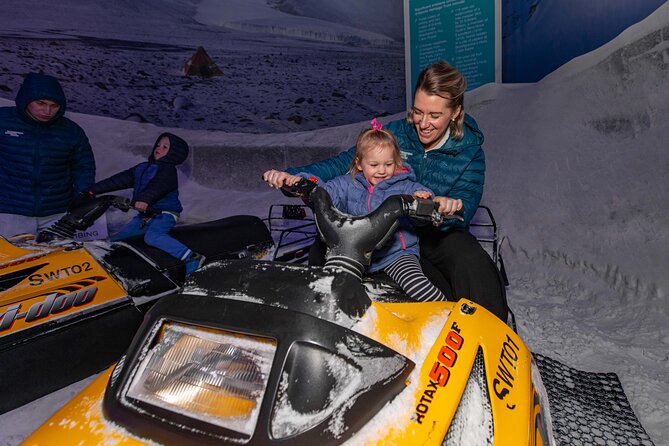
The storm simulator is one of the most talked-about parts of the visit, and I can see why. You enter a room designed to reproduce the feel of an Antarctic weather event, with cold air and strong wind. It is a short, physical lesson in how hostile the far south can be.
The cold is often described as reaching about -18C during the experience. You do not need to remain inside for long, but the sharp drop in temperature makes a memorable contrast with Christchurch outside.
Bring a warm layer even if the day is mild. The centre may provide the setting, but you will enjoy the experience more if you are ready for the cold rather than treating it as a dare in a T-shirt.
There can be a wait for the storm room. One useful tip is to use that time for the 4D film or another exhibit instead of standing still. Activity timing can shape your visit, so look around for the next available option when you arrive.
This is also the section that may not suit every child. A loud, cold, windy room can be thrilling for one person and uncomfortable for another. You can enjoy the rest of the centre without forcing anyone into the storm.
A completely different kind of day out in Christchurch:
- Christchurch: Tram, Punt and Gondola Ride Combo Ticket
★ 4.7 · 608 reviews - Waipara Wine Tour from Christchurch – including Lunch & Tastings
★ 4.5 · 462 reviews - TranzAlpine Train, Arthur’s Pass and Castle Hill Day Trip
★ 5.0 · 426 reviews - Christchurch: Gondola Ride
★ 4.6 · 408 reviews
Riding a Hägglund off-road

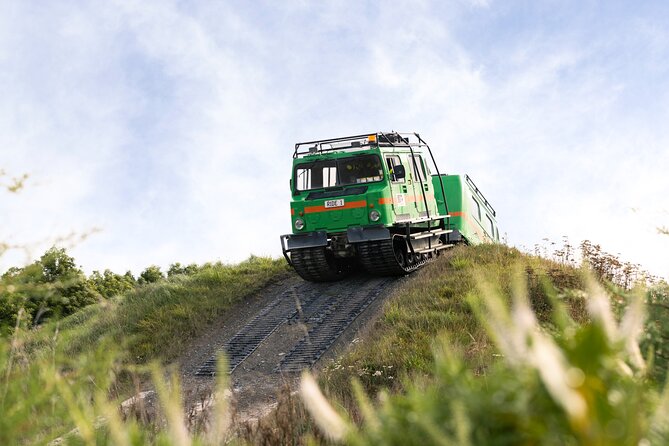
The Hägglund ride is the clearest reason to choose this attraction over a standard Antarctic exhibition. You board a tracked vehicle designed for rough, icy ground and take an off-road ride that gives you a taste of the machinery used in polar conditions.
I would make this a priority soon after arrival. The ride is widely treated as a highlight, and the centre can be busier at popular times. The supplied information does not promise a particular departure schedule, so ask on arrival how to fit it into your visit.
The ride is not gentle in the usual sightseeing sense. Its appeal comes from movement, bumps, and the sense that this is serious equipment rather than a polished amusement ride. It gives the centre a physical edge that the reading displays cannot provide.
Children must be at least 1.2 metres tall to ride. Every child must also be accompanied by an adult. The centre does not recommend the ride for people with heart conditions, back or neck pain, or anyone who is pregnant.
Those rules are worth taking seriously. If you cannot ride, the rest of the centre still offers plenty to do, but you should not count the Hägglund as part of your personal experience when judging the ticket value.
Little blue penguins in a Christchurch setting
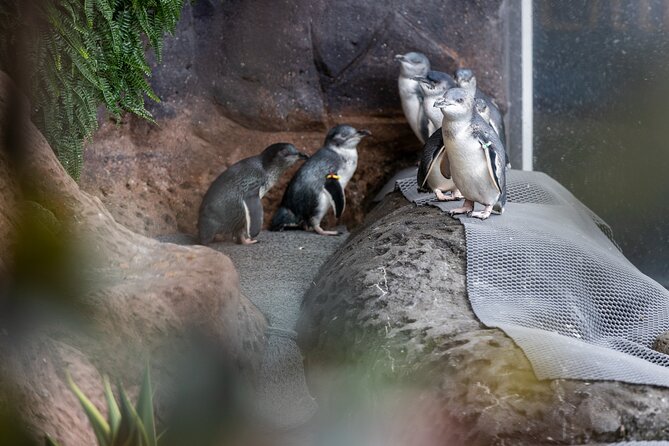
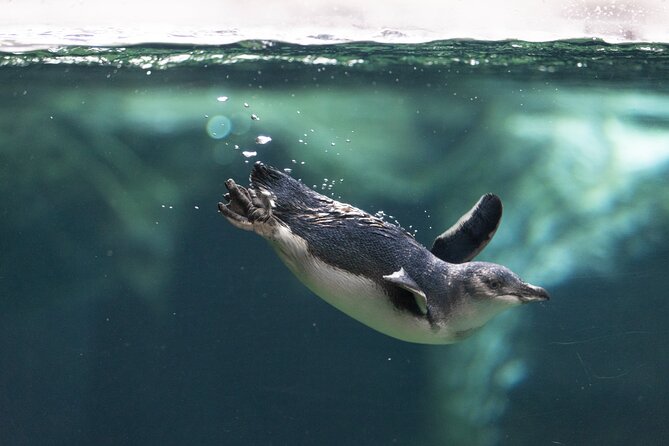
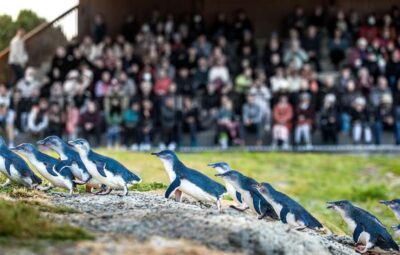
The kororā, or little blue penguin, area brings a touch of living Antarctica into the visit. These rescued penguins are small, appealing, and easy to watch, which makes them a strong counterpoint to the loud storm and rough vehicle ride.
Penguin viewing also slows the pace. After the machinery and cold, you can spend time watching natural behavior and thinking about the wildlife side of the continent rather than only its explorers.
Some activity schedules include penguin feeding, according to the experiences described at the centre. Ask about the timing when you arrive if this is important to you, since seeing the penguins is not quite the same as seeing a feeding session.
The penguins are a particularly good reason to bring children, but adults who care about conservation will find value here too. The centre connects wildlife with the wider purpose of Antarctic research, including the study of animal behavior and changing conditions.
Do not expect a vast aquarium-style facility. This is one part of a larger attraction, not a full day devoted only to penguins. If you want to watch quietly, build extra time into your two to three hour visit.
Huskies, sled dogs, and the human side of exploration
The husky area, sometimes called the cuddle zone, brings you close to dogs linked with polar travel. These animals are not just cute additions. They help explain how explorers once moved supplies and people across snow and ice before modern transport took over much of the work.
The dog presentations can be a highlight, particularly if you enjoy stories about working animals. One session described in the experience lasted about an hour and covered Antarctic exploration as well as the role of sled dogs. Some of the dogs were said to descend from animals connected with the original polar teams.
That talk may feel long if you mainly came to pat the dogs. I would listen to at least part of it, because the story adds context that a quick photo cannot. If your children have limited patience, plan around the 4D film or another activity.
The huskies also make the visit feel more personal. Polar history is often presented through dates, flags, and famous names. A working dog gives you a more direct sense of the daily hardship and teamwork involved.
As with any animal area, follow the centre’s instructions and keep your expectations sensible. The appeal is meeting dogs and hearing their story, not treating the stop as an unlimited petting session.
The 4D film adds motion and weather
The 4D experience is a useful change of pace between the exhibits. It presents Antarctica through a combination of film and sensory effects, giving you a more cinematic impression of the continent.
I would not make this the sole reason to visit, but it works well as part of the whole package. The centre combines reading, animals, cold, machinery, and film, so different members of a family can find a favorite section.
The 4D show can also help with timing. If the storm room has a wait, or if you arrive between ride periods, this gives you something worthwhile to do rather than losing time in a queue.
The experience is likely to appeal most to visitors who enjoy action and sensory effects. If you prefer quiet historical interpretation, you may find the film less valuable than the exhibits about exploration and science.
How long to spend, and how to plan the visit
The advertised visit length is two to three hours. That is a sound target for most people, especially if you want to ride the Hägglund, experience the storm, see the penguins, watch the 4D film, and read a reasonable number of displays.
You can finish faster if you move directly from one major activity to the next. One visitor had only about an hour and 45 minutes and still found the visit worthwhile, but that is a compressed schedule. You will have less time for talks, exhibit panels, and repeated stops at the animals.
At the other end, it is possible to spend more than three hours. If you read most of the displays, attend the sled-dog presentation, wait for activities, and take your time with the penguins, the centre can fill much of a day.
A sensible order is:
- Ask about Hägglund and penguin activity times first.
- See the main displays before or between scheduled experiences.
- Use the 4D film during a storm-room wait.
- Leave time for the huskies and penguins rather than treating them as quick photo stops.
- Keep a warm layer handy for the cold room.
The centre operates indoors, but the Hägglund program can be affected by weather. If the experience is canceled because of poor weather, you are offered a different date or a full refund. That policy is useful, though you should still check conditions if your schedule is tight.
Who will enjoy it most
This is a strong choice for families, especially those with children tall enough for the Hägglund ride. The mix of animals, vehicles, films, and hands-on displays keeps the experience moving.
It also suits adults who are curious about Antarctica but are unlikely to take an expensive polar cruise. You will not reproduce a real expedition here, but you can sample the cold, machinery, wildlife, and science in a few hours.
It is a good rainy-day activity in Christchurch, too. The experience remains active rather than feeling like a fallback plan when outdoor sightseeing fails.
I would be more cautious if you are looking for a serious museum devoted to detailed exploration history. The centre offers useful context, but some visitors may want more on Shackleton, other major expeditions, and historic objects.
It may also be less rewarding if you have very limited time and do not care about animals, science, or interactive attractions. The airport setting makes it convenient, but convenience alone is not a reason to pay admission.
Small practical points that matter
The centre is near public transportation, but you need to arrange your own transport. Do not assume an airport transfer, cruise shuttle, or hotel pickup is included.
Confirmation is provided when you book. Free cancellation is available if you cancel at least 24 hours before the start time. Changes or cancellations inside that window are not accepted for a refund.
The storm room may be uncomfortable for very young children or anyone sensitive to cold and wind. The Hägglund has separate health restrictions, so decide in advance if it is appropriate for you.
Customer service can vary. Many experiences describe friendly, passionate staff, including an entertaining and informative guide named Brendan. A small number of poor service encounters have also been reported, so the quality of your welcome may not be perfectly consistent.
Should you book the International Antarctic Centre?
Book it if you want an active Christchurch attraction with real variety. The penguins, huskies, storm simulator, 4D film, and Hägglund ride give you several different ways to connect with Antarctica. That variety makes the $45.92 price easier to accept, especially for a family that uses every part of the centre.
I would book it with at least two hours available and a clear transport plan. Prioritize the Hägglund ride, then add the storm, penguins, dogs, and 4D film around it.
Skip it if your schedule is extremely tight, you dislike interactive attractions, or you want a serious archive of polar artifacts. For most people with a free half-day near Christchurch Airport, though, this is a lively and worthwhile way to meet Antarctica without boarding a ship.
FAQ
How long does the International Antarctic Centre visit take?
Plan on approximately two to three hours. You can spend less time if you move quickly, or longer if you read the displays and attend the husky presentation.
What is included in general admission?
General admission includes entry to the International Antarctic Centre and its experiences, including the Antarctic storm, Hägglund ride, 4D experience, penguin viewing, husky area, and educational displays.
How tall must children be to ride the Hägglund?
Children must be over 1.2 metres tall to ride the Hägglund. Every child must also be accompanied by an adult.
Is the Hägglund ride suitable for everyone?
The centre does not recommend the ride for people with heart conditions, back or neck pain, or anyone who is pregnant.
Where is the International Antarctic Centre located?
It is at the corner of Roy Place and Orchard Road in the Christchurch Airport area, Christchurch 8052, New Zealand. It is near public transportation.
Can I cancel for a full refund?
Yes. You must cancel at least 24 hours before the experience start time for a full refund. Cancellations or changes made less than 24 hours before the start time are not accepted for a refund.
Just added around Christchurch
- Waipara Valley Winery Tour Wine Tastings and Scenic Views★ 5.0 · 5 reviews
- Private Mt Cook Day Tour From Christchurch via Lake Tekapo★ 4.5 · 5 reviews
- (MT) Mount Cook Day Tour From Christchurch★ 4.5 · 5 reviews
- Private Akaroa Day Tour From Christchurch★ 5.0 · 5 reviews
- Private Christchurch & Lyttelton Scenic Day Tour★ 5.0 · 5 reviews
- Mount Cook Day Tour from Christchurch★ 3.7 · 5 reviews
- Christchurch International Airport :Airport to City Centre★ 5.0 · 5 reviews
- Mount Cook, Lake Pukaki: Billion Star Dining★ 4.8 · 6 reviews
Tickets, compared.

Waiheke Island: Ferry & Hop-On Hop-Off Explorer Bus Tickets
Read our review →


Browse the lists this tour appears in