
Reviewed · MUSEUMS
Museum of NZ Te Papa Tongarewa: International Visitor Entry
Start with Wellington’s most rewarding indoor stop. Te Papa Tongarewa brings Māori and Pacific treasures, New Zealand’s natural world, national art, and major historical displays together under one roof. I especially like the museum’s interactive exhibits and its careful treatment of Māori culture and heritage. The main drawback is simple: the building is so full that a single visit can feel rushed, even with several hours available.
I also like the 48-hour ticket window. It gives you a useful second look instead of forcing you to race through every gallery in one afternoon. The catch is that this paid admission applies to international visitors aged 16 and over, while New Zealand citizens, residents, and people living in New Zealand enter free. Children under 16 also need a ticket, but there is no charge.
In This Review
- Key points to know before you go
- Why Te Papa deserves time in Wellington
- Stop 1: Entering the Museum of New Zealand
- Māori and Pacific culture at the heart of the visit
- The Gallipoli and ANZAC experience
- Natural history and New Zealand’s environment
- National art and cultural storytelling
- Is $21.72 good value?
- How to plan a two-day museum visit
- Who will enjoy Te Papa most?
- Mobile tickets, access, and extra costs
- Should you book Te Papa?
- FAQ
- How much does international admission to Te Papa cost?
- Who needs to buy a ticket?
- Do children under 16 need a ticket?
- Do New Zealanders pay for museum entry?
- How long can I use the ticket?
- What are Te Papa’s opening hours?
- What does general admission include?
- Are paid exhibitions and tours included?
- Is parking included?
Key points to know before you go
- The ticket lasts 48 hours, so you can split your visit across two museum days.
- Gallipoli is a major draw, with a powerful ANZAC presentation that can take much longer than expected.
- Māori and Pacific culture receive serious attention, not a token display tucked into one corner.
- General admission covers the museum, but paid exhibitions, events, tours, and Story Place cost extra.
- International visitors aged 16 and over pay $21.72 per person, while New Zealanders and children under 16 enter free.
- The museum opens daily from 10am to 6pm on Wellington’s waterfront.
Why Te Papa deserves time in Wellington
Te Papa means Our Place, and the museum aims to present New Zealand through more than one story. You can move from Māori and Pacific cultural treasures to the country’s natural environment, then on to national art and military history. That range makes it a strong first museum stop if you want context for the rest of your time in Aotearoa New Zealand.
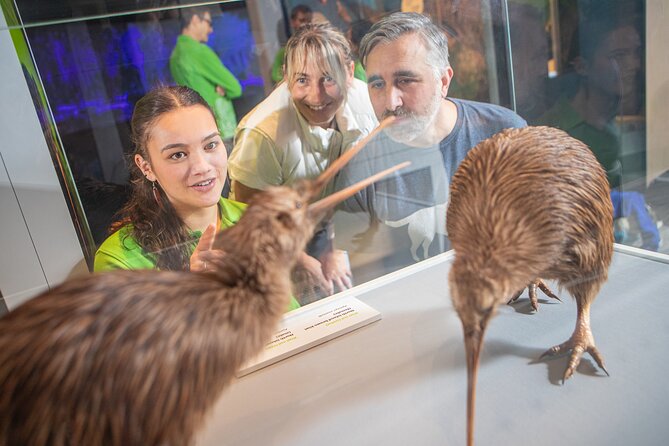
I like the way the museum mixes objects, written interpretation, technology, and hands-on elements. Some galleries ask you to read and look closely. Others are built around interaction, which helps younger visitors and anyone who finds traditional glass cases tiring.
The museum also works well for mixed-interest groups. One person can spend time with the art collection while another focuses on military displays or Māori culture. You do not need to follow one fixed route, and that freedom matters in a building with several levels and many different subjects.
Still, Te Papa is not a quick checklist attraction. The museum covers enough ground that you may leave with several rooms unseen. One visitor said five days would not have been enough to read everything, and that is useful advice even if you only have a few hours: choose your priorities before you walk in.
More Museum Visits in Wellington
- Wellington: Museum of NZ General Admission
★ 4.7 · 156 reviews - Museum of NZ Te Papa Tongarewa: Gallipoli Exhibition Guided Tour
★ 4.5 · 111 reviews - Museum of New Zealand Te Papa Tongarewa: Introducing Te Papa Tour
★ 4.5 · 105 reviews
Stop 1: Entering the Museum of New Zealand
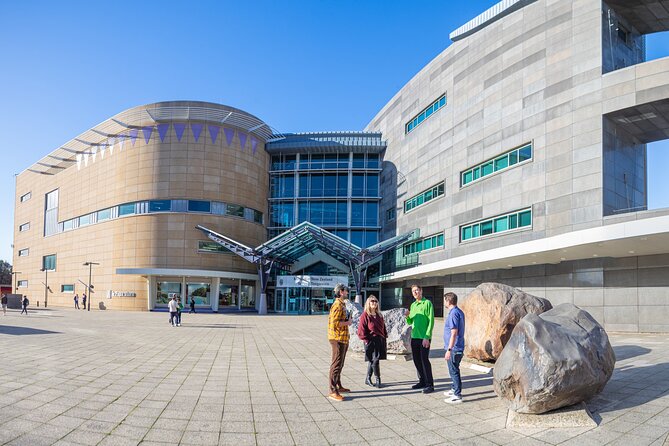
Your visit begins at Te Papa Tongarewa on Wellington’s waterfront. The supplied details identify one stop only, general admission to the museum, so this is a self-guided cultural visit rather than a scheduled tour with a guide or group.
That gives you flexibility. You can arrive during opening hours, stay for as long as you wish, and return within the 48-hour validity period. The mobile ticket is practical for international visitors who want to avoid queuing at the admission desk, though you should have your booking confirmation ready on your phone.
The museum is open every day from 10am to 6pm. If you arrive late in the afternoon, you can still enter, but you will have less time for the galleries. I would aim for the morning or early afternoon, especially if you want to see both the cultural displays and the ANZAC presentation without rushing.
The ticket does not include parking. That detail matters if you are driving into central Wellington, since the admission price is separate from any parking cost. Public transportation is available nearby, making the museum easier to reach without a car.
Māori and Pacific culture at the heart of the visit
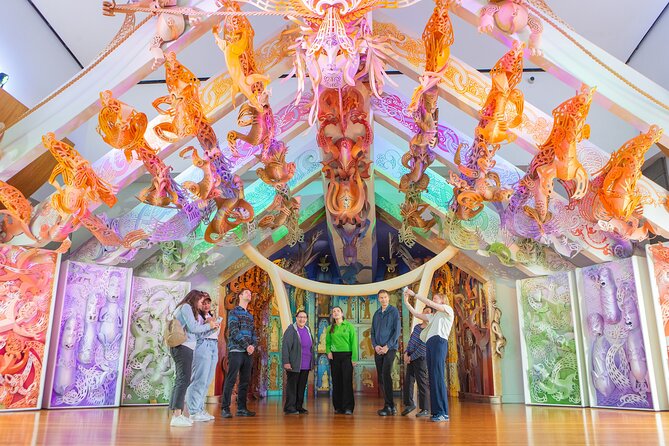
A major strength of Te Papa is the attention given to Māori culture and heritage. The museum presents Māori treasures as part of living culture and national identity, not as disconnected relics from a distant past. That approach gives the visit more meaning than a simple display of attractive objects.
You can expect to encounter cultural material that helps explain Aotearoa New Zealand’s Māori and Pacific connections. The supplied information does not list each object or gallery by name, so I would not promise a particular artifact. What it does make clear is that Māori and Pacific cultural treasures are central to the museum’s purpose.
I value this part of the visit because it gives you a better foundation for understanding New Zealand. The country’s identity cannot be reduced to scenery, adventure sports, or British colonial history. Te Papa places Māori stories and heritage inside the national story where they belong.
The presentation is also described as authentic and respectful. That does not mean every display will suit every visitor equally. Some people will want more time with the cultural galleries, while others may be drawn first to art, nature, or war history. The choice is yours, and the building makes it possible to return to the sections that held your attention.
The Gallipoli and ANZAC experience
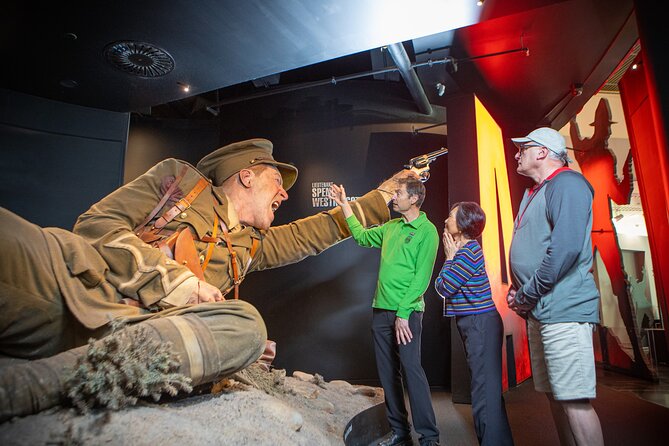
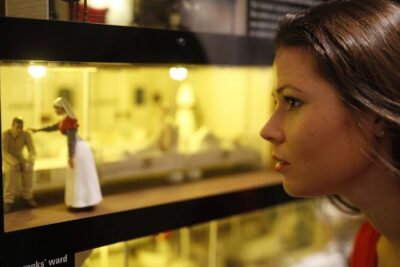
The Gallipoli display receives the strongest praise in the available comments, and it is easy to see why it can shape an entire museum visit. The presentation was designed by Jonathan Turner, who also worked on The Lord of the Rings, according to the supplied information. It combines storytelling and visual design to create a serious, emotional account of the ANZAC experience.
I would plan extra time here. One couple spent so long with the ANZAC display that they saw little else, which is not a complaint so much as a warning. This is one of those museum sections that can slow you down because the subject asks for attention rather than a quick glance.
The military material has a personal effect for many people, especially visitors with family or national ties to the Australian or New Zealand armed forces. You do not need that connection to find the display worthwhile. Its power comes from the way it presents war as a human experience, not just a list of battles and dates.
At the same time, the emotional weight may not be what every visitor wants from a museum afternoon. If you are short on time, decide in advance how long you can spend here. Otherwise, this single display may crowd out Māori culture, natural history, art, and the other galleries that make Te Papa more than a war museum.
A completely different kind of day out in Wellington:
- Wellington: Wētā Workshop Guided Tour Ticket
★ 4.7 · 997 reviews - Wētā Workshop Experiences Tour – Wellington
★ 5.0 · 875 reviews - Wellington: Return Cable Car Ticket
★ 4.6 · 714 reviews - Half Day Tour of Wellington
★ 4.5 · 638 reviews
Natural history and New Zealand’s environment
Te Papa also examines the unique natural environment of Aotearoa New Zealand. The provided details do not specify individual animals, specimens, or gallery titles, so I would avoid arriving with a fixed list of particular displays. Instead, think of this part of the museum as a chance to place New Zealand’s natural world within a wider national story.
This is useful early in a trip. You may see New Zealand’s scenery from a train, road, or walking track, but a museum can give you another way to understand the country. Here, the natural world shares space with culture, art, and human history rather than being treated as a separate subject.
The interactive approach is especially helpful if you are visiting with children or with someone who prefers doing something to reading long panels. Some exhibits use technology and hands-on features, while others remain more traditional. That mix keeps the visit from feeling like one long corridor of labels.
I would not assume every natural history display will be equally engaging for you. Te Papa covers many subjects, and personal interest will decide which rooms deserve your longest stop. The useful part is that you can move on quickly when a section does not hold you, then return if time allows.
National art and cultural storytelling
The National Art Collection gives the museum another layer. You can shift from historical and cultural interpretation to works of art, making the visit feel broader than a single-theme institution. For visitors who want to understand how New Zealand presents itself through creative work, this section is an important part of the building.
I like having art included in the same visit as Māori culture, Pacific treasures, nature, and military history. You can compare the different ways a country tells its story: through objects, images, memories, scientific material, and public events.
The supplied information does not name specific artists or works, so I cannot promise a particular painting or installation on the day you visit. Displays can change, and the ticket is for general admission rather than a guarantee of access to every special exhibition.
That distinction is important. General admission includes the museum, but paid exhibitions and events are not part of this ticket. Tours and Story Place are also excluded, with prices depending on the day. If a special show is your main reason for visiting, check its separate cost before booking the standard entry.
Is $21.72 good value?

For an international visitor aged 16 or over, the price is $21.72 per person. I consider that fair value if you can spend several hours inside, especially since the ticket remains valid for 48 hours. A museum that can fill one long visit, or two shorter visits, offers more value than a place you can finish in half an hour.
The value is strongest for first-time visitors to New Zealand. You get cultural background, natural history, art, and military displays in one central Wellington stop. That can save you from paying separate admission fees at several smaller attractions, although the experience is broad rather than narrowly focused.
There is an important qualification. New Zealand citizens, residents, and people living in New Zealand enter free, including citizens and residents living overseas. International visitors under 16 are also free, but they still need a ticket. Do not pay simply because you see an international admission option if you fall into one of those free categories.
One piece of feedback claims that admission is free for everyone, which conflicts with the supplied booking terms stating that international visitors aged 16 and over must buy entry. I would follow the stated eligibility rules and confirm your category before paying. The safest practical point is this: free entry applies to New Zealanders and under-16 international visitors, while the listed international adult price is $21.72.
How to plan a two-day museum visit
The 48-hour validity is more than a small convenience. Te Papa is the kind of museum where you may enjoy it more by dividing the visit into two sessions. On the first day, you could focus on Māori and Pacific culture, then give the natural environment and art a separate block of time.
On the second day, you might return for the ANZAC and Gallipoli displays or revisit a gallery that deserves a slower look. The information does not promise special re-entry arrangements beyond the 48-hour ticket validity, so keep your mobile ticket available when you return.
If you have only one day in Wellington, set a modest goal. I would choose two or three priorities instead of trying to conquer every floor. The most praised choices are the Gallipoli display, Māori culture, and the interactive exhibits, but your interests should decide the order.
The 10am to 6pm schedule gives you a full day, but the final hours may feel compressed if you arrive after lunch. The museum is not a stop I would squeeze between several tightly timed activities. Give it room to work.
Who will enjoy Te Papa most?
Te Papa suits first-time visitors who want a broad introduction to New Zealand. I would also recommend it to families, because the interactive format offers a break from long, text-heavy museum rooms, though the details provided do not promise any specific children’s program under this ticket.
It is a good choice for anyone interested in Māori culture, Pacific connections, national art, or military history. People with an ANZAC connection may find the Gallipoli presentation especially affecting, while visitors without that connection can still appreciate its design and human focus.
The museum also works well on a rainy Wellington day. That is a practical advantage rather than a minor one. You can spend several hours indoors without giving up the chance to learn about the country you are visiting.
I would be more cautious if you dislike large museums or prefer a short, tightly guided experience. There is no guide included, no fixed route, and no promise that you will see every exhibit in one visit. The freedom is useful, but it also means you must manage your own time.
Mobile tickets, access, and extra costs
Your confirmation is received at the time of booking, and the experience uses a mobile ticket. That keeps the entry process simple, particularly if you are already carrying your phone for maps and transport details.
Service animals are allowed, and most people can participate. The museum is near public transportation, but parking is not included. These details make the visit fairly straightforward for many people, though anyone with specific access needs should confirm arrangements directly before arrival because the supplied information does not describe every facility.
The admission ticket covers general entry only. Paid exhibitions, events, tours, and Story Place are separate, with prices depending on the day. I would decide whether you want the basic museum visit or a particular paid addition before you book, since the headline price does not cover those extras.
Free cancellation is available if you cancel at least 24 hours before the experience start time. Cancellations or changes made less than 24 hours before the start time are not accepted for a refund, and the cut-off follows Wellington local time.
Should you book Te Papa?
I would book this experience if you are an international visitor aged 16 or over and want a serious, flexible introduction to New Zealand. The strongest reasons are the respectful Māori and Pacific displays, the interactive presentation, and the remarkable Gallipoli and ANZAC experience. The 48-hour validity makes the $21.72 price easier to justify.
I would not book it as a quick add-on if you have only a narrow gap in your schedule. Te Papa rewards time, and the risk is not that you will run out of things to see, but that you will spend too long with one powerful gallery and miss the rest.
If you are a New Zealander, resident, or under 16, check the free-entry rules instead of paying the international rate. For everyone else, this is one of Wellington’s most useful cultural stops, provided you arrive with a plan and accept that one visit may only be a first chapter.
FAQ
How much does international admission to Te Papa cost?
The listed price is $21.72 per person for international visitors who need to pay admission.
Who needs to buy a ticket?
International visitors aged 16 and over need to buy a museum entry ticket.
Do children under 16 need a ticket?
International visitors under age 16 enter free, but they still need a ticket.
Do New Zealanders pay for museum entry?
New Zealanders enter free and do not need a ticket. This includes people living in New Zealand and New Zealand citizens and residents living overseas.
How long can I use the ticket?
You can use the ticket for 48 hours, or two days.
What are Te Papa’s opening hours?
The museum is open Monday through Sunday from 10am to 6pm.
What does general admission include?
The ticket includes general admission to the Museum of New Zealand Te Papa Tongarewa.
Are paid exhibitions and tours included?
No. Paid exhibitions, events, tours, and Story Place are not included. Prices for those additions depend on the day.
Is parking included?
No. Parking is not included with the museum ticket.
Just added around Wellington
- Private Tour in Wellington★ 5.0 · 5 reviews
- Wellington: Wētā Workshop Creative Classes Experience Ticket★ 4.7 · 5 reviews
- Exclusive Wellington Sightseeing Private Tour★ 4.0 · 5 reviews
- Wellington Jewish Heritage sightseeing tour with a kosher lunch★ 5.0 · 5 reviews
- Wellington: Lord of the Rings Half-Day Guided Tour inc Weta★ 5.0 · 5 reviews
- Wellington 90 minute Harbour Cruise★ 5.0 · 6 reviews
- Wellington: Wild Skyline Guided Hiking Tour, Transfers + Lunch★ 5.0 · 6 reviews
- Wellington: Lord of the Rings Filming Locations Tour★ 4.0 · 6 reviews
Museums, compared.
Explore gardens & galleries filled with incredible art, Matakana
Read our review →
Skip the Line: Auckland Museum General Admission Ticket
Read our review →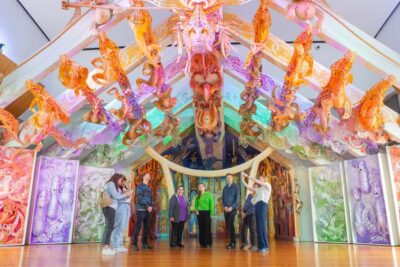
Museum of NZ Te Papa Tongarewa: Gallipoli Exhibition Guided Tour
Read our review →
Museum of New Zealand Te Papa Tongarewa: Introducing Te Papa Tour
Read our review →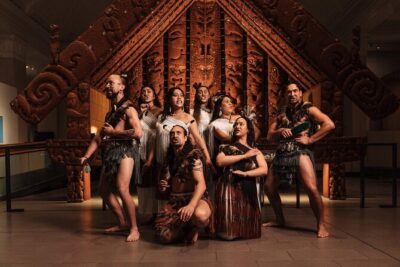
Māori Cultural Experience & Auckland Museum General Admission
Read our review →
Skip the Line:WWI & WWII Combo Exhibitions at the Omaka Aviation Heritage Centre
Read our review →Browse the lists this tour appears in