
Reviewed · MOUNT COOK DAY TOURS
45-Minute Mount Cook Ski Plane and Helicopter Combo Tour
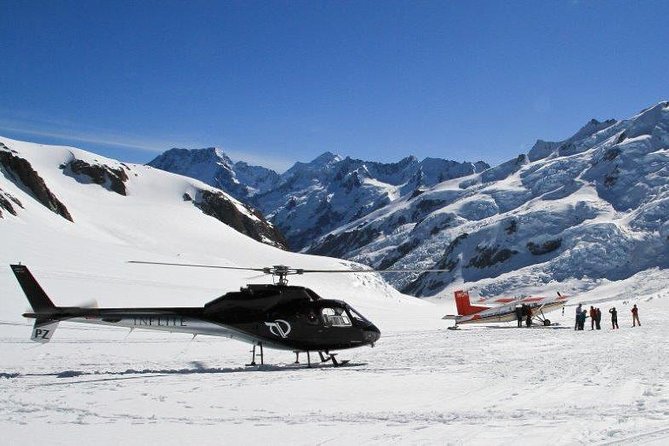
Two aircraft, one glacier, unforgettable views. This Mount Cook flight combines a ski plane and helicopter in one short outing, with a landing on the Tasman Glacier and sweeping views of Aoraki/Mount Cook, braided rivers, lakes, and snow-covered peaks. I especially like the aircraft change on the glacier, and the chance to enjoy a few quiet minutes with both engines switched off. The main drawback is that weather, snow conditions, and passenger numbers can change the plan at short notice.
At $353.97 per person, this is not a casual sightseeing flight. You are paying for two different kinds of flying, a glacier landing, professional commentary, and access to views that are difficult to reach from the valley floor. The weather matters enormously, and poor conditions can mean a delay, a helicopter-only flight, a different glacier, or cancellation.
In This Review
- What makes this flight special
- Two very different ways to see Mount Cook
- Leaving Mount Cook Airport
- The flight through the Tasman Valley
- Landing on the Tasman Glacier
- The aircraft change on the ice
- The return flight and changing scenery
- What the $353.97 price really buys
- Weather, delays, and the fine print
- Small details that improve the day
- Who will enjoy this most
- Should you book the Mount Cook combo flight?
- FAQ
- Where does the Mount Cook ski plane and helicopter tour begin?
- Where does the tour end?
- How long does the experience last?
- How long do you spend on the glacier?
- Will I fly in both a ski plane and a helicopter?
- What happens if bad weather cancels the flight?
- How early should I arrive?
- Is there a passenger weight limit?
What makes this flight special
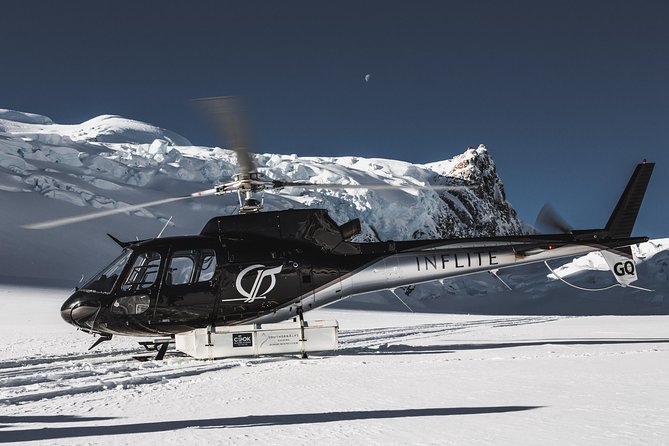
- Two aircraft in one trip: Fly in both a ski plane and helicopter, with the aircraft change taking place on the glacier when conditions allow.
- Tasman Glacier landing: Spend about 10 to 15 minutes on the snow and ice, with the aircraft shut down so you can hear the silence of the glacier.
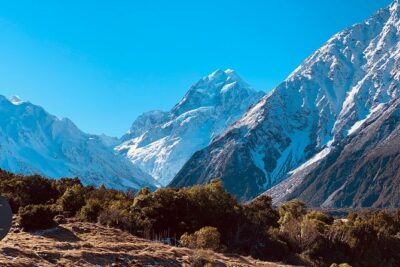
- Aoraki/Mount Cook views: The route passes near New Zealand’s highest mountain, with views of glaciers, lakes, braided rivers, and alpine huts.
- Small aircraft, small group: The maximum group size is 16, although at least eight people are needed for the flight to operate.
- Weather-sensitive adventure: Wind, cloud, rain, and glacier conditions can affect the route, landing site, aircraft, or departure itself.
- Practical timing: Check-in closes 30 minutes before departure, and the activity begins and ends at Mount Cook Airport.
Two very different ways to see Mount Cook
The clever idea here is not simply adding a helicopter ride to a plane ride. It is giving you two different views of the Aoraki/Mount Cook area in one compact trip.
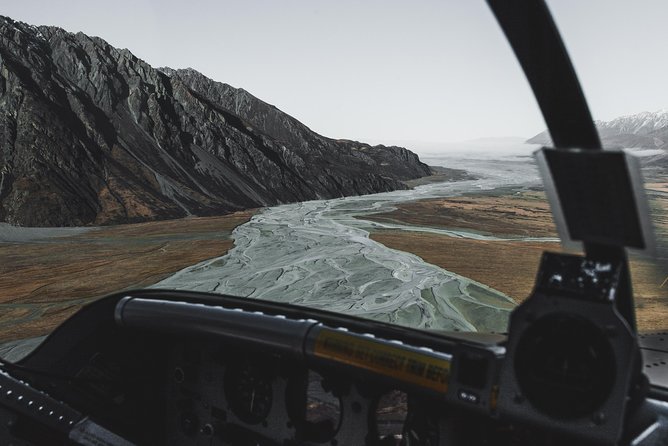
A ski plane gives you the broad, open feel of flight over the Southern Alps. It can provide a wider sense of the Tasman Valley, braided rivers, lakes, and glacier fields. A helicopter feels more direct and flexible, with a closer view of steep mountain faces and ice formations. The contrast is part of the appeal.
The aircraft order can vary. You might leave in the ski plane and return by helicopter, or fly up by helicopter and return by ski plane. That matters less than the basic promise: when conditions and operations line up, you get both experiences rather than repeating the same aircraft twice.
The aircraft are small, so your view can depend on your seat. One passenger specifically found the ski plane bumpier but excellent for views, while the helicopter felt smoother, though the middle seat made looking out harder. If photography is important to you, bring your camera or phone, but remember that a clear view is never guaranteed from every seat.
More Helicopter Flights in the Mackenzie
- Mount Cook: Scenic Helicopter Flight with Alpine Landing
★ 4.8 · 442 reviews - Mount Cook: Ski Plane and Helicopter Glacier Combo Flight
★ 4.6 · 271 reviews - Mount Cook and The Glaciers 55-Minute Helicopter Flight
★ 4.5 · 133 reviews
Leaving Mount Cook Airport
Your starting point is Mount Cook Airport on Mount Cook Road. It is not a city-style terminal experience. This is an airfield setting, and the process is built around weather checks, aircraft scheduling, and safe loading.
You need to check in at least 30 minutes before your flight time. Treat that as a real deadline, not a suggestion. If you arrive from Lake Tekapo or another part of the South Island, allow extra time for the drive and for finding the airport. One person reported spending hours waiting after an operational change, so a flexible day is helpful.
The published maximum group size is 16. That keeps the flight more personal than a large sightseeing aircraft, but the minimum of eight passengers is important. If too few people are booked, the combo may not operate as advertised. In that case, you may be offered another date, another experience, or a refund.
You receive a headset, live commentary, and a professional guide. That commentary is valuable here because many of the peaks and ice fields look similar from the air. The pilots can point out the mountains, glaciers, lakes, and huts below, giving the flight a sense of place rather than turning it into a silent photo session.
The flight through the Tasman Valley
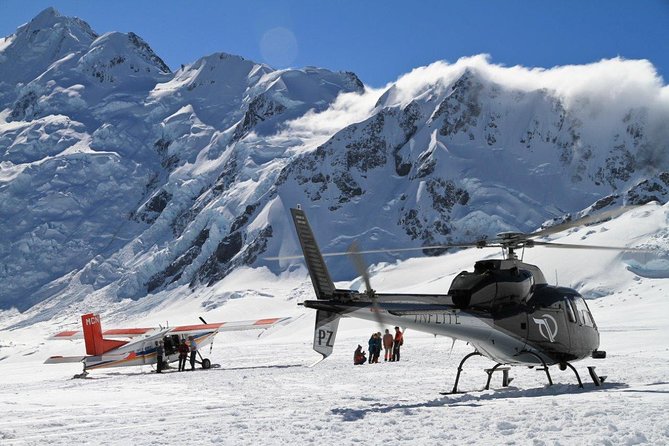
Once airborne, the route takes you over the Tasman Valley and the braided rivers below. These rivers spread into many pale channels, creating patterns that are easy to understand from above but difficult to appreciate from the ground.
The flight also passes over lakes and toward the snow-covered peaks around Aoraki/Mount Cook. On a clear day, this is the part of the experience that earns the high price. The mountain views are not simply distant background scenery. You are looking down on glaciers and valleys from an angle that walking trails cannot provide.
Aoraki/Mount Cook is the focus, but the route is wider than a single mountain. The views include the Tasman Glacier, the surrounding peaks, lakes, river flats, and alpine huts. Several pilots have been praised for pointing out features along the route, and that guidance can make a real difference when you are trying to understand the scale of the area.
The advertised duration is approximately 45 minutes. The published details also list about 15 minutes of flight time, while the itinerary gives 45 minutes for the full experience, including the landing. Actual time in each aircraft can vary with the route, conditions, loading, and aircraft change. One reported version included about 22 minutes of flight and a 20-minute glacier stop, so you should think of the tour as a short flight experience with a landing, not 45 minutes of continuous sightseeing from the air.
Landing on the Tasman Glacier
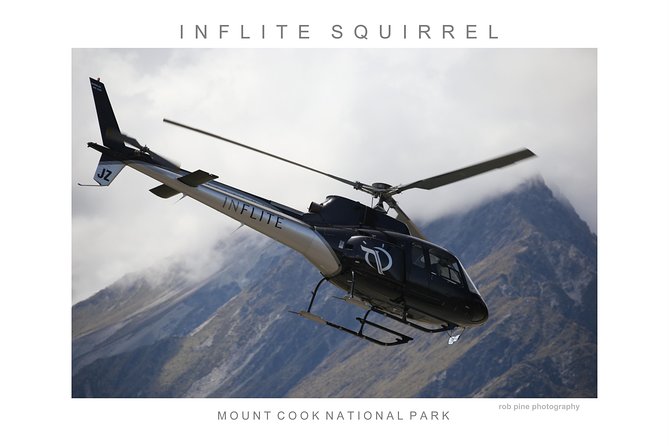
The glacier landing is the heart of the trip. The aircraft lands on snow and ice in the Tasman Glacier area, and the engines are shut down. You get roughly 10 to 15 minutes to take photographs, look across the ice, and enjoy the striking quiet.
That silence is easy to underestimate. You have just flown over one of New Zealand’s great alpine areas, and then the aircraft goes quiet. For a few minutes, the experience becomes less about speed and more about the texture and scale of the glacier under your feet.
Conditions on the glacier are changeable. One person reported that the surface was too uneven for a ski plane, so the helicopter handled both legs. Another flight used Franz Josef Glacier instead of Tasman Glacier after rain made the planned landing unsuitable. These are not minor details. A ski plane needs an appropriate snow surface, while a helicopter can often use a different landing area, subject to the pilot’s safety decision.
The glacier is also melting and changing. That makes the landing memorable, but it also means the exact surface cannot be treated like a permanent outdoor platform. You may find uneven snow or ice underfoot. Wear sensible footwear and expect a natural surface rather than a prepared viewing deck.
The supplied information does not promise coats, and one person wished warm outer layers had been provided. Dress for cold conditions and bring sunglasses. The bright snow can be intense, even when the airfield feels mild.
More Mount Cook day tours:
- Mt Cook Small Group Scenic Day Tour from Queenstown
★ 5.0 · 407 reviews - Mt Cook & Tasman Glacier lookout Small Group Tour from Queenstown
★ 5.0 · 296 reviews - Mount Cook: Mountains High 40-Minute Helicopter Flight
★ 5.0 · 53 reviews - Mount Cook: Alpine Vista Helicopter Flight with Alpine Landing
★ 4.5 · 39 reviews
The aircraft change on the ice
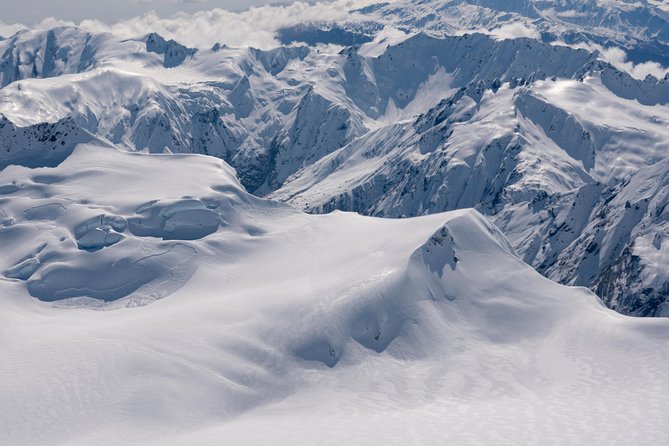
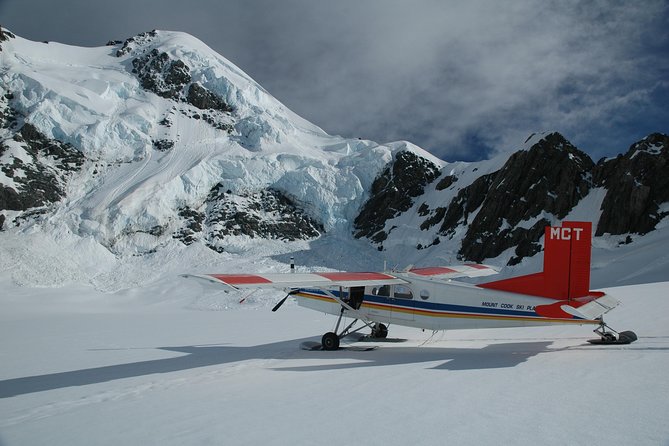
When the combo operates fully, the aircraft switch takes place on the glacier. This is the tour’s most unusual feature. You step away from one aircraft and board the other in a setting surrounded by snow, ice, and mountain walls.
The switch also gives you a chance to compare the two flight styles without having to book separate tours. The ski plane may feel more rugged and bumpy, while the helicopter generally feels smoother and more close-up. Neither is automatically better. The plane can offer a broad view, and the helicopter can make the terrain feel nearer and more immediate.
The practical limitation is that the aircraft change depends on conditions and operations. If the ski plane cannot land safely, you may receive a helicopter-only flight instead. If the combo does not have enough passengers, the same thing may happen. One person who expected the combined flight ended up with a 45-minute helicopter and glacier experience because the combo did not operate.
That substitution can be disappointing if the two-aircraft format is the main reason you booked. On the other hand, several people found the helicopter-only alternative excellent, and one received a higher-value option when wind stopped the plane from operating. Ask at check-in what aircraft and landing are planned that day, but understand that the final decision belongs to the operator and pilot.
The return flight and changing scenery
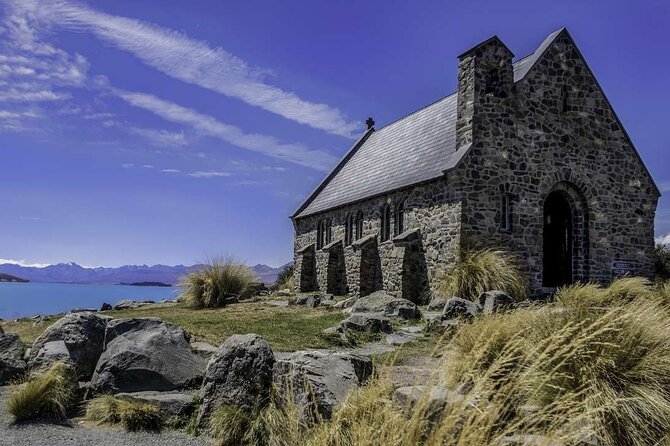
The return leg gives you another chance to see the area from a different height and viewpoint. If you flew up in the ski plane, you may return by helicopter. If you went up in the helicopter, the ski plane may bring you back.
The helicopter can make the mountains feel closer, especially when the pilot points toward individual glaciers and peaks. The ski plane provides a different rhythm, with a more open sense of the valley and snowfields. The return flight is not just a trip back to the airport. It completes the comparison that makes the combo worthwhile.
When the weather is clear, this is also the best time to take in the full scale of the region. The white glacier, dark rock, braided river channels, and blue or gray lakes form a changing pattern below. Cloud can reduce the views quickly, though, and the operator may alter the route or landing to keep the flight safe.
You return to Mount Cook Airport, so there is no separate end point or transport arrangement to make. The airport is also the place to leave extra belongings. The flight information advises taking only items such as sunglasses, a mobile phone, and a camera, so pack lightly for the aircraft.
What the $353.97 price really buys
At $353.97 per person, this is a major expense for a 45-minute activity. It can feel costly when you measure only the time in the air. The value improves when you count the two aircraft, the glacier landing, the pilot commentary, and the fact that the experience reaches a remote alpine setting without a long trek.
I would consider it worthwhile if you care deeply about mountain scenery, want to stand on a glacier, or see the two aircraft as separate experiences. The combo is especially appealing if you have limited time around Aoraki/Mount Cook and want a concentrated highlight.
The value is less convincing if you mainly want a long flight or a guaranteed landing at a particular glacier. The total duration is short, and several things can change: the aircraft, the landing site, the route, or the flight itself. One person felt the experience was too expensive, despite praising the views and staff.
The 93 percent recommendation rate and 4.7 rating from 107 ratings point to strong overall satisfaction, but the lower scores reveal the real risks. Waiting can be frustrating, communication about cancellations may not always arrive quickly, and the exact combo may not operate. You are paying for an aircraft adventure in a weather-sensitive place, not a fixed indoor attraction.
Weather, delays, and the fine print
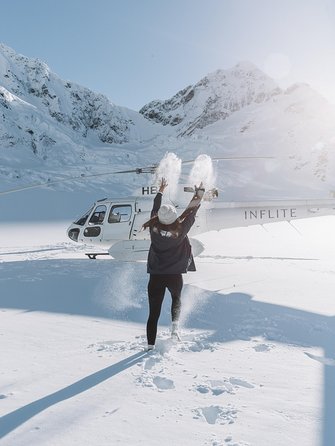
Good weather is essential. Wind and cloud can stop the flight, prevent the ski plane from landing, or send the aircraft to another glacier. The operator may offer a different date or a full refund if poor weather cancels the activity.
Build flexibility into your schedule if you can. Booking this on the final morning of a tightly planned South Island itinerary leaves little room for a weather delay or rescheduling. A clear day can produce spectacular views, but mountain weather can change faster than your road-trip plans.
Communication is another practical point. One cancellation complaint described a long drive from Lake Tekapo before the passenger learned the flight was not operating. Another person reported waiting in hot sun before loading, and someone else experienced a long delay caused by scheduling. These accounts do not erase the scenery, but they show why you should keep your phone available, confirm the flight status when possible, and avoid planning an immediate connection afterward.
The published passenger weight limit is 221 pounds per passenger. Children must be accompanied by an adult. Most people can participate, although the experience was described as less accessible than expected for one person who needed easier access.
Small details that improve the day
Keep your expectations realistic and your packing simple. The airport information suggests bringing sunglasses, a mobile phone, and a camera, while leaving other belongings in your vehicle.
A few practical choices can make a big difference:
- Wear warm layers: Coats are not listed as provided, and the glacier stop can be cold.
- Protect your eyes: Snow glare can be strong, so sunglasses are useful.
- Bring a camera strap or secure grip: The flight is active, and you will want both hands free at times.
- Allow waiting time: Loading and aircraft changes may not follow the exact advertised rhythm.
- Keep the day flexible: Weather or the minimum passenger count can affect the plan.
- Ask about the day’s aircraft: The combo may become helicopter-only if the ski plane cannot operate.
- Check your weight details carefully: The published limit is 221 pounds per passenger.
Souvenir photographs are not included, though they may be available to purchase. Your own camera may capture the main moments, but changing light, window reflections, and seat position can affect the result.
Who will enjoy this most
I would recommend this to anyone who sees a glacier landing as a major trip goal. It is also a strong choice for photographers, mountain fans, families with children accompanied by an adult, and people who want a big experience without committing to a long backcountry walk.
It suits a special occasion or a South Island trip where Aoraki/Mount Cook is already a central stop. The pilots and office staff have often been praised for being friendly and helpful, and the live commentary gives the flight more meaning.
I would hesitate if you need a firm schedule, dislike small aircraft, have limited flexibility, or would be upset by a helicopter-only replacement. I would also think twice if the price feels uncomfortable for a short activity. The views can be extraordinary, but the experience is brief and entirely dependent on alpine conditions.
Should you book the Mount Cook combo flight?
Book it if you want the rare chance to fly in both a ski plane and helicopter, land on a glacier, and see Aoraki/Mount Cook from above. The aircraft contrast, quiet glacier stop, and close mountain views give the tour a clear reason to exist.
Before paying, make sure you can accept the conditions. The combo may become a different aircraft experience, the Tasman Glacier may be replaced by Franz Josef Glacier, and bad weather can cancel the flight. Give yourself schedule room, arrive before the 30-minute check-in cutoff, dress warmly, and treat the glacier landing as a bonus that depends on safety.
For many people, this will be the highlight of a Mount Cook visit. It is expensive, short, and weather-sensitive, but when the sky clears and both aircraft operate, it offers a memorable way to see the Southern Alps.
FAQ
Where does the Mount Cook ski plane and helicopter tour begin?
The tour begins at Mount Cook Airport on Mount Cook Road in the Canterbury Region of New Zealand.
Where does the tour end?
The activity ends back at the Mount Cook Airport meeting point.
How long does the experience last?
The experience lasts approximately 45 minutes, including the glacier landing and aircraft change when the combo operates.
How long do you spend on the glacier?
The glacier landing generally includes about 10 to 15 minutes on the snow and ice.
Will I fly in both a ski plane and a helicopter?
The tour is designed to include both aircraft, with a changeover on the glacier. Weather, snow conditions, aircraft operations, or insufficient passenger numbers can result in a helicopter-only or other alternative experience.
What happens if bad weather cancels the flight?
If poor weather cancels the experience, you will be offered a different date or a full refund.
How early should I arrive?
Check-in closes 30 minutes before the scheduled flight time, so you should arrive before that cutoff.
Is there a passenger weight limit?
Yes. The published total weight limit is 221 pounds per passenger.
More Skiing
- Mt Cook: 55-Minute Scenic Flight in Helicopter or Ski Plane
★ 4.1 · 6 reviews - 45-Minute Glacier Highlights Ski Plane Tour from Mount Cook
★ 5.0 · 19 reviews - 55 minute Grand Circle Ski Plane
★ 5.0 · 16 reviews - Shuttle Park n Ride to Whakapapa Ski fields
★ 4.5 · 7 reviews
Just added around Mount Cook
- Skydive Mt. Cook – 70+ Seconds of Freefall from 16,500ft★ 5.0 · 5 reviews
- Skydive Mt. Cook – 20+ Seconds of Freefall from 10,000ft★ 5.0 · 5 reviews
- Mount Cook Scenic 35 Minute Helicopter Flight★ 5.0 · 6 reviews
- Mt Cook: 55-Minute Scenic Flight in Helicopter or Ski Plane★ 4.1 · 6 reviews
- Mount Cook: 50-Minute Aoraki Scenic Helicopter Flight★ 4.7 · 10 reviews
- Skydive Mt. Cook – 45+ Seconds of Freefall from 13,000ft★ 5.0 · 14 reviews
- Mt Cook & Lake Tekapo 2-Day Small Group Tour from Queenstown★ 5.0 · 15 reviews
- Mt Cook to Christchurch One-Way Small Group Tour via Lake Tekapo★ 5.0 · 16 reviews
Mount Cook Day Tours, compared.
Mount Cook: Scenic Helicopter Flight with Alpine Landing
Read our review →
Mt Cook Small Group Scenic Day Tour from Queenstown
Read our review →
Mount Cook, Lake Tekapo and Tasman Glacier Tour from Christchurch
Read our review →
Tekapo Shuttle: Mt Cook Day Tour via Pukaki & Tasman Lake
Read our review →
Mt Cook & Tasman Glacier lookout Small Group Tour from Queenstown
Read our review →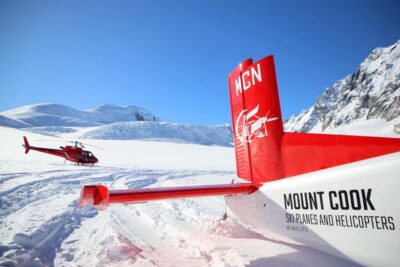
Mount Cook: Ski Plane and Helicopter Glacier Combo Flight
Read our review →
Browse the lists this tour appears in