
Reviewed · MOUNT COOK DAY TOURS
Mount Cook: Ski Plane and Helicopter Glacier Combo Flight
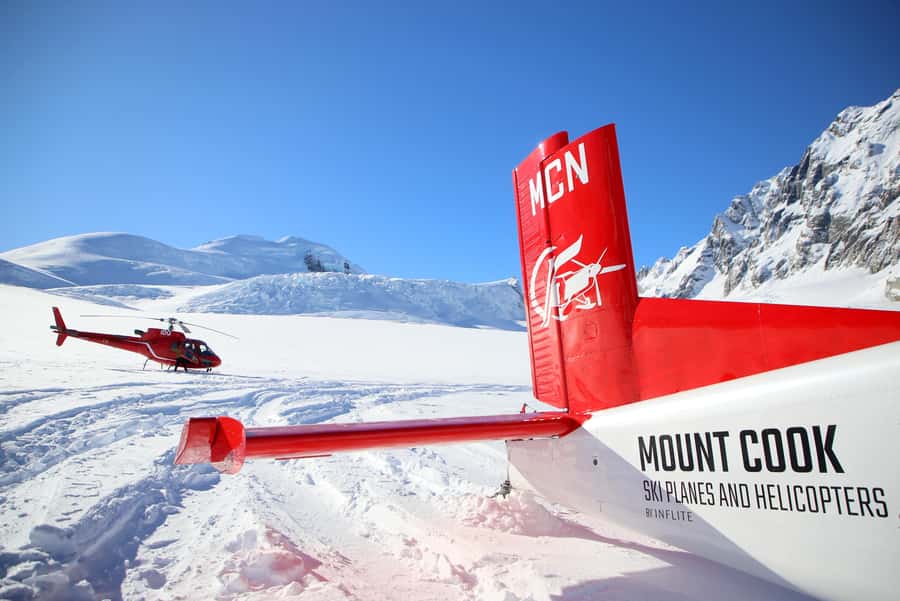
A glacier landing changes the whole trip. This 45-minute ski plane and helicopter flight gives you two very different ways to see Aoraki/Mount Cook National Park, then puts you on the snowfields of the Tasman Glacier. I like the mix of aircraft, and I like the quiet pause when the aircraft shuts down on the ice. The main drawback is weather: strong wind, cloud, or poor visibility can change, shorten, or cancel the flight.
At $328 per person, this is not a casual sightseeing ride. It is a major part of a New Zealand holiday budget, but the glacier landing makes it far more than an ordinary scenic flight. You should also allow extra time around your booking, since check-in closes 45 minutes before departure and weather or aircraft limits can affect the schedule.
In This Review
- Quick facts about the Mount Cook glacier flight
- Why two aircraft make this flight special
- Leaving Mount Cook Aerodrome for the Tasman Valley
- The Tasman Glacier landing and the silent pause
- Aoraki Mount Cook, Hochstetter Icefall, and Grand Plateau
- Returning by helicopter or ski plane
- Weather is part of the Mount Cook experience
- Is $328 worth it?
- What to bring, and what stays behind
- Who will enjoy this flight most?
- Should you book the Mount Cook ski plane and helicopter combo?
- FAQ
- Where does the Mount Cook ski plane and helicopter flight depart?
- How long does the experience last?
- How much does the flight cost?
- Which glacier does the tour visit?
- Will I fly in both a ski plane and a helicopter?
- Can I take photographs during the flight?
- Can I bring a bag onto the aircraft?
- What should I wear or bring?
- How early should I arrive?
- What happens if bad weather cancels the flight?
Quick facts about the Mount Cook glacier flight
- Two aircraft in one trip: Fly by ski plane and helicopter, with the order depending on the day’s operation.
- Snow landing on the Tasman Glacier: Step out onto the upper snowfields of New Zealand’s longest glacier.
- Big alpine views: Look for Aoraki/Mount Cook, Hochstetter Icefall, Grand Plateau, Plateau Hut, Tasman Terminal Lake, and the full length of the glacier.
- The aircraft shuts down on the ice: You get a few minutes of stillness in a place reached by very few people.
- Weather controls the plan: Cancellations, rescheduling, alternative glaciers, or a shorter flight are possible.
- Bring only your phone and camera: Bags, food, drinks, drones, and selfie sticks are not allowed on the aircraft.
Why two aircraft make this flight special
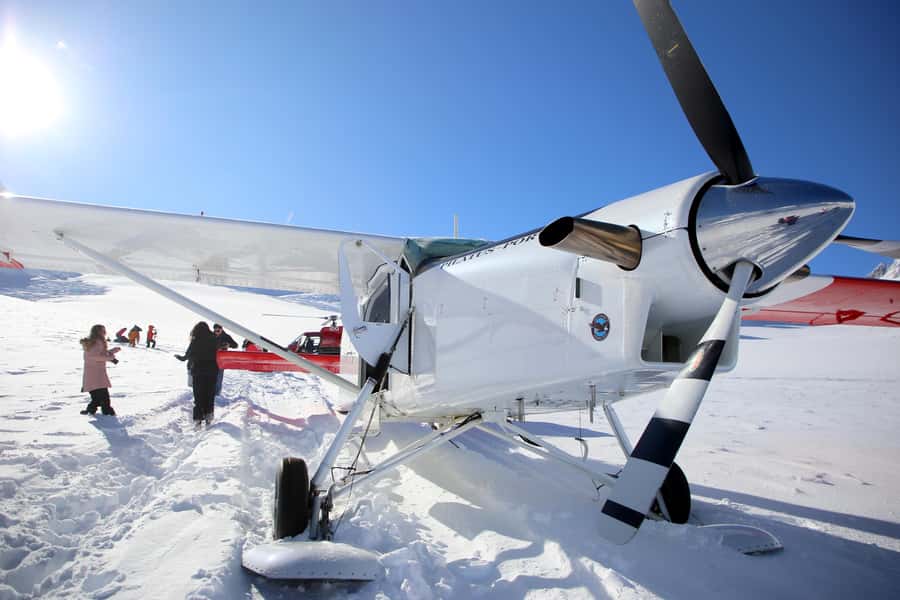
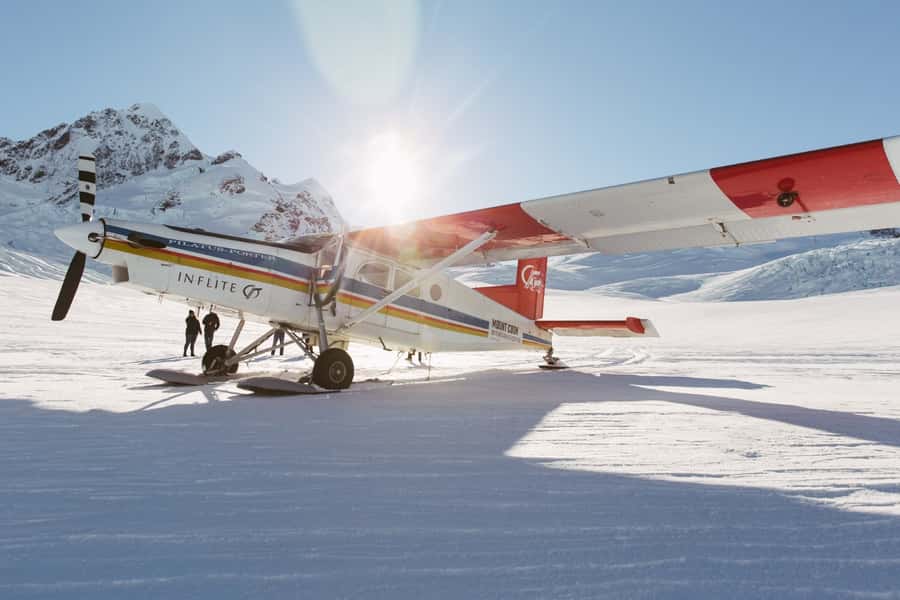
A helicopter and a ski plane show you the mountains in different ways. The helicopter can hover close to steep rock faces and move steadily around viewpoints, while the ski plane gives you a wider sense of distance as it crosses the glacier country.
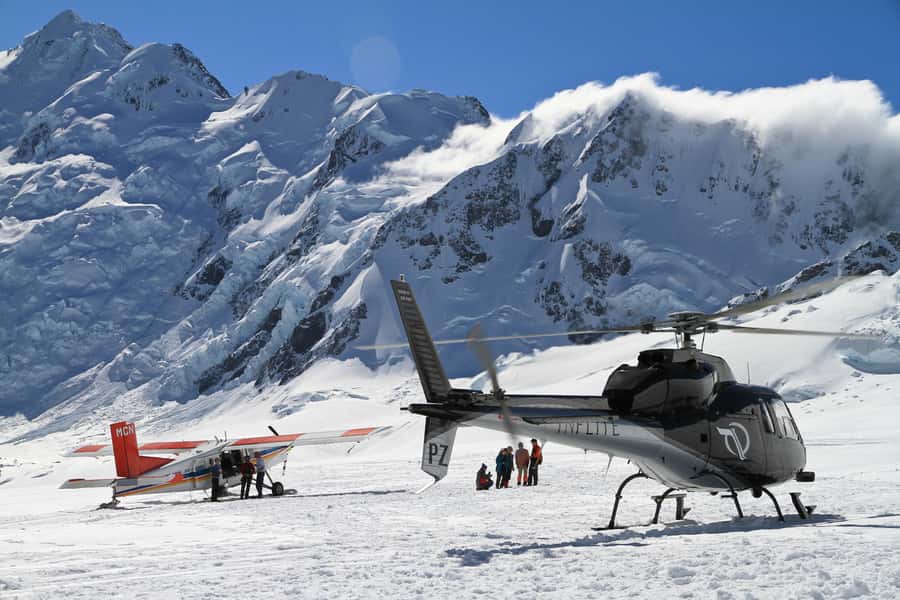
The exact order may vary. Some flights go up by helicopter and return by ski plane. Others use the ski plane first, then bring you back by helicopter. That change is not a flaw. It reflects how the operator matches aircraft, weather, and safety conditions on the day.
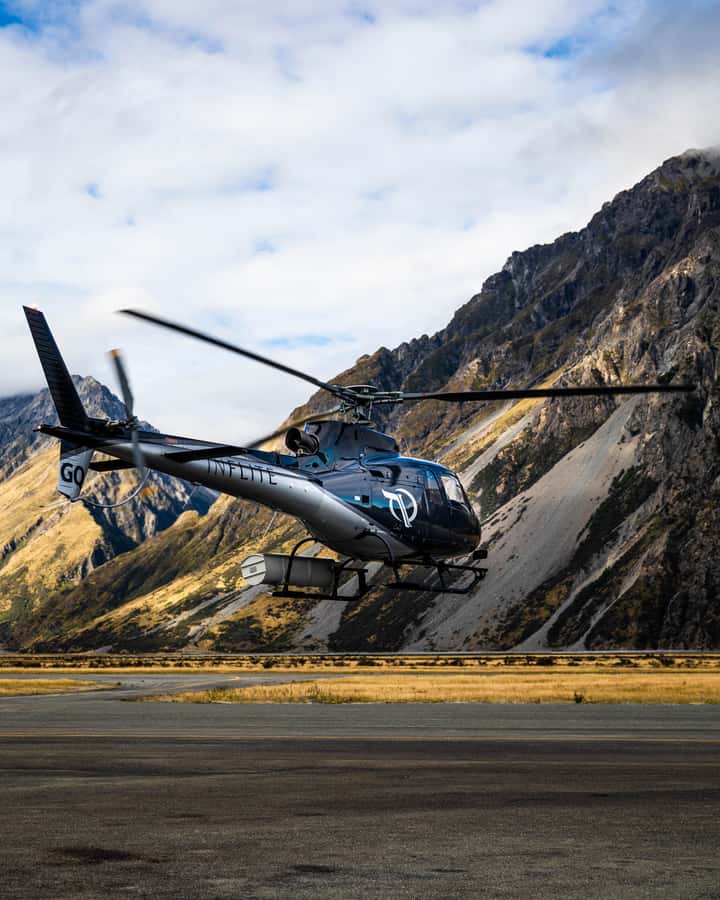
The helicopter tends to feel more intimate. You may get closer views of ridges, icefalls, and the upper mountain slopes. The ski plane feels more like a classic expedition aircraft, with skis beneath it and a snow runway waiting on the glacier.
The aircraft swap is the clever part of the experience. You do not simply fly over the Tasman Glacier, take a few aerial photographs, and return to the airport. You land in the alpine zone, step onto the snow, and then continue your flight in a different machine.
More Helicopter Flights in the Mackenzie
- Mount Cook: Scenic Helicopter Flight with Alpine Landing
★ 4.8 · 442 reviews - Mount Cook and The Glaciers 55-Minute Helicopter Flight
★ 4.5 · 133 reviews - Mount Cook: Mountains High 40-Minute Helicopter Flight
★ 5.0 · 53 reviews
Leaving Mount Cook Aerodrome for the Tasman Valley
The meeting point is Mount Cook Aerodrome in Aoraki/Mount Cook National Park. Free car parking and Wi-Fi are included, which makes the base simple to use if you are staying in the Mount Cook area or arriving by car.
Do not cut this close. Check-in closes 45 minutes before the flight time, and the operator needs every passenger’s full name and weight before departure. Weight and balance limits apply to all aircraft, so an individual flight time can be moved if the combined passenger weight reaches the aircraft’s safety limit.
Once airborne, the route heads up the Tasman Valley. The views widen quickly, moving from the valley floor to blue ice, snow-covered peaks, and the long sweep of the Tasman Glacier.
The famous blue glacier lake is one of the early highlights. From above, the water gives you a clear sense of how ice and meltwater shape the valley. The flight also passes the Tasman Terminal Lake, where the glacier’s lower end meets a broad body of water.
This is where the flight earns its price for many people. A walk to a glacier viewpoint can show you one section of the ice, but an aircraft reveals its scale. You see the glacier stretching toward the mountains rather than appearing as a distant strip of white and gray.
The Tasman Glacier landing and the silent pause
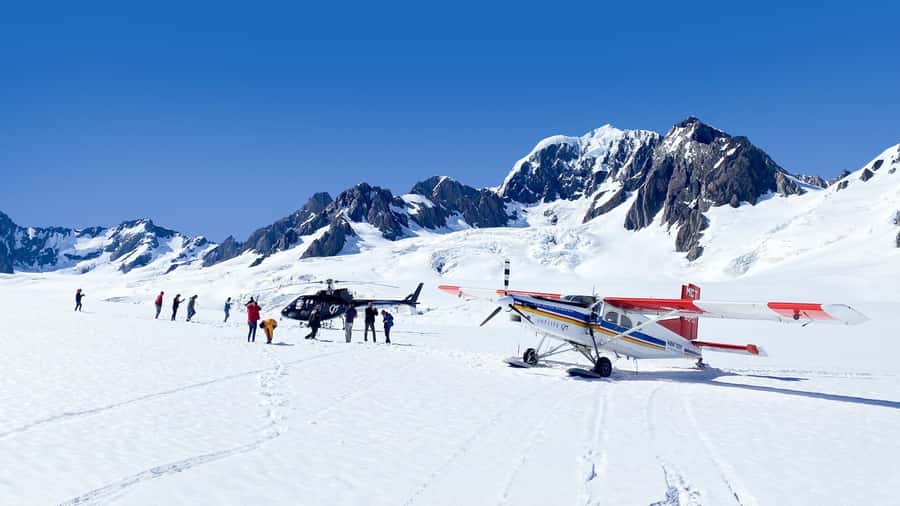
The landing takes place on the upper snowfields of the Tasman Glacier. This is not a paved airstrip or a quick touch-and-go. The aircraft lands on snow, and the pilot shuts down the engine before you step outside.
That shutdown matters. A glacier landing can feel busy while the rotors or propellers are turning. Once the aircraft is quiet, the setting changes. You hear the alpine air instead of the engine, and you have a short chance to look around without glass between you and the snow.
You may find fresh, unmarked snow, though conditions vary. One family described having enough snow for a brief snowball fight, while another person reported stepping into snow up to the knees. Those small details show why shoes and clothing matter even on a short flight.
The mountains remain snow covered and icy all year, but the temperature at the landing site can feel closer to the conditions at the airport than you might expect on a sunny summer day. One January flight was warm enough for passengers to remove a few layers. Still, closed-toe shoes are required, and sensible layers are a good idea.
Your time on the glacier is limited, but it is long enough to take photographs and absorb the setting. This is not a glacier hike, and you do not walk a marked route across the ice. The appeal is the access itself: you are standing on the upper Tasman Glacier, surrounded by high peaks and snowfields.
Aoraki Mount Cook, Hochstetter Icefall, and Grand Plateau
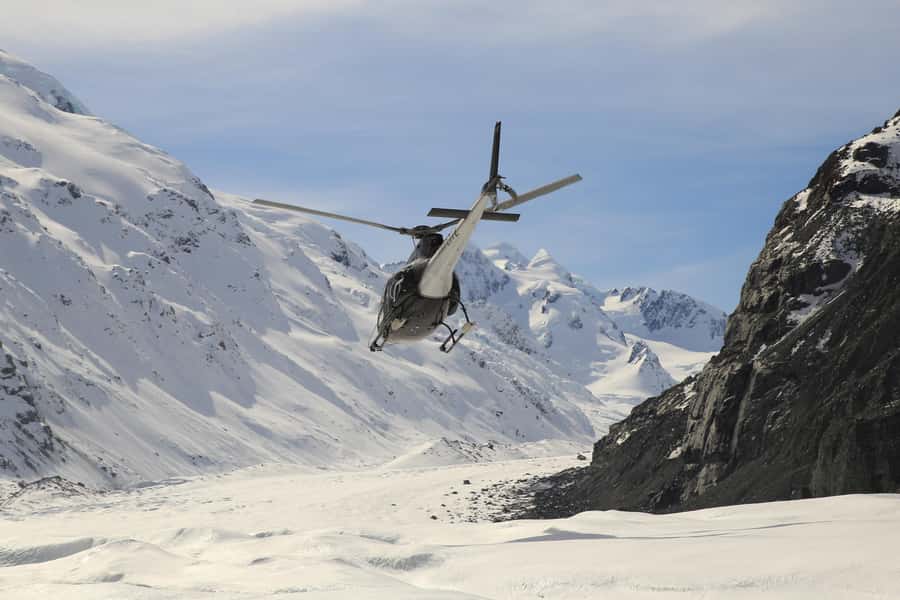
The mountain views are the heart of the trip. Aoraki/Mount Cook rises above the park with the kind of scale that is hard to judge from the road. Seeing it from the air gives you a better sense of the vertical walls, snowfields, and broken ice around the summit.
The Hochstetter Icefall adds a more dramatic texture. Here the glacier is not a smooth white ribbon. Ice breaks, folds, and drops through the mountains, creating a rough blue and white section that shows the power of moving ice.
The route also includes views of Grand Plateau and Plateau Hut. The hut is a tiny human mark in a huge alpine setting, while the plateau shows how broad the upper glacier system is. You may also see the full length of the Tasman Glacier during the flight, from its upper snowfields down toward the terminal lake.
The pilot’s commentary can shape how much you get from these sights. Several flights received praise for clear explanations and friendly pilots, including pilots named Ben, Mark, Jordan, and Greg. Some pilots provide strong commentary throughout, while others keep the narration lighter. If you want facts about the mountains, listen through the headset and ask questions when you can.
One useful point: the sound system needs attention. A passenger on a helicopter return did not realize the pilot was speaking because the audio volume was down. Check your headset before takeoff, especially if the pilot is pointing out features on the return leg.
More Mount Cook day tours:
- Mt Cook Small Group Scenic Day Tour from Queenstown
★ 5.0 · 407 reviews - Mt Cook & Tasman Glacier lookout Small Group Tour from Queenstown
★ 5.0 · 296 reviews - Mount Cook: Alpine Vista Helicopter Flight with Alpine Landing
★ 4.5 · 39 reviews - Mt Cook to Queenstown Small Group Tour (One-Way)
★ 4.5 · 25 reviews
Returning by helicopter or ski plane
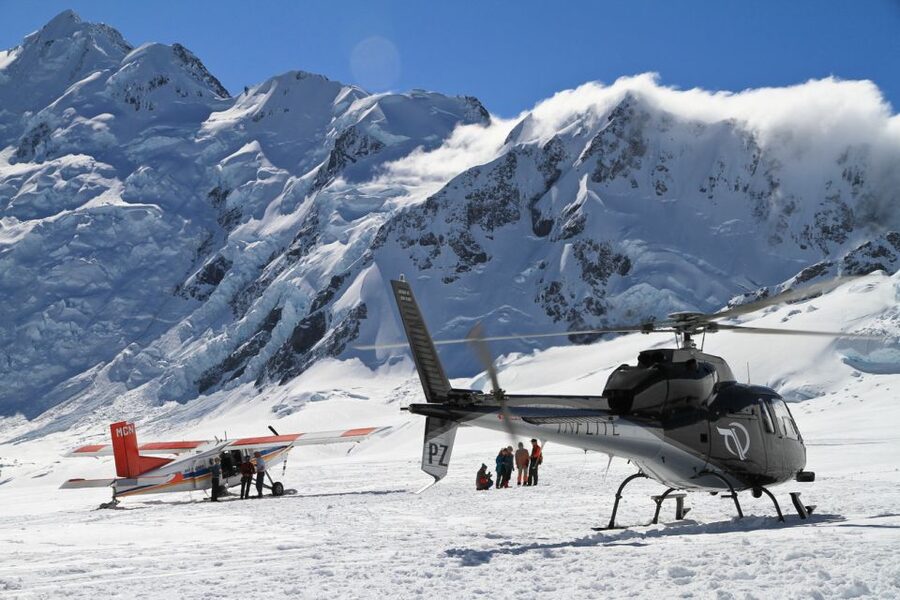
After the glacier stop, you switch aircraft for the return to Mount Cook Airport. The change gives the flight a natural second act instead of making the return feel like a repeat of the outbound journey.
The helicopter return can bring you close to the upper slopes of Aoraki/Mount Cook and the surrounding rock. Its slower, more controlled movement helps you study the details of the icefalls and ridgelines. The ski plane return offers a broader view, though the wings can block part of the scenery from some seats.
Seating can affect your experience. The helicopter has been described with four passenger seats in the back row and two in the front. A middle seat in the rear row may give you less room to look sideways, so do not assume every seat provides the same view.
You can use cameras and phones for the full flight. That is useful because the scenery changes quickly, but keep your attention outside the aircraft too. A phone captures the color of the glacier. It does not fully capture the silence after the engine stops or the scale of the mountains around you.
Weather is part of the Mount Cook experience
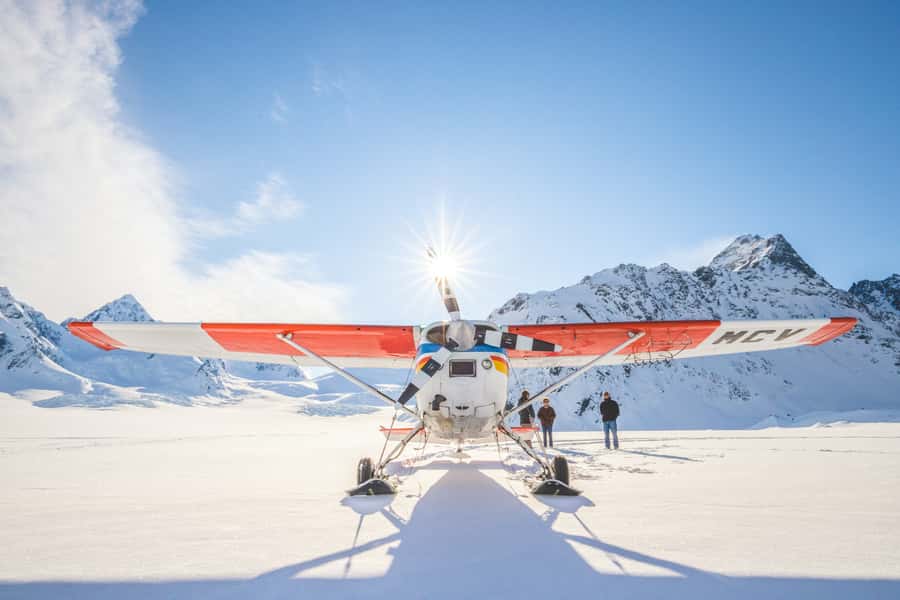
Mount Cook weather can change quickly, and this flight depends on safe visibility and wind conditions. Strong winds have cancelled the ski plane portion, while cloud has redirected flights to Franz Josef Glacier in at least one case.
That means you should not place this activity on the final hour of your New Zealand itinerary. Give yourself at least one flexible day if this is a top priority. Several bookings were moved to the following day after poor weather, and the replacement flights went ahead under clear skies.
The operator may offer an alternative rather than simply sending you away. Options described in past situations include a helicopter glacier flight, a shorter trip, a different glacier, or a rescheduled departure. The exact replacement depends on weather and aircraft availability.
If weather cancels the activity, the flight is refundable. The operator also tries to reschedule the booking around your plans. That flexibility is important, but it cannot guarantee that the two-aircraft combination will operate on your preferred date.
There is another practical uncertainty. A ski plane may be unavailable for maintenance, as happened on one booking, leading to a helicopter-only alternative. If flying in both aircraft is essential to you, ask at check-in what is operating that day.
Is $328 worth it?
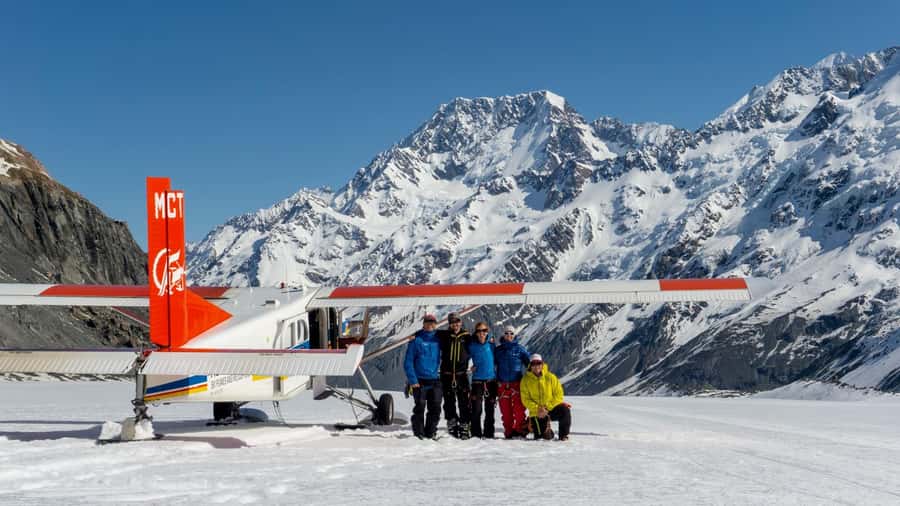
At $328, this is expensive by normal sightseeing standards. You are paying for aircraft time, specialist alpine operations, safety limits, and access to a place that is difficult to reach on foot. You are not paying for a long guided hike or a full-day expedition.
I think the price makes sense if the glacier landing is a major dream and you value the aircraft combination. The experience packs a great deal into 45 minutes: the Tasman Valley, blue glacier lake, terminal lake, icefall, Aoraki/Mount Cook, upper glacier, aircraft change, and return flight.
The value is less clear if you mainly want a scenic view from the air. A helicopter-only replacement may still be spectacular, but it is not the same product as flying in both a ski plane and helicopter. The short duration also means the tour can feel over quickly, particularly if you hoped for a longer helicopter flight.
One older assessment considered the trip memorable but questioned the price. That is a fair warning. This is a splurge, not a bargain. The question is less Is this cheap? and more Will standing on the Tasman Glacier be one of the defining moments of my trip?
For many people, the answer will be yes. The combination of air views and a real snow landing gives you something a valley lookout cannot provide.
What to bring, and what stays behind
You must wear closed-toe shoes. They will be useful on the snow and during the aircraft change, especially if the landing area is deep or uneven.
You cannot bring bags, food, drinks, drones, or selfie sticks. Phones and cameras are allowed, so keep your photography kit simple. The no-bag rule may surprise you, but it also reduces loose items around aircraft and leaves you free to move during boarding.
Bring layers rather than one heavy coat. Summer conditions at the glacier can be milder than expected in direct sun, while cloud and wind can make the same stop feel much colder. The supplied information does not promise special cold-weather clothing, so dress as if you may spend a short period outside on snow.
Give the staff accurate weights when booking. This is not a formality. The information affects aircraft balance and can influence departure times.
Who will enjoy this flight most?
I would recommend it to anyone who wants a high-impact view of Aoraki/Mount Cook without committing to a technical mountain trip. It suits families, couples, photographers, and first-time visitors who want to see a glacier from above and stand on one.
Families should note that children have enjoyed the snow landing, but the experience still depends on aircraft rules, weather, and the ability to follow staff instructions. The flight is also a good choice for people with limited time in the national park, since the 45-minute format gives you a great deal of scenery in a short window.
It may not suit you if you dislike small aircraft, need a fixed timetable, or would be very disappointed by a helicopter-only alternative. It is also not a substitute for a long glacier walk. The landing is brief, and the focus is on views, photographs, and the rare privilege of being on the upper snowfields.
The English-speaking pilot or guide provides the commentary, and an English audio guide is included. Some flights receive especially strong praise for friendly, helpful pilots and smooth flying. Others leave passengers wishing for more explanation. If commentary matters to you, speak up and ask about the peaks as you fly.
Should you book the Mount Cook ski plane and helicopter combo?
Book it if you can accept the weather risk, have some flexibility, and see the Tasman Glacier landing as a must-do moment. The strongest reasons are the two aircraft, the quiet alpine stop, and the view across the glacier’s full length.
I would schedule it early in your Mount Cook stay, not just before you leave. That gives the operator room to move you if clouds or wind intervene. Keep your booking day flexible, arrive well before the 45-minute check-in deadline, and travel light.
At $328, this is a serious splurge. But if you want more than a flyover, this is one of the most direct ways to experience the scale of Aoraki/Mount Cook National Park. The glacier landing is the part you will remember long after the aircraft has returned to the aerodrome.
FAQ
Where does the Mount Cook ski plane and helicopter flight depart?
The flight departs from Mount Cook Aerodrome in Mount Cook National Park, New Zealand.
How long does the experience last?
The advertised duration is 45 minutes, including the scenic flight, glacier landing, aircraft change, and return to Mount Cook Airport.
How much does the flight cost?
The listed price is $328 per person.
Which glacier does the tour visit?
The planned landing is on the upper snowfields of the Tasman Glacier, New Zealand’s longest glacier.
Will I fly in both a ski plane and a helicopter?
The experience is designed to use both aircraft on the same day. The order may vary, and weather, maintenance, or operating conditions can result in an alternative flight.
Can I take photographs during the flight?
Yes. Cameras and phones can be used for the duration of the flights.
Can I bring a bag onto the aircraft?
No. Bags are not allowed on the aircraft. Food, drinks, drones, and selfie sticks are also prohibited.
What should I wear or bring?
You must bring closed-toe shoes. Layers are sensible because you will step outside on the glacier snow, and conditions can change.
How early should I arrive?
Check-in closes 45 minutes before the scheduled flight time, so you should arrive before that deadline.
What happens if bad weather cancels the flight?
Weather cancellations are refundable, and the local operator will try to reschedule the flight. Depending on conditions, an alternative helicopter flight, a different glacier, or a shorter trip may be offered.
More Skiing
- Mt Cook: 55-Minute Scenic Flight in Helicopter or Ski Plane
★ 4.1 · 6 reviews - 45-Minute Mount Cook Ski Plane and Helicopter Combo Tour
★ 4.5 · 107 reviews - 45-Minute Glacier Highlights Ski Plane Tour from Mount Cook
★ 5.0 · 19 reviews - 55 minute Grand Circle Ski Plane
★ 5.0 · 16 reviews
Just added around Mount Cook
- Skydive Mt. Cook – 70+ Seconds of Freefall from 16,500ft★ 5.0 · 5 reviews
- Skydive Mt. Cook – 20+ Seconds of Freefall from 10,000ft★ 5.0 · 5 reviews
- Mount Cook Scenic 35 Minute Helicopter Flight★ 5.0 · 6 reviews
- Mt Cook: 55-Minute Scenic Flight in Helicopter or Ski Plane★ 4.1 · 6 reviews
- Mount Cook: 50-Minute Aoraki Scenic Helicopter Flight★ 4.7 · 10 reviews
- Skydive Mt. Cook – 45+ Seconds of Freefall from 13,000ft★ 5.0 · 14 reviews
- Mt Cook & Lake Tekapo 2-Day Small Group Tour from Queenstown★ 5.0 · 15 reviews
- Mt Cook to Christchurch One-Way Small Group Tour via Lake Tekapo★ 5.0 · 16 reviews
Mount Cook Day Tours, compared.
Mount Cook: Scenic Helicopter Flight with Alpine Landing
Read our review →
Mt Cook Small Group Scenic Day Tour from Queenstown
Read our review →
Mount Cook, Lake Tekapo and Tasman Glacier Tour from Christchurch
Read our review →
Tekapo Shuttle: Mt Cook Day Tour via Pukaki & Tasman Lake
Read our review →
Mt Cook & Tasman Glacier lookout Small Group Tour from Queenstown
Read our review →
Mount Cook: 3-Hour Tasman Glacier Helicopter Ride and Hike
Read our review →Browse the lists this tour appears in