
Reviewed · MUSEUMS
Auckland: Maritime Museum Entry Ticket
Auckland’s waterfront tells a bigger story. The New Zealand Maritime Museum connects Pacific migration, Maori traditions, Western shipping, trade, and America’s Cup design in a way that feels easy to follow. I like the museum’s attractive design and its mix of personal stories, objects, and hands-on displays. I also like the freedom to spend one to three hours here instead of being tied to a tour schedule. The main drawback is that the $14 ticket covers museum entry only, so you must arrange your own transport and food.
This is a good stop when you want more than waterfront views. The museum’s location at Viaduct Harbour adds useful context, especially if sailing or yacht racing is taking place nearby. It can also feel less compelling if you are looking for a large, full-day attraction, since most people will find one to three hours is enough.
In This Review
- Key points to know before you go
- Why Auckland’s Maritime Museum deserves your time
- Start with Pacific migration and Maori traditions
- Follow the sea into immigration, trade, and work
- See how innovation leads to America’s Cup design
- Take time with the collection and special exhibitions
- A practical one to three hour visit
- Getting there and handling the ticket
- Is $14 good value?
- Who will enjoy it most?
- Booking flexibility and final practical advice
- Should you book Auckland’s Maritime Museum?
- FAQ
- Where is the New Zealand Maritime Museum located?
- How much does admission cost?
- How long should I allow for the visit?
- What are the museum’s opening hours?
- Is the museum wheelchair accessible?
- Are children allowed to visit alone?
- Can I cancel my booking?
Key points to know before you go
- Pacific migration sits at the heart of the story: Learn how ocean travel shaped New Zealand’s settlement and identity.
- Maori and Western maritime traditions share the stage: The displays offer useful perspective on both, rather than presenting shipping as only a European story.
- America’s Cup design brings modern New Zealand into view: Yacht innovation links maritime heritage with engineering, competition, and national pride.
- Viaduct Harbour is part of the experience: The setting works especially well when a sailing event is underway.
- Plan for one to three hours: That is enough time for a solid visit without turning the museum into an all-day commitment.
- The ticket is simple and flexible: Entry costs $14 per person, and cancellation is available up to 24 hours before the visit.
Why Auckland’s Maritime Museum deserves your time
New Zealand is surrounded by ocean, but it is easy to treat the water as scenery. This museum helps you see the sea as a force that shaped where people came from, how goods moved, how communities developed, and how the country presents itself to the world.
I like that the museum does not focus on just one period. Its subject reaches from Pacific migrations to modern yacht design. That broad span gives you a better sense of continuity. The vessels and technologies may change, but the ocean keeps influencing movement, work, invention, and leisure.
The experience should suit you if you enjoy museums that connect objects to human stories. It should also work well for families, design fans, history enthusiasts, and visitors who want a clear introduction to New Zealand’s maritime identity.
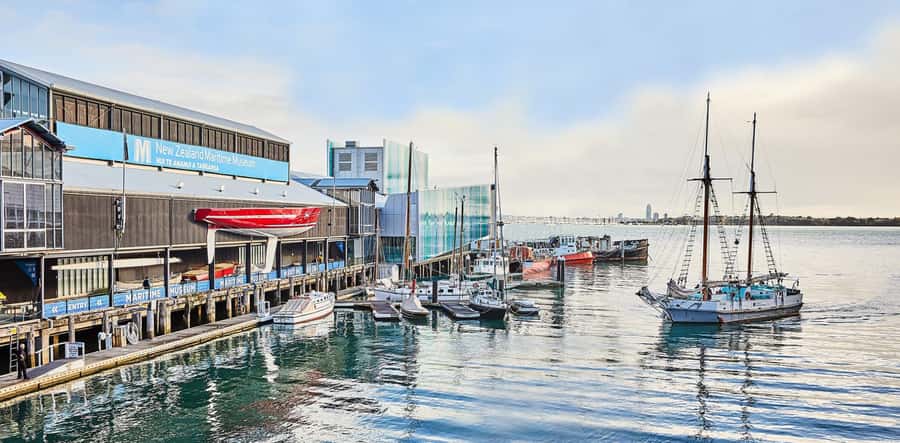
The museum is located at Auckland Viaduct Harbour, a practical spot for combining culture with a waterfront walk. You do not need to book a guided sightseeing excursion around it. You simply arrive, show your voucher at the ticket counter, and set your own pace.
More Museum Visits in Auckland
- Auckland War Memorial Museum Entry Ticket
★ 4.5 · 293 reviews - Explore gardens & galleries filled with incredible art, Matakana
★ 5.0 · 186 reviews - Skip the Line: Auckland Museum General Admission Ticket
★ 4.5 · 183 reviews
Start with Pacific migration and Maori traditions
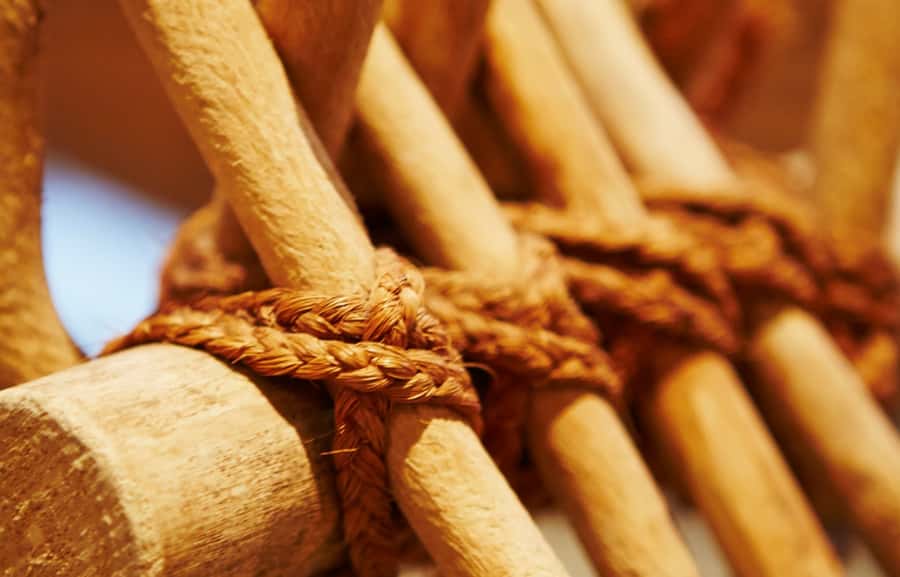
One of the most valuable parts of the visit is the attention given to Pacific migrations. New Zealand’s story cannot be understood through ships, ports, and Western trade alone. People crossed the Pacific long before modern commercial shipping, and the ocean was a route of discovery, settlement, and cultural connection.
The displays give you a chance to consider the skill and confidence required for those journeys. Even without treating the museum as a formal lecture, the subject adds depth to your understanding of New Zealand. The sea was not a barrier separating islands. It was a highway connecting them.
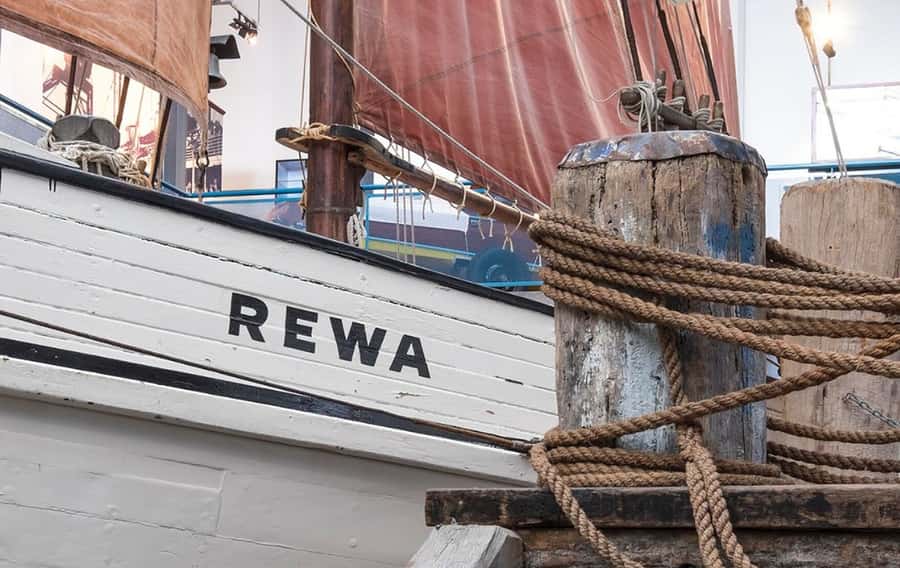
The museum also places Maori traditions alongside later Western shipping. That comparison is important. It helps you see different ways people used and understood the ocean, rather than reducing maritime history to a timeline of European vessels and trade.
I would give this section your full attention, especially if your knowledge of New Zealand begins with British settlement or modern Auckland. It provides a wider frame and helps the later displays make more sense.
Follow the sea into immigration, trade, and work
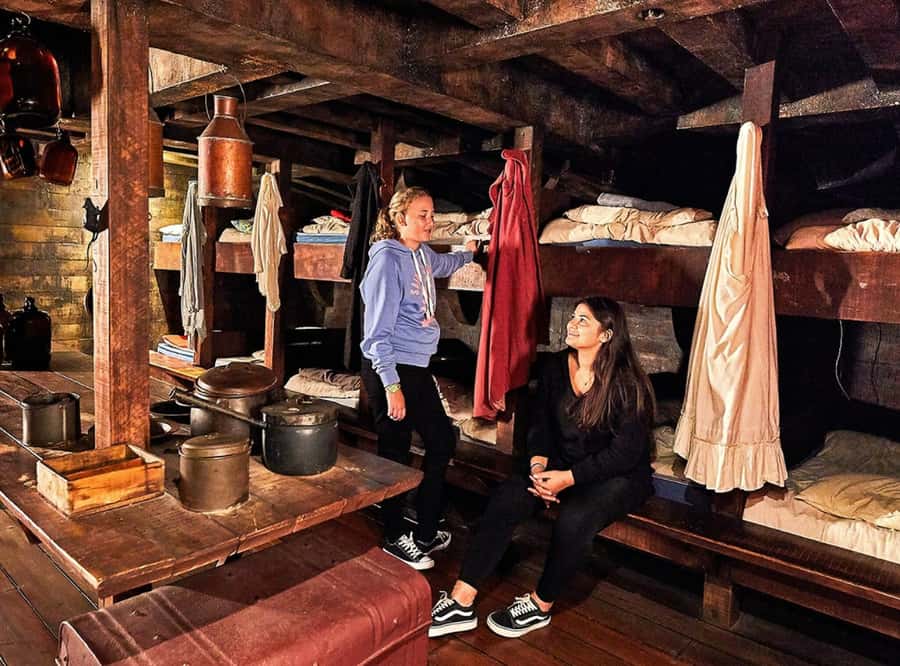
The museum also examines how the ocean affected immigration and trade. These themes bring the subject close to everyday life. Ships carried people seeking new homes, workers moving between places, and goods that connected New Zealand with other parts of the world.
Personal stories and artifacts help keep the material grounded. Instead of treating maritime history as a list of dates and ship types, the museum shows how ocean travel changed individual lives. That approach is useful if you prefer social history to technical displays.
Trade can sound dry on paper, but its effects are familiar. Food, tools, materials, and ideas all move through networks created by ships and ports. The museum gives you a way to connect those large systems with New Zealand’s development.
There is a practical lesson here for planning your visit. Do not rush through the displays simply because you are mainly interested in boats. The strongest material is often the connection between the boats and the people who depended on them.
See how innovation leads to America’s Cup design
The America’s Cup material provides a change of pace. After learning about migration, tradition, and trade, you reach a more modern story about design, competition, and engineering.
New Zealand’s relationship with sailing is not only historical. It also includes high-performance yacht design and international competition. The exhibits show how maritime knowledge can lead to technical innovation, and how sailing can become part of national identity and public life.
You do not need to be an America’s Cup expert to appreciate this section. The subject works because it turns abstract ideas about design into something visible and competitive. Yacht development involves decisions about shape, materials, speed, and control, all under demanding conditions.
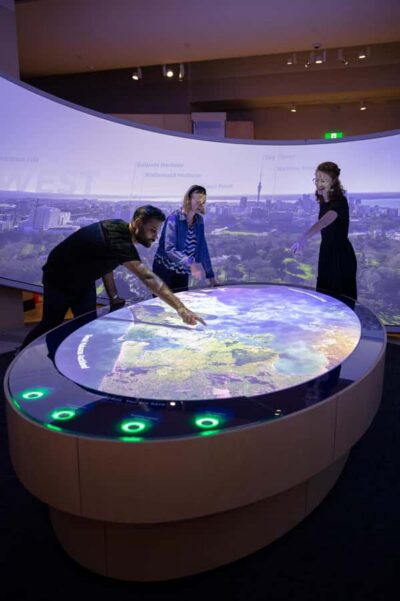
This is also one of the places where the museum’s design appeal matters. A beautifully arranged museum can make technical subjects easier to grasp. The experience does not rely only on reading labels. Hands-on displays and visual material help bring the ideas closer.
If you are visiting during a major sailing event, the location adds another layer. One recent visit coincided with the ITM New Zealand Sail Grand Prix, making the waterfront an exciting place to watch the race. You cannot count on an event being scheduled during your visit, but it is worth checking Auckland’s waterfront calendar before you go.
A completely different kind of day out in Auckland:
- Waiheke Island: Ferry & Hop-On Hop-Off Explorer Bus Tickets
★ 4.6 · 3,311 reviews - Hobbiton & Waitomo Caves Guided Day Trip from Auckland incl lunch
★ 5.0 · 2,677 reviews - From Auckland: Hobbiton & Waitomo Caves Day Trip with Lunch
★ 4.9 · 2,505 reviews - Auckland Dolphin and Whale Watching Eco-Safari Cruise
★ 4.5 · 1,790 reviews
Take time with the collection and special exhibitions
The museum holds one of New Zealand’s most important heritage collections. That does not mean every visitor must see every display in one sitting. In fact, the flexible entry works best when you choose the subjects that interest you most.
You might spend more time with migration and cultural history, then move quickly through material focused on trade. Or you might be drawn to design and modern sailing, while a child in your group prefers interactive displays. The museum allows for those different interests without forcing everyone through a fixed route.
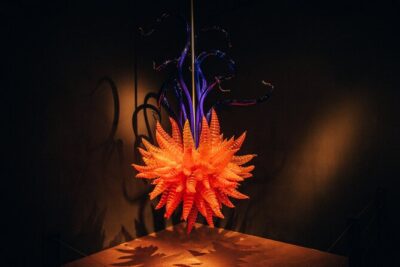
Special exhibitions can change the feel of the visit. They give returning visitors a reason to come back, although the supplied information does not specify which exhibitions will be showing on a particular date. If a temporary exhibition matters to you, check current details before booking.
The hands-on elements are useful for families, but adults should not assume the museum is only for children. The subject covers serious questions about identity, movement, technology, and the use of the sea. The interactive approach simply makes those subjects easier to approach.
A practical one to three hour visit
The museum is open from 10:00 AM to 5:00 PM, with last entry at 4:00 PM. It opens every day except December 25. I would arrive well before the final entry time, since arriving at 4:00 PM gives you too little room to enjoy the displays properly.
For a focused visit, allow about an hour. You can see the main themes, pause at the displays that catch your attention, and still continue with other Auckland plans.
For the best balance, plan on two hours. That gives you time for Pacific migration, Maori and Western maritime traditions, trade, personal stories, and America’s Cup design without making the museum feel like homework.
Three hours suits you if you read carefully, enjoy hands-on displays, or want to take your time with special exhibitions. It may be more than you need if museums are only a short part of your day.
Comfortable shoes are sensible because you will be standing and walking through exhibition areas. A camera is allowed according to the visit information, and a student card is worth bringing if you use it for identification or ticket-related needs. You should also carry a passport or ID card, as these are listed among the recommended items.
Getting there and handling the ticket
There is no hotel pickup or drop-off. You are responsible for reaching the New Zealand Maritime Museum at Auckland Viaduct Harbour.
At the entrance, show your voucher at the ticket counter. This is a straightforward arrangement, but remember that the ticket is not a transport pass or a meal package. Food and drinks are not included, so plan those separately around your museum visit.
The location is one of the ticket’s quiet advantages. After your visit, you can remain in the Viaduct Harbour area rather than losing time crossing the city for your next activity. If a sailing race or similar event is happening, the waterfront can become part of the day’s entertainment.
The listed host or greeter language is English. The museum is wheelchair accessible, which makes it a practical option for many visitors. Children must remain with a supervising adult at all times, and unaccompanied minors are not allowed.
Is $14 good value?
At $14 per person, the ticket is reasonably priced for a major museum visit in central Auckland. The value depends on how much time you give it. A rushed 30-minute stop will make the price feel less attractive, while a thoughtful one to three hour visit gives you a fair amount of content for the money.
I especially like that you are paying for entry rather than a packaged excursion with extras you may not want. You do not get transport, food, or a guide, but you also keep control of your schedule.
The strongest value comes from the range of subjects. You are not paying to see one narrow collection. The visit covers Pacific movement, Maori traditions, Western shipping, immigration, trade, innovation, leisure, and yacht design.
It is also a good rainy-day choice. The museum provides a structured indoor activity near the water, and its content gives you more than a quick shelter from bad weather. On a sunny day, the harbour setting helps justify pairing the museum with outdoor time.
Who will enjoy it most?
I would recommend the museum to first-time Auckland visitors who want context for the country’s connection with the ocean. It is also a good match for families because the displays include hands-on elements and accessible stories.
History fans will find the combination of Pacific and Western perspectives worthwhile. Design enthusiasts should pay special attention to the America’s Cup material and the way modern yacht development fits into the broader story.
The museum can also suit visitors with limited time. Since one to three hours is enough, you can fit it between other Auckland plans. Its central waterfront setting makes that easier.
You might skip it if you have little interest in museums, shipping, migration, or design. You may also find it too short for a full day if you want one large attraction to occupy your entire schedule. In that case, treat it as one part of a Viaduct Harbour outing rather than the day’s only activity.
Booking flexibility and final practical advice
The booking terms are useful if your schedule may change. You can cancel up to 24 hours in advance for a full refund, and the reserve-now, pay-later option lets you keep your plans flexible without paying immediately.
Check the museum’s opening hours before setting out, especially around December 25 when it is closed. Aim to arrive by mid-afternoon at the latest, and earlier if you want to spend two or three hours inside.
The museum is best approached with a little curiosity. Do not look only for famous boats or racing technology. Pay attention to how the displays connect ocean travel with migration, culture, work, trade, and national identity.
Should you book Auckland’s Maritime Museum?
Book it if you want an affordable, well-located museum that explains New Zealand through its relationship with the sea. The $14 price is fair, the visit fits neatly into a city itinerary, and the blend of Maori traditions, Pacific migrations, Western shipping, personal stories, and America’s Cup design gives you plenty of variety.
I would be especially keen to visit when a sailing event is taking place at Viaduct Harbour. You cannot schedule that as part of the ticket, but the possibility makes the location even more appealing.
Skip it only if you want a full-day attraction or have no interest in maritime subjects. For most visitors, two hours here offers a useful pause from Auckland’s streets and a clearer understanding of how the ocean shaped the country.
FAQ
Where is the New Zealand Maritime Museum located?
It is at Auckland Viaduct Harbour. You must arrive at the museum and show your voucher at the ticket counter.
How much does admission cost?
The listed price is $14 per person. Entry to the Maritime Museum is included.
How long should I allow for the visit?
One to three hours is recommended. You can make a shorter focused visit or take up to three hours with the exhibitions and hands-on displays.
What are the museum’s opening hours?
The museum is open from 10:00 AM to 5:00 PM, with last entry at 4:00 PM. It is open every day except December 25.
Is the museum wheelchair accessible?
Yes, the museum is wheelchair accessible.
Are children allowed to visit alone?
No. All children must be accompanied by a supervising adult at all times, and unaccompanied minors are not allowed.
Can I cancel my booking?
Yes. You can cancel up to 24 hours in advance for a full refund. A reserve-now, pay-later option is also available.
Just added around Auckland
- Auckland Museum and Highlight Sightseeing Tour★ 5.0 · 5 reviews
- 7 – Day North to South Island Grand Tour – Auckland to Queenstown★ 5.0 · 5 reviews
- Kumeu Winery Boutique Tour with Gourmet Lunch from Auckland★ 4.0 · 5 reviews
- Private 2 Hour Surf Lesson★ 5.0 · 5 reviews
- Private 3 Days Tour From Auckland: Hobbiton, Hamilton, Rotorua & Waitomo Caves★ 5.0 · 5 reviews
- Auckland City Hotel to Cruise Ship Transfer by SUV★ 4.0 · 5 reviews
- Auckland Highlights Full Day Guided Tour★ 4.5 · 5 reviews
- Private Tour – Waiheke Island Luxury Experience★ 5.0 · 5 reviews
Museums, compared.
Explore gardens & galleries filled with incredible art, Matakana
Read our review →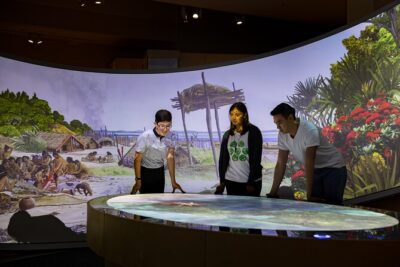
Skip the Line: Auckland Museum General Admission Ticket
Read our review →

Museum of NZ Te Papa Tongarewa: Gallipoli Exhibition Guided Tour
Read our review →
Museum of New Zealand Te Papa Tongarewa: Introducing Te Papa Tour
Read our review →
Māori Cultural Experience & Auckland Museum General Admission
Read our review →
Skip the Line:WWI & WWII Combo Exhibitions at the Omaka Aviation Heritage Centre
Read our review →Browse the lists this tour appears in