
Reviewed · MAORI CULTURAL EXPERIENCES
Dark Sky Indoor Maori Cultural Astronomy Experience
The stars do not need to wait for night. At Lake Tekapo’s Dark Sky Experience, you explore Māori astronomy, Western science, navigation, and star lore indoors, making this a useful stop when clouds or rain spoil outdoor plans. I especially like the clear cultural focus and the family-friendly hands-on format. The one drawback is that the experience lasts only about 45 minutes, so serious astronomy fans may want more time.
I also like that you can learn about the Southern Sky during daylight, without betting your visit on clear weather. The presentation brings together science and folklore in a way that is easy to follow, though the experience is guided, so you will need to keep to the group’s pace rather than explore every topic at length.
In This Review
- Key points to know before booking
- Inside Lake Tekapo’s daytime astronomy experience
- Four zones that connect stars with daily life
- Māori astronomy and Western science together
- The restored Brashear Telescope
- Why this works well for families
- The value of the $37.56 ticket
- Timing, location, and the practical details
- Who should book this experience?
- Should you book the Dark Sky Experience?
- FAQ
- Where does the Dark Sky Experience take place?
- How long does the experience last?
- Can I visit during the day?
- Is the experience suitable for children?
- What does the tour teach?
- Will I see a real telescope?
- How many people can join the activity?
- Is food included?
- Can I cancel for a refund?
Key points to know before booking
- Māori astronomy leads the story: Learn how stars, ocean currents, and constellations helped guide navigation and shape daily life.
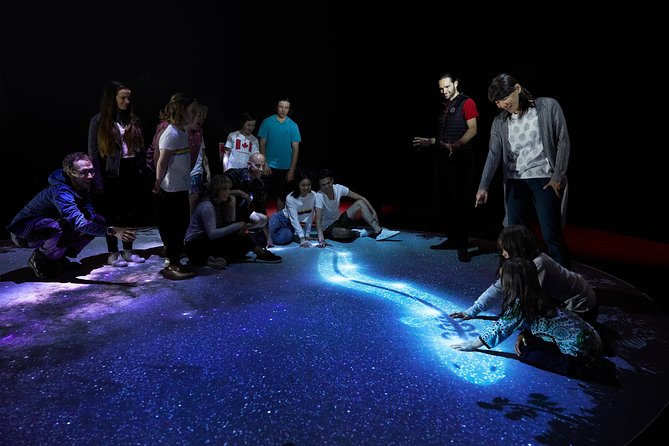
- Four interactive zones: The indoor route covers star clusters, mythology, navigation, agriculture, and scientific ideas about how living beings came to be.
- A reliable rainy-day plan: This attraction operates year-round and does not depend on clouds clearing after sunset.
- A restored 125-year-old telescope: See the nine-meter-tall Brashear Telescope as part of the visit.
- Small group format: The maximum group size is 26 people, which helps keep the guided presentation personal.
- Good value for families: At $37.56 per person, the ticket buys an educational activity for all ages rather than a short viewing session.
Inside Lake Tekapo’s daytime astronomy experience
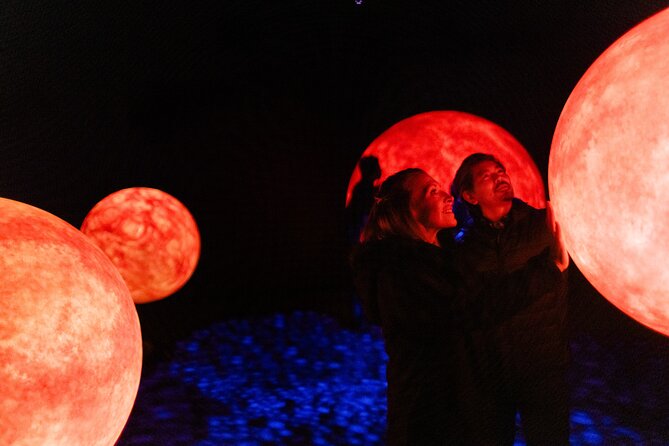
Lake Tekapo is famous for its night skies, but a visit to the Dark Sky Experience does not require darkness. That is the main appeal. You can schedule it in the daytime, then save your evening for dinner, a walk, or a second attempt at stargazing if the weather improves.
The experience takes place at 1 Motuariki Lane, in the heart of the Aoraki Mackenzie International Dark Sky Reserve. You receive a mobile ticket, and the activity begins and ends at the same location. The attraction is especially useful for families because it gives children something active to do, rather than asking them to stand still and listen to a long astronomy lecture.
The guided portion runs for about 45 minutes, while the overall visit is listed at approximately one hour. That is enough time for a focused introduction, but not so long that younger children are likely to lose patience. I would treat it as a compact cultural and science experience, not as a full museum visit.
More Lake Tekapo stargazing:
- Lake Tekapo: Alpine Stargazing Experience with a Guide
★ 4.5 · 626 reviews - Lake Tekapo: Stargazing Experience
★ 4.9 · 607 reviews - Chameleon Stargazing Shared Tour
★ 5.0 · 181 reviews
Four zones that connect stars with daily life
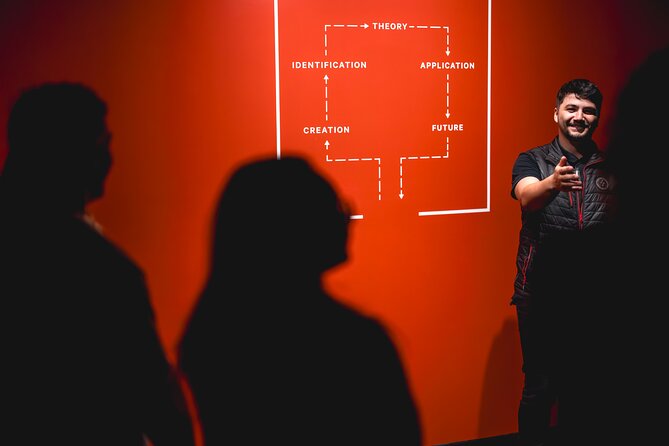
The heart of the visit is a guided route through four interactive zones. Each area looks at the sky from a slightly different angle, bringing together Māori tradition and Western scientific discovery.
The first major idea is that the night sky was not simply something to admire. For Māori communities, stars and constellations had practical importance. They helped with navigation, agriculture, and understanding the passage of time. The guide explains these links in a way that gives the sky a human purpose.
Navigation is one of the strongest parts of the subject. The experience explains how Māori used constellations and ocean currents to travel across the Pacific. That pairing matters. The stars offered direction above, while currents gave clues below. Together, they formed a working system for long-distance travel.
You also learn about the meaning of star clusters and the stories connected with them. The mythology is not presented as a separate decorative layer. It sits alongside science, showing how a culture can use observation, memory, storytelling, and practical experience to make sense of the universe.
That blend is one of the attraction’s best features. Several visitors found the mix of European and Māori ideas particularly effective, and I can see why. You are not asked to choose between scientific discovery and cultural tradition. Instead, you see how both can help explain the same sky.
Māori astronomy and Western science together
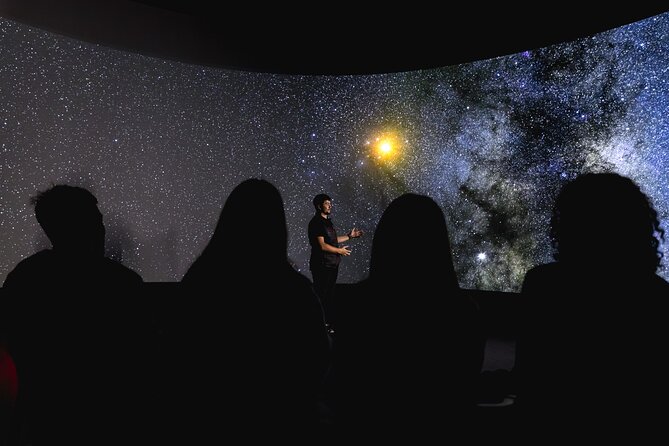
The presentation also looks at the scientific story of how living beings came to be. This gives the visit a wider scope than a basic constellation talk. You are not only learning names for stars. You are considering time, origins, and the place of life within the universe.
The science is designed for a general audience. A guide described as enthusiastic and easy to understand received especially strong praise, and the experience works best when the presenter brings energy to the material. One guide called To was remembered for being interactive, approachable, and willing to explain the subject in a relaxed way.
That human element matters. Astronomy can become dry when it is reduced to dates, distances, and technical terms. Here, the guide’s delivery helps tie the facts to stories and real human choices. The strongest sessions appear to balance clear explanations with cultural stories that give the subject emotional weight.
Still, expectations matter. This is not a full astronomy course, and the guided format means the amount of detail depends partly on the presenter and the pace of the group. If you already know a great deal about Māori astronomy or Southern Hemisphere science, you may find some material introductory.
The restored Brashear Telescope
The visit includes a view of a restored Brashear Telescope, a 125-year-old Victorian-era instrument that rises nine meters. That is a striking physical feature, especially after the smaller screens and interactive areas.
The telescope helps connect modern astronomy with earlier efforts to study the heavens. It is not just another object in a display. Its age and size give the attraction a sense of continuity, from older optical instruments to present-day scientific research.
The information supplied does not promise that you will look through the telescope or use it for an evening observation. You should think of it as an important part of the indoor experience, not a substitute for a live telescope session. That distinction is useful if you are booking because you hope to see planets or distant galaxies through an eyepiece.
More Maori cultural experiences:
- Lake Tekapo: Indoor Māori Cultural Astronomy Experience
★ 4.5 · 43 reviews - Mitai Maori Village: Cultural Experience and Dinner Buffet
★ 4.7 · 3,575 reviews - Cultural Experience & Seasonal Māori Cuisine at Te Pā Tū
★ 5.0 · 1,546 reviews - Mitai Maori Village Cultural Experience in Rotorua
★ 4.5 · 1,294 reviews
Why this works well for families
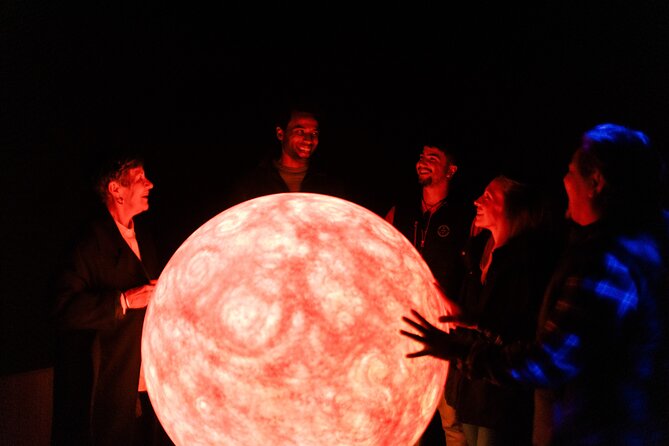
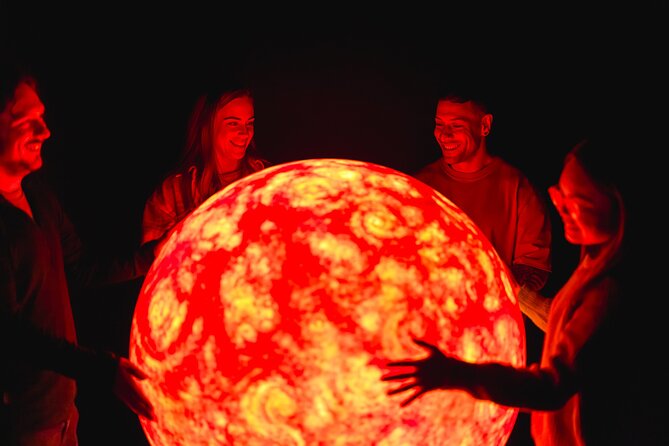
Children have several ways to engage with the subject. The four zones use multimedia material and hands-on activities, so the visit is not based entirely on listening. That helps when your family includes different ages or mixed levels of interest.
The themes are also broad enough to hold attention. One child might respond to the mythology and star stories, while another prefers navigation, ocean currents, or the mechanics of scientific discovery. Adults can focus on the Māori understanding of the universe and the way it relates to agriculture and community life.
The indoor setting is another practical advantage. A wet or cloudy day in Lake Tekapo can limit outdoor plans, especially if you hoped to join a night-sky activity. This experience gives you a reliable alternative that still connects with the region’s best-known natural attraction.
Several comments praised the presentation for keeping people engaged, and that seems to be the key family test. It is educational, but it is not built like a school lesson. The short duration also helps. You get a worthwhile activity without giving up half a day.
For very young children, the guided timing may still feel a little structured. Since the tour has a maximum of 26 people, the group should remain manageable, but you are still following a set route. Families who prefer free play or a slow museum visit may find the format less flexible.
The value of the $37.56 ticket

At $37.56 per person, this is not the cheapest quick stop in Lake Tekapo. The value depends on what you want from it.
If you are looking only for a view of the stars, the price may seem high, particularly because the experience takes place during the day and does not promise live observing. But that is the wrong comparison. You are paying for a guided cultural and science presentation, four interactive zones, a year-round indoor setting, and access to the telescope display.
The ticket becomes easier to justify for families. A shared activity that works in bad weather can save an afternoon that might otherwise be lost. It also gives children context before a later night-sky outing, helping them understand what they are seeing rather than simply pointing at bright objects.
The attraction has a rating of 4.3 from 70 ratings, with especially strong praise for the guides, presentation, cultural stories, and clear blend of Māori and Western ideas. The lower-than-perfect overall score is a useful reminder that not every visitor will want a short, guided indoor attraction. Astronomy specialists may want more technical detail, while some people may prefer an outdoor night experience.
Timing, location, and the practical details
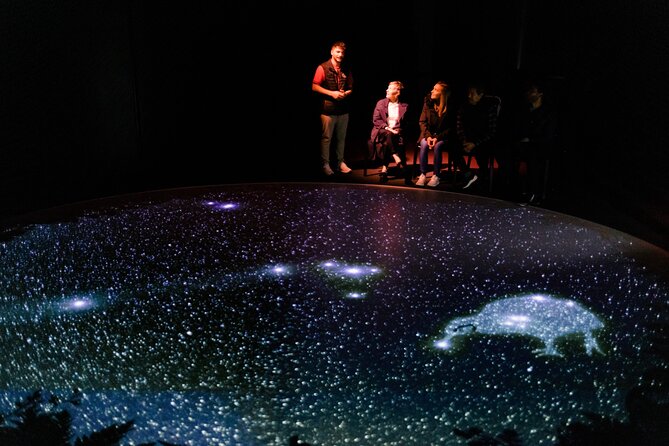
The meeting point is 1 Motuariki Lane, Lake Tekapo 7999, New Zealand. The experience returns to that same point, so there is no separate drop-off location to arrange.
The mobile ticket keeps entry simple. Confirmation is provided when you book, and advance booking is sensible if you have a fixed family schedule or only one day in Lake Tekapo. The attraction had more than 10 bookings in the previous month, which suggests steady interest without indicating that every session sells out.
The group maximum is 26 people. That is large enough to create a lively presentation but small enough for a guide to speak directly to the room. The quality of the experience will still depend on the guide’s style, but the group limit is reassuring.
Service animals are allowed, the attraction is near public transportation, and most people can participate. Snacks, coffee, and tea are not included, so plan those separately. There is no need to build a meal break into the visit, since the activity itself is short.
Free cancellation is available if you cancel at least 24 hours before the start time. Changes or cancellations inside that window are not accepted for a refund. The activity also requires a minimum number of participants, and if that minimum is not met, you are offered another date or experience, or a full refund.
Who should book this experience?
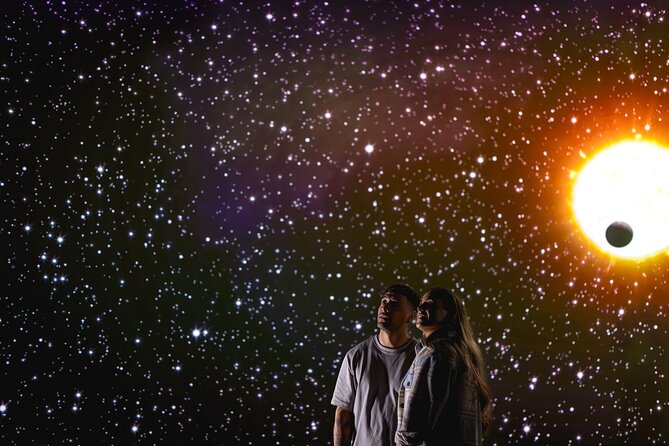
I would recommend it most strongly to families, first-time visitors to Lake Tekapo, and anyone dealing with poor weather. It gives you a useful introduction to Māori astronomy without requiring a late night, a clear forecast, or specialist knowledge.
It is also a good choice if you want cultural context. The most valuable part is not simply learning what appears in the Southern Sky. You learn why the sky mattered for navigation, agriculture, storytelling, and everyday life.
You should think twice if you want a long technical astronomy session or guaranteed telescope viewing. The visit is short, guided, and aimed at a broad audience. It offers an accessible starting point rather than an advanced study of the universe.
Should you book the Dark Sky Experience?
Book it if you want a compact, indoor activity that links Māori culture with astronomy and works in any season. The enthusiastic guides, interactive zones, clear storytelling, and impressive Brashear Telescope make the $37.56 price reasonable, especially for families.
I would schedule it during the day, ideally when clouds threaten your outdoor plans. Then, if the sky clears later, you can use what you learned to make more sense of the stars above Lake Tekapo. If your main goal is live telescope viewing or a long technical session, choose a different astronomy activity instead.
FAQ
Where does the Dark Sky Experience take place?
It takes place at 1 Motuariki Lane, Lake Tekapo 7999, New Zealand.
How long does the experience last?
The activity lasts approximately one hour, with a 45-minute guided tour through four zones.
Can I visit during the day?
Yes. The indoor experience is designed to reveal the night sky during daylight hours, so you do not need to wait until after dark.
Is the experience suitable for children?
Yes. It is designed for all ages and includes multimedia exhibits and hands-on activities, making it suitable for families.
What does the tour teach?
It covers Māori astronomy, Western scientific discovery, navigation, ocean currents, agriculture, star clusters, mythology, and the scientific story of how living beings came to be.
Will I see a real telescope?
You will view the restored 125-year-old Brashear Telescope, which is nine meters tall. The provided information does not state that you will look through it during the visit.
How many people can join the activity?
The maximum group size is 26 people.
Is food included?
No. Snacks, coffee, and tea are not included.
Can I cancel for a refund?
Yes, if you cancel at least 24 hours before the experience start time. Cancellations or changes made less than 24 hours in advance are not refunded or accepted.
Just added around Lake Tekapo
- Lake Tekapo to Mt Cook One-Way Small Group Tour★ 4.0 · 5 reviews
- Lake Tekapo Fishing Tour★ 4.8 · 10 reviews
- Mt Cook Day Tour From Tekapo (Small Group, Carbon Neutral)★ 4.5 · 11 reviews
- Lake Tekapo: Ultimate Stargazing Experience★ 4.3 · 12 reviews
- Lake Tekapo Scenic 4WD Cass Valley Wilderness Tour★ 4.9 · 13 reviews
- Lake Tekapo: Glaciers, Mountains, and Landscapes Scenic Tour★ 4.9 · 15 reviews
- Christchurch: Mt Cook & Tekapo Small-Group Tour (incl Lunch)★ 4.6 · 19 reviews
- Lake Tekapo Scenic Wilderness Cass Valley Tour★ 4.5 · 19 reviews
Maori Cultural Experiences, compared.
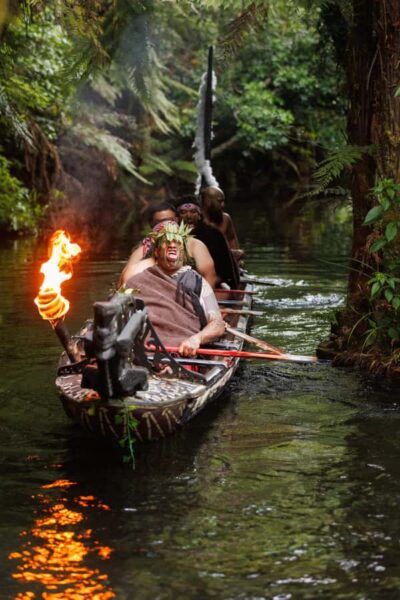
Mitai Maori Village: Cultural Experience and Dinner Buffet
Read our review →
Cultural Experience & Seasonal Māori Cuisine at Te Pā Tū
Read our review →
Mitai Maori Village Cultural Experience in Rotorua
Read our review →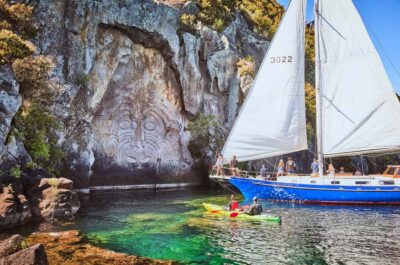
Lake Taupo: Classical Sailing to the Māori Rock Carvings
Read our review →
Te Pa Tu Māori Cultural Experience with Dinner
Read our review →
Lake Taupō Māori Rock Carvings Scenic Cruise aboard Ernest Kemp
Read our review →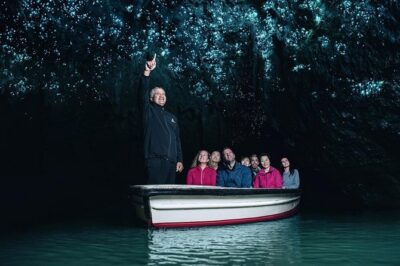
Waitomo Caves & Rotorua – Te Puia Small-Group Tour from Auckland
Read our review →
Lake Taupo: Maori Rock Carvings 10.30 AM 1.5-Hour Cruise
Read our review →Browse the lists this tour appears in