
Reviewed · LAKE TEKAPO STARGAZING
Chameleon Stargazing Shared Tour
Lake Tekapo gets wonderfully dark. That makes this 90-minute Chameleon Stargazing tour a fine way to see stars, constellations, planets, and deep-sky objects through a powerful telescope without needing to know where to look. I like the friendly small-group setting, capped at 14 people, and the thoughtful comforts: reclining seats, blankets, hot chocolate, tea or coffee, and marshmallows toasted over a fire bowl.
I also like that the guides make the sky feel personal, mixing astronomy with stories about the stars and Māori significance. Guides including George, Guthrie, Estella, and Mok have been praised for their enthusiasm and clear answers. The main drawback is simple: weather controls the show. Clouds, a bright moon, or poor conditions can reduce the view or cancel the session, so you should keep your schedule flexible and dress for a cold night.
In This Review
- Key points to know before booking
- Why Lake Tekapo is such a good place for stargazing
- What happens during the 90-minute evening
- Starting with the naked-eye sky
- The telescope brings Saturn and nebulae closer
- Reclining seats, blankets, and hot chocolate
- Marshmallows by the fire bowl
- The complimentary photo under the stars
- How much value do you get for $74.47?
- Weather, moon phases, and the risk of cancellation
- Who will enjoy this Chameleon Stargazing tour?
- Booking advice and final verdict
- FAQ
- Where does the Chameleon Stargazing tour start and finish?
- How long does the tour last?
- Is transport from my accommodation included?
- What is included in the tour?
- Can the tour be canceled because of weather?
- What happens if I book a tour after midnight?
Key points to know before booking
- A maximum of 14 people keeps the telescope experience fairly personal and gives you a good chance to ask questions.
- The telescope is a major part of the evening, with past sessions showing objects such as Saturn, nebulae, and other distant sky wonders.
- Comfort is taken seriously, with reclining seats, thick blankets, and a warm drink during the session.
- The fire bowl and marshmallows give the tour a relaxed finish rather than ending with a cold walk back to town.
- A complimentary night-sky photo is taken during the experience and sent to you afterward.
- Moon phase and cloud cover matter, so a new-moon date can offer darker conditions for seeing the Milky Way, while clear weather remains the first priority.
Why Lake Tekapo is such a good place for stargazing
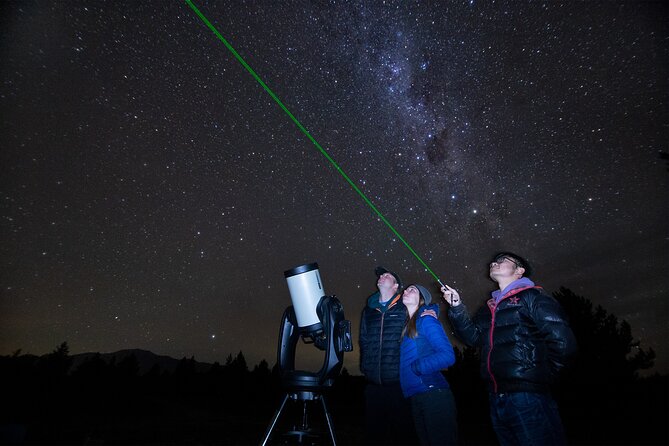
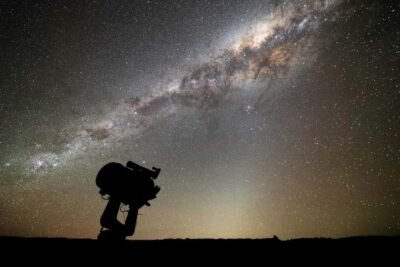
Lake Tekapo is known for its dark night sky, and the setting gives this activity a natural advantage. Away from the bright lights of a large city, you can see far more stars with the naked eye. On a clear night, the Milky Way, Southern Cross, and major constellations can become the stars of the evening before the telescope even comes out.
That difference matters if you live in a city. In an urban sky, many stars disappear behind light pollution. At Tekapo, the guide can use a laser pointer to show you patterns overhead and explain how people have understood those patterns over time.
I like this approach because it gives the telescope viewing some context. You are not simply waiting in line to look through an eyepiece. You first learn what is above you, then take a closer look at selected objects.
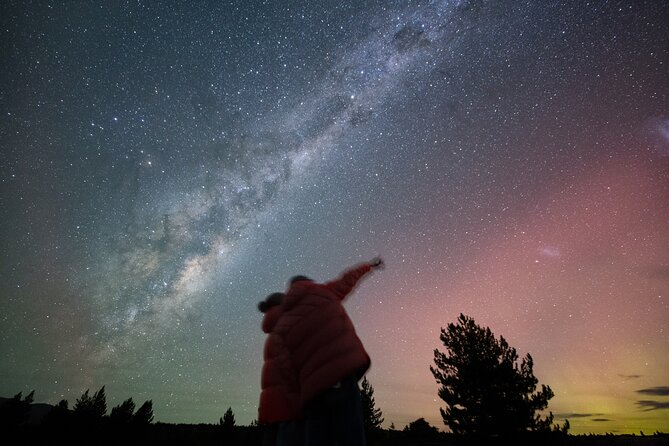
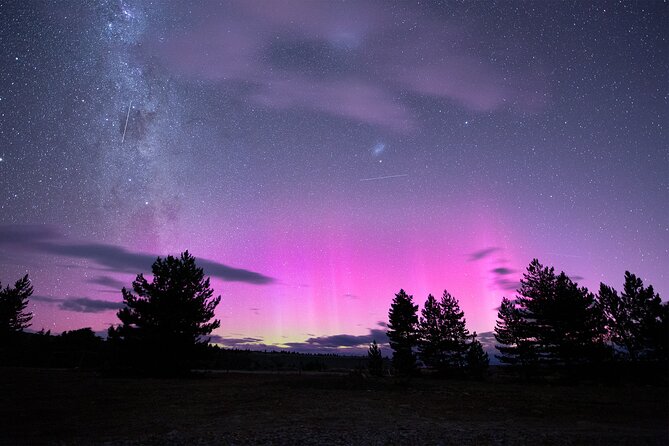
The sky also changes from night to night. The visible constellations shift with the natural rotation of the sky, while the moon phase changes the amount of darkness. Aurora activity may add another surprise. A clear evening can bring an especially memorable show, but no responsible operator can promise a specific constellation, planet, or aurora.
More Lake Tekapo stargazing:
- Lake Tekapo: Alpine Stargazing Experience with a Guide
★ 4.5 · 626 reviews - Lake Tekapo: Stargazing Experience
★ 4.9 · 607 reviews - Lake Tekapo: Mountaintop Stargazing at Mount John Summit
★ 4.5 · 176 reviews
What happens during the 90-minute evening
The entire activity takes place at Lake Tekapo, beginning and ending at 70 Andrew Don Drive, Lake Tekapo 7999. There is no shuttle to or from your accommodation, so you need to make your own way to the meeting point.
The session is designed as a shared experience rather than a private astronomy lesson. With no more than 14 people, the group is small enough for interaction while still keeping the price at a fairly accessible level.
The exact order can vary with the clouds and the objects visible that night. The basic flow begins with guided naked-eye stargazing, continues with telescope viewing and astronomy stories, and finishes around the fire with a warm drink and marshmallows.
That flexibility is useful. When clouds began moving in during one session, the guides shortened and adjusted the viewing to make the most of the clear gaps. On another evening, a forecast looked poor at first, but the clouds cleared and the group saw the Milky Way and Southern Cross.
Starting with the naked-eye sky
Your first task is simply to look up. The guide points out stars and constellations and explains what you are seeing. This is the part that can be easiest to overlook, but it may be the most useful if you want to keep stargazing after the tour.
The explanations include astronomy facts, stories connected with the stars, and Māori significance. That mix keeps the talk from becoming a dry list of distances and technical terms. It also gives the southern sky a stronger sense of place.
Guides such as Guthrie have been praised for making the constellations easy to follow, while Estella was singled out for clear explanations of stars, galaxies, and the dark sky. George has also received warm praise for making the evening lively and answering questions with ease.
You do not need a science background. The guides are there to explain the basics and respond to questions as they arise. If you are curious about planets, constellations, or the wider universe, this is the time to ask.
The telescope brings Saturn and nebulae closer
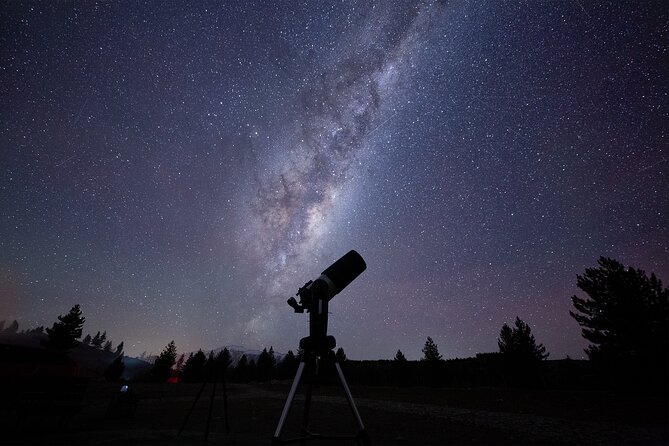
The telescope is the main reason to book this rather than simply stepping outside your accommodation. The equipment lets you look more closely at objects that would remain points of light to the naked eye.
Past sessions have included views of Saturn, nebulae, and other deep-sky objects. One particularly strong evening included several telescope targets, while another gave the group close-up views even though clouds and a bright moon limited the overall darkness.
This is also where expectations matter. The photos used to promote the activity are examples, not guarantees of what you will see. The real view depends on cloud cover, moonlight, the season, and what is visible at that time of night.
A telescope does not remove the weather from the equation. Clouds may block the target entirely, and a full moon can wash out fainter parts of the sky. Still, even a moonlit session can offer planets and some brighter objects, along with a useful lesson in how different sky conditions affect what you see.
The telescope images are another nice touch. Photographs of the night sky taken during the session are sent to your email a few hours afterward, giving you a keepsake that is more useful than trying to photograph through the eyepiece with your own phone.
A few more Lake Tekapo trips worth weighing up
- Tekapo Shuttle: Mt Cook Day Tour via Pukaki & Tasman Lake
★ 4.8 · 307 reviews - Mount John Observatory Stargazing Experience, Tekapo
★ 4.5 · 160 reviews - Lake Tekapo: Single Day Multiple Entry Pass for Hot Pools
★ 4.2 · 129 reviews - Tekapo Star Gazing Tour – Soak in the Stars
★ 4.5 · 109 reviews
Reclining seats, blankets, and hot chocolate
Stargazing means spending a long time looking upward, often while standing still in cold air. Chameleon Stargazing addresses that practical problem with comfortable reclining seats and soft blankets.
The reclining design is especially helpful because you can lean back rather than crane your neck. Several people have found the seating comfortable, and the blankets make a real difference on winter evenings.
Still, do not treat the blankets as a substitute for warm clothing. Lake Tekapo nights can be chilly, and some sessions have taken place in wintry conditions. Wear plenty of layers and expect the temperature to affect your comfort.
A hot drink is served during the experience. The choices listed are coffee, tea, and hot chocolate, with hot chocolate receiving particular praise. It is a small feature, but it changes the feel of the evening. You are not just waiting in the cold for your turn at the telescope.
The timing of the drink also breaks up the viewing. After concentrating on the sky and listening to the guide, holding something warm gives you a chance to settle in before the final fire-side portion.
Marshmallows by the fire bowl
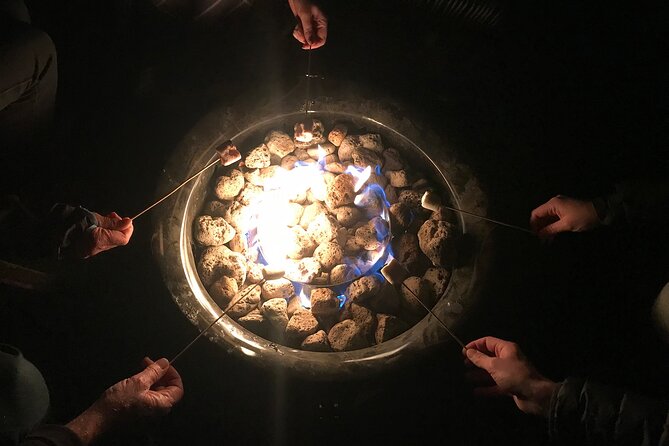
The evening finishes with marshmallow roasting around a fire bowl. This may sound like a simple extra, but it gives the tour a friendly ending and suits the relaxed pace of the experience.
The fire provides warmth after time outside, while the marshmallows add an easy social moment for the group. You can continue chatting about what you saw rather than ending abruptly after the telescope viewing.
One person admitted to booking mainly for the roasted marshmallows and finding the astronomy far more rewarding than expected. That is a good description of the tour’s balance: it has enough comfort and fun for casual visitors, but enough substance for people who genuinely want to learn about the sky.
The fire also helps on an imperfect night. If passing clouds prevent a full session of telescope viewing, the astronomy talk, warm drink, and marshmallow stop still give the evening some shape. It cannot replace a clear sky, but it makes the experience less dependent on perfect conditions.
The complimentary photo under the stars
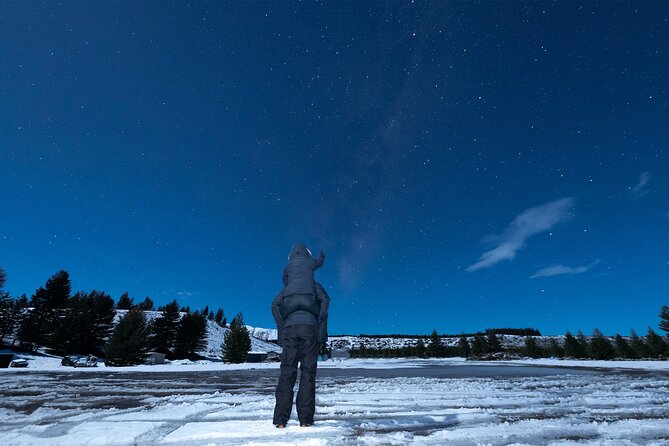
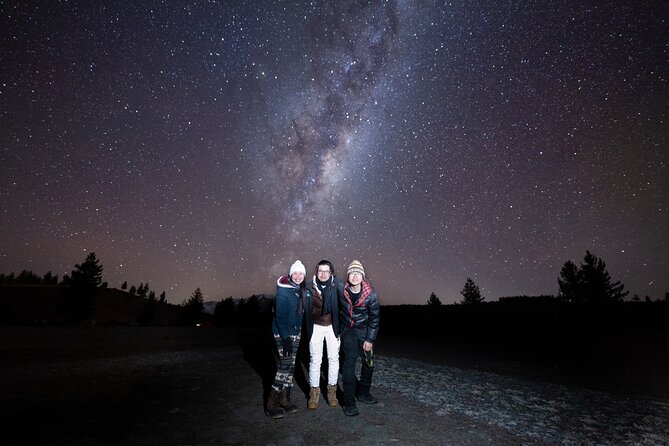
The tour includes a photograph of you beneath the night sky. The guides take the image during the session and send it to your email a few hours later.
This is separate from the telescope images. The personal photo gives you a record of being at the site, while the telescope photos show what the equipment captured overhead.
Do not expect the exact same dramatic sky shown in promotional images. The operator clearly notes that the night sky changes every evening, and your photo will reflect the actual conditions during your session. That is still part of the value: you receive a personal memory without having to bring specialist camera equipment.
If photography matters to you, remember that cloud and moonlight affect the result. The best images depend on the conditions that nature provides that night.
How much value do you get for $74.47?
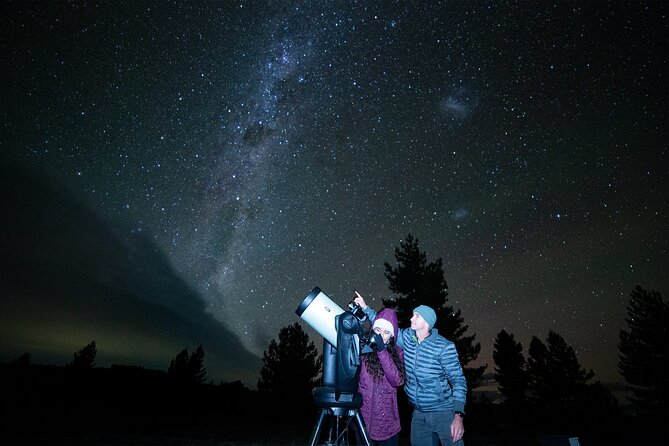
At $74.47 per person, this is not the cheapest way to spend an evening in Tekapo. You are paying for a guide, telescope access, the small-group format, warm refreshments, marshmallows, the photo service, and the convenience of having the sky explained to you.
I think the price is fair if you want more than a quick look at the stars. The telescope is the key value. You could step outside on your own for free, but you would not necessarily know what to look for, which objects are visible, or how to make sense of the southern sky.
The group limit also matters. Fourteen people is not an entirely private experience, but it is small enough to avoid the feel of a large coach tour. You have a better chance of hearing the guide clearly and asking questions.
The value drops if you are only interested in photographing the Milky Way with your own camera, or if you expect a guaranteed aurora. This is a guided astronomy experience, not a dedicated photography workshop or aurora hunt.
Weather, moon phases, and the risk of cancellation
You should check your email for weather updates. The company may cancel if conditions are poor, and the stated options are a different date or a full refund.
That policy is important because stargazing tours cannot control their central attraction. A cancellation can be disappointing, especially when your stay in Tekapo is short, but a full refund is a reasonable response when clouds prevent the telescope session from working properly.
One session was stopped after about half an hour when conditions changed, followed by a full refund. In other cases, the guides continued during brief clear periods and adjusted the timing to fit the gaps.
When choosing your date, remember the moon. A new-moon period is likely to offer darker conditions for seeing the Milky Way, while a bright moon can make faint objects harder to see. A full moon does not make the tour useless, since some planets and brighter objects may remain visible, but it changes the kind of night you will have.
Also watch the date carefully if you book a session after midnight. A tour at 12:30 a.m. on January 1 takes place during the night of December 31 to January 1, so you need to be in Lake Tekapo on December 31.
Who will enjoy this Chameleon Stargazing tour?
I would recommend it most strongly to:
- Couples looking for a calm evening activity
- Families who want astronomy presented in a friendly way
- Visitors from cities who rarely see a truly dark sky
- Curious beginners who want help identifying stars and constellations
- People who like small groups and question-friendly guides
- Anyone who wants a gentle, memorable activity rather than a late-night party
The mix of stories, telescope viewing, warm drinks, and fire-side marshmallows also makes it suitable for a birthday or special evening.
You should think twice if you dislike cold weather, have no flexibility for a possible cancellation, or want guaranteed views of a particular object. The guides can make the best of changing conditions, but they cannot clear the clouds.
Most people can take part, and service animals are allowed. The activity uses reclining seats and blankets, but the supplied information does not give detailed mobility guidance, so you should contact the operator if you have specific access needs.
Booking advice and final verdict
Book this tour if you want the night sky explained rather than simply admired. The guides bring energy and warmth to the subject, and the experience has enough variety to keep you engaged: naked-eye viewing, telescope targets, stories, photographs, hot chocolate, and marshmallows.
I especially like the combination of serious astronomy and simple comforts. George, Guthrie, Estella, Mok, and the wider guide team have been praised for making the science approachable without losing the wonder. That is exactly what a good stargazing session should do.
My main advice is to choose a night with favorable weather if you can, check the moon phase, wear warm layers, and keep your plans flexible. If you accept that nature has the final say, Chameleon Stargazing offers very good value at $74.47 and a memorable way to meet Lake Tekapo after dark.
FAQ
Where does the Chameleon Stargazing tour start and finish?
The tour starts at 70 Andrew Don Drive, Lake Tekapo 7999, New Zealand, and returns to the same meeting point.
How long does the tour last?
The experience lasts approximately 1 hour and 30 minutes.
Is transport from my accommodation included?
No. Shuttle service to and from your accommodation is not included, so you need to arrange your own transport to the meeting point.
What is included in the tour?
The tour includes telescope use, marshmallows, coffee or tea, hot chocolate, and all fees and taxes. It also includes photographs taken during the experience.
Can the tour be canceled because of weather?
Yes. The experience requires good weather. If poor conditions cause a cancellation, you will be offered another date or a full refund.
What happens if I book a tour after midnight?
Check the date carefully. A session beginning at 12:30 a.m. on January 1 takes place during the night between December 31 and January 1, so you need to arrive in Lake Tekapo on December 31.
Just added around Lake Tekapo
- Lake Tekapo to Mt Cook One-Way Small Group Tour★ 4.0 · 5 reviews
- Lake Tekapo Fishing Tour★ 4.8 · 10 reviews
- Mt Cook Day Tour From Tekapo (Small Group, Carbon Neutral)★ 4.5 · 11 reviews
- Lake Tekapo: Ultimate Stargazing Experience★ 4.3 · 12 reviews
- Lake Tekapo Scenic 4WD Cass Valley Wilderness Tour★ 4.9 · 13 reviews
- Lake Tekapo: Glaciers, Mountains, and Landscapes Scenic Tour★ 4.9 · 15 reviews
- Christchurch: Mt Cook & Tekapo Small-Group Tour (incl Lunch)★ 4.6 · 19 reviews
- Lake Tekapo Scenic Wilderness Cass Valley Tour★ 4.5 · 19 reviews
Lake Tekapo Stargazing, compared.
Lake Tekapo: Alpine Stargazing Experience with a Guide
Read our review →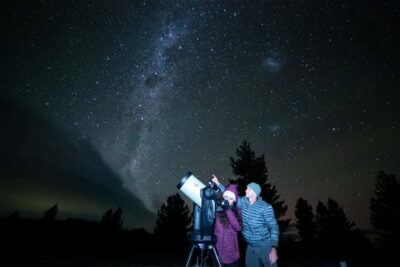
Mount Cook, Lake Tekapo and Tasman Glacier Tour from Christchurch
Read our review →
Mount Cook & Lake Tekapo Day Tour from Christchurch with Lunch
Read our review →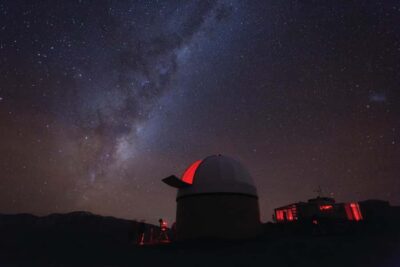
Lake Tekapo: Mountaintop Stargazing at Mount John Summit
Read our review →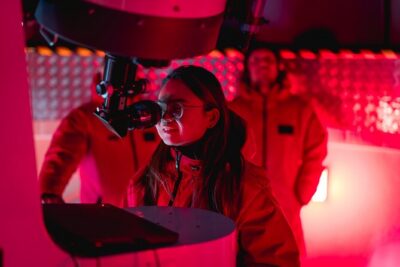
Mount John Observatory Stargazing Experience, Tekapo
Read our review →
Queenstown to Christchurch One-Way Tour via Mt Cook & Lake Tekapo
Read our review →Browse the lists this tour appears in