
Reviewed · LAKE TEKAPO STARGAZING
Lake Tekapo: Alpine Stargazing Experience with a Guide
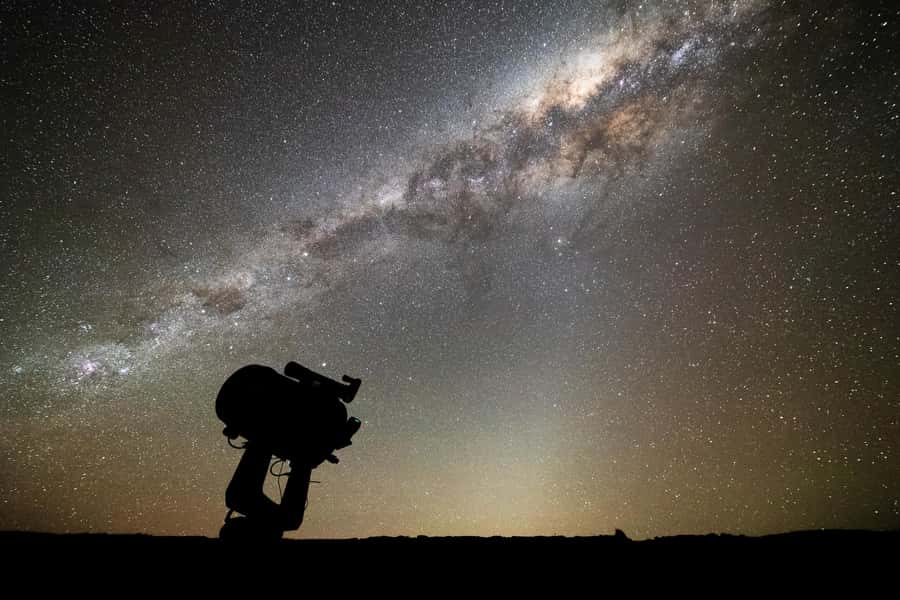
The Milky Way needs no special effects. This 75-minute Lake Tekapo stargazing experience takes you from the town post office to a private 50,000-acre farm inside the Aoraki Mackenzie International Dark Sky Reserve, where the southern sky gets its proper chance to shine. You use a large 14-inch telescope, follow constellations with a laser, and spend time simply looking up.
I like the small group size, capped at 10 people, because it gives you a fair turn at the telescope and space to ask questions. I also like the thoughtful extras: warm down jackets and a complimentary digital photo beneath the stars. The main catch is weather. Clouds, wind, or a bright moon can limit what you see through the telescope, and the outdoor setting can feel cold.
The tour costs $59 per person, which is fair for the transport, guide, farm access, telescope time, loan jacket, and photo. It is not just a quick stop to point at a few stars. The guide explains what you are seeing, including stories behind star names and the basics of finding your way around the southern sky. Guides such as Tara, Sam, Nicole, Marcus, JoJo, and Estelle have earned praise for making the science clear and fun.
In This Review
- Key Details Before You Book
- Why Lake Tekapo Is So Good for Stargazing
- Meeting at Kiwi Treasure, Then Leaving Town
- One Hour Under the Southern Night Sky
- What You Might See Through the Telescope
- Weather, Darkness, and Cold
- The Free Photo at the End
- Is $59 Good Value?
- Who Will Enjoy This Most?
- Practical Tips for a Better Night
- Should You Book the Lake Tekapo Stargazing Experience?
- FAQ
- How long does the Lake Tekapo stargazing tour last?
- Where is the meeting point?
- How large is the group?
- Is transport to the stargazing site included?
- Is warm clothing provided?
- When will I receive the complimentary photo?
Key Details Before You Book
- A private 50,000-acre viewing site: You leave the glow of Lake Tekapo for farmland with very little stray light.
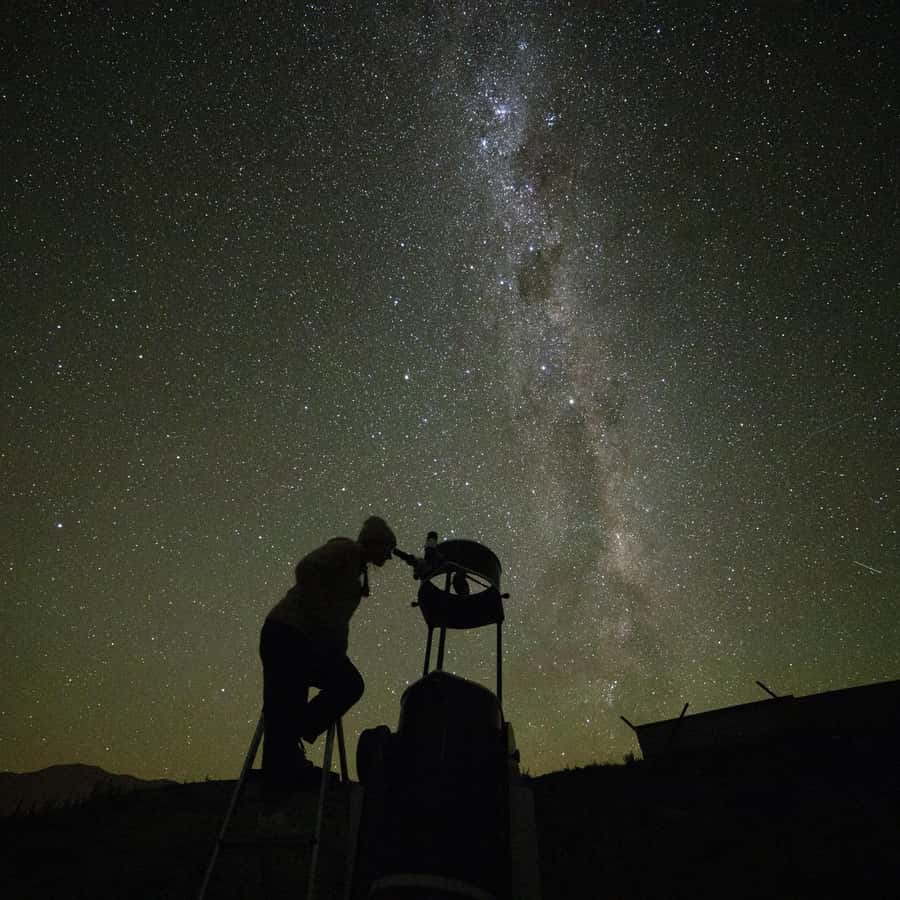
- A 14-inch telescope: Depending on the season and conditions, you might see the moon, planets, star clusters, galaxies, or nebulae.
- Small groups of up to 10: This keeps telescope queues shorter and gives you more time with the guide.
- Warm jackets are supplied: Bring your own layers too, since the tour takes place outdoors after dark.
- A complimentary night-sky photo: The photo is sent by digital link within 48 hours, weather permitting.
- English and Japanese guides: The experience is offered with live guides in both languages.
Why Lake Tekapo Is So Good for Stargazing
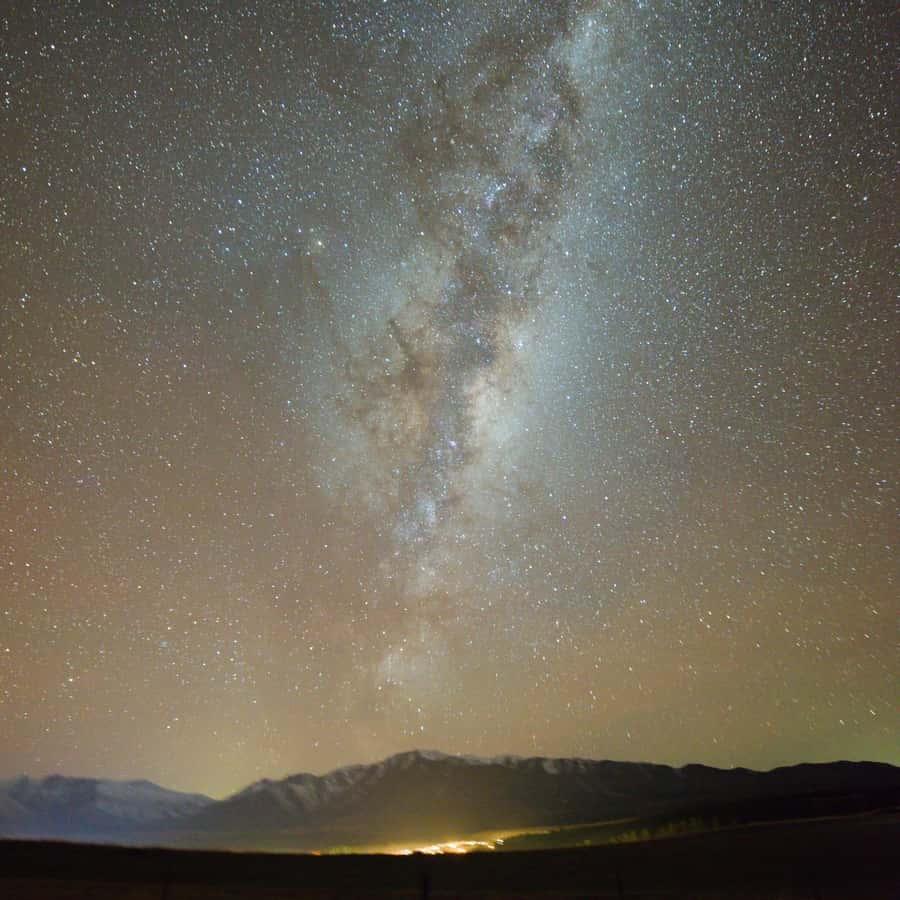
Lake Tekapo sits inside the Aoraki Mackenzie International Dark Sky Reserve, a huge protected area where communities work to limit artificial light. That matters more than many first-time stargazers expect. A dark sky does not merely make a few stars brighter. It reveals the pale spread of the Milky Way, faint star clusters, and patterns that disappear above a city.
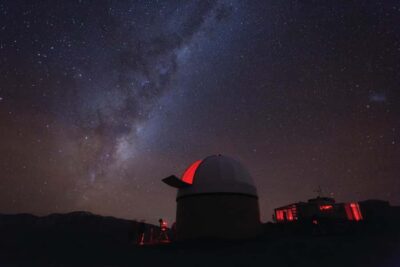
At the farm, you get wide 360-degree views with fewer lights from the town to compete with the sky. You may notice that the naked-eye view is already the star of the show before the telescope is even used. One of the strongest features of this experience is that it does not depend entirely on magnification. On a clear night, you can see a thick band of the Milky Way without looking through glass.
That makes the setting valuable for beginners. You do not need to know the names of stars in advance. The guide uses an astro-laser to trace constellations and show you where to look. This is much easier than trying to match a tiny star chart with a sky full of points.
The southern sky also gives the experience a sense of place. From New Zealand, you see stars and constellations that are unfamiliar to many people from the Northern Hemisphere. The guide can explain why the sky looks different and help you orient yourself. For many people, this is their first clear view of the Milky Way, and the scale of it can be startling.
More Lake Tekapo stargazing:
- Lake Tekapo: Stargazing Experience
★ 4.9 · 607 reviews - Chameleon Stargazing Shared Tour
★ 5.0 · 181 reviews - Lake Tekapo: Mountaintop Stargazing at Mount John Summit
★ 4.5 · 176 reviews
Meeting at Kiwi Treasure, Then Leaving Town
You begin at the Silver River Stargazing office inside Kiwi Treasure, which also serves as Lake Tekapo’s post office. That detail is useful because the meeting point can be easier to find by asking for the post office rather than searching only for the tour name.
Allow time to check in and receive a safety briefing. The briefing lasts about five minutes and gives you the basic instructions before you head out. You are also issued a warm down jacket if you need one. Several people appreciated the long, thick coats, especially during winter and on windy nights.
The tour is wheelchair accessible, but you should still confirm the exact transport and site arrangements when booking if you have particular mobility needs. The activity information specifically confirms accessibility, while the viewing site is on private farmland outside town.
The transfer to the stargazing site takes about five minutes each way. Some departures have used an old bus, while others have used a larger vehicle or RV-style transport. The ride is short, so the real value is not sightseeing from the vehicle. It is the quick move from town light to a much darker patch of countryside.
One Hour Under the Southern Night Sky
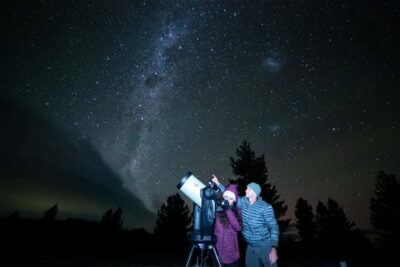
Once you arrive, the telescope and seating are set up for the guided hour. Chairs are available, which makes a difference because standing still outdoors becomes tiring faster than you might expect. You will spend part of the time looking through the telescope, part listening to the guide, and part scanning the sky with your own eyes.
The small group limit is important here. With no more than 10 people, you are not lost in a crowd. You can usually follow the guide’s laser pointer, ask for an explanation, and get a reasonable turn at the telescope. A larger group could make the telescope feel like the whole point of the evening, with too much waiting between views. This format gives the naked-eye sky room to matter too.
The guide’s style can shape the evening. Sam has been praised for clear explanations and good storytelling, while Tara has been singled out for answering children’s questions with patience. Marcus was especially effective at connecting planets, stars, galaxies, and nebulae in a way that sparked further interest. JoJo’s humor and use of the laser pointer helped make the session feel interactive rather than like a lecture.
The guides also bring human stories to the science. You might hear why a constellation has its name, how different cultures interpreted a group of stars, or how people use bright stars to find their way. That cultural context turns a list of objects into a sky you can remember.
What You Might See Through the Telescope
The telescope is a modern 14-inch model designed to show far more detail than your eyes can pick out alone. The exact objects depend on the season, cloud cover, wind, and the moon’s position, so no responsible tour can promise one fixed set of views.
Past sessions have included the moon, Jupiter with its four large moons, Saturn, star clusters, nebulae, and a neighboring galaxy. Seeing a planet as a distinct object through a telescope is different from seeing it in a photograph. The view may be small, but it is direct and immediate. You are looking at light that has crossed space and arrived at the eyepiece.
The moon can be especially striking, though a bright moon also washes out fainter stars. One session still offered a strong sky despite an almost full moon, while a new-moon departure gave much darker conditions. If your main goal is the Milky Way and faint deep-sky objects, check the lunar phase when choosing your date. If you want a crisp look at the moon, a brighter phase may suit you better.
Planet visibility changes with the time of year. Jupiter, Saturn, or other planets may be available on some nights and absent on others. The same is true of galaxies and nebulae. Think of the telescope as a chance to see what the sky offers that night, not a fixed menu.
Wind can also affect the telescope image. One clear evening still produced excellent naked-eye views, but gusts made some telescope images less sharp. That is a useful distinction. A windy night may reduce the telescope’s performance without ruining the overall experience.
A few more Lake Tekapo trips worth weighing up
- Tekapo Shuttle: Mt Cook Day Tour via Pukaki & Tasman Lake
★ 4.8 · 307 reviews - Mount John Observatory Stargazing Experience, Tekapo
★ 4.5 · 160 reviews - Lake Tekapo: Single Day Multiple Entry Pass for Hot Pools
★ 4.2 · 129 reviews - Tekapo Star Gazing Tour – Soak in the Stars
★ 4.5 · 109 reviews
Weather, Darkness, and Cold
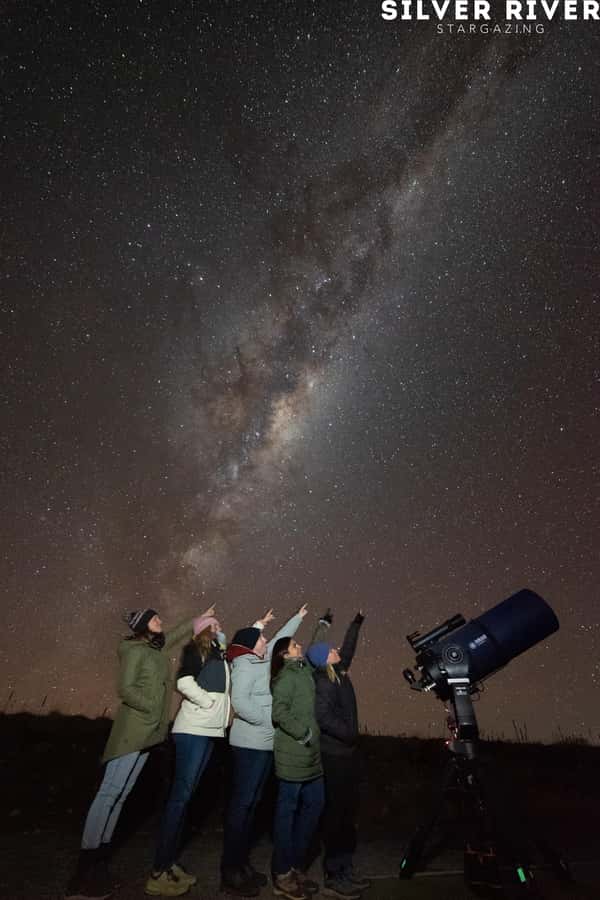
Weather is the one factor you cannot control. A cloudy night can block the telescope completely, though even broken cloud may allow periods of good viewing. One departure began after a cloudy day and cleared later, while another managed to see many stars despite poor conditions.
The company can adjust the start time slightly when needed. A short delay of 15 minutes was not a problem for one departure, but you should avoid scheduling something immediately afterward. The total advertised duration is 75 minutes, yet weather management can affect the exact rhythm of the evening.
Cold is more predictable. Lake Tekapo nights can feel chilly even after a mild day, and the open farm site offers little shelter from wind. The supplied jackets are a real benefit, but they are not a replacement for warm trousers, socks, shoes, and layers. One person suggested blankets or hot drinks would be welcome, and that is fair. No hot drink is included in the stated package.
Bring gloves if your hands get cold easily. You will want them while waiting for your turn at the telescope, and removing them repeatedly can make the evening less comfortable. The jackets help most with the upper body, while your own clothing handles the rest.
The Free Photo at the End
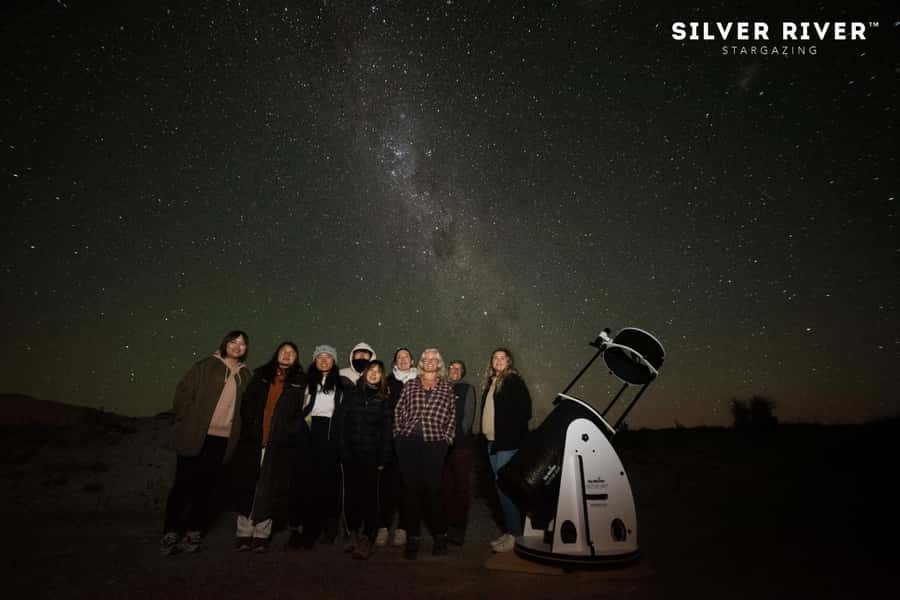
At the end of the session, the guide takes a group photo with the night sky behind you. It depends on the weather and on having enough visible sky, but it is a useful keepsake rather than a throwaway snapshot.
The digital link is sent by email within 48 hours. Several people especially liked the quality and composition of the images, and one photographer appreciated the angle of the shot. This is a small inclusion, but it adds value because night-sky portraits are difficult to create without the right equipment and timing.
You may also receive a postcard on some departures, though the listed inclusion is the digital photo. Treat the photo as a bonus, not the main reason to book. If clouds cover the sky, the guide may not be able to create the same image.
Is $59 Good Value?
At $59 per person, the price is reasonable for a specialized evening activity in a protected dark-sky area. You are paying for more than access to a field. The fee covers round-trip transport from the check-in office, a live guide, use of a 14-inch telescope, a warm jacket, and the digital photo.
You could drive somewhere dark and look up for free, and that is a valid option if you already know the sky or prefer a quiet solo night. The advantage here is structure. The guide helps you identify constellations, explains the southern sky, sets up the equipment, and gives you a chance to view objects that are difficult to find alone.
The small group also supports the price. A group of 10 gives you a better chance of useful telescope time than a large coach-based program. I would consider it good value for first-time stargazers, families, and anyone visiting Tekapo for a short stay who wants the night sky explained rather than simply admired.
The value is weaker if the forecast is poor and your schedule is fixed. Clouds can leave you with a talk and limited views. That is not necessarily a failure of the operator, but it is a risk you should accept before booking.
Who Will Enjoy This Most?
This tour suits curious beginners particularly well. You do not need astronomy experience, special equipment, or the ability to recognize constellations. The guide does the hard work of locating objects and explaining them in plain language.
Families can also get a lot from the evening, especially if children are comfortable staying up late. Tara and other guides have made a point of answering kids’ questions, and the telescope gives children something active to do instead of only asking them to look at distant points of light.
It also works for couples, solo visitors, photographers, and anyone from the Northern Hemisphere who wants a different view of the stars. The bilingual English and Japanese option is useful for Japanese-speaking visitors.
You may want to skip it if you dislike cold evenings, have little patience for weather uncertainty, or want a completely private viewing session. The group is small, but it is still a group experience. You will share the telescope and listen while the guide moves between objects.
Infants are limited to one per tour and must be booked onto the earliest departure of the night. That rule is worth checking before you commit to a late session.
Practical Tips for a Better Night
Book for a night when the moon suits your goal. A new moon gives the darkest conditions for the Milky Way, while a brighter moon can provide a memorable telescope view of lunar features.
Wear warm layers even if the jacket supplied at check-in looks substantial. Choose shoes suitable for a farm setting, and bring gloves if you are sensitive to cold.
Keep your expectations flexible. The moon, planets, nebulae, galaxies, and clusters are not all visible every night. The guide will work with what the sky provides.
Listen for the naked-eye explanations before rushing to the telescope. The most powerful part of the night may be seeing the Milky Way spread over you without any equipment.
If you have a visual impairment, tell the guide at the start. The laser pointers can help you track the guide’s explanation, and one departure made special efforts to help a visually impaired participant use the telescope.
Leave room in your schedule after the tour. Departures can be shifted slightly to make better use of changing conditions, and you may want time to collect yourself after an outdoor evening.
Should You Book the Lake Tekapo Stargazing Experience?
I would book this if you want the dark sky explained by a lively guide, not just a quick look upward. The setting, the short transfer, the 14-inch telescope, the warm jacket, and the small group make $59 a fair price.
Book it especially if you have never seen the Milky Way clearly, are visiting from the Northern Hemisphere, or are bringing children with questions about space. Guides such as Sam, Tara, Nicole, Marcus, and JoJo have shown how much personality can improve a science-based tour.
I would be cautious only if the forecast is heavily clouded or if you need a guaranteed list of planets and galaxies. No stargazing tour can command the weather. On a clear night, though, the combination of a truly dark farm, a good telescope, and an engaging guide gives you a strong reason to look up.
FAQ
How long does the Lake Tekapo stargazing tour last?
The experience lasts 75 minutes. This includes a five-minute safety briefing, about five minutes of transport to the farm, a one-hour guided stargazing session, and about five minutes returning to Silver River Stargazing.
Where is the meeting point?
Check in at the Silver River Stargazing office inside Kiwi Treasure, which is also Lake Tekapo’s post office.
How large is the group?
The small-group option is capped at 10 people. This allows a closer ratio of telescopes to participants and more time to ask questions.
Is transport to the stargazing site included?
Yes. Round-trip transportation from the Silver River Stargazing check-in office to the private farm is included.
Is warm clothing provided?
Warm down jackets are provided for use during the tour. You should still wear suitable layers because the viewing takes place outdoors and can be cold or windy.
When will I receive the complimentary photo?
If weather conditions allow the photo to be taken, you receive a digital link by email within 48 hours.
Just added around Lake Tekapo
- Lake Tekapo to Mt Cook One-Way Small Group Tour★ 4.0 · 5 reviews
- Lake Tekapo Fishing Tour★ 4.8 · 10 reviews
- Mt Cook Day Tour From Tekapo (Small Group, Carbon Neutral)★ 4.5 · 11 reviews
- Lake Tekapo: Ultimate Stargazing Experience★ 4.3 · 12 reviews
- Lake Tekapo Scenic 4WD Cass Valley Wilderness Tour★ 4.9 · 13 reviews
- Lake Tekapo: Glaciers, Mountains, and Landscapes Scenic Tour★ 4.9 · 15 reviews
- Christchurch: Mt Cook & Tekapo Small-Group Tour (incl Lunch)★ 4.6 · 19 reviews
- Lake Tekapo Scenic Wilderness Cass Valley Tour★ 4.5 · 19 reviews
Lake Tekapo Stargazing, compared.
Mount Cook, Lake Tekapo and Tasman Glacier Tour from Christchurch
Read our review →
Mount Cook & Lake Tekapo Day Tour from Christchurch with Lunch
Read our review →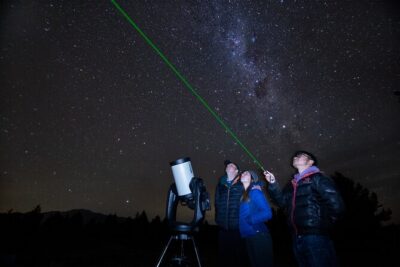
Lake Tekapo: Mountaintop Stargazing at Mount John Summit
Read our review →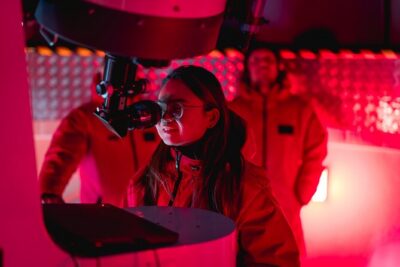
Mount John Observatory Stargazing Experience, Tekapo
Read our review →
Queenstown to Christchurch One-Way Tour via Mt Cook & Lake Tekapo
Read our review →Browse the lists this tour appears in