
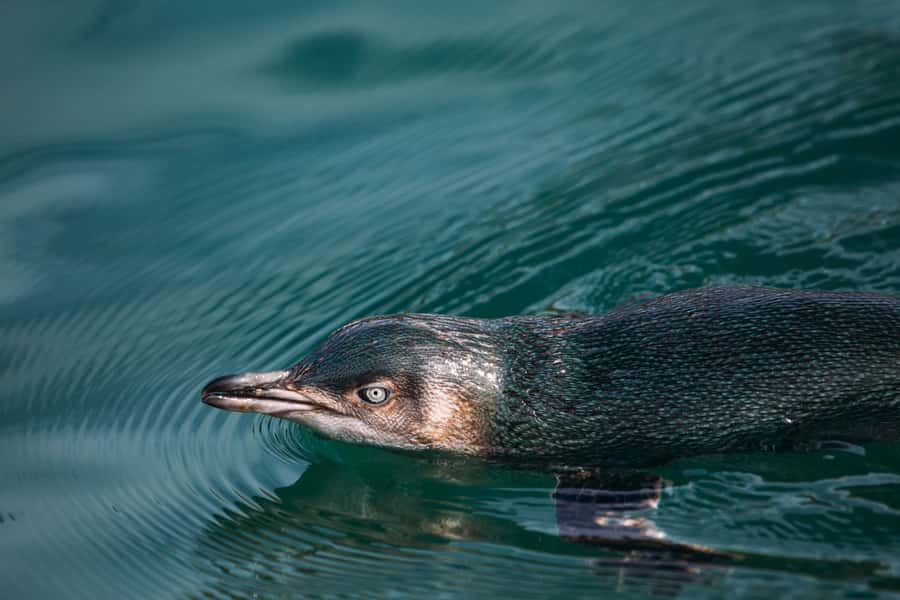
Reviewed · 3-HOUR EXPERIENCES
Akaroa: Pohatu Little Penguins 3-Hour Evening Experience
Penguins make dusk worth waiting for. This three-hour trip from Akaroa takes you over the crater rim to remote Pohatu, also called Flea Bay, where white-flippered penguins live in the wild. I like the scenic 4WD journey and the chance to support more than 30 years of local conservation work while watching the birds in their own habitat.
I also like the quiet, low-impact approach. You use binoculars and camouflage gear, and there are no floodlights or flash photography to disturb the penguins. The main caution is simple: penguins are wild animals, so you may see only a few birds, and there is no promise that any will come ashore before darkness.
In This Review
- Key Points at a Glance
- From Akaroa Church to the Crater Rim
- Why Pohatu’s Penguin Project Matters
- Walking the Nesting Area
- Watching Penguins on the Water at Dusk
- The Best Time of Year to Go
- What the $68 Price Really Buys
- Guides Make the Difference
- Practical Tips Before You Go
- Who Will Enjoy This Most?
- Should You Book the Pohatu Penguin Experience?
- FAQ
- Where does the Pohatu penguin tour meet?
- How long does the experience last?
- What is the best season for seeing penguins?
- Are penguin sightings guaranteed?
- What should I bring?
- Is the tour suitable for wheelchair users?
Key Points at a Glance
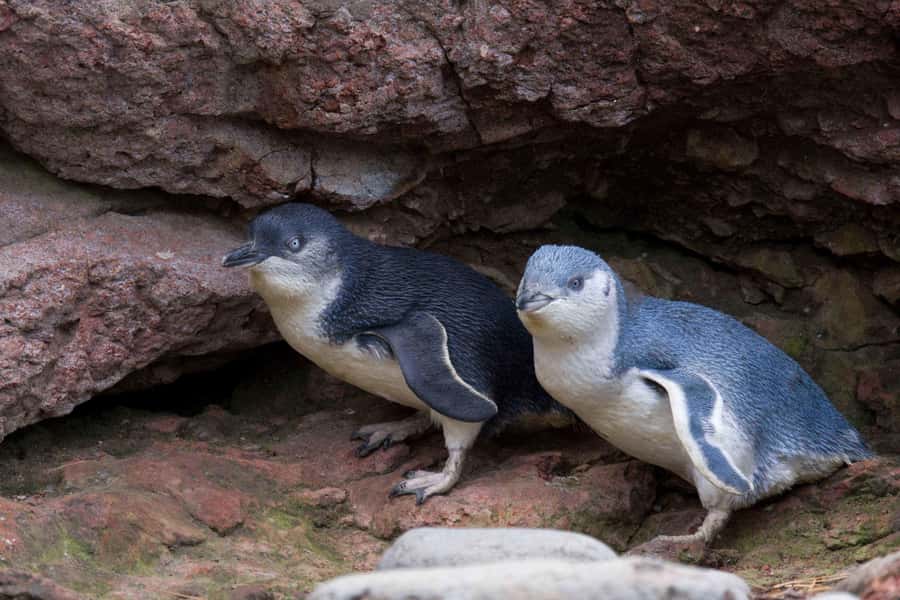
- A scenic route to Pohatu: Ride by 4WD minivan over the Akaroa volcano crater rim, with stops for views of Akaroa Harbour and the Pacific Ocean.
- A real conservation task: Check nesting boxes, collect monitoring data, and help assess the health of the colony.
- Natural viewing only: Binoculars help you watch penguins on the water, but artificial lighting is not used after dark.
- Season affects sightings: The strongest period is the breeding season from mid-September through December.
- Small groups help: Numbers are limited to 12 people, with guides working to keep the colony calm and uncrowded.
- Allow for uneven walking: Narrow and steep sections make hiking shoes and steady footing important.
From Akaroa Church to the Crater Rim
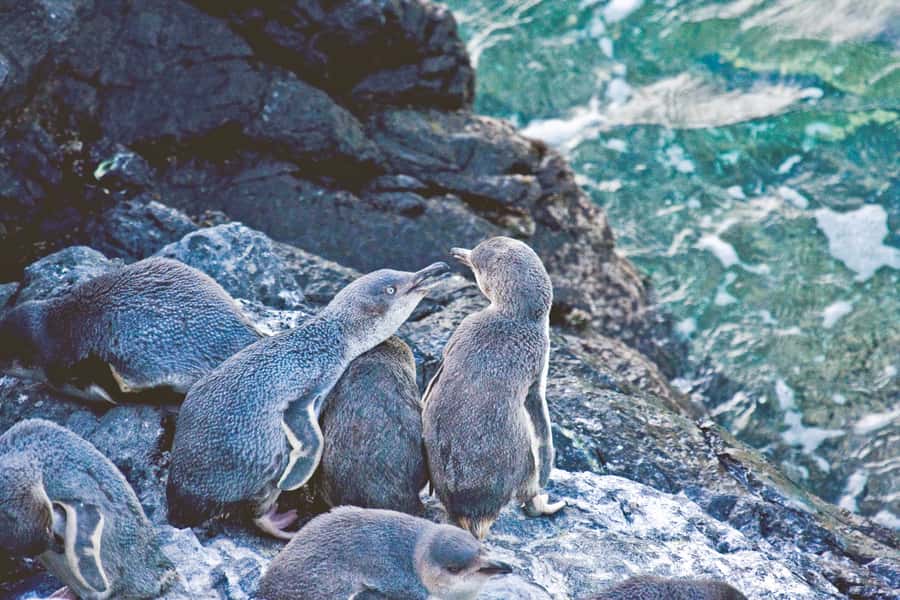
The meeting point is before St Peter’s Church in Akaroa. The departure time changes with sunset, so you need to check the operator’s message close to your date. This is not a fixed morning tour that leaves at the same hour every day. In summer, it may begin later than you expect, while winter departures are earlier.
The trip to Pohatu takes about 30 minutes by 4WD minivan, though the full activity lasts three hours. The vehicle matters here. Pohatu is reached by a rougher, scenic route across the volcanic peninsula, and the drive is part of the experience rather than dead time between Akaroa and the penguins.
As you climb over the crater rim, your guide explains the geology and history of the Akaroa area, along with local plants and animals. Guides such as Ben, Tayla, Mona, Kevin, Joey, Gayla, and Geraldine have been praised for making this part more than a simple transfer. The best guides connect the penguin story with the wider peninsula, so you understand how farms, native species, introduced animals, coastline, and conservation all fit together.
There are photo stops along the way. You can look across Akaroa Harbour from high ground, then face out toward the open Pacific. These stops give you a useful pause before the wildlife work begins. They also make the ride worthwhile for anyone who appreciates scenery as much as animals.
The road and vehicle ride may not suit everyone. If you expect a smooth coach trip, the 4WD format can feel basic. On the other hand, it gives you access to a remote bay without requiring you to drive an unfamiliar route yourself.
A few more Akaroa trips worth weighing up
- Night Awe – Stargazing tour in Akaroa
★ 5.0 · 61 reviews - Oamaru: Penguins Evening Viewing Ticket
★ 4.5 · 682 reviews - Guided Evening Penguin Viewing Otago Peninsula, Dunedin, New Zealand
★ 5.0 · 471 reviews
Why Pohatu’s Penguin Project Matters
Pohatu is home to the white-flippered penguin, a small penguin found in the Canterbury region. The colony near Akaroa was once at serious risk, and more than three decades of conservation and monitoring have helped protect it from local extinction.
That history gives the tour more purpose than a standard animal-viewing outing. Your fee of $68 per person helps support the ongoing work. You are not simply paying for a ride and a wildlife photo. You are also helping fund monitoring, nesting boxes, and care for a colony that needs regular attention.
The conservation work is visible during the visit. At Pohatu, the group walks among nesting areas and checks small wooden houses used by the penguins. The guide may open or inspect selected boxes as part of the monitoring process, collect data, and make sure the birds are doing well.
This close view comes with an important distinction. The focus is not on handling penguins or creating a staged encounter. You are observing nesting sites as part of a guided monitoring visit. At times of year, you may also see rehabilitation work such as supplemental feeding.
I value this structure because it gives you a better understanding of what wildlife protection actually involves. Conservation is often patient and practical: checking a box, recording a sighting, watching the water, and returning again and again.
Walking the Nesting Area
Once you reach the bay, expect some walking. The routes can include narrow and steep sections, so hiking shoes are a sensible choice. The tour is not suitable for wheelchair users or people with mobility impairments.
The nesting boxes offer one of the best chances to see penguins at close range. During moulting season, birds may remain in or around their boxes, and several visitors have seen penguins tucked into these small shelters in February. During the breeding season, you might see adults and chicks in the nesting area, depending on the day and the condition of the colony.
Guides divide the group carefully so the area does not feel crowded. With a maximum of 12 people, the experience is more controlled than a large wildlife stop. You may still need patience while another small group checks a nesting site, but the format helps keep noise down.
Keep your expectations sensible. Seeing a penguin inside a box can be a wonderful close encounter, but it may be brief. Some birds stay hidden. Others are visible only for a short time. The point is to observe without coaxing them out.
You should not smoke, make noise, or use flash photography. Photography is welcome, but only without flash. Bring weather-appropriate clothing because the exposed bay can feel cold, particularly as evening temperatures fall.
Watching Penguins on the Water at Dusk
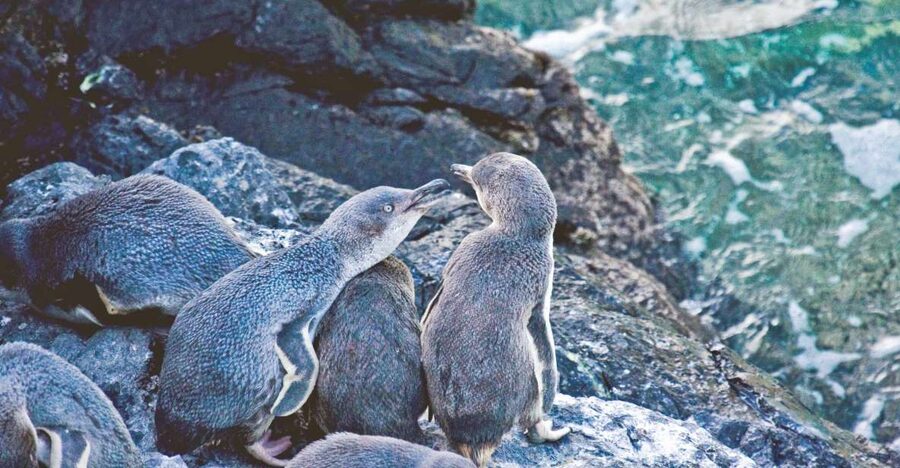
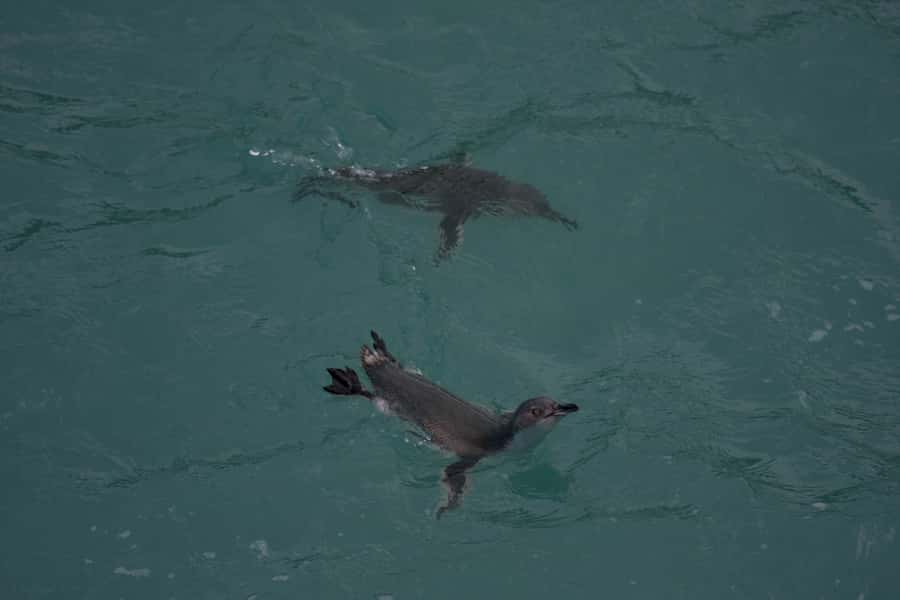
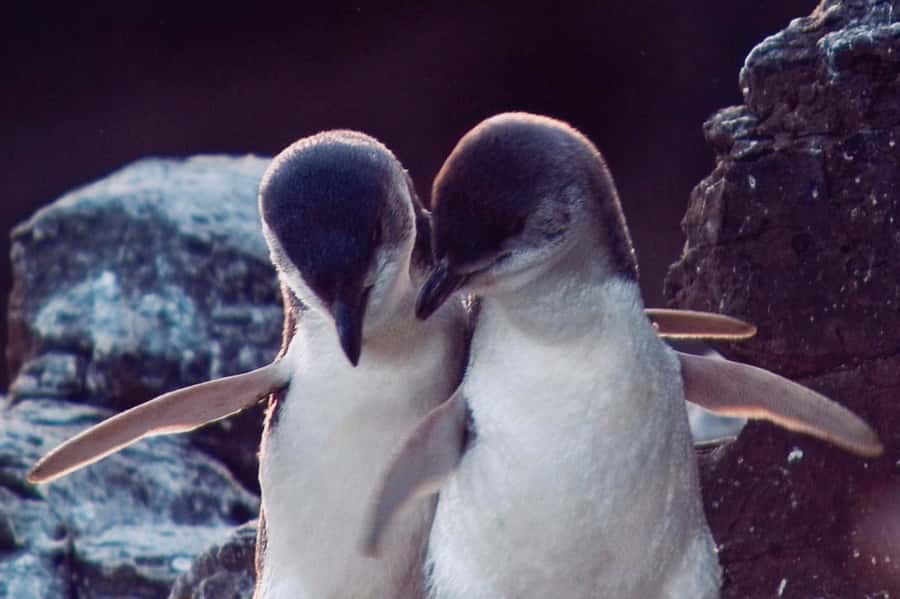
The second part of the wildlife viewing takes place around the bay. Penguins may gather and socialize on the water before returning to shore. Binoculars are provided, which makes a real difference when the birds are offshore.
This is where the tour’s natural approach becomes both its strength and its limitation. You may watch penguins swimming, bobbing, and moving together in the bay, but you will not have bright lights aimed at them. As darkness arrives, the guide ends the viewing because artificial lighting can disturb the birds.
There is often a short window before it gets fully dark when penguins may begin coming ashore. Some visitors have watched adults swim in, hop across the beach, and move toward the rocks near sunset. Others have seen only a few birds in the water or inside nesting boxes.
You need to accept that the timing belongs to the penguins. They may return late, stay offshore, or remain hidden. The operator cannot guarantee that you will see birds come ashore before darkness. That uncertainty is not a flaw in the tour so much as an honest part of watching wildlife without interfering.
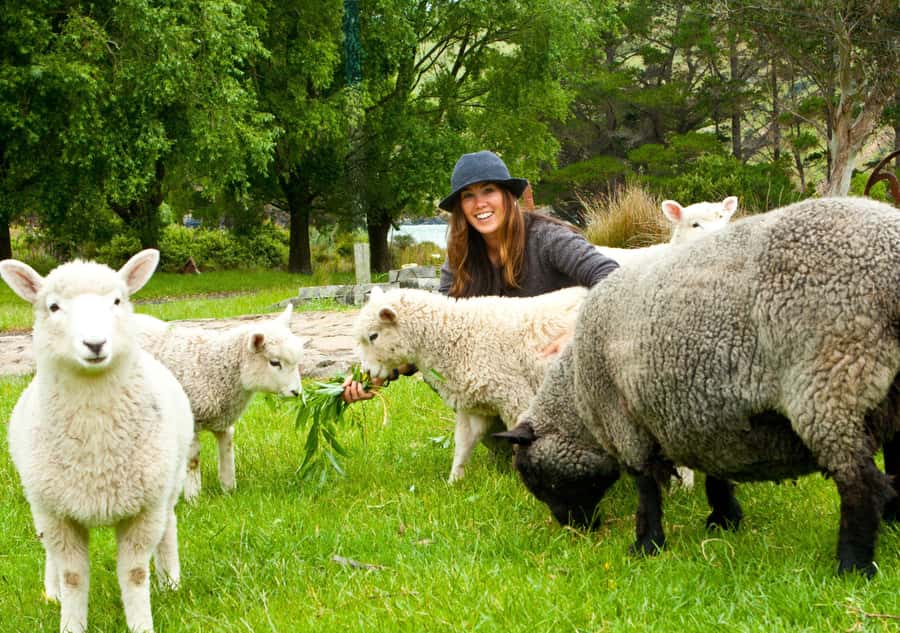
Seals and sea lions have also been spotted around the bay, and you might see them from the vehicle or shoreline. Sheep are part of the rural setting too, and some trips include a chance to interact with friendly sheep. These encounters are pleasant extras, but the penguins remain the main reason to book.
A completely different kind of day out in Akaroa:
- Akaroa Dolphins ~ Harbour Nature Cruise
★ 5.0 · 2,143 reviews - Akaroa: Dolphin Nature Cruise
★ 4.9 · 440 reviews - Akaroa Harbour Nature Cruise
★ 5.0 · 332 reviews - Akaroa Harbour 2-Hour Dolphin Nature Cruise
★ 4.7 · 235 reviews
The Best Time of Year to Go
Season is the most important factor in deciding if this trip suits you.
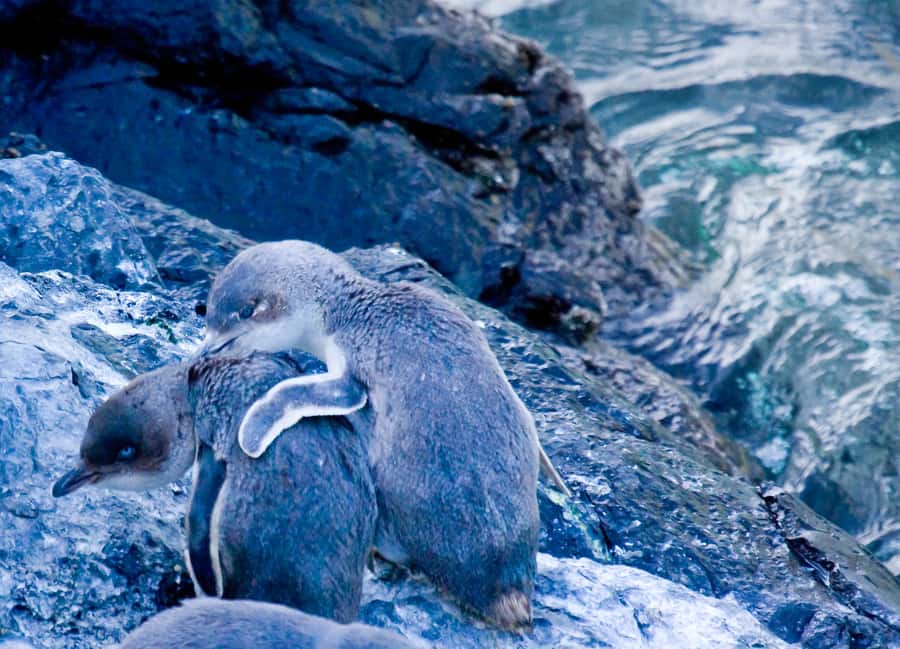
The colony breeds from mid-September through the end of December. This is the strongest period if you hope to see nesting activity, young birds, and adults returning to the colony. November visits can be especially rewarding, with baby penguins in nesting boxes and adults heading back to shore in the evening.
Penguins moult from January into mid or late February. Birds may spend more time in or near their nesting boxes during this period. February can still offer close views, but the activity looks different from the breeding season. You might see a few birds resting in their boxes rather than a busy stream of adults coming ashore.
From early March to mid-April, there are generally no penguins in the colony. This is the clearest warning in the seasonal information, and you should take it seriously when planning.
During winter, penguins come and go. Sightings are possible, but numbers vary and it can be rare to find a bird. Winter also brings colder conditions and earlier departures, so warm layers become especially important.
I would book this trip in the breeding season if penguins are the main goal. If you visit in winter or during the low period, book only if you are comfortable treating the outing as a conservation and scenery experience with uncertain wildlife viewing.
What the $68 Price Really Buys
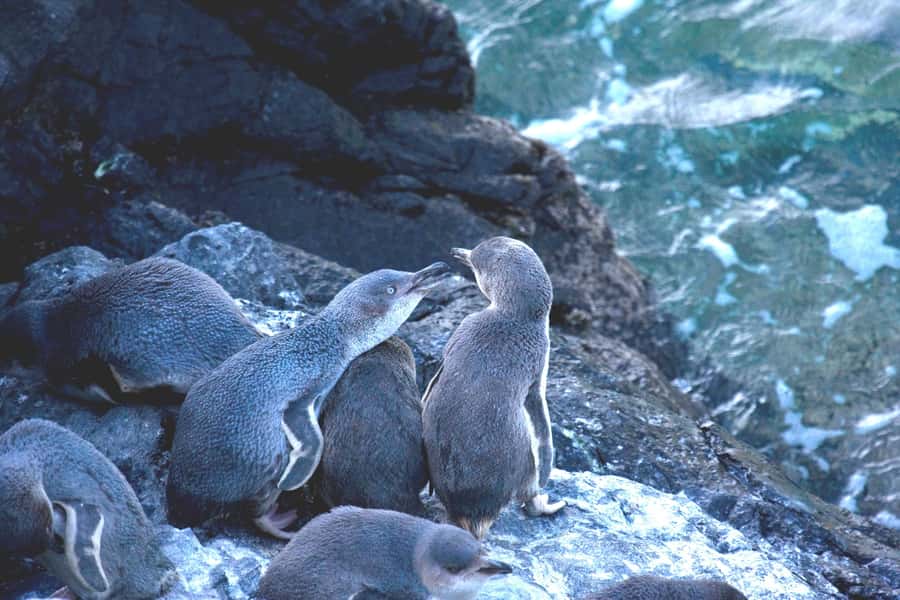
At $68 per person, the cost is reasonable for a three-hour small-group outing that includes return 4WD transport, a live English-speaking guide, photo stops, binoculars, camouflage gear, and access to a guided conservation visit.
The value is strongest if you care about the setting and the project, not just the number of penguins seen. You receive an informative drive, views from the crater rim, a remote bay visit, an explanation of penguin behavior, and a look at real monitoring work. The money also supports the conservation program.
The value is weaker if you want a guaranteed close-up wildlife show. One person might see several penguins in boxes, birds on the water, seals, and even sheep. Another might see only a few birds, especially outside the breeding season or in poor weather.
That difference is worth understanding before you pay. You are buying a respectful opportunity, not a guaranteed performance. I think the price is fair because the trip protects the colony’s welfare instead of using artificial lighting or encouraging unnatural behavior to produce better photographs.
Guides Make the Difference
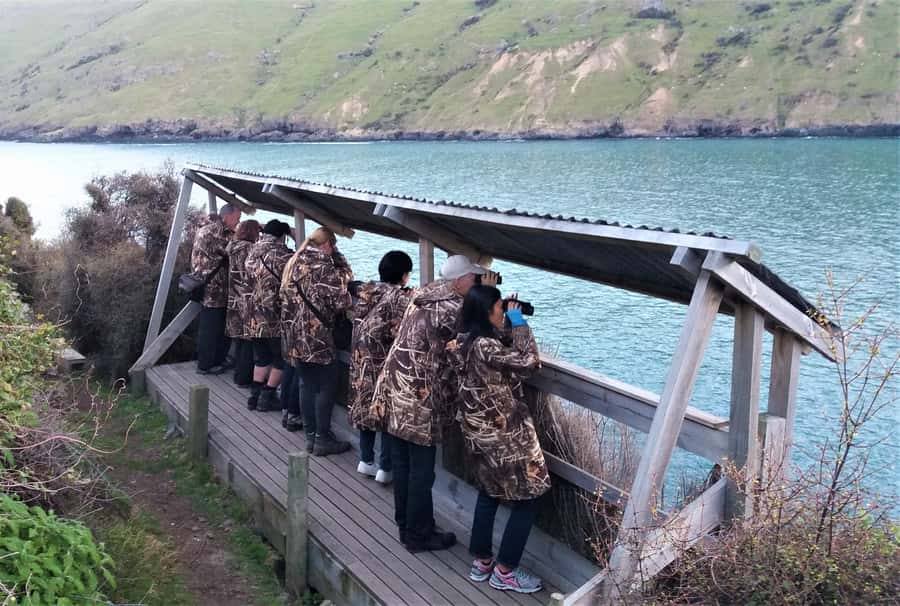
The guide is central to the experience. A good guide turns the drive into a lesson about Akaroa’s volcanic origins, local history, plants, animals, and conservation challenges. They also help you stay quiet and patient when sightings are brief.
Ben has been praised for his understanding of both the penguins and Akaroa. Tayla added local wildlife information and even pointed out that the aurora might be visible that evening. Mona has been described as engaging and well organized, while Kevin has brought strong knowledge of the area and real care for the conservation work.
Joey was also praised for explaining science clearly, including penguin behavior, classification, and the wider ecology of the peninsula. That ability matters. Wildlife tours can become a string of facts, but the best explanations help you understand why the monitoring matters.
Because the group is small, you can ask questions during the drive and at the nesting area. The tour is conducted in English, so you should be comfortable following spoken explanations in that language.
Practical Tips Before You Go
Check the exact departure time near your tour date. Sunset controls the schedule, and the operator sends updated meeting information and advice about clothing.
Wear hiking shoes with a good grip. The narrow, steep sections are manageable for people with steady mobility, but this is not a flat walking tour.
Bring warm, weather-ready layers even if Akaroa feels mild earlier in the day. Conditions can change on the drive, and the bay may feel cold and exposed as the sun drops.
Keep your camera ready but leave the flash switched off. A phone or camera may work well at the scenic stops, but low-light penguin photography is difficult without artificial light. Binoculars are supplied, so you do not need to bring your own.
Plan for quiet observation. The rules against smoking, noise, and flash are there to protect the birds. If you want a loud, fast-moving animal encounter, this is not the right outing.
The tour allows free cancellation up to 24 hours before departure, and you can reserve while paying later. Those options help if your South Island schedule depends on weather or changing transport plans.
Who Will Enjoy This Most?
I would recommend this trip to anyone who values conservation, natural behavior, and a small-group setting. It is a strong choice for families with older children who can walk quietly, wildlife fans, photographers who understand low-light limits, and visitors who want more context than a quick roadside stop.
It also suits people who enjoy scenic drives. The views across Akaroa Harbour and toward the Pacific are a meaningful part of the outing, especially if penguin numbers are low.
I would hesitate to recommend it to anyone with limited mobility, anyone who needs guaranteed wildlife sightings, or anyone hoping to see a large colony moving ashore under bright lights. The terrain, darkness, weather, and bird behavior all add uncertainty.
Should You Book the Pohatu Penguin Experience?
Book it if you want a respectful look at wild penguins and are happy to support a long-running local conservation project. The strongest months are mid-September through December, when breeding activity gives you the best chance of seeing young birds and adults returning at dusk.
Book with modest expectations outside that period. You may see penguins in nesting boxes or on the water, along with seals, sea lions, sheep, and excellent coastal views, but sightings can be limited.
For $68, I think this is good value for an educational, small-group outing with a genuine conservation purpose. The key is accepting that nature sets the schedule. If you can do that, Pohatu offers a thoughtful and memorable way to meet Akaroa’s smallest residents.
FAQ
Where does the Pohatu penguin tour meet?
The meeting point is before St Peter’s Church in Akaroa. The operator sends further details close to the tour date.
How long does the experience last?
The experience lasts three hours and includes return transport between Akaroa and Pohatu, also known as Flea Bay.
What is the best season for seeing penguins?
The colony breeds from mid-September to the end of December. Penguins moult until mid or late February. There are generally no penguins from early March to mid-April, while winter sightings vary.
Are penguin sightings guaranteed?
No. The tour relies on natural viewing and penguin behavior. You may see birds in nesting boxes or socializing on the water, but penguins may not come ashore before it becomes too dark.
What should I bring?
Bring hiking shoes and clothing suited to the weather. The walking routes can be narrow and steep, and the bay may become cold after sunset.
Is the tour suitable for wheelchair users?
No. The experience is not suitable for wheelchair users or people with mobility impairments.
Just added around Akaroa
- Solar Explorer in Akaroa – Sun-Viewing Tour with Telescopes★ 5.0 · 5 reviews
- Discover Akaroa: Self Guided Audio Tour★ 4.0 · 6 reviews
- Akaroa Self Guided Electric Scooter Tour★ 5.0 · 9 reviews
- Akaroa Nature and History Private Tour – The 7th Generation★ 5.0 · 10 reviews
- Akaroa Shore Excursion: Akaroa Harbour and Sheep Farm Local Tour★ 4.5 · 11 reviews
- Akaroa Shore Excursion: Banks Peninsula, Christchurch City and Giants House Tour★ 3.5 · 14 reviews
- Akaroa: Stargazing Tour with 2 Telescopes & Souvenir Photos★ 5.0 · 17 reviews
- Akaroa Shore Excursion: Akaroa Harbour and Giants House Local Tour★ 4.5 · 19 reviews
3-Hour Experiences, compared.
Fox Glacier: Up to 3 Hours Hike with Helicopter Transfer
Read our review →
Mount Cook: 3-Hour Tasman Glacier Helicopter Ride and Hike
Read our review →
Mount Cook: 3 Hour Heli Hike to the Tasman Glacier
Read our review →
Lake Te Anau: 3-Hour Boat Cruise with Guided Walk
Read our review →
3 Hours // Hole in the Rock Cruise & Bay of Islands Tour
Read our review →Browse the lists this tour appears in