
Reviewed · HISTORICAL TOURS
From Rotorua: Whirinaki Rainforest Guided Cultural Tour
The forest keeps its own stories. This seven-hour trip from Rotorua pairs a 2.5-kilometre rainforest walk with Māori storytelling, traditional plant knowledge, and a visit to some of New Zealand’s oldest rock carvings. I like the strong cultural focus, especially the welcome ceremony, chants, and time to talk with your guides. I also like that lunch and transport are included, so the day feels complete rather than like a short walk with a bus ride attached.
The main consideration is the travel time. You spend about 45 minutes reaching Murupara, then another 30 to 40 minutes on winding roads into Whirinaki Forest Park. If you suffer from motion sickness, take appropriate precautions before leaving. The trail itself is only 2.5 kilometres, but the day is best suited to people who enjoy walking, listening, and learning at an unhurried pace.
In This Review
- Key points to know before you book
- Why Whirinaki feels different from a usual forest walk
- The morning ride from Rotorua to Murupara
- Entering Whirinaki with a Mihi Whakatau and Karakia
- Ngā Rākau Rangatira and the living forest classroom
- Forest Bathing, chants, and a slower pace
- A forest picnic with time for real conversation
- Te Ana a Tokowaru and an older Māori story
- The return to Rotorua and the value of the full day
- Who should book this Whirinaki tour?
- Should you book it?
- FAQ
- Where does the tour begin?
- What time should I arrive?
- What time does the tour return to Rotorua?
- How long is the walk?
- How long do you spend walking in Whirinaki Forest Park?
- Is transport from Rotorua included?
- Is lunch included?
- What is Kawakawa Tea?
- What should I bring?
- Is the tour conducted in English?
- Can I cancel the booking?
Key points to know before you book
- Ancient Whirinaki trees: See chiefly tōtara and other native trees, including tōtara said to be more than 1,000 years old.
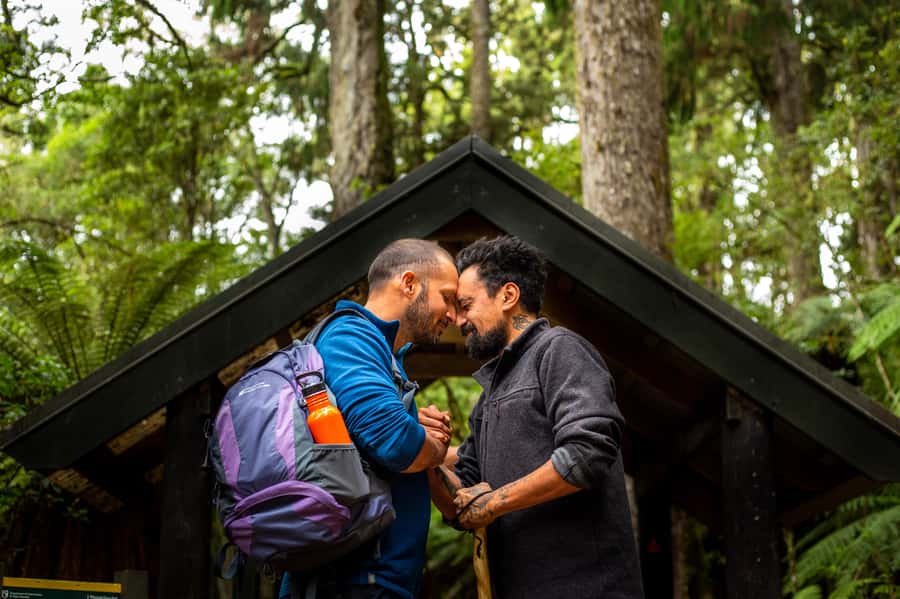
- Māori cultural hosting: Begin with a Mihi Whakatau welcome and Karakia prayer, then hear stories, songs, and explanations of traditional forest knowledge.
- A gentle 2.5-kilometre walk: The route focuses on plants, birds, history, and quiet moments rather than a hard physical challenge.
- More than a forest tour: The return journey includes Te Ana a Tokowaru, an unmarked cave site with Māori rock carvings carbon-dated to more than 400 years before the Great Migration.
- Food and hot tea included: A packed picnic uses local flavours, followed by Kawakawa Tea, a traditional medicinal drink.
- A full Rotorua day: Meet at the Rotorua i-SITE at 8:15 AM for an 8:30 AM departure, returning at about 3:30 PM.
Why Whirinaki feels different from a usual forest walk
Whirinaki is not presented as a simple sightseeing stop. Your guides treat the forest as a place of family, memory, medicine, and spiritual connection. That changes the pace. Instead of racing from one viewpoint to the next, you stop to look closely at trees, listen for birds, and consider how people have used the forest over many generations.
The setting is a Jurassic Podocarp native rainforest, with ancient trees that give the walk a sense of age that is hard to find elsewhere in New Zealand. The focus is not just on how the forest looks. You learn why particular trees matter, how native plants were used in daily life, and how rongoā Māori, or traditional Māori plant medicine, relates to the bush.
I especially like the way the tour brings cultural material into the walk itself. A story told beside an old tōtara has more weight than the same story delivered inside a museum. Traditional chants and Māori wind instruments add sound to the experience, while Forest Bathing gives you permission to slow down and notice the stillness.
The phrase Forest Bathing can sound a little fashionable, but here it means a simple practice: pause, breathe, listen, and reconnect with the natural world. You do not need to be experienced at meditation. You only need to be willing to put the camera away for a few minutes.
More history tours:
- Auckland: All Blacks Experience Guided Cultural Tour
★ 4.7 · 453 reviews - All Blacks Experience: Interactive Guided Cultural Tour
★ 4.5 · 228 reviews - Olveston Historic Home Guided Tour
★ 5.0 · 205 reviews
The morning ride from Rotorua to Murupara
Your day begins at the Rotorua i-SITE on Fenton Street. Check in by 8:15 AM, then leave at 8:30 AM on the complimentary shuttle. The first road section takes about 45 minutes and gives your driver time to share facts, humour, music, and stories about Māori culture and history.
This bus ride is part of the character of the day, not just a transfer. Guides such as Hare have been praised for keeping the journey lively with songs and conversation. The small family-run feel also helps make the trip personal. You can ask questions as you go, rather than waiting for a formal talk at the forest.
After reaching Murupara, you have a 15-minute break. This is the practical stop for a toilet visit, and it is also where you meet the forest guide and collect the picnic lunches. Use the break well. Once the road turns toward the rainforest, you may be travelling for another 30 to 40 minutes.
The road is described as winding, so motion sickness is the main issue to plan for. Bring water, and take any medication you may need before departure. Drinks are not allowed in the vehicle, and alcohol and drugs are prohibited.
Entering Whirinaki with a Mihi Whakatau and Karakia
The arrival at the waharoa, or gateway, gives the tour a clear beginning. Your Māori hosts welcome you with a Mihi Whakatau and Karakia. These are not filler activities before the walk. They prepare you to enter the forest with the right attitude and explain that the visit is based on respect and relationship.
That opening matters because this is a cultural experience as much as a nature outing. You are not simply entering a public park to collect photographs. You are being welcomed into a place cared for by local people over generations.
From there, the guided walk covers about 2.5 kilometres and lasts around two hours, followed by a 30-minute picnic and 15 minutes for tea. The trail is described as a native forest route, but exact surfaces and conditions can vary. Sensible walking shoes are important, as are a jacket or windbreaker, sunscreen, insect repellent, and a camera.
The walking distance is manageable for many people, but you should still be comfortable spending time outdoors. The point is not to complete the route as quickly as possible. You will stop often for explanations and quiet observation.
Ngā Rākau Rangatira and the living forest classroom
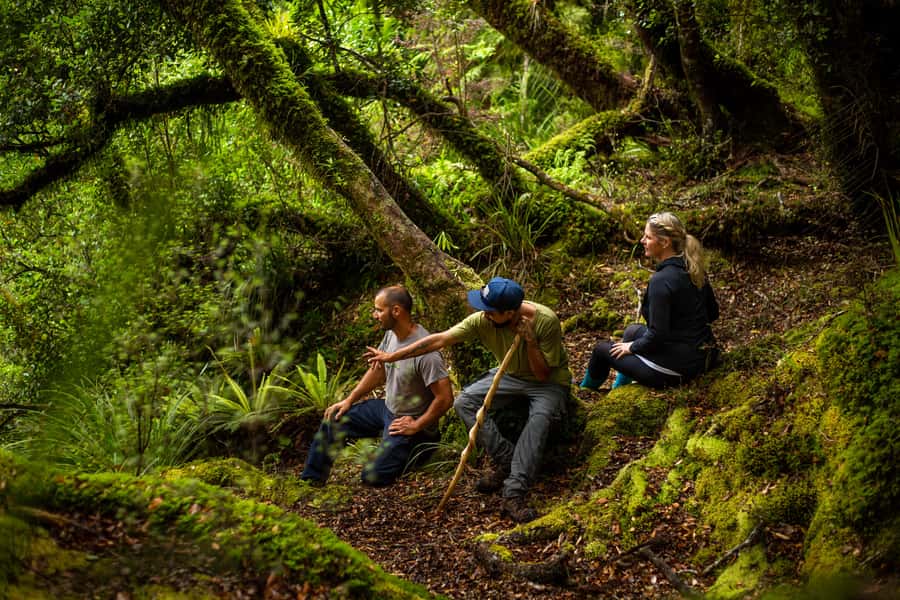
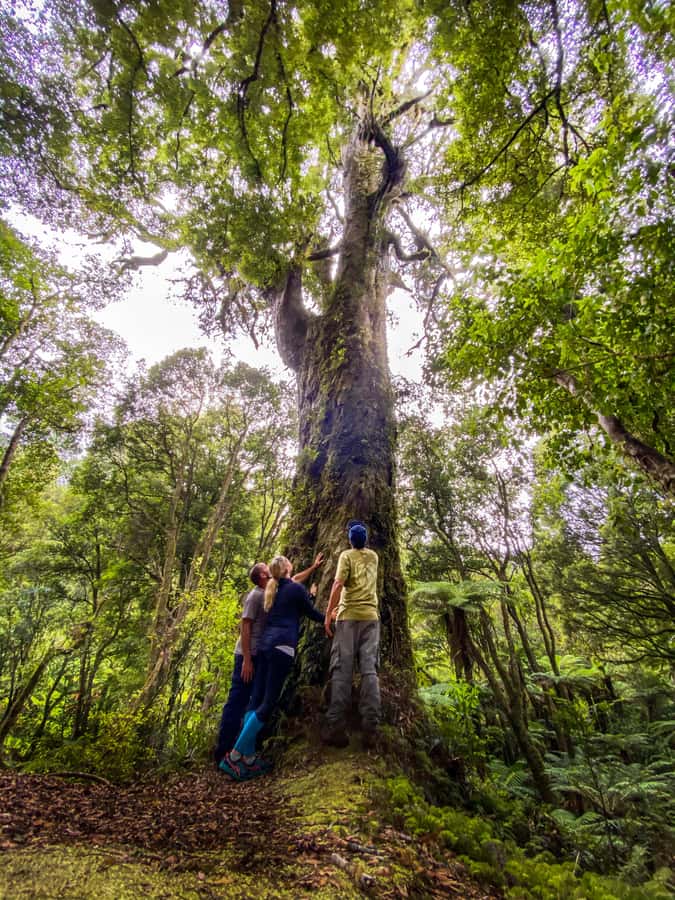
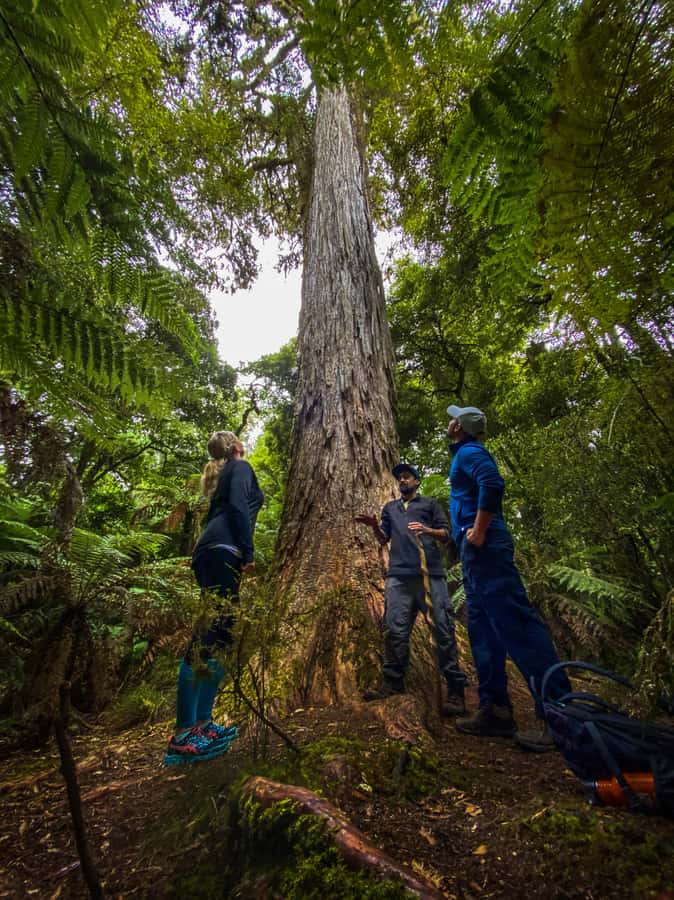
One of the strongest parts of the tour is the attention given to Ngā Rākau Rangatira, the chiefly trees. Ancient tōtara, including trees said to be more than 1,000 years old, give you a physical link to the long life of the forest.
A guide can explain a tree in ways a sign rarely can. You learn about its place in Māori life, the materials it provided, and the respect attached to older native species. The forest becomes a record of practical knowledge, not just a collection of scenic plants.
The plant section covers rongoā Māori, including natural medicine plants and the ways Māori used native species in everyday life. One guide, Destiny, has been praised for explaining medicinal plants as well as trees and plants used for daily needs. Guide lineups can change, but the family connection and intergenerational teaching are central to the experience.
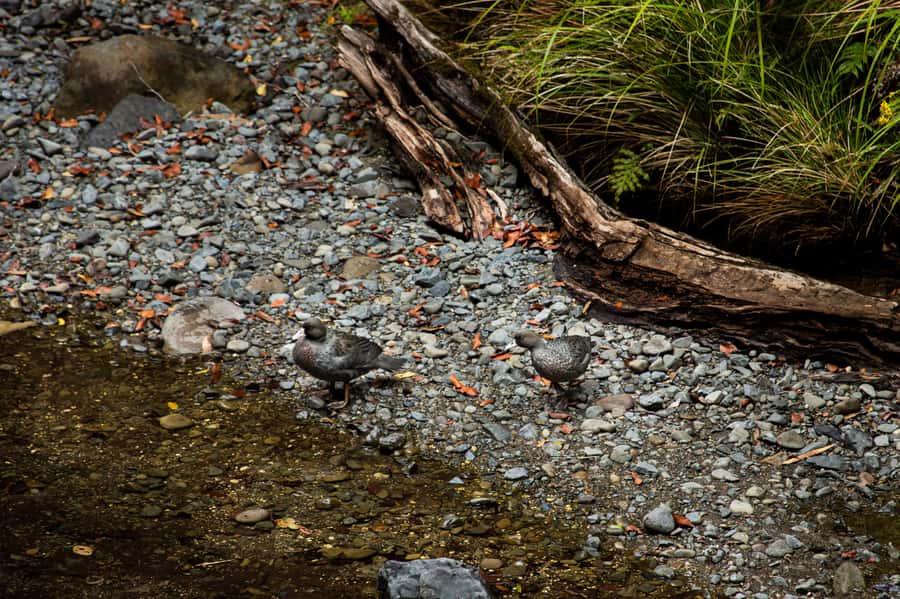
You also have the chance to listen for native and endangered birds. The tour does not promise a particular bird sighting, so bring patience rather than a checklist. Bird calls can be easier to notice when the group pauses and the forest becomes quiet.
A few more Rotorua trips worth weighing up
- Rotorua Canopy Tours: 2.5Hour Native Forest Zipline Adventure
★ 5.0 · 4,563 reviews - Mitai Maori Village: Cultural Experience and Dinner Buffet
★ 4.7 · 3,575 reviews - Rotorua: Wai-O-Tapu Geothermal Park Entry Ticket
★ 4.6 · 2,601 reviews - Rotorua’s Ultimate Zipline: 6 ziplines, 400 m Tandem, Cliff Walk
★ 5.0 · 2,557 reviews
Forest Bathing, chants, and a slower pace
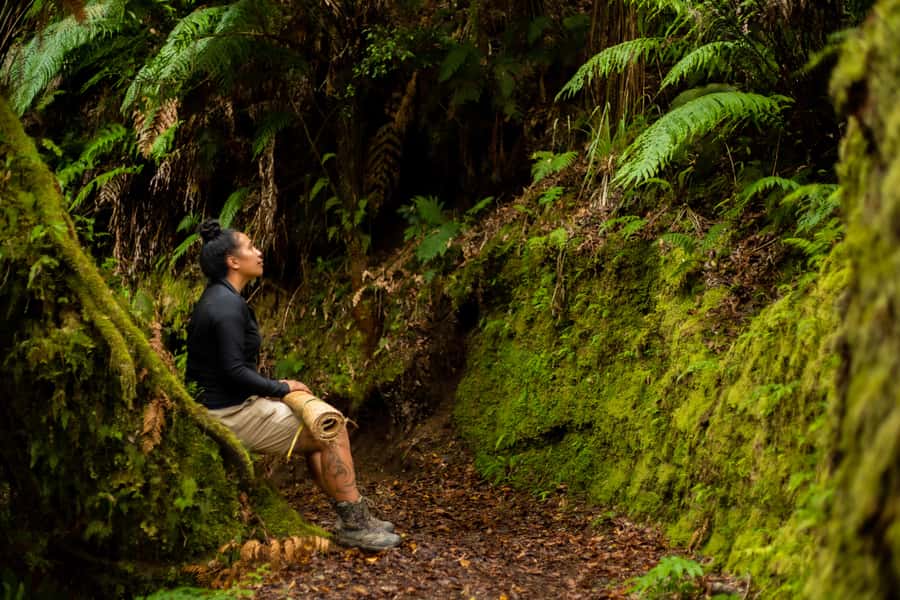
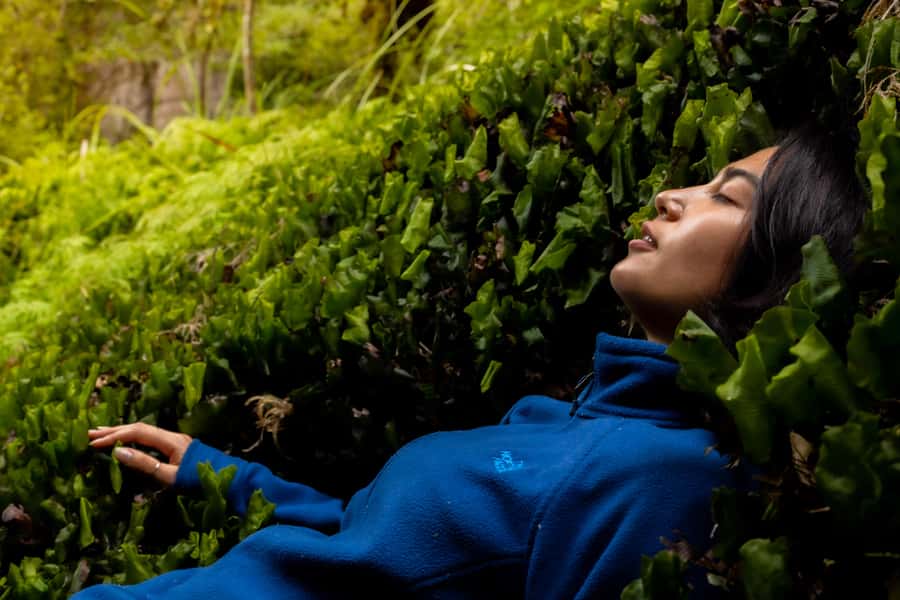
The Forest Bathing sections are built around stillness and attention. Your guides may invite you to focus on the energy, vibrations, and quiet of the forest, supported by traditional chants and Māori wind instruments.
This will suit you if you enjoy reflective travel and want more than a quick photo stop. It may feel less comfortable if you prefer constant movement or a tightly packed schedule. The experience asks you to listen, and some moments may feel intentionally open-ended.
That slower rhythm is one of the tour’s strengths. Rotorua has plenty of active attractions, but Whirinaki offers a different kind of day. You are still sightseeing, yet the reward comes from noticing details and hearing stories rather than chasing thrills.
A forest picnic with time for real conversation
The packed lunch arrives midway through the forest visit and is included in the $176 price. It uses local flavours and gives you about 30 minutes to eat and talk with your guides.
This is useful for more than refuelling. You can ask about Māori identity, local history, environmental care, or the meaning of the plants you have just seen. The guides’ humour and openness are a repeated strength of the day, and the informal meal creates room for questions that might not fit into a walking commentary.
Food is always a personal matter, and the available information does not specify the exact menu or dietary options. If you have allergies or special requirements, check before booking rather than assuming the picnic will suit you.
After lunch comes a hot cup of Kawakawa Tea. Kawakawa is a valued traditional medicinal plant, and the tea provides a fitting final taste of the forest before you leave. It is a small detail, but it makes the visit feel thoughtfully put together.
Te Ana a Tokowaru and an older Māori story
The most unusual stop comes after the forest walk, on the return route. At Te Ana a Tokowaru, you take a short bush walk to ancient caves containing Māori rock carvings. The site is unmarked and not sign-posted for general public access, which gives the stop a private, carefully hosted quality.
The carvings have been carbon-dated to more than 400 years before the Great Migration. That dating offers a different account of Māori arrival in Aotearoa from the simplified version many people first hear. Your guides share the history of the site and explain stories that are rarely told outside their communities.
This is not a large visitor attraction with displays, shops, or polished paths. That is part of its value, but it also means you should follow instructions closely and treat the site with care. Climbing is not allowed, and the visit depends on respectful behaviour.
For me, this stop helps the tour reach beyond nature interpretation. You are not only learning how Māori used the forest. You are hearing how local people understand their own arrival, ancestry, and relationship with the land.
The return to Rotorua and the value of the full day
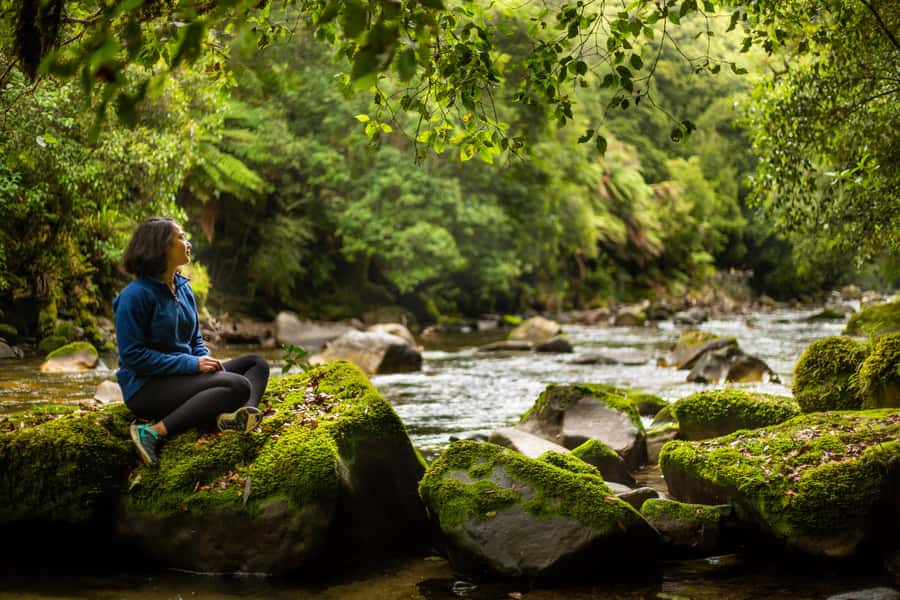
The return journey includes roughly 40 minutes from the forest, about 30 minutes at Murupara for sightseeing, and another 30 minutes back to Rotorua. The estimated arrival at the i-SITE is about 3:30 PM.
The drive may sound long on paper, but the guides and driver keep it social with humour, songs, and conversation. Still, you should understand the tradeoff. Nearly two hours of the day involve travel, and the forest itself receives about two hours of guided walking time.
At $176 per person, the tour is not a budget bus ride. It includes return transport from central Rotorua, a full Māori cultural program, the guided forest walk, picnic lunch, Kawakawa Tea, and access to Te Ana a Tokowaru. When those pieces are counted together, the price is easier to justify, especially if you would otherwise need to arrange transport and separate visits.
The strongest value comes from the hosting. You are paying for interpretation, access, conversation, and cultural context, not just entry to a forest. If you only want a long hike, a cheaper self-guided option may suit you better. If you want to understand the place through Māori voices, this is a much better use of a day.
Who should book this Whirinaki tour?
I would choose this tour if you want to connect Rotorua with a less familiar part of the North Island. It suits people who enjoy nature, cultural history, local food, and thoughtful conversation.
It is also a good choice for first-time visitors who want a clear introduction to Māori relationships with plants, trees, stories, and land. Families and older visitors may appreciate the modest walking distance, though everyone should be ready for an outdoor trail and a full day away from Rotorua.
You may want a different outing if you dislike winding roads, need a very fast-paced schedule, or prefer independent walking without ceremony and commentary. The tour is guided from beginning to end, and the cultural elements are central rather than optional decoration.
Bring comfortable shoes, a water bottle, insect repellent, sunscreen, lip balm, a camera, a warm layer, and any medication you need. Check the forecast before setting out, since a rain jacket or windbreaker is specifically recommended.
Should you book it?
Book this experience if you want Māori-led storytelling with a real sense of place, not just a scenic walk. The ancient trees, rongoā Māori, Forest Bathing, picnic, and Te Ana a Tokowaru visit create a full day with plenty of variety.
The clearest reason to go is the quality of the cultural hosting. Hare and Destiny are examples of the warm, humorous teaching style you can expect, although guides may vary. The main reason to hesitate is the time spent on winding roads and the relatively short walking distance compared with the seven-hour duration.
For a deeper connection to Whirinaki and Māori history, I would book it. For a strenuous hike or a quick nature stop, choose something else.
FAQ
Where does the tour begin?
Meet at the Rotorua i-SITE Visitor Information Centre on Fenton Street, Rotorua.
What time should I arrive?
Arrive at 8:15 AM to check in. The shuttle leaves at 8:30 AM.
What time does the tour return to Rotorua?
The shuttle is expected to return to the Rotorua i-SITE at approximately 3:30 PM.
How long is the walk?
The guided forest route covers about 2.5 kilometres.
How long do you spend walking in Whirinaki Forest Park?
The guided tour lasts about two hours, followed by a 30-minute picnic and 15 minutes for Kawakawa Tea.
Is transport from Rotorua included?
Yes. Complimentary return shuttle transport from the Rotorua i-SITE is included.
Is lunch included?
Yes. A packed picnic lunch with local flavours is included.
What is Kawakawa Tea?
Kawakawa Tea is a hot traditional Māori medicinal drink served during the forest visit.
What should I bring?
Bring comfortable walking shoes, a water bottle, camera, sunscreen, insect repellent, a jacket or windbreaker, a warm jersey, lip balm, and any medication you may need.
Is the tour conducted in English?
Yes. The live guided tour is conducted in English.
Can I cancel the booking?
You can cancel up to 24 hours before the experience for a full refund. A reserve-now-and-pay-later option is also available.
Just added around Rotorua
- Te Puia: Tuku Iho Trail with Cultural Show★ 5.0 · 5 reviews
- Ultimate self-drive rail car journey★ 5.0 · 5 reviews
- Private Tour Waiotapu Geothermal Shore Excursion up to 8 passengers★ 5.0 · 6 reviews
- Rotorua: Floatplane Flight with Orakei Korako Landing★ 5.0 · 6 reviews
- Rotorua: Evening Starlight Gourmet Kayak Tour with dinner★ 5.0 · 6 reviews
- Rotorua: Glow Worm Adventure Kayak★ 5.0 · 6 reviews
- Epic Tandem Kayak Tour down the Kaituna River Waterfalls★ 5.0 · 6 reviews
- Tongariro Discovery Walk★ 5.0 · 6 reviews
Historical Tours, compared.

All Blacks Experience: Interactive Guided Cultural Tour
Read our review →
Skippers Canyon 4WD Heritage half day Tour from Queenstown
Read our review →
Scenic Cruise & Guided Walk on Historic Motor Yacht Lake Te Anau
Read our review →
Tauranga Shore Excursion: History & Kiwifruit Tasting – 4 Hours
Read our review →
Skip the Line:WWI & WWII Combo Exhibitions at the Omaka Aviation Heritage Centre
Read our review →Scenic Cruise & Guided walk on Historic Motor Yacht Lake Te Anau
Read our review →Browse the lists this tour appears in