
Reviewed · ROTORUA TOURS
Ultimate self-drive rail car journey
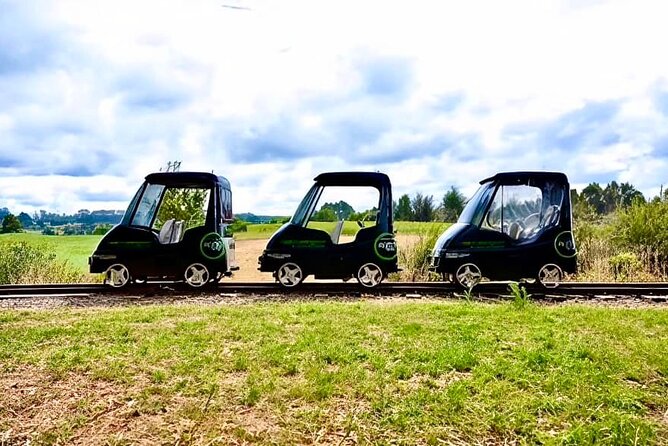
Rail travel gets wonderfully quirky here. Rotorua RailCruising lets you ride a small petrol-electric rail car along a disused railway line, passing native forest, farmland, old railway sites, and broad views toward Lake Rotorua and Mount Tarawera. It is a gentle two-hour outing rather than a high-speed thrill ride, which makes it easy to enjoy with children or older family members.
I like the peaceful pace and the way the rail car brings you close to the scenery without requiring a long walk. I also like the useful audio commentary, which adds context at the right moments instead of talking constantly. The main consideration is the phrase self-drive: the cars are fully automatic, so you are guiding your group along the rails rather than operating a railway vehicle in the usual sense.
In This Review
- Key points to know before you book
- Why this rail car ride feels different
- Starting at Ngongotahā RailCruising Station
- Along the old railway line toward Mamaku
- Tarukenga Marae and the Te Arawa connection
- The quiet forest of Ohokeriki Scenic Reserve
- Mamaku Station and the 20-minute turnaround
- What the two-hour timing really means
- Commentary, staff, and the human touch
- Is $46.54 per person good value?
- Who will enjoy this most?
- Practical details that matter
- Should you book Rotorua RailCruising?
- FAQ
- Where does Rotorua RailCruising start?
- Where does the experience end?
- How long does the rail car journey take?
- How many people can fit in one rail car?
- Is the rail car really self-driven?
- What can you see along the route?
- Is there a stop during the journey?
- What happens if the weather is poor?
Key points to know before you book
- The ride reaches about 20km/h, giving you time to spot birds, old railway equipment, farmland, and forest details.
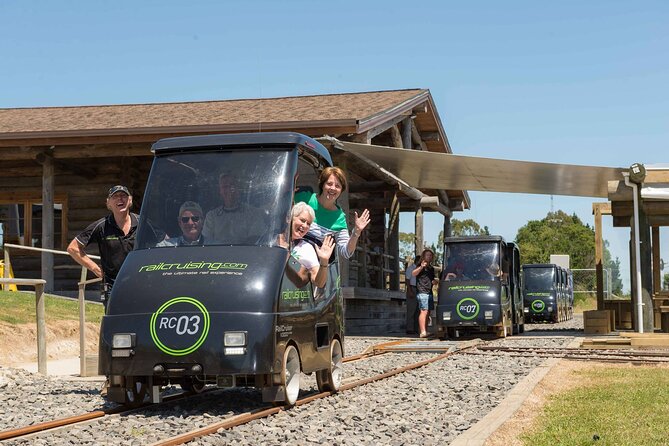
- Each rail car holds up to four passengers, making this a private outing for your own group.
- Waterproof sides keep the ride comfortable, while still giving you clear views from the car.
- The route passes through Ohokeriki, or Dansey Road Scenic Reserve, a large native forest area with ancient rimu and tawa trees.
- Mamaku Station is the turnaround point, with about 20 minutes to leave the car and visit its log cabin.
- A bingo sheet can make the ride more fun for children, especially when searching for deer, roosters, and other sights.
Why this rail car ride feels different
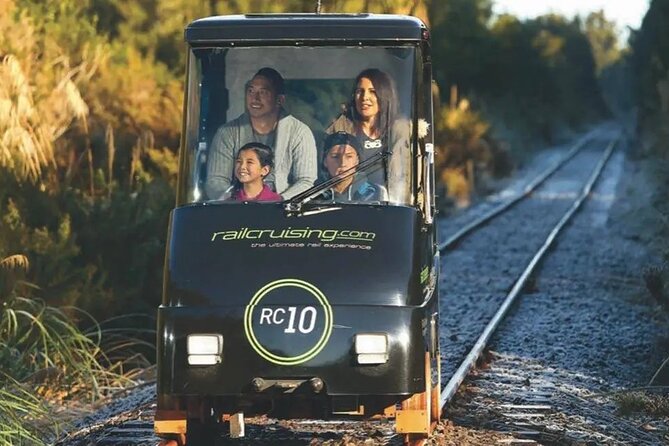
Rotorua has no shortage of geothermal parks, Māori cultural experiences, and adventure activities. This outing offers a quieter change of pace. You sit low beside the track and move through the countryside at a speed that lets you notice small things: a farm fence, an old piece of railway equipment, or a bird moving near the trees.
The cars are petrol-electric and have seating for up to four people. Waterproof sides protect you from ordinary wet weather while keeping the view open. That design matters in Rotorua, where conditions can change quickly and an exposed open carriage could become uncomfortable.
The experience is called self-drive, but do not expect a steering wheel and manual controls. The cars are automatic. You and your companions are placed in your own vehicle, then guided onto the route after a short safety briefing. The novelty comes from sitting in a compact rail car and traveling on the track at your own group’s pace, not from controlling a locomotive.
At roughly 20km/h, the journey has a pleasant thunkety-thunk rhythm. It is slow enough for conversation and quiet enough to hear the audio commentary. You are not rushed from one attraction to another, and that is the point.
A few more Rotorua trips worth weighing up
- Rotorua Canopy Tours: 2.5Hour Native Forest Zipline Adventure
★ 5.0 · 4,563 reviews - Mitai Maori Village: Cultural Experience and Dinner Buffet
★ 4.7 · 3,575 reviews - Rotorua: Wai-O-Tapu Geothermal Park Entry Ticket
★ 4.6 · 2,601 reviews
Starting at Ngongotahā RailCruising Station
The meeting point is Rotorua RailCruising at 45 Ngongotaha Road in Ngongotahā, Rotorua. The experience begins with a safety briefing at the station. A guide then settles you into the rail car and helps set you up on the track.
This opening is short, about 10 minutes, so you should arrive ready to begin rather than expecting a long orientation. The private format is useful here. Only your own group participates, so families and small parties do not need to share a vehicle with strangers.
The station is near public transportation, and service animals are allowed. The activity is also pet-friendly, which gives it an advantage over some outdoor attractions. Still, your pet needs to remain manageable inside a small car, especially during the safety briefing and turnaround stop.
Before setting off, pick up the railway bingo sheet if it is available. It gives children a simple task during the slower stretches. Searching for deer, roosters, and the other pictured sights can turn a peaceful ride into a small family competition without distracting from the scenery.
Along the old railway line toward Mamaku
Once you leave the station, the route moves through a mix of rolling farmland and native forest. The changing scenery is one of the strongest parts of the outing. You are not looking at the same view for two hours, and the gentle pace gives you time to take in each section.
The audio tour explains the history of New Zealand’s railways and points out places along the route. The commentary is not continuous. It comes on when relevant, which helps preserve the quiet mood. If you enjoy hearing how old transport routes shaped a region, this adds useful background without turning the journey into a lecture.
One small detail adds character: you pass the site of the former Tarukenga Station. The station is gone, but the route still carries traces of the railway’s past. Nearby is Toi te Whenua, a 5.5-metre aluminium sculpture positioned beside the road to greet people arriving in Rotorua from the Waikato side.
This is the kind of sight that can easily slip past you on a normal road trip. From the rail car, the audio information and slower pace encourage you to look around. Keep your eyes open as the car moves through each section, since the route includes old railway remnants and equipment beside the track.
Tarukenga Marae and the Te Arawa connection
The rail car also passes Tarukenga Marae, a Te Arawa marae outside Rotorua. It is closely connected with the Ngāti Te Ngākau and Ngāti Tura hapū of Te Ure o Urewera.
You do not stop there, so this is a passing view rather than a visit. Even so, its presence gives the route a stronger local connection than a simple countryside ride. The audio commentary helps place the marae and surrounding area in context.
It is important to treat this part of the trip as observation, not as a cultural tour. You remain on the railway line and do not enter the marae grounds. The value lies in seeing how the rail route passes through places connected to the people and history of the Rotorua region.
A completely different kind of day out in Rotorua:
- Rotorua’s Ultimate Zipline: 6 ziplines, 400 m Tandem, Cliff Walk
★ 5.0 · 2,557 reviews - Rotorua Rafting: Kaituna River White Water Rafting & Free Sauna
★ 5.0 · 1,952 reviews - Cultural Experience & Seasonal Māori Cuisine at Te Pā Tū
★ 5.0 · 1,546 reviews - Mitai Maori Village Cultural Experience in Rotorua
★ 4.5 · 1,294 reviews
The quiet forest of Ohokeriki Scenic Reserve
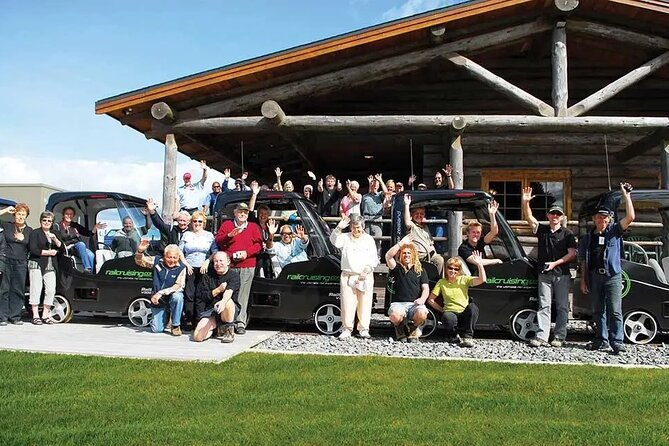
The most atmospheric section comes through Ohokeriki, also known as Dansey Road Scenic Reserve. This 468-hectare native forest area lies west of Ngongotahā and includes old rimu and tawa trees.
The rail car’s slow speed works especially well here. You can look up into the forest, watch for wildlife, and listen to the sound of the vehicle moving along the track. The forest is not presented as a quick photo stop. Instead, it forms a long, calm section of the journey.
The area is also linked with conservation work and native biodiversity. That gives the ride more substance than a simple scenic loop. You are seeing a living forest environment, not just passing through a decorative patch of trees.
Bring patience. Wildlife sightings are never guaranteed, and the route is not designed as a formal wildlife safari. One family found plenty to spot, while another group enjoyed using the bingo sheet to search for deer, roosters, and other familiar country sights. The fun comes from paying attention.
Mamaku Station and the 20-minute turnaround
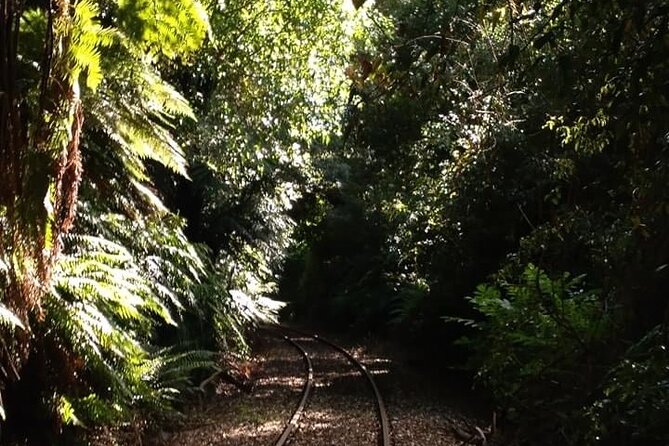
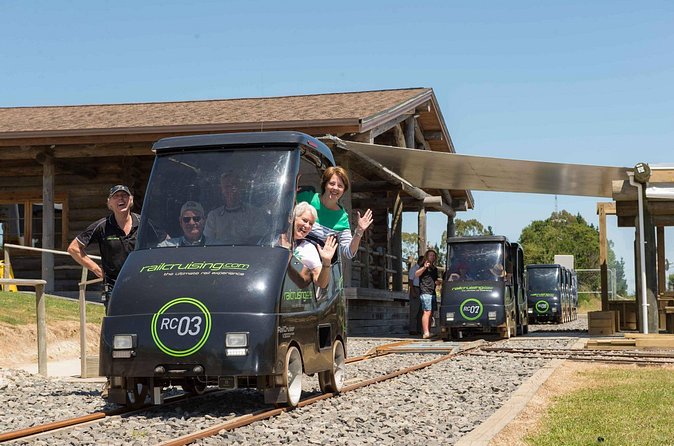
Mamaku RailCruising Station sits on the site of the original Mamaku railway station. It is the turnaround point, and you get about 20 minutes to leave the car and look around.
The highlight here is a beautiful log cabin. You can go inside for a short break before returning to the rail car. This pause is welcome, particularly for families with young children. It breaks up the two-hour ride and gives everyone a chance to stretch.
Mamaku Station also has a baby changing station. That is a practical touch for families with infants, since facilities can be limited on rural outings. The stop is brief, however, so do not expect a full museum visit or a long independent exploration.
The stop also gives you a second chance to see the group’s rail cars and enjoy the setting from outside. Then the journey turns back toward Ngongotahā along the same general route. The return trip is not a problem for most people because the scenery looks different in the opposite direction, and the commentary continues to add context.
What the two-hour timing really means
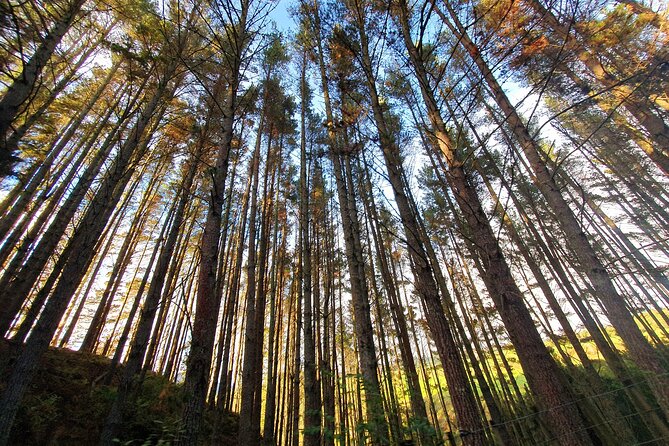
The total duration is about two hours. That includes the briefing, the rail journey, and the stop at Mamaku Station.
This is long enough to feel like a proper outing but short enough to fit into a busy Rotorua day. You could pair it with another nearby activity, though the best match would be something with a different pace. After spending two hours sitting in a rail car, you may prefer a walk, meal, or indoor stop rather than another seated tour.
The 20km/h speed is central to the experience. If you want speed, action, or hands-on driving, this may feel too mild. If you like scenic transport, unusual engineering, and time to notice your surroundings, the pace is a strength.
The waterproof sides offer some weather protection, but this is still an outdoor activity and requires good weather. If poor weather forces a cancellation, you are offered another date or a full refund. Plan with some flexibility if the rail journey is an important part of your Rotorua schedule.
Commentary, staff, and the human touch
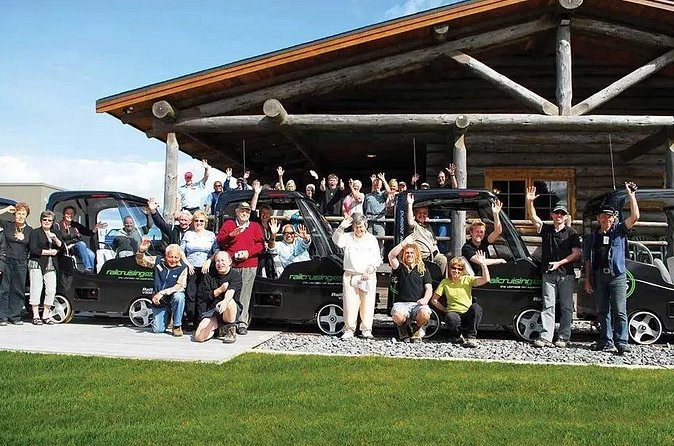
The recorded audio tour explains railway history and points out sights along the line. The timing seems well judged: information appears when it relates to what you are seeing, then gives way to the sounds of the countryside.
The staff also add a personal element. John’s local knowledge of the railway’s past was specifically appreciated, particularly when explaining old equipment and the former railway operations. Staff friendliness is important on a small private activity, since the briefing and setup shape your first impression.
You are not simply handed a vehicle and sent off without guidance. The team settles you into the car, explains the safety points, and gets you onto the line. That makes the experience accessible for people who have never tried rail cruising before.
Is $46.54 per person good value?
At $46.54 per person, the price is reasonable for a private two-hour activity with transport, commentary, a scenic stop, and a distinctive vehicle. The value is strongest when you have a group of two to four people who appreciate unusual local experiences.
You are paying for more than a short photo opportunity. The route covers forest, farmland, railway history, cultural points of interest, and views toward Lake Rotorua and Mount Tarawera. You also avoid the usual crowded tour-bus format because only your group participates.
Families may find the price easier to justify because the ride works across several ages. Children have the bingo sheet and wildlife spotting, while adults can enjoy the scenery, railway details, and quiet atmosphere. The cars’ capacity of four also makes the format straightforward for a small family.
The value is less convincing if you want a major attraction with frequent stops or a highly active ride. The vehicle is automatic, the pace is gentle, and much of the pleasure comes from simply sitting, looking, and listening.
Who will enjoy this most?
I would recommend this to families, couples, small groups, railway fans, and anyone looking for a calm break from Rotorua’s more energetic activities. It is also a good choice for people who enjoy countryside views but do not want a demanding hike.
Children around school age may get the most from the bingo sheet and wildlife spotting. The activity can still work for younger children, especially with the baby changing station at Mamaku, though attention spans vary during a slow ride.
The private format helps groups with different interests. One person can focus on the audio tour, another can watch for wildlife, and children can search along the track without needing to fit into a large shared vehicle.
You should think twice if you dislike sitting for long periods, need guaranteed wildlife sightings, or want genuine manual control of the vehicle. The term self-drive can create the wrong expectation, so book it as an automatic rail-car adventure rather than a driving lesson.
Practical details that matter
Your mobile ticket is accepted for the experience, and confirmation is received at booking. The activity begins and ends at the Rotorua RailCruising meeting point in Ngongotahā.
Most people can participate, and the tour is near public transportation. Service animals are allowed, and the activity is pet-friendly. Since the cars hold up to four passengers, check your group size when booking and expect larger parties to use more than one car.
Free cancellation is available if you cancel at least 24 hours before the scheduled start time. Changes or cancellations made inside that period are not refunded or accepted. The cut-off follows local Rotorua time.
Should you book Rotorua RailCruising?
Book it if you want a peaceful, original way to see Rotorua’s countryside and like the idea of traveling on an old railway line at a slow, comfortable pace. The forest, changing views, railway stories, and Mamaku cabin stop give the two hours enough variety.
I would especially choose it for a family day, a small private group, or a rainy-weather backup when conditions are still suitable for the ride. Just remember that it is automatic, not a true hands-on driving experience, and that the appeal comes from quiet observation rather than speed.
FAQ
Where does Rotorua RailCruising start?
The experience starts at Rotorua RailCruising, 45 Ngongotaha Road, Ngongotahā, Rotorua 3010, New Zealand.
Where does the experience end?
The rail car journey ends back at the original meeting point in Ngongotahā.
How long does the rail car journey take?
The full experience lasts approximately two hours.
How many people can fit in one rail car?
Each petrol-electric rail car has space for up to four passengers.
Is the rail car really self-driven?
The cars are fully automatic. You ride in your group’s rail car, but the experience does not involve manual driving controls.
What can you see along the route?
The route includes rolling farmland, native forest, views toward Lake Rotorua and Mount Tarawera, the former Tarukenga Station site, Toi te Whenua sculpture, Tarukenga Marae, and Ohokeriki, or Dansey Road Scenic Reserve.
Is there a stop during the journey?
Yes. Mamaku RailCruising Station is the turnaround point, where you can leave the car and visit the log cabin for about 20 minutes.
What happens if the weather is poor?
The experience requires good weather. If it is canceled because of poor conditions, you are offered a different date or a full refund.
Just added around Rotorua
- Te Puia: Tuku Iho Trail with Cultural Show★ 5.0 · 5 reviews
- Private Tour Waiotapu Geothermal Shore Excursion up to 8 passengers★ 5.0 · 6 reviews
- Rotorua: Floatplane Flight with Orakei Korako Landing★ 5.0 · 6 reviews
- Rotorua: Evening Starlight Gourmet Kayak Tour with dinner★ 5.0 · 6 reviews
- Rotorua: Glow Worm Adventure Kayak★ 5.0 · 6 reviews
- Epic Tandem Kayak Tour down the Kaituna River Waterfalls★ 5.0 · 6 reviews
- From Rotorua: Whirinaki Rainforest Guided Cultural Tour★ 5.0 · 6 reviews
- Tongariro Discovery Walk★ 5.0 · 6 reviews
Rotorua Tours, compared.
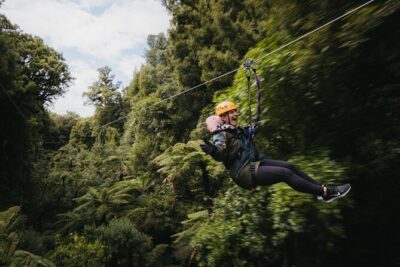
Rotorua Canopy Tours: 2.5Hour Native Forest Zipline Adventure
Read our review →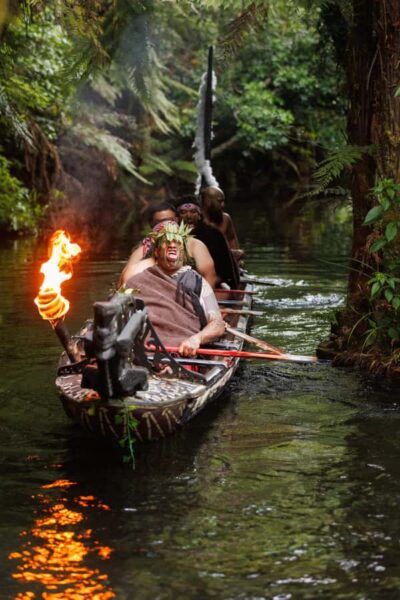
Mitai Maori Village: Cultural Experience and Dinner Buffet
Read our review →
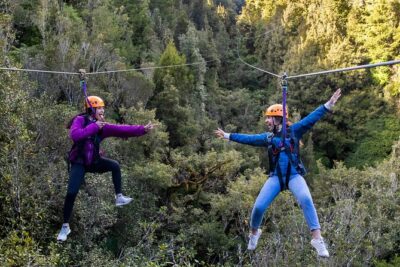
Rotorua’s Ultimate Zipline: 6 ziplines, 400 m Tandem, Cliff Walk
Read our review →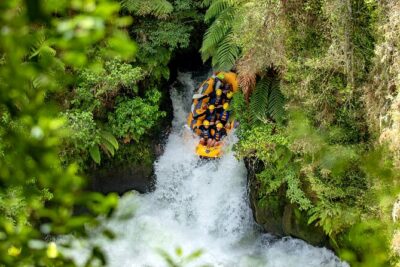
Rotorua Rafting: Kaituna River White Water Rafting & Free Sauna
Read our review →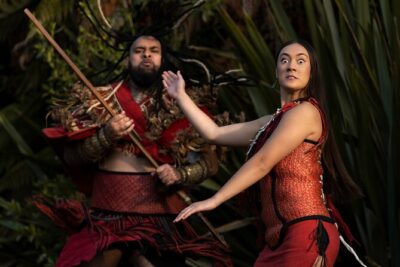
Cultural Experience & Seasonal Māori Cuisine at Te Pā Tū
Read our review →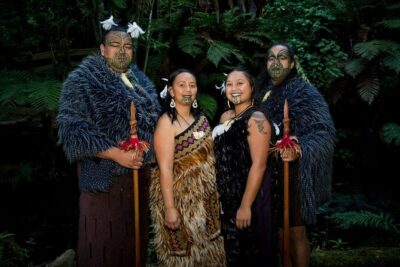
Mitai Maori Village Cultural Experience in Rotorua
Read our review →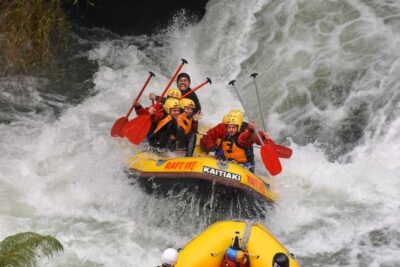
Rafting Rotorua: Kaituna River White Water Experience
Read our review →Browse the lists this tour appears in