
Reviewed · GEOTHERMAL & HOT SPRINGS
Rotorua: Floatplane Flight with Orakei Korako Landing
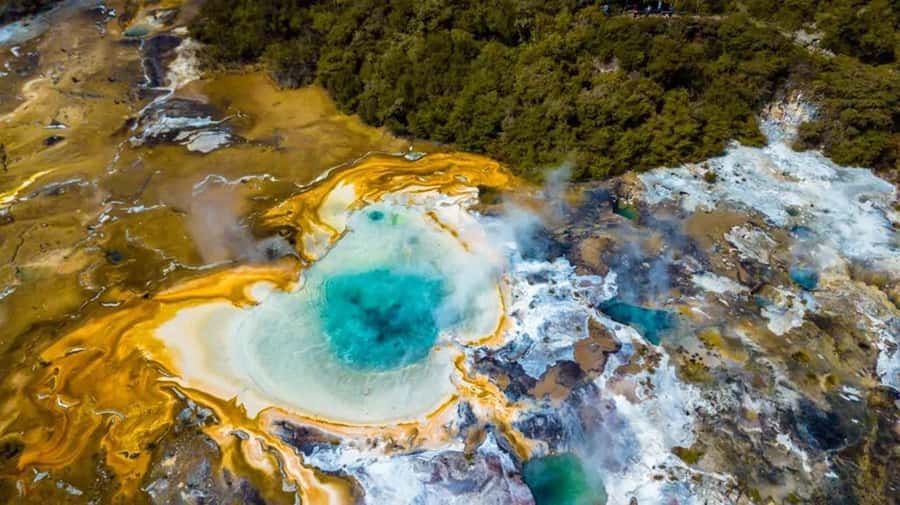
See Rotorua from the air. This two-hour floatplane trip gives you a fresh view of the North Island’s volcanic country, from Lake Rotorua and Mokoia Island to Mount Tarawera’s giant rift. I especially like the river landing at Orakei Korako and the chance to explore the geothermal park on foot rather than simply fly over it. The small group, limited to six people, also makes the flight feel personal.
The main caution is the plane itself. It has six small bucket seats, and you need to be reasonably flexible getting in and out. The flight can also be bumpy at times. Still, the combination of aerial scenery, a water landing, and a one-hour walk through Orakei Korako gives this trip more substance than a standard sightseeing flight.
In This Review
- Key points at a glance
- Why seeing Rotorua from a floatplane matters
- Mount Tarawera and the scars of eruption
- Waimangu, Frying Pan Lake, and Inferno Crater
- Wai-O-Tapu from the air
- The river landing at Orakei Korako
- One hour walking through Orakei Korako
- The return over farms and mountains
- Is $505 good value?
- Weather, comfort, and practical preparation
- Who should book this flight?
- Should you book the Orakei Korako floatplane flight?
- FAQ
- How long is the floatplane experience?
- How many people can join the flight?
- Where does the flight leave from?
- Does the floatplane land on the Waikato River?
- How much time do I have at Orakei Korako?
- What can I see at Orakei Korako?
- Are food and drinks included?
- Who should not take this activity?
Key points at a glance
- A floatplane lands on the Waikato River: The approach follows the river’s bends through native bush before the aircraft docks.
- Mount Tarawera is the dramatic centerpiece: You fly over its 17-kilometer volcanic rift and colorful craters.
- You see several major geothermal areas from above: Waimangu Volcanic Valley, Wai-O-Tapu, Frying Pan Lake, and Inferno Crater all feature in the route.
- Orakei Korako adds time on foot: You get about an hour to see hot springs, geysers, mud pools, silica terraces, and a thermal cave.
- The plane carries only six people: That keeps the experience intimate, but the compact cabin may not suit everyone.
- The price is $505 per person: It is a splurge, but it combines a scenic flight and entry to a geothermal park in one outing.
Why seeing Rotorua from a floatplane matters
Rotorua is easy to appreciate from ground level. You can walk around a geothermal park, smell the sulfur, and watch mud bubble in a pool. From the air, though, you begin to understand how the lakes, volcanic craters, forests, and farms fit together.
That wider view is the main reason to choose this flight. You are not simply ticking off one attraction. You are looking at a whole volcanic region, including the traces of past eruptions and the water-filled craters that now shape the area.
The flight begins at Volcanic Air beside Lake Rotorua. After takeoff, you look back over the city, the lake, Mokoia Island, and Sulfur Bay. The route gives you a chance to try spotting all 14 lakes in the district, though cloud or light conditions may make some easier to see than others.
I like this opening because it puts Rotorua’s famous thermal activity into context. The city is not an isolated pocket of hot pools. It sits in a broad area shaped by volcanoes, lakes, forest, and farmland.
More Geothermal & Hot Springs in Rotorua
- Rotorua: Wai-O-Tapu Geothermal Park Entry Ticket
★ 4.6 · 2,601 reviews - Rotorua: Hells Gate Outdoor Mud Bath & Spa Experience
★ 4.6 · 398 reviews - Wai-O-Tapu Thermal Wonderland, Rotorua, New Zealand
★ 4.5 · 379 reviews
Mount Tarawera and the scars of eruption
The aircraft then heads toward Mount Tarawera, a dormant volcano with a powerful place in Rotorua’s story. Its eruption reshaped the area and destroyed the Pink and White Terraces, once described as the eighth wonder of the world.
From the plane, the key sight is the long volcanic rift. At roughly 17 kilometers, it is far more impressive from above than it would be from a viewpoint on the ground. You see craters in different colors and shapes, along with hollows and lakes formed by volcanic activity.
This part of the trip rewards anyone interested in geology, but you do not need technical knowledge to enjoy it. The basic story is clear from the view: the ground opened, fire and ash altered the region, and water later filled many of the scars.
The pilot’s commentary matters here. John’s review specifically praises Ben for explaining what was below, while keeping the flight relaxed and friendly. That mix of information and calm confidence can make a big difference in a small aircraft, where the pilot is both your guide and the person flying you over active volcanic country.
Waimangu, Frying Pan Lake, and Inferno Crater
After Mount Tarawera, the route passes over Waimangu Volcanic Valley, described as the youngest geothermal park on Earth. The aerial view lets you see the valley’s volcanic features as part of a larger system rather than as separate pools and walkways.
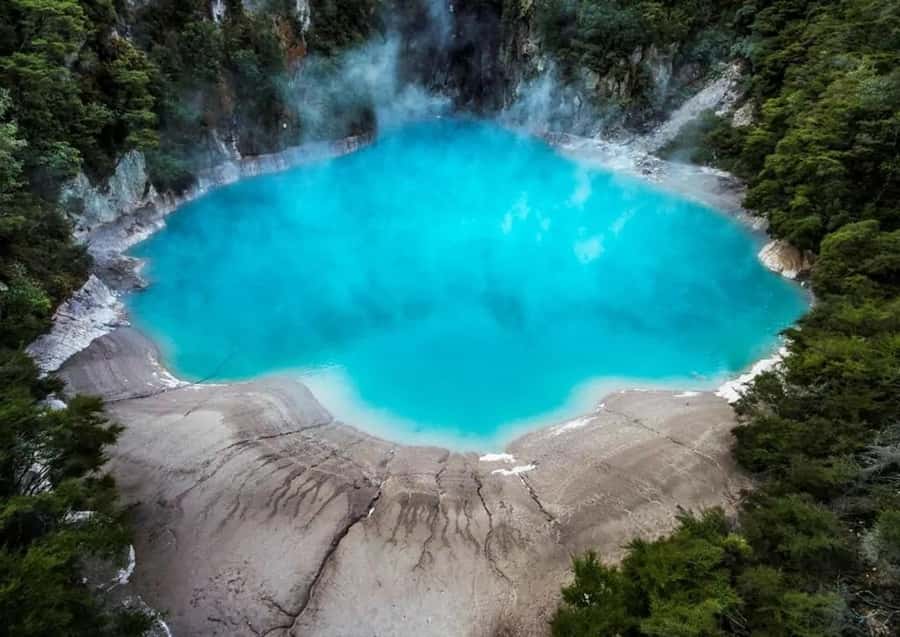
Frying Pan Lake is one of the memorable sights. Its name is practical: the broad body of steaming water resembles a giant pan. Nearby, Inferno Crater provides a sharp contrast with its striking blue water.
The colors are not just pretty decoration. They show how heat, minerals, gases, and water interact underground. From the air, the shapes and colors are easier to appreciate, though you will not get the close detail that you would on a walking visit.
This is one of the important tradeoffs to understand. A flight gives you scale and access to several places in a short time. It does not replace a full day visiting every geothermal park. You see the major features from above, then get your detailed walking experience later at Orakei Korako.
Wai-O-Tapu from the air
The aircraft continues toward Wai-O-Tapu Thermal Wonderland, with aerial views of the Artist’s Palette and Champagne Pool. These are among the area’s best-known geothermal features, and their colors become part of a larger pattern when viewed from the sky.
You may find that the aerial view is less about identifying every small pool and more about seeing the spread of the thermal area. It is a quick sightseeing pass, listed as about five minutes, so keep your camera ready and listen closely to the pilot’s guidance.
That short timing also means the experience is active. You are changing views often, from lakes to farmland, volcanic craters, steaming valleys, and forests. If you prefer a slow, quiet tour focused on one site, this may feel rushed. If you want a broad sample of Rotorua’s volcanic sights, the pace works well.
A completely different kind of day out in Rotorua:
- Rotorua Canopy Tours: 2.5Hour Native Forest Zipline Adventure
★ 5.0 · 4,563 reviews - Mitai Maori Village: Cultural Experience and Dinner Buffet
★ 4.7 · 3,575 reviews - Rotorua’s Ultimate Zipline: 6 ziplines, 400 m Tandem, Cliff Walk
★ 5.0 · 2,557 reviews - Rotorua Rafting: Kaituna River White Water Rafting & Free Sauna
★ 5.0 · 1,952 reviews
The river landing at Orakei Korako
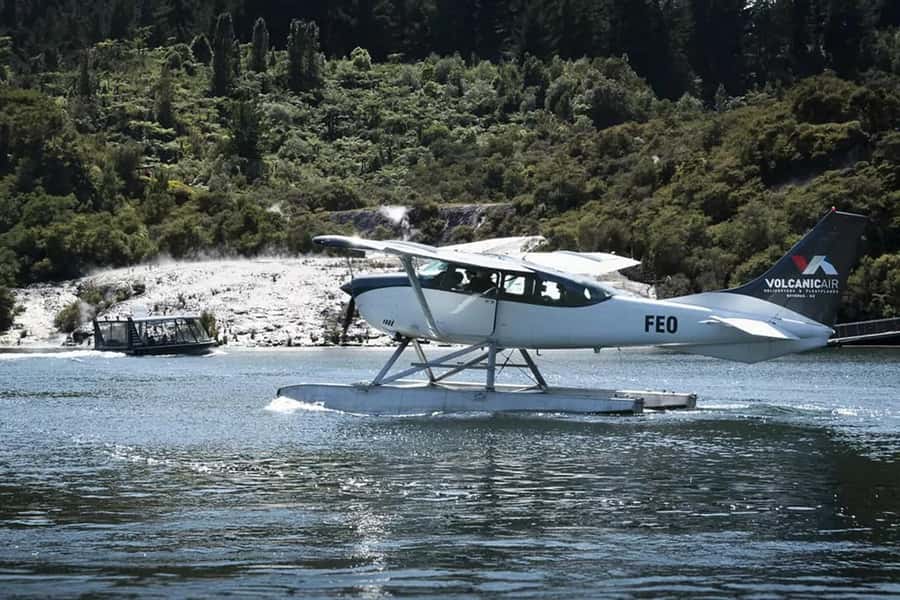
The most unusual part comes when the floatplane turns toward the Waikato River. Rather than landing at an ordinary runway, the pilot descends along the river and follows its bends toward Orakei Korako.
The aircraft glides past native bush and touches down on the river before docking. This is not just transport to the next stop. It is part of the attraction, and it gives you the memorable moment many people value most on this trip.
A water landing also explains why this flight feels different from a standard helicopter or fixed-wing sightseeing ride. You see Rotorua from above, then arrive at the geothermal park by water. The return takeoff from the river provides a second chance to enjoy the unusual setting.
You should expect some movement and noise. One detailed account describes the aircraft as very compact, with six small bucket seats, and says passengers need to be flexible when getting in and out. That is useful advice. Wear practical clothes and shoes, and do not bring an attitude that this will feel like a roomy commercial aircraft.
One hour walking through Orakei Korako
Once you arrive, you have about an hour to explore Orakei Korako at your own pace. This is where the trip shifts from sightseeing flight to walking visit.
The park includes hot springs, gushing geysers, bubbling mud pools, a thermal cave, and large silica terraces. You will need comfortable shoes because the hour is intended for walking, not simply standing near the dock.
I like this balance. The aircraft shows you a large portion of Rotorua’s volcanic region, while Orakei Korako gives you time to see geothermal activity up close. Steam, color, sound, and ground texture are much easier to appreciate on foot.
The one-hour limit is enough for a focused visit, but it is not a leisurely full-day exploration. Keep an eye on the time so you are back at the aircraft when required. If you stop often for photographs, you may need to choose which parts of the park matter most to you.
The thermal cave is another useful detail. Many aerial sightseeing trips offer impressive views but little connection with the ground. Here, you get features that an aircraft cannot show properly, including the smaller details of the terraces and the bubbling pools.
There is also a café where you can stop for coffee, tea, or local snacks. Food and drinks are not included in the price, so bring water and plan to pay separately if you want something during the break.
The return over farms and mountains
After the walk, you reboard the floatplane for the return journey. The route passes over farmland and the Paeroa mountain range before heading back toward Rotorua.
This return section is longer than some of the outward sightseeing segments, with about 20 minutes of aerial views over the Rotorua district. It gives you time to absorb the change from geothermal country to working rural land.
That contrast is worth noticing. The region is not only volcanoes and steaming pools. Farms, forests, mountains, lakes, and towns all sit within the same broad setting. From the air, the change happens gradually and makes the earlier volcanic features easier to place.
The flight ends at the Lake Rotorua pier in the city. There is no hotel pickup or drop-off, so you need to arrange your own way to Volcanic Air and back to your accommodation.
Is $505 good value?
At $505 per person, this is an expensive Rotorua activity. The price makes sense only if you want more than a basic flight or a standard geothermal park visit.
You are paying for:
- A floatplane flight over the Rotorua lakes district
- Aerial views of Mount Tarawera and its volcanic rift
- Views of Waimangu and Wai-O-Tapu
- A landing and takeoff on the Waikato River
- Entry and about one hour at Orakei Korako
- A small group of no more than six people
- Commentary from an English-speaking pilot
That is a lot packed into two hours, but the cost is still a major consideration. The strongest value comes from combining three experiences that would otherwise require separate planning: an aerial tour, a water landing, and a geothermal walk.
I would recommend it most for a special occasion, a short Rotorua stay, or anyone who places a high value on unusual transport and scenery. If your budget is tight, you may get more total time at geothermal sites by choosing a ground-based tour or visiting a park independently.
The high praise focuses on the parts that are hardest to duplicate. Ben’s commentary, the river landing, the views of volcanic craters, and the compact six-seat plane all help make this more personal than a large sightseeing operation.
Weather, comfort, and practical preparation
This is an outdoor activity, and the aerial views depend on conditions. Check the weather before you go and dress appropriately. A hat, sunscreen, water, and a camera are specifically useful for the walk and the time around the river.
The flight can be bumpy. That does not mean anything is wrong, but you should be comfortable with the possibility of movement. The experience is not suitable for pregnant women or people with back or heart problems.
You will also need comfortable shoes for Orakei Korako. The park includes a self-guided walk, and the hour will be more enjoyable if you can move easily rather than worrying about footwear.
Smoking is not allowed. Meals and drinks are not included, although coffee, tea, and local snacks are available at the Orakei Korako café.
The English-speaking pilot is an important part of the experience. In a group of six, you are close enough to hear the commentary and ask questions, assuming the conditions allow conversation during the flight. The small group is a real advantage for those who dislike large tour vehicles and scripted sightseeing.
Who should book this flight?
I would choose this for someone who wants Rotorua’s big picture and its close-up details in the same outing. It suits photographers, geology fans, first-time floatplane passengers, and anyone who enjoys unusual ways to reach familiar sights.
It is also a strong choice if you have only a limited amount of time in Rotorua. In two hours, you see several major geothermal areas and still get a walking visit at Orakei Korako.
I would think twice if you dislike small aircraft, have difficulty stepping into a compact cabin, or need a completely smooth ride. The plane is small, the seats are tight, and the flight may be bumpy.
You should also consider your sightseeing style. The aerial portions are brief at several locations, so you will not have time to study every feature. The reward is variety: one view leads to another, and the river landing gives the outing a clear high point.
The cancellation policy is flexible, with a full refund available if you cancel up to 24 hours ahead. You can also reserve now and pay later, which helps if your Rotorua plans are still shifting. Starting times vary, so check availability when booking.
Should you book the Orakei Korako floatplane flight?
Book it if you want a memorable, high-value splurge rather than the cheapest way to see geothermal Rotorua. The river landing, Mount Tarawera views, pilot commentary, and one-hour walk at Orakei Korako give the experience real variety.
Skip it if you need roomy seating, have health or mobility concerns listed for the activity, or would rather spend several hours exploring one geothermal park at ground level. For everyone else, this is an efficient and unusual way to connect Rotorua’s lakes, volcanoes, forests, and thermal areas in one compact trip.
FAQ
How long is the floatplane experience?
The experience lasts two hours, including the flight, river landing, and self-guided walk at Orakei Korako.
How many people can join the flight?
The group is limited to six participants.
Where does the flight leave from?
The flight starts with Volcanic Air at Lake Rotorua and returns to the Volcanic Air lakefront pier.
Does the floatplane land on the Waikato River?
Yes. The pilot follows the Waikato River and lands on the river near Orakei Korako.
How much time do I have at Orakei Korako?
You have about one hour for a self-guided walk through the geothermal park.
What can I see at Orakei Korako?
The park includes hot springs, geysers, bubbling mud pools, a thermal cave, and large silica terraces.
Are food and drinks included?
No. Food and drinks are not included, but the café at Orakei Korako offers coffee, tea, and local snacks.
Who should not take this activity?
The activity is not suitable for pregnant women or people with back problems or heart problems. You should also be comfortable getting into a compact six-seat aircraft and walking through the park.
Just added around Rotorua
- Te Puia: Tuku Iho Trail with Cultural Show★ 5.0 · 5 reviews
- Ultimate self-drive rail car journey★ 5.0 · 5 reviews
- Private Tour Waiotapu Geothermal Shore Excursion up to 8 passengers★ 5.0 · 6 reviews
- Rotorua: Evening Starlight Gourmet Kayak Tour with dinner★ 5.0 · 6 reviews
- Rotorua: Glow Worm Adventure Kayak★ 5.0 · 6 reviews
- Epic Tandem Kayak Tour down the Kaituna River Waterfalls★ 5.0 · 6 reviews
- From Rotorua: Whirinaki Rainforest Guided Cultural Tour★ 5.0 · 6 reviews
- Tongariro Discovery Walk★ 5.0 · 6 reviews
Geothermal & Hot Springs, compared.
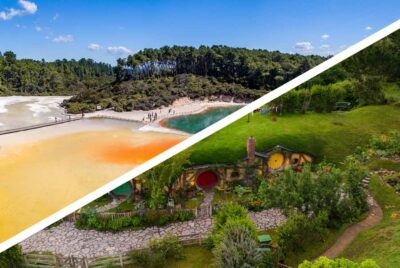
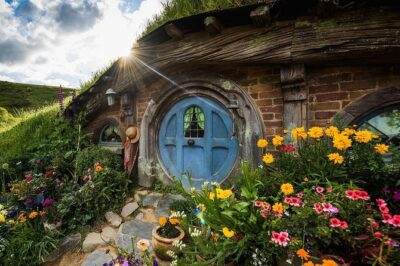
Hobbiton & Rotorua including Wai-O-Tapu – Small Group Tour from Auckland
Read our review →
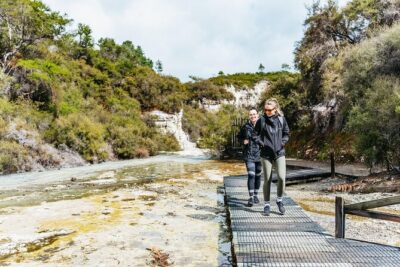
Wai-O-Tapu Thermal Wonderland, Rotorua, New Zealand
Read our review →
Polynesian Spa Pavilion Hot Pool Bathing (12+ yrs)
Read our review →
Polynesian Spa Rotorua: Deluxe Lake Spa Hot Spring Bathing
Read our review →
Wai O Tapu & Waimangu Eco Thermal Morning Tour
Read our review →Browse the lists this tour appears in