
Reviewed · MAORI CULTURAL EXPERIENCES
Te Puia: Tuku Iho Trail with Cultural Show
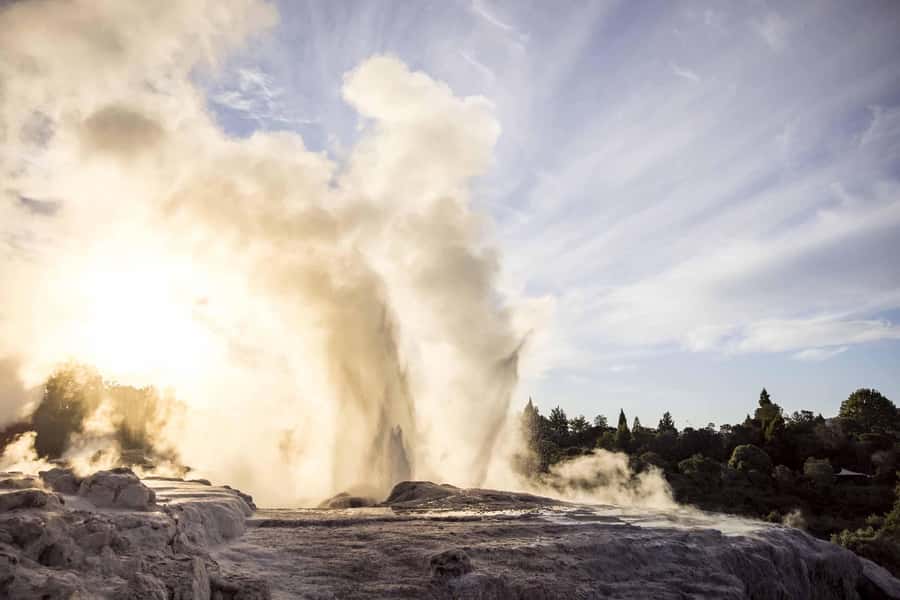
Rotorua tells its story through steam. Te Puia’s Tuku Iho Trail brings that story together with geothermal scenery, Māori carving and a cultural performance in about two hours and 45 minutes. I like the hot-pool-cooked sweetcorn with the Hatupatu legend, and I like that the tour includes both the Kiwi Conservation Centre and the New Zealand Māori Arts and Crafts Institute. The main consideration is the walking: bushland and geothermal paths require a moderate level of fitness, and this is not suitable for wheelchair users or people with mobility impairments.
At $89 per person, this is a sensible choice if you want a concentrated introduction to several sides of Te Puia without spending a full day there. The group is described as small, though the supplied details give both six and 20 as the group limit, so check the exact booking information before paying. English is the tour language, and guide Paul received especially warm praise for making the experience work smoothly.
In This Review
- Key points to know before you book
- Why this Te Puia experience works well in a short visit
- Starting at 20 Hemo Road
- Walking through geothermal paths and bushland
- Sweetcorn, hot pools and the story of Hatupatu
- The Kiwi Conservation Centre
- Rotowhio marae and the Māori Arts and Crafts Institute
- The cultural performance inside Te Aronui a Rua
- How much value do you get for $89?
- Who should book this tour?
- My verdict: a strong short introduction to Te Puia
- FAQ
- How long does the Tuku Iho Trail with Cultural Show take?
- Where does the experience start?
- Where does the experience finish?
- What language is the tour conducted in?
- Is food included?
- What should I bring?
- Is the tour suitable for wheelchair users?
- Is a high level of fitness required?
- What does the cultural performance include?
- Can I cancel the booking?
Key points to know before you book
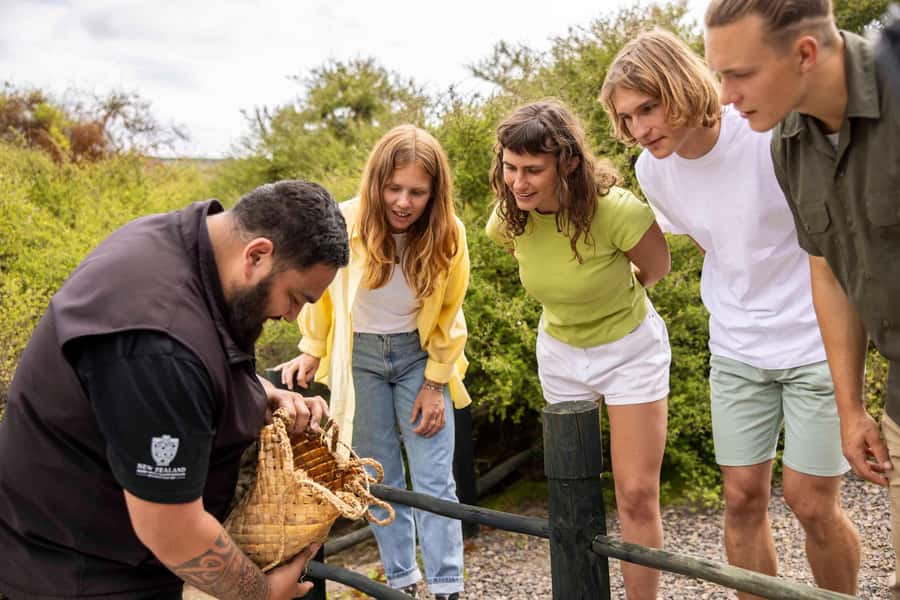
- Sweetcorn cooked in a ngāwhā: You taste corn prepared in an ancient geothermal boiling pool while hearing the story of Hatupatu and Kurungaituku.
- A compact Rotorua sampler: The route combines geothermal paths, bushland, kiwi conservation, Māori arts and a 30-minute cultural show.
- Te Aronui a Rua performance: The presentation includes a pōhiri, waiata, mōteatea, poi and haka inside a carved meeting house.
- A walking tour with real footing demands: Comfortable shoes are essential, and the route is not designed for wheelchairs, mobility scooters or electric wheelchairs.
- Good value for a short visit: At $89, you get guided access to several major Te Puia elements rather than just a geothermal walk.
- Plan for 2 hours 45 minutes: The guided portion lasts about 2 hours and 15 minutes, followed by a 30-minute dance show, despite some details listing the overall duration as two hours.
Why this Te Puia experience works well in a short visit
Rotorua has no shortage of geothermal attractions and Māori cultural experiences. The difficulty is fitting the important pieces together without spending your whole day moving between separate venues.
This tour solves that problem neatly. In one visit, you see steaming geothermal features, hear Māori stories connected to the area, visit the arts institute, look for kiwi birds and attend a formal cultural performance. You are not simply handed a map and sent off to find the highlights yourself. An English-speaking guide leads the walk and gives the valley a human story.
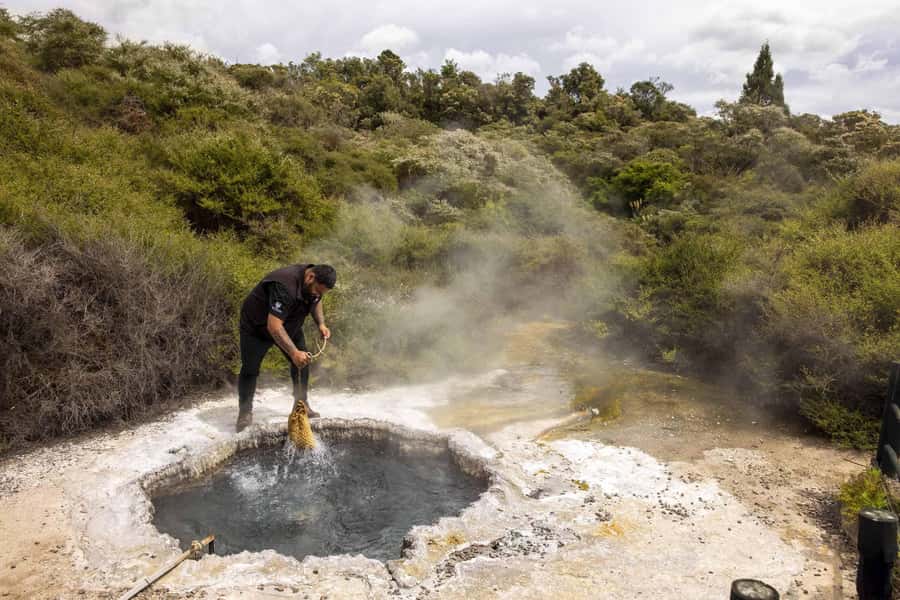
I particularly like the mix of practical and cultural detail. The geothermal pools are not presented only as dramatic photo stops. You learn how mineral-rich pools have been used for cooking and bathing for centuries. That gives the steam and hot water a purpose beyond their appearance.
The format also suits people with limited time in Rotorua. You return to 20 Hemo Road after the experience, so the visit is contained and easy to fit around other plans. Still, do not treat it as a quick 60-minute attraction. With the walk and performance together, allow close to three hours.
More Maori Cultural Experiences in Rotorua
- Mitai Maori Village: Cultural Experience and Dinner Buffet
★ 4.7 · 3,575 reviews - Cultural Experience & Seasonal Māori Cuisine at Te Pā Tū
★ 5.0 · 1,546 reviews - Mitai Maori Village Cultural Experience in Rotorua
★ 4.5 · 1,294 reviews
Starting at 20 Hemo Road
You begin at Te Puia’s entrance at 20 Hemo Road. Your confirmation needs to be shown at Admissions and exchanged for the activity ticket there.
The route then moves into a guided visit lasting about two hours and 15 minutes. A 30-minute traditional dance show follows, with the experience ending back at the same Te Puia location.
The timing deserves a little care. The activity is described in places as two hours, but the detailed schedule adds up to two hours and 45 minutes. I would plan on the longer figure. That leaves room for the guide to move the group through the valley, spend time at the different stops and attend the full performance without forcing you to hurry.
The tour is in English. Group information is slightly inconsistent, with one detail describing a limit of six participants and another giving 20. A smaller group should make it easier to hear the guide and ask questions, but you should confirm the size for your chosen departure.
Walking through geothermal paths and bushland
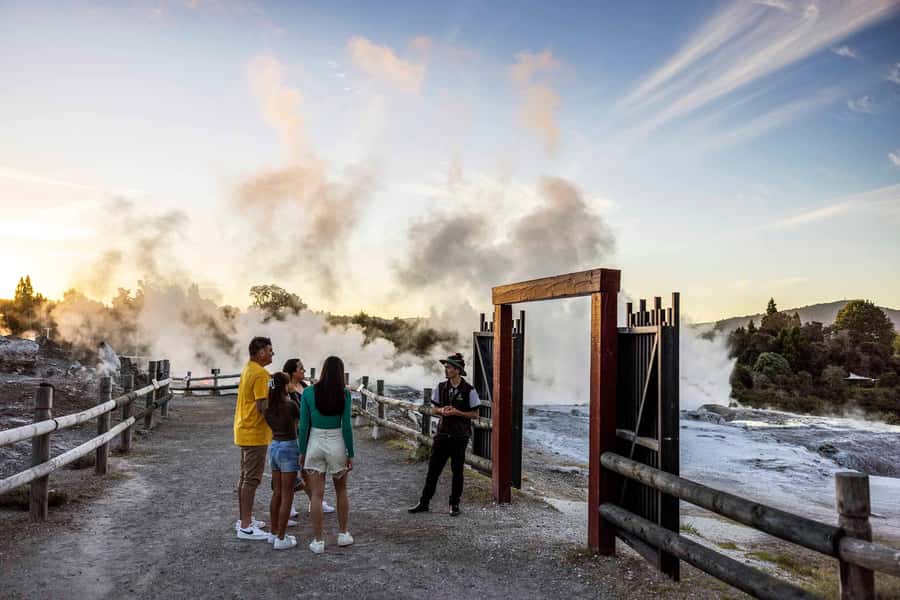
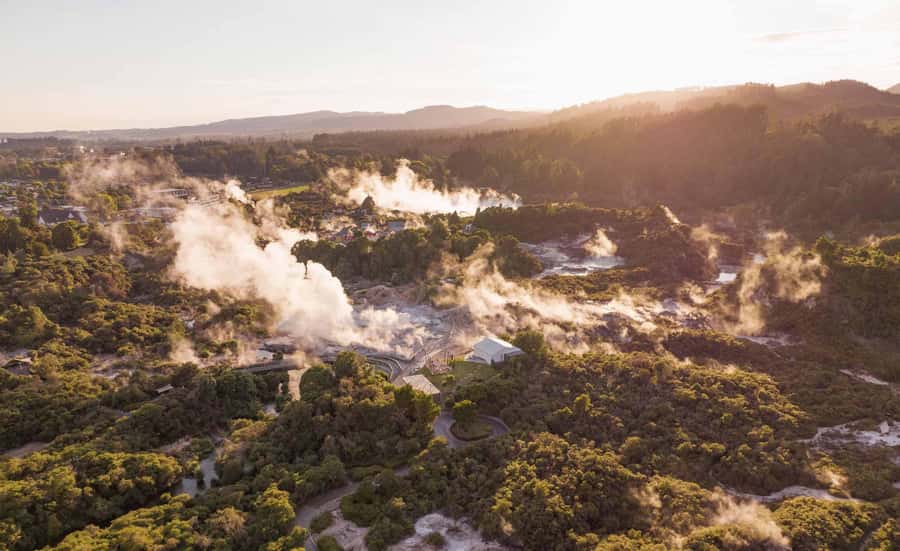
The walk is the heart of the experience. You follow bushland and winding geothermal sinter paths toward the valley, with geysers and hot pools shaping the surroundings.
Sinter is the mineral deposit formed when geothermal water cools and leaves material behind. It can create unusual pale surfaces and uneven walking areas, which explains the need for sensible footwear. This is not a polished city pavement stroll. Bring comfortable shoes, keep water with you and be ready for a moderate walk.
The route is appealing because it lets you see geothermal activity from more than one angle. You move through vegetation, then along geothermal paths, then toward important cultural sites. The contrast between bush and steam gives the valley its character.
Your guide is important here. Without explanation, geothermal scenery can blur into a series of pools and vents. The guide connects the natural features with the ways Māori ancestors used the area. You hear about cooking and bathing, rather than only being told which pool is hot.
There is a practical limit to the experience. It is not suitable for people with mobility impairments, wheelchair users, visually impaired people or those with a low level of fitness. High heels, bare feet, mobility scooters and electric wheelchairs are not allowed. Those restrictions are worth taking seriously, since the route includes bushland and geothermal paths rather than a fully accessible walkway.
Sweetcorn, hot pools and the story of Hatupatu
One of the most memorable details is also one of the simplest: sweetcorn cooked in a geothermal boiling pool, called a ngāwhā.
You receive a sample while hearing the tale of Hatupatu, a brave warrior who escaped the mythical birdwoman Kurungaituku. The story adds an imaginative layer to the walk, and it is tied to the same geothermal setting where food has been prepared for generations.
The account includes an unexpected romantic thread. During the danger, a brief love was born between Hatupatu and Kurungaituku, a secret known only to Hatupatu. That detail gives the legend more than a straightforward chase. It becomes a story about fear, escape and an enchanted bond.
The tasting is not a full meal, and food and drinks are otherwise excluded. Think of it as a small, place-specific sample rather than lunch. If you arrive hungry, eat before or after the tour, or bring water and plan another food stop.
I like this part because it makes the geothermal valley useful in a very direct way. You are not only looking at hot water from behind a barrier. You are tasting something cooked by that heat while learning why these pools mattered to the people who lived with them.
A completely different kind of day out in Rotorua:
- Rotorua Canopy Tours: 2.5Hour Native Forest Zipline Adventure
★ 5.0 · 4,563 reviews - Rotorua: Wai-O-Tapu Geothermal Park Entry Ticket
★ 4.6 · 2,601 reviews - Rotorua’s Ultimate Zipline: 6 ziplines, 400 m Tandem, Cliff Walk
★ 5.0 · 2,557 reviews - Rotorua Rafting: Kaituna River White Water Rafting & Free Sauna
★ 5.0 · 1,952 reviews
The Kiwi Conservation Centre
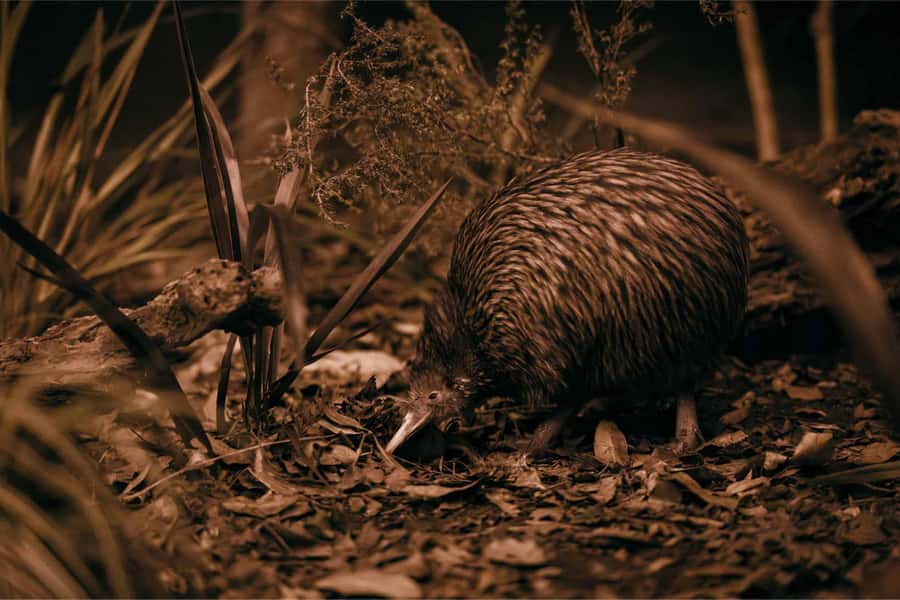
The Kiwi Conservation Centre adds a very different experience to the day. New Zealand’s kiwi is nocturnal and famously difficult to see in the wild, so a conservation centre gives you a better chance of seeing these unusual birds during a normal daytime visit.
The inclusion matters because it keeps the tour from becoming only a geology and culture program. You see a living native species, then continue to the arts and performance sides of Te Puia.
Do not expect a large wildlife park visit. The centre is one stop within a tightly timed guided experience. Your time there depends on the group and the overall schedule. Still, for many people, seeing kiwi birds will be one of the strongest reasons to choose this package.
The visit also fits well with the wider message of the tour. Te Puia presents geothermal resources, Māori traditions, craft training and conservation in one place. Those subjects are different, but together they give you a broader sense of Rotorua than a simple scenic walk would.
Rotowhio marae and the Māori Arts and Crafts Institute
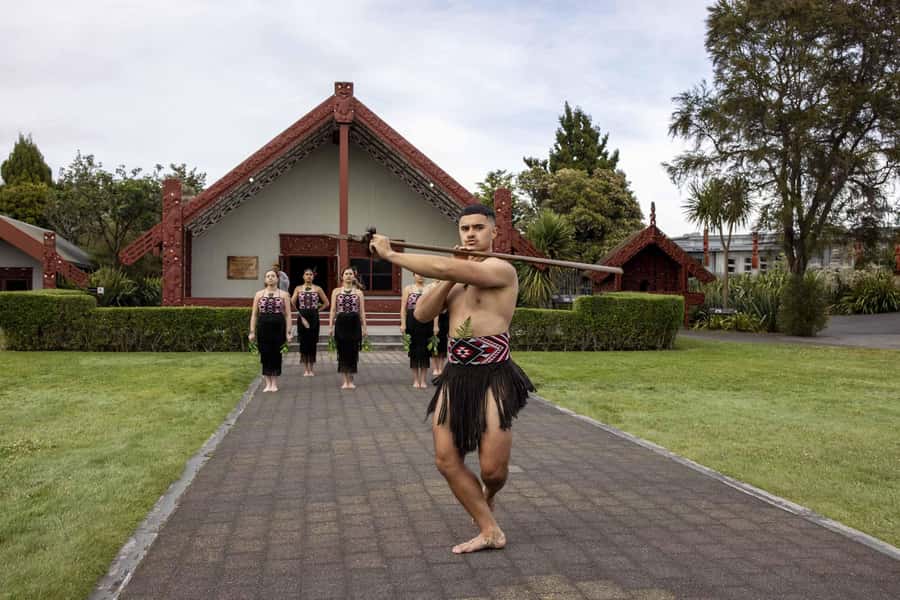
The route includes the sacred Rotowhio marae grounds and the New Zealand Māori Arts and Crafts Institute.
The marae grounds provide an important cultural setting for the visit. A marae is not simply a decorative collection of buildings. It is a place connected with Māori community life, welcome and ceremony. Your guide helps explain why the grounds matter, although the exact amount of time at each stop depends on the pace of the group.
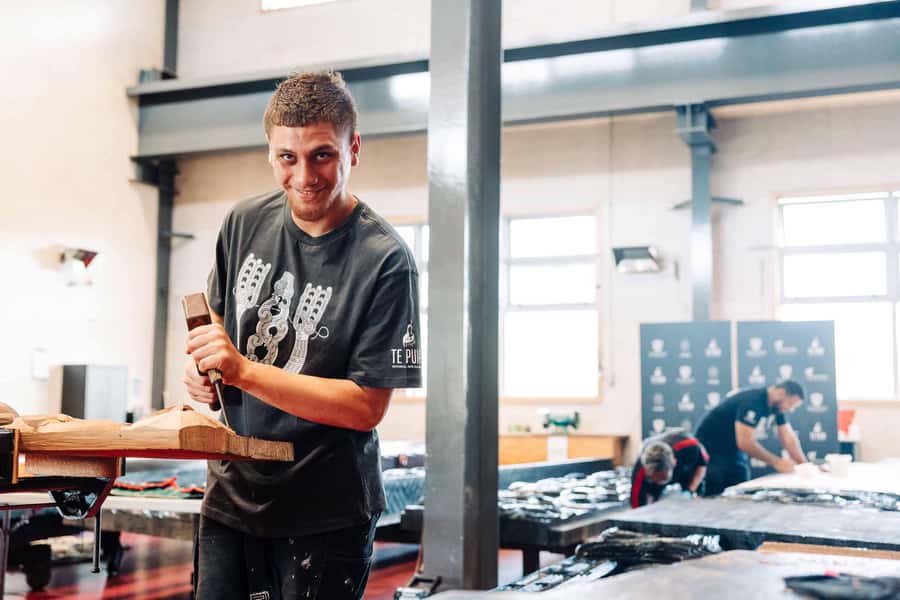
The arts institute gives the tour another strong point. You can see the place where Māori arts and crafts are taught and maintained, rather than treating carving and weaving as museum pieces cut off from living practice.
This is especially useful if you want context before the performance. The carved forms and craft traditions make more sense when you understand that they are part of an ongoing cultural practice. You are not required to be an arts specialist. Pay attention to the shapes, patterns and stories your guide points out.
The schedule is fairly full, so this is not the right choice if you want a long, quiet visit at every exhibit. It is better suited to someone who values variety and guided interpretation over extended independent browsing.
The cultural performance inside Te Aronui a Rua
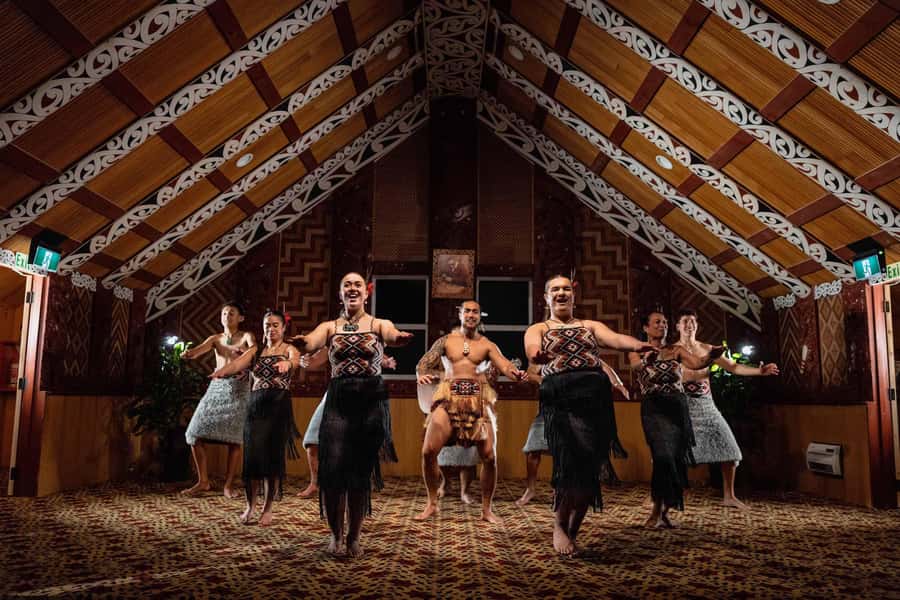
The final major part is a 30-minute cultural performance in Te Aronui a Rua, a beautifully carved meeting house.
The presentation begins with a pōhiri, a traditional Māori welcome. It also includes waiata, or song, mōteatea, a traditional chant, poi and haka. These are not interchangeable stage decorations. Each form has its own place and energy, and seeing them together helps you understand the range of Māori performance.
The pōhiri gives the event a formal opening. Waiata brings melody and group singing. Mōteatea has a more traditional chant quality, while poi performance uses rhythmic movement and coordinated action. The haka is the most immediately familiar element to many international visitors, but it gains more meaning when seen as part of a wider program rather than as an isolated display.
The setting makes a difference. A carved meeting house feels more connected to the subject than a generic theater would. The performance is also long enough to feel like a central part of the visit, but short enough to fit a busy Rotorua schedule.
A verified booking described the performance as moving, which matches the structure of the program. You get ceremony, song, chant and dance, not only a fast entertainment segment. Keep your attention on the welcome and the transitions, not just the haka at the end.
How much value do you get for $89?
At $89 per person, the Tuku Iho Trail offers good value if you want several Te Puia experiences bundled into one guided visit.
You receive:
- A guided geothermal valley walk
- Sweetcorn cooked in a geothermal pool
- Entry to the Kiwi Conservation Centre
- Access to Rotowhio marae grounds
- A visit to the New Zealand Māori Arts and Crafts Institute
- A 30-minute cultural performance
- Pōhiri, waiata, mōteatea, poi and haka
The value comes from the range. If you only want geothermal scenery, a simpler attraction may suit you better. If you only want a cultural show, you may not need the full guided trail. But if you want a short introduction to Rotorua that covers nature, Māori culture, conservation and performance, the price is easier to justify.
Food and drinks are not included beyond the sweetcorn sample. That is a minor limitation, but it matters if you are planning the tour around a meal. The experience is also not a transport tour, so make your own way to 20 Hemo Road.
The five-star score is based on a very small number of bookings, so I would not treat it as a guarantee. The specific praise is still useful: the guide’s storytelling, the sweetcorn, the kiwi birds and the cultural performance are the parts most likely to shape your visit. One booking singled out guide Paul and said nothing needed changing, while another called it an efficient way to get a feel for several sides of Rotorua in a short time.
Who should book this tour?
I would choose this for a first visit to Rotorua when you want a guided overview rather than one narrow attraction.
It is a good fit for:
- Adults and older children who can manage a moderate walk
- Visitors with only part of a day available
- People interested in both geothermal activity and Māori culture
- Anyone hoping to see kiwi birds in a managed conservation setting
- Visitors who prefer a guide to explain the meaning behind what they see
- Couples and small groups who want a structured experience
It may not suit you if you have low fitness, limited mobility or difficulty walking on bush and geothermal paths. It is also not suitable for unaccompanied minors, people over 95, visually impaired people or wheelchair users according to the supplied restrictions.
The tour is conducted in English, so you should be comfortable following an English-language guide and performance explanation. Bring a camera, water and comfortable shoes. Leave high heels, alcohol, smoking materials, vaping devices and pets at home.
My verdict: a strong short introduction to Te Puia
Book the Tuku Iho Trail if you want a compact but varied Te Puia visit. The combination of geothermal walking, hot-pool cooking, the Hatupatu story, kiwi conservation, Māori arts and a formal performance gives you much more than a quick look at steam and geysers.
I especially like the way the sweetcorn connects the geothermal setting with daily life, and the way the performance brings the cultural side into focus. The main tradeoff is pace: you will cover several highlights, but you will not have unlimited time at each one.
Before booking, confirm the start time, exact group size and total duration. Then allow 2 hours and 45 minutes, wear proper shoes and arrive ready to walk. At $89, it is a worthwhile pick for an efficient Rotorua introduction, provided the physical requirements fit you.
FAQ
How long does the Tuku Iho Trail with Cultural Show take?
The detailed schedule totals about 2 hours and 45 minutes: approximately 2 hours and 15 minutes for the guided tour, followed by a 30-minute traditional dance show. Some activity details list the duration as two hours, so allow the longer time.
Where does the experience start?
The experience starts at Te Puia, 20 Hemo Road. You show your confirmation at Admissions and exchange it for the activity ticket.
Where does the experience finish?
The experience returns to 20 Hemo Road, the same location where it starts.
What language is the tour conducted in?
The live guided tour is conducted in English.
Is food included?
Food and drinks are not included as a general part of the activity. The experience does include a sample of sweetcorn cooked in a geothermal boiling pool.
What should I bring?
Bring comfortable shoes, a camera and water. Comfortable footwear is important because the route includes bushland and geothermal paths.
Is the tour suitable for wheelchair users?
No. The activity is not suitable for wheelchair users, people with mobility impairments, mobility scooter users or electric wheelchair users.
Is a high level of fitness required?
A moderate level of fitness is required for the walk through bushland and along geothermal paths. The experience is not suitable for people with a low level of fitness.
What does the cultural performance include?
The performance includes a pōhiri, waiata, mōteatea, poi and haka. It takes place in the carved meeting house Te Aronui a Rua.
Can I cancel the booking?
You can cancel up to 24 hours in advance for a full refund. The activity also offers reserve now and pay later booking, subject to the available booking terms.
Just added around Rotorua
- Ultimate self-drive rail car journey★ 5.0 · 5 reviews
- Private Tour Waiotapu Geothermal Shore Excursion up to 8 passengers★ 5.0 · 6 reviews
- Rotorua: Floatplane Flight with Orakei Korako Landing★ 5.0 · 6 reviews
- Rotorua: Evening Starlight Gourmet Kayak Tour with dinner★ 5.0 · 6 reviews
- Rotorua: Glow Worm Adventure Kayak★ 5.0 · 6 reviews
- Epic Tandem Kayak Tour down the Kaituna River Waterfalls★ 5.0 · 6 reviews
- From Rotorua: Whirinaki Rainforest Guided Cultural Tour★ 5.0 · 6 reviews
- Tongariro Discovery Walk★ 5.0 · 6 reviews
Maori Cultural Experiences, compared.
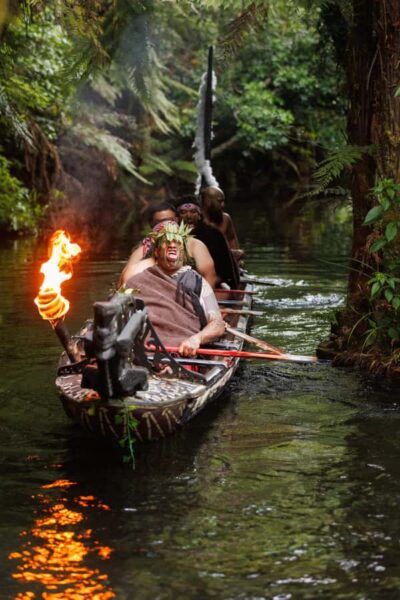
Mitai Maori Village: Cultural Experience and Dinner Buffet
Read our review →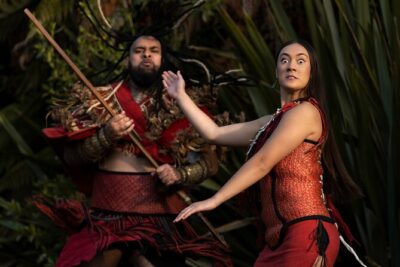
Cultural Experience & Seasonal Māori Cuisine at Te Pā Tū
Read our review →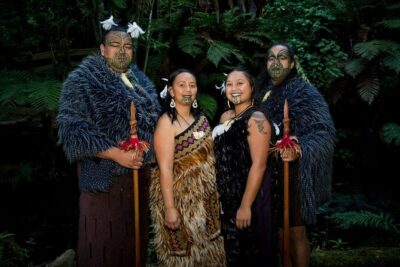
Mitai Maori Village Cultural Experience in Rotorua
Read our review →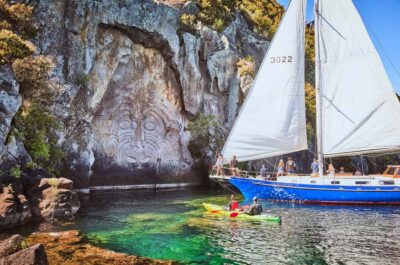
Lake Taupo: Classical Sailing to the Māori Rock Carvings
Read our review →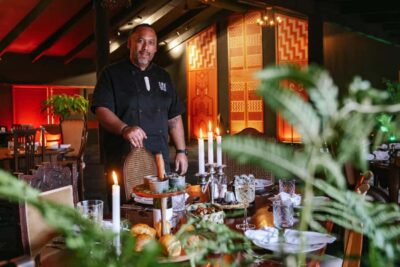
Te Pa Tu Māori Cultural Experience with Dinner
Read our review →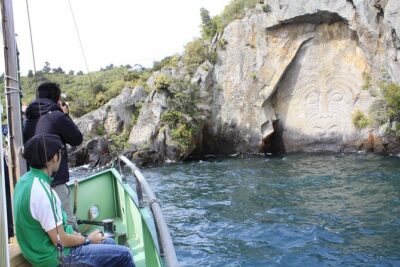
Lake Taupō Māori Rock Carvings Scenic Cruise aboard Ernest Kemp
Read our review →
Waitomo Caves & Rotorua – Te Puia Small-Group Tour from Auckland
Read our review →
Lake Taupo: Maori Rock Carvings 10.30 AM 1.5-Hour Cruise
Read our review →Browse the lists this tour appears in