
Reviewed · WILDLIFE & NATURE TOURS
Auckland (Tawharanui): Wild Kiwi Bird Spotting Encounter
The forest wakes after dark. This two-hour outing at Tāwharanui Regional Park pairs a real chance to see North Island brown kiwi in the wild with clear-sky stargazing, all a short drive north of Auckland. I love the wild setting, where kiwi roam freely rather than appearing in an enclosure, and I love the way guides add Māori star stories, local ecology, and practical tracking skills to the evening. The main catch is simple: kiwi are wild birds, so sightings require patience and are never promised.
You meet near the public bathrooms at the end of Takatu Road, then walk quietly through native bush and open areas as darkness arrives. Guides such as Legend, Chris, Millie, Lucas, Sean, and Sharn have earned praise for their warmth, humor, and sharp eyes. Still, this is not a fast wildlife safari. You may spend a long stretch listening and waiting before a kiwi suddenly scurries across the path.
At $89 per person, the experience is good value if seeing a kiwi in its natural habitat matters to you. The price includes a guide and equipment for kiwi spotting and stargazing, while transport and an optional glamping stay cost extra. Warm clothing is essential, and cloudy weather can replace the astronomy portion with more time searching for birds.
In This Review
- Key points before you book
- Why Tāwharanui is a special place for kiwi spotting
- The first walk takes patience and sharp ears
- Guides bring the night to life
- Stargazing adds a second reason to come
- Bioluminescence is a lucky extra
- What the $89 price really covers
- The practical shape of the evening
- Who will enjoy this most
- Should you book the Tāwharanui kiwi encounter?
- FAQ
- Where does the wild kiwi tour meet?
- How long does the kiwi spotting experience last?
- What animals might I see or hear?
- Is stargazing included?
- Is bioluminescence guaranteed?
- Is transport from Auckland included?
- What should I bring?
- Can I stay overnight?
Key points before you book
- Wild kiwi, not a captive display: You search for North Island brown kiwi in the protected park, using quiet movement, listening, and guide-led tracking.
- A strong record of sightings: Groups have reported seeing anywhere from two or three birds to more than 15, though no number is guaranteed.
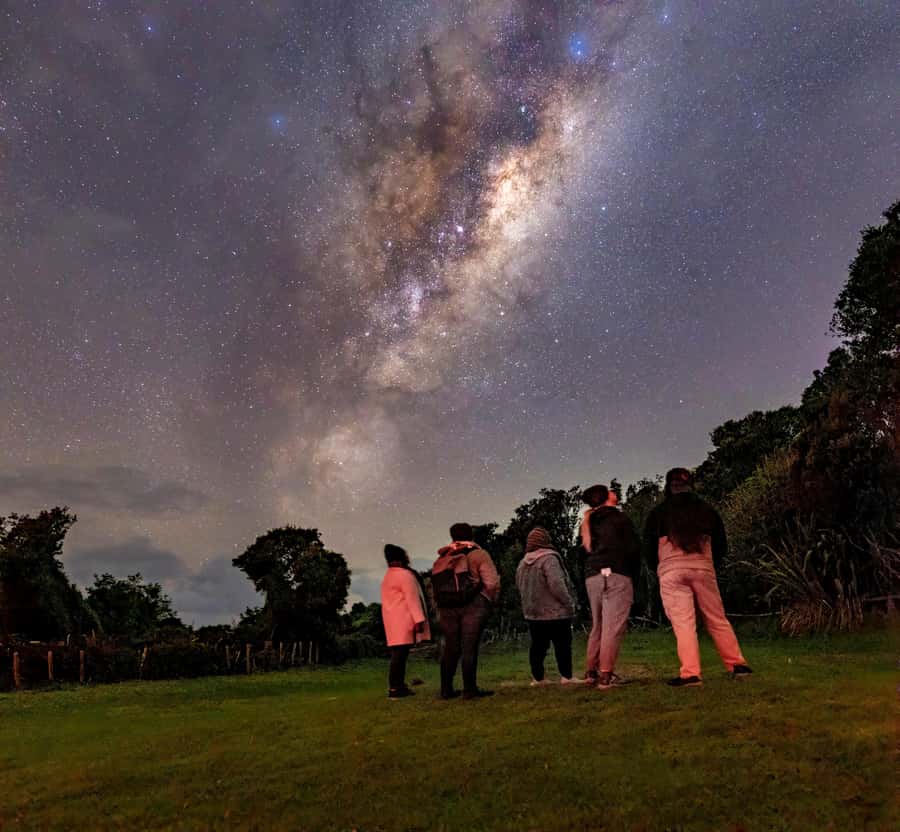
- Dark skies add real value: On a clear night, the guide may point out planets, constellations, the Moon, and Southern Hemisphere star patterns with binoculars or a telescope.
- Guides make the difference: Legend is often praised for his energy and natural-history stories, while Chris, Millie, Lucas, Sean, Sharn, Ryan, and Hayley have also led highly enjoyable outings.
- The pace is slow by design: You need comfortable shoes, warm layers, water, and the patience to stand quietly while your eyes and ears adjust.
- Optional overnight plans: Glamping can be selected, but campsite booking and fees are not included. Transport from Auckland can also be added at checkout.
Why Tāwharanui is a special place for kiwi spotting
Tāwharanui Regional Park is more than a backdrop for an evening walk. It is a protected conservation area with native forest, open habitats, coastal edges, and low light pollution. Those conditions matter because kiwi need safe ground habitat, cover, and a quiet night environment.
The park sits on the Tāwharanui Peninsula, reached by following Takatu Road to its end. The drive from Auckland takes you away from the city’s lights and noise, which is part of the experience. By the time you gather at the meeting point, the outing feels far removed from urban Auckland.
Your guide begins with a short briefing near the public toilets. This covers the plan, safety, and the behavior expected around nocturnal wildlife. The quiet rules are not fussiness. Kiwi have sensitive hearing and live by smell and sound, so keeping voices low and movements slow gives you a better chance of seeing them without disturbing them.
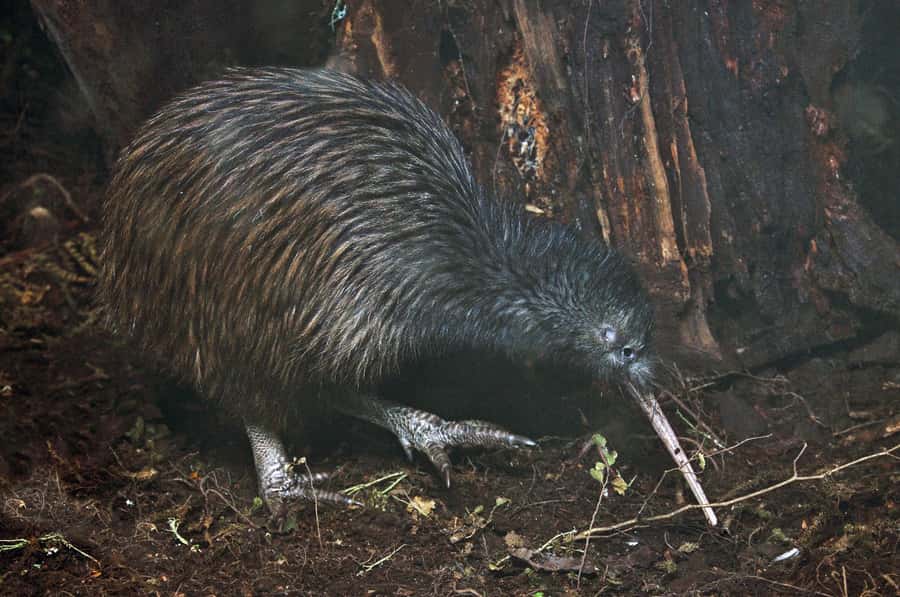
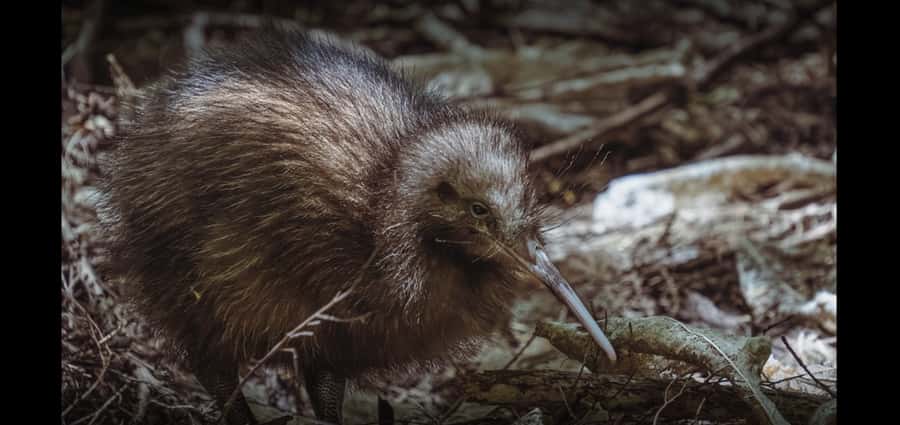
The briefing also puts the park’s conservation work into context. The North Island brown kiwi is an endemic bird, meaning it belongs to New Zealand and nowhere else. It cannot fly, feeds at night, and depends on protected habitat. Seeing one in the bush feels special partly because the park has been managed to make that encounter possible.
More Wildlife Tours in Auckland
- Auckland Dolphin and Whale Watching Eco-Safari Cruise
★ 4.5 · 1,790 reviews - Auckland: Whale and Dolphin Watching Half-Day Eco Cruise
★ 4.5 · 1,072 reviews - Nocturnal Wonders Tawharanui Kiwi Spotting and Stargazing Tour
★ 5.0 · 23 reviews
The first walk takes patience and sharp ears
The main kiwi search lasts about two hours, although the full evening can include additional time for stargazing and sightseeing in the park. You move at an unhurried pace through bush and more open ground, stopping to listen for calls, watch the edges of the track, and look for movement close to the ground.
This is the point where expectations matter. A kiwi may appear for only a few seconds, and it can move quickly. One group took time to find a bird, then saw several more in quick succession. Another group watched a kiwi sit still long enough for several photographs. Both patterns are normal for wildlife watching.
Guides use their knowledge of usual kiwi activity and the local terrain to decide where to pause. They may also help you notice small signs that you would miss alone. Your job is not to rush ahead with a torch. It is to follow instructions, scan carefully, and accept that much of the excitement comes from not knowing what will appear next.
Some outings have produced six or seven kiwi. Others have reached nine, fourteen, or even more than 15. One group saw a male and female together, a younger bird farther along the track, and several others spread through the park. These numbers are encouraging, but they should not be treated as a promise. Wildlife sightings vary with weather, timing, and the birds’ own plans.
The equipment helps. The outing includes kiwi-spotting and stargazing gear, and groups have used torches, headlamps, binoculars, thermal equipment, and a telescope. You should still bring your own warm clothes and comfortable walking shoes. The supplied equipment improves your chances, but it does not turn the forest into a display window.
Guides bring the night to life
The strongest part of this experience is the human side. A good guide must do several jobs at once: find birds, keep the group quiet, explain conservation, answer questions, and make a long wait feel worthwhile. The guides here appear to handle that mix well.
Legend receives especially warm praise for his energy, stories, and ability to spot kiwi. He has also talked about plants used as medicine, insects, habitat, and the wider natural world. Chris and Millie have been praised for being helpful and easy to spend time with, while Lucas has impressed groups with his knowledge of kiwi, stars, plants, and local culture.
Sean has been singled out for his clear explanations of kiwi behavior. Ryan has led an enjoyable outing even in difficult weather. Hayley has added a practical touch with hot chocolate. These details matter because the search can begin slowly. A guide who can explain what you are hearing and seeing keeps the evening interesting even before a bird appears.
The atmosphere is casual rather than formal. Families have enjoyed the outing, including children aged nine and 11, and mixed-age groups have found the pace manageable. Private and small-group options are available, which is useful if you want more space to ask questions or prefer a quieter wildlife experience.
The group setting can also add to the fun. One family described getting along well with the other participants, and that is a fair possibility on a small night tour. Still, if you need complete silence or dislike waiting with other people, ask about the private option.
Stargazing adds a second reason to come
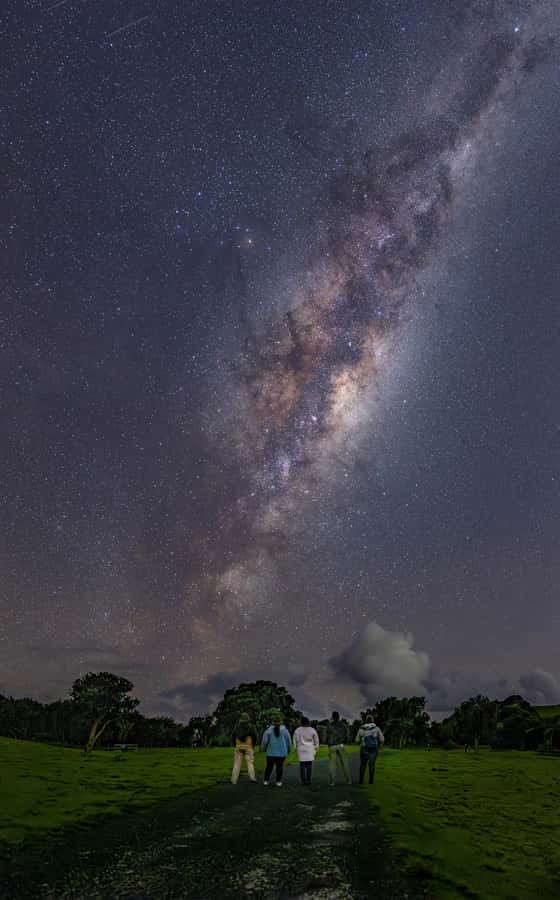
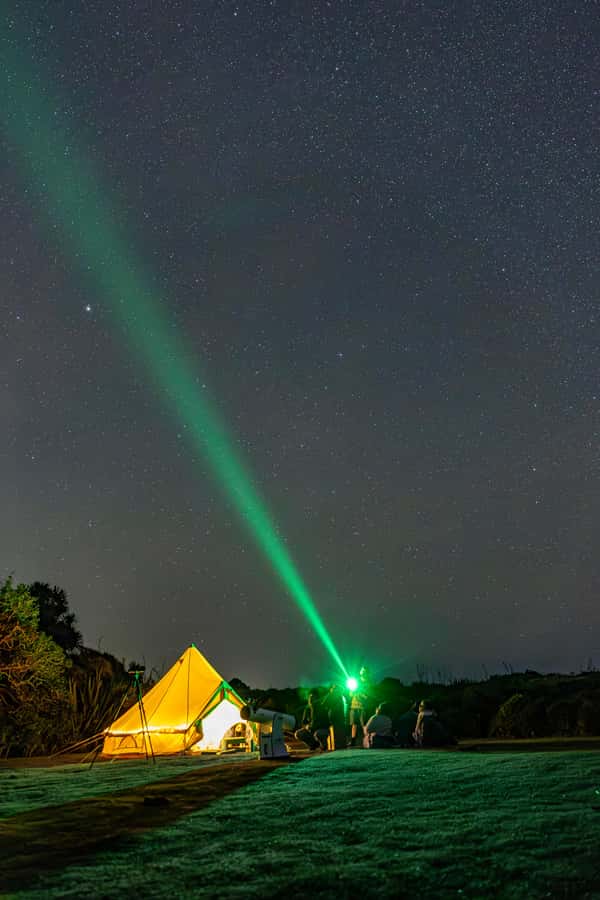
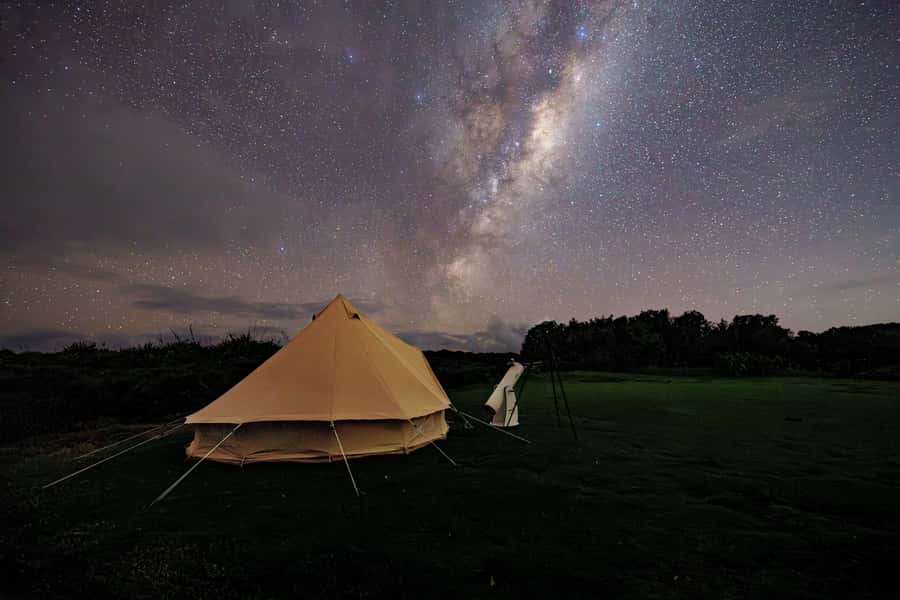
Once full darkness arrives, Tāwharanui’s distance from city lights becomes clear. On a good night, you can see dense star fields, seasonal constellations, and planets. The guides use equipment to bring more detail into view, including the Moon’s craters when conditions allow.
One evening included views of Venus, Jupiter, and Saturn. Another group used a telescope to study many stars. These are not guaranteed sights because cloud cover and moonlight change the view, but the park offers a far better setting than central Auckland for looking upward.
The astronomy is presented in an accessible way. You learn how to recognize what is overhead, along with Māori stories and Southern Hemisphere star knowledge. That cultural element gives the sky a stronger sense of place. You are not just ticking off planets through a telescope. You are learning how people have read and understood the night above Aotearoa.
Clouds can change the balance of the tour. One outing had no stargazing because the sky was completely overcast, so the guides spent the time searching for kiwi instead. That flexibility is a strength. If you book mainly for astronomy, however, you should accept that the sky is beyond anyone’s control.
A completely different kind of day out in Auckland:
- Waiheke Island: Ferry & Hop-On Hop-Off Explorer Bus Tickets
★ 4.6 · 3,311 reviews - Hobbiton & Waitomo Caves Guided Day Trip from Auckland incl lunch
★ 5.0 · 2,677 reviews - From Auckland: Hobbiton & Waitomo Caves Day Trip with Lunch
★ 4.9 · 2,505 reviews - Skydive Auckland
★ 5.0 · 1,516 reviews
Bioluminescence is a lucky extra
Some outings may reveal bioluminescence near the shoreline or in shallow water. When conditions are right, movement in the sand or water can produce a soft blue glow from microscopic organisms.
This is not a scheduled part of the tour, and you should not book expecting to see it. If it appears, your guide can explain the science behind the glow and how tiny living organisms create the effect. It is a fitting bonus for a night focused on New Zealand’s hidden activity after sunset.
The main experience remains kiwi spotting and stargazing. Bioluminescence is best treated as an unexpected extra rather than a feature that determines the value of your booking.
What the $89 price really covers
At $89 per person, this sits above a basic self-guided park walk but offers something you cannot easily arrange alone. You receive a live English-speaking guide, specialist spotting equipment, access to local knowledge, and a structured search in a protected area after dark.
The price makes the most sense for visitors who would struggle to find kiwi without help. Kiwi are low to the ground, quick, nocturnal, and easy to miss. Even people who are comfortable in the outdoors may not know where to pause, how to interpret calls, or how to use light without spoiling the moment.
You should also count the value of the stargazing. On a clear night, the same guide and outing provide a second activity, with binoculars or a telescope and explanations of planets and Māori astronomy. That makes the fee easier to justify than a short wildlife walk focused on one possible sighting.
Several costs sit outside the headline price. Food and drinks are not included, campsite booking and fees are extra, and transport is not part of the standard arrangement. Transport can be added at checkout, and one Auckland-based group particularly valued the comfortable pickup and safe return after a late finish. If you do not have a car, check the transport option before paying.
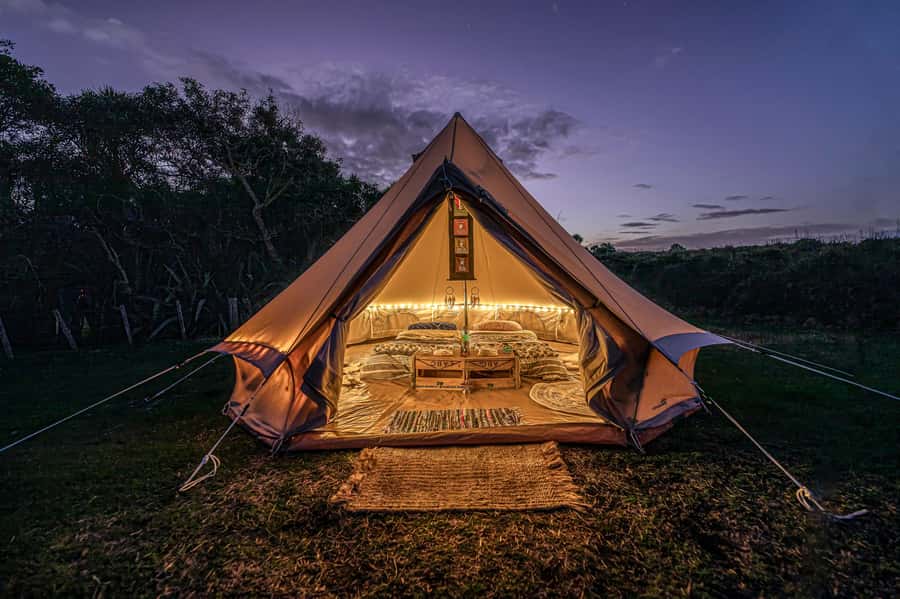
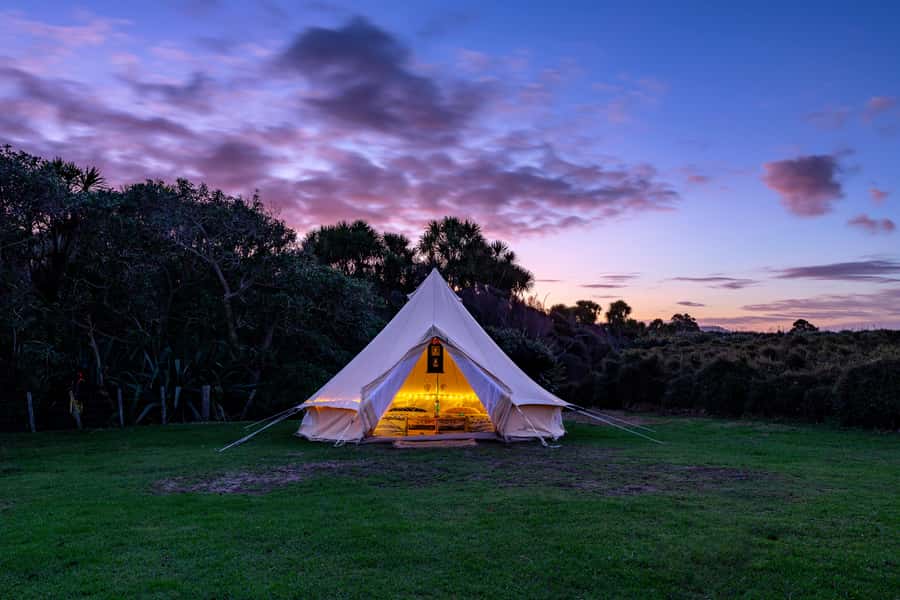
A glamping stay is available if selected. The setup has included a tent, blankets, foam mattresses, small snacks, and basic necessities, but the campsite fee itself is not included. Think of this as a useful overnight add-on, not part of the $89 core experience.
The practical shape of the evening
The published duration is two hours, with availability depending on the start time. The supplied schedule also describes extra guided sightseeing and an overnight option, so confirm the exact timing if you choose glamping or transport.
You begin at the public toilets near the end of Takatu Road. This is a practical meeting point, not a scenic visitor center, so arrive ready for the outdoors. From there, the guide gives instructions before leading the group into the park.
The walk is followed or combined with stargazing, depending on conditions and wildlife activity. On cloudy nights, the search may take priority. On clear nights, you can expect more time looking at stars, planets, and constellations.
Bring:
- Comfortable shoes with enough support for a slow bush walk
- Warm clothing, even in warmer months
- Water
Winter outings can feel cold, especially while standing quietly. A warm layer is not optional if you want to enjoy the pauses instead of wishing the kiwi would hurry up.
Cancellation is flexible up to 24 hours before the start for a full refund. You can also reserve now and pay later, which helps if your Auckland plans may shift. English is the tour language.
Who will enjoy this most
I would choose this outing if seeing a wild kiwi is high on your New Zealand wish list. It suits bird lovers, families, photographers who can accept brief sightings, and anyone who prefers a small guided experience to a crowded attraction.
It also works well for people who want more than one activity in an evening. You may hear ruru calls, learn about insects and plants, hear Māori stories about the stars, and possibly see bioluminescence. The night has several layers, so a single missed kiwi would not necessarily ruin it.
Families should know that patience is part of the deal. Children who can walk quietly and wait without constant action may love it. A child expecting a fast-moving animal show may find the first part slow.
I would be more cautious if you dislike darkness, uneven outdoor conditions, or uncertain results. You may see only a few birds, and poor weather can reduce the stargazing. That uncertainty is not a flaw in the tour. It is the honest price of seeking wildlife in its own home.
Should you book the Tāwharanui kiwi encounter?
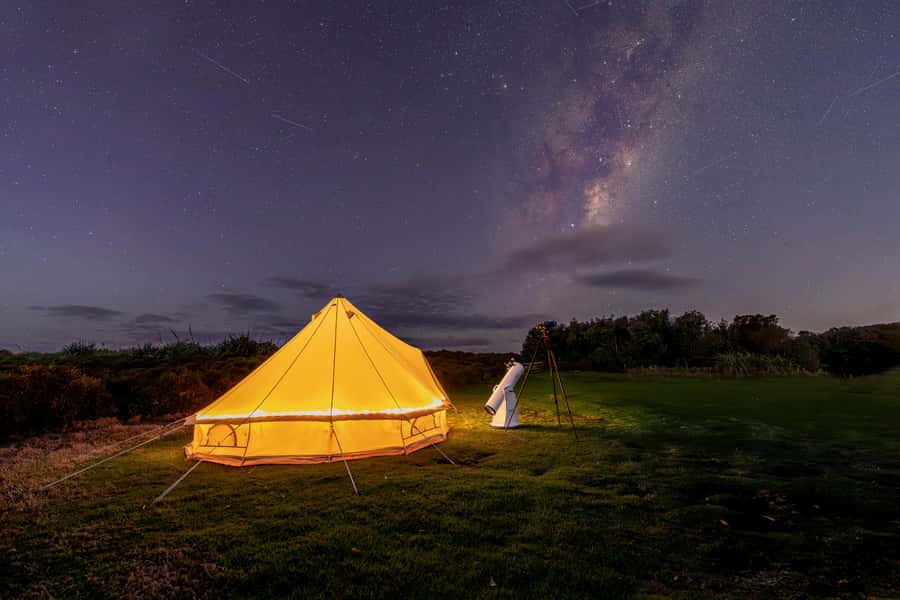
Book it if you want a respectful search for kiwi in the wild and you can give the evening time to unfold. The guides, equipment, conservation setting, and possible stargazing make $89 a fair price, especially for visitors without the skills or confidence to search alone.
I would add transport if you are staying in Auckland and do not have a car, then consider glamping only if an overnight park stay suits your plans. Wear more warmth than you think you need, keep your expectations realistic, and treat every sighting as a gift.
Skip it if you need guaranteed wildlife, a quick walk, or a fixed astronomy program. For everyone else, this is one of the more personal ways to meet New Zealand’s nocturnal world, with the added thrill that the kiwi decides when the show begins.
FAQ
Where does the wild kiwi tour meet?
You meet near the public bathrooms at the end of Takatu Road in Tāwharanui Regional Park.
How long does the kiwi spotting experience last?
The main guided experience lasts about two hours. The schedule also includes additional guided sightseeing and an optional overnight stay, so confirm the exact timing for your selected option.
What animals might I see or hear?
The main target is the North Island brown kiwi. You may also hear kiwi and ruru calls and learn about other wildlife, insects, and plants found in the reserve.
Is stargazing included?
Yes. Stargazing equipment is included, and the guide may show you stars, planets, constellations, and Māori astronomy. Clear skies are not guaranteed.
Is bioluminescence guaranteed?
No. Some outings may reveal blue bioluminescence along the shoreline or in shallow water when conditions are suitable, but it is an occasional natural event.
Is transport from Auckland included?
Transport is not included in the base price, but it can be added at checkout. Check availability and pickup details when booking.
What should I bring?
Bring comfortable shoes, warm clothing, and water. Extra food and drinks are not included.
Can I stay overnight?
Yes, a glamping stay is available if you select that option. Campsite booking and fees are separate, so check the total cost before confirming.
Just added around Auckland
- Auckland Museum and Highlight Sightseeing Tour★ 5.0 · 5 reviews
- 7 – Day North to South Island Grand Tour – Auckland to Queenstown★ 5.0 · 5 reviews
- Kumeu Winery Boutique Tour with Gourmet Lunch from Auckland★ 4.0 · 5 reviews
- Private 2 Hour Surf Lesson★ 5.0 · 5 reviews
- Private 3 Days Tour From Auckland: Hobbiton, Hamilton, Rotorua & Waitomo Caves★ 5.0 · 5 reviews
- Auckland City Hotel to Cruise Ship Transfer by SUV★ 4.0 · 5 reviews
- Auckland Highlights Full Day Guided Tour★ 4.5 · 5 reviews
- Private Tour – Waiheke Island Luxury Experience★ 5.0 · 5 reviews
Wildlife & Nature Tours, compared.

Auckland Dolphin and Whale Watching Eco-Safari Cruise
Read our review →
Whale and Dolphin Watching Half-Day Eco Cruise
Read our review →
Gannet Safaris Overland tour to Cape Kidnappers Gannet Colony
Read our review →

Clearwater Wildlife Tours (small group 10max) Otago Peninsula
Read our review →

Guided Evening Penguin Viewing Otago Peninsula, Dunedin, New Zealand
Read our review →
Browse the lists this tour appears in