
Reviewed · WILDLIFE & NATURE TOURS
Rotorua: The National Kiwi Hatchery Kiwi Encounter Tour
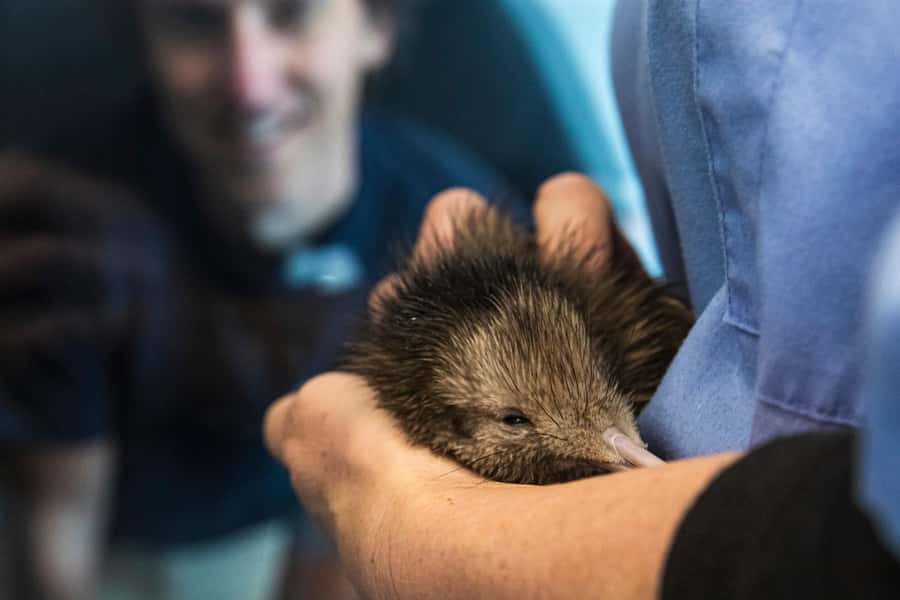
Kiwi sightings are rare, but this makes them possible. I like the hands-on conservation work and the fact that every $44 ticket supports the hatchery. I also like the clear, friendly guiding, with guides such as Mya, Nico, Kai, and Theresa praised for making the science easy to follow. The main catch is simple: young chicks and eggs are seasonal, and you cannot take photos or videos inside.
This one-hour visit offers more than a quick look at a nocturnal bird in a dark room. You learn how eggs are incubated, how chicks are raised, and why captive rearing gives endangered kiwi a better chance. Outside hatching season, you can still see adult kiwi in the Nocturnal House, but the newborn stage is best from September through March.
In This Review
- What makes this kiwi tour worth your hour
- Why kiwi conservation needs a working hatchery
- Starting at the Agrodome near Rotorua
- The first part of the tour: kiwi facts with a purpose
- Eggs, incubators, and the chance of a newborn chick
- The nursery and the care behind each chick
- Seeing adult kiwi in the Nocturnal House
- What the one-hour format feels like
- Is $44 good value?
- Who should book this Rotorua experience?
- Practical tips for a better visit
- FAQ
- How long is the National Kiwi Hatchery Kiwi Encounter Tour?
- How much does the tour cost?
- Where is the National Kiwi Hatchery located?
- Are eggs and kiwi chicks visible all year?
- Can I take photos or record video?
- Can children under five join the tour?
- Does the ticket support kiwi conservation?
- Should you book the Kiwi Encounter?
What makes this kiwi tour worth your hour
- Over 2,500 chicks hatched: The centre has helped produce a remarkable number of kiwi chicks for conservation and release work.
- Every ticket supports the program: The hatchery is a charitable, not-for-profit trust, so your admission directly funds kiwi care.
- Live kiwi all year: The Nocturnal House offers a chance to see adult birds even outside the September to March hatching season.
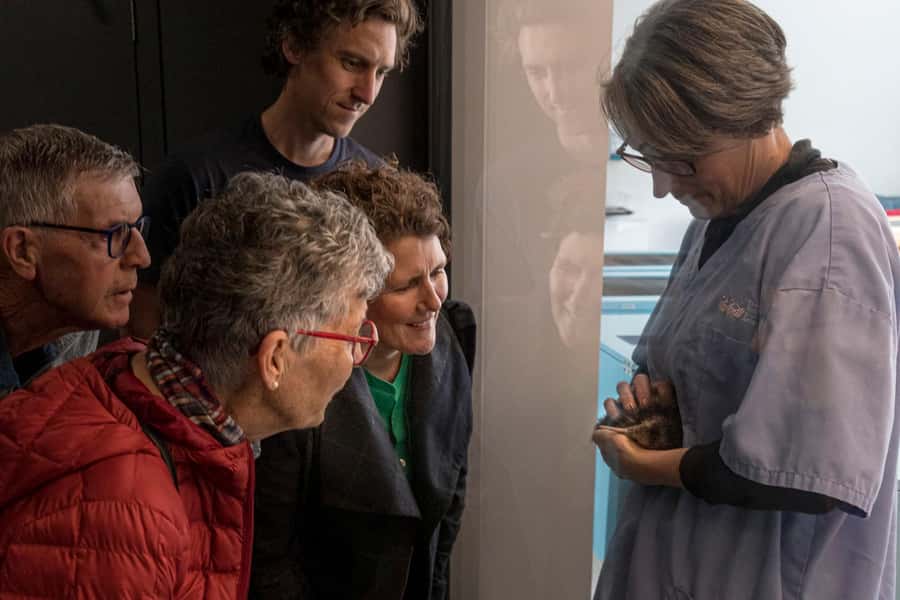
- Real hatchery work, not just displays: Depending on timing, you might see eggs being checked, chicks receiving health checks, or a newborn being fed.
- A short transfer across the Agrodome: A shuttle takes you from check-in to the separate hatchery buildings.
- Children under five cannot enter: This is an important restriction for families planning a Rotorua day.
Why kiwi conservation needs a working hatchery
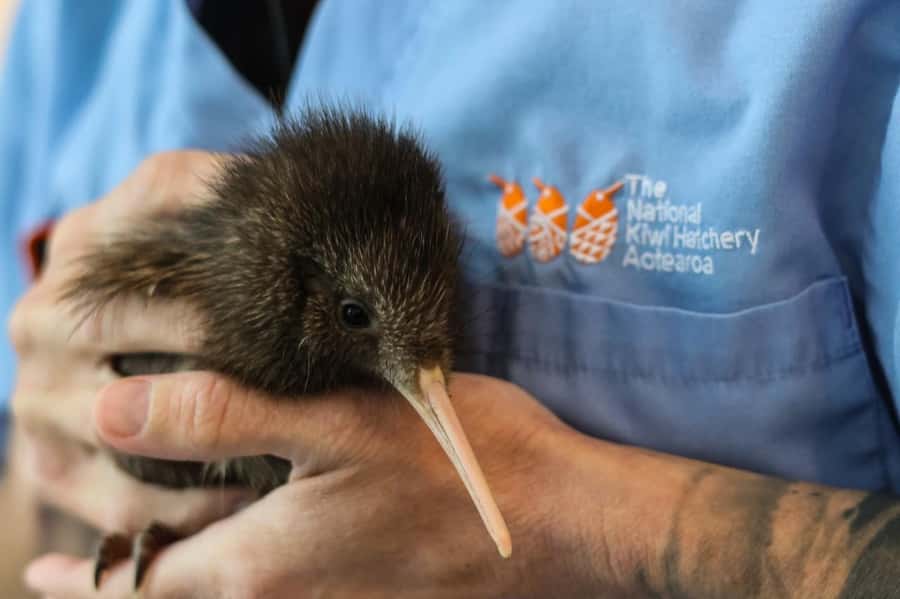
The kiwi is New Zealand’s national icon, yet it is a difficult bird to find in the wild. Kiwi are nocturnal, shy, and under pressure from threats that make survival especially hard for young birds. The hatchery tackles part of that problem by breeding and caring for kiwi in captivity before they are ready to return to the wild.
That gives your visit real purpose. You are not simply looking at a rare animal behind glass. You are seeing the machinery of conservation: eggs, incubators, nursery care, health checks, feeding, and preparation for release.
The National Kiwi Hatchery Aotearoa describes itself as the world’s largest and most successful kiwi hatching and rearing centre. It has hatched more than 2,500 kiwi chicks, and its work has continued for about 30 years. The centre is not government funded, so the admission fee matters more than it would at an ordinary commercial attraction.
I find that connection useful when judging the $44 price. For one hour, it is not a cheap animal encounter. But the ticket is also a direct donation to a specialist conservation program, and you get an informed tour in return. If you want your sightseeing money to do some good, this is a strong use of it.
More wildlife tours in Rotorua:
- Rotorua: 6 Ziplines, Swing-Bridges & Wildlife Encounters
★ 4.9 · 347 reviews - Rotorua: Authentic Kiwi Farm Experience at the Agrodome
★ 4.8 · 270 reviews - National Kiwi Hatchery – Kiwi Encounter Guided Tour
★ 5.0 · 228 reviews
Starting at the Agrodome near Rotorua
The National Kiwi Hatchery is at the Agrodome, about 10 minutes north of Rotorua city centre. There is free parking onsite, which makes this an easy stop if you have a rental car.
Arrive 15 minutes before your scheduled departure. Check-in takes place at the Agrodome, then a shuttle carries you to the hatchery buildings. The ride is short, but it adds a little context because the route crosses the wider farm property, where you may pass animals such as pigs, alpacas, and sheep.
Keep in mind that the hatchery is separate from the Agrodome’s other attractions. Your ticket is for the one-hour Kiwi Encounter, not automatically for every activity on the farm. That separation is helpful once you understand it, but first-time visitors should follow the signs and allow time to find the correct check-in point.
Wheelchair users should contact the hatchery after booking and drive directly to the hatching facility. Staff can provide directions. This arrangement is worth sorting out before arrival rather than trying to solve it at the main check-in area.
The first part of the tour: kiwi facts with a purpose
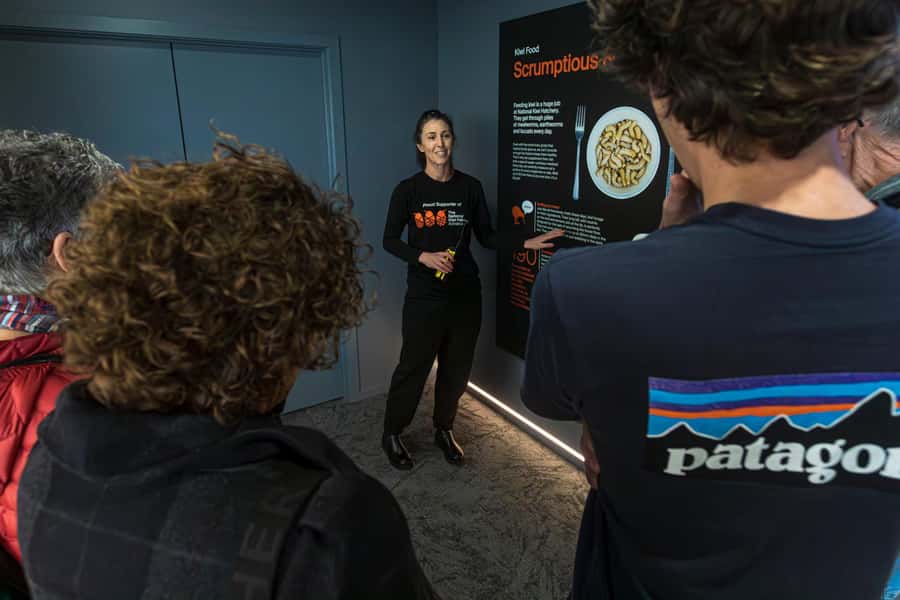
The tour begins with an introduction to kiwi life and the conservation challenge. A good guide does more than list facts, and that is where this visit earns its keep. Guides explain the bird’s unusual traits, its development, and the steps needed to raise a healthy chick.
Names that have been praised for warm and lively presentations include Mya, Nico, Kai, Max, and Theresa. One guide, Teresa, was also singled out for a humorous style and for taking extra care to show a newly born chick when conditions allowed. Guide quality can vary from one departure to the next, but the strong pattern is clear: staff know their subject and leave room for questions.
The groups are described as small, which helps in a facility where you need to see into incubators and dark enclosures. The guides also use visual aids, making the talk easier to follow if you are not already interested in birds.
Expect a steady stream of information. You may hear about kiwi evolution, egg development, incubation, chick care, and the steps taken before a bird returns to the wild. The presentation is aimed at a general audience, so you do not need specialist knowledge to enjoy it.
Eggs, incubators, and the chance of a newborn chick
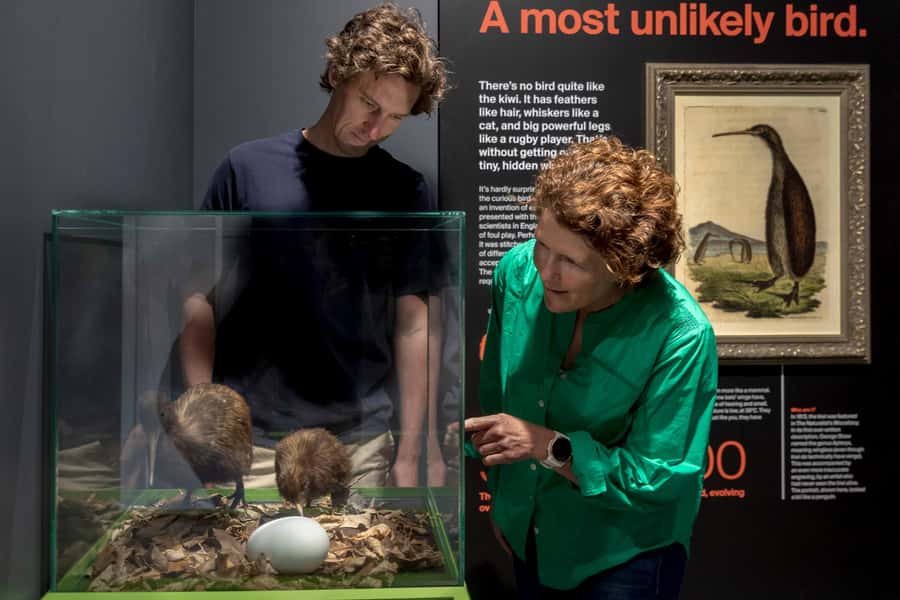
The most exciting part depends on the hatchery calendar. From September through March, you have the best chance of seeing kiwi eggs and chicks. You might watch staff candle an egg, which means scanning it to check development, or see a young bird receiving a health check.
The timing can be astonishingly precise. Some visits have included chicks only a few hours old, including one reported at about 30 minutes after hatching. Others have seen birds one day old, two weeks old, or several young chicks together in incubators.
That is also why the tour cannot promise a newborn. Hatching is biology, not theatre, and there may be no fresh chick at the exact time you arrive. The tour remains worthwhile because the staff explain the process and you may see another stage of development, but it is best to treat a newborn as an extra gift rather than the main guarantee.
Do not expect a room full of fluffy baby birds running around. Kiwi chicks are unusual in shape and behavior, and the early care process is controlled and careful. The appeal lies in seeing a working conservation system, not a petting session.
Photography is not allowed, including flash photography, and video recording is prohibited. This can feel disappointing when you see a very young chick, but the rule protects the birds and helps keep the facility calm. If you want a souvenir, the hatchery shop may have alternatives, although photographs are not supplied as part of the tour.
A few more Rotorua trips worth weighing up
- Rotorua Canopy Tours: 2.5Hour Native Forest Zipline Adventure
★ 5.0 · 4,563 reviews - Mitai Maori Village: Cultural Experience and Dinner Buffet
★ 4.7 · 3,575 reviews - Rotorua: Wai-O-Tapu Geothermal Park Entry Ticket
★ 4.6 · 2,601 reviews - Rotorua’s Ultimate Zipline: 6 ziplines, 400 m Tandem, Cliff Walk
★ 5.0 · 2,557 reviews
The nursery and the care behind each chick
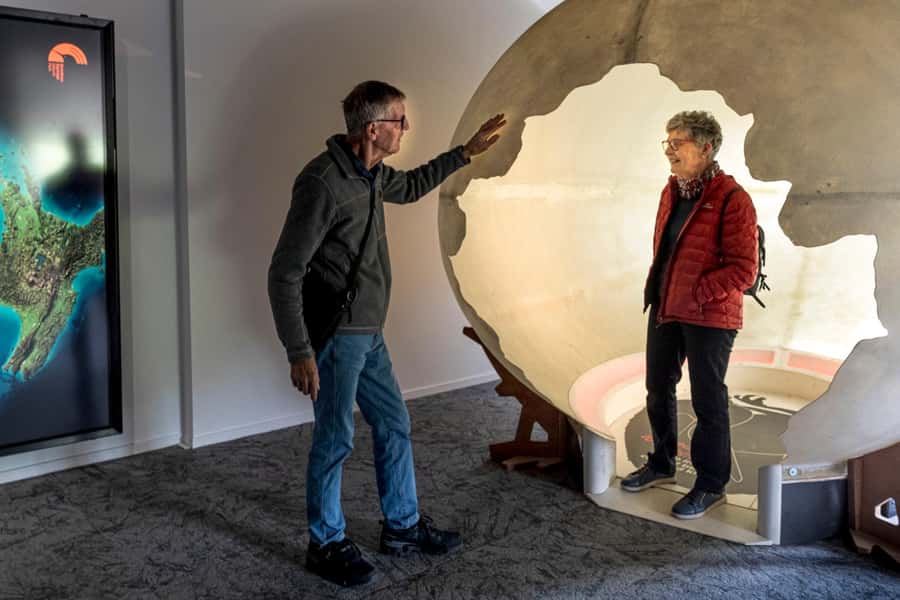
The nursery section shows how much attention goes into raising a kiwi. Depending on the day, you might see a chick being fed or checked by the husbandry team. A health check is not a staged performance, so the exact activity will vary.
This is where the tour moves beyond the cute factor. You see that conservation involves routine work, careful observation, and decisions based on each bird’s condition. A chick that looks tiny and fragile represents a substantial investment of time and expertise.
The guides explain the stages in order, from egg to hatchling to young bird. That sequence helps you understand why the program matters. Protecting an egg is only the beginning. The bird must then grow strong enough for the next stage of its life.
Some people may find the nursery viewing brief or limited. The hatchery must put bird welfare first, and you should not expect prolonged access or close handling. That restraint is part of what makes the visit feel responsible rather than purely commercial.
Seeing adult kiwi in the Nocturnal House
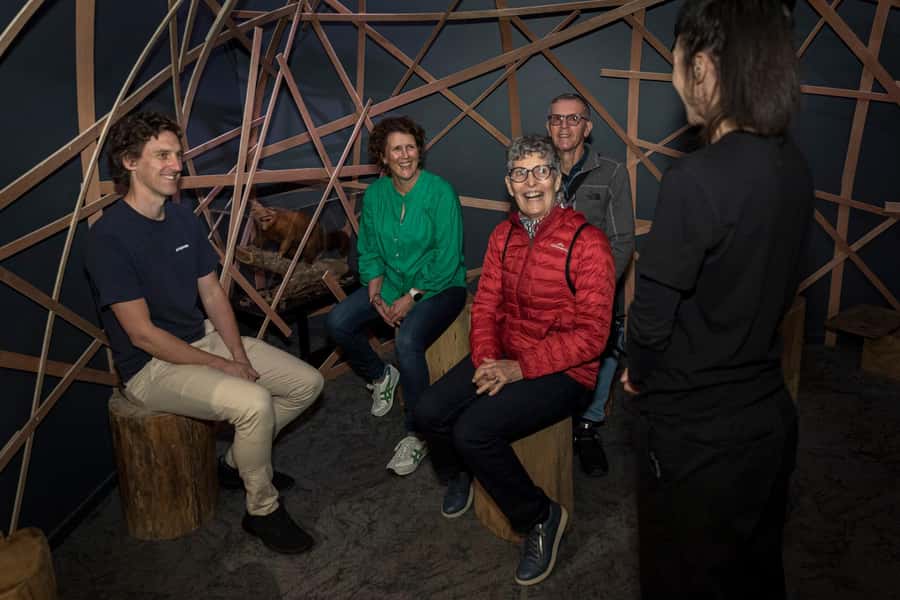
The Nocturnal House is the part you can count on throughout the year. It recreates the dark conditions kiwi prefer, using red lighting so you can watch the birds forage.
You may need patience. Kiwi are not brightly colored, fast-moving show animals, and the room is kept dark for a reason. The birds may be moving through their enclosure, searching for food, or staying partly hidden. Some visits have seen two adult brown kiwi, while others have reported several birds, including young adults nearing release.
Morning timing may help. One visit advised arriving around 9 a.m., when the kiwi are waking from their artificial night and can be more active. This is useful advice, but it is not a promise of a particular sighting. Animal behavior remains unpredictable.
The viewing can be especially valuable if you are unlikely to visit a protected kiwi area elsewhere in New Zealand. Seeing one in the wild is a special goal, but it is not easy. Here, you have a much better chance to observe the bird and hear an explanation of what you are seeing.
What the one-hour format feels like
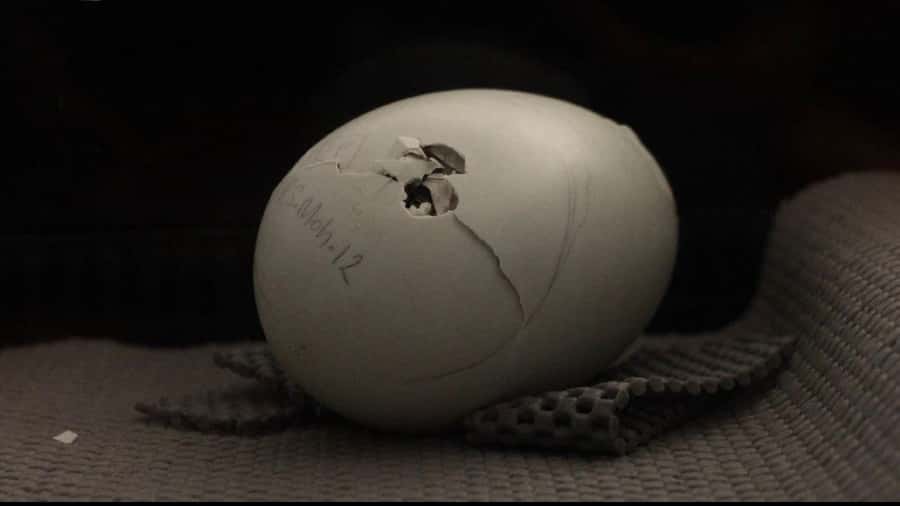
One hour is a good length for this attraction. It is long enough to cover the conservation story, see the facilities, and ask questions without turning into an all-day commitment.
The tour is also easy to add to a Rotorua schedule. Rotorua city centre is only about 10 minutes away by car, and the free parking removes one small travel worry. You could pair it with other Agrodome activities if you want a fuller stop, though those are separate experiences.
The pace is guided rather than rushed. Time is allowed for questions at each section, and the best guides adjust their explanation to what is happening in front of you. If an egg is being scanned or a chick is being examined, that moment may become the focus.
The downside is that you have little control over the pace or the animals you see. If you prefer a flexible visit where you can stay with one enclosure as long as you wish, a fixed one-hour tour may feel structured. For most people, though, the structure keeps the visit focused.
Is $44 good value?
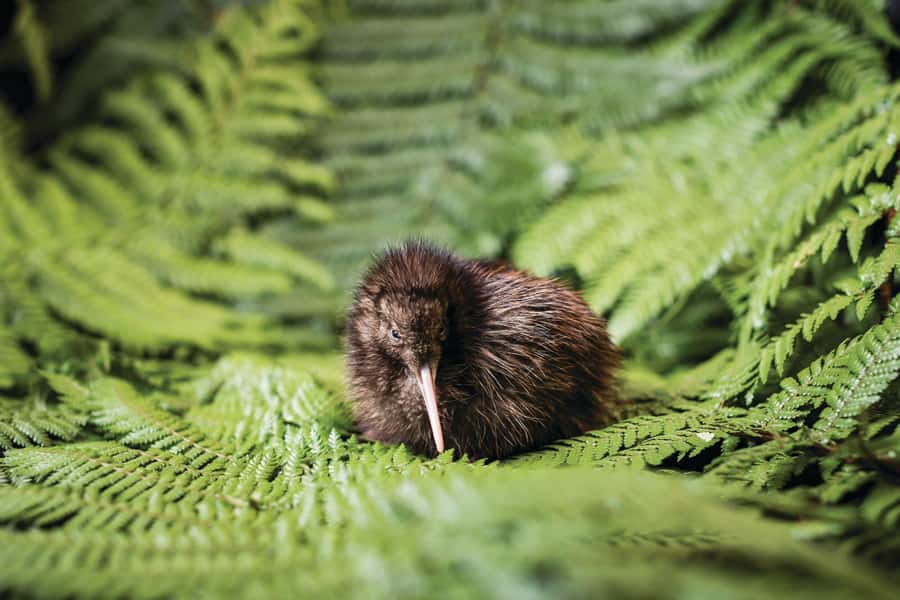
At $44 per person, the Kiwi Encounter costs more than a casual museum stop, but the comparison is not quite fair. You are paying for a guided visit to a specialist working centre, plus direct support for kiwi conservation.
The strongest value comes in three parts:
- You get an expert-led explanation instead of reading a few signs.
- You may see eggs, chicks, health checks, and adult kiwi in one visit.
- All ticket income goes back into the hatching program.
The experience is best value for people who care about the conservation mission as much as the animal sighting. If your only goal is a guaranteed close-up photograph, this is not the right attraction. Photography is banned, and no tour can guarantee that a chick will hatch during your visit.
The souvenir shop and cafe add a little convenience before or after the tour. One visit praised the cafe’s oat flat whites, and the shop was described as clean and reasonably priced. Food and drinks are not included, so treat these as optional extras.
Who should book this Rotorua experience?
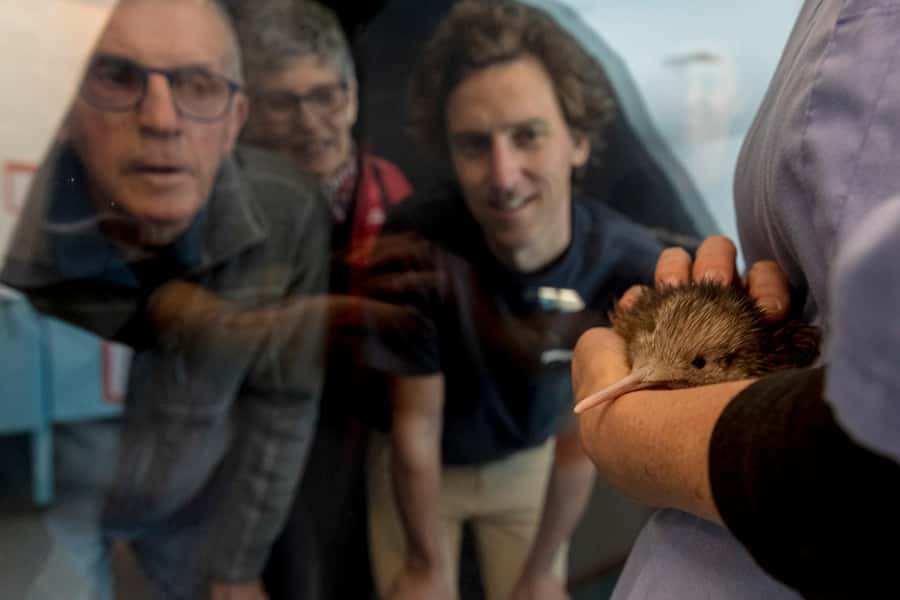
I would recommend it to first-time visitors who want to understand New Zealand’s national bird rather than simply collect a quick photo. It suits couples, older children, bird fans, conservation-minded families, and anyone with a spare hour near Rotorua.
It is also a good choice for people who are not bird specialists. Guides explain the subject clearly, and the presentation includes humor as well as science. Questions are welcome, so you can make the visit as basic or detailed as you like.
Families need to plan carefully because children under five are not allowed inside the facility. That is a firm restriction, not a suggestion. If you are visiting with younger children, one adult may need to stay elsewhere with them.
The tour is less suitable if you need guaranteed chick sightings, photography, or a long, unstructured animal encounter. It is a conservation visit first, an attraction second.
Practical tips for a better visit
Book during September through March if eggs and chicks are your priority. Outside that period, you can still see adult kiwi in the Nocturnal House, and the conservation explanation remains the heart of the experience.
Arrive 15 minutes early for check-in. The shuttle transfer is included, but you do not want a late arrival to create stress before the departure.
If you want a better chance of seeing active adult kiwi, consider an early start, with 9 a.m. suggested as a useful time. Again, this improves your odds but does not control the birds.
Put your phone away before entering the viewing areas. Flash and video are prohibited, and ordinary photography is not allowed either. You will need to remember the experience rather than record it.
Ask questions. The guides are one of the tour’s greatest strengths, and the visit becomes much more meaningful when you ask about incubation, feeding, release, or the birds’ daily care.
Free cancellation up to 24 hours before the tour and a reserve-now, pay-later option make planning easier if your Rotorua schedule is still changing. The tour is conducted in English and is wheelchair accessible with advance directions to the facility.
FAQ
How long is the National Kiwi Hatchery Kiwi Encounter Tour?
The guided tour lasts one hour. You should arrive 15 minutes before the scheduled departure for check-in.
How much does the tour cost?
The listed price is $44 per person.
Where is the National Kiwi Hatchery located?
It is located onsite at the Agrodome, about 10 minutes north of Rotorua city centre. Free parking is available.
Are eggs and kiwi chicks visible all year?
Eggs and chicks are best viewed during hatching season, from September through March. Outside those months, you can still see resident adult kiwi in the Nocturnal House.
Can I take photos or record video?
No. Flash photography, all photography, and video recording are not allowed inside the facility.
Can children under five join the tour?
No. Children under five are not permitted in the facility.
Does the ticket support kiwi conservation?
Yes. One hundred percent of the ticket price goes back into the kiwi hatching program.
Should you book the Kiwi Encounter?
Yes, if you want a thoughtful wildlife experience with a clear conservation purpose. The $44 price buys a focused hour, a shuttle to the hatchery, an English-speaking guide, and the chance to see adult kiwi, eggs, or chicks depending on the season and the day.
I would book between September and March if newborns are your main hope. If you visit at another time, go for the adult kiwi, the conservation story, and the chance to support a program that has hatched more than 2,500 chicks.
Do not book expecting a photo opportunity or a guaranteed baby bird. Book because you want to see how real kiwi protection works. That makes the tour worthwhile even when the hatchery has no fresh chick waiting for you.
Just added around Rotorua
- Te Puia: Tuku Iho Trail with Cultural Show★ 5.0 · 5 reviews
- Ultimate self-drive rail car journey★ 5.0 · 5 reviews
- Private Tour Waiotapu Geothermal Shore Excursion up to 8 passengers★ 5.0 · 6 reviews
- Rotorua: Floatplane Flight with Orakei Korako Landing★ 5.0 · 6 reviews
- Rotorua: Evening Starlight Gourmet Kayak Tour with dinner★ 5.0 · 6 reviews
- Rotorua: Glow Worm Adventure Kayak★ 5.0 · 6 reviews
- Epic Tandem Kayak Tour down the Kaituna River Waterfalls★ 5.0 · 6 reviews
- From Rotorua: Whirinaki Rainforest Guided Cultural Tour★ 5.0 · 6 reviews
Wildlife & Nature Tours, compared.

Auckland Dolphin and Whale Watching Eco-Safari Cruise
Read our review →
Whale and Dolphin Watching Half-Day Eco Cruise
Read our review →
Gannet Safaris Overland tour to Cape Kidnappers Gannet Colony
Read our review →
Clearwater Wildlife Tours (small group 10max) Otago Peninsula
Read our review →

Guided Evening Penguin Viewing Otago Peninsula, Dunedin, New Zealand
Read our review →
Browse the lists this tour appears in