
Reviewed · WILDLIFE & NATURE TOURS
National Kiwi Hatchery – Kiwi Encounter Guided Tour
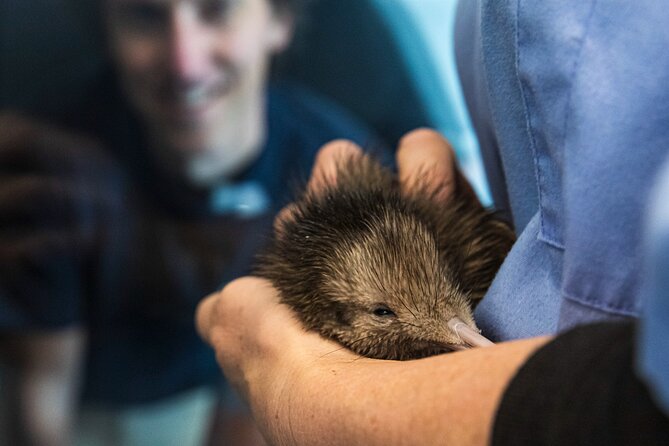
Kiwi chicks make conservation feel personal. At Rotorua’s National Kiwi Hatchery, you get a guided look at the work behind New Zealand’s national bird, from egg incubation and health checks to adult kiwi foraging in a darkened nocturnal house. I especially like the chance to see real hatchery work up close and the fact that your admission helps fund the program. The tour also gives you a clear picture of why kiwi need protection, rather than treating them as a quick photo stop.
I like the friendly, well-informed guides, with visitors praising Theresa, Teresa, Carol, Nico, and Kai for making the hour lively and easy to follow. I also like that nearly the whole experience takes place indoors, making it a smart choice on a wet Rotorua day. The main catch is timing: outside the September to March hatching season, you may not see eggs or chicks, and photography is not allowed.
In This Review
- Key points at a glance
- What makes the National Kiwi Hatchery worth your time
- Starting at the Agrodome and check-in
- Inside the purpose-built hatchery
- The Nocturnal House and its quiet kiwi residents
- The interactive kiwi burrow
- The best months to book for chicks
- Guides who make the hour work
- How much value do you get for $47.74?
- Who will enjoy this experience most?
- Practical details before you go
- Should you book the National Kiwi Hatchery?
- FAQ
- Where is the National Kiwi Hatchery located?
- How long does the Kiwi Encounter Guided Tour last?
- How much does the tour cost?
- Is a mobile ticket available?
- What is the best time to see kiwi chicks?
- Can I still see kiwi outside the hatching season?
- Are children allowed to join the tour?
- Is transportation to the hatchery included?
- Can I take photographs inside?
- What happens if I need to cancel?
Key points at a glance
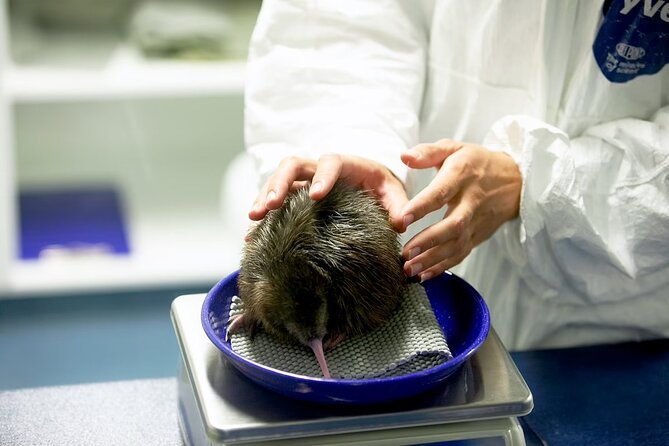
- See kiwi at several life stages: Depending on the season, you may see eggs, newly hatched chicks, older chicks, and adult kiwi.
- The tour supports conservation: Your admission fee goes back into the hatchery program, which works to increase kiwi numbers.
- September to March offers the best chance of chicks: This is the main hatching period, though sightings are never promised.
- The Nocturnal House is a real highlight: You watch adult kiwi roam and forage in low light, behind glass and in a quiet setting.
- It is family-friendly for children aged five and up: The presentation, quiz, video, and physical examples help hold younger minds.
- Plan for a no-photo experience: You will need to enjoy the kiwi with your eyes, not through your phone.
What makes the National Kiwi Hatchery worth your time
The kiwi is one of New Zealand’s most unusual birds. It cannot fly, has hairlike feathers, and searches for food with nostrils placed near the tip of its long bill. It is also nocturnal, shy, and threatened by predators and habitat loss.
That combination makes a wild kiwi hard to see. The National Kiwi Hatchery gives you a much better chance, while also showing the careful work needed to protect the species. This is not simply an animal exhibit. The central idea is recovery: eggs are collected, chicks are hatched and raised with close care, and young birds can later move toward release programs.
I like that the experience explains the full life cycle instead of focusing only on cute babies. You learn why eggs need controlled incubation, how chicks are monitored, and why the hatchery’s work matters to the wider kiwi population.
The facility is at the Agrodome in Rotorua. Your ticket includes a return shuttle from the check-in area to the hatchery, so you do not need to work out a separate transfer once you arrive at the site.
More wildlife tours in Rotorua:
- Rotorua: The National Kiwi Hatchery Kiwi Encounter Tour
★ 4.7 · 671 reviews - Rotorua: 6 Ziplines, Swing-Bridges & Wildlife Encounters
★ 4.9 · 347 reviews - Rotorua: Authentic Kiwi Farm Experience at the Agrodome
★ 4.8 · 270 reviews
Starting at the Agrodome and check-in
Allow time to reach the Agrodome and check in 15 minutes before departure. The hatchery is located on the farm property, but the shuttle takes you to the purpose-built facility where the guided experience begins.
The ride is short and practical. Air conditioning was a welcome detail for some visitors, especially when moving between activities on a warm day. Since hotel pickup and drop-off are not included, you will need to make your own way to the Agrodome using a private vehicle or public transportation.
The one-hour format works well for a busy Rotorua schedule. You get a focused visit without giving up half a day, and you can pair it with other nearby activities at the Agrodome if you wish. Food and drinks are not included, so plan those separately.
Inside the purpose-built hatchery
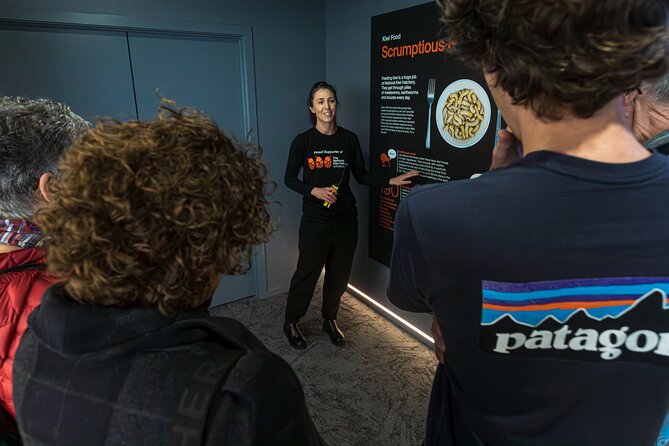
The main guided visit takes place in a modern facility designed for kiwi care. Your guide introduces the hatchery’s role in incubation, hatching, chick care, and husbandry. The explanations are supported by a presentation, video, quiz, and physical examples, giving you several ways to understand the subject.
This mixture is especially helpful for families. A long talk about threatened species can lose a child quickly, but a quiz and physical examples give the hour a more active rhythm. Children must be at least five years old, and the material suits curious school-age children as well as adults.
The exact things you see depend on the season and the hatchery schedule. During the hatching period, from September through March, you might see eggs being checked, chicks receiving a health check, young birds being weighed, or food being prepared and offered. Some visits have included a newly hatched chick, a bird only a few days old, or a young kiwi preparing to move toward an outdoor enclosure.
That is a wonderful opportunity, but it is not guaranteed. The hatchery is a working conservation facility, not a performance staged around each departure time. If there is no egg or chick available to view, the guide still explains the process and shows you how the program operates.
The Nocturnal House and its quiet kiwi residents
The adult kiwi section is often the emotional center of the visit. The Nocturnal House is kept dark to match the bird’s natural active hours, and you watch the kiwi through glass as it walks, probes the ground, and searches for food.
Silence matters here. You may need patience before a bird appears, and you should not expect a brightly lit enclosure or a guaranteed close approach. One visit may reveal one adult kiwi, while another may produce two or even all three resident birds. That element of chance is part of what makes the sighting feel genuine.
The low light can make viewing harder than at a regular zoo exhibit. Photography is not allowed, and the animals and displays are behind glass. Still, the restrictions serve a purpose. Kiwi are shy and nocturnal, so keeping the area dark and calm gives them a more suitable setting.
I recommend treating this as an observation experience rather than a photo opportunity. Put your phone away, let your eyes adjust, and watch for movement. Seeing a kiwi forage naturally is more rewarding than collecting a hurried snapshot.
A few more Rotorua trips worth weighing up
- Rotorua Canopy Tours: 2.5Hour Native Forest Zipline Adventure
★ 5.0 · 4,563 reviews - Mitai Maori Village: Cultural Experience and Dinner Buffet
★ 4.7 · 3,575 reviews - Rotorua: Wai-O-Tapu Geothermal Park Entry Ticket
★ 4.6 · 2,601 reviews - Rotorua’s Ultimate Zipline: 6 ziplines, 400 m Tandem, Cliff Walk
★ 5.0 · 2,557 reviews
The interactive kiwi burrow
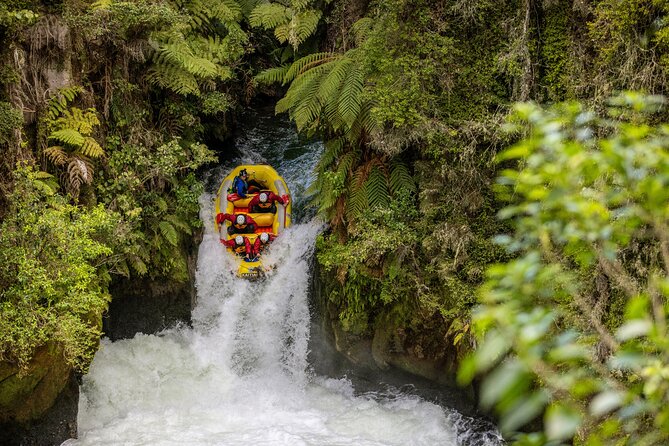
After the guided portion, you can explore the interactive kiwi burrow experience. It helps connect the different stages of the program, from egg to chick to adult bird.
This part gives children a more physical way to understand what they have just seen. It also helps adults fill in the gaps between the hatchery room and the Nocturnal House. The visit is strongest when you think of these areas as parts of one story: a kiwi begins as an egg, receives intensive care as a chick, and eventually grows into the unusual forest bird you see foraging in darkness.
The hatchery is not promising a full sequence of every stage on every departure. Instead, the displays and burrow offer useful context when live eggs or chicks are not available.
The best months to book for chicks
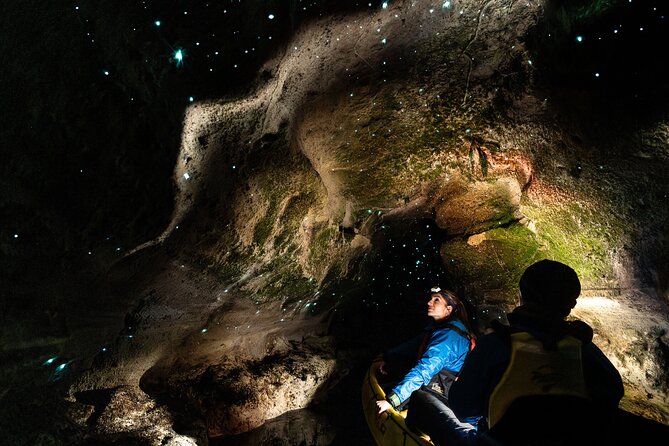
If your priority is seeing eggs or baby kiwi, aim for September through March. This is the stated hatching season and gives you the strongest chance of seeing chicks, including babies receiving checks or being weighed.
Even within those months, conditions change. Hatching is a biological process, not a scheduled show, so one departure may see several chicks while another sees only adult birds and educational displays. A particularly fortunate visit might coincide with a hatching or reveal a one-day-old chick, but you should book for the conservation experience rather than expecting that exact moment.
Outside September to March, you can still see live adult kiwi in the Nocturnal House and learn how the program works. For many people, watching an adult bird forage is the main prize anyway. The season affects the odds, not the basic value of the visit.
Guides who make the hour work
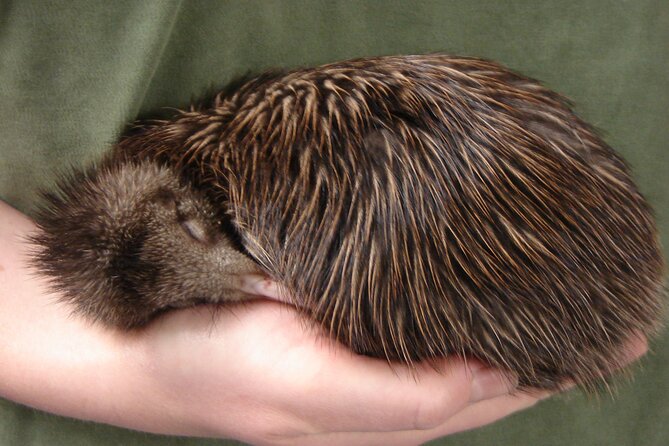
A good guide matters in a small, educational attraction. The strongest feedback centers on guides who explain the subject clearly, answer questions, and add enough humor to keep the tone warm.
Theresa and Teresa received particular praise for being friendly, professional, and engaging. Carol was singled out for her passion for kiwi conservation, while Nico was praised for answering questions and explaining the birds in a way that made the sighting more meaningful. Kai was also praised for an informative tour around the chicks.
Guide assignments can change, so you should not book on the assumption that a particular person will lead your session. The useful point is that the experience depends heavily on live explanation. You are not just walking through a series of signs. The guide helps you understand what is happening in the hatchery and why each step matters.
How much value do you get for $47.74?
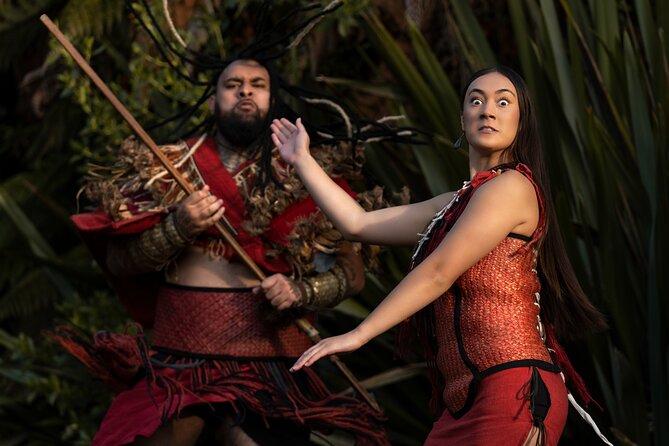
At $47.74 per person, this is not the cheapest short activity in Rotorua. The visit lasts about an hour, and you do not receive food, hotel transfers, or photography privileges.
The value improves when you consider what the ticket pays for. You are entering a specialized facility, joining a guided program, seeing conservation work that most people cannot observe in the wild, and contributing directly to the kiwi hatching effort. If you see a chick, the price may feel easy to justify. If you visit outside hatching season, the value depends more on your interest in kiwi, conservation, and guided learning.
I would call it good value for animal lovers, families, and anyone who wants a meaningful New Zealand wildlife experience. It is less compelling for someone who wants a long, open-air attraction with many species or a guaranteed close-up animal encounter.
The visit also has a useful advantage over outdoor activities: most of it is inside. Rotorua rain does not need to ruin your plans, though you still make a short walk between buildings.
Who will enjoy this experience most?
I would recommend the tour to:
- Families with children aged five or older
- Visitors who want to see a kiwi in a suitable nighttime setting
- People interested in threatened species and practical conservation
- Anyone looking for a rainy-day Rotorua activity
- New Zealand residents who want a clearer understanding of kiwi recovery work
- Animal lovers who value education as much as viewing
It may not suit toddlers, since children under five cannot participate. It may also disappoint anyone expecting open-air viewing, bright exhibits, or guaranteed baby birds.
The pace is gentle and the setting is calm. Some children will love the quiz and the chance to see chicks, while others may find the dark Nocturnal House less exciting if a kiwi takes time to appear. A simple tip helps: tell children ahead of time that quiet watching is part of the experience.
Practical details before you go
The mobile ticket makes entry simple, but check in 15 minutes before your scheduled departure. The return shuttle from the Agrodome check-in area is included.
Wear something comfortable for the short walk between buildings. Since the experience is mainly indoors, it works well when rain interrupts outdoor plans. Food and drinks are not part of the ticket, and there is no hotel pickup or drop-off.
Keep your expectations realistic about viewing. You could see adult kiwi, eggs, chicks, or a mixture of these, depending on the season and the hatchery’s current activity. You cannot take photographs inside the viewing areas, so the best souvenir is what you remember and what your ticket helps fund.
Free cancellation is available if you cancel at least 24 hours before the start time. Changes or cancellations made within 24 hours are not accepted for a refund, and the cut-off follows local Rotorua time.
Should you book the National Kiwi Hatchery?
Book it if seeing a kiwi matters to you and you want more than a quick animal sighting. The guides, conservation message, Nocturnal House, and chance to see chicks make this one of Rotorua’s most worthwhile short activities.
For the best odds of seeing eggs or baby kiwi, choose a date from September through March. Outside that period, book knowing the focus shifts toward adult kiwi and education.
I would skip it only if you need a guaranteed chick sighting, want to take photographs, or prefer a large outdoor attraction. For everyone else, the hour offers a rare look at a protected New Zealand bird and the people working to give it a future.
FAQ
Where is the National Kiwi Hatchery located?
The National Kiwi Hatchery is located at the Agrodome farm in Rotorua, New Zealand.
How long does the Kiwi Encounter Guided Tour last?
The guided experience lasts approximately one hour.
How much does the tour cost?
The listed price is $47.74 per person.
Is a mobile ticket available?
Yes. The experience includes a mobile ticket.
What is the best time to see kiwi chicks?
The hatching season runs from September to March, which gives you the best chance of seeing kiwi eggs and chicks.
Can I still see kiwi outside the hatching season?
Yes. Outside September to March, you can still see live adult kiwi foraging in the Nocturnal House, although eggs and chicks may not be available to view.
Are children allowed to join the tour?
Yes, but children must be at least five years old. Children under five cannot participate.
Is transportation to the hatchery included?
A return shuttle from the Agrodome check-in zone to the hatchery facility is included. Hotel pickup and drop-off are not included.
Can I take photographs inside?
No. Photography is not allowed, and the kiwi and exhibits are behind glass.
What happens if I need to cancel?
You can receive a full refund if you cancel at least 24 hours before the experience begins. Cancellations or changes made less than 24 hours before the start time are not accepted for a refund.
Just added around Rotorua
- Te Puia: Tuku Iho Trail with Cultural Show★ 5.0 · 5 reviews
- Ultimate self-drive rail car journey★ 5.0 · 5 reviews
- Private Tour Waiotapu Geothermal Shore Excursion up to 8 passengers★ 5.0 · 6 reviews
- Rotorua: Floatplane Flight with Orakei Korako Landing★ 5.0 · 6 reviews
- Rotorua: Evening Starlight Gourmet Kayak Tour with dinner★ 5.0 · 6 reviews
- Rotorua: Glow Worm Adventure Kayak★ 5.0 · 6 reviews
- Epic Tandem Kayak Tour down the Kaituna River Waterfalls★ 5.0 · 6 reviews
- From Rotorua: Whirinaki Rainforest Guided Cultural Tour★ 5.0 · 6 reviews
Wildlife & Nature Tours, compared.

Auckland Dolphin and Whale Watching Eco-Safari Cruise
Read our review →
Whale and Dolphin Watching Half-Day Eco Cruise
Read our review →
Gannet Safaris Overland tour to Cape Kidnappers Gannet Colony
Read our review →

Clearwater Wildlife Tours (small group 10max) Otago Peninsula
Read our review →

Guided Evening Penguin Viewing Otago Peninsula, Dunedin, New Zealand
Read our review →
Browse the lists this tour appears in