
Reviewed · ROTORUA TOURS
Buried Village of Te Wairoa
History is under your feet here. Just 15 minutes from Rotorua, the Buried Village of Te Wairoa combines an archaeological site, a small museum, scenic walking paths, and the story of the 1886 Mt. Tarawera eruption. I especially like the excavated village remains and the beautiful Waterfall Trail to Wairere Falls. The main drawback is that much of the visit is self-guided, so the experience can feel quiet and a little thin if you arrive between scheduled talks.
You should allow at least 1.5 hours, even though a quick visit can take about 45 minutes. The museum gives the disaster human meaning through artifacts, photographs, and Margaret’s letters, while the children’s clue map turns the ruins into a family activity. The waterfall walk is worth adding, but it includes several flights of stairs.
In This Review
- Key points to know before you go
- Why Te Wairoa matters near Rotorua
- Starting at the Museum of Te Wairoa
- Walking through the buried village
- The Waterfall Trail and Wairere Falls
- How much time should you allow?
- What the admission costs and includes
- The self-guided format: strength and weakness
- Weather, footwear, and practical comfort
- Who will enjoy Te Wairoa most?
- A simple plan for your visit
- Should you book the Buried Village of Te Wairoa?
- FAQ
- Where is the Buried Village of Te Wairoa?
- How long does the visit take?
- Is the waterfall walk included?
- Is the experience guided?
- What should I bring?
- When is the site open?
Key points to know before you go
- A 15-minute drive from Rotorua: Te Wairoa is an easy half-day stop near Lake Tarawera.
- The 1886 eruption is the focus: Mt. Tarawera buried the village and killed more than 150 people.
- Museum and archaeological site included: You can use audio and video material, join scheduled talks, and walk among excavated remains.
- Wairere Falls adds real scenery: The optional Waterfall Trail ends at a 98-foot, or 30-meter, waterfall.
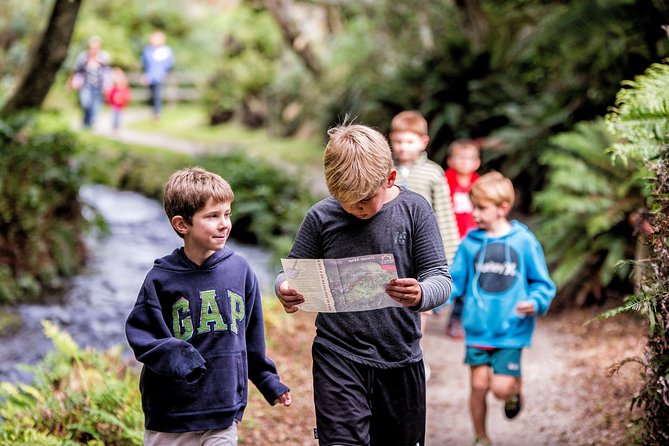
- Family-friendly clue hunt: Children can search for clues among the excavated sites.
- Plan for changing weather: The paths are flat and paved in the village area, but the waterfall route has stairs.
Why Te Wairoa matters near Rotorua
Rotorua is famous for bubbling mud, steaming vents, and hot pools. Te Wairoa gives you a different way to understand the region. Here, geothermal forces are not an abstract science lesson. They are tied to a specific night when Mt. Tarawera erupted and changed the lives of a Maori community and early settlers.
Before the eruption, Te Wairoa was a village lived in by Maori people and missionaries. It also served people visiting the Pink and White Terraces, a celebrated natural attraction that was destroyed or buried during the eruption. More than 150 people died, and the village disappeared beneath volcanic mud and ash.
The site is valuable because it lets you see both the human story and the physical result. Photographs show the village before and after the disaster. Excavated foundations and household remains help you picture daily life. The surrounding creeks, trees, and quiet paths show how nature has returned over the years.
I find that contrast more affecting than a display of rocks alone. You are not simply looking at evidence of a volcano. You are looking at the remains of homes, work, and ordinary routines interrupted in a single night.
A few more Rotorua trips worth weighing up
- Rotorua Canopy Tours: 2.5Hour Native Forest Zipline Adventure
★ 5.0 · 4,563 reviews - Mitai Maori Village: Cultural Experience and Dinner Buffet
★ 4.7 · 3,575 reviews - Rotorua: Wai-O-Tapu Geothermal Park Entry Ticket
★ 4.6 · 2,601 reviews
Starting at the Museum of Te Wairoa
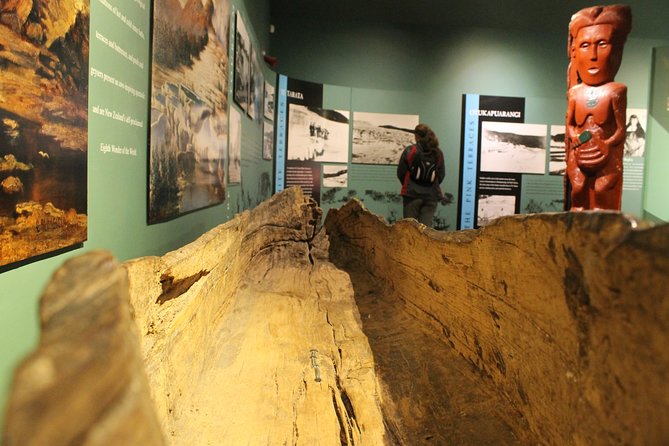
Begin inside the museum. It provides the basic timeline you need before walking through the ruins, including the eruption, the people who lived at Te Wairoa, and the fate of the Pink and White Terraces.
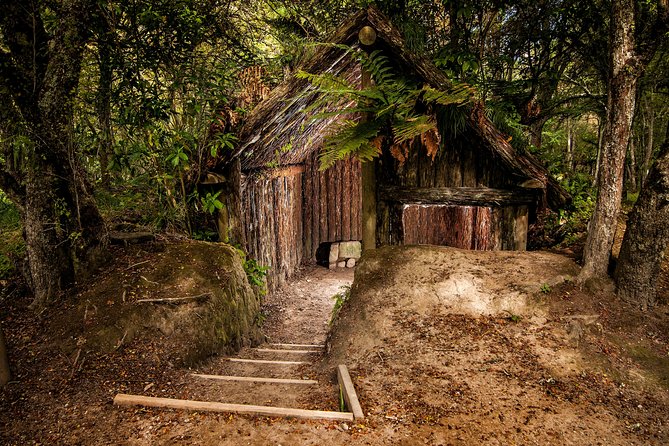
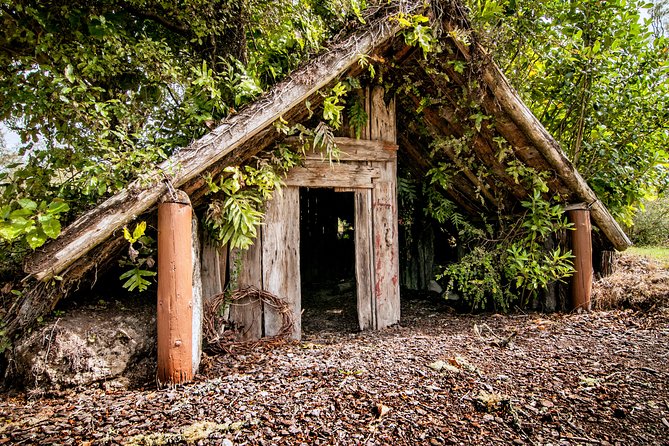
The displays include artifacts and images of the village before it was destroyed. These pictures are especially useful because the excavated site can otherwise be difficult to read. The remains are low and scattered, and you may need help imagining complete buildings from partial foundations.
The museum also presents personal accounts. Margaret’s letters, describing her time at the village before and after the eruption, add an intimate layer to the story. They turn a major natural disaster into something closer to a diary of fear, confusion, and survival.
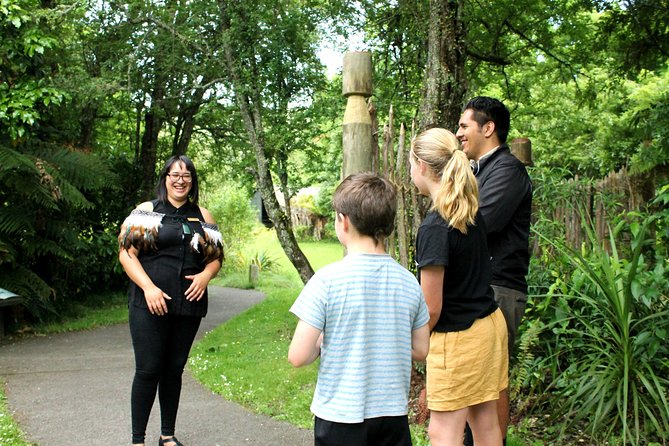
You may use audio and video material during the visit. Talks by costumed guides and other scheduled presentations are also included, although their timing can vary through the day. If you want more human explanation, ask at the entrance when the next talk or guided group walk begins.
This is one area where timing matters. The admission allows you to arrive during opening hours and stay as long as you like, but the strongest experience may come when you can combine the museum with a scheduled presentation. If you simply walk through at your own pace, the material is still worthwhile, but you will need to read carefully and build the story for yourself.
Walking through the buried village
After the museum, follow the route through the excavated settlement. The paths in this main area are flat and paved, so you can move at an easy pace without treating the visit as a serious hike.
The site is not a full reconstruction. You will not see an entire village rebuilt around you. Instead, you see archaeological remains and the traces of structures that were buried by the eruption. That makes the visit more thoughtful, but it also means your imagination has to do some work.
Look for the information at each part of the route, then connect it with the photographs from the museum. The most useful approach is to pause often rather than rush from one exposed area to the next. A quick walk can leave you thinking there is not much to see, while a slower visit reveals how the pieces fit together.
The village trail is also where the emotional weight of the site becomes clearer. You are standing in a place where people lived and worked, not at a remote volcanic viewpoint. That human scale is what makes Te Wairoa different from a standard geothermal attraction.
The site works well for families because children can use a special guide map to search for clues. This gives younger visitors a reason to study the excavated areas instead of simply following adults from sign to sign. It also lets parents discuss the eruption without turning the entire visit into a formal history lesson.
The Waterfall Trail and Wairere Falls
Set aside time for the Waterfall Trail. It is optional, but I would include it unless stairs are a serious concern. The route leads through attractive natural surroundings and ends at Wairere Falls, where water drops 98 feet, or 30 meters, into the valley.
The main village paths are flat and paved. The waterfall route is different. It includes several flights of stairs, and the return trip means climbing back up. Wear proper walking shoes, especially if rain has made the route wet.
At the falls, you can feel the spray and hear the water before taking in the full view. It is a welcome change after the quiet, serious mood of the archaeological site. The creek and surrounding vegetation also provide a calm pause in the visit.
Do not mistake the waterfall for a minor extra. It gives the admission a second identity. Te Wairoa is part historical site, part short nature walk, and part viewpoint into the volcanic story around Lake Tarawera. If you have only a limited amount of time, prioritize the museum and village first, then add the falls if conditions and energy allow.
The route also helps explain the area’s geothermal character. Information along the way connects the scenery with Lake Tarawera, Mt. Tarawera, and the region’s volcanic activity. You get a better sense of how the eruption belongs to this particular place, rather than feeling like an isolated event in a museum case.
A completely different kind of day out in Rotorua:
- Rotorua’s Ultimate Zipline: 6 ziplines, 400 m Tandem, Cliff Walk
★ 5.0 · 2,557 reviews - Rotorua Rafting: Kaituna River White Water Rafting & Free Sauna
★ 5.0 · 1,952 reviews - Cultural Experience & Seasonal Māori Cuisine at Te Pā Tū
★ 5.0 · 1,546 reviews - Mitai Maori Village Cultural Experience in Rotorua
★ 4.5 · 1,294 reviews
How much time should you allow?
The official visit can take anywhere from 45 minutes to two hours. I would plan for 1.5 to two hours if you want to use the museum material, walk the archaeological site, join a talk, and complete the waterfall route.
A short visit might look like this:
- Museum and eruption displays: about 20 to 30 minutes
- Excavated village: about 30 to 40 minutes
- Waterfall Trail: allow extra time for stairs, views, and the return walk
Those are practical estimates rather than fixed schedules. You can arrive at any point during the day and stay as long as you wish within opening hours. That flexibility is useful if you are combining Te Wairoa with Lake Tarawera, another Rotorua attraction, or a drive through the surrounding area.
The site operates Wednesday through Sunday from 10 a.m. to 4 p.m. for the stated operating period, April 1, 2025 through March 31, 2026. Check the date before setting out if your trip falls outside that period.
What the admission costs and includes
Admission is listed at $16.55 per person. At that price, I think the experience offers good value, especially because the ticket covers the museum, archaeological site, walking trails, and scheduled guided or interpretive material.
The value depends on how you use your time. If you rush through the museum and skip the waterfall, you may feel the visit is small. If you read the displays, look closely at the ruins, join a talk, and complete the Waterfall Trail, the admission supports a satisfying half-day stop.
GST is included. Food, drinks, souvenir photographs, and hotel pickup are not included. Vi’s Teahouse sells scones with tea or coffee, and the gift shop offers souvenirs, so you can add refreshments after the walk.
There is no need to pay for a separate guide to access the site. Group tours, audio and video tours, and talks are included, but their availability at the exact moment you arrive may vary. Ask the front desk about the day’s schedule if interpretation is important to you.
The self-guided format: strength and weakness

The flexible format is convenient. You do not have to join one fixed departure, and you can linger over the parts that interest you. Families may appreciate being able to move at their own pace, especially when children are working through the clue map.
The quieter format also suits people who prefer to read and reflect without being hurried. The letters, photographs, and archaeological remains reward patience.
But you should know what you are getting. This is not a continuously led tour with a guide explaining every building as you walk. Some scheduled guided tours and costumed talks are available, yet much of your visit may be self-guided.
That can affect the experience. The ruins are meaningful, but they are not always immediately obvious. Without context, you might see low foundations and bits of material without understanding what once stood there. The museum helps, and the signs provide information, but a live explanation can make the settlement easier to picture.
My advice is simple: ask when the next talk begins before starting the trail. If the wait is reasonable, arrange your visit around it. If not, use the museum photographs first, then walk the site with those images in mind.
Weather, footwear, and practical comfort
Te Wairoa operates in all weather conditions. Rotorua weather can change, so bring a raincoat or umbrella, plus sun protection for brighter periods. A hat and sunscreen are recommended.
Walking shoes are the sensible choice. You do not need specialist hiking equipment for the main route, but the optional waterfall trail has stairs and may feel more demanding than the paved archaeological path.
The main grounds are suitable for most people, and most participants can take part. The waterfall route is the part to judge honestly. If stairs are difficult for you, enjoy the museum and village remains without feeling that you have failed to complete the visit.
The site is near public transportation, though hotel pickup and drop-off are not included. The stated meeting point is 1180 Tarawera Road, Lake Tarawera, Rotorua 3076. It ends at the same place where you begin.
The activity can accommodate up to 150 people. That is a maximum rather than a promise of crowding on any given day. The flexible arrival system helps spread people through the grounds.
Who will enjoy Te Wairoa most?
I would recommend Te Wairoa to anyone interested in New Zealand history, volcanic events, Maori and settler communities, or archaeology. It is also a strong choice if you want an outing that combines a serious story with a short scenic walk.
Families have good reasons to come. The clue map gives children something active to do, and the waterfall provides a clear payoff at the end of the trail. Parents should still explain that the eruption involved loss of life, since the subject is tragic rather than light entertainment.
The site suits independent visitors who like to set their own pace. You can spend more time with the letters, photographs, or artifacts and less time on displays that interest you less.
It may disappoint you if you expect a large reconstructed village or a fully guided experience from beginning to end. The remains are archaeological, not theatrical. Their power comes from the story and setting, not from elaborate reconstruction.
A simple plan for your visit
Arrive early enough to ask about scheduled talks. Start with the museum, where the photographs and written accounts give you the background needed for the outdoor remains.
Next, walk the archaeological site slowly. Use the clue map if you are with children, and compare the present-day remains with the historic images. Take time at the places where the village story is explained.
Finish with the Waterfall Trail if you are comfortable with stairs. The falls are the most scenic part of the outing and provide a refreshing change after the museum and ruins.
Afterward, Vi’s Teahouse offers scones with tea or coffee. You can also browse the gift shop, then continue toward Lake Tarawera. The drive farther down the road provides fine views of the old volcano, making it a useful addition if you have a car and extra time.
Should you book the Buried Village of Te Wairoa?
Yes, if you want a compact Rotorua attraction with genuine historical weight, a museum, an archaeological site, and a worthwhile waterfall walk. The $16.55 admission is fair because it covers more than a single exhibit, and the flexible format lets you choose how much time to spend.
Book it with realistic expectations. The village remains can be subtle, and the self-guided parts require attention. Try to catch a scheduled talk, allow at least 1.5 hours, and do not skip Wairere Falls unless the stairs or weather make that unwise.
I would choose Te Wairoa for families, history-minded visitors, and anyone who wants to understand what Mt. Tarawera did to real communities. I would look elsewhere if your priority is a large-scale reconstructed settlement or a constantly guided tour. Free cancellation is available if you cancel at least 24 hours before the start time, which gives you useful flexibility when planning around Rotorua weather.
FAQ
Where is the Buried Village of Te Wairoa?
It is at 1180 Tarawera Road, Lake Tarawera, Rotorua 3076, New Zealand, about a 15-minute drive from Rotorua city.
How long does the visit take?
The experience can take about 45 minutes to two hours. You should allow at least 1.5 hours for the museum, archaeological site, interpretive material, and Waterfall Trail.
Is the waterfall walk included?
Yes. Admission includes access to the Waterfall Trail and Wairere Falls, where water drops 98 feet, or 30 meters. The route includes several flights of stairs.
Is the experience guided?
The visit is mainly self-guided, but admission includes audio and video tours, guided group tours, and talks by costumed guides scheduled during the day.
What should I bring?
Bring walking shoes and protection from changing weather. A hat, sunscreen, umbrella, or raincoat are recommended.
When is the site open?
For the stated April 1, 2025 through March 31, 2026 operating period, it is open Wednesday through Sunday from 10 a.m. to 4 p.m.
Just added around Rotorua
- Te Puia: Tuku Iho Trail with Cultural Show★ 5.0 · 5 reviews
- Ultimate self-drive rail car journey★ 5.0 · 5 reviews
- Private Tour Waiotapu Geothermal Shore Excursion up to 8 passengers★ 5.0 · 6 reviews
- Rotorua: Floatplane Flight with Orakei Korako Landing★ 5.0 · 6 reviews
- Rotorua: Evening Starlight Gourmet Kayak Tour with dinner★ 5.0 · 6 reviews
- Rotorua: Glow Worm Adventure Kayak★ 5.0 · 6 reviews
- Epic Tandem Kayak Tour down the Kaituna River Waterfalls★ 5.0 · 6 reviews
- From Rotorua: Whirinaki Rainforest Guided Cultural Tour★ 5.0 · 6 reviews
Rotorua Tours, compared.
Rotorua Canopy Tours: 2.5Hour Native Forest Zipline Adventure
Read our review →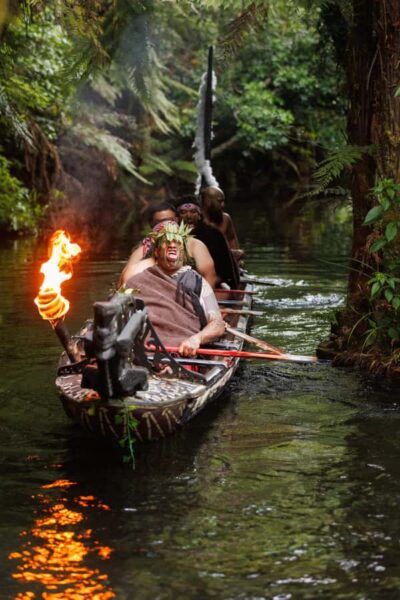
Mitai Maori Village: Cultural Experience and Dinner Buffet
Read our review →
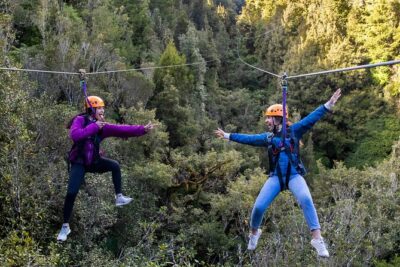
Rotorua’s Ultimate Zipline: 6 ziplines, 400 m Tandem, Cliff Walk
Read our review →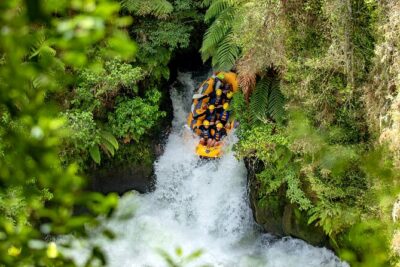
Rotorua Rafting: Kaituna River White Water Rafting & Free Sauna
Read our review →
Cultural Experience & Seasonal Māori Cuisine at Te Pā Tū
Read our review →
Mitai Maori Village Cultural Experience in Rotorua
Read our review →
Rafting Rotorua: Kaituna River White Water Experience
Read our review →Browse the lists this tour appears in