
Reviewed · WILDLIFE & NATURE TOURS
Franz Josef: Kiwi VIP Backstage Pass Tour -Booking Essential
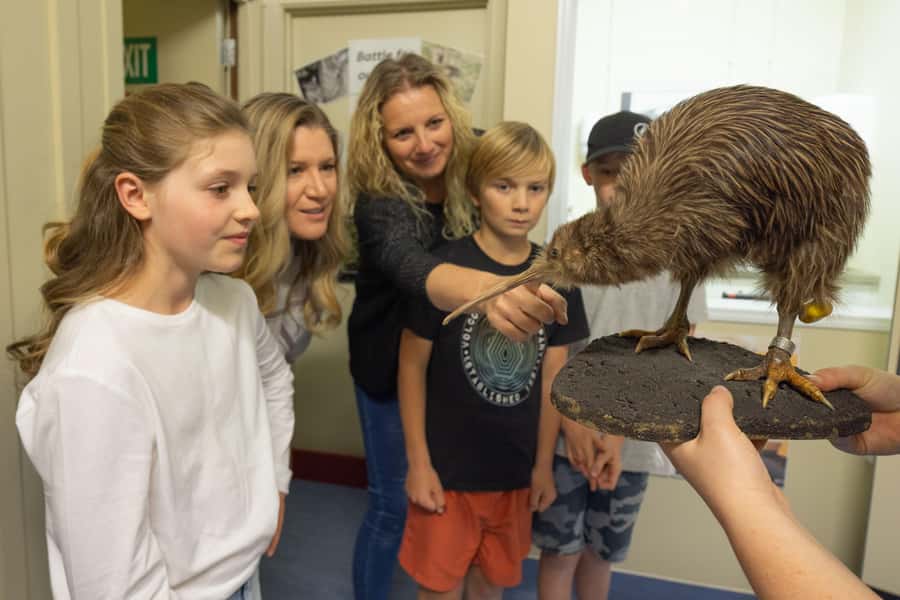
Kiwi conservation gets personal behind closed doors. At Franz Josef’s West Coast Wildlife Centre, I like the chance to see the South Island’s largest kiwi incubation and hatching facility, then learn how conservation works in real life. I also like the small-group format, with no more than eight people on each scheduled tour.
The live tuatara encounter adds another strong reason to come, especially if you enjoy unusual wildlife rather than a standard zoo visit. The main drawback is that wildlife activity changes from day to day. You may not see young kiwis or eggs, and one recent visitor found the VIP arrangement less private than expected when two larger groups were split up.
In This Review
- Key points to know before you book
- What the Kiwi VIP Backstage Pass is really about
- Behind the scenes at the kiwi facility
- Meeting the tuatara indoors
- A short tour with a useful indoor setting
- Group size and the meaning of VIP
- Is $56 a fair price?
- Who will enjoy this most?
- Booking, timing, and making the visit work
- What the feedback suggests you should expect
- Should you book the Kiwi VIP Backstage Pass?
- FAQ
- Where does the Kiwi VIP Backstage Pass Tour begin?
- How long does the guided tour take?
- How long should I allow for the whole wildlife centre?
- What time does the centre open?
- What time are the VIP tours offered?
- How many people are in each VIP group?
- Is entry to the main attraction included?
- Can I see both kiwi and tuatara?
- Is photography allowed?
- Can I cancel the booking?
Key points to know before you book
- Kiwi conservation facility: Go behind the public display to see the South Island’s largest kiwi incubation and hatching operation.
- Rare kiwi species: Learn about conservation work for the rarest of New Zealand’s five kiwi species.
- Small guided group: The VIP tour is limited to eight people, with departures at 10am, noon, 2pm, and 4pm.
- Ancient tuatara: Visit the Tuatara Encounter and see live tuatara while learning about these unusual reptiles.
- Indoor Franz Josef activity: The centre works well on a wet West Coast day, with wildlife films, exhibits, a shop, and a cafe.
- Book ahead: The tour is marked as booking essential, and the guided departures are limited.
What the Kiwi VIP Backstage Pass is really about
This is not a long wildlife safari or an outdoor trek. It is a short, indoor conservation visit in central Franz Josef, built around access to working kiwi and tuatara facilities.
You begin at the West Coast Wildlife Centre, located at 31 Cron Street. The ticket counter inside the centre is the meeting point, so you do not need to arrange transport from another location. From there, a guide leads the backstage visit.
The guided section takes about 40 minutes, while the activity duration is listed as 45 minutes. I would allow between 30 minutes and two hours for the full centre visit, depending on how closely you watch the films, exhibits, and wildlife areas. The VIP tour is the main reason to reserve a set time, but the general attraction is included in your admission.
This setup gives you two experiences in one. You get a focused guided tour, then time to explore the public areas at your own pace. That makes the $56 price easier to judge. It is not a cheap quick look at a single animal, but it includes the main attraction, a guide, kiwi and tuatara access, conservation information, and an indoor place to spend time in Franz Josef.
More wildlife tours in New Zealand:
- Auckland Dolphin and Whale Watching Eco-Safari Cruise
★ 4.5 · 1,790 reviews - Auckland: Whale and Dolphin Watching Half-Day Eco Cruise
★ 4.5 · 1,072 reviews - Gannet Safaris Overland tour to Cape Kidnappers Gannet Colony
★ 5.0 · 942 reviews
Behind the scenes at the kiwi facility
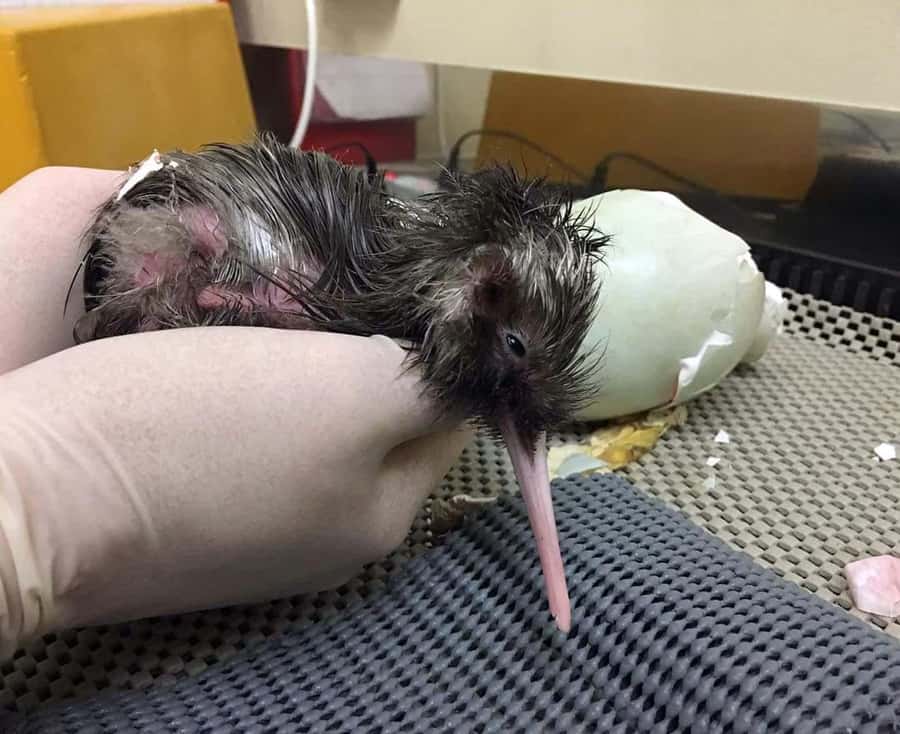
The heart of the visit is the kiwi incubation and hatching facility. It is described as the largest of its kind on the South Island, giving the tour a conservation purpose beyond simply showing animals to the public.
Your guide explains the work involved in protecting the rarest of New Zealand’s five kiwi species. The exact animals, eggs, and young birds available can change. That matters here: you should book for the chance to understand the operation, not with a promise that you will see a particular stage of the hatching process.
A recent German-language comment noted that no young kiwis or eggs were available at the time, but still found the visit informative. That is useful advice. The facility is a living conservation workplace, not a display cabinet stocked to meet every visitor’s expectation.
The backstage setting is valuable because it connects the public attraction with practical protection work. You learn about incubation, hatching, and the wider effort to remove predators from the wild. The centre also uses films to explain this work, which helps fill in the gaps if the animals are quiet or if no eggs are currently on view.
The tour is best for people who want context. If you only want a guaranteed close-up of a baby kiwi, this may feel uncertain. If you want to understand why kiwi conservation needs controlled incubation and predator removal, the visit gives you more to take home.
Meeting the tuatara indoors
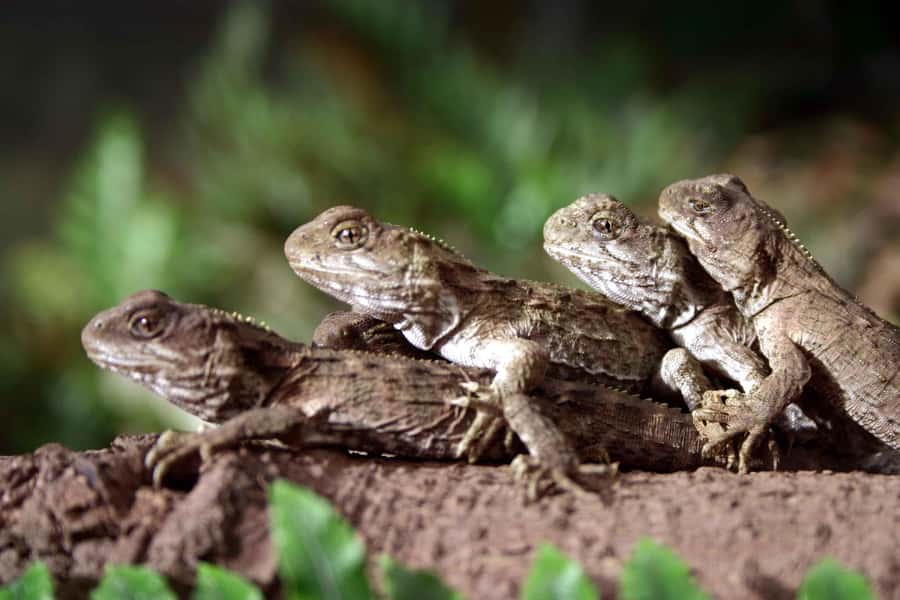
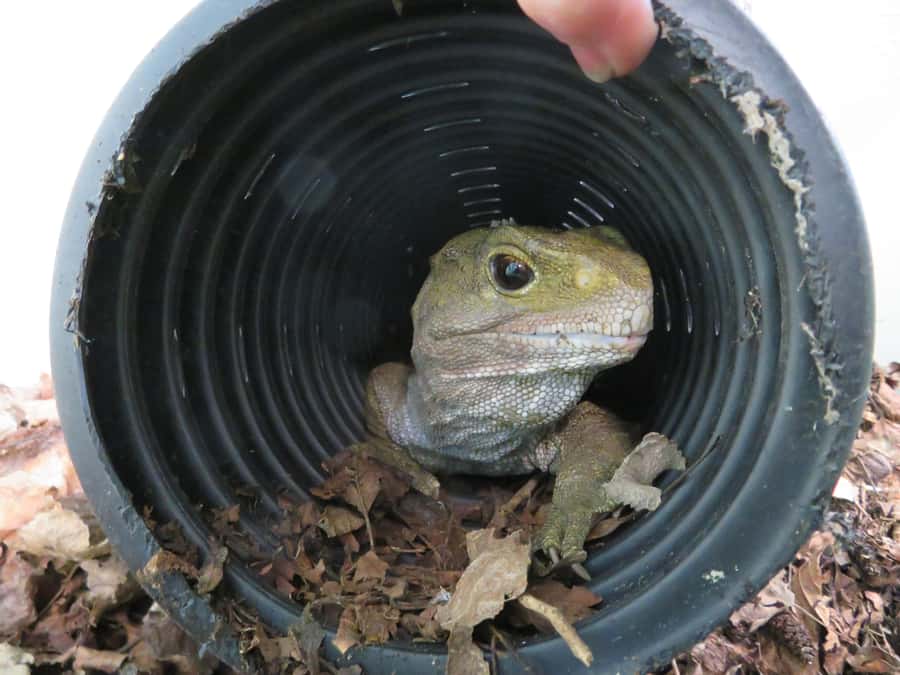
The Tuatara Encounter is the other major stop. You see live tuatara and learn about these ancient reptiles in a dedicated indoor setting.
The centre describes the encounter as world-class, but the practical benefit is simpler: you get a second native species and a different kind of conservation story in the same visit. Kiwi are flightless birds with a strong connection to New Zealand’s national identity. Tuatara are ancient reptiles with an entirely different place in the country’s natural story.
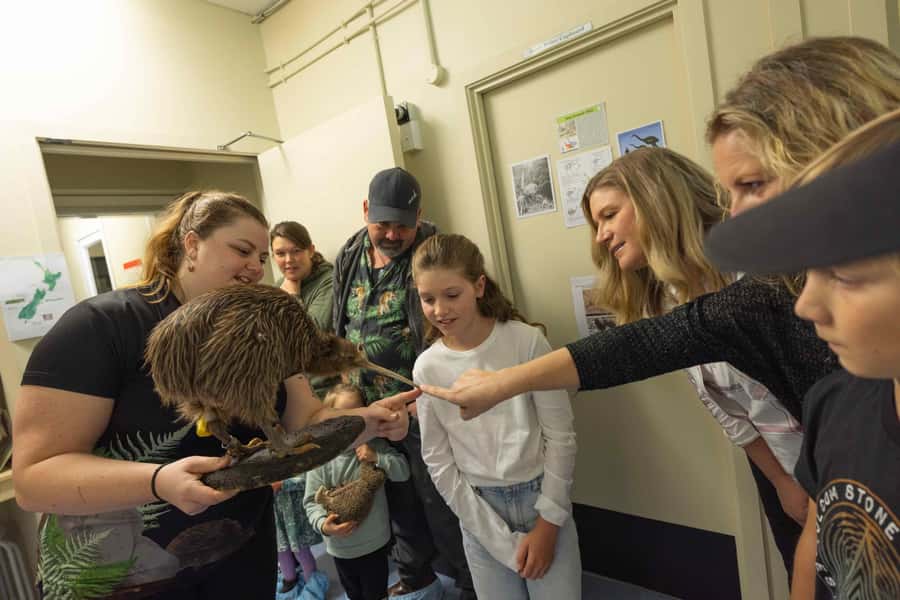
The guide provides the explanation, so this is not just a quick walk past an enclosure. A strong part of the experience is the way the tour links the animals to wider conservation work. One highly positive comment praised the guide’s clear, vivid, and capable explanations, while another described the tour as very informative and enjoyable.
Do keep expectations sensible. The provided information does not promise feeding, touching, or a particular animal behavior. You are there to see live tuatara and learn about them. Flash photography is not allowed, so bring a camera if you like, but be ready to take photographs without flash.
A short tour with a useful indoor setting
Franz Josef is famous for its glacier, and the centre includes information about the Franz Josef Glacier as part of the visit. That makes this a helpful activity on a day when weather interferes with outdoor plans.
The attraction is open daily from 8.30am, including most public holidays. The four VIP departures are at 10am, noon, 2pm, and 4pm, seven days a week. Those times are simple to fit around a glacier walk, a drive, or a day in town, but you should choose carefully because missing your selected departure could mean waiting for the next available group.
The indoor layout is a real advantage on the West Coast. You can combine the guided tour with wildlife films and information about predator control, then browse the well-stocked retail shop. The centre also has a cafe serving barista-made coffee.
I would not book this solely for the coffee, of course, but it is a pleasant extra if you are building a slower stop into your Franz Josef schedule. Since the main visit can take anywhere from 30 minutes to two hours, the cafe and shop help make the centre more than a quick appointment.
A few more New Zealand trips worth weighing up
- Franz Josef Glacier: Helicopter Flight & Alpine Landing
★ 4.8 · 619 reviews - Franz Josef Glacier Heli-Hike
★ 4.5 · 618 reviews - Heli Hike Fox Glacier
★ 5.0 · 563 reviews - Franz Josef: 35min Helicopter Trip over Two Glaciers
★ 4.8 · 451 reviews
Group size and the meaning of VIP
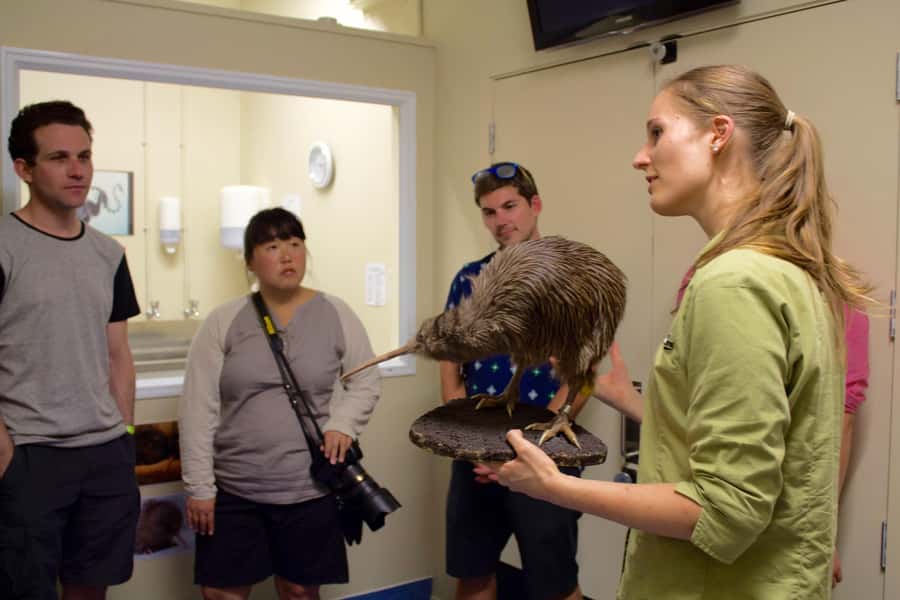
The advertised group limit is eight people, and that is small enough to make questions practical. A guide can explain the facility without addressing a large crowd, and you should have a better chance of hearing what is being said.
Still, VIP does not necessarily mean a private tour. One visitor felt disappointed because the experience involved two larger groups that were split up. The wording suggests that the maximum applies to each tour, not that you receive a private guide or exclusive access for your own party.
That distinction matters if you are booking for a special occasion or expect a one-to-one conservation talk. I would treat the VIP label as a small-group, guided backstage visit rather than a private tour.
The English-speaking guide is an important part of the experience. The strongest praise focuses on the explanations, with comments describing the tour as informative, enjoyable, clear, and competent. If you like to ask questions, arrive ready to use the short guided time well.
Is $56 a fair price?
At $56 per person, the tour costs more than simple admission to an indoor attraction would typically suggest, but the ticket includes several layers of access.
You receive:
- The guided VIP Backstage Pass
- Entry to the main attraction
- Access behind the scenes at the kiwi facility
- The Tuatara Encounter
- Information about the glacier and predator removal
- Wildlife films
- Access to the retail shop
- Barista-made coffee at the centre
The value depends on what you want. For a person interested in conservation, the price is easier to justify because the guided explanation gives meaning to the facilities. The visit also supports a privately owned centre dedicated to conservation and operating through a public-private partnership with the Department of Conservation.
For someone with only 30 minutes in Franz Josef, the price may feel high for a short guided activity. For someone with up to two hours, especially on a rainy day, the ticket covers enough material to make the stop worthwhile.
The clearest value comes when you use the whole centre. Take the guided tour, watch the films, spend time with the tuatara, read about kiwi protection, and browse the shop. If you rush in for the tour and leave immediately, you are using only part of what the ticket provides.
Who will enjoy this most?
I would recommend the tour to adults, older children, wildlife fans, and anyone interested in New Zealand conservation. It is particularly useful for people who want an indoor activity connected to the region rather than a generic attraction.
The tour is not suitable for children under five, babies under one year, wheelchair users, people with animal allergies, or hearing-impaired people. The supplied information does not explain the specific reason for each restriction, so check directly with the centre if your needs are not covered by those categories.
Wear comfortable shoes. Bring a camera, but do not use flash. Since the experience is in English, you should be comfortable following an English-speaking guide.
The centre is Qualmark Gold accredited, which gives you an additional signal about its operating standards. It is also privately owned and dedicated to conservation, so your visit is tied to a functioning local wildlife facility rather than only to entertainment.
Booking, timing, and making the visit work
Booking is essential for the VIP tour because only four guided departures operate each day. You can choose 10am, noon, 2pm, or 4pm, subject to availability.
The centre opens at 8.30am, so an early arrival gives you time to look around before a later guided departure. You could also plan the tour first and then use the public areas afterward. Since transport is not included, you need to make your own way to 31 Cron Street.
The booking terms are friendly if your plans may change. You can cancel up to 24 hours in advance for a full refund, and the reserve-now, pay-later option lets you hold a spot without paying immediately. Check the available start times before finalizing your day.
I would choose a departure that leaves breathing room around other plans. A 40-minute guided visit can fit neatly into a busy schedule, but the centre itself may tempt you to stay longer, particularly if the weather is poor.
What the feedback suggests you should expect
The overall score is 4.4 from 37 ratings, with several strong comments about the guide and the information provided. The most consistent strength is the explanation of kiwi conservation and the animals themselves.
One British visitor described the tour as informative and enjoyable. Another called it a great way to learn about remarkable creatures. A German visitor praised the guide’s clear and capable explanations. These comments point to the guide as the part most likely to make the price feel worthwhile.
The weaker feedback is also useful. The absence of eggs or young kiwis can make the visit feel less exciting, and the VIP format may disappoint if you expect a private group. One person also felt the kiwis looked unhappy. You cannot control animal behavior, so the best approach is to see this as a conservation facility first and a guaranteed wildlife spectacle second.
That balance is important. The centre’s purpose is to protect rare species and explain the work involved. The animals are not there to perform on demand.
Should you book the Kiwi VIP Backstage Pass?
Book it if you want a small-group, English-guided look at kiwi conservation, live tuatara, and an indoor Franz Josef attraction. The $56 price is reasonable when you use the full centre and value the conservation explanation, not just the chance of seeing a kiwi.
I would be more cautious if you need a private tour, expect to see eggs or young birds, or have only a few minutes available. Pick a scheduled time, arrive with comfortable shoes, and keep your camera flash switched off.
For most wildlife-minded visitors spending time in Franz Josef, this is a worthwhile addition to the glacier area. Just book for insight into the work, and treat any close animal sighting as a welcome bonus.
FAQ
Where does the Kiwi VIP Backstage Pass Tour begin?
It begins at the ticketing counter inside the West Coast Wildlife Centre at 31 Cron Street in Franz Josef.
How long does the guided tour take?
The guided portion takes about 40 minutes. The activity duration is listed as 45 minutes.
How long should I allow for the whole wildlife centre?
The recommended visit time is between 30 minutes and two hours.
What time does the centre open?
The West Coast Wildlife Centre opens daily from 8.30am, including most public holidays.
What time are the VIP tours offered?
Guided tours are scheduled at 10am, noon, 2pm, and 4pm, seven days a week.
How many people are in each VIP group?
Each tour has a maximum of eight participants.
Is entry to the main attraction included?
Yes. The ticket includes entry to the main attraction as well as the guided backstage tour.
Can I see both kiwi and tuatara?
Yes. The experience includes access behind the scenes at the kiwi incubation and hatching facility and the Tuatara Encounter with live tuatara.
Is photography allowed?
You can bring a camera, but flash photography is not allowed.
Can I cancel the booking?
You can cancel up to 24 hours in advance for a full refund. The reserve-now, pay-later option is also available.
Just added around New Zealand
- From Auckland: Hobbiton Movie Set Small Group Tour★ 4.1 · 5 reviews
- Auckland Museum and Highlight Sightseeing Tour★ 5.0 · 5 reviews
- Self-Guided Milford Track Day Walk from Lake Te Anau★ 5.0 · 5 reviews
- Tauranga-Hobbiton-Rotorua : Movie Set & Geysers: Private Tour★ 5.0 · 5 reviews
- Private Tour in Wellington★ 5.0 · 5 reviews
- Hawkes Bay – Scenic, luncheon, wine Tour★ 4.0 · 5 reviews
- Milford Sound Earnslaw Burn Helicopter Tour from Queenstown★ 5.0 · 5 reviews
- Queenstown: Remarakbles Helicopter Tour with Alpine Landing★ 4.6 · 5 reviews
Wildlife & Nature Tours, compared.

Auckland Dolphin and Whale Watching Eco-Safari Cruise
Read our review →
Whale and Dolphin Watching Half-Day Eco Cruise
Read our review →
Gannet Safaris Overland tour to Cape Kidnappers Gannet Colony
Read our review →

Clearwater Wildlife Tours (small group 10max) Otago Peninsula
Read our review →

Guided Evening Penguin Viewing Otago Peninsula, Dunedin, New Zealand
Read our review →
Browse the lists this tour appears in