
Reviewed · WILDLIFE & NATURE TOURS
Harbour, Albatross and Wildlife Cruise on Otago Harbour
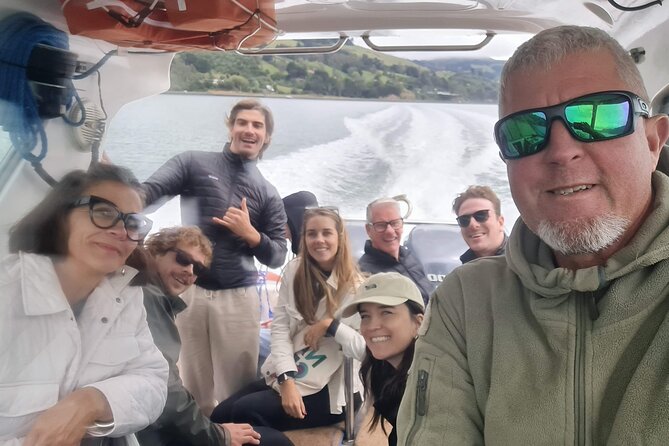
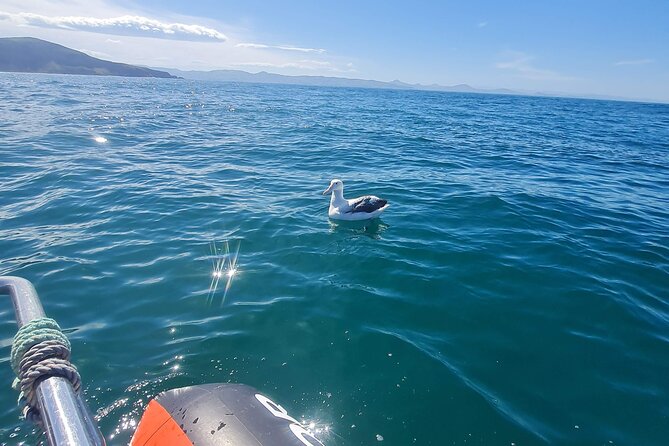
Albatross skim waves beside a small boat. This Otago Harbour cruise gives you a close, lively look at the Otago Peninsula, Carey’s Bay, fishing boats, seals, seabirds, and the Northern Royal Albatross colony at Taiaroa Head. I especially like the small maximum group of 18 and the chance to hear local stories from skipper Rob, who is often praised for his wildlife spotting and calm handling of the boat.
The price is about $80.67 per person, which feels fair if you value a personal outing rather than a large sightseeing vessel. I also like the option to finish near the historic Carey’s Bay Hotel for seafood, local beer, wine, or coffee. The main caution is the boat itself: conditions can be wet and bumpy, and you should bring a warm jacket, your own water, and realistic expectations about wildlife sightings.
In This Review
- Key points to know before you go
- Why this cruise is worth considering
- Finding Back Beach at Port Chalmers
- Along the Otago Peninsula by boat
- A short look at Carey’s Bay
- Taiaroa Head and the Northern Royal Albatross
- What the boat ride is really like
- Wildlife sightings and the role of the skipper
- Is $80.67 good value?
- Who will enjoy this most?
- Should you book the Otago Harbour wildlife cruise?
- FAQ
- Where does the cruise depart from?
- How long does the cruise last?
- What wildlife might I see?
- How many people can join the boat?
- Do I need to bring anything?
- Is there a restroom?
- What happens if bad weather cancels the cruise?
Key points to know before you go
- Taiaroa Head is the main prize: This is the site of the only mainland breeding colony of Northern Royal Albatross.
- The boat holds up to 18 people: A small group can make it easier for the skipper to position the boat near wildlife.
- Rob is a well-liked skipper: His commentary covers wildlife, shipwrecks, harbour points, and local history.
- The ride can get rough: One account describes a bumpy trip with heavy rain, so dress for exposed conditions.
- Check the departure point carefully: The cruise leaves from Back Beach at Port Chalmers, not simply from a central Dunedin wharf.
- Carey’s Bay can extend the outing: You can finish with food or a drink at the historic Carey’s Bay Hotel.
Why this cruise is worth considering
Otago Harbour is more than a pretty stretch of water beside Dunedin. It is a long, sheltered waterway leading toward the open Pacific, with the Otago Peninsula rising along one side and working harbour settlements tucked into its edges. From a boat, you see the area at a slower pace and from an angle that roads and walking paths cannot provide.
I like this trip because it combines scenery and wildlife without taking up an entire day. The advertised duration is about one to two hours, although the itinerary includes a possible 30-minute stop at Carey’s Bay Hotel. That makes it a useful choice for a cruise-ship visit, a free morning in Dunedin, or a shorter nature outing before another activity.
The main attraction is Taiaroa Head. This dramatic headland is home to the only mainland breeding colony of Northern Royal Albatross. These are enormous seabirds, and the sight of one gliding along the cliff line or sweeping low over the waves is the moment that can make the trip worthwhile.
The experience is not a guaranteed wildlife show. Nature sets the schedule. You might see albatross, shags, seals, and other birds, but sightings vary with weather, timing, and sea conditions. The skipper’s ability to adjust the route matters, and several strong accounts praise Rob for taking time to search for animals and place the boat where people had a better chance of seeing them.
More Boat Tours in Dunedin
- Albatross, seals, and sea birds-Wildlife Cruise
★ 5.0 · 189 reviews - Cruise Dunedin City and Castle Tour
★ 5.0 · 142 reviews - Dunedin Nature & City Tour – Full Day Cruise Excursion
★ 4.5 · 87 reviews
Finding Back Beach at Port Chalmers
The departure point is Back Beach, a popular launch area for local trailer boats. It is in Port Chalmers, the harbour town near Dunedin, and this detail matters. The directions have caused confusion for at least one person who expected a city wharf after seeing Dunedin mentioned in the pickup information.
I would confirm the exact meeting point before setting out, especially if you are arriving from a cruise ship or using local transport. Look for the Port Chalmers departure instructions rather than assuming the boat leaves from central Dunedin. Toilets are available at the departure and drop-off points, and there is also a restroom on board.
Getting into the boat requires a step down of about 20 centimetres. That is modest, but it is still worth noting if you have limited mobility or are carrying bulky luggage. The tour is described as suitable for most people, but the small vessel and open-water setting mean you should be comfortable with a marine ride.
Along the Otago Peninsula by boat
Once underway, the cruise follows Otago Harbour with views across to the Otago Peninsula. The perspective keeps changing as the boat moves past shorelines, small settlements, harbour facilities, and points of natural interest.
This section is valuable even if wildlife is quiet. You get a sense of how the harbour works as a place of fishing, transport, local recreation, and wildlife habitat. The commentary also adds context about shipwrecks and the history of the island and surrounding waters.
The small boat is a major part of the character of the outing. A large vessel gives you more room, but a smaller craft can turn and position itself more easily. One highly praised feature is the skipper’s effort to move close to wildlife areas when conditions allow. You are not simply looking at the harbour from a fixed deck. The boat can make the search feel more active.
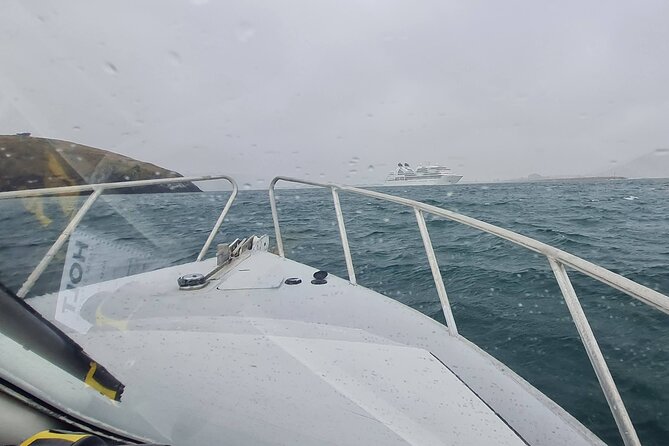
There is a tradeoff. A small vessel offers a more direct connection with the water, but it also exposes you more to spray, wind, and movement. If you prefer a smooth, enclosed ride, this may not be your ideal cruise. If you enjoy a little motion and want a closer view of the water, the format makes sense.
A short look at Carey’s Bay
Carey’s Bay is a picturesque harbour-side village and one of the more human parts of the route. The cruise pauses to show fishing boats and look for visiting wildlife in the bay.
You can also finish the tour here at the Carey’s Bay Hotel. The hotel is described as one of the oldest in the country, with fresh seafood, local beer and wine, and coffee. This option gives the outing a pleasant local finish instead of sending you straight back to a transport hub.
The stop is listed as about five minutes for viewing, with a possible 30-minute finish at the hotel. Check how your particular departure is arranged, since the hotel option may affect where and when you leave the boat. If you want lunch or a drink, it is a useful add-on. If your schedule is tight, you should allow for that extra time.
I like this part because it connects the wildlife cruise with everyday harbour life. You see fishing boats, local buildings, and a place where people come to eat, not just a string of scenic viewpoints. It gives the trip a more grounded feel.
More Wildlife Tours in Dunedin
- Dunedin City Highlights, Otago Peninsula Scenery & a Guided Penguin Reserve Tour
★ 4.5 · 77 reviews - Iconic Wildlife Tour with Yellow Eyed Penguins & Royal Albatross
★ 4.5 · 33 reviews - Larnach Castle Tour & Wildlife Cruise (Dunedin Shore Excursion)
★ 5.0 · 25 reviews - Otago Harbour Wildlife Cruise (Dunedin Shore Excursion)
★ 4.5 · 16 reviews
Taiaroa Head and the Northern Royal Albatross
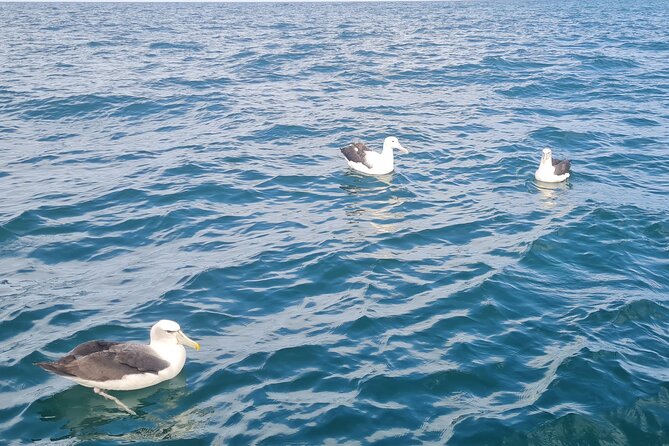
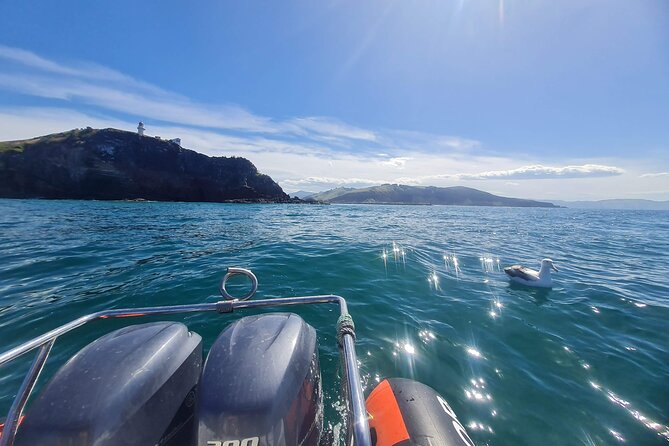
Taiaroa Head is the focus of the cruise. The boat approaches from below the cliffs, giving you a water-level view of the albatross centre and the breeding colony.
The Northern Royal Albatross is the star here. From the deck, you may see these large birds gliding around the cliffs, riding air currents, or swooping toward the waves. Their size is hard to appreciate in photographs. Seeing one pass over the water gives you a better sense of the scale and power of the bird.
The boat spends about 20 minutes at Taiaroa Head. That is enough time for a focused wildlife stop, but not an unlimited wait. The skipper’s judgment is important. Strong reports describe Rob making good decisions and working hard to find several species, including birds and sea lions.
Keep your camera ready, but do not spend the entire stop staring at a screen. Albatross can appear suddenly and move quickly. A wide view of the cliffs and water is often more useful than trying to frame every bird.
The colony is also a reminder that this is a working wildlife environment, not a staged performance. The boat views the centre and colony from the water below the cliffs. You do not walk into the colony on this excursion, and the experience is about watching the birds in their natural setting.
What the boat ride is really like
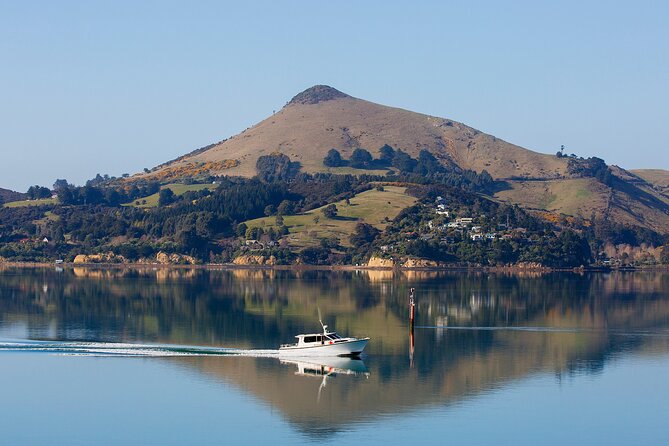
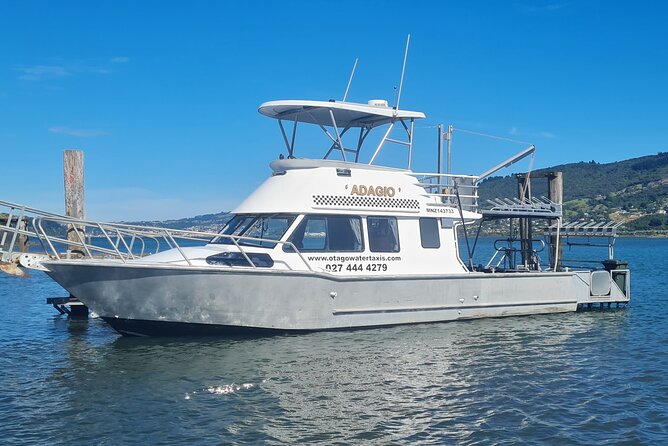
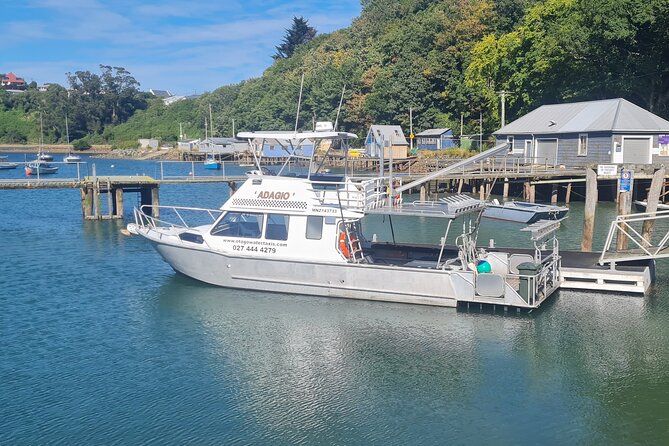
The boat has a commercial survey, according to the operator’s response to a complaint, and the cruise includes a maximum group size of 18. Still, the physical experience can vary greatly with the weather.
One person described heavy rain, a wet ride, and a metal box used as a seat. The operator later said cushions had been added to improve comfort. That exchange is useful because it highlights the key point: this is a practical small-boat trip, not a polished luxury cruise.
Another account raised concerns about the boat’s age, cleanliness, seating, and visible life jackets. The operator disputed the description and stated that the vessel met commercial requirements. I cannot settle that disagreement from the available information, but you can make a sensible choice by asking about current seating and weather protection when booking.
The safest approach is to dress for changeable conditions. Bring a warm jacket, and consider an extra waterproof layer if rain is possible. Bring your own refillable bottle because bottled water is not included. The boat has a restroom, which is helpful on a small craft, and toilets are also available at the departure and drop-off points.
Wildlife sightings and the role of the skipper
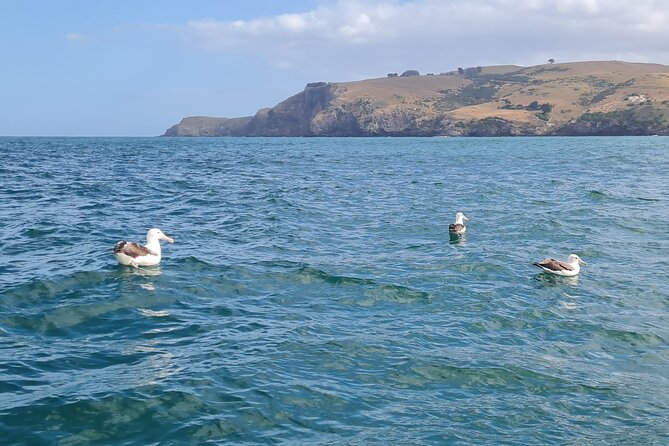
The strongest praise centers on the skipper’s work rather than on the boat’s comforts. Rob is repeatedly described as an excellent boatman and a clear guide who points out wildlife and explains the harbour. Holly is also named as part of the crew.
This matters because wildlife trips depend on attention and timing. A skipper who watches the water, knows likely areas, and responds to changing conditions can make the difference between a quiet ride and a memorable one. Accounts describe sightings of albatross, shags, seals, and other species, with special effort made to bring the boat near wildlife areas.
You should still book this as a chance to see wildlife, not a promise of a particular animal. One disappointing outing produced mainly seagulls. That is a normal risk with any wild-animal cruise, even when the crew is trying hard.
The commentary adds value when animals are scarce. You hear about shipwrecks, the harbour, the peninsula, and natural sites around the water. That keeps the ride worthwhile during the stretches when the sea is simply sea.
Is $80.67 good value?
At about $80.67 per person, this is not a throwaway activity, but it is priced reasonably for a small-group wildlife cruise lasting roughly one to two hours. You are paying for a dedicated boat, a skipper, local commentary, and access to a water-level view of Taiaroa Head.
The value is strongest when the boat is not full, the weather is decent, and wildlife is active. A group capped at 18 can feel more personal than a large harbour cruise, and the smaller vessel may give the skipper more freedom to position near wildlife. The price is less attractive if you mainly want a smooth scenic ride or have only a short amount of time before a ship departure.
I would compare it with the cost of visiting the area independently, but the boat perspective is the point. You are not only paying for transport. You are paying for access to the water below the albatross cliffs and for someone who can explain what you are seeing.
The tour had five or more bookings in the previous month and an overall rating of 4.4 from 22 ratings. That suggests a generally strong experience, but the smaller number of ratings also means you should pay attention to the practical cautions about weather, departure instructions, and occasional cancellations.
Who will enjoy this most?
I would recommend the cruise to people who like wildlife, short boat trips, and local stories. It suits couples, families, solo visitors, and anyone who prefers a small group to a crowded sightseeing vessel.
It is especially useful if you are staying in Dunedin or visiting Port Chalmers and want to see more of the harbour without committing to a full-day trip. The Carey’s Bay Hotel option also works well if you want to turn the cruise into a relaxed meal stop.
You should think twice if you dislike exposed boats, motion, rain, or uncertain wildlife sightings. The trip can be bumpy, and the weather may change the quality of the ride. It is also not ideal if you need a fully step-free boarding process, since you must step down into the boat.
The operator requires a minimum number of people, so a cancellation is possible if too few people book. If that happens, you are offered another date or experience, or a full refund. Poor weather can also lead to a new date or full refund. That policy is fair, but it matters if the cruise is your only planned activity in Port Chalmers.
Should you book the Otago Harbour wildlife cruise?
Book it if you want a compact, small-boat wildlife outing with a real chance of seeing Northern Royal Albatross from below Taiaroa Head. The best reasons to go are the close water-level view, the small group, and Rob’s strong reputation for finding wildlife and explaining the harbour.
Before paying, confirm that you understand the departure point is Back Beach in Port Chalmers. Pack warm clothing, bring water, and leave room for spray and a bumpy ride. If you accept those conditions, the cruise offers a memorable way to see Otago Harbour, with Carey’s Bay and its historic hotel adding a pleasant local finish.
FAQ
Where does the cruise depart from?
The cruise begins at Back Beach in Port Chalmers. If you are leaving from Dunedin, check the jump-on instructions carefully so you do not confuse the departure point with a city wharf.
How long does the cruise last?
The experience lasts approximately one to two hours. A possible finish at Carey’s Bay Hotel includes about 30 minutes for food or a drink.
What wildlife might I see?
The main target is the Northern Royal Albatross colony at Taiaroa Head. You might also see shags, seals, sea lions, and other harbour birds, but sightings depend on conditions.
How many people can join the boat?
The tour has a maximum of 18 people.
Do I need to bring anything?
Bring a warm jacket and your own drink bottle. Bottled water is not included.
Is there a restroom?
Yes. A restroom is available on board, and toilets are also available at the departure and drop-off points.
What happens if bad weather cancels the cruise?
If poor weather causes a cancellation, you are offered a different date or a full refund. The experience also requires a minimum number of people, and a cancellation for that reason comes with the same general options.
Just added around Port Chalmers
- Otago Peninsula Tour and Larnach Castle City Sights (min 4 )★ 4.0 · 5 reviews
- Clearwater Private Penguin & Wildlife Tour from Port Otago (5hrs)★ 5.0 · 7 reviews
- Dunedin Shore Excursion – Sightseeing, Larnach Castle, Chinese Garden & Museum★ 3.5 · 13 reviews
- Otago Harbour Wildlife Cruise (Dunedin Shore Excursion)★ 4.5 · 16 reviews
- Larnach Castle Tour & Wildlife Cruise (Dunedin Shore Excursion)★ 5.0 · 25 reviews
- Iconic Wildlife Tour with Yellow Eyed Penguins & Royal Albatross★ 4.5 · 33 reviews
- Otago Peninsula Scenery and Dunedin City Highlights Tour★ 4.5 · 33 reviews
- Dunedin Shore Excursion City Sightseeing & Tour of Larnach Castle★ 4.0 · 66 reviews
Wildlife & Nature Tours, compared.

Auckland Dolphin and Whale Watching Eco-Safari Cruise
Read our review →
Whale and Dolphin Watching Half-Day Eco Cruise
Read our review →
Gannet Safaris Overland tour to Cape Kidnappers Gannet Colony
Read our review →

Clearwater Wildlife Tours (small group 10max) Otago Peninsula
Read our review →

Guided Evening Penguin Viewing Otago Peninsula, Dunedin, New Zealand
Read our review →
Browse the lists this tour appears in