
Reviewed · GEOTHERMAL & HOT SPRINGS
Hell’s Gate Geothermal Walk
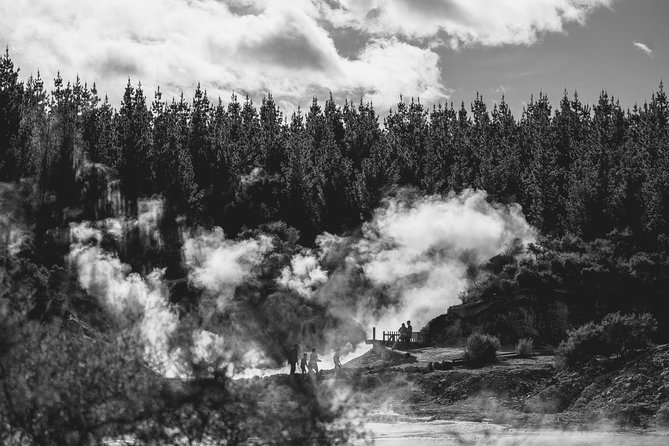
The earth is putting on a show here. Hell’s Gate Geothermal Reserve gives you a close look at Rotorua’s bubbling mud, steaming vents, erupting waters, and an active mud volcano, all on a marked bush walk that takes about an hour at an easy pace. I like the choice between a self-guided walk and a free guided tour, and I like the chance to add Māori carving or a mud foot pool if time and weather allow. The main catch is timing: guided walks leave at set times, so you may need to wait or settle for the fact sheet.
I also like the short, manageable route. You get plenty to see without committing half a day, and the forest section adds birdsong and greenery to the hot, sulfur-scented ground. Just bring water, wear closed-toe shoes, and accept that the smell can be strong. Not every visit includes a dramatic geyser burst, and the mud bath and sulfur spas cost extra.
In This Review
- Key points before you go
- Arriving at Hell’s Gate outside Rotorua
- Choosing the self-guided route or waiting for a guide
- Following bubbling mud and steaming vents
- The forest path and the quieter side of the reserve
- Māori stories and carving at the end
- Mud foot pool, spa extras, and what costs more
- How long to allow and what to wear
- Who will get the most from Hell’s Gate
- Practical booking advice and cancellation terms
- Should you book Hell’s Gate?
- FAQ
- Where is Hell’s Gate Geothermal Walk located?
- How long does the geothermal walk take?
- Is the walk guided or self-guided?
- What does the admission price include?
- Are the mud bath and sulfur spas included?
- Can I try Māori carving?
- What should I wear for the walk?
- Can children join the experience?
Key points before you go
- Active geothermal ground: See bubbling mud pools, steaming vents, erupting waters, an active mud volcano, and land coral.
- Two ways to explore: Walk independently with the supplied information, or join a free guided tour at a scheduled time.
- Māori culture adds meaning: Guides can explain local legends and family stories, while Māori carving may be available at the end.
- A short but uneven walk: Allow roughly one to two hours, and expect unpaved or uneven ground.
- The bath is not included: Entry covers the geothermal walk only. Mud baths and sulfur spas require a separate payment.
- Good value at $27.93: The price suits anyone wanting a focused geothermal visit without booking a longer tour.
Arriving at Hell’s Gate outside Rotorua
Hell’s Gate is at 351 State Highway 30 in Tikitere, Rotorua. You begin and finish at the same meeting point, which makes it easy to fit into a day of sightseeing around Rotorua.
At $27.93 per person, admission is fairly priced for a short attraction with both guided and self-guided options. You are paying for access to a carefully maintained geothermal reserve, a marked walking route, interpretive material, and the chance to join a free guided tour. That is good value if you want to see active geothermal features without committing to a full-day excursion.
The value drops a little if you expect a long walk or a full spa visit. The geothermal route takes about one to two hours, and mud bathing, sulfur spas, food, and drinks are not part of the entry price. Think of this as a focused nature and culture visit, with optional extras rather than an all-inclusive spa day.
Children must stay with an adult. Most people can take part, but you need to manage unpaved or uneven ground. The activity has a maximum group size of 15, although one account described a talk with around 30 people, so group size may vary by departure or special arrangement.
More Geothermal & Hot Springs in Rotorua
- Rotorua: Wai-O-Tapu Geothermal Park Entry Ticket
★ 4.6 · 2,601 reviews - Rotorua: Hells Gate Outdoor Mud Bath & Spa Experience
★ 4.6 · 398 reviews - Wai-O-Tapu Thermal Wonderland, Rotorua, New Zealand
★ 4.5 · 379 reviews
Choosing the self-guided route or waiting for a guide
The self-guided option is the flexible choice. You can start when you arrive, move at your own speed, stop for photos, and finish in about an hour if you keep a steady pace. A fact sheet provides information along the way, and the paths are well signposted.
This works well if you are independent, short on time, or do not want to wait for the next tour. It also lets you pause in the forest and listen to native birdsong, rather than moving at the pace of a group.
The free guided walk adds much more than directions. A good guide connects the pools and vents to Māori legends, local stories, and the forces beneath your feet. One guide named T was praised for his humor, teaching style, and ability to answer questions. That kind of storytelling changes the visit from a walk past hot pools into a clearer sense of why this place matters.
The tradeoff is the timetable. Guided walks leave at specific times, and you may wait up to an hour for the next departure. Check the schedule as soon as you arrive. If the next guide is leaving soon, I would wait. If you have a tight day or the wait is long, the self-guided route is still worthwhile.
Following bubbling mud and steaming vents
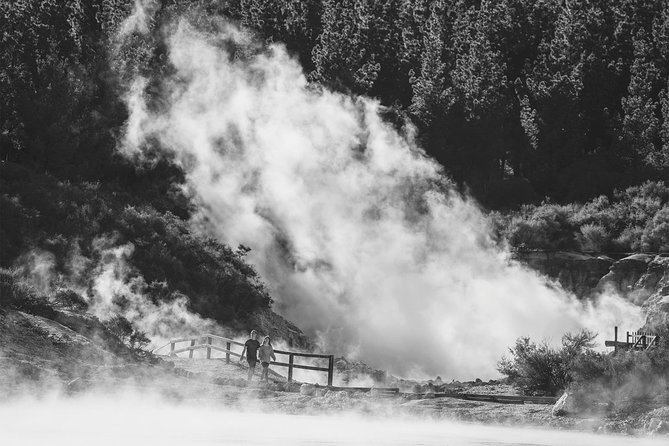
The main route leads you through one of New Zealand’s most active geothermal areas. You will see bubbling mud pools, steaming vents, erupting waters, and an active mud volcano. These features are not arranged like a conventional garden display. The ground looks raw and restless, with steam rising from places that appear almost still one moment and suddenly active the next.
The bubbling mud is one of the most memorable sights. It moves with a slow, thick rhythm, making the earth look as if it is boiling. The sulfur smell is part of the deal. Some people find it overpowering, while others treat it as a useful reminder that this is a live geothermal field, not a staged attraction.
You may not see every feature erupt dramatically during your visit. One person specifically wished for a stronger geyser display, so keep expectations sensible. Hell’s Gate is best for seeing a range of geothermal activity, not for guaranteeing a single huge eruption on cue.
The walk also includes land coral, an unusual feature that adds variety to the route. The reserve is more than mud pools. Views through the trees, hot ground, vents, and open geothermal areas create a changing walk with several kinds of scenery.
The forest path and the quieter side of the reserve
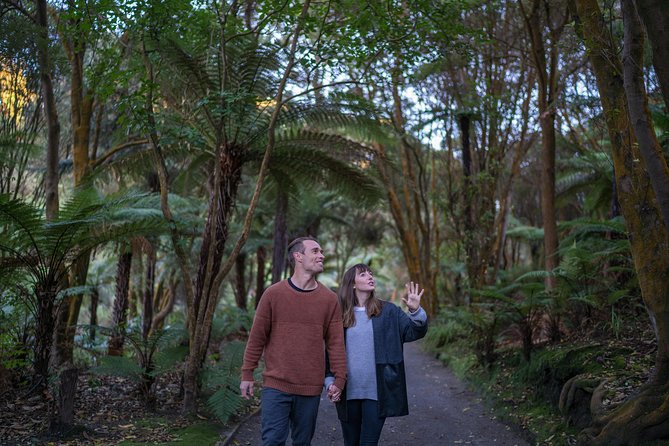
The bush section is an important part of the experience. It gives your eyes a break from steam and mud, and it brings native birdsong into the visit. After the stark geothermal ground, the trees make the reserve feel calmer and more layered.
The extra forest walk has been described as especially beautiful, even though the main reason to come is geothermal activity. I would make time for it rather than rushing straight from one crater to the next. It helps you understand the contrast between Rotorua’s living bush and the hot ground below.
The route is short, but it is not a fully paved stroll. Closed-toe shoes are a smart choice, and sturdy casual footwear will make uneven sections easier. Take water, especially on a warm day. In winter or after rain, the walk can still be enjoyable, but wet weather may make the ground less comfortable.
Weather can change quickly. One visit brought almost four seasons in a day, and a storm interrupted the Māori carving session for another person. A rain jacket is sensible, and you should keep the plan flexible if you want to add activities after the walk.
More Walking Tours in Rotorua
- Rotorua’s Ultimate Zipline: 6 ziplines, 400 m Tandem, Cliff Walk
★ 5.0 · 2,557 reviews - Rotorua: Hell’s Gate Outdoor Mud Spa & Guided Walk
★ 4.7 · 1,140 reviews - Volcanic Valley Self Guided Walking and Hiking at Waimangu
★ 4.5 · 248 reviews - Rotorua: Hell’s Gate Geothermal Walk
★ 4.4 · 217 reviews
Māori stories and carving at the end
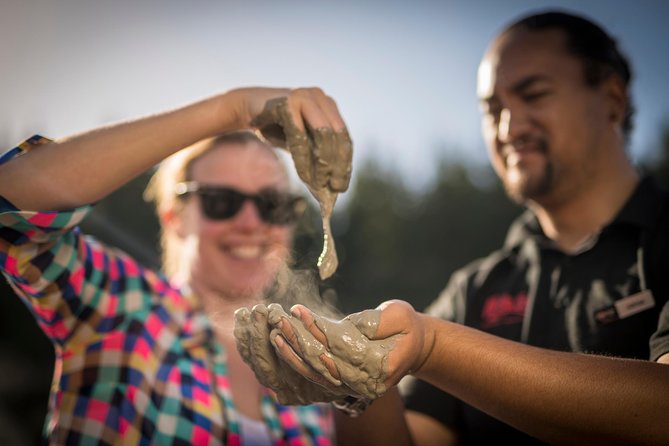
The cultural side is strongest when you join a guide. The geothermal features have local legends and myths attached to them, and a guide can give those stories a human connection. One particularly engaging guide shared family stories alongside explanations of the reserve, which made the place easier to remember.
The guide’s role matters here. A fact sheet can tell you what a pool is doing, but it cannot respond to your questions or bring a legend to life. If Māori history and storytelling are important to you, plan around the guided departure rather than treating it as an afterthought.
You may also get the chance to try traditional Māori carving. This is an optional addition, not part of the basic walk for every visit. Stormy weather can cancel it, so do not build your whole day around that activity. When available, it gives the visit a hands-on finish and works well for families.
Mud foot pool, spa extras, and what costs more
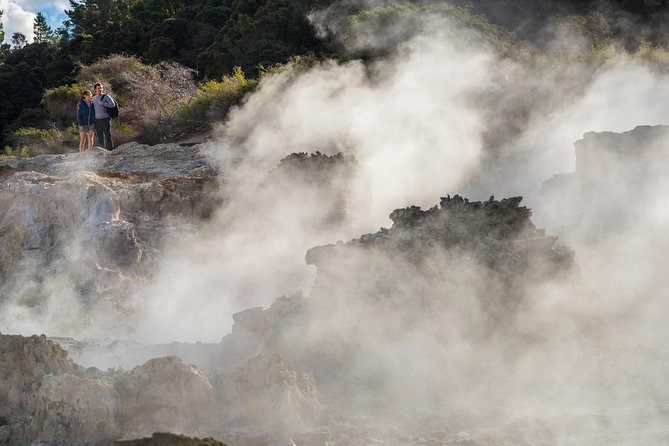
The included admission covers the guided or self-guided geothermal walk. It does not include the mud bath or sulfur spas. If you want a bathing experience, bring swimming gear and budget for the extra charge. Towels are provided for the mud bath, according to the practical information supplied for the experience.
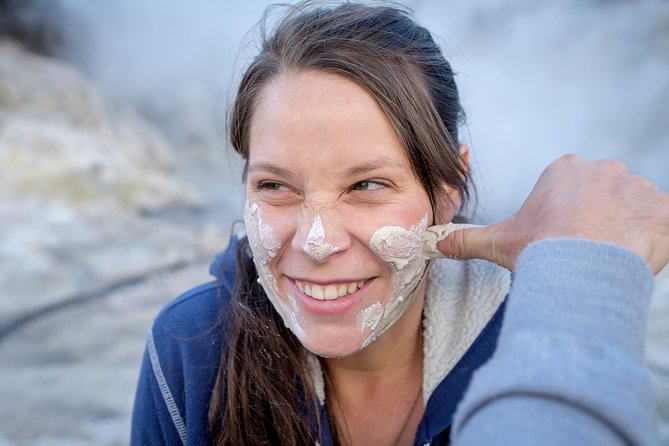
The mud foot pool is another optional way to get involved. You can get your hands and feet dirty in healing mud, which gives the visit a playful break from looking at pools behind barriers. It is especially appealing if you want more than a sightseeing walk, though you should confirm the current arrangement and extra cost when you arrive.
Food and drinks are also separate. There is food available on site, but it is not included in the entry fee. Bring water for the walk, then decide if you want to eat there afterward.
This pricing setup is clear enough, but it means you should decide what kind of visit you want. For a geothermal walk alone, $27.93 is reasonable. For a walk, carving, mud bath, spa session, and meal, your final cost will be higher.
How long to allow and what to wear

The advertised duration is one to two hours. A slow self-guided walk can take about an hour, while a guided route, extra forest time, photos, carving, or a foot pool can stretch the visit.
Wear closed-toe shoes. This is the most useful clothing tip because the ground is unpaved and uneven. Water is also worth carrying, particularly in warm weather. If you plan to bathe, bring swimming gear. Towels are provided for the mud bath, but you should not assume that every optional activity supplies everything you need.
The sulfur scent may cling to the memory of the visit, if not to your clothing. That is not a reason to skip Hell’s Gate, but it is a reason to arrive prepared. The smell is part of the geothermal setting, and you may find it stronger near active vents and mud pools.
Most people can participate, but this is not the best choice if uneven ground is difficult for you. Children need adult supervision, and everyone should stay on the marked route.
Who will get the most from Hell’s Gate

I would recommend this experience to anyone who wants a compact introduction to Rotorua’s geothermal activity. It suits couples, families, independent visitors, and anyone who prefers to choose between a guide and a quiet walk with written information.
It is also a good pick if you want a cultural layer. The guided tour can add Māori legends, family stories, and local meaning that you will not get from simply looking at steam. Ask about the next guided departure before you start walking.
Families may enjoy the mix of bubbling mud, forest paths, carving, and the optional mud experience. The route is short enough to avoid becoming an endurance test, though children still need close supervision near geothermal features.
I would be less enthusiastic if your main goal is a guaranteed geyser eruption or a long wilderness hike. You might see dramatic activity, but the reserve cannot promise that every feature will erupt during your visit. And if you want a full spa day, remember that the baths and spas are extra.
Practical booking advice and cancellation terms
Confirmation is issued when you book, and free cancellation is available if you cancel at least 24 hours before the experience start time. Cancellations made less than 24 hours ahead are not refunded, and changes inside that period are not accepted.
The most important planning point is the guided schedule. Do not assume a guide will be available the moment you arrive. Ask about departure times first, then decide if you want to wait or begin independently.
The experience returns to the same meeting point, and the advertised group maximum is 15. Allow extra time if you want to add bathing, carving, or food after the walk.
Should you book Hell’s Gate?
Yes, if you want an affordable and well-organized look at Rotorua’s geothermal power in about one to two hours. I especially recommend it if you can join a guide, since Māori stories and local explanations give the bubbling pools more meaning.
Book it for the mix of active mud, steaming vents, forest, birdsong, and optional hands-on activities. Skip it only if sulfur smells bother you badly, uneven paths are a problem, or you need a guaranteed geyser show. For everyone else, $27.93 buys a memorable short walk, with enough flexibility to make it your own.
FAQ
Where is Hell’s Gate Geothermal Walk located?
It is at 351 State Highway 30, Tikitere, Rotorua 3074, New Zealand.
How long does the geothermal walk take?
The experience takes approximately one to two hours. A slow self-guided walk may take about an hour.
Is the walk guided or self-guided?
You can choose either. The self-guided route uses supplied information, while free guided tours leave regularly at scheduled times.
What does the admission price include?
The admission includes the guided or self-guided geothermal walk.
Are the mud bath and sulfur spas included?
No. The mud bath and sulfur spas are not included in the admission price.
Can I try Māori carving?
You may have the chance to try traditional Māori carving. Availability can be affected by weather, and it is not guaranteed for every visit.
What should I wear for the walk?
Wear closed-toe shoes because the route includes unpaved and uneven terrain. Bring water, and take swimming gear if you plan to use the mud bath.
Can children join the experience?
Yes, but children must be accompanied by an adult. Most people can participate if they are comfortable walking on uneven ground.
Just added around Rotorua
- Te Puia: Tuku Iho Trail with Cultural Show★ 5.0 · 5 reviews
- Ultimate self-drive rail car journey★ 5.0 · 5 reviews
- Private Tour Waiotapu Geothermal Shore Excursion up to 8 passengers★ 5.0 · 6 reviews
- Rotorua: Floatplane Flight with Orakei Korako Landing★ 5.0 · 6 reviews
- Rotorua: Evening Starlight Gourmet Kayak Tour with dinner★ 5.0 · 6 reviews
- Rotorua: Glow Worm Adventure Kayak★ 5.0 · 6 reviews
- Epic Tandem Kayak Tour down the Kaituna River Waterfalls★ 5.0 · 6 reviews
- From Rotorua: Whirinaki Rainforest Guided Cultural Tour★ 5.0 · 6 reviews
Geothermal & Hot Springs, compared.
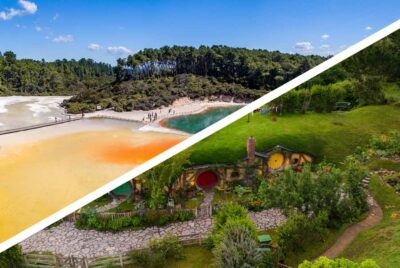
Hobbiton & Rotorua including Wai-O-Tapu – Small Group Tour from Auckland
Read our review →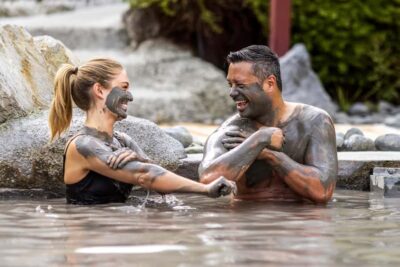
Wai-O-Tapu Thermal Wonderland, Rotorua, New Zealand
Read our review →
Polynesian Spa Pavilion Hot Pool Bathing (12+ yrs)
Read our review →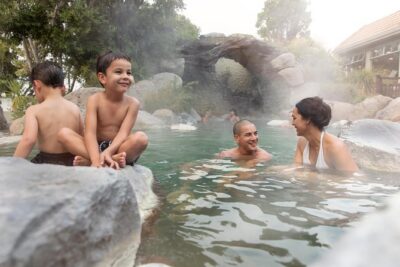
Polynesian Spa Rotorua: Deluxe Lake Spa Hot Spring Bathing
Read our review →
Wai O Tapu & Waimangu Eco Thermal Morning Tour
Read our review →Browse the lists this tour appears in