
Reviewed · WILDLIFE & NATURE TOURS
Hokitika: The National Kiwi Centre Tickets
Kiwi sightings come with a quiet surprise. In central Hokitika, the National Kiwi Centre gives you a close look at New Zealand wildlife in a compact one-hour visit. I like the chance to see brown and little spotted kiwi in a purpose-built nocturnal house, and I like that giant eel feeding is included rather than sold as an extra. The main caution is simple: kiwi are living animals, not clockwork displays, so sightings can be brief.
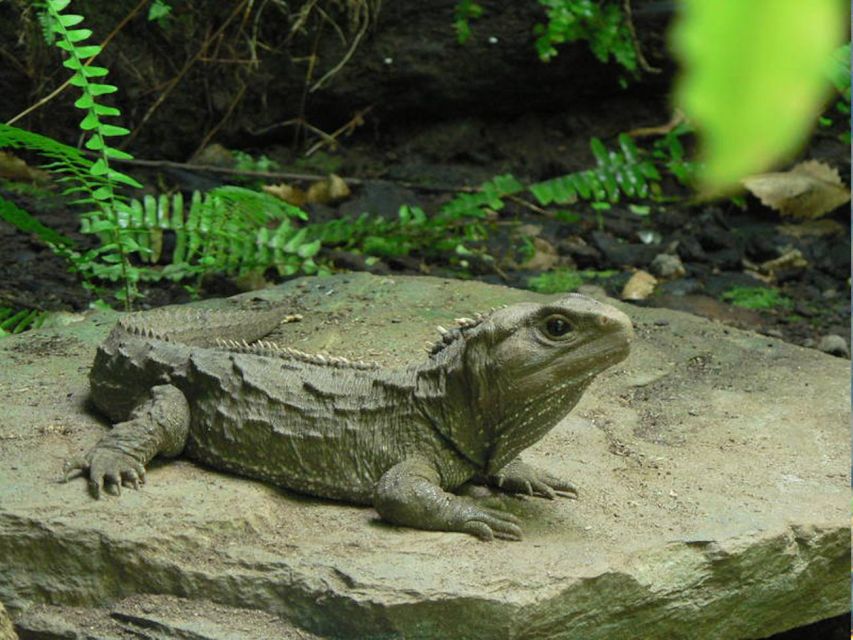
You will also find tuatara, crayfish, whitebait, and large eels, with an English-speaking team on hand to explain what you are seeing. At $23 per person, it is a reasonable short stop, especially if you are already exploring Hokitika. Just plan around the eel feedings at 10:00 AM, 12:00 PM, or 3:00 PM if that is a priority.
In This Review
- Key points to know before you go
- A small Hokitika stop with a serious conservation purpose
- Inside the nocturnal house: seeing kiwi at their pace
- Giant eels and the best timed part of the visit
- Tuatara, crayfish, whitebait, and fish
- The team adds meaning to a short visit
- How much value do you get for $23?
- Timing your visit around Hokitika
- Who will enjoy this most?
- Access, booking, and cancellation details
- Should you book the National Kiwi Centre?
- FAQ
- Where is the National Kiwi Centre located?
- How much does admission cost?
- How long does the visit last?
- What animals can I see?
- When are the giant eel feedings?
- Is giant eel feeding included in the ticket?
- Can I take photographs of the kiwi?
- Is the centre wheelchair accessible?
- Can I cancel my booking?
Key points to know before you go
- Two kiwi species are housed here: You may see both brown kiwi and little spotted kiwi in the nocturnal house.
- Eel feeding is included: The giant eels are fed at 10:00 AM, 12:00 PM, and 3:00 PM.
- Kiwi photography is restricted: You cannot take your own pictures of the kiwi, helping protect their sensitive environment.
- The visit lasts about one hour: It fits neatly into a Hokitika sightseeing day without taking up half your schedule.
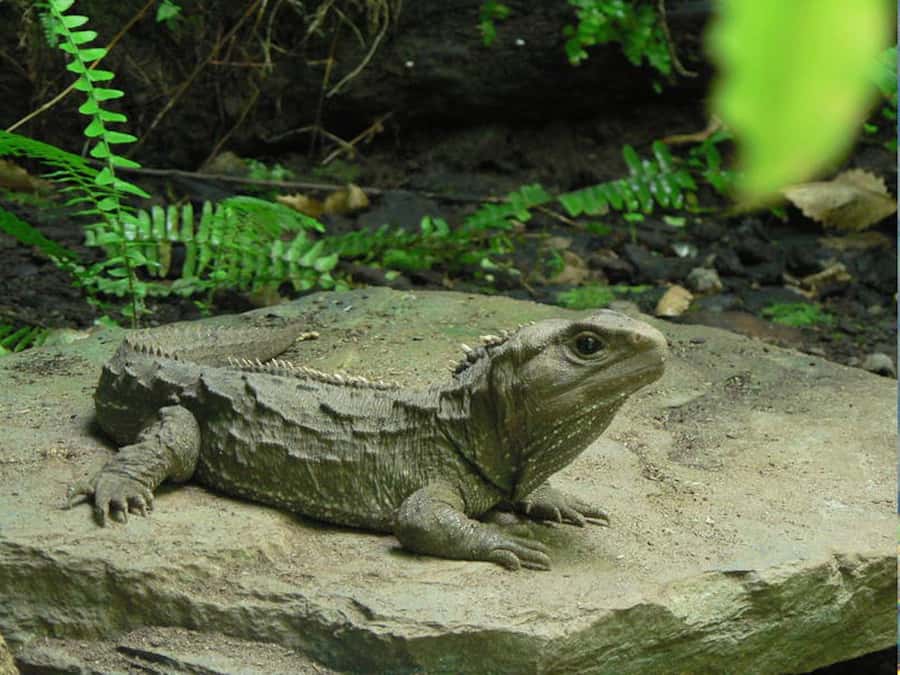
- The exhibits go beyond kiwi: Tuatara, crayfish, whitebait, fish, and giant eels give the visit more range than the name suggests.
- The centre is wheelchair accessible: English is the language used by the host or greeter and team.
A small Hokitika stop with a serious conservation purpose
The National Kiwi Centre is in the heart of Hokitika, on New Zealand’s South Island. Its focus is the kiwi, a flightless bird that has become one of the country’s best-known symbols.
This is not a large wildlife park. That is part of its appeal. You can make a focused visit, see several native species, and leave with a better sense of why New Zealand puts so much effort into protecting animals found nowhere else.
I appreciate that the centre presents the kiwi in a purpose-built nocturnal house. Kiwi are active at night, so the room is designed around their natural rhythm rather than a daytime display. You will need to watch carefully and give the birds time. One may cross the viewing area clearly, while another may appear only for a few seconds.
That unpredictability is the honest tradeoff. One particularly important point is that the centre may have only two kiwi available to see. If you expect a large collection or guaranteed, extended viewing, you could come away disappointed. If you treat the sighting as a rare chance to observe a shy nocturnal bird, the visit makes more sense.
More wildlife tours in New Zealand:
- Auckland Dolphin and Whale Watching Eco-Safari Cruise
★ 4.5 · 1,790 reviews - Auckland: Whale and Dolphin Watching Half-Day Eco Cruise
★ 4.5 · 1,072 reviews - Gannet Safaris Overland tour to Cape Kidnappers Gannet Colony
★ 5.0 · 942 reviews
Inside the nocturnal house: seeing kiwi at their pace
The kiwi house is the main reason most people come. The centre has both brown kiwi and little spotted kiwi, giving you a chance to see two types of this unusual bird in one place.
The birds are flightless, nocturnal, and not especially interested in performing for an audience. That means your visit is less about a dramatic show and more about patient observation. You may see a kiwi moving across the enclosure, searching around, or briefly stepping into view.
I like this setup because it respects the animal’s behavior. You are not being promised a staged encounter. The darker setting can make viewing harder, though, especially if you are hoping for a long, crystal-clear look. Some people report seeing a large kiwi well, while another bird may only appear briefly.
The centre does not permit visitors to take their own kiwi photographs. This rule protects the birds from camera flashes and other disturbance. It may feel restrictive if you want a souvenir image, but the reason is practical. A complimentary kiwi picture has been offered at times, along with small extras such as chocolate, though you should not count on those additions as part of the advertised admission.
Give yourself enough time in the kiwi house. Since the total visit is only about an hour, it is tempting to rush through the first display. I would not. The kiwi are the least predictable part of the visit, and an extra few quiet minutes can make the difference between seeing a bird clearly and leaving with only a glimpse.
Giant eels and the best timed part of the visit
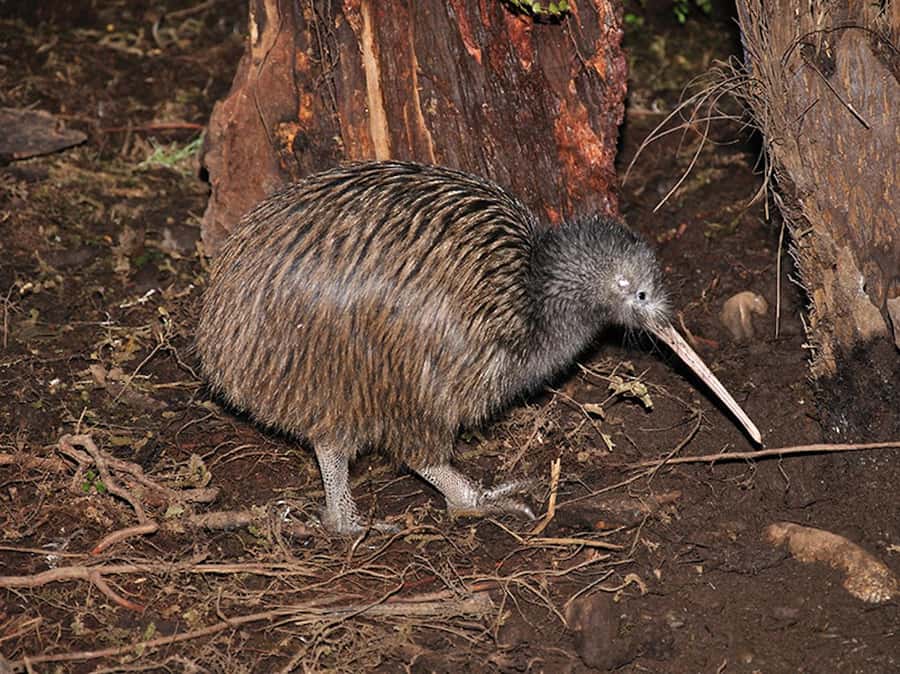
The giant eels are likely to be the most active animals you see. Feeding takes place three times daily, at 10:00 AM, 12:00 PM, and 3:00 PM.
If you can arrange your visit around one of these times, do it. Feeding gives the eel display a clear focus and lets you see the animals respond to the keeper. The centre also includes information about the eels, and the talk has been singled out as one of the strongest parts of the visit.
The eels add welcome energy after the quieter kiwi house. They are large, easy to notice, and more likely to hold your attention right away. A feeding session also helps children connect what they see with the animals’ behavior and care.
You should check the start time available for your chosen date before booking. The stated visit length is one hour, but the value changes depending on whether you catch a feeding. Missing the feeding does not remove access to the exhibits, but it does mean losing one of the centre’s most memorable scheduled moments.
Tuatara, crayfish, whitebait, and fish
The National Kiwi Centre is not only about kiwi. You will also see tuatara, giant eels, crayfish, whitebait, and other fish displays.
The tuatara bring a different kind of interest. They are ancient-looking reptiles and offer a sharp contrast to the soft, secretive kiwi. The crayfish and whitebait help show the range of native life connected to New Zealand’s waterways and coastal regions.
Several people find the fish and eel exhibits more substantial than expected. That matters because the kiwi viewing can be brief. Even if a bird stays out of sight, you still have other animals and displays to explore during your hour.
I would set your expectations this way: come for the kiwi, but allow the other exhibits to complete the visit. The centre works best as a small native wildlife collection rather than a single-animal attraction. If you are fascinated only by kiwi and want a long viewing session, the limited number of birds may feel thin. If you enjoy seeing several species in one stop, the admission offers better value.
A few more New Zealand trips worth weighing up
- TranzAlpine Train Journey from Greymouth to Christchurch
★ 4.5 · 182 reviews - West Coast Treetop Walk
★ 4.5 · 131 reviews - Monteith’s Brewery Tour
★ 4.5 · 93 reviews - Hokitika: West Coast Treetop Walkway Entrance Ticket
★ 4.5 · 82 reviews
The team adds meaning to a short visit
The staff are described as welcoming and committed to conservation. That human element matters in a place built around rare and vulnerable species.
You can engage with the English-speaking team and ask questions as you move through the displays. The centre’s purpose is not simply to show animals behind glass. It also explains why these species need protection and how controlled environments can support their care.
A good talk can turn an eel feeding from a quick spectacle into a useful lesson. It can also give context to the kiwi house, where the dark setting and restricted photography rules may otherwise seem puzzling.
The quality of the staff is especially important because the visit is short. In one hour, clear explanations help you understand what you are seeing without needing a long formal tour. You are not given a named guide, and an individual guide is not listed, but the host or greeter speaks English.
How much value do you get for $23?
At $23 per person, this is a moderate-cost attraction for a one-hour visit. You are paying for entry to the centre, access to the native wildlife exhibits, and giant eel feeding when you attend at one of the scheduled times.
The value is strongest when you combine it with other Hokitika plans. It is a neat indoor stop for a morning or afternoon, and its central location makes it practical if you are already in town. You do not need to dedicate an entire day to it.
I would consider the ticket good value for families, wildlife fans, and anyone who has never seen a kiwi. The price is also easier to justify if you catch the eel feeding and spend time with the wider collection.
The value is less convincing if you want a large zoo, many kiwi, or a guaranteed close-up view lasting several minutes. Two kiwi may be difficult to see, and one may stay out of sight almost entirely. That is not necessarily poor animal care. It is simply the reality of watching shy creatures.
Food and beverages are not included. The supplied information does not describe a meal or café element, so plan to eat separately rather than expecting the ticket to cover refreshments.
Timing your visit around Hokitika
The one-hour duration makes this easy to fit between other activities. You can schedule it before lunch, during the afternoon, or as one stop in a wider South Island road trip.
The most useful timing advice is to choose one of the eel feedings:
- 10:00 AM
- 12:00 PM
- 3:00 PM
The feeding schedule is fixed in the information provided, while starting times for entry should be checked when you select your date. If you are set on seeing the eels being fed, do not assume that any arrival time will include the presentation.
I would also avoid cutting the visit too close to another appointment. Kiwi viewing depends on patience, and you will enjoy the centre more if you are not watching the clock. The total visit is short enough that this should be easy to manage.
Who will enjoy this most?
I would recommend the centre to you if you fit one of these profiles:
- You want a realistic chance to see a kiwi in New Zealand.
- You enjoy small wildlife centres with a clear conservation focus.
- You are visiting Hokitika and need a compact activity.
- You are traveling with children who enjoy animals and feeding sessions.
- You want to see tuatara, eels, crayfish, and whitebait in addition to kiwi.
- You prefer an accessible attraction with English-speaking staff.
The visit may not suit you if you expect a large number of kiwi or a guaranteed photo opportunity. You also may not find enough here if you are looking for a full-day attraction.
For families, the eels may actually be the easiest success. The kiwi require quiet attention, while the feeding session gives everyone a definite event to anticipate. For adults interested in conservation, the centre’s smaller scale can feel more focused and personal.
Access, booking, and cancellation details
The centre is wheelchair accessible. The host or greeter and available staff communicate in English.
You can reserve now and pay later, which helps if your South Island route is still changing. Free cancellation is available up to 24 hours in advance for a full refund. That flexibility is useful when weather, road conditions, or a changing road-trip plan affects your schedule.
The ticket includes entry and giant eel feeding. Food and beverages are not included. Since the visit lasts one hour, you should check the available start times and then match your booking to the 10:00 AM, 12:00 PM, or 3:00 PM feeding if possible.
The attraction has an overall rating of 4.2 from 48 reviews, which fits the experience well: strong for animal variety, staff warmth, and eel feeding, but not perfect because kiwi sightings can be limited.
Should you book the National Kiwi Centre?
Book it if you want a short, accessible wildlife stop in Hokitika and understand that kiwi viewing is never fully predictable. The combination of brown and little spotted kiwi, tuatara, giant eels, crayfish, whitebait, and an included feeding session gives the $23 ticket fair value.
My best advice is to book around an eel feeding and keep your expectations sensible in the nocturnal house. You may see a kiwi clearly, or you may get only a quick look. Either way, the centre offers a useful introduction to New Zealand’s native species without requiring a full day.
FAQ
Where is the National Kiwi Centre located?
The National Kiwi Centre is in the heart of Hokitika on New Zealand’s South Island.
How much does admission cost?
Admission costs $23 per person.
How long does the visit last?
The stated duration is one hour.
What animals can I see?
You can see brown kiwi, little spotted kiwi, tuatara, giant eels, crayfish, whitebait, and fish.
When are the giant eel feedings?
Giant eel feedings take place at 10:00 AM, 12:00 PM, and 3:00 PM.
Is giant eel feeding included in the ticket?
Yes. Entry to the centre and giant eel feeding are included.
Can I take photographs of the kiwi?
No. Visitors are not allowed to take their own kiwi photographs to help protect the birds. A complimentary kiwi picture may sometimes be provided.
Is the centre wheelchair accessible?
Yes. The National Kiwi Centre is wheelchair accessible.
Can I cancel my booking?
Yes. You can cancel up to 24 hours in advance for a full refund. You can also reserve now and pay later.
Just added around New Zealand
- Auckland Museum and Highlight Sightseeing Tour★ 5.0 · 5 reviews
- From Auckland: Hobbiton Movie Set Small Group Tour★ 4.1 · 5 reviews
- Self-Guided Milford Track Day Walk from Lake Te Anau★ 5.0 · 5 reviews
- Tauranga-Hobbiton-Rotorua : Movie Set & Geysers: Private Tour★ 5.0 · 5 reviews
- Private Tour in Wellington★ 5.0 · 5 reviews
- Hawkes Bay – Scenic, luncheon, wine Tour★ 4.0 · 5 reviews
- Milford Sound Earnslaw Burn Helicopter Tour from Queenstown★ 5.0 · 5 reviews
- Queenstown: Remarakbles Helicopter Tour with Alpine Landing★ 4.6 · 5 reviews
Wildlife & Nature Tours, compared.

Auckland Dolphin and Whale Watching Eco-Safari Cruise
Read our review →
Whale and Dolphin Watching Half-Day Eco Cruise
Read our review →
Gannet Safaris Overland tour to Cape Kidnappers Gannet Colony
Read our review →

Clearwater Wildlife Tours (small group 10max) Otago Peninsula
Read our review →

Guided Evening Penguin Viewing Otago Peninsula, Dunedin, New Zealand
Read our review →
Browse the lists this tour appears in