
Reviewed · WILDLIFE & NATURE TOURS
Kiwi Park Queenstown Admission
Queenstown’s best rainy-day wildlife stop. Kiwi Park puts New Zealand birds, reptiles, and conservation work within an easy walk of the gondola in central Queenstown. I like the chance to see a real kiwi in a darkened nocturnal enclosure, and I like the included conservation show, which adds live demonstrations and clear explanations to the self-guided visit. The main drawback is size: this is a compact five-acre park, so some people may find the $39.72 admission steep if they expect a large zoo.
The park works best when you give it two to three hours and plan around the feeding times. Arrive early or check the day’s schedule, since the kiwi encounters and conservation shows are the heart of the visit. You should also expect dim viewing conditions, uneven or steep sections of path, and a kiwi that may appear first as a moving shadow until your eyes adjust.
In This Review
- Key points to know before you go
- A small park with a very big New Zealand subject
- Start with the schedule, not the entrance gate
- The conservation show brings the park to life
- Seeing a kiwi means accepting the darkness
- Meet the tuatara, then walk the native-bird trail
- Conservation gives the admission fee a purpose
- A practical Queenstown half-day
- Who will enjoy Kiwi Park most
- My verdict: book it for the kiwi and conservation work
- FAQ
- How much does Kiwi Park Queenstown admission cost?
- How long should I allow for Kiwi Park?
- What are the park’s opening hours?
- Is the ticket valid for the whole day?
- Are kiwi viewing and the conservation show included?
- What time are the kiwi encounters?
- What time are the conservation shows?
- Is an audio guide included?
- Is Kiwi Park easy to reach?
- Can people with mobility issues take part?
- Can I cancel for a full refund?
Key points to know before you go
- Kiwi viewing happens in a dark nocturnal house: The low light protects the birds and reflects their natural habits, but patience is needed.
- The conservation show brings birds close: Kakariki, kereru, pateke, buff weka, and birds of prey feature in scheduled presentations.
- A tuatara encounter adds something rare: You can see this ancient-looking reptile up close, not just native birds.
- All-day entry gives you room to plan: Return to an enclosure or fit the park around Queenstown’s other activities.
- The park sits beside the gondola entrance: It is convenient for a half-day in central Queenstown and easy to reach by public transport.
- Conservation is part of the experience: The park rehabilitates injured wildlife and breeds kiwi for release into the wild.
A small park with a very big New Zealand subject
Kiwi Park Queenstown covers about five acres, or two hectares, at the base of the gondola. You enter through a tunnel near the Skyline and gondola area, then emerge into a compact pocket of native bush with paths, streams, bird enclosures, and wildlife exhibits.
I would set your expectations before paying the admission fee. This is not a full-scale zoo with dozens of large mammals and hours of exhibits. Its purpose is more focused: to introduce you to New Zealand’s native birds, show you a kiwi, and explain the work needed to protect species that have suffered from introduced predators and habitat loss.
That focus gives the park its value. You can see more than 20 native bird species in one visit, including birds that are difficult to find in the wild. The setting also feels more natural than a row of indoor displays. You walk through bush, pass trout-filled streams, and move between enclosures at your own pace.
The park is open daily from 9:30am to 5:30pm. Your ticket is valid for the entire day, which is useful in Queenstown. You can visit in the morning, take a break for lunch or another activity, and return later if you want another look at the kiwi house.
More wildlife tours:
- Glenorchy Kiwi Special Tour, from Queenstown
★ 4.7 · 123 reviews - Glenorchy Kiwi Special Tour
★ 4.5 · 60 reviews - Auckland Dolphin and Whale Watching Eco-Safari Cruise
★ 4.5 · 1,790 reviews
Start with the schedule, not the entrance gate
The most useful planning step is to check the day’s presentation times before you begin. Kiwi encounters and conservation shows run several times daily, but the schedule changes by season.
From October through April, kiwi encounters are listed at 10am, 11am, 12:15pm, 1pm, 2:15pm, 3pm, 4:15pm, and 5pm. From May through September, the listed times are 10am, 11am, 12:15pm, 1pm, 2pm, 3:45pm, and a late afternoon session.
Conservation shows run at 11:30am, 1:30pm, and 3:30pm from October through April. The cooler-season schedule lists shows at 11:30am and 3pm. Because April appears in both seasonal listings, I would confirm the exact timetable for your date.
I like starting with the conservation show if you can. It gives you a useful introduction to the species before you walk around the park, and it helps you understand why the exhibits are designed as they are. If the show does not fit your arrival, go first to a kiwi encounter, then use the remaining time for the birds and tuatara.
The included audio guide lets you move at your own pace. It is a good feature for families and for anyone who wants more information without joining a fixed walking group. A map is also available, and the audio equipment has been offered in several languages, including Mandarin.
The conservation show brings the park to life
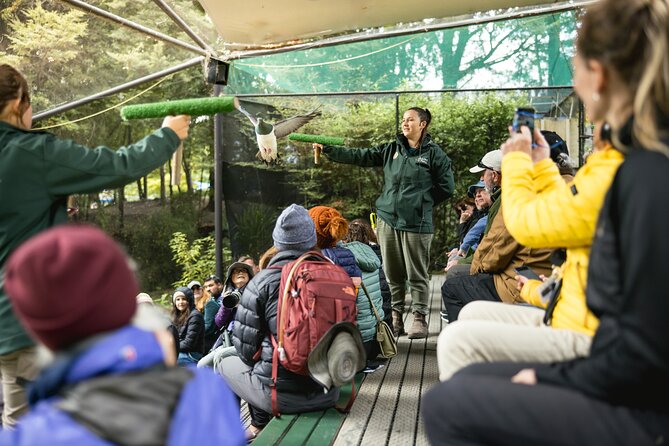
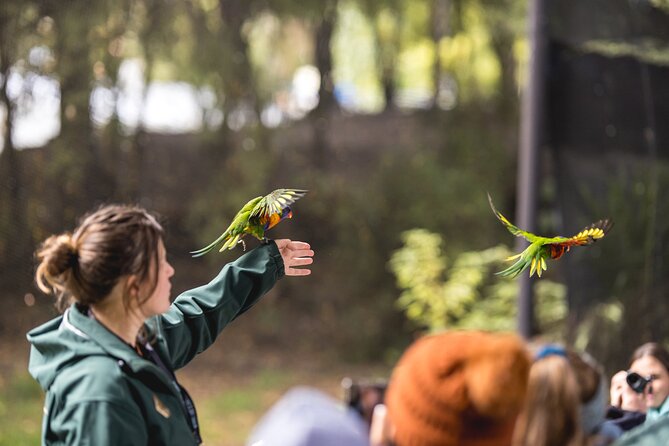
The New Zealand Conservation Show takes place in an outdoor area enclosed by netting. Here, some birds can fly freely above the presentation area. Kakariki, a type of parakeet, and kereru, New Zealand’s native pigeon, are among the birds featured.
This is more engaging than simply reading labels beside an enclosure. You get a closer look at the birds’ behavior, while the presentation explains native species and the challenges of protecting them. The show also includes birds of prey and information about pateke, buff weka, and Antipodes Island parakeets.
The strongest part is the connection between the animal in front of you and the conservation message. A flightless bird such as the buff weka looks very different from a parakeet or pigeon, yet each species has a place in New Zealand’s natural world. The presentation helps tie those examples together.
The outdoor format means weather can affect your comfort. Bring sun protection on a bright day, and remember that the conservation show is not entirely indoors. The information provided recommends comfortable walking shoes and sun protection, sensible advice for the paths and outdoor sections.
Seeing a kiwi means accepting the darkness
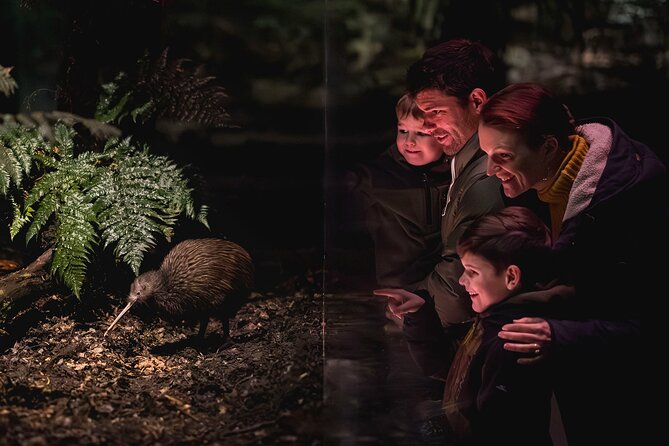
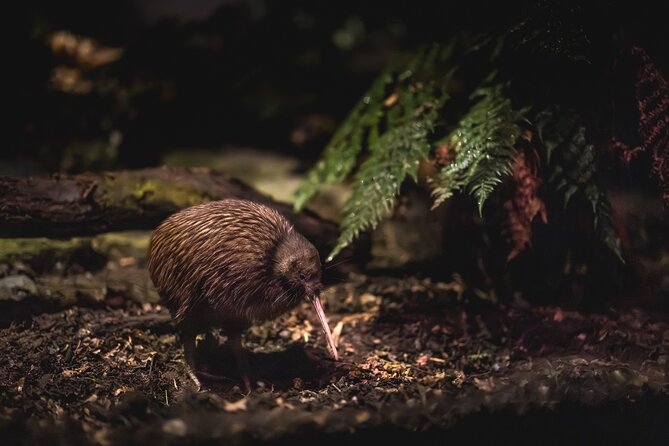
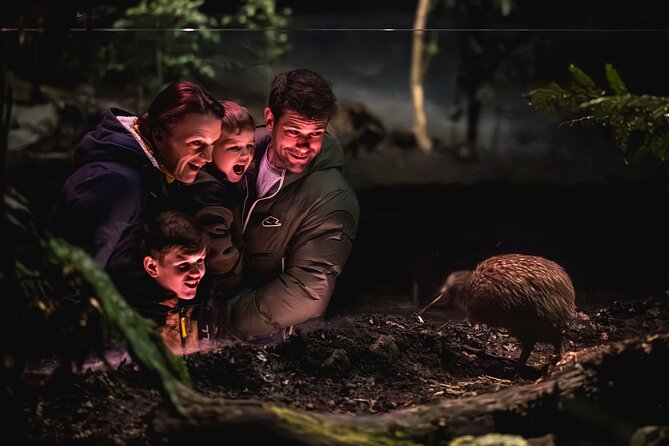
The kiwi enclosure is the main reason most people come here. It is designed as a nocturnal house because kiwi are active at night and rest in underground burrows during daylight hours. The room is very dark, and that can surprise you if promotional photographs have led you to expect a brightly lit close-up.
At first, you may see only an outline or a shadow moving through the enclosure. Give your eyes time to adjust. Several people have found the birds easier to spot after remaining in the dark for a while, and the kiwi feeding sessions offer the best chance to see purposeful movement as the birds search for food.
This is a genuine trade-off. The darkness is necessary for the birds, but it can make the viewing less immediate. You need to stand quietly and watch rather than expect a quick, perfect photograph. Loud voices and sudden noise are especially unhelpful in this section, so remind children to keep their voices low.
The reward is seeing a kiwi behave like a kiwi, not a bird posed for a display. You may see it probing and searching, and you may hear its surprisingly strong calls. The keeper talks add useful detail about the birds, their burrows, and the park’s breeding work.
The park has housed four kiwi at the time of the supplied information, and an active feeding session can give you several chances to see them moving around. The encounter is not guaranteed to produce a close, bright view, but it offers one of the more reliable ways to see New Zealand’s national bird.
A few more Queenstown trips worth weighing up
- Queenstown: Walter Peak Gourmet BBQ & Lake Whakatipu Cruise
★ 4.8 · 2,713 reviews - Shotover River Extreme Jet Boat Ride in Queenstown
★ 5.0 · 2,540 reviews - Small Group, Award Winning Milford Sound Day Experience & Cruise
★ 5.0 · 2,416 reviews - Milford Sound Fly-Cruise-Fly Tour from Queenstown
★ 5.0 · 1,792 reviews
Meet the tuatara, then walk the native-bird trail
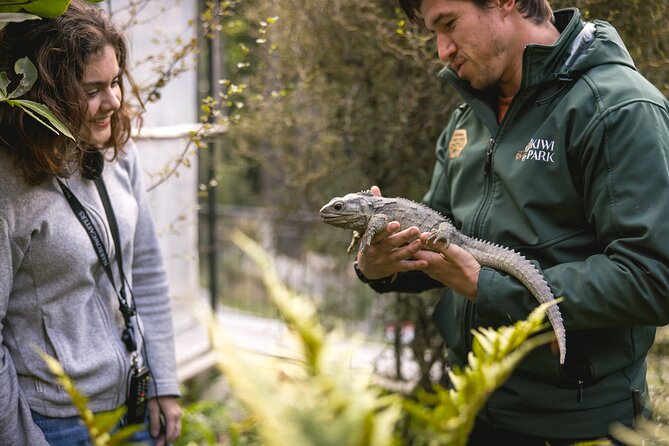
The Tuatara Encounter is a welcome change of pace after the dark kiwi house. The tuatara is a prehistoric-looking reptile sometimes described as a living dinosaur. You can see one at close range and learn why this species is so unusual.
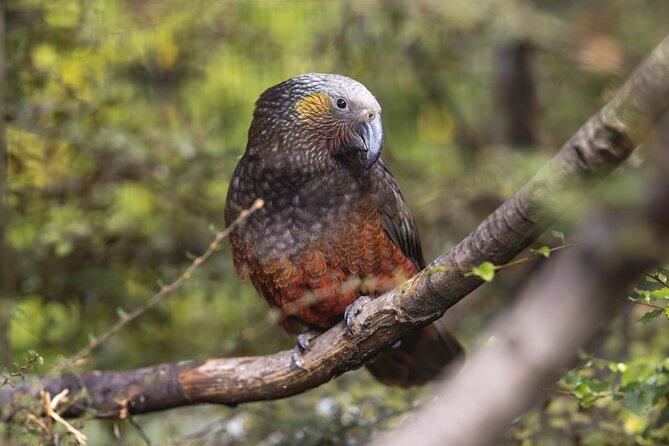
The park’s other bird exhibits fill out the visit. Kea are a particular highlight because they are intelligent, expressive parrots, and the design of some enclosures lets you get close to the birds. You may also enter certain bird areas, depending on the park’s arrangements and current access.
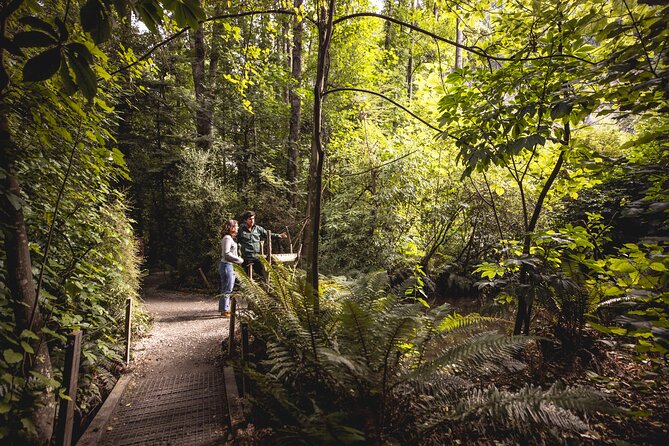
A forest walk links the exhibits. It passes streams containing trout and gives the park a quieter, more open feel than the central Queenstown address suggests. This section is worth taking slowly, especially if you have already attended the scheduled shows and no longer need to hurry.
The paths are not completely flat. Some sections are steep, which could make the park harder for anyone with mobility limits. The supplied information says most people can participate, but comfortable shoes are important, and you should allow extra time rather than treating the route as a quick indoor attraction.
Conservation gives the admission fee a purpose
Kiwi Park is not only presenting wildlife for entertainment. Its work includes rehabilitating injured animals and breeding kiwi for release into the wild. That changes how I assess the price.
At $39.72 per person, the ticket may feel high if you judge it only by the number of enclosures or the size of the grounds. The park is small, and one visit can take around two hours if you concentrate on the kiwi. A family may also find the total cost adds up quickly.
The value improves if you use the full day. Attend both a conservation show and a kiwi encounter, listen to the audio guide, walk the bush paths, and take time with the tuatara and native birds. The conservation purpose also means your admission supports a facility doing more than maintaining a display.
That does not erase the park’s limits. If your main goal is a large collection of animals, you might leave wanting more. If your goal is to see kiwi and learn about native species in a central location, the admission is easier to justify.
A practical Queenstown half-day
The location is one of the park’s strongest features. It is in central Queenstown, close to the gondola entrance and near public transportation. You do not need to arrange hotel pickup or drop-off, and parking is not included.
I would pair the park with the gondola area rather than treat it as a remote day trip. You can visit before or after another central Queenstown activity, but keep the presentation times in mind. Since entry lasts all day, you have more flexibility than with a timed tour.
Two to three hours is a fair target. Allow less if you only want the kiwi. Allow more if you want the audio guide, both presentations, the forest walk, and a relaxed look at each enclosure.
A small cafe is available, along with gift and honey shops. These are useful finishing stops, but they should not be the reason you book. The strongest reasons are the kiwi house, the conservation show, and the chance to see native birds that are hard to locate in the wild.
Who will enjoy Kiwi Park most
I would recommend this experience to families, first-time visitors to New Zealand, bird lovers, and anyone who has not yet seen a kiwi. Children often respond well to the mix of live birds, a reptile, darkened kiwi viewing, and short presentations.
It also works well as a bad-weather plan. Queenstown can be cold or wet, and much of the experience continues under cover or in sheltered areas. The outdoor conservation show and forest paths still require suitable clothing, but the park is easier to manage than a full outdoor excursion.
You should think twice if you dislike dark animal enclosures, have limited mobility on sloping paths, or want a large zoo. The kiwi can be difficult to see at first, and the park’s compact size may not match the admission cost for every budget.
For photographers, this is not an easy stop. The nocturnal enclosure is intentionally dark, and the welfare of the birds comes first. Bring your patience rather than expecting sharp, bright images.
My verdict: book it for the kiwi and conservation work
I would book Kiwi Park if seeing a kiwi is high on your Queenstown list. The location is convenient, the all-day ticket gives you useful flexibility, and the conservation show adds substance to what could otherwise be a short wildlife stop.
Plan around a kiwi encounter and a conservation show, arrive with realistic expectations about the darkness, and give yourself at least two hours. You will get the best value by using the audio guide, walking the full park, and taking time with the tuatara and kea.
I would skip it only if $39.72 feels too much for a small park or if you are seeking a large range of animals. For a close introduction to New Zealand’s native wildlife, and a responsible chance to see the country’s famously elusive bird, it earns a place in a Queenstown itinerary.
FAQ
How much does Kiwi Park Queenstown admission cost?
Admission costs $39.72 per person.
How long should I allow for Kiwi Park?
Plan on approximately two to three hours. You can spend less time if your main goal is the kiwi, or use the full day allowed by your ticket.
What are the park’s opening hours?
Kiwi Park is open Monday through Sunday from 9:30am to 5:30pm.
Is the ticket valid for the whole day?
Yes. Your admission ticket is valid for the entire day, so you can explore at your own pace and return later during opening hours.
Are kiwi viewing and the conservation show included?
Yes. Admission includes kiwi viewing and the conservation show.
What time are the kiwi encounters?
From October through April, listed kiwi encounter times are 10am, 11am, 12:15pm, 1pm, 2:15pm, 3pm, 4:15pm, and 5pm. From May through September, listed times are 10am, 11am, 12:15pm, 1pm, 2pm, 3:45pm, and a late afternoon session.
What time are the conservation shows?
From October through April, shows are listed at 11:30am, 1:30pm, and 3:30pm. From May through September, shows are listed at 11:30am and 3pm. Check the schedule for your date because April appears in both seasonal listings.
Is an audio guide included?
Yes. A complimentary audio guide is included with admission.
Is Kiwi Park easy to reach?
The park is in central Queenstown, near the gondola and close to public transportation. Hotel pickup, drop-off, and parking are not included.
Can people with mobility issues take part?
Most people can participate, but some paths are steep. Comfortable walking shoes are recommended.
Can I cancel for a full refund?
You can cancel at least 24 hours before the experience start time for a full refund. Cancellations or changes made less than 24 hours before the start time are not refunded or accepted.
Just added around Queenstown
- Milford Sound Earnslaw Burn Helicopter Tour from Queenstown★ 5.0 · 5 reviews
- Queenstown: Remarakbles Helicopter Tour with Alpine Landing★ 4.6 · 5 reviews
- Queenstown Hop-on Hop-off Evening Beer Tour★ 5.0 · 5 reviews
- Queenstown: Walter Peak Farm Tour and Lake Cruise★ 5.0 · 5 reviews
- Queenstown: Ultimate Off-Roading Experience★ 5.0 · 5 reviews
- Queenstown: Highlights Tour with Wine Tasting★ 4.8 · 5 reviews
- Ride Queenstown’s Stunning Trails on a Mountain Bike★ 4.5 · 5 reviews
- Ex Queenstown: Mavora Lakes Middle Earth Full Day Adventure★ 5.0 · 5 reviews
Wildlife & Nature Tours, compared.

Auckland Dolphin and Whale Watching Eco-Safari Cruise
Read our review →
Whale and Dolphin Watching Half-Day Eco Cruise
Read our review →
Gannet Safaris Overland tour to Cape Kidnappers Gannet Colony
Read our review →

Clearwater Wildlife Tours (small group 10max) Otago Peninsula
Read our review →

Guided Evening Penguin Viewing Otago Peninsula, Dunedin, New Zealand
Read our review →
Browse the lists this tour appears in