
Reviewed · LAKE TEKAPO STARGAZING
Lake Tekapo: Stargazing Experience at Cowan’s Observatory
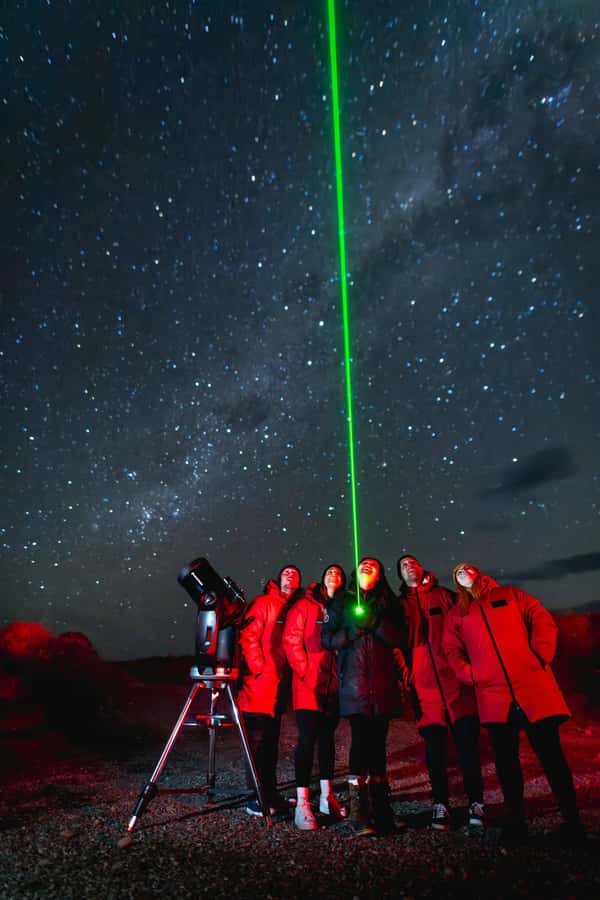
The stars are the main event. I like the sheltered observation craters, which protect you from wind and stray light, and I like the way guides adjust the session to whatever the sky offers that night. The powerful telescopes add real value, especially if you are new to astronomy.
The main drawback is the price: $77 per person for 75 minutes may feel high if you already know the night sky or have used serious telescopes before. This is best treated as a friendly, guided introduction rather than a long specialist observing session.
In This Review
- Key points before you book
- Starting at the Dark Sky Project in Lake Tekapo
- Reaching Cowan’s Private Observatory
- The first lesson: learning the southern sky without a telescope
- Using the powerful telescopes
- Why the 75-minute format works, and where it feels short
- Staying warm in the observation craters
- Languages, access, and who will enjoy this most
- Is $77 good value?
- What happens if the weather turns bad?
- Booking flexibility and practical planning
- Should you book Cowan’s Observatory?
- FAQ
- How long is the Cowan’s Observatory stargazing experience?
- Where does the tour meet?
- Is transportation included?
- What languages are available?
- Can children join the experience?
- What happens if the weather is bad?
Key points before you book
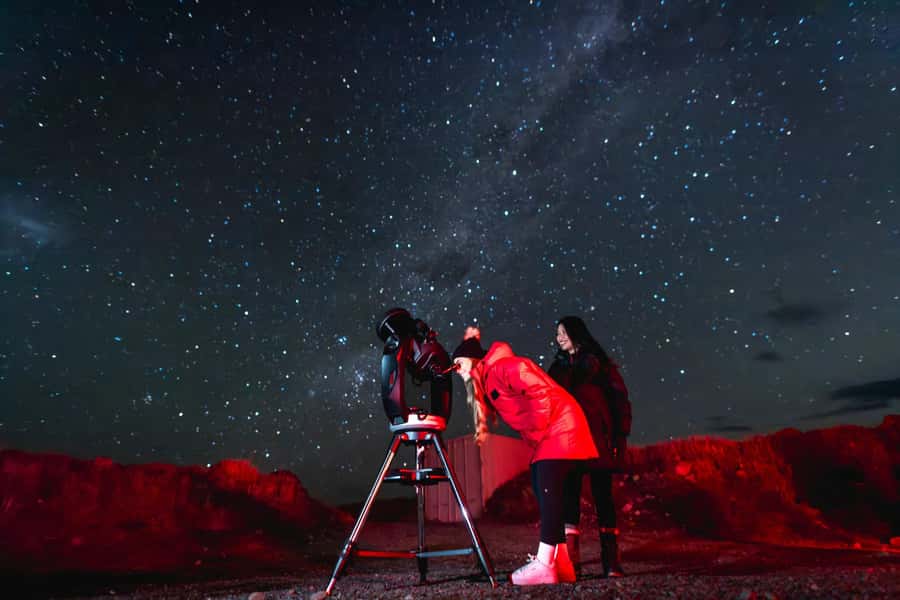
- Sheltered craters make a difference: Cowan’s observation craters help block wind and nearby light, making it easier to stay comfortable and focus on the sky.
- The guide shapes the evening: The program changes according to what is visible, so each session has a little flexibility rather than following a rigid script.
- Naked-eye viewing comes first: You learn to look at the southern sky without equipment before using the telescopes.
- Transport is included: You meet at the Dark Sky Project Booking Office in Tekapo and ride to Cowan’s Private Observatory.
- It suits beginners best: The session is designed for families, first-time stargazers, and curious adults, while experienced astronomers may find it less substantial.
- Warm clothing is essential: Bring a hat and scarf even in summer. Jackets have also been available when needed.
Starting at the Dark Sky Project in Lake Tekapo
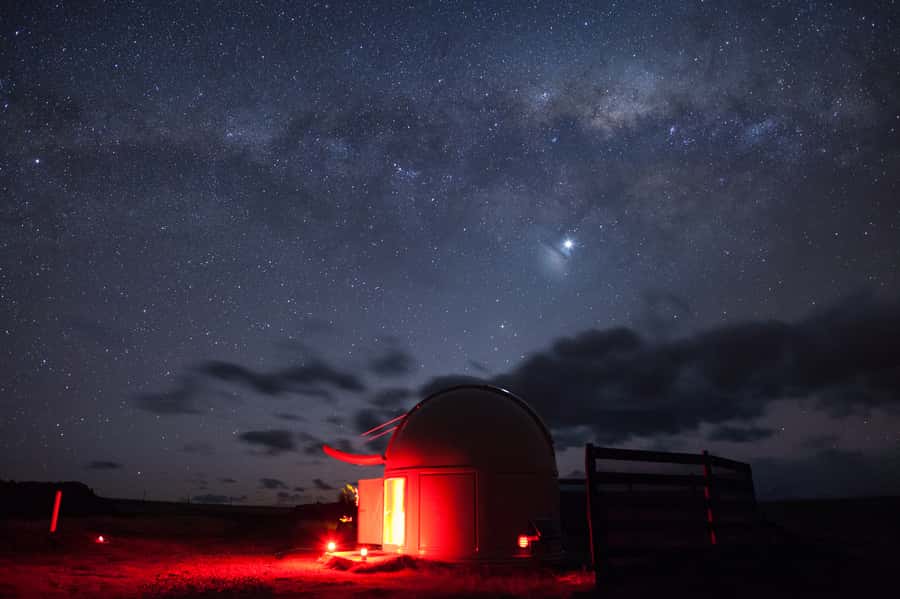
Your evening begins at the Dark Sky Project Booking Office at 1 Motuariki Lane, Lake Tekapo 7999. This is the meeting point, not Cowan’s Observatory itself, so allow time to find the office and gather before departure.
From there, return transportation takes you to Cowan’s Private Observatory. That short transfer is useful for two reasons. First, you do not need to arrange your own ride after dark. Second, the evening moves away from the built-up part of Tekapo, where artificial light can interfere with stargazing.
A driver guide handles the transport, while an astronomy guide leads the sky session. That division keeps the evening simple. You can concentrate on the stars instead of directions, parking, or finding your way back in the dark.
Check the date carefully if you book a start time after midnight. A late-night session can technically fall on the following calendar day, which is an easy detail to miss when planning a New Zealand road trip.
More Lake Tekapo stargazing:
- Lake Tekapo: Alpine Stargazing Experience with a Guide
★ 4.5 · 626 reviews - Lake Tekapo: Stargazing Experience
★ 4.9 · 607 reviews - Chameleon Stargazing Shared Tour
★ 5.0 · 181 reviews
Reaching Cowan’s Private Observatory
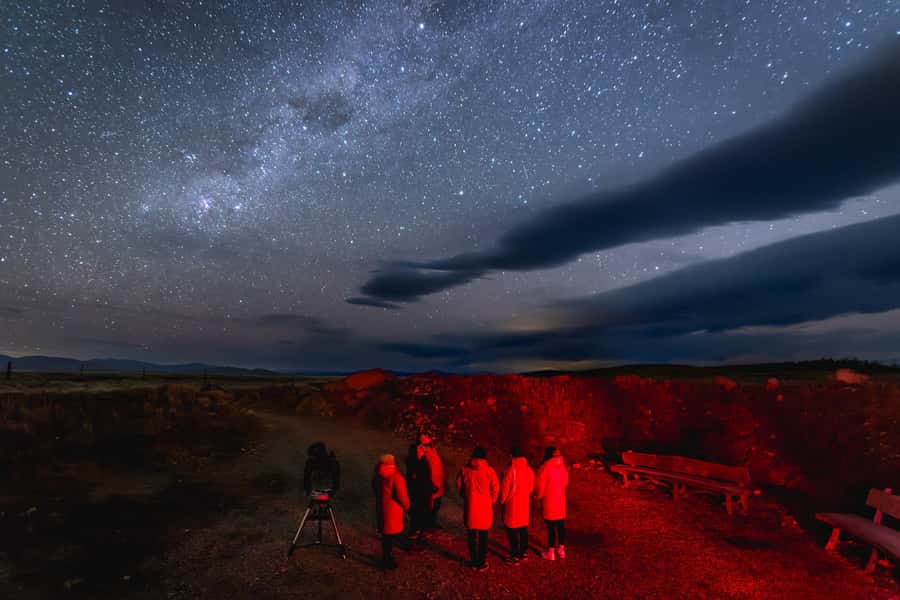
Cowan’s Observatory is designed for looking upward, not for sightseeing on the ground. The key feature is a set of secluded observation craters, which provide shelter from wind and reduce the effect of light pollution.
That design matters more than it may sound. A cold breeze can make even a beautiful sky unpleasant after a few minutes. A protected spot also helps you remain still while looking through a telescope, rather than constantly shifting to stay warm.
The reserve around Lake Tekapo is a Gold Standard International Dark Sky Reserve, described here as the largest in the world. The practical benefit is a darker sky, which gives you a better chance of seeing the Milky Way and many more stars than you would from a city or brightly lit town.
You should still keep expectations sensible. Dark skies improve your odds, but clouds and poor weather can prevent outdoor viewing. The tour can be cancelled in bad weather, with an indoor alternative or a full refund offered.
The first lesson: learning the southern sky without a telescope
The session begins with naked-eye stargazing. This is the right order for a beginner. If you start with a telescope, you may see a striking object but have no sense of where it sits in the wider sky.
Your guide introduces the southern heavens and helps you understand what you are looking at. The focus is on the Milky Way, galaxies, and the broad structure of the night sky. The aim is not simply to point at bright objects, but to help you recognise the patterns and scale above you.
This part should appeal to families and first-time stargazers. You do not need a science background, and the session is intended as an accessible introduction. A good guide can explain difficult ideas in plain language, then repeat or reframe them when needed.
That last point is important in a group setting. Vickey, one of the astronomy guides, received particular praise for explaining ideas clearly and repeating them often enough for everyone to keep up. If you are worried that astronomy will feel too technical, that approach should make the session easier to follow.
The guide also adapts the presentation to the night. What you see depends on the season, the weather, and the position of visible objects. The evening is not simply a fixed list of stars delivered in the same order every time.
Using the powerful telescopes
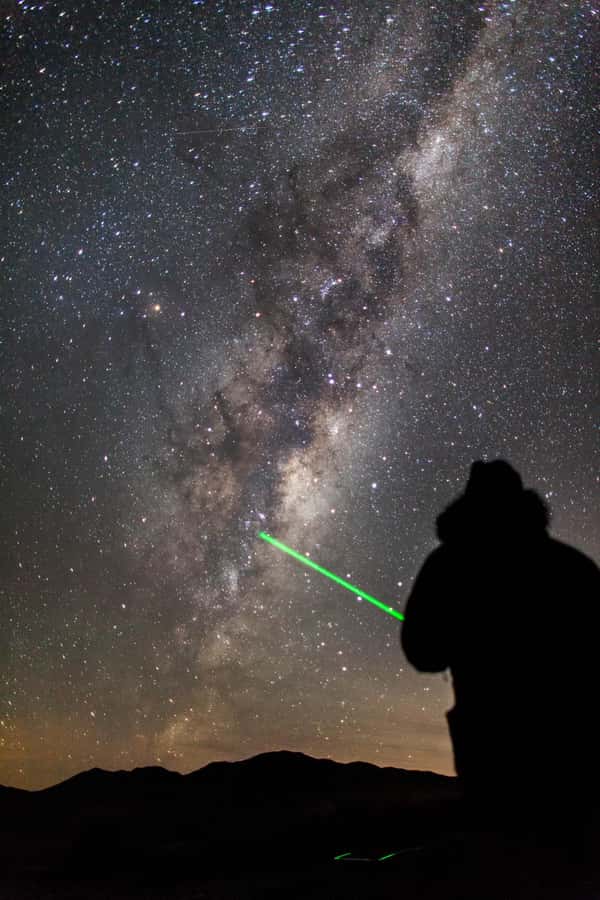
After the naked-eye introduction, you use powerful telescopes to get a closer look at selected objects. The telescopes are included in the price, so you are not paying extra for each viewing opportunity.
For a first-time stargazer, this is likely to be the highlight. Looking at a distant object through a telescope gives the night a clear focus, and the guide can connect that view to the wider explanation of the southern sky.
The format is also helpful if your group includes people with different levels of interest. One person may enjoy the science, another may prefer the simple thrill of seeing a celestial object with their own eyes, and a child may respond best to the visual moment. The guide’s job is to keep those interests together.
Still, the telescopes do not turn this into an advanced astronomy workshop. The 75-minute duration is long enough for an introduction, a guided explanation, and several viewing moments, but not for an extended observing program.
If you already know the major planets and have spent time looking through good telescopes, you may find the session basic. One experienced participant considered the price high for what was offered, while also saying the guides were exceptionally strong and that beginners should choose it. That is a fair way to judge the value.
A few more Lake Tekapo trips worth weighing up
- Tekapo Shuttle: Mt Cook Day Tour via Pukaki & Tasman Lake
★ 4.8 · 307 reviews - Lake Tekapo: Mountaintop Stargazing at Mount John Summit
★ 4.5 · 176 reviews - Mount John Observatory Stargazing Experience, Tekapo
★ 4.5 · 160 reviews - Lake Tekapo: Single Day Multiple Entry Pass for Hot Pools
★ 4.2 · 129 reviews
Why the 75-minute format works, and where it feels short
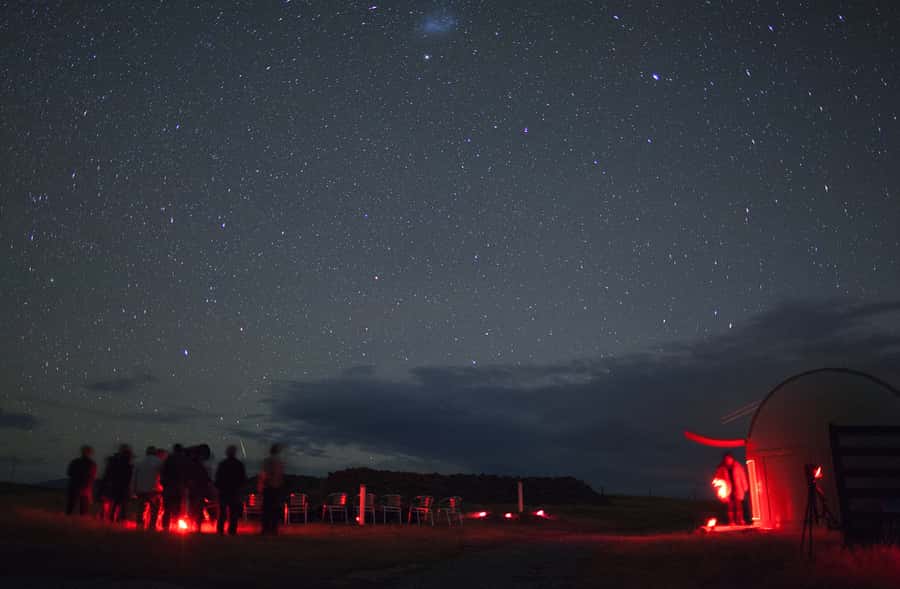
Seventy-five minutes is a manageable length for a late-night outdoor activity. You get enough time to settle in, hear an explanation, and use the telescopes without committing to a very long session in the cold.
The short format also suits families. Children under five cannot join, but older children may appreciate the combination of transport, stories about the sky, and telescope viewing. Parents should still prepare for a quiet, dark setting rather than a fast-moving attraction.
For keen amateur astronomers, the same time limit may feel restrictive. You might prefer more time to wait for particular objects, compare views, or ask detailed technical questions. This program is aimed at broad access, not at giving you an entire night with the equipment.
The evening’s flexibility helps offset that limitation. Since the guide customises the session around what is visible, you are not necessarily spending the whole time on objects that cannot be seen clearly. The actual content can change with the conditions.
Staying warm in the observation craters
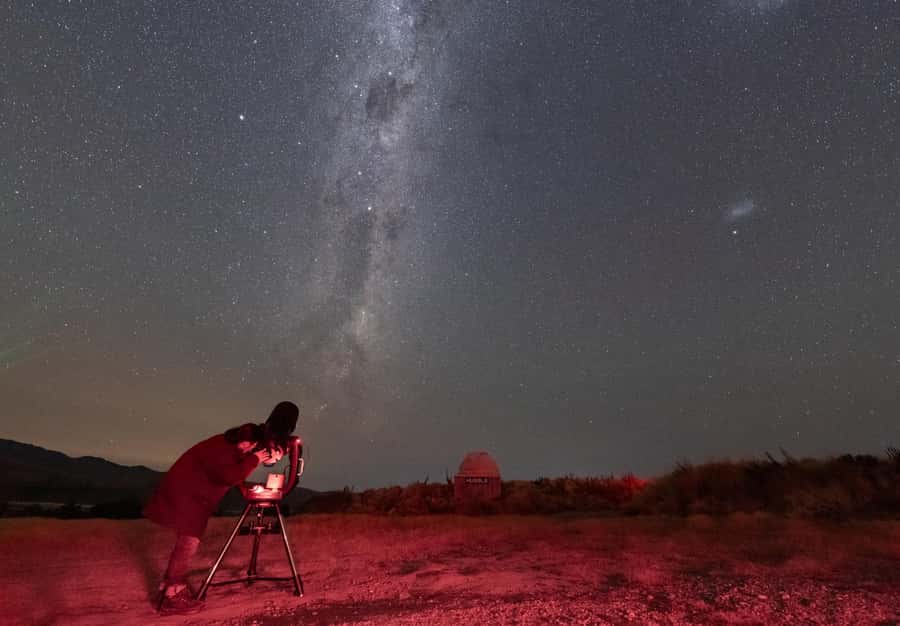
Take the clothing warning seriously. You need warm clothing, a hat, and a scarf, regardless of the season. Clear nights are often the coldest, and standing still while looking at the sky makes the temperature feel sharper.
Wear layers rather than relying on one heavy item. You can remove a layer while travelling or indoors, then add it again outside. Keep your hands warm too, since telescope viewing often requires patience and stillness.
The operation has also provided jackets for people who needed them, but I would not plan your entire outfit around borrowing one. Bring your own warm clothes so you can enjoy the session from the start.
Flash photography is not allowed. This protects everyone’s night vision and helps preserve the dark conditions the observatory is designed to provide. Your phone can still be useful for meeting details and transport information, but avoid using a bright screen or flash around the observing area.
Languages, access, and who will enjoy this most
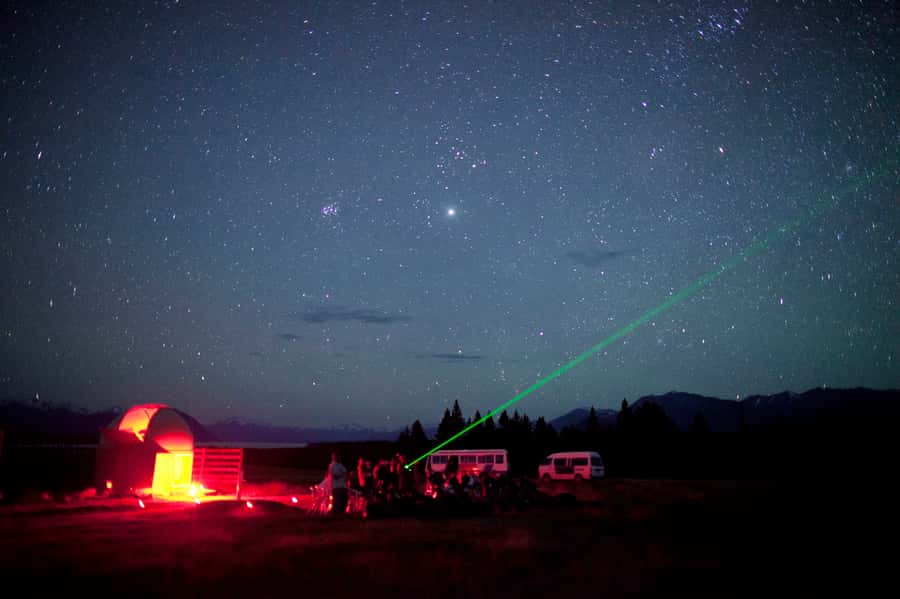
The live guide service is offered in Chinese, English, and Japanese. That gives you a better chance of following the astronomy explanation in a language you understand comfortably.
The activity is wheelchair accessible. Since the provided details do not describe every surface or transfer point at the observatory, you should still confirm any specific mobility needs when booking. The important point is that wheelchair users are not excluded from the experience.
I would recommend this session most strongly to:
- First-time stargazers who want help knowing what to look for
- Families with children aged five and older
- Couples or solo visitors who want a structured evening activity
- People staying in Tekapo without their own transport
- Anyone curious about the southern sky and the Milky Way
I would be more cautious if you are an experienced amateur astronomer. The guided explanation may still be enjoyable, but the program’s strongest value is teaching the basics and making telescope viewing approachable.
Is $77 good value?
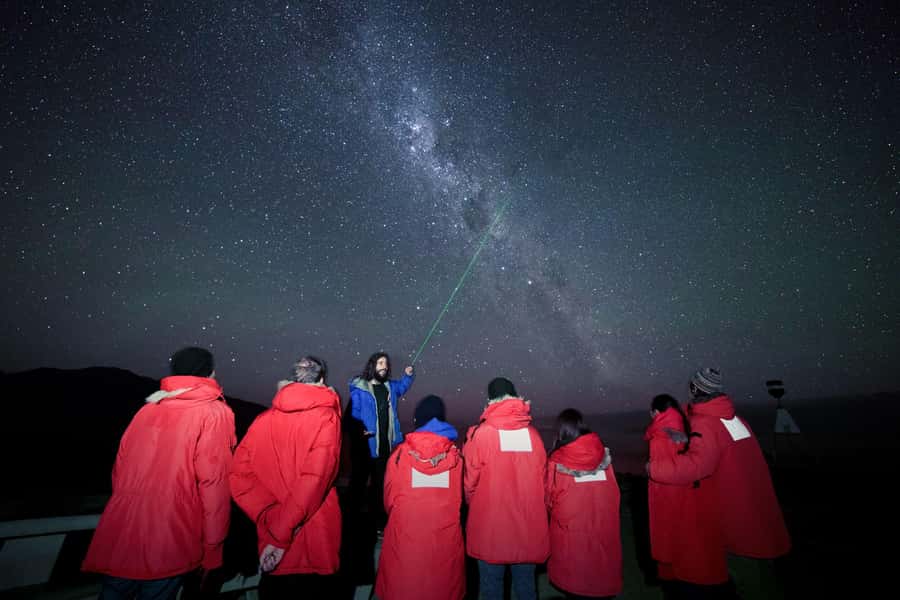
At $77 per person, this is not a casual walk outside to look at stars. You are paying for transport, a 75-minute guided session, access to a private observatory, sheltered viewing areas, and use of powerful telescopes.
For a first visit to Lake Tekapo, that package makes sense. You do not need to research the southern sky in advance, find a dark roadside location, or work out how to travel to the observatory after dark. The guide also helps you make better use of the time than you likely would on your own.
The value depends heavily on your astronomy background. If you are starting from zero, the clear explanation and telescope access may justify the cost. If you already own or regularly use a telescope, the session may feel short and introductory for the money.
Weather protection adds another layer of value. Outdoor stargazing always carries some risk of clouds, and this tour provides an indoor alternative or a full refund if bad weather forces cancellation. You should not assume the sky will be clear, but you do have a stated fallback if conditions are unsuitable.
What happens if the weather turns bad?
Outdoor astronomy depends on conditions, so bad weather can cancel the outdoor session. When that happens, an indoor alternative is offered, or you can receive a full refund.
That policy removes some of the worry from booking ahead. You still need to bring warm clothing, since the tour is planned as an outdoor activity when conditions allow. The reserve’s dark skies are the reason to come, but clouds are beyond anyone’s control.
The best approach is to keep the rest of your Tekapo evening flexible. If the sky is clear, you have a focused night activity. If the weather changes, the indoor option gives you another way to learn about astronomy without standing outside in poor conditions.
Booking flexibility and practical planning
You can cancel up to 24 hours in advance for a full refund. You can also reserve now and pay later, which is useful if your South Island route is still changing.
Check availability for the exact starting time. The listed duration is 75 minutes, but a late-night time can create confusion around the calendar date. Read the booking date carefully if the session begins after midnight.
There is no food or drink included. Eat before you arrive and bring anything you need for the evening, while respecting the site’s rules. A warm drink may be especially welcome after being outside, but you should not expect refreshments as part of the booking.
Should you book Cowan’s Observatory?
Book it if you want a friendly, well-organised introduction to the night sky, especially if this is your first proper stargazing session. The sheltered craters, return transport, clear guiding, and telescope use give you more than a simple view of the stars.
I would also choose it for a family or mixed-interest group. A good guide can keep the science understandable without stripping away the wonder, and Vickey’s clear, repeated explanations show the kind of teaching style that can help a group stay together.
Skip it if you are looking for a long technical observing session or already know exactly how to use a telescope. At $77, the cost may be hard to justify for an experienced astronomer who wants extended time with specific objects.
For most first-time visitors to Lake Tekapo, though, Cowan’s Private Observatory offers a practical way to meet the southern sky. Bring warm layers, protect your night vision, and arrive ready to look up rather than rush through a checklist.
FAQ
How long is the Cowan’s Observatory stargazing experience?
The experience lasts 75 minutes.
Where does the tour meet?
Meet at the Dark Sky Project Booking Office, 1 Motuariki Lane, Lake Tekapo 7999.
Is transportation included?
Yes. Return transportation from the Dark Sky Project base building in Tekapo to Cowan’s Private Observatory is included.
What languages are available?
Live tour guides are available in Chinese, English, and Japanese.
Can children join the experience?
Children under five years old are not allowed to join. The activity is intended to be suitable for families with older children.
What happens if the weather is bad?
The outdoor tour may be cancelled in bad weather. An indoor alternative will be offered, or a full refund will be provided.
Just added around Lake Tekapo
- Lake Tekapo to Mt Cook One-Way Small Group Tour★ 4.0 · 5 reviews
- Lake Tekapo Fishing Tour★ 4.8 · 10 reviews
- Mt Cook Day Tour From Tekapo (Small Group, Carbon Neutral)★ 4.5 · 11 reviews
- Lake Tekapo: Ultimate Stargazing Experience★ 4.3 · 12 reviews
- Lake Tekapo Scenic 4WD Cass Valley Wilderness Tour★ 4.9 · 13 reviews
- Lake Tekapo: Glaciers, Mountains, and Landscapes Scenic Tour★ 4.9 · 15 reviews
- Christchurch: Mt Cook & Tekapo Small-Group Tour (incl Lunch)★ 4.6 · 19 reviews
- Lake Tekapo Scenic Wilderness Cass Valley Tour★ 4.5 · 19 reviews
Lake Tekapo Stargazing, compared.
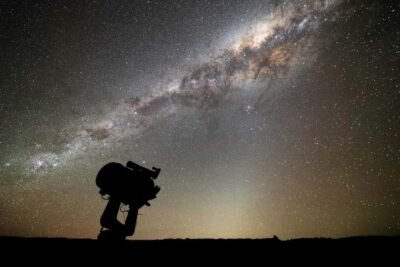
Lake Tekapo: Alpine Stargazing Experience with a Guide
Read our review →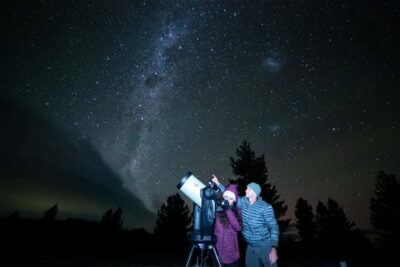
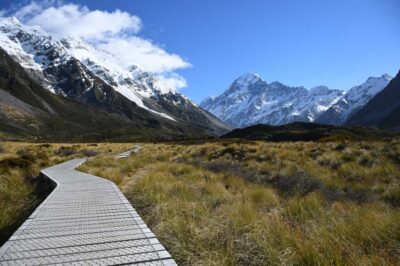
Mount Cook, Lake Tekapo and Tasman Glacier Tour from Christchurch
Read our review →
Mount Cook & Lake Tekapo Day Tour from Christchurch with Lunch
Read our review →
Lake Tekapo: Mountaintop Stargazing at Mount John Summit
Read our review →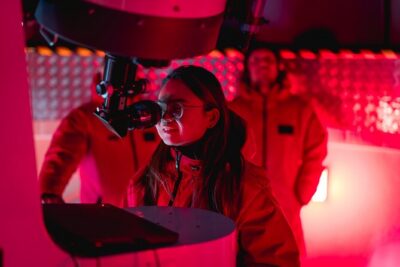
Mount John Observatory Stargazing Experience, Tekapo
Read our review →Browse the lists this tour appears in