
Reviewed · WILDLIFE & NATURE TOURS
Nelson: Brook Waimārama Sanctuary Guided Night Walk
The forest changes completely after sunset. I like the chance to see glowworms shining among the trees and to hear native night birds in a protected forest only 10 minutes from Nelson. I also like the small group format and the hot drink at the end. The main thing to remember is that kiwi sightings are never promised, and some walks focus more on insects, geckos, tuatara, and glowworms than on kiwi.
This is a gentle but genuine wildlife outing, not a theatrical night show. Guides such as Emma and Bo have been praised for making the walk lively and clear, while the small party size gives you time to stop, listen, and look closely. Bring warm clothes and sensible shoes, since the forest can feel cool and the route is not suited to people with mobility or fitness limits.
In This Review
- Key points to know before booking
- Starting at the sanctuary visitor centre
- Following the forest as daylight fades
- Listening for ruru and kiwi pukupuku
- Glowworms, tuatara, geckos, and wētā
- What the small group adds
- The $34 question
- What to wear and what to leave behind
- Who will enjoy this night walk
- Should you book the Brook Waimārama night walk?
- FAQ
- Where does the Brook Waimārama Sanctuary night walk begin?
- How long does the guided night walk last?
- How much does the experience cost?
- Is kiwi viewing guaranteed?
- What is included in the price?
- What should I bring, and who cannot take part?
Key points to know before booking
- A rare night view of the sanctuary: You enter 690 hectares of protected native forest after dark, when ruru, kiwi pukupuku, insects, and other nocturnal creatures become active.
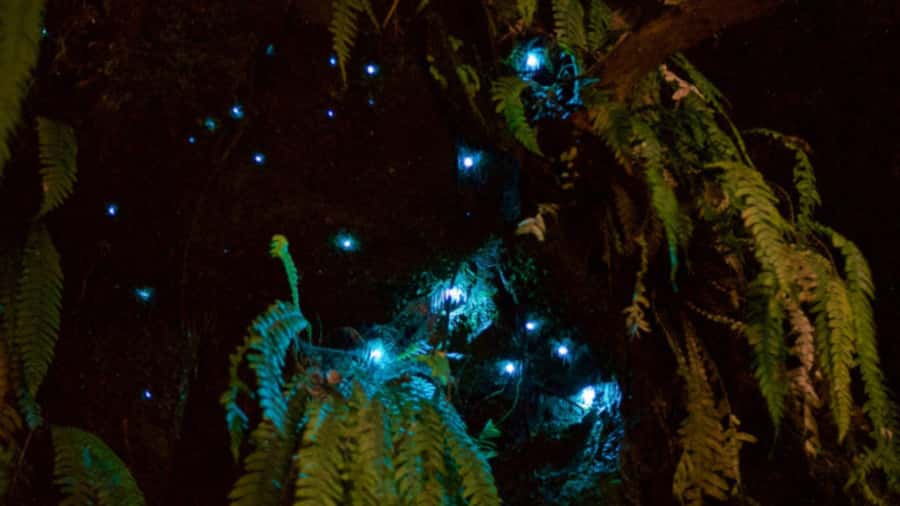
- Glowworms are a real highlight: Their soft bioluminescent light can appear along the forest floor and vegetation, adding a quiet magical moment to the walk.
- Kiwi are possible, not certain: You may hear a kiwi call or rustling in the undergrowth, but seeing one is less likely.
- The conservation story matters: Your guide explains predator control, habitat restoration, and wildlife translocations before you head into the forest.
- A small group keeps the walk personal: The advertised group limit is eight people, although some information gives a limit of ten, so check the current booking details.
- The $34 price is fair for a guided evening: It includes commentary, a red head torch, a hot drink, and a biscuit, but you must arrange your own transport.
Starting at the sanctuary visitor centre
Your evening begins inside the Brook Waimārama Sanctuary visitor centre. This is more than a meeting point. It gives your guide a chance to explain what makes the sanctuary important before the light fades and the forest takes over.
Brook Waimārama Sanctuary covers 690 hectares and is described as the South Island’s largest fully fenced eco-sanctuary. The fence is central to the project. It helps protect native wildlife from introduced predators and creates a safer place for species that struggle to survive in ordinary forest.
The opening talk covers conservation work in practical terms. You learn how predator management, habitat restoration, and translocations support species such as kākāriki karaka, tuatara, and kiwi pukupuku. That context adds weight to the walk. You are not simply looking at a dark forest. You are seeing part of an active effort to restore native life.
I would pay close attention during this introduction. Once you are outside, the guide has to keep the group moving and listening, so the visitor centre is the best place to ask questions and understand the wider project.
The English-language commentary is led by a live guide. Emma has been praised for making the outing exciting and explaining the subject clearly. Bo has also been singled out for her friendly manner and strong command of the sanctuary story. Guides appear to bring their own style, but the consistent strength is their enthusiasm for the place.
More Walking Tours in Nelson
- Abel Tasman: Sea Shuttle Cruise and Walking Tour Combo
★ 4.6 · 704 reviews - Abel Tasman National Park: Sailing and Self-Guided Walk
★ 4.8 · 238 reviews - Kayak & Walk
★ 5.0 · 161 reviews
Following the forest as daylight fades
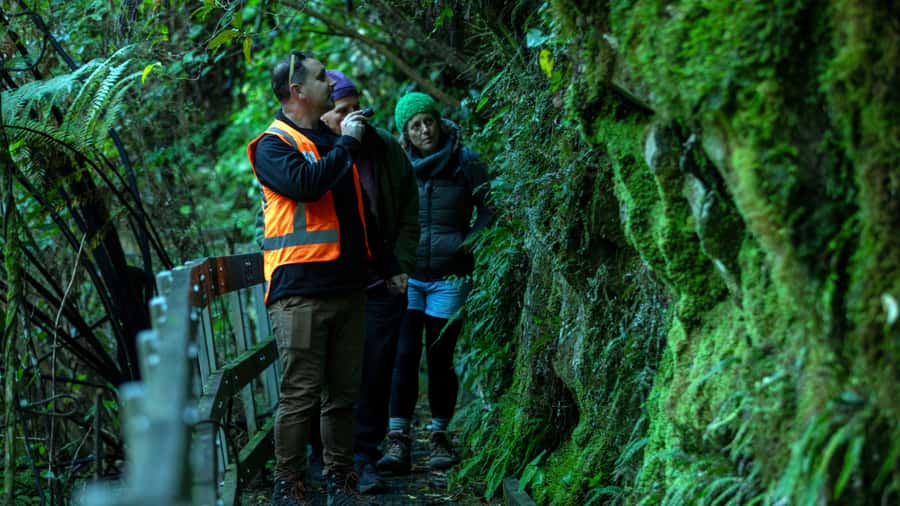
Once the group leaves the visitor centre, the walk shifts from explanation to observation. The red head torches help you find your way without turning the forest into a brightly lit stage. That matters because harsh light can make a night walk feel like an ordinary stroll with extra equipment.
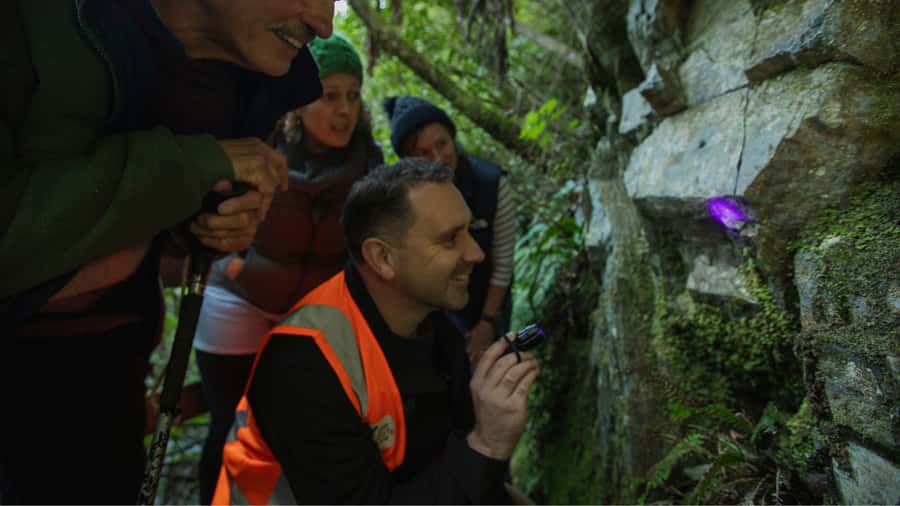
The route is designed around patience. You may stop for small movements in the vegetation, listen for calls, or wait while the guide checks a dark patch of forest. One of the most useful qualities of this format is the permission to slow down. The night world is easy to miss if you hurry.
You will hear the rustle of creatures moving through the undergrowth, though not every sound can be identified. The guide explains nocturnal behavior as the walk continues, helping you understand why the forest sounds different after sunset.
The experience lasts 105 minutes. That is long enough to create a proper evening in the forest without taking up an entire night in Nelson. Still, it is not a fast sightseeing stop. You need to be comfortable walking at a relaxed pace and pausing often.
The walk is not suitable for children under 10, people with mobility impairments, people with diabetes, people with visual impairments, or people with a low level of fitness. That list is important. Darkness, uneven outdoor conditions, and the need to stand quietly can make the experience demanding for some people even if the distance itself is manageable.
Listening for ruru and kiwi pukupuku
The first major reward is sound. Ruru, New Zealand’s morepork owl, may call from the forest. Its haunting voice can seem much closer or farther away than it really is, which makes the dark feel larger than the path in front of you.
Kiwi pukupuku, or little spotted kiwi, are another possible highlight. The wording matters here: you have a chance to hear them, not a guarantee of a sighting. A kiwi may call once and remain hidden, or the group may hear rustling without seeing the bird.
That uncertainty is part of the wildlife experience, but it can also shape your expectations. One person heard a kiwi call only briefly at the beginning of the walk and then heard no more. Another group heard rustling and some people caught sight of a young kiwi disappearing into the forest. These moments can be exciting, but they are not controlled encounters.
I would book this walk because you want to spend time listening to a living forest, not because you need a kiwi photograph. If you hear the call, treat it as a fortunate moment. If you do not, the walk still has other rewards, including glowworms, tuatara, insects, geckos, and wētā.
The guide also helps keep wildlife encounters respectful. The aim is to notice animals in their habitat without turning the outing into a noisy search party. A small group is a real benefit here. Fewer people means less chatter and a better chance of hearing faint sounds.
Glowworms, tuatara, geckos, and wētā
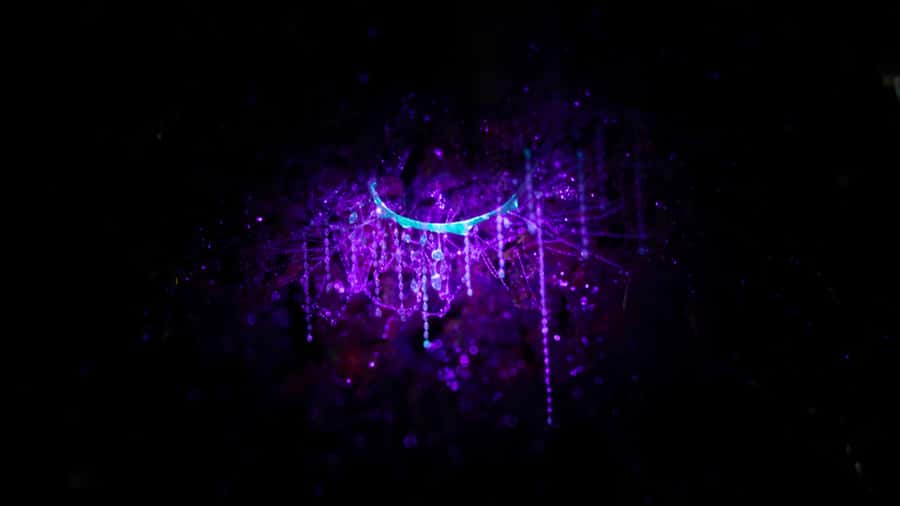
The glowworms are likely to be the most visually memorable part of the walk. Their bioluminescent light can show up as tiny points of glow along forest vegetation and near the ground. They do not flood the woods with light. The effect is subtle, so you need to let your eyes adjust and give the guide time to point them out.
This is a good place to resist the urge to use your phone. Bright screens can spoil your own night vision and distract people around you. The walk is better when you keep lights low and let the red head torch do its small job.
Tuatara may also feature in the evening. Seeing one gives the conservation story a physical focus. It is one thing to hear about threatened native species at the visitor centre, and another to notice a tuatara resting in the forest at night.
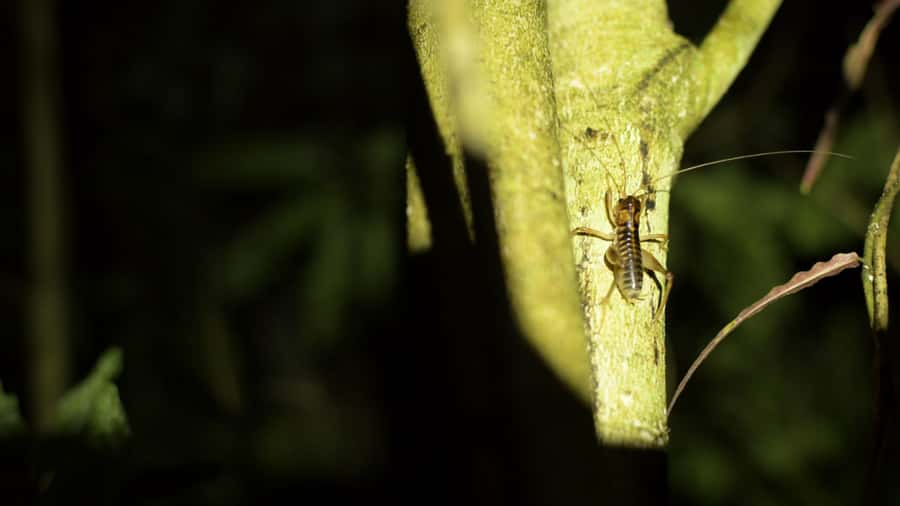
You might also spend time looking at geckos, insects, and wētā. For some people, these creatures will be a bonus. For others, they may become the main event, especially if the kiwi stay hidden. A guide with patience can turn a small insect into a lesson about how the forest functions after dark.
One of the strongest parts of the experience is this careful looking. The walk does not rely only on large or famous animals. It asks you to notice small life that you would probably miss during the day.
More wildlife tours:
- Seal Sanctuary Tour – Guided Kayaking – New Zealand
★ 5.0 · 8 reviews - Auckland Dolphin and Whale Watching Eco-Safari Cruise
★ 4.5 · 1,790 reviews - Auckland: Whale and Dolphin Watching Half-Day Eco Cruise
★ 4.5 · 1,072 reviews - Gannet Safaris Overland tour to Cape Kidnappers Gannet Colony
★ 5.0 · 942 reviews
What the small group adds
The group is limited to eight participants according to the activity details, while another description gives a limit of 10. That minor difference is worth checking when you book, but either size is small enough to support a more personal experience than a large coach excursion.
A small party helps in several ways. You can hear the guide more easily, ask questions without holding up a crowd, and stop in a quiet area without creating a long line of people. It also gives the guide a better chance to point out a sound or small animal to everyone.
The ideal group size was praised directly in the feedback, and I can see why. Night wildlife depends on silence and attention. A large group would make both harder.
The tradeoff is that a small group does not make wildlife predictable. It improves your conditions, but it cannot persuade a kiwi to call or emerge. Nature still sets the timetable.
The $34 question
At $34 per person, this is a reasonably priced guided activity in Nelson. The fee includes the 105-minute tour, live English commentary, a red head torch, a hot beverage, and a biscuit.
The value comes mainly from access and interpretation. You could walk through a forest on your own, but you would miss much of what the guide identifies and explains. You may hear a bird or spot a glowworm without knowing what you are seeing. The conservation background also gives the evening more purpose.
The drink and biscuit are small additions, but welcome after standing outdoors in the dark. They do not transform the price calculation, yet they make the outing feel complete.
You do need to arrange your own transport. The sanctuary is about 10 minutes from Nelson city centre, so the location is convenient, but the tour price does not cover getting there. Build that extra step into your plans.
The free cancellation period ends 24 hours before the activity, and the reserve now, pay later option can help if you are fitting the walk around changing South Island plans. Check the available start time for your date, since the tour must begin after daylight has faded enough for night wildlife viewing.
What to wear and what to leave behind
Warm clothing is essential. Even if Nelson feels mild during the day, the forest can feel cooler after sunset, particularly when you stop to listen.
Wear closed-toe shoes. Bare feet are not allowed, and practical footwear is the sensible choice for a night walk through protected forest.
Backpacks are not allowed, so pack lightly and check the current storage arrangements before arriving. Baby strollers and baby carriages are also not permitted. Electric wheelchairs are excluded, and the activity is not suited to people with mobility impairments or a low level of fitness.
Alcohol and drugs are not allowed. These rules are straightforward, but they matter more at night, when careful footing and attention to the guide are important.
Nature photography is possible in spirit, but this is not the best outing for a large camera kit. The walk depends on darkness, quiet, and movement through the forest. If you bring a phone or camera, use it sparingly and follow the guide’s directions around wildlife.
Who will enjoy this night walk
I would recommend the experience to anyone based in Nelson who wants a short, focused nature outing with a conservation message. It suits wildlife enthusiasts, people curious about New Zealand’s native species, and visitors who enjoy listening and watching more than collecting quick sights.
It also works well for a return visitor to Nelson. The sanctuary offers a different mood from a daytime walk, and the forest feels transformed once ruru calls and small movements replace daylight activity.
Families should note the minimum age of 10. The walk also suits older children who can stay quiet, walk for 105 minutes, and remain patient when the guide stops to examine a small creature.
You should think twice if your main goal is a guaranteed kiwi sighting. The experience gives you a chance to hear or see kiwi pukupuku, but the evidence from the evening accounts shows that the bird may remain hidden. If your interest is broader and includes glowworms, tuatara, geckos, insects, wētā, and bird calls, the outing offers much better value.
Should you book the Brook Waimārama night walk?
Book it if you want a close look at New Zealand forest life after dark, especially with a guide who can explain what you are hearing and seeing. The glowworms, conservation story, small group, and chance of a kiwi call make the $34 fee a sensible spend near Nelson.
Skip it if you need guaranteed wildlife sightings, cannot walk comfortably in low light, or dislike standing quietly in cool outdoor conditions. For the right person, the best memory may not be a dramatic animal encounter. It may be a ruru call, a few points of living light, or the sudden rustle of something moving just out of sight.
FAQ
Where does the Brook Waimārama Sanctuary night walk begin?
Meet inside the Brook Waimārama Sanctuary visitor centre. The sanctuary is about 10 minutes from Nelson city centre.
How long does the guided night walk last?
The activity lasts 105 minutes. Starting times vary, so check availability for your chosen date.
How much does the experience cost?
The listed price is $34 per person. Transportation is not included.
Is kiwi viewing guaranteed?
No. You have the chance to hear or see kiwi pukupuku, but sightings are not guaranteed. You may instead hear calls or rustling, and the walk may focus on glowworms, tuatara, geckos, insects, and wētā.
What is included in the price?
The price includes a fully guided English-language tour, commentary, a red head torch, a hot beverage, and a biscuit.
What should I bring, and who cannot take part?
Bring warm clothing and closed-toe shoes. The activity is not suitable for children under 10, people with mobility impairments, people with diabetes, people with visual impairments, or people with a low level of fitness. Baby strollers, backpacks, alcohol, drugs, baby carriages, electric wheelchairs, and bare feet are not allowed.
Just added around Nelson
- Kayak & Pitt Head Nature Loop – Guided Kayak & Unguided Walk – New Zealand★ 5.0 · 5 reviews
- The Ultimate Lord of the Rings Combo Tour★ 5.0 · 6 reviews
- Nelson: Golden Bay in a Day Tour★ 4.7 · 6 reviews
- Nelson: Abel Tasman Kayaking & Great Taste Trail Bike Tour★ 4.8 · 6 reviews
- Nelson: Abel Tasman Cruise-Fly Day Tour★ 3.4 · 7 reviews
- Three Day Classic Kayaking in New Zealand★ 5.0 · 8 reviews
- Seal Sanctuary Tour – Guided Kayaking – New Zealand★ 5.0 · 8 reviews
- Nelson: Great Taste Trail Coastal Bike Ride to Mapua★ 4.0 · 8 reviews
Wildlife & Nature Tours, compared.

Auckland Dolphin and Whale Watching Eco-Safari Cruise
Read our review →
Whale and Dolphin Watching Half-Day Eco Cruise
Read our review →
Gannet Safaris Overland tour to Cape Kidnappers Gannet Colony
Read our review →

Clearwater Wildlife Tours (small group 10max) Otago Peninsula
Read our review →

Guided Evening Penguin Viewing Otago Peninsula, Dunedin, New Zealand
Read our review →
Browse the lists this tour appears in