
Reviewed · MAORI CULTURAL EXPERIENCES
Rotorua: Te Rā Guided Experience + Haka
Rotorua’s earth puts on a show. I like the way this Te Rā experience joins geothermal sights with Māori arts and traditions, so you get more than a quick look at a geyser. I also like the added cultural performance, with pōhiri, waiata, mōteatea, poi, and haka in the carved meeting house of Te Aronui a Rua. The main consideration is time: at about two hours, this is a compact introduction rather than a slow, all-day visit.
You will follow a guided route through the geothermal valley, see Pōhutu Geyser, visit the Kiwi Conservation Centre, and spend time at the New Zealand Māori Arts and Crafts Institute. The guide-led format adds useful context, though your time at each place may feel brief, especially if you want a long look at the carving and weaving work.
In This Review
- Key points to know before you book
- What the two-hour Te Rā experience includes
- Pōhutu Geyser and Rotorua’s geothermal valley
- Kiwi Conservation Centre and a rare native bird
- Māori carving, weaving, and the Āhua Gallery
- The pōhiri, waiata, poi, and haka
- Guides can shape the whole visit
- Is $83.78 good value?
- Who should book Te Rā with haka?
- My verdict on Te Rā
- FAQ
- How long does the Te Rā Guided Experience with Haka last?
- Where does the experience start and finish?
- What will I see during the guided tour?
- What is included in the cultural performance?
- Is admission included in the price?
- Can I cancel for a full refund?
Key points to know before you book
- Pōhutu Geyser is the natural headline: The tour takes you into the geothermal valley for a look at one of Rotorua’s best-known sights.
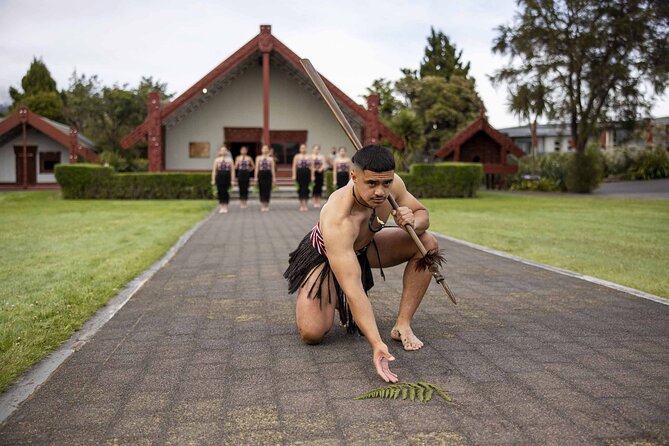
- The haka is part of a wider cultural presentation: Expect pōhiri, song, traditional chant, poi, and haka, not only a short stage finale.
- Māori arts are shown in working schools: You can see wood carving, bone and stone carving, and flax weaving at the institute.
- The Kiwi Conservation Centre adds a rare wildlife stop: A baby kiwi was seen during one visit, though wildlife sightings cannot be promised.
- The group can reach 36 people: That is manageable for a scheduled cultural experience, but it is not an intimate private tour.
- The price covers admission: At $83.78 per person, the value depends on how much you want a guided cultural visit rather than separate sightseeing.
What the two-hour Te Rā experience includes
Te Rā is built around two parts that work well together. The first is a guided visit through Te Puia’s geothermal valley and Māori arts facilities. The second adds a cultural performance in a carved meeting house.
The guided portion is described as lasting about 90 minutes. The full activity takes approximately two hours, so the performance and movement between areas fit into a fairly tight schedule. I would allow extra time around the start and finish, even though the activity returns to its meeting point.
This matters because Rotorua has many attractions competing for your attention. If you have only a short stay in town, Te Rā gives you several major themes in one booking: volcanic activity, native wildlife, Māori creative work, and performance. If you prefer to linger, sketch, take detailed photographs, or read every display, you may find the pace brisk.
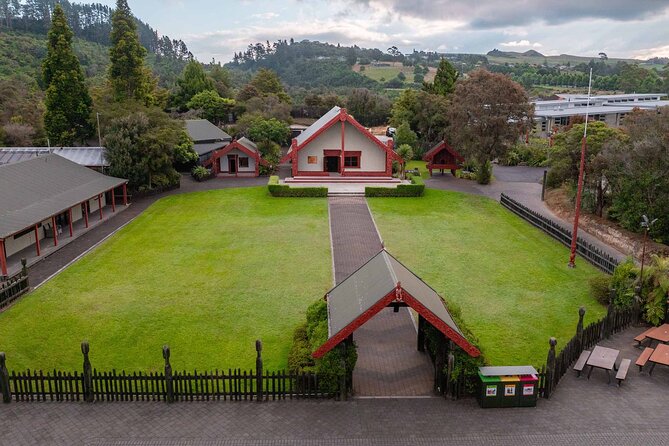
The meeting point is 20 Hemo Road in Whakarewarewa, Rotorua. The activity ends back there, which makes planning easier if you are arranging another Rotorua stop afterward. The site is near public transportation, and service animals are allowed.
More Maori Cultural Experiences in Rotorua
- Mitai Maori Village: Cultural Experience and Dinner Buffet
★ 4.7 · 3,575 reviews - Cultural Experience & Seasonal Māori Cuisine at Te Pā Tū
★ 5.0 · 1,546 reviews - Mitai Maori Village Cultural Experience in Rotorua
★ 4.5 · 1,294 reviews
Pōhutu Geyser and Rotorua’s geothermal valley
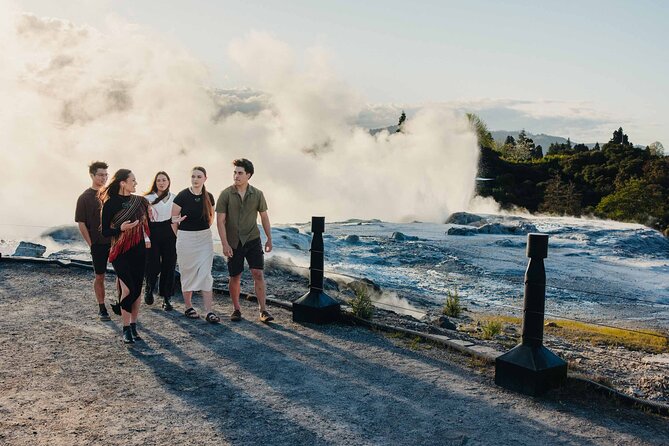
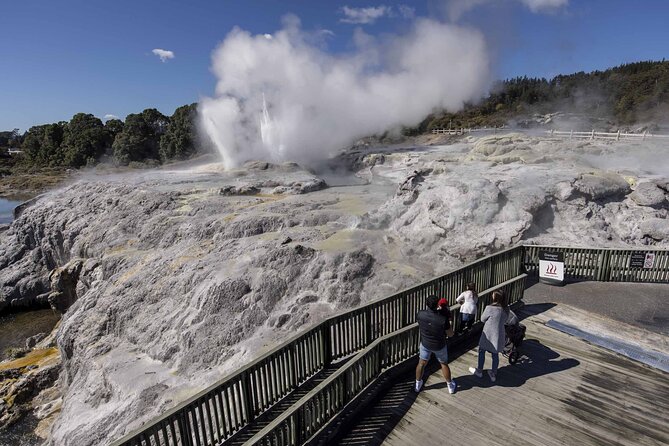
The geothermal valley gives the tour its sense of place. Steam, hot ground, and erupting water explain why Rotorua feels different from an ordinary town visit. Here, Māori culture and geothermal features are presented side by side, rather than as unrelated attractions.
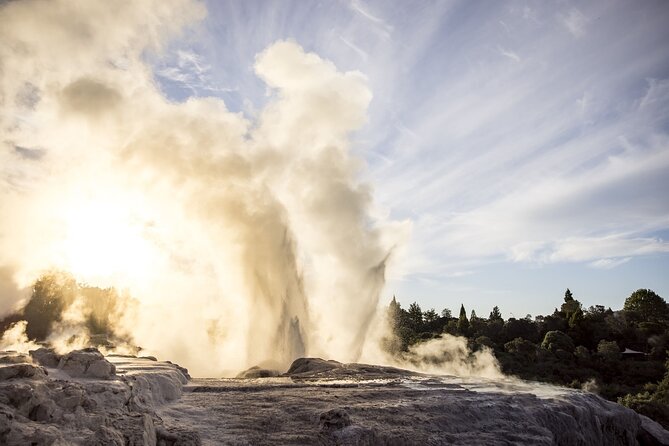
Pōhutu Geyser is the key natural sight. One particularly good outcome is seeing it erupt during your visit, as happened for one group. An eruption is never something I would treat as guaranteed from the supplied information, but the possibility gives this part of the tour a real lift.
Your guide, or kaiārahi, helps connect the scenery to Māori traditions, heritage, and ancestral stories. That guidance is important. Without it, a geothermal valley can become a series of steam vents and warning signs. With context, the area has a stronger cultural meaning and a clearer connection to the people who care for it.
Keep your expectations practical. This is not described as a long independent walk through every corner of the valley. You are joining a guided route with several scheduled elements, so stay with the group and listen for instructions around geothermal features.
One of the strongest parts of the experience is the balance between seeing a natural spectacle and learning how Māori heritage is expressed in daily practice. The geyser catches your eye, but the guide’s stories give the visit its shape.
Kiwi Conservation Centre and a rare native bird
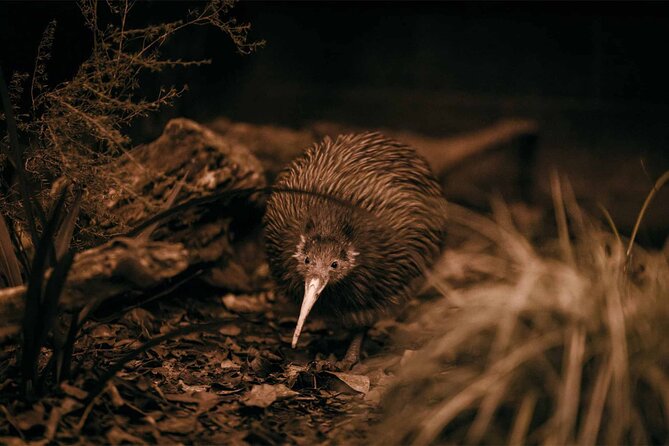
The Kiwi Conservation Centre is another important stop. New Zealand’s kiwi is one of the country’s most familiar symbols, yet seeing one is not guaranteed. One visit included a sighting of a baby kiwi, which would be a memorable bonus for many people.
The useful point here is that the centre adds a conservation element to the tour. You are not only looking at scenery. You are also visiting a place connected with protecting a native species.
I would keep this part flexible in your mind. Kiwi are not performing on a schedule for the group, and the information provided does not promise a sighting. If you do see one, consider it fortunate. If you do not, the centre still adds an important wildlife stop to a tour otherwise focused on geology and culture.
Families may especially like this change of pace. Children who have already seen steam and carving demonstrations may respond well to the possibility of a small native bird. Adults will appreciate that the stop broadens the experience beyond the most obvious Rotorua attractions.
Māori carving, weaving, and the Āhua Gallery
The New Zealand Māori Arts and Crafts Institute is the practical heart of the cultural side of Te Rā. The visit includes a wood carving school, bone and stone carving school, flax weaving school, and the Āhua Gallery.
These are not just decorative add-ons. They show how Māori artistic traditions are taught and maintained. A school setting also helps you understand that the work is an active practice, not simply a display of old objects behind glass.
The listed timing gives 30 minutes to this stop. That is enough for an introduction, but not a long study session. You can expect to move through several areas rather than spend an hour with one craftsperson. If you already have a strong interest in carving or weaving, you may wish the schedule allowed more time.
Still, the range is useful. Wood carving gives you a view of large-scale work and traditional forms. Bone and stone carving show different materials and techniques. Flax weaving brings a plant-based craft into the picture. The Āhua Gallery gives the visit another setting for Māori art.
This is also where a good guide earns the admission price. The tour information says guides share traditions, heritage, and ancestral stories along the route. That context helps you notice more than the tools or finished pieces. It also gives you a better chance of understanding why these crafts matter.
A completely different kind of day out in Rotorua:
- Rotorua Canopy Tours: 2.5Hour Native Forest Zipline Adventure
★ 5.0 · 4,563 reviews - Rotorua: Wai-O-Tapu Geothermal Park Entry Ticket
★ 4.6 · 2,601 reviews - Rotorua’s Ultimate Zipline: 6 ziplines, 400 m Tandem, Cliff Walk
★ 5.0 · 2,557 reviews - Rotorua Rafting: Kaituna River White Water Rafting & Free Sauna
★ 5.0 · 1,952 reviews
The pōhiri, waiata, poi, and haka
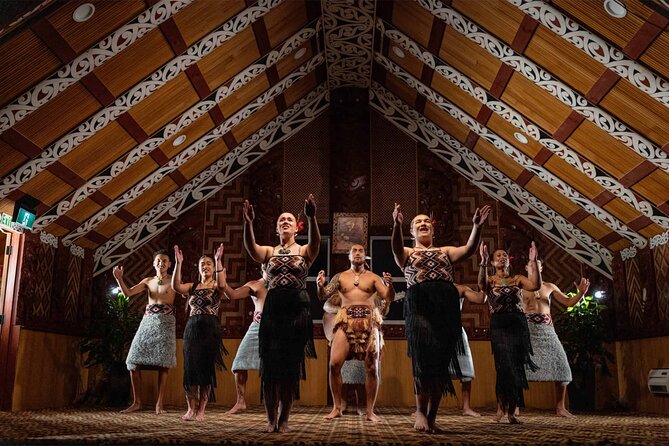
The performance adds the emotional center of the experience. It takes place in the beautifully carved meeting house, Te Aronui a Rua, and includes several forms of Māori welcome and performance.
A pōhiri is the traditional welcome. Waiata are songs, mōteatea are traditional chants, poi uses swinging balls attached to cords, and haka brings the force and precision many people associate with Māori performance. Taken together, these elements offer a wider presentation than a haka alone.
That variety matters. A haka can be powerful and memorable, but seeing it in the context of welcome, song, chant, and poi gives you a better sense of a broader cultural performance. You are not simply watching a dramatic finale designed for photographs.
The setting is part of the experience. A carved meeting house gives the performance a clear cultural home and makes the room itself worth noticing. Look at the carving and structure before the performance begins, rather than focusing only on the performers.
You should also approach this portion with respect. It is presented as a cultural welcome and performance, not as a novelty act. Listen to the explanations, follow any instructions, and allow the atmosphere to develop. The strongest response comes when you pay attention to the meaning as well as the movement.
Guides can shape the whole visit
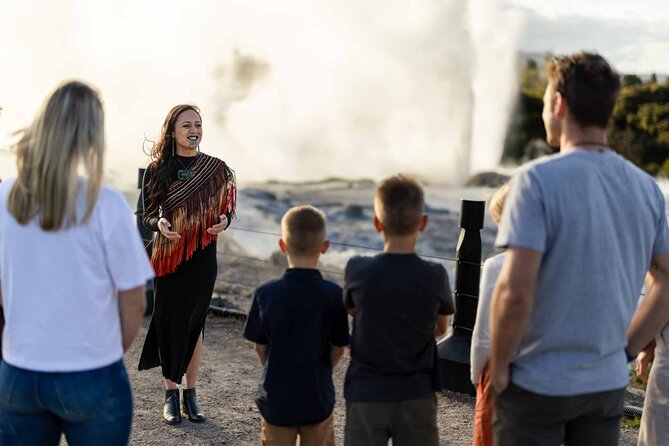
The guide is a major part of the value here. A good kaiārahi has to manage timing, explain Māori terms, connect the geothermal valley to local culture, and keep a group moving between several stops.
Pat is one guide specifically praised for being informative, entertaining, and attentive to the group. That last point matters. A guide who watches the group’s comfort can make a busy scheduled visit feel much easier.
The experience also received praise for efficient and friendly check-in. That may sound minor, but it sets the tone. When an activity lasts only about two hours, a slow start cuts directly into your sightseeing time.
Of course, guide style can vary from one departure to another. The supplied information identifies Pat as a strong example, but you should not assume he will lead every session. The important feature is the guided structure and the chance to hear Māori traditions and ancestral stories from someone leading you through the site.
Is $83.78 good value?
At $83.78 per person, Te Rā is not the cheapest way to see one geothermal feature. Its value comes from combining several admissions and activities in one short visit.
You are paying for access to the geothermal valley, the Kiwi Conservation Centre, Māori arts and crafts facilities, and the cultural performance. Admission is included, while meals and beverages are not. The price also includes the benefit of a guide who ties the stops together.
I see it as good value if you want a planned introduction to Te Puia and do not want to arrange separate visits. The combination saves you from choosing between geothermal sights and cultural programming. It also gives you a fixed cultural performance, which can be useful when building a Rotorua day around other bookings.
The value is weaker if your main goal is only to see Pōhutu Geyser. In that case, much of the price goes toward the arts institute, guide service, conservation centre, and performance. It is also less suited to you if you dislike scheduled group activities or prefer to explore at your own speed.
A maximum group size of 36 people keeps the experience within a reasonable size for a major attraction, but this is still a shared tour. If a smaller group is important to you, the stated capacity is worth considering before booking.
Who should book Te Rā with haka?
I would recommend this experience to first-time Rotorua visitors who want several major themes in one booking. It suits couples, families, and short-stay visitors who value clear organization and cultural explanation.
It is also a good choice if you want to see Māori arts in working schools rather than only in a museum. The addition of the haka and other performance forms gives the visit more depth than a simple geothermal walk.
Families may appreciate the mix of short sections. The geyser, kiwi centre, crafts, and performance provide different points of interest, and most people can participate according to the supplied accessibility information.
I would be more cautious if you want a quiet, self-guided visit. The group may include up to 36 people, and the schedule covers a lot in two hours. You should also choose another option, or add extra time elsewhere, if meals or drinks need to be part of the booking, since they are not included.
For booking flexibility, free cancellation is available up to 24 hours before the start time. Confirmation is sent within 48 hours, subject to availability, so do not leave a tightly planned Rotorua schedule without allowing for that confirmation window.
My verdict on Te Rā
Te Rā works because it joins the parts of Rotorua that are often split between different attractions. You get geothermal power, a chance to see kiwi conservation, Māori carving and weaving, and a formal performance with pōhiri, waiata, mōteatea, poi, and haka.
I especially like the combination of Pōhutu Geyser and the arts institute. The geyser provides the visual drama, while the carving, weaving, and guide commentary give you something more lasting to think about. The haka then adds a strong finish in a setting designed for cultural presentation.
Book it if you want a well-organized cultural introduction and have about two hours available at 20 Hemo Road. Skip it if you only want an independent geothermal walk or need a long, unhurried look at each craft school. For most first visits to Rotorua, the mix makes the $83.78 fare a fair buy, particularly when you value the guide and the included performance.
FAQ
How long does the Te Rā Guided Experience with Haka last?
The experience lasts approximately two hours. The guided Te Rā portion is described as a 90-minute tour, with the cultural performance included as part of the overall visit.
Where does the experience start and finish?
It starts at 20 Hemo Road, Whakarewarewa, Rotorua 3010, New Zealand. The activity ends back at the same meeting point.
What will I see during the guided tour?
The guided experience includes Pōhutu Geyser, the Kiwi Conservation Centre, and the New Zealand Māori Arts and Crafts Institute. The institute includes wood carving, bone and stone carving, flax weaving, and the Āhua Gallery.
What is included in the cultural performance?
The performance includes a pōhiri, waiata, mōteatea, poi, and haka. It takes place in the carved meeting house Te Aronui a Rua.
Is admission included in the price?
Yes. The admission fee is included. Meals and beverages are not included.
Can I cancel for a full refund?
Yes, you can cancel up to 24 hours before the experience start time for a full refund. Cancellations and changes made less than 24 hours before the start time are not accepted for a refund.
Just added around Rotorua
- Te Puia: Tuku Iho Trail with Cultural Show★ 5.0 · 5 reviews
- Ultimate self-drive rail car journey★ 5.0 · 5 reviews
- Private Tour Waiotapu Geothermal Shore Excursion up to 8 passengers★ 5.0 · 6 reviews
- Rotorua: Floatplane Flight with Orakei Korako Landing★ 5.0 · 6 reviews
- Rotorua: Evening Starlight Gourmet Kayak Tour with dinner★ 5.0 · 6 reviews
- Rotorua: Glow Worm Adventure Kayak★ 5.0 · 6 reviews
- Epic Tandem Kayak Tour down the Kaituna River Waterfalls★ 5.0 · 6 reviews
- From Rotorua: Whirinaki Rainforest Guided Cultural Tour★ 5.0 · 6 reviews
Maori Cultural Experiences, compared.
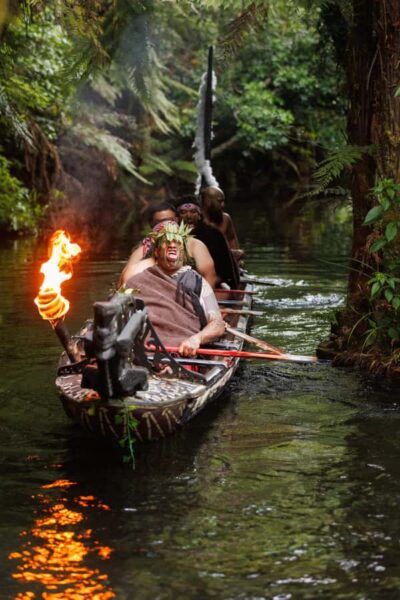
Mitai Maori Village: Cultural Experience and Dinner Buffet
Read our review →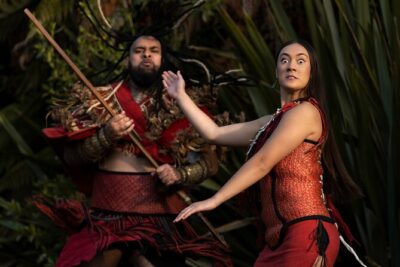
Cultural Experience & Seasonal Māori Cuisine at Te Pā Tū
Read our review →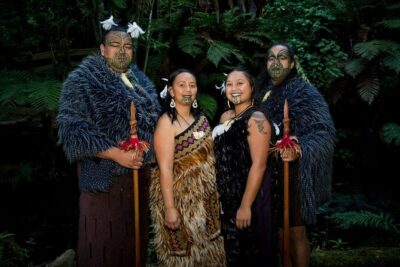
Mitai Maori Village Cultural Experience in Rotorua
Read our review →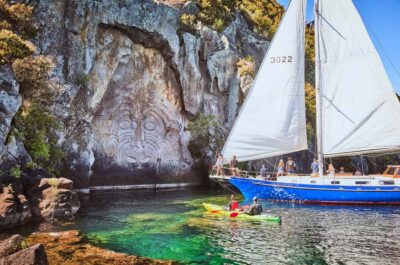
Lake Taupo: Classical Sailing to the Māori Rock Carvings
Read our review →
Te Pa Tu Māori Cultural Experience with Dinner
Read our review →
Lake Taupō Māori Rock Carvings Scenic Cruise aboard Ernest Kemp
Read our review →
Waitomo Caves & Rotorua – Te Puia Small-Group Tour from Auckland
Read our review →
Lake Taupo: Maori Rock Carvings 10.30 AM 1.5-Hour Cruise
Read our review →Browse the lists this tour appears in