
Reviewed · ROTORUA TOURS
Rotorua: The Buried Village of Te Wairoa
History is waiting beneath the ash. Just 15 minutes from Rotorua, the Buried Village of Te Wairoa brings the 1886 Mt. Tarawera eruption into sharp focus through an excellent museum, excavated village remains, and a forest walk to Te Wairoa Falls. I especially like the way the visit joins Māori and European stories instead of treating the eruption as only a geological event. I also like that you can choose between a self-guided audio tour, scheduled talks, or personal help from guides.
The main drawback is that the site asks for more walking than the low price might suggest. The waterfall trail includes steep steps, and the museum can feel chilly, so bring comfortable shoes and an extra layer. Give yourself at least 90 minutes, and longer if you want the café, gift shop, living history activities, or waterfall walk at an easy pace.
In This Review
- Key Points Before You Go
- Why Te Wairoa Matters
- Begin in the Museum of Te Wairoa
- Choose How You Want the Story Told
- Walking Through the Archaeological Site
- The Waterfall Trail to Te Wairoa Falls
- Smith & Co Café and the Victorian Photo Stop
- Price, Timing, and Practical Value
- Who Will Enjoy This Most?
- My Verdict on the Buried Village
- FAQ
- Where is the Buried Village of Te Wairoa?
- How long should I spend at the Buried Village?
- What does the $14 admission include?
- Is the waterfall walk difficult?
- Is the Buried Village wheelchair accessible?
- Are food and drinks available onsite?
- What languages are available?
Key Points Before You Go
- The 1886 eruption destroyed a living community: The site tells the story of Te Wairoa, a settlement of Māori residents and missionaries, not just the loss of the Pink and White Terraces.
- Start in the museum: Excavated objects from the 1800s help you understand the buildings and people before you walk among the ruins.
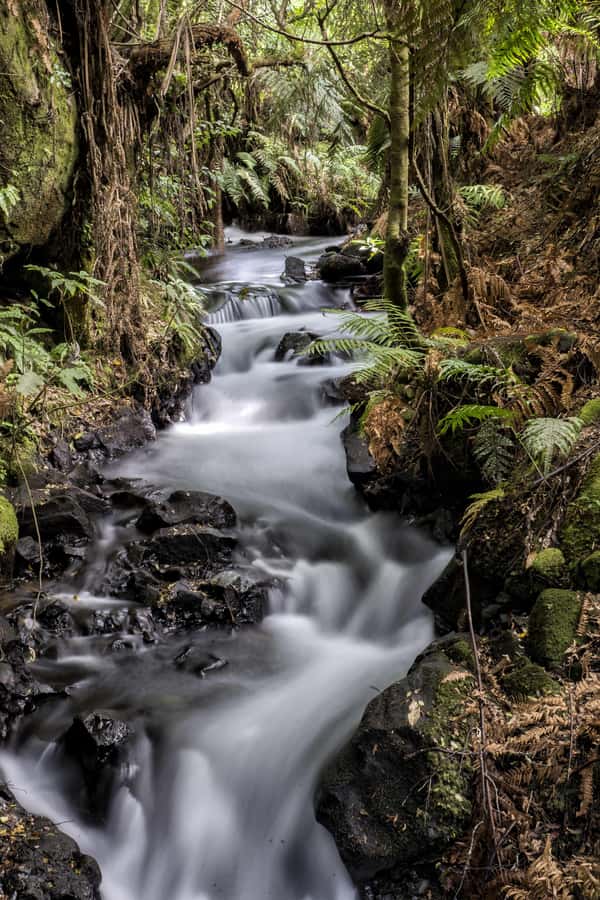
- The waterfall trail is a highlight: Te Wairoa Falls is reached by a forest path with steep sections, but the view and spray make the effort worthwhile.
- You can choose your level of guidance: Use the English audio guide, read the signs, join talks by costumed guides, or listen to a host before setting off.
- Families have extra reasons to visit: A clue scavenger hunt, Victorian clothing, and an antique-style photo opportunity add some light fun to a serious historical site.
- Smith & Co makes a useful finishing stop: Scones with cream and jam, pastry pies, hot chocolate, coffee, and Devonshire tea are available onsite.
Why Te Wairoa Matters
Before the eruption, Te Wairoa was a busy settlement near Mt. Tarawera. It was home to Māori residents and missionaries, and it served as a stopping point for people visiting the famous Pink and White Terraces, a natural attraction later wiped out by the eruption.
On the night of June 10, 1886, Mt. Tarawera erupted with devastating force. Te Wairoa was buried under ash and volcanic debris, and many lives were lost. The disaster changed the area forever, while the destruction of the terraces removed one of New Zealand’s best-known natural sights.
What makes the Buried Village worthwhile is its human scale. You are not simply looking at volcanic rock or reading about a distant eruption. You walk past the remains of homes and buildings, see objects recovered from the ash, and learn how one night brought fear, confusion, and lasting loss to a real community.
The site has been cared for and excavated under the Kaitiakitanga of the Smith family for nearly 90 years. That long connection gives the place a strong sense of care. The goal is not to turn tragedy into a spectacle. It is to preserve the story and help you understand what happened.
A few more Rotorua trips worth weighing up
- Rotorua Canopy Tours: 2.5Hour Native Forest Zipline Adventure
★ 5.0 · 4,563 reviews - Mitai Maori Village: Cultural Experience and Dinner Buffet
★ 4.7 · 3,575 reviews - Rotorua: Wai-O-Tapu Geothermal Park Entry Ticket
★ 4.6 · 2,601 reviews
Begin in the Museum of Te Wairoa
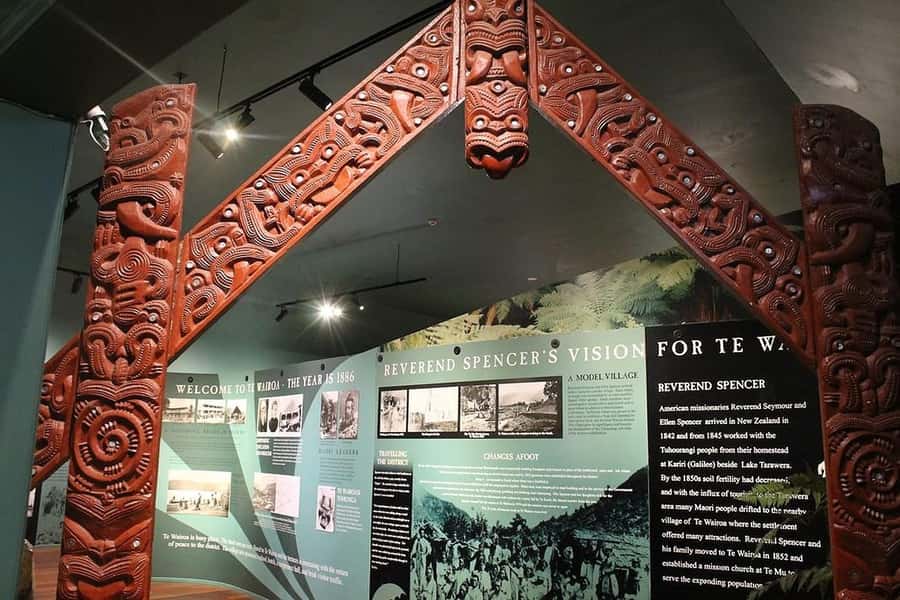
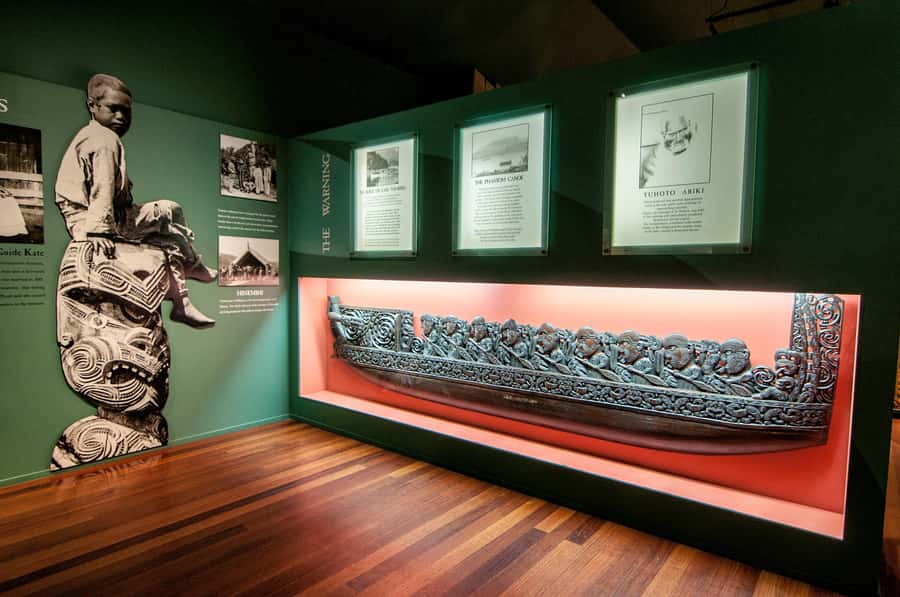
Start inside the award-winning museum before heading outdoors. This is the right order because the excavated village can otherwise look like a set of scattered ruins. The museum gives those remains a human setting.
Inside, you will find an extensive collection of objects recovered from the 1800s. These artifacts help explain how people lived, worked, and built their homes before the eruption. The displays also introduce the Pink and White Terraces and the role they played in bringing visitors to the region.
I would allow enough time to read the displays rather than rushing straight to the trail. The museum adds meaning to everything that follows. Once you know what the settlement looked like and who lived there, a foundation or buried wall becomes more than an old fragment.
The museum can be chilly, even on a sunny day. One visitor specifically found it good to step outside into the warmth afterward, so an extra layer is sensible. If you are visiting with children, the clue scavenger hunt can make the displays easier to explore. It sends families through the museum and grounds with a simple purpose instead of asking young visitors to read every panel.
A virtual reality experience is also available for an additional charge, and it has been praised as a worthwhile extra. The supplied information does not give the exact price, so ask onsite before adding it. If you enjoy visual ways of understanding the past, it may add useful context.
Choose How You Want the Story Told
You are not locked into one style of visit. The entry includes an English audio guide, and the site also offers local guides, scheduled talks, and living history presentations with costumed guides.
The audio option works well if you prefer to move at your own speed. You can pause, linger, and take photographs without worrying about keeping up with a group. The signs and map are also clear enough for a self-guided visit, although one visitor felt some signs around the site could be improved.
A talk before the walk can give you a quick framework for the eruption. One guide named Marie was described as a third-generation guide connected with Sophia, an earlier guide associated with the site. Her family connection adds a personal layer to the story, though daily guide availability can vary.
The costumed talks are especially useful if you want the settlement to feel less abstract. They help explain what the buildings may have been used for and what people faced on the night of the eruption. I would check the schedule when you arrive, since talks are held at set times.
The guiding is offered in English, German, and Māori, while the included audio guide is in English. That mix gives you useful flexibility, especially if different members of your group prefer different ways of learning.
Walking Through the Archaeological Site
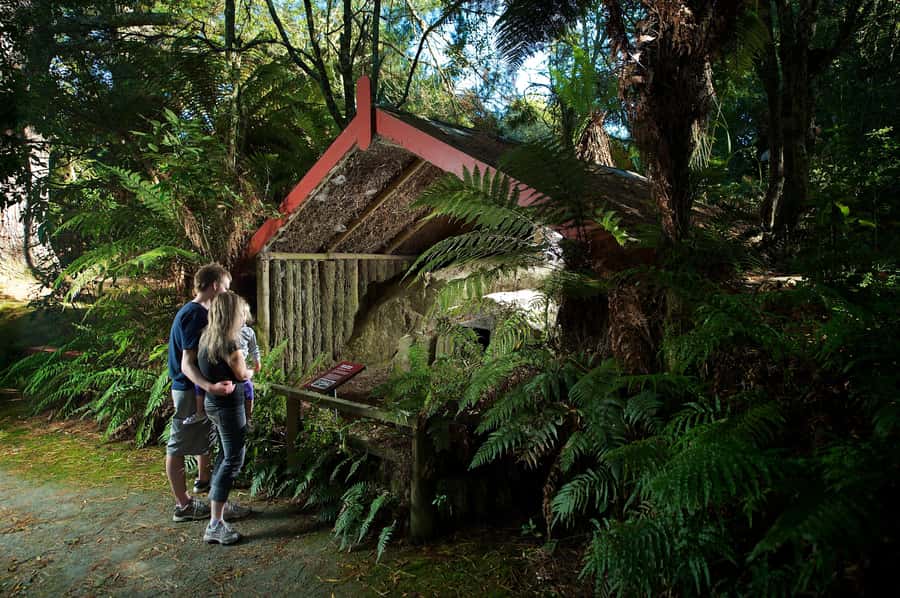
After the museum, follow the trail through the excavated village. The route is designed as an easy walk in general, with signs and a map helping you understand what you are seeing.
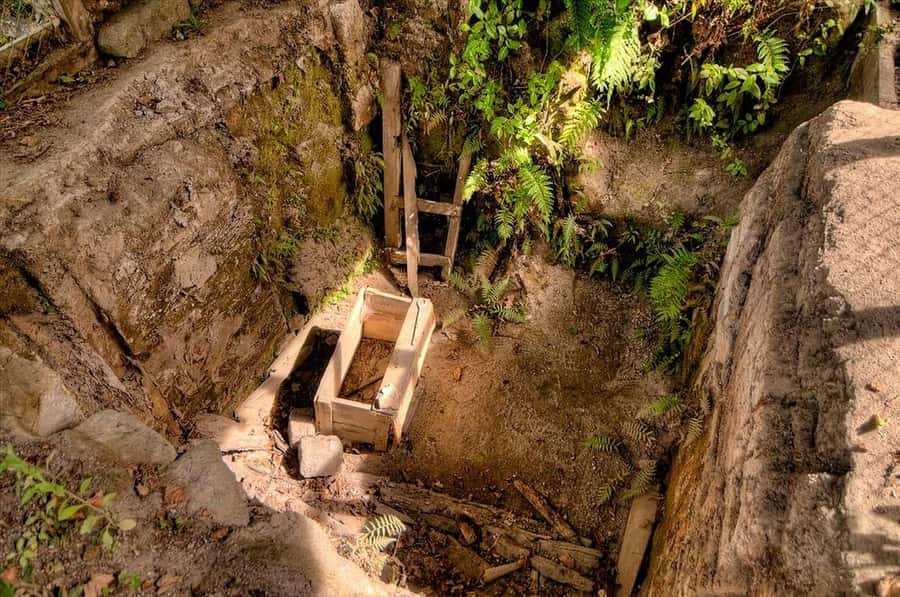
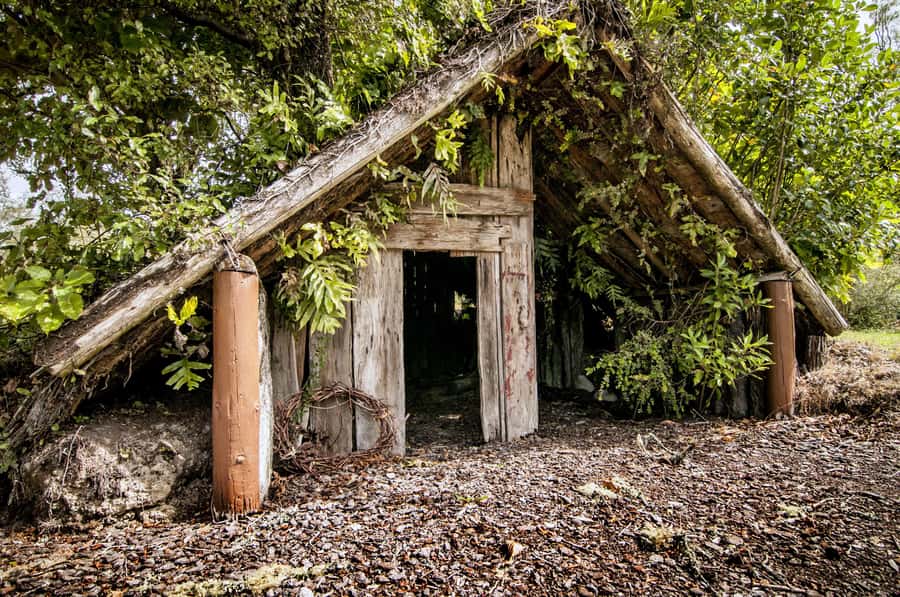
The remains do not look like an intact historic village. That is important to know before you arrive. You will see foundations, earthworks, building traces, and recovered structures rather than complete rooms ready for photographs. The power comes from imagining the homes and settlement beneath the ash, guided by the museum displays and explanations.
Walking among the remains is also a quieter experience than a typical Rotorua attraction. The forest and open grounds soften the setting, but the ruins keep reminding you that this calm place was once devastated. The contrast is powerful without needing much theatrical staging.
The route is suitable for a broad range of visitors, and the attraction is wheelchair accessible. Still, the waterfall section has different demands from the archaeological trail. If you use a wheelchair or have limited mobility, ask staff about the most suitable route before setting out, since the falls walk includes stairs.
Allow about 30 to 45 minutes for the village grounds if you read the signs and stop at the main points. You can move faster, but doing so reduces the value of the museum preparation. This is a place where a slower pace pays off.
A completely different kind of day out in Rotorua:
- Rotorua’s Ultimate Zipline: 6 ziplines, 400 m Tandem, Cliff Walk
★ 5.0 · 2,557 reviews - Rotorua Rafting: Kaituna River White Water Rafting & Free Sauna
★ 5.0 · 1,952 reviews - Cultural Experience & Seasonal Māori Cuisine at Te Pā Tū
★ 5.0 · 1,546 reviews - Mitai Maori Village Cultural Experience in Rotorua
★ 4.5 · 1,294 reviews
The Waterfall Trail to Te Wairoa Falls
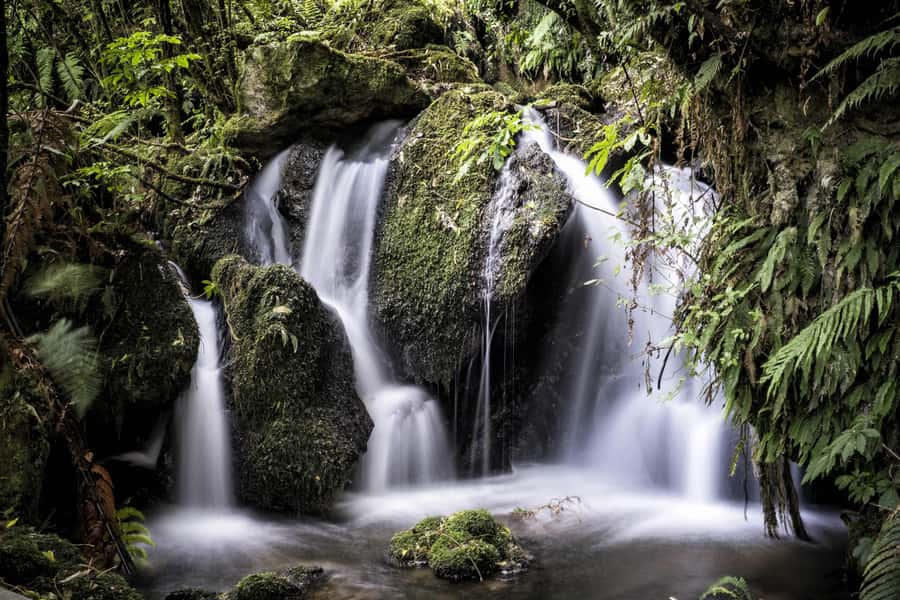
The waterfall walk is the most praised part of the visit, and I can see why. The trail follows a stream through native vegetation and explains local flora and fauna along the way. It also shows how the land has recovered after such violent destruction.
The falls are reached after a short but sometimes steep walk. Visitors describe the final section as roughly 10 to 15 minutes, with stairs that can be demanding but manageable for people prepared for the climb. The view at the bottom is the reward, especially after recent rain.
Te Wairoa Falls is not just a lookout stop. You can stand in the waterfall mist, which gives the finish a wonderfully physical quality. After the serious museum and ruins, the sound of rushing water and the forest trail offer a welcome change of pace.
Rain can make the waterfall even more impressive, but it may also make the trail wetter. Wear shoes with a good grip, and take care on the stairs. If you are visiting after heavy rain, expect stronger water flow and more spray.
I would not skip the trail unless stairs are a problem. Several people who were unsure about the effort found the falls worth it. The walk also gives the visit a better balance. You get the museum and archaeology for the past, then a living natural setting that shows the area continuing to recover.
Smith & Co Café and the Victorian Photo Stop
Smith & Co, the onsite café, is a practical place to pause after the walk. You can buy scones with whipped cream and jam, Devonshire tea, pastry pies, hot chocolate, coffee, and other light food.
The café is not included in the entry price, so budget separately for food and drinks. It is still useful because the attraction takes at least 90 minutes, and many people will spend several hours if they include the waterfall, museum, and grounds.
The scones and hot chocolate are especially appealing after the forest trail. The pastry pies offer a more substantial Kiwi-style snack. Service has been described as friendly and professional, making the café feel like part of the experience rather than a basic refreshment counter.
You can also dress in Victorian-style clothing and take an antique-style photograph. This may sound like a small extra, but it gives families and playful adults an easy way to connect with the period. It also breaks up the seriousness of the eruption story without making light of the disaster.
The gift shop is worth a final look if you want a memento connected with Te Wairoa. I would leave it until the end so you do not carry purchases along the waterfall trail.
Price, Timing, and Practical Value
At $14 per person, the admission offers very good value. It includes the Buried Village grounds, the Museum of Te Wairoa, and the trail to Te Wairoa Falls. You are getting a historical site, a museum, and a scenic walk in one stop, all a short drive from Rotorua.
The price does not include transport, food, drinks, or optional extras such as the virtual reality experience. Hotel pickup and drop-off are also not included, so you need to arrange your own way to 1180 Tarawera Road, Rotorua 3076.
The advertised duration is one day, but that refers to the validity of the admission rather than a full-day program. Most people should plan at least 1.5 hours. I would allow two to three hours if you want to read the museum displays, join a talk, complete the village walk, visit the falls, and stop at the café.
The attraction is open according to available starting times, so check the schedule when booking. You can reserve now and pay later, and cancellation is free up to 24 hours before the visit. Those terms are helpful if Rotorua weather changes your plans.
Because the site is only about 15 minutes from Rotorua, it fits neatly into a day that includes other attractions. You could visit in the morning, eat at the café, and continue elsewhere. Or you could give Te Wairoa a relaxed half-day and avoid racing through the story.
Who Will Enjoy This Most?
I recommend the Buried Village to anyone interested in Māori culture, volcanic history, archaeology, or the human cost of natural disasters. It also suits people who want a quieter Rotorua attraction with a proper walking element.
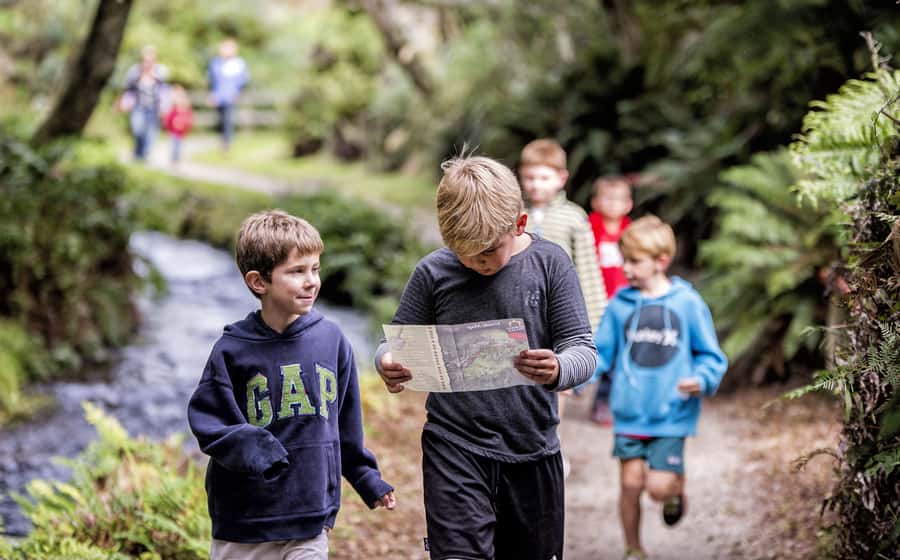
Families have plenty to do. The scavenger hunt gives children a reason to examine the museum, while the Victorian dress-up and waterfall add variety. Solo visitors can use the audio guide and set their own pace without needing to join a group.
It is also a good choice for visitors who prefer a mix of indoor and outdoor activity. The museum provides shelter and context, while the village grounds and waterfall trail bring fresh air and movement.
I would be more cautious if you dislike stairs or want a fully intact historic settlement. The archaeological remains require imagination, and some signs may not answer every question. The attraction is accessible, but the falls walk is not completely level.
My Verdict on the Buried Village
You should book this experience if you want Rotorua history that connects people, place, and eruption in a clear and respectful way. The museum gives you the facts, the village grounds make the disaster tangible, and Te Wairoa Falls adds a memorable outdoor finish.
The best plan is simple: arrive with comfortable shoes, check the talk times, begin in the museum, walk the ruins, and save enough energy for the falls. Add the café afterward, especially if you like scones, pies, or hot chocolate.
Skip it only if your schedule is extremely tight or steep steps would prevent you from enjoying the trail. For $14, the combination of museum entry, archaeological grounds, and waterfall access is hard to beat near Rotorua.
FAQ
Where is the Buried Village of Te Wairoa?
It is at 1180 Tarawera Road, Rotorua 3076, New Zealand, about a 15-minute drive from Rotorua.
How long should I spend at the Buried Village?
Plan for at least 1.5 hours. You may want two to three hours if you include the museum, archaeological grounds, waterfall trail, talks, café, and gift shop.
What does the $14 admission include?
Admission includes entry to the Buried Village, the Museum of Te Wairoa, and the Te Wairoa Trail and Waterfalls.
Is the waterfall walk difficult?
The trail includes stairs and some steep sections. The walk to the falls is described as roughly 10 to 15 minutes for the final section, and comfortable shoes are recommended.
Is the Buried Village wheelchair accessible?
Yes, the attraction is wheelchair accessible. The waterfall trail includes stairs, so ask staff about route conditions and suitable access when you arrive.
Are food and drinks available onsite?
Yes. Smith & Co café sells scones with cream and jam, pastry pies, Devonshire tea, hot chocolate, coffee, and other refreshments. Food and drinks cost extra.
What languages are available?
Hosts or greeters may speak English, German, or Māori. An English audio guide is included.
Just added around Rotorua
- Te Puia: Tuku Iho Trail with Cultural Show★ 5.0 · 5 reviews
- Ultimate self-drive rail car journey★ 5.0 · 5 reviews
- Private Tour Waiotapu Geothermal Shore Excursion up to 8 passengers★ 5.0 · 6 reviews
- Rotorua: Floatplane Flight with Orakei Korako Landing★ 5.0 · 6 reviews
- Rotorua: Evening Starlight Gourmet Kayak Tour with dinner★ 5.0 · 6 reviews
- Rotorua: Glow Worm Adventure Kayak★ 5.0 · 6 reviews
- Epic Tandem Kayak Tour down the Kaituna River Waterfalls★ 5.0 · 6 reviews
- From Rotorua: Whirinaki Rainforest Guided Cultural Tour★ 5.0 · 6 reviews
Rotorua Tours, compared.
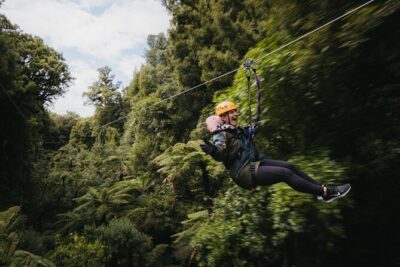
Rotorua Canopy Tours: 2.5Hour Native Forest Zipline Adventure
Read our review →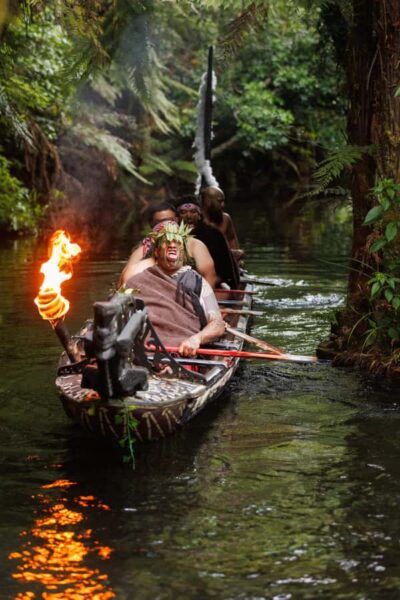
Mitai Maori Village: Cultural Experience and Dinner Buffet
Read our review →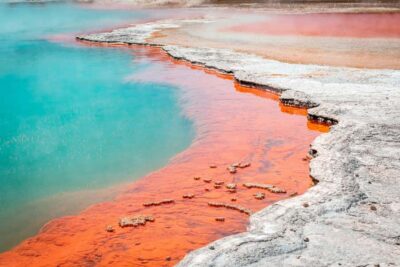
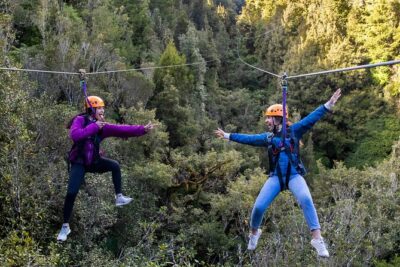
Rotorua’s Ultimate Zipline: 6 ziplines, 400 m Tandem, Cliff Walk
Read our review →
Rotorua Rafting: Kaituna River White Water Rafting & Free Sauna
Read our review →
Cultural Experience & Seasonal Māori Cuisine at Te Pā Tū
Read our review →
Mitai Maori Village Cultural Experience in Rotorua
Read our review →
Rafting Rotorua: Kaituna River White Water Experience
Read our review →Browse the lists this tour appears in