
Reviewed · GEOTHERMAL & HOT SPRINGS
Rotorua: Wai Ariki Hot Springs & Spa 1hr Restorative Bathing
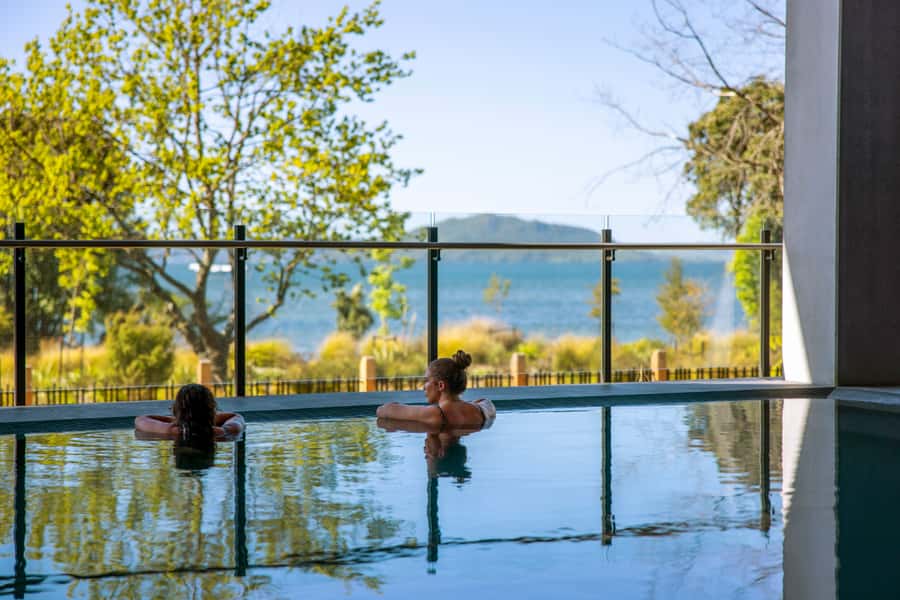
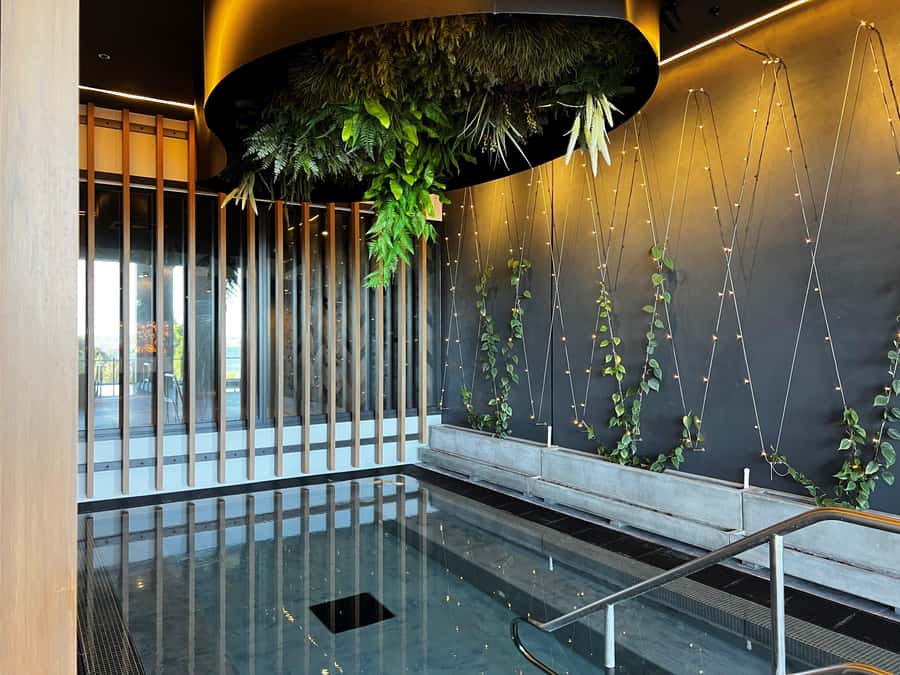
Rotorua’s calm starts with hot water. Wai Ariki Hot Springs and Spa pairs five distinct bathing pools with Māori blessings, geothermal minerals, herbal plants, and broad views across Lake Rotorua. I like the thoughtful mix of quiet soaking and active hydrotherapy, and I like that the covered design works in rain or strong sun. The one-hour limit is the main drawback: you’ll need to keep moving if you want to try every pool.
This is an adults-only experience at a polished resort near the lake, priced at $59 per person. I’d choose it for a calm break between Rotorua’s more active attractions, but I would not treat it as a full spa day. Robes, food, drinks, and transport are not included, so pack lightly and plan around the short bathing window.
In This Review
- Five useful things to know before you book
- Why Wai Ariki feels different from a standard hot pool
- The five waters, and how to use them
- Whangapipiro, the 38 to 40°C geo soak
- Puna Wai Wera, the 40 to 41°C hot geo pool
- Puna Tio, the 12°C cold plunge
- Wai Paheko, the 38 to 39°C herbal pool
- Wai Whakaoho, the 36°C hydrotherapy pool
- Māori tradition is part of the experience, not decoration
- The lake view and covered roof matter
- What the $59 price really buys you
- A simple one-hour plan
- Who should book, and who should skip it
- Should you book Wai Ariki?
- FAQ
- How long does the Wai Ariki restorative bathing experience last?
- How much does the experience cost?
- What pools are included?
- Is a towel provided?
- Is a robe included?
- Are Māori blessings part of the experience?
- Is the experience suitable for children?
- Can pregnant women take part?
- Is the facility wheelchair accessible?
- What should I bring?
- Is parking available?
- Can I cancel my booking?
Five useful things to know before you book
- A karakia begins and ends the visit: The experience opens and closes with Māori blessings connected to wellbeing, ancestry, and the land.
- The five waters have different jobs: You can move between mineral alkaline, hot geothermal, cold plunge, herbal, and hydrotherapy pools.
- Lake Rotorua is part of the setting: The pools sit near the water’s edge, with views toward Mokoia Island.
- It is adults-only: Children under 16 are not permitted, making the setting better suited to quiet relaxation.
- The main bathing time is only one hour: Arrive 15 minutes early, then use your time well.
- You need to bring your own robe: A towel and locker are provided, but robes are not.
Why Wai Ariki feels different from a standard hot pool
Rotorua has no shortage of geothermal bathing. Wai Ariki adds a clear cultural and wellness structure rather than simply offering warm water and a view.
The visit starts at Te Hihiri, a sacred blessing stone. This mauri, or life force, is represented by a tuhua obsidian stone brought from Mount Tarawera. A karakia, or blessing, sets the tone for the hour and gives you a moment to leave daily worries behind.
You do not need special cultural knowledge to appreciate this opening. The point is not a long lecture. It is a quiet pause that frames the bathing as restoration of mind, body, and spirit. That makes the experience feel more considered than a quick soak after a day of sightseeing.
A second blessing takes place at Te Ngao when your bathing time ends. This closing moment focuses on taha wairua, or spiritual wellbeing. The two blessings give the experience a beginning and an ending, rather than leaving you to wander through a collection of pools with no clear rhythm.
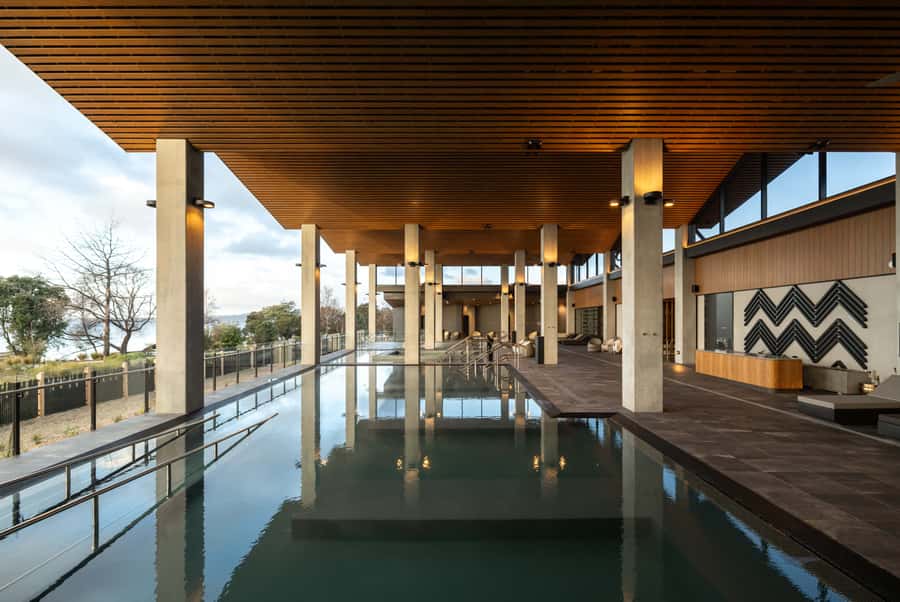
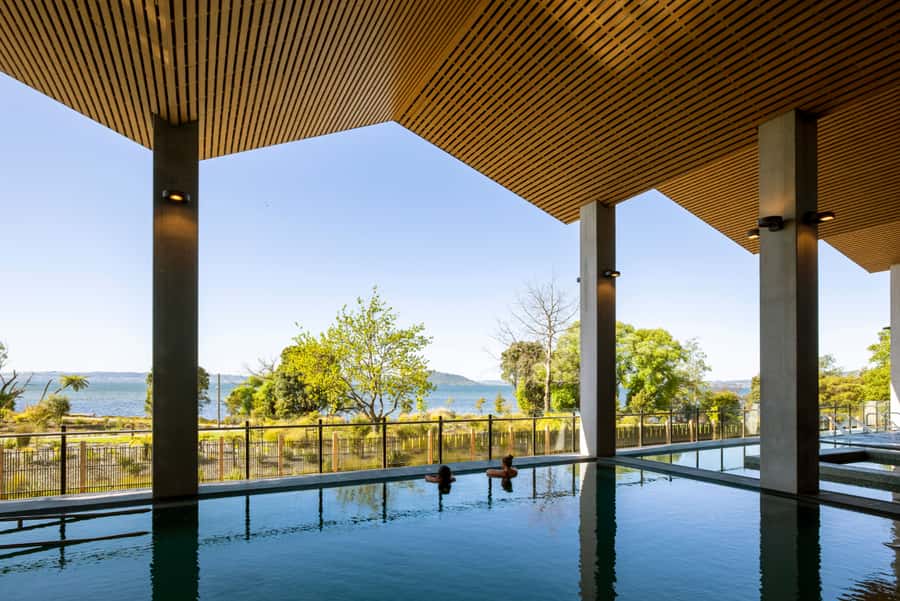
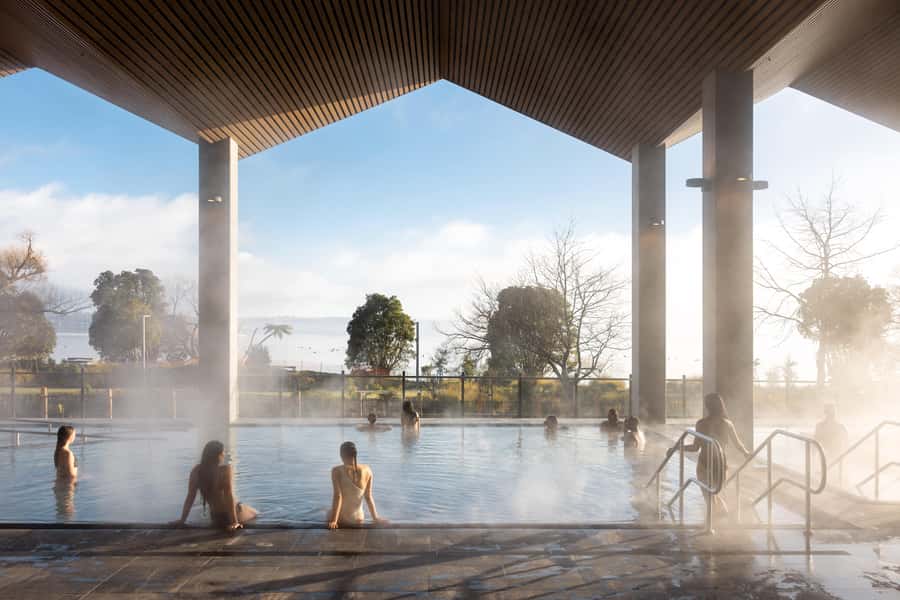
The architecture helps, too. A high roof protects the bathing area from rain and sun, which matters in Rotorua’s changeable weather. You can still enjoy the open views toward the lake without having your relaxation spoiled by a sudden shower.
More Geothermal & Hot Springs in Rotorua
- Rotorua: Wai-O-Tapu Geothermal Park Entry Ticket
★ 4.6 · 2,601 reviews - Rotorua: Hells Gate Outdoor Mud Bath & Spa Experience
★ 4.6 · 398 reviews - Wai-O-Tapu Thermal Wonderland, Rotorua, New Zealand
★ 4.5 · 379 reviews
The five waters, and how to use them
The pools are close enough to make switching easy, but the one-hour schedule means you should not linger too long in your first warm pool. I would start by looking around, then choose a sequence that mixes heat, cold, plants, and massage.
Whangapipiro, the 38 to 40°C geo soak
Whangapipiro is the first major warm soak. Its water comes from below the earth’s crust and is described as silica-rich and mineral alkaline.
The practical appeal is simple: warm mineral water can help you settle after arriving. The pool is intended to calm the mind, ease tired muscles, and leave your skin feeling smoother. I would give this pool enough time to relax, but not so much that you miss the more unusual options.
This is also a good place to take in the setting. Wai Ariki sits near Lake Rotorua, and the volcanic character of the region is not just scenery. Geothermal water is part of the reason Rotorua became such a well-known bathing destination.
Puna Wai Wera, the 40 to 41°C hot geo pool
Puna Wai Wera is the hottest pool in the sequence, with water around 40 to 41°C. It is designed for deep relaxation and works especially well after the cold plunge.
The high temperature may feel wonderful if you like a proper hot soak. If you run hot or prefer mild water, keep your visit here brief. The point is not to prove how long you can stay. A few calm minutes can be enough before moving on.
This pool also brings some of the best views, including Mokoia Island and Lake Rotorua. I would save it for after the cold plunge if you enjoy contrast, or use it near the end if you want to finish with heat.
A completely different kind of day out in Rotorua:
- Rotorua Canopy Tours: 2.5Hour Native Forest Zipline Adventure
★ 5.0 · 4,563 reviews - Mitai Maori Village: Cultural Experience and Dinner Buffet
★ 4.7 · 3,575 reviews - Rotorua’s Ultimate Zipline: 6 ziplines, 400 m Tandem, Cliff Walk
★ 5.0 · 2,557 reviews - Rotorua Rafting: Kaituna River White Water Rafting & Free Sauna
★ 5.0 · 1,952 reviews
Puna Tio, the 12°C cold plunge
At 12°C, Puna Tio is not a lukewarm dip with a dramatic name. It is genuinely cold.
Cold water immersion is presented here as part of a Māori-informed tradition of alternating hot and cold temperatures. The stated benefits include greater vigour, stamina, physical resilience, and recovery after injury. You should treat it as an optional challenge, not a test of character.
A short plunge followed by a warm pool creates the strongest physical contrast in the experience. I would make sure you know where the warm pool is before stepping in. The cold plunge may be refreshing, but it is not suitable for everyone, especially people with heart problems.
The hot and cold sequence is one of the parts that makes this visit more than a standard mineral bath. Still, listen to your body. You can enjoy Wai Ariki without using every feature.
Wai Paheko, the 38 to 39°C herbal pool
Wai Paheko is infused with kawakawa, mānuka, and kānuka. These traditional plants are associated with soothing, natural aromatherapy, relaxation, calm, and healing.
The pool also connects to Maketū, described as the sacred landing place of the Te Arawa canoe and the first settlement of Ngāti Whakaue ancestors. That link gives the herbal bathing a particular cultural setting. You are not simply sitting in scented water chosen at random.
At 38 to 39°C, this pool is slightly less hot than Puna Wai Wera. I would use it when you want to slow down after the cold plunge or after the more active jets of the hydrotherapy pool.
You should not expect a strong perfume or a treatment-room style aroma. The appeal is gentler: warm water, plant ingredients, and a cultural story connected to place.
Wai Whakaoho, the 36°C hydrotherapy pool
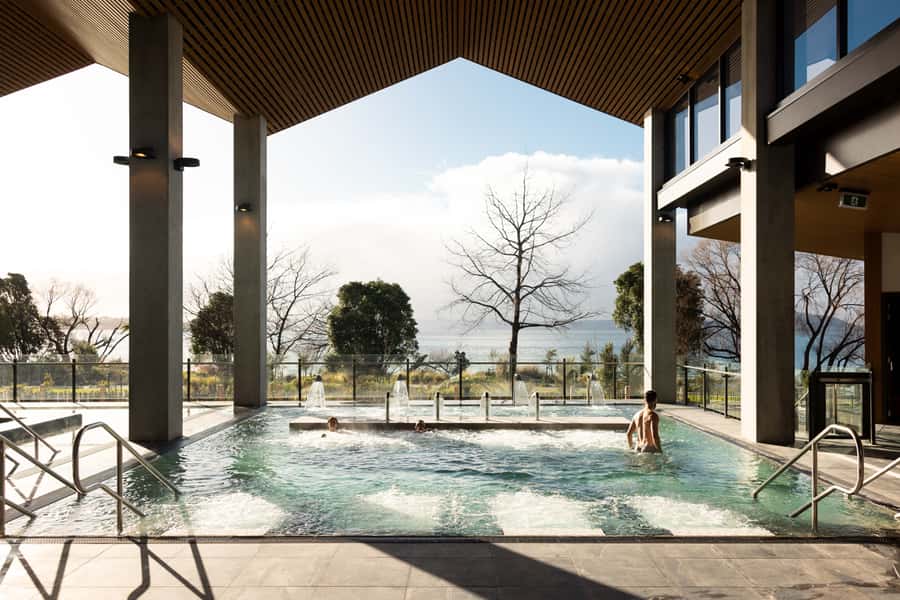
Wai Whakaoho is the most active pool. At 36°C, it is cooler than the main hot soaks and includes submerged relaxation beds, bubbling water, waterfall showers, and targeted jets.
The jets are positioned for the shoulders, neck, and lower back. This is useful if you have been carrying a backpack, sitting in a car, or walking around Rotorua all day. The submerged beds let you recline while the water does the work.
I like this pool because it gives your hour some variety. Not every minute has to be still. You can move from passive soaking to a gentle water massage, then return to a quiet pool.
The hydrotherapy pool is also described as the only hydrotherapy and herbal bathing option in Rotorua. That makes it one of the more distinctive reasons to choose Wai Ariki over a basic public hot pool.
Māori tradition is part of the experience, not decoration
The Māori elements are built into the structure of the visit. Te Hihiri, the opening blessing stone, connects the bathing to mauri, the whenua, tūpuna, and spirituality. Te Ngao closes the experience with another karakia focused on spiritual wellbeing.
The water features also carry cultural references. Wai Paheko draws on the waters of Maketū and its connection to the Te Arawa canoe and Ngāti Whakaue ancestors. This gives you a stronger sense of place than generic spa language alone.
The experience is conducted in English, and a live guide is included. The supplied information does not name the guide or describe a long guided talk, so I would expect the cultural moments to be concise and focused rather than a full cultural tour.
That is a good fit if you want cultural context without giving up most of your bathing time. If you are specifically seeking an extensive Māori history presentation, this is not the right format. Its main purpose is wellness, with cultural practice shaping the experience.
The lake view and covered roof matter
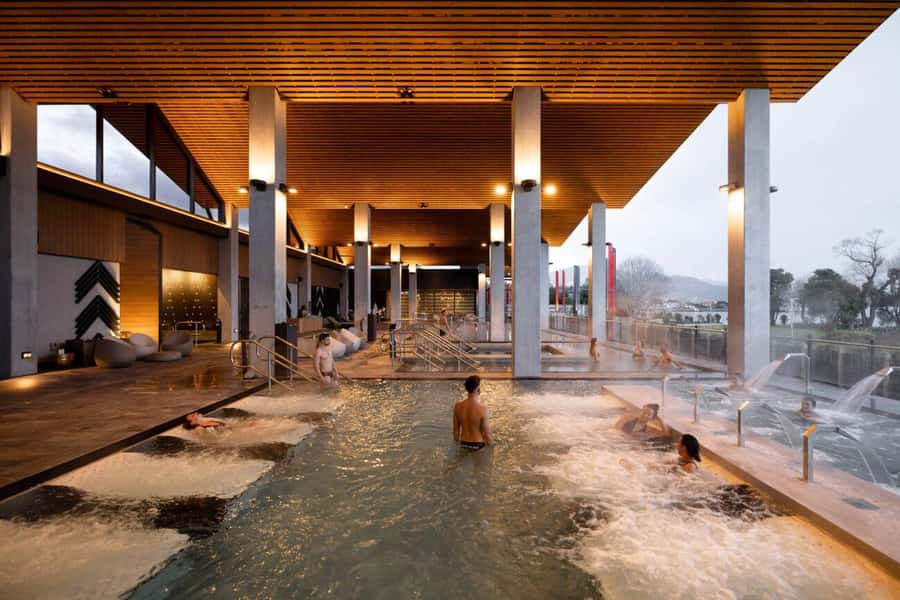
Wai Ariki is located near the shores of Lake Rotorua, with views toward Mokoia Island. The volcanic lake setting gives the hour a strong Rotorua identity. You are not in an anonymous indoor pool.
The high roof is a practical advantage. Rain does not cancel the bathing mood, and bright sun is less of a problem. You still get the feeling of being outside, while the cover protects you from the weather.
The setting is especially useful for a short visit. You do not need perfect conditions to enjoy it, and you can fit the experience into a day that includes other Rotorua activities. Free onsite parking also helps if you are driving.
What the $59 price really buys you
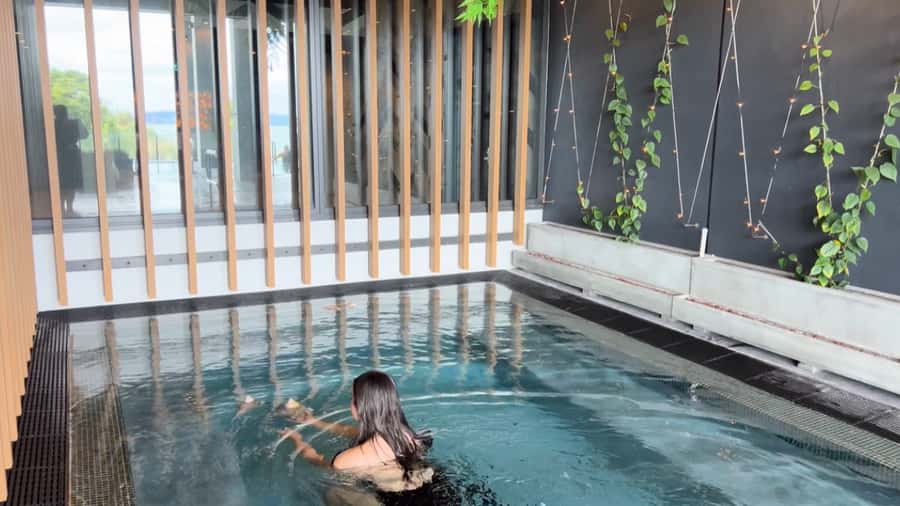
At $59 per person, this is not the cheapest way to sit in warm water. The value comes from the combination of five pools, hydrotherapy, herbal bathing, towels, lockers, water fountains, lake views, and the Māori blessings.
The one-hour duration keeps the price from feeling like a full-day spa admission. You are paying for a focused wellness session, not several hours of lounging, treatments, meals, or private facilities. Food and drinks are not included, and you need to bring your own robe if you want one.
I think the price is fair for a visitor who wants a polished, structured experience and plans to use the hydrotherapy and cold plunge. It is harder to justify if all you want is a long, quiet hot soak. Rotorua offers other bathing choices, so the added value here depends on your interest in the full mix.
The best way to protect that value is to arrive ready. Check in 15 minutes early, wear swimwear, and have flip-flops close at hand. With only 60 minutes in the water, you do not want to spend the first part of the booking sorting out small practical details.
A simple one-hour plan
You can create your own order, but this sequence gives you a useful balance:
- Begin with the opening karakia and take a short look at the pool area.
- Spend several minutes in Whangapipiro to settle into the warm mineral water.
- Try the 12°C Puna Tio cold plunge only if it feels appropriate for you.
- Follow it with Puna Wai Wera or Wai Paheko for warmth and recovery.
- Use Wai Whakaoho for the shoulder, neck, and lower-back jets.
- Finish with whichever warm pool you prefer, then attend the closing karakia at Te Ngao.
Do not treat the list as a race. You could easily spend the whole hour in two or three pools. The key is to choose the features that matter most to you instead of rushing through every option.
A morning booking may suit you if you want a quieter start. A 9:15 a.m. arrival has been associated with calm pool time and friendly staff, so an early slot is worth considering if you like a less hurried mood. Exact starting times depend on availability.
Who should book, and who should skip it
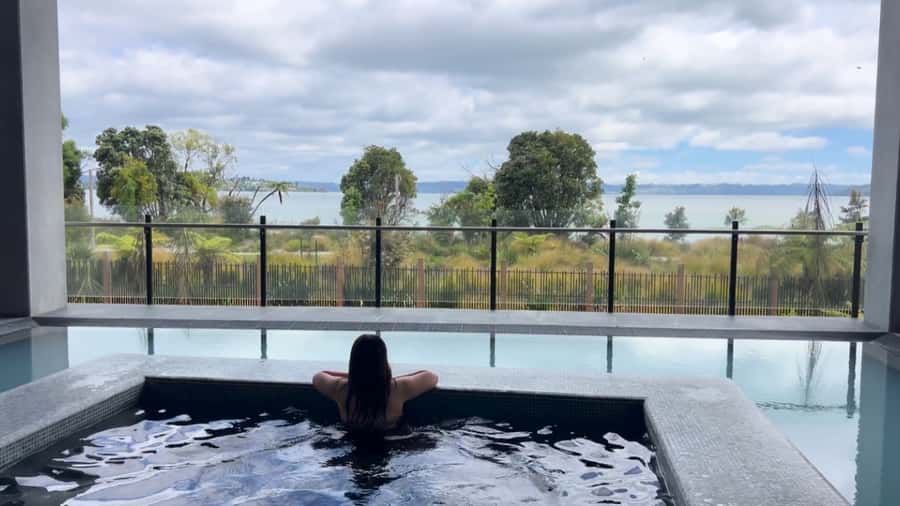
I would recommend Wai Ariki to adults who want a restful pause with a clear cultural connection. It suits couples, solo visitors, and anyone who likes the idea of moving between quiet water and active jets.
It is also a good choice after a busy day. The hydrotherapy pool targets common tension points, while the mineral and herbal pools give you slower options. You can make the hour as active or gentle as you wish.
The adults-only rule helps preserve a calm atmosphere. Children under 16 are not permitted, so families with younger children need another plan.
You should not book if you are pregnant or have heart problems. Intoxication is not allowed, and the site also prohibits alcohol, drugs, smoking, vaping, jewelry, glass objects, chewing gum, jumping, diving, nudity, and littering.
The facility is wheelchair accessible. Bring swimwear, comfortable clothes, flip-flops, toiletries, personal medication, and a reusable water bottle. Lockers, towels, and water fountains are included.
Should you book Wai Ariki?
Book it if you want more than a basic geothermal soak. The five water types, the 12°C cold plunge, the herbal pool, the targeted hydrotherapy, the lake view, and the opening and closing karakia give the hour a clear sense of purpose.
Skip it if you want a long spa day, included meals, robes, or transport. The short booking rewards planning, and some people may find the cold plunge or hottest pool too intense.
For most adults visiting Rotorua, I see this as a strong one-hour reset. The consistently high 4.8 rating fits the experience described by the available feedback: restful, friendly, and easy to enjoy. Book an early time if possible, arrive 15 minutes ahead, and focus on the pools that suit your body rather than trying to collect them all.
FAQ
How long does the Wai Ariki restorative bathing experience last?
The bathing experience lasts one hour. You should arrive 15 minutes early for check-in.
How much does the experience cost?
The price is $59 per person.
What pools are included?
Access includes Whangapipiro geothermal soak, Puna Wai Wera geothermal hot soak, Puna Tio cold plunge, Wai Paheko herbal pool, and Wai Whakaoho hydrotherapy pool.
Is a towel provided?
Yes. A towel and locker are included.
Is a robe included?
No. Robes are not included, so bring your own if you want one.
Are Māori blessings part of the experience?
Yes. A karakia is offered at the start, and a final karakia takes place at the end.
Is the experience suitable for children?
No. Children under 16 are not permitted.
Can pregnant women take part?
No. The experience is listed as unsuitable for pregnant women.
Is the facility wheelchair accessible?
Yes. The activity is wheelchair accessible.
What should I bring?
Bring swimwear, comfortable clothes, flip-flops, toiletries, personal medication, and a reusable water bottle.
Is parking available?
Yes. Free car parking is available onsite.
Can I cancel my booking?
You can cancel up to 24 hours in advance for a full refund. A reserve-now-and-pay-later option is also available.
More Massage & Relaxation
- Rotorua: Hell’s Gate Outdoor Mud Spa & Guided Walk
★ 4.7 · 1,140 reviews - Rotorua: Polynesian Spa Pavilion Hot Pool Bathing (12+ yrs)
★ 4.4 · 376 reviews - Polynesian Spa Rotorua: Deluxe Lake Spa Hot Spring Bathing
★ 4.5 · 358 reviews - Polynesian Spa Rotorua: Deluxe Lake Spa Hot Spring Bathing
★ 4.5 · 227 reviews
Just added around Rotorua
- Te Puia: Tuku Iho Trail with Cultural Show★ 5.0 · 5 reviews
- Ultimate self-drive rail car journey★ 5.0 · 5 reviews
- Private Tour Waiotapu Geothermal Shore Excursion up to 8 passengers★ 5.0 · 6 reviews
- Rotorua: Floatplane Flight with Orakei Korako Landing★ 5.0 · 6 reviews
- Rotorua: Evening Starlight Gourmet Kayak Tour with dinner★ 5.0 · 6 reviews
- Rotorua: Glow Worm Adventure Kayak★ 5.0 · 6 reviews
- Epic Tandem Kayak Tour down the Kaituna River Waterfalls★ 5.0 · 6 reviews
- From Rotorua: Whirinaki Rainforest Guided Cultural Tour★ 5.0 · 6 reviews
Geothermal & Hot Springs, compared.
Hobbiton & Rotorua including Wai-O-Tapu – Small Group Tour from Auckland
Read our review →
Wai-O-Tapu Thermal Wonderland, Rotorua, New Zealand
Read our review →
Polynesian Spa Pavilion Hot Pool Bathing (12+ yrs)
Read our review →
Polynesian Spa Rotorua: Deluxe Lake Spa Hot Spring Bathing
Read our review →
Wai O Tapu & Waimangu Eco Thermal Morning Tour
Read our review →Browse the lists this tour appears in