
Reviewed · LAKE TEKAPO STARGAZING
Silver River Stargazing Experience in Lake Tekapo
Stars need darkness. Lake Tekapo delivers it. The Silver River Stargazing Experience takes you into the Aoraki Mackenzie International Dark Sky Reserve for 75 minutes of guided sky watching, telescope views, and clear explanations of southern constellations. I especially like the small-group format, capped at ten people, and the included 14-inch Meade telescope, which means less waiting for your turn. The free shuttle and warm winter jackets also make the outing easy.
The main catch is the weather. Clouds, wind, rain, and a bright moon can limit what you see, and one poor-weather outing may become more of an astronomy talk than a star show. Still, the provider has offered partial or full refunds when conditions spoil the viewing, which helps protect your $61.44 fare.
In This Review
- Key points at a glance
- What the 75-minute Silver River outing is really like
- Entering the Aoraki Mackenzie International Dark Sky Reserve
- Taking turns with the 14-inch Meade telescope
- Guides who make the night work
- Cold air, supplied jackets, and the group photograph
- Weather is part of the deal
- What happens when clouds move in
- Is $61.44 good value?
- Who will enjoy this most?
- My practical advice before booking
- Should you book Silver River Stargazing?
- FAQ
- Where does the Silver River Stargazing Experience begin?
- How long does the experience last?
- Where does the stargazing take place?
- How many people are in the group?
- Is a telescope included?
- Are warm clothes provided?
- What happens if the weather is poor?
- Can I cancel for a full refund?
Key points at a glance
- The Dark Sky Reserve is the real star: You leave Lake Tekapo’s lights behind and enter one of the best-known stargazing areas in the Southern Hemisphere.
- A 14-inch Meade telescope provides close-up views: You may see planets, stars, and deep-space objects in a way that naked-eye viewing cannot match.
- Groups are intended to stay intimate: The advertised cap is ten people, with some outings reported at eight, though group sizes may vary.
- Guides make the difference: Wilson, Sakura, Jacob, Tara, Dan, Simon, Kieran, Sam Blair, and others have been praised for clear explanations and patient answers.
- You receive a free group photograph: Weather permitting, your personalized photo is uploaded within 48 hours for digital download.
- Bring patience and warm clothes: Jackets are supplied, but the night can still feel cold, especially when you are standing still.
What the 75-minute Silver River outing is really like
Your evening begins at Go Tekapo, 12 Rapuwai Lane, in Lake Tekapo. From there, a complimentary shuttle carries you to a private stargazing location inside the Aoraki Mackenzie International Dark Sky Reserve. That short transfer matters because it gets you away from the town’s glow without asking you to arrange a car or find a remote roadside pull-off in the dark.
The full outing lasts about one hour and 15 minutes. That is long enough for a guided introduction, naked-eye viewing, several telescope turns, questions, and a group photo, but it is not a full-night astronomy course. I would think of it as a compact and focused introduction to the southern sky.
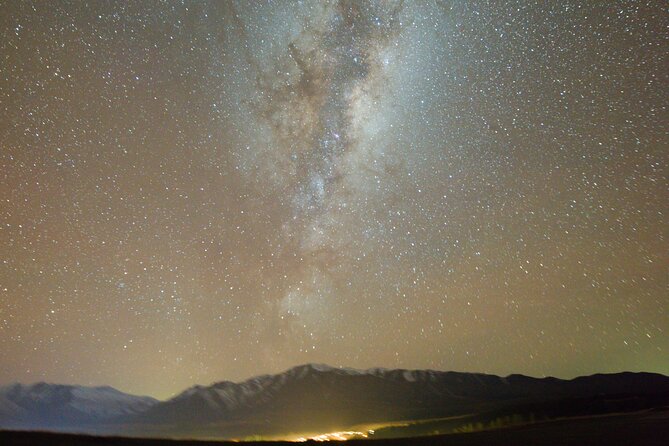
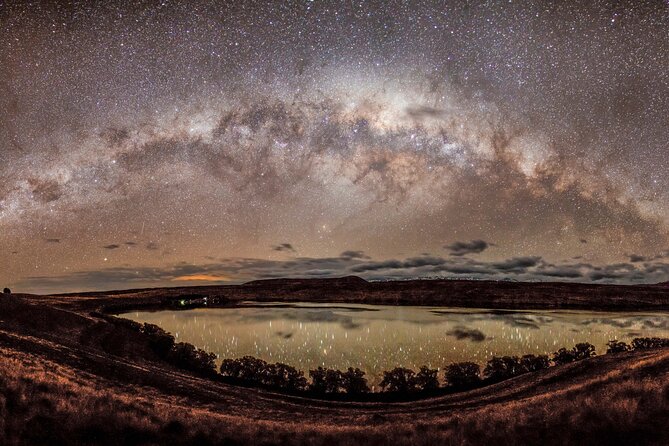
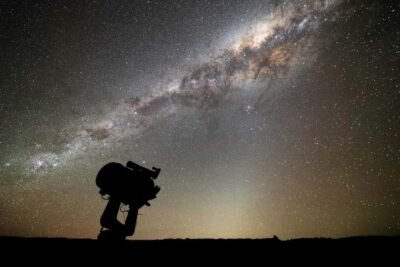
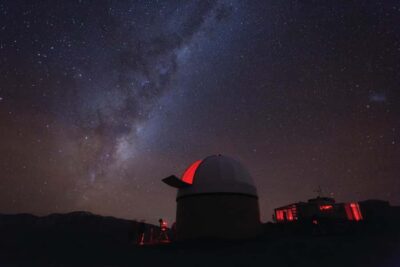
The setting is important. A dark sky does not simply make stars look a little brighter. It lets you see far more of them, including broad patterns and faint areas that disappear in light-polluted places. On a clear night, you may see the Milky Way with remarkable definition, along with southern constellations that are unfamiliar to many visitors from the Northern Hemisphere.
More Lake Tekapo stargazing:
- Lake Tekapo: Alpine Stargazing Experience with a Guide
★ 4.5 · 626 reviews - Lake Tekapo: Stargazing Experience
★ 4.9 · 607 reviews - Chameleon Stargazing Shared Tour
★ 5.0 · 181 reviews
Entering the Aoraki Mackenzie International Dark Sky Reserve
The first part of the outing is not about rushing to the telescope. Your guide uses an astro-laser to point out stars and constellations overhead. This is where the tour has its strongest educational value, since you learn how to find objects with your own eyes instead of relying only on a machine.
The Southern Cross is a likely reference point, and guides have also pointed out Orion’s Belt, planets, and the Magellanic Clouds. The exact list changes with the season, time, cloud cover, and the position of the moon. That variation is part of the appeal, but it also means you should not expect a fixed checklist of sights every night.
Several guides have been singled out for making the explanations easy to follow. Wilson has been praised for showing plenty with the naked eye as well as through the telescope. Tara has helped visitors understand the constellations, while Dan has been credited with explaining galaxies, stars, planets, navigation, and the way astronomers measure distance and time.
I like this balance. You are not simply handed a telescope and left to peer at isolated dots. The guide gives those dots a place in the sky and a connection to basic astronomy.
Taking turns with the 14-inch Meade telescope
The telescope is the main reason to book a guided outing rather than simply download a sky app. A 14-inch Meade telescope gathers far more light than your eyes can, allowing the guide to show selected objects in greater detail. Depending on the night, these may include planets, stars, galaxies, and other deep-space objects.
A clear example from one outing was Jupiter viewed through the telescope. Other sessions have focused on stars and southern-sky objects. The exact view will depend on what is visible and what the guide chooses to target, so the tour should not be treated as a guaranteed planet-by-planet program.
The small group is valuable here. With eight to ten people, you should spend less time standing in line than you would in a large astronomy session. One account described a dozen people, and another complaint involved a group large enough to reduce telescope turns. The advertised limit is ten, but group size can apparently vary, so this is worth confirming when you book if telescope time is your top priority.
A telescope view is also not the same as a glossy space photograph. Some objects may look small, faint, or less colorful than expected. One unhappy participant found the telescope image difficult to see. That criticism is fair to keep in mind: the power of the telescope is real, but your eye is looking through an eyepiece, not at a long-exposure image from a space observatory.
Guides who make the night work
The guide can make or break this kind of activity. The best sessions combine simple explanations, good pacing, and a willingness to answer questions. This outing has received strong praise for all three.
Wilson, Sakura, Jacob, Tara, Dan, Simon, Kieran, Sam Blair, Adrien, Kira, and others have been recognized for friendly instruction and enthusiasm. Jacob was described as approachable and strong at answering questions. Sakura has been praised for her astronomy knowledge and warm manner. Simon and Sam Blair were also noted for clear explanations.
That range of names suggests a team with different personalities, but the central strength is the same: you can ask questions. If you know little about astronomy, you should feel comfortable joining. One particularly useful account described the tour as a basic introduction to galaxies, stars, and planets, making it a good fit for someone without much southern-hemisphere astronomy background.
The outing may be less satisfying if you want a formal, story-heavy presentation. One critical account found little storytelling and felt the guide pointed out only a handful of familiar objects. Your experience will depend partly on the guide, the conditions, and how actively you take part.
A few more Lake Tekapo trips worth weighing up
- Tekapo Shuttle: Mt Cook Day Tour via Pukaki & Tasman Lake
★ 4.8 · 307 reviews - Lake Tekapo: Mountaintop Stargazing at Mount John Summit
★ 4.5 · 176 reviews - Mount John Observatory Stargazing Experience, Tekapo
★ 4.5 · 160 reviews - Lake Tekapo: Single Day Multiple Entry Pass for Hot Pools
★ 4.2 · 129 reviews
Cold air, supplied jackets, and the group photograph
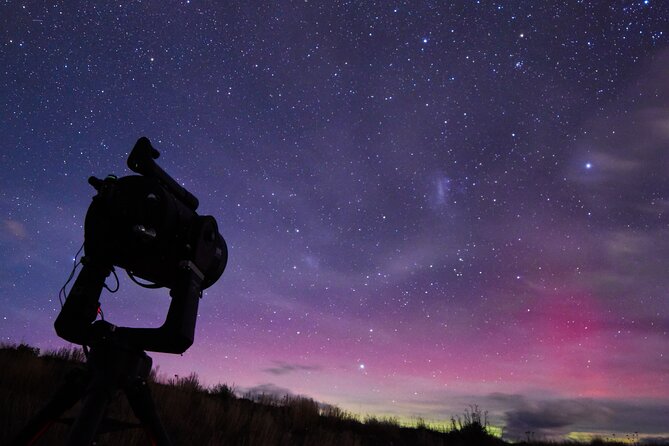
Lake Tekapo can feel cold at night even in summer. You spend much of the session outdoors and often stand still while waiting for the telescope, so take the offer of a winter jacket. One useful tip is to accept the extra coat even if the evening feels mild at the check-in office. The temperature can change quickly once you are out under the open sky.
The jackets are a practical touch, though one complaint raised concerns about the cleanliness of reused outerwear. If that matters to you, bring your own warm layers and use the supplied jacket only if needed. Gloves and a hat are sensible additions, although the supplied information does not specify that they are provided.
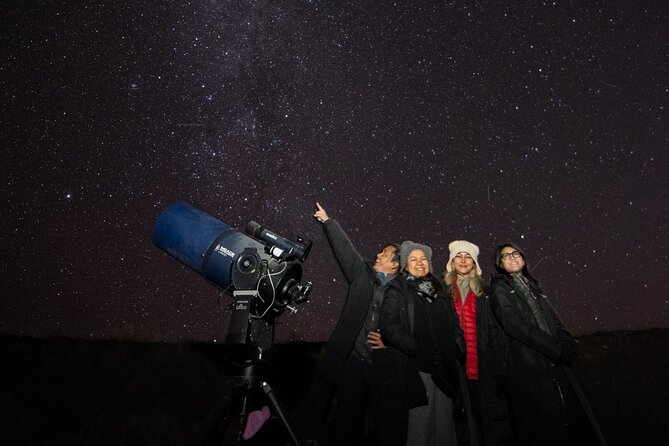
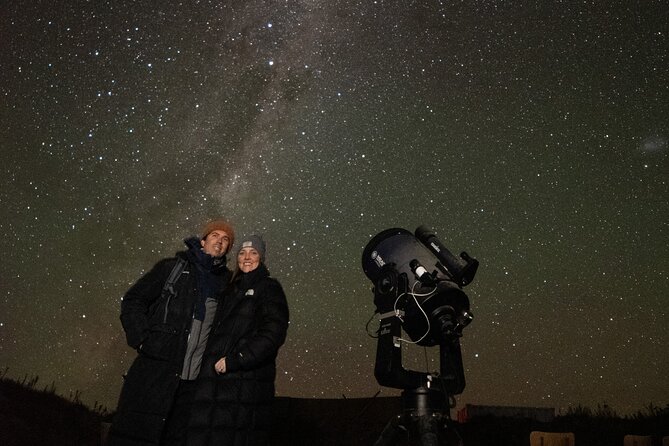
The group photograph is included at no extra charge, weather permitting. The team takes a personalized picture of you and your party beneath the night sky, then uploads it to a public Flickr website within 48 hours. You receive a link to download the digital copy and share it.
This is a nice souvenir because it records more than a telescope image. It gives you a picture of your own night in the reserve. Wind and clouds can complicate the process, but guides have still managed to photograph groups during difficult conditions.
Weather is part of the deal
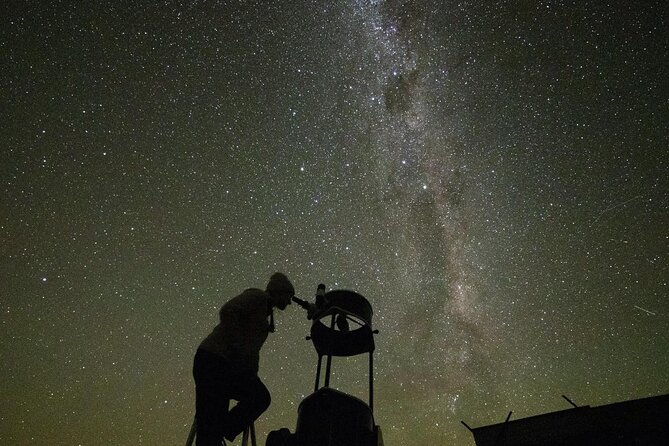
The biggest risk is not the telescope or the guide. It is the sky.
This experience requires good weather. If the provider cancels because of poor conditions, you are offered another date or a full refund. Several accounts describe full refunds being offered promptly after complete cancellations. One person had to follow up because the cancellation message was unclear and the refund did not appear at once, but the provider stated that bank processing can take several business days.
Partial viewing is more complicated. Clouds may roll in after the session starts, or wind may make photography difficult. In those cases, the guide may continue with whatever can be seen and offer a partial refund. Reported refunds include 75 percent and other partial amounts, but there is no stated fixed formula.
That flexibility is a good sign, but it does not turn a cloudy evening into a clear one. If stargazing is a major reason for your visit, schedule this early enough in your Lake Tekapo stay to leave room for another attempt. The standard cancellation policy allows you to cancel for a full refund up to 24 hours before the start time. Cancellations or changes inside 24 hours are not refunded, except when the operator cancels for weather.
The moon matters too. One successful outing took place in wind with a bright moon, yet the group still saw plenty. A full or bright moon can wash out fainter objects, while a darker moonless sky gives you a better chance of seeing the Milky Way clearly. The exact moon phase is not listed as a booking feature, so check the date if this is important to you.
What happens when clouds move in
A good guide can adapt, but there are limits. During one outing, stars were visible for only about 15 minutes before clouds covered the sky. The guide continued explaining what could be seen and offered a refund because the group missed much of the planned viewing.
Another session faced high winds, but the guide still worked to photograph the group before the weather worsened. In a different case, rain cleared enough for a rewarding session. These examples show why the tour can still have value in mixed conditions, though you should keep expectations realistic.
If the sky is completely overcast, there may be no telescope viewing at all. The operator has canceled such sessions and offered a full refund. That is preferable to sending you into the dark for a token presentation, but it may disrupt your evening plans.
Is $61.44 good value?
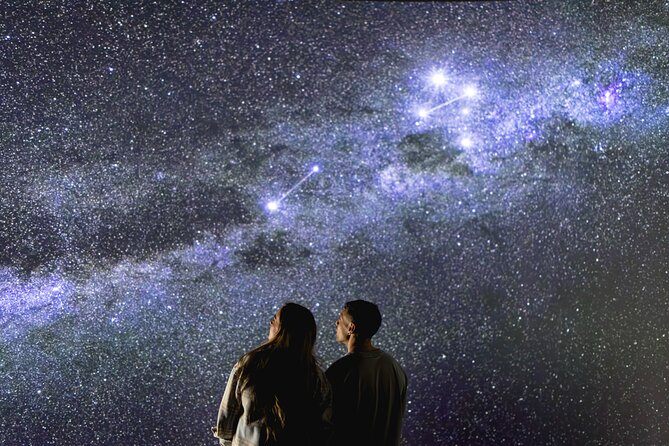
At $61.44 per person, this is not the cheapest way to look at stars. You can walk outside Lake Tekapo and see a dark sky for nothing. A phone app can also identify constellations without charge.
The fee pays for more than access to the sky. You get transport to a private location, a trained guide, an astro-laser presentation, use of a powerful telescope, warm outerwear, and a digital group photograph. You also save the effort of working out what you are seeing. For a first astronomy experience, that package offers fair value.
The small group improves the calculation. If ten people share the telescope, you have a reasonable chance of several turns. If the group is larger, the value drops, especially if your main goal is extended eyepiece time.
I would call the price worthwhile for couples, families, and first-time stargazers who want context with their views. It is less compelling for experienced amateur astronomers carrying their own equipment, or for people who only want a quick look at the Milky Way. For them, the free outdoor sky may be enough.
Who will enjoy this most?
This tour suits you if you want a friendly introduction rather than a technical astronomy lecture. The guides explain basic ideas clearly, and the question-and-answer format lets you set the depth.
Families may appreciate the earlier 10:45 p.m. option when available. Some other companies operate only at midnight or later, which can be hard with children. The late hour still requires planning, but the earlier departure can make this a more practical family activity.
It also suits couples and small groups who want a keepsake photograph. The supplied jackets help, and the shuttle removes much of the night-driving hassle.
You may want another option if you dislike uncertainty, get uncomfortable standing outside in cold weather, or expect every telescope target to look large and vivid. You should also think twice if your schedule allows only one short window and cannot handle a weather cancellation.
Service animals are allowed, the meeting point is near public transportation, and the activity states that most people can participate. The supplied information does not give detailed terrain or seating information, so contact Go Tekapo directly if you have specific mobility needs.
My practical advice before booking
Book for the clearest available night, but do not treat a forecast as a promise. Weather changes can be quick around Lake Tekapo, and the operator may need to make a final call close to departure.
Wear warm layers even when the afternoon is pleasant. Take the offered jacket, and keep your hands warm so you can enjoy the guide rather than think about your fingers.
Ask questions. The guides are set up to explain the Southern Cross, the Magellanic Clouds, planets, navigation, and the scale of the universe. You will get more from the hour if you speak up rather than simply wait for the next telescope turn.
If you are traveling with children, look for the earlier departure time. If you have flexibility, place the booking near the beginning of your stay so a weather cancellation does not erase your only chance.
Should you book Silver River Stargazing?
Yes, if you are visiting Lake Tekapo and want help understanding the southern sky. The reserve provides the essential setting, while the telescope, laser pointing, shuttle, jackets, and photograph add useful value. The consistently strong praise for guides such as Wilson, Sakura, Jacob, Tara, Dan, and Simon is also encouraging.
Book with eyes open. Clouds may cut the viewing short, wind can make the night uncomfortable, and a telescope does not guarantee dramatic, colorful images. The refund approach softens the weather risk, but you still need a backup plan for the evening.
For first-time stargazers, families seeking an earlier outing, and anyone curious about constellations beyond the Southern Cross, this is a sensible Lake Tekapo choice. If your only aim is to see stars, step outside on a clear night and judge the sky for yourself. If you want to know what you are seeing, the $61.44 guided experience earns its place.
FAQ
Where does the Silver River Stargazing Experience begin?
The meeting point is Go Tekapo at 12 Rapuwai Lane, Lake Tekapo 7999, New Zealand.
How long does the experience last?
The activity lasts approximately one hour and 15 minutes.
Where does the stargazing take place?
The tour visits the Aoraki Mackenzie International Dark Sky Reserve and uses a private stargazing location reached by complimentary shuttle.
How many people are in the group?
The experience is advertised as an intimate tour capped at ten people. The additional information also lists a maximum of 30 travelers, and some accounts describe groups of around eight to twelve people, so the exact size may vary.
Is a telescope included?
Yes. The experience includes views through a 14-inch Meade telescope, along with naked-eye observations and explanations using astro-lasers.
Are warm clothes provided?
Warm winter jackets are bundled with the experience. You should still dress warmly because the outdoor night can be cold.
What happens if the weather is poor?
If poor weather causes the operator to cancel, you are offered a different date or a full refund. If clouds or wind reduce an outing after it begins, a partial refund may be offered.
Can I cancel for a full refund?
Yes. You can cancel at least 24 hours before the local start time for a full refund. Cancellations or changes made less than 24 hours before the start time are not refunded.
Just added around Lake Tekapo
- Lake Tekapo to Mt Cook One-Way Small Group Tour★ 4.0 · 5 reviews
- Lake Tekapo Fishing Tour★ 4.8 · 10 reviews
- Mt Cook Day Tour From Tekapo (Small Group, Carbon Neutral)★ 4.5 · 11 reviews
- Lake Tekapo: Ultimate Stargazing Experience★ 4.3 · 12 reviews
- Lake Tekapo Scenic 4WD Cass Valley Wilderness Tour★ 4.9 · 13 reviews
- Lake Tekapo: Glaciers, Mountains, and Landscapes Scenic Tour★ 4.9 · 15 reviews
- Christchurch: Mt Cook & Tekapo Small-Group Tour (incl Lunch)★ 4.6 · 19 reviews
- Lake Tekapo Scenic Wilderness Cass Valley Tour★ 4.5 · 19 reviews
Lake Tekapo Stargazing, compared.
Lake Tekapo: Alpine Stargazing Experience with a Guide
Read our review →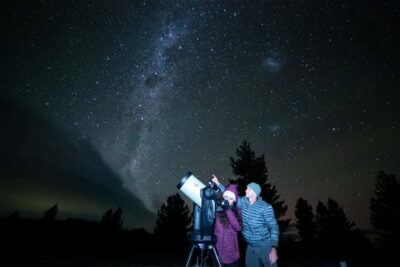
Mount Cook, Lake Tekapo and Tasman Glacier Tour from Christchurch
Read our review →
Mount Cook & Lake Tekapo Day Tour from Christchurch with Lunch
Read our review →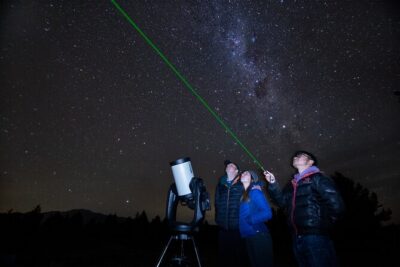
Lake Tekapo: Mountaintop Stargazing at Mount John Summit
Read our review →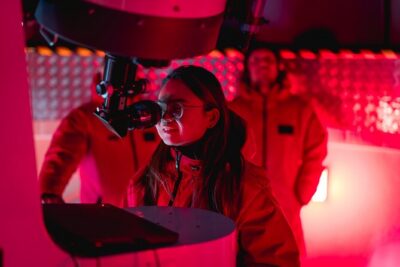
Mount John Observatory Stargazing Experience, Tekapo
Read our review →Browse the lists this tour appears in