
Reviewed · MAORI CULTURAL EXPERIENCES
Te Puia: Te Rā Guided Day Tour
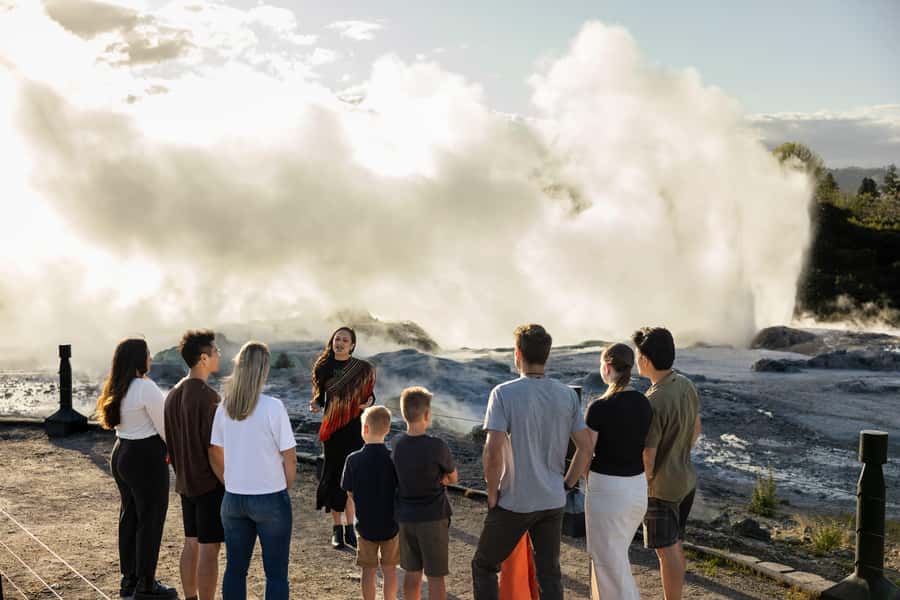
Rotorua’s earth puts on a show. Te Puia brings together three of the city’s best experiences in a tidy 90-minute visit: geothermal sights in Te Whakarewarewa Valley, Māori arts and crafts, and a look at kiwi in a nocturnal enclosure. I especially like the chance to see Pōhutu Geyser, the largest active geyser in the southern hemisphere, and the way the tour connects living Māori traditions with the land beneath your feet.
I also like that your admission supports the New Zealand Māori Arts and Crafts Institute, where students continue traditional weaving and wood, stone, and bone carving. The main drawback is time. Some visitors find the geothermal walk rushed, while the arts school receives a generous share of the tour. The balance works well for a first visit, but it may leave you wanting more time at both the geysers and the cultural displays.
In This Review
- Five things to know before you go
- Entering Te Whakarewarewa Geothermal Valley
- Why Pōhutu Geyser earns the attention
- Meeting the kiwi in a dark enclosure
- Inside the Māori Arts and Crafts Institute
- The value of a Māori guide
- Is $59 good value?
- Weather, shoes, and accessibility
- Who will enjoy Te Rā most?
- Should you book Te Puia Te Rā?
- FAQ
- How long does the Te Puia Te Rā Guided Day Tour last?
- What is included in the $59 price?
- Is food included?
- Does the tour include hotel pickup and drop-off?
- What language is the tour in?
- Can I see a kiwi during the tour?
- What should I bring?
- Can I cancel the booking?
Five things to know before you go
- Pōhutu Geyser is the headline sight: Your guide brings you close to the valley’s most famous active geyser, where steam and erupting water can change the feel of the whole visit.
- The tour is about more than hot pools: Native bush, boiling mud, Māori carving, weaving, and kiwi conservation all form part of the experience.
- The kiwi enclosure is nocturnal: You visit a specially designed dark habitat, so seeing New Zealand’s national bird depends on patience and viewing conditions.
- Guiding makes the difference: Guides such as Makaere, Paul, Michael, Nate, Mita, Kohu, and others have been praised for humor, warmth, and strong knowledge of Māori heritage.
- Ninety minutes goes quickly: Plan to arrive 15 minutes early, wear comfortable shoes, and allow extra time afterward if you want to browse the site, Āhua Gallery, or gift shop.
- The price is reasonable for a three-part visit: At $59 per person, you are paying for entry, guiding, geothermal access, the kiwi centre, and the arts institute, but not food or transport.
Entering Te Whakarewarewa Geothermal Valley
Te Puia begins at its Rotorua site, where you meet your English-speaking kaiārahi, or guide. Arrive at least 15 minutes before departure. The tour returns to the same place, so you do not need to arrange a second meeting point or worry about a complicated transfer.
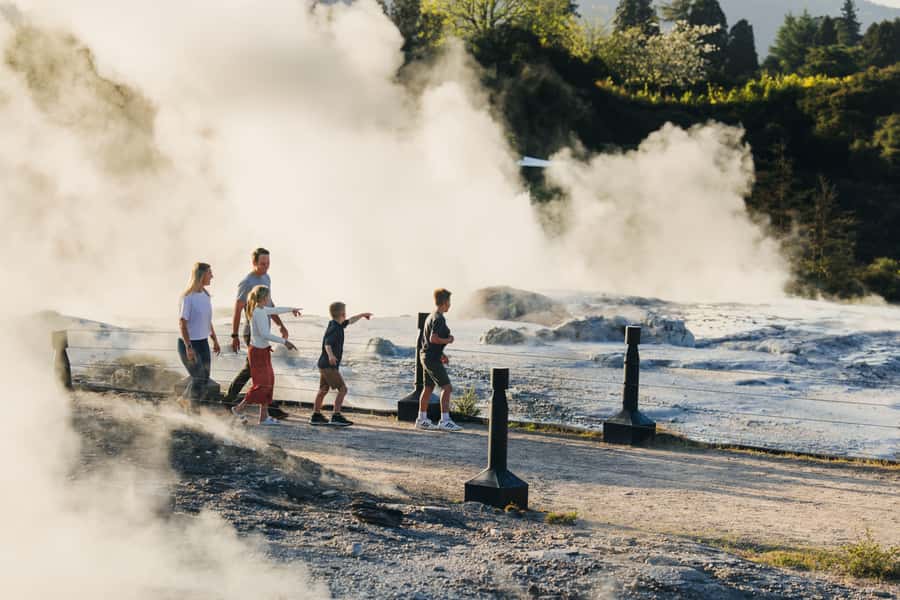
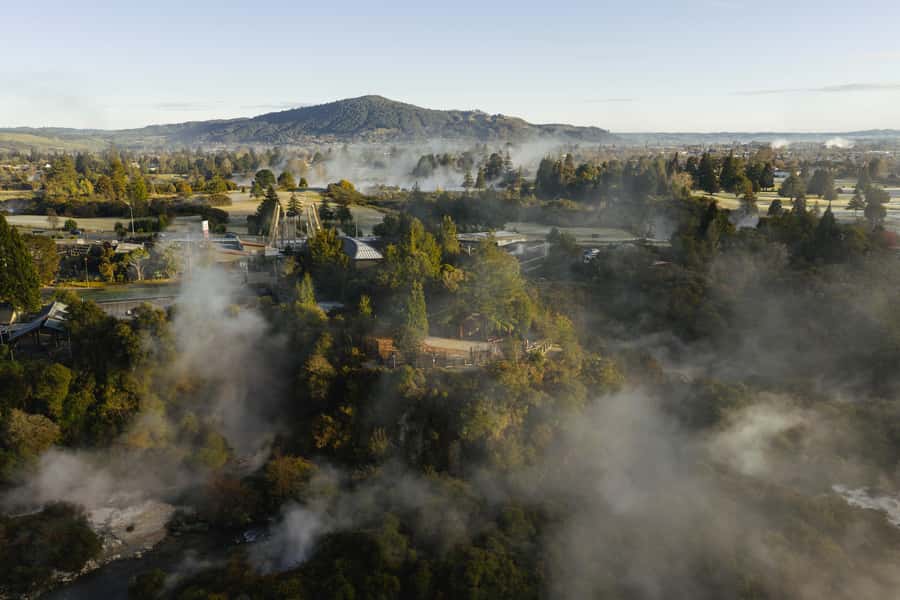
The first major draw is Te Whakarewarewa Geothermal Valley. This is not a quiet park of pretty pools. It is a working geothermal area, with steam, bubbling mud, geysers, and native bush sharing the same ground. Your guide helps explain what you are seeing and gives the sights a cultural setting rather than treating them as a collection of strange-colored puddles.
That guidance matters. Geothermal features can look similar at first glance, especially if you are trying to keep up with a group. A good guide points out the differences between a mud pool and a spring, explains why steam gathers in certain places, and helps you understand why this area has such importance to Māori communities.
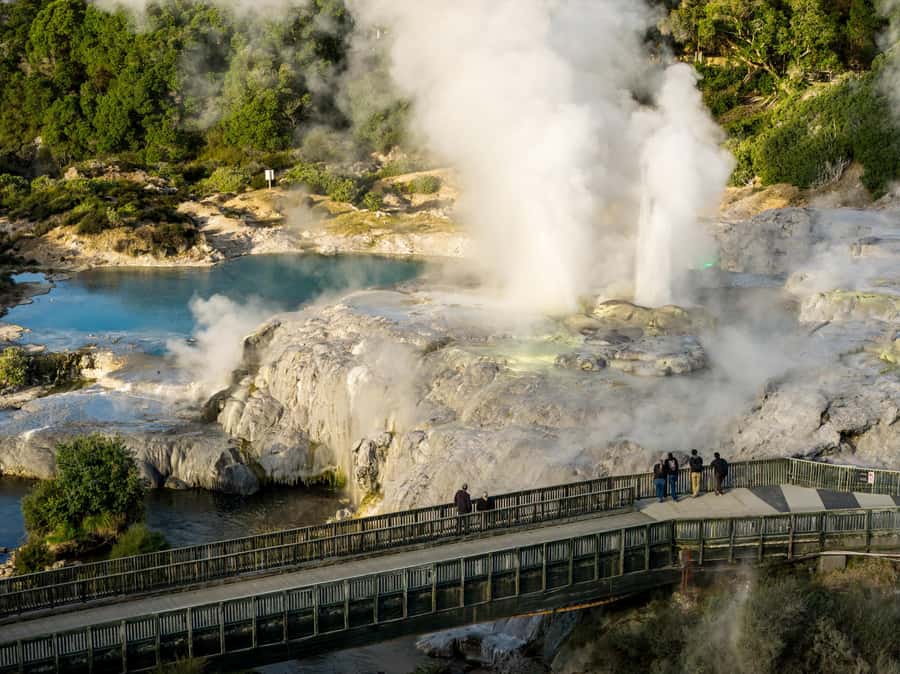
The paths lead through the valley toward Pōhutu Geyser. The name is often associated with constant activity, and the geyser is the visual star of the visit. It can send water and steam upward with impressive force, though weather affects what you see. On a cold or wet day, steam may hide part of the plume. One visitor found that the geyser was active but difficult to view clearly because of the weather.
Your guide may also suggest the best place to stand. That small piece of advice can improve the experience, since the most dramatic view is not always from the first spot where you stop. Keep your camera ready, but pay attention to the guide’s timing and safety directions around the geothermal features.
More Maori Cultural Experiences in Rotorua
- Mitai Maori Village: Cultural Experience and Dinner Buffet
★ 4.7 · 3,575 reviews - Cultural Experience & Seasonal Māori Cuisine at Te Pā Tū
★ 5.0 · 1,546 reviews - Mitai Maori Village Cultural Experience in Rotorua
★ 4.5 · 1,294 reviews
Why Pōhutu Geyser earns the attention
Pōhutu is the reason many people choose Te Puia, and it earns that billing. Seeing an active geyser erupt in front of you is more memorable than simply reading a sign about geothermal activity. The sound, heat, steam, and sudden movement give the valley a sense of power.
Still, keep your expectations sensible. Weather can make the geyser look more like a wall of white steam than a clean jet of water. One four-star account described the main geyser as active throughout the visit, but found that the full plume was hard to see in cold, wet conditions.
That is a useful warning, not a reason to skip the tour. Rotorua’s weather can change quickly, and the valley remains interesting even when the geyser does not photograph perfectly. Bubbling mud and native bush fill out the walk, while the guide gives you a reason to look beyond the biggest eruption.
The geothermal section is also where the 90-minute schedule feels tightest. If your group pauses for questions or the geyser puts on a long display, there may be less unstructured time to look around. You are following a guided route, not wandering freely through every corner of the valley.
Meeting the kiwi in a dark enclosure
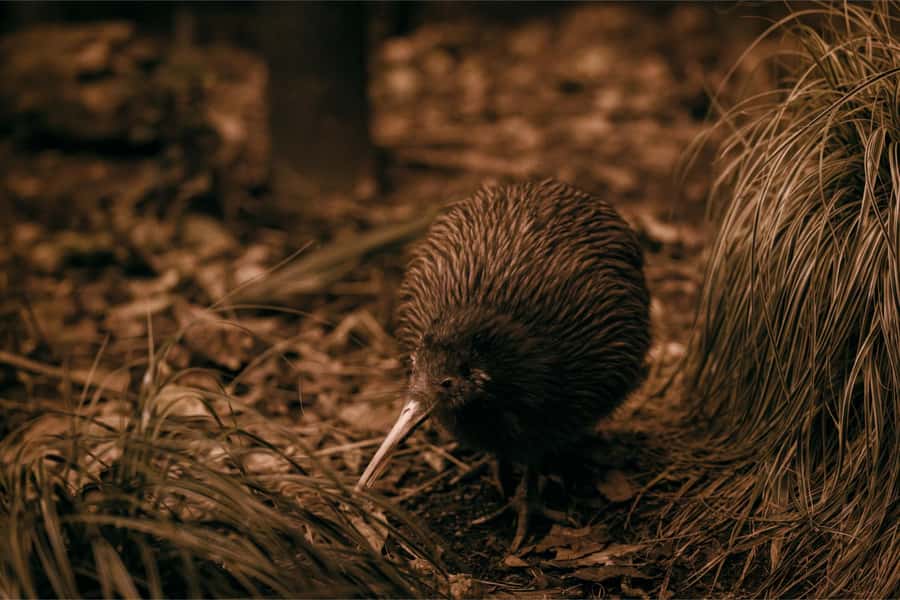
The Kiwi Conservation Centre adds a very different experience. After the bright steam and open valley, you enter a specially designed nocturnal enclosure built for New Zealand’s national bird. The lighting is kept dark to match the kiwi’s natural activity cycle.
Seeing a kiwi in person can be a highlight, especially if this is your first visit to New Zealand. The bird is not an exhibit designed for a quick photo. The dark setting protects its routine and makes the viewing more about careful observation than instant spectacle.
You may need a moment for your eyes to adjust. The kiwi can be moving, hidden, or simply difficult to spot in the low light. That is part of the point. The centre is connected to conservation, so the visit gives you a look at efforts to preserve an iconic species rather than presenting the bird as a novelty.
The kiwi stop is brief, but it adds real variety to the tour. You move from volcanic forces to Māori cultural practice, then to native wildlife. That three-part mix is one of Te Puia’s strongest features, particularly if you have limited time in Rotorua.
Inside the Māori Arts and Crafts Institute
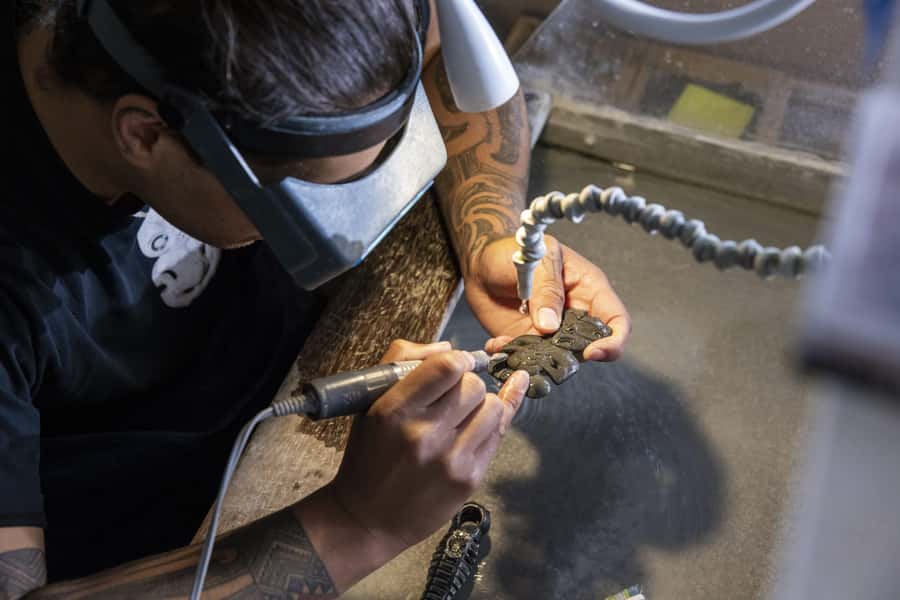
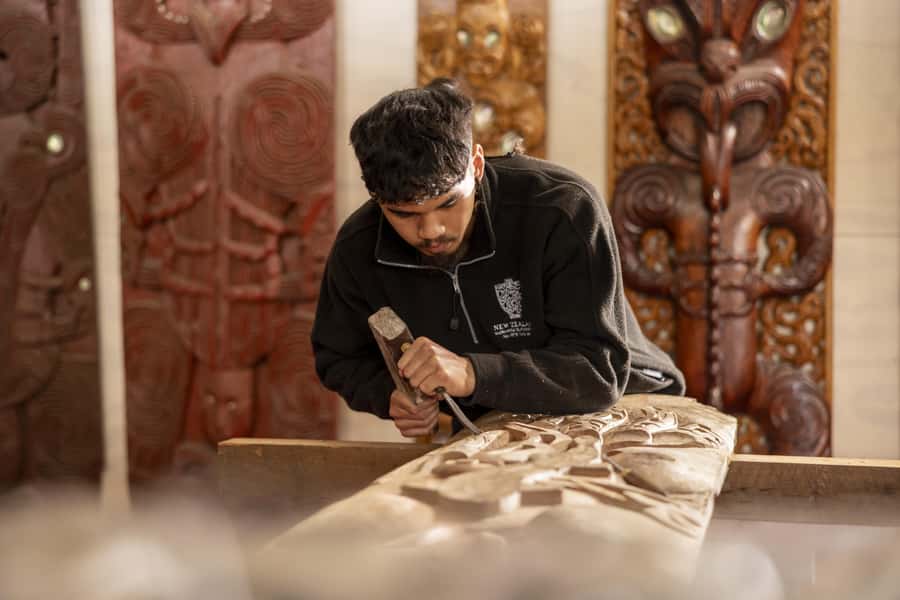
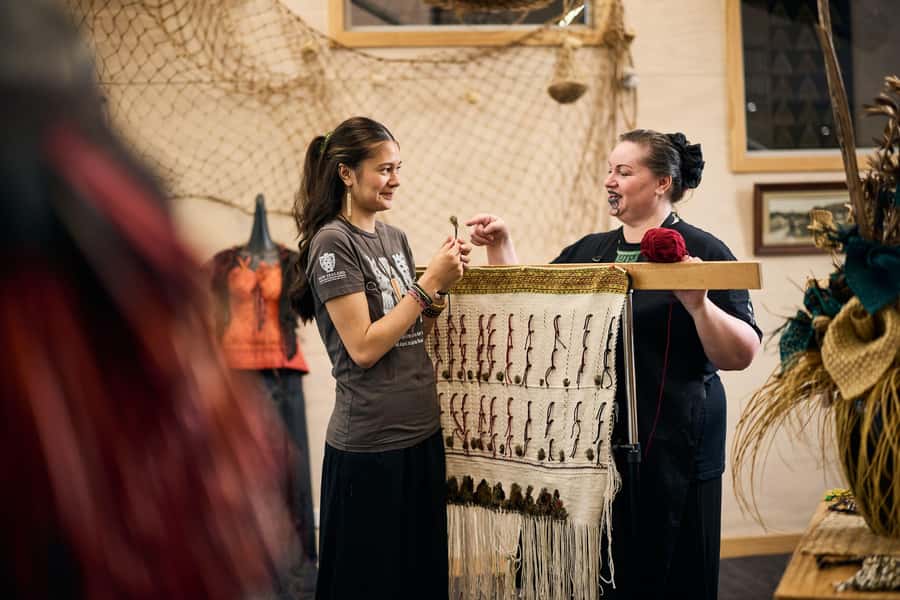
The New Zealand Māori Arts and Crafts Institute gives the tour its cultural heart. The institute is a wānanga, or school, where students practice traditional weaving and carving in wood, stone, and bone. You may see students honing skills that have been passed through generations, rather than only looking at finished objects behind glass.
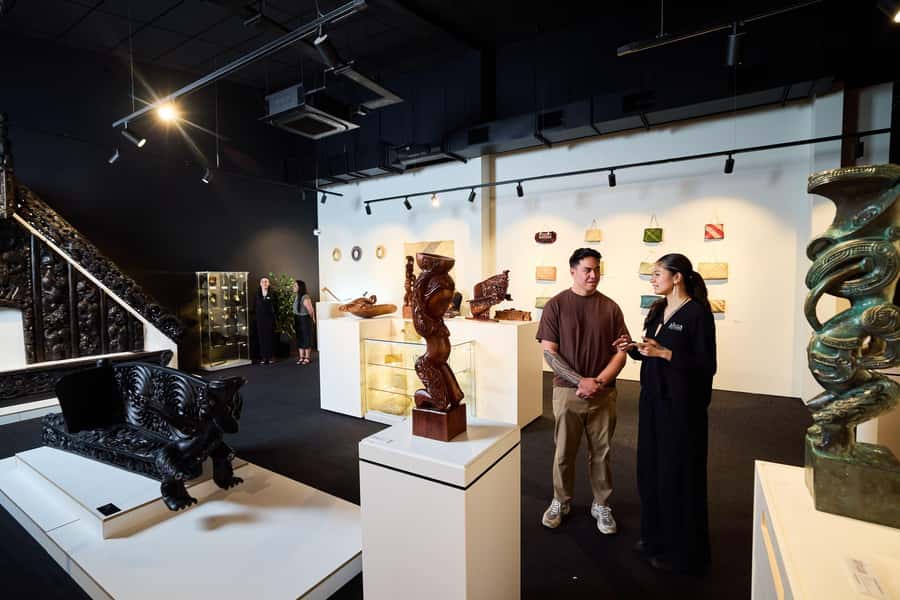
The Āhua Gallery is included as part of entry. Together, the school and gallery show Māori art as a living practice. This is important because the visit is not just about learning a few symbols or taking a quick look at decorative work. You are seeing an institution that helps keep specialized techniques in use.
The carvings can be especially striking. Wood and stone have different textures and demands, and the guide can explain how these materials contribute to Māori visual language. The tour also touches on weaving, which gives you a broader view of the craft traditions instead of focusing only on the large carved pieces.
This is where some people wish for more time. The guided schedule spends a substantial portion of the 90 minutes at the institute, and that may feel unbalanced if your main reason for coming is the geothermal valley. Others appreciate the slower cultural section and feel the geyser walk receives enough attention.
I would treat this as a choice of emphasis. If you want a fast geothermal sightseeing stop, Te Puia may feel too culture-focused. If you want to understand how Māori heritage is practiced today, the arts institute is a major strength.
A completely different kind of day out in Rotorua:
- Rotorua Canopy Tours: 2.5Hour Native Forest Zipline Adventure
★ 5.0 · 4,563 reviews - Rotorua: Wai-O-Tapu Geothermal Park Entry Ticket
★ 4.6 · 2,601 reviews - Rotorua’s Ultimate Zipline: 6 ziplines, 400 m Tandem, Cliff Walk
★ 5.0 · 2,557 reviews - Rotorua Rafting: Kaituna River White Water Rafting & Free Sauna
★ 5.0 · 1,952 reviews
The value of a Māori guide
The guide shapes the entire visit. The best descriptions of this tour focus on guides who are friendly, funny, proud of their heritage, and happy to answer questions. Names attached to particularly warm feedback include Makaere, Paul, Michael, Nate, Mita, Kohu, and other members of the guiding team.
You should not book expecting a particular guide, since assignments can change. You can expect an English-language tour led by someone whose role is to connect the geothermal valley, Māori traditions, and conservation work.
The cultural information is strongest when the guide explains the relationship between people, place, and craft. One guide was praised for sharing pride in Māori heritage and concern for the environment. Another was remembered for pointing out good positions for geyser viewing. Those details make the walk feel personal and useful.
Large groups can create a practical problem. One visitor found it difficult to hear the guide clearly when the group grew, and suggested using a microphone or radio. If you are in a large party, stay near the guide and ask for clarification if you miss a point. This is especially important during stops where steam, wind, or crowd noise competes with the commentary.
The guide’s storytelling also helps with the limited time. Without it, you might simply see a geyser, a kiwi enclosure, and a carving school. With it, the three stops connect into a single account of place, people, and preservation.
Is $59 good value?
At $59 per person, the tour offers solid value if you want all three parts of Te Puia. Your fee includes entry to Te Puia, the guided tour, Te Whakarewarewa Geothermal Valley, the Kiwi Conservation Centre, the New Zealand Māori Arts and Crafts Institute, and Āhua Gallery.
The strongest value comes from the combination. You do not have to choose between a geothermal attraction and a cultural centre, then add a separate wildlife visit. The tour gives you a guided introduction to all three in one stop.
The value is lower if you want long, independent exploration. Ninety minutes is enough for an overview, but not enough to study every craft display, linger at the geyser, and move at your own pace. The good news is that you can spend extra time looking around Te Puia after the guided experience, including the gift shop and other included areas.
Food and drinks are not included, and there is no hotel pickup or drop-off. You need to make your own way to Te Puia in Rotorua. These exclusions are easy to manage if you are already staying in or visiting Rotorua, but the tour is not a full-day package with meals and transport.
The booking terms add flexibility. You can cancel up to 24 hours before the scheduled start for a full refund, and the reserve-now, pay-later option lets you hold a place without paying immediately. Check the available starting times when you book, since the activity lasts 90 minutes but the departure schedule can vary.
Weather, shoes, and accessibility
Comfortable shoes are the one clear packing tip. The tour involves walking through the geothermal valley, so choose footwear that feels secure rather than dress shoes or thin sandals.
Rain does not automatically ruin the visit. A visitor who arrived in wet weather still found the tour worthwhile, though another person wished an umbrella had been available. Bring your own rain protection if the forecast looks unsettled. Steam and rain can also reduce visibility around Pōhutu Geyser.
The information describes the site as wheelchair accessible, but it also says the activity is not suitable for people with mobility impairments. That is a point you should clarify directly with Te Puia before booking, since general site access and the practical demands of a guided walking route may not be the same thing.
Food requirements can be discussed with the provider. One person specifically noted that the experience catered well for coeliacs, but the supplied details do not promise a particular meal or food service. Since food and drinks are not included, contact Te Puia ahead of time if you need certainty about eating arrangements.
Who will enjoy Te Rā most?
This tour suits a first-time Rotorua visitor who wants an efficient introduction to the city’s geothermal and Māori attractions. It is also a good fit for families and mixed-age groups who may not all want a long hike or a single-topic museum visit.
You will appreciate it most if you enjoy hearing local stories from a guide rather than reading signs on your own. The cultural material is central, not a brief add-on, and the arts institute rewards curiosity.
It also suits anyone who wants to see a kiwi without making the entire day about wildlife. The nocturnal enclosure is a thoughtful part of the visit, though you should accept that the bird may not appear in a perfect viewing position.
I would be less enthusiastic about it for visitors who want extended time at Pōhutu Geyser or a detailed study of Māori carving. In that case, the 90-minute schedule may feel compressed. You can improve the value by staying after the tour to explore more of Te Puia at your own pace.
Should you book Te Puia Te Rā?
Book it if you want a guided sampler of Rotorua’s three big themes: geothermal activity, Māori arts, and native wildlife. The $59 price is fair for the number of included areas, and the strongest guides turn a short visit into something far more meaningful than a quick walk past hot pools.
Go in knowing that the tour is an overview. The geothermal walk may feel rushed, the geyser can be obscured by weather, and large groups may make it harder to hear every word. Arrive early, wear comfortable shoes, bring rain protection, stay close to the guide, and plan extra time afterward.
For a first visit to Te Puia, I would book it. For a return visit, I would choose it only if you want the guide’s cultural context or have not yet seen the kiwi centre and arts institute.
FAQ
How long does the Te Puia Te Rā Guided Day Tour last?
The guided experience lasts 90 minutes, or one and a half hours. The tour begins and ends at Te Puia in Rotorua.
What is included in the $59 price?
The price includes entry to Te Puia, the guided tour, Te Whakarewarewa Geothermal Valley, the Kiwi Conservation Centre, the New Zealand Māori Arts and Crafts Institute, and Āhua Gallery.
Is food included?
No. Food and drinks are not included in the tour price.
Does the tour include hotel pickup and drop-off?
No. Hotel pickup and drop-off are not included. You need to make your own way to Te Puia.
What language is the tour in?
The live guided tour is conducted in English.
Can I see a kiwi during the tour?
The tour includes a visit to the Kiwi Conservation Centre, where kiwi are kept in a specially designed nocturnal enclosure. The experience is intended to let you see New Zealand’s national bird in a protected setting.
What should I bring?
Bring comfortable shoes. Rain protection is also sensible because weather can affect the geothermal walk and visibility around Pōhutu Geyser.
Can I cancel the booking?
You can cancel up to 24 hours in advance for a full refund. A reserve-now, pay-later option is also available.
Just added around Rotorua
- Te Puia: Tuku Iho Trail with Cultural Show★ 5.0 · 5 reviews
- Ultimate self-drive rail car journey★ 5.0 · 5 reviews
- Private Tour Waiotapu Geothermal Shore Excursion up to 8 passengers★ 5.0 · 6 reviews
- Rotorua: Floatplane Flight with Orakei Korako Landing★ 5.0 · 6 reviews
- Rotorua: Evening Starlight Gourmet Kayak Tour with dinner★ 5.0 · 6 reviews
- Rotorua: Glow Worm Adventure Kayak★ 5.0 · 6 reviews
- Epic Tandem Kayak Tour down the Kaituna River Waterfalls★ 5.0 · 6 reviews
- From Rotorua: Whirinaki Rainforest Guided Cultural Tour★ 5.0 · 6 reviews
Maori Cultural Experiences, compared.
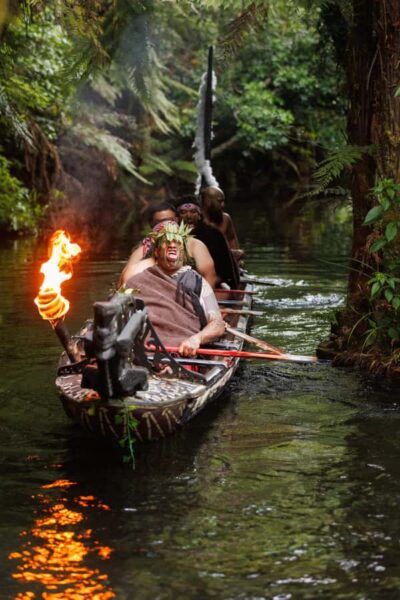
Mitai Maori Village: Cultural Experience and Dinner Buffet
Read our review →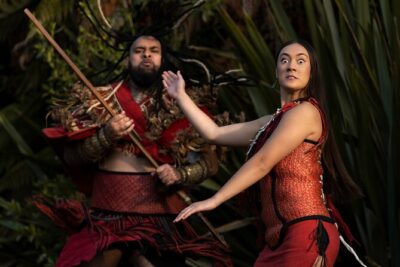
Cultural Experience & Seasonal Māori Cuisine at Te Pā Tū
Read our review →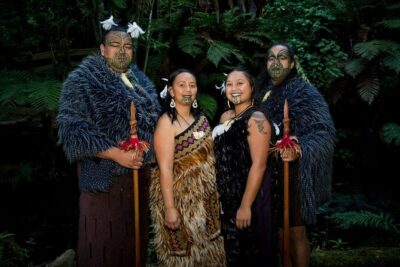
Mitai Maori Village Cultural Experience in Rotorua
Read our review →
Lake Taupo: Classical Sailing to the Māori Rock Carvings
Read our review →
Te Pa Tu Māori Cultural Experience with Dinner
Read our review →
Lake Taupō Māori Rock Carvings Scenic Cruise aboard Ernest Kemp
Read our review →
Waitomo Caves & Rotorua – Te Puia Small-Group Tour from Auckland
Read our review →
Lake Taupo: Maori Rock Carvings 10.30 AM 1.5-Hour Cruise
Read our review →Browse the lists this tour appears in