
Reviewed · MAORI CULTURAL EXPERIENCES
Te Puia: Te Rā Guided Experience
Rotorua’s earth puts on a noisy show. Te Puia combines the boiling mud pools and erupting Pōhutu Geyser of Te Whakarewarewa Thermal Valley with Māori carving, weaving, legends, and a kiwi conservation centre. I like that you get both nature and culture in one visit, and I especially value the chance to hear stories from a Māori guide rather than simply follow a path with a printed map. The main consideration is that the quality of the guided portion can depend heavily on your guide, and some people find the geothermal walk too brisk.
At $62.06 per person, the 90-minute experience is a reasonable choice if you want an introduction to Rotorua’s geothermal activity and Māori arts in one place. I would allow extra time after the tour, since you can continue exploring the site, revisit the geyser area, and spend longer at the workshops and kiwi centre.
In This Review
- What makes Te Puia worth your time
- Entering Te Whakarewarewa Thermal Valley
- Māori stories, carving, and weaving
- The kiwi conservation centre
- Bubbling mud pools and steaming springs
- Waiting for Pōhutu Geyser
- The optional Māori cultural performance
- Is $62.06 good value for 90 minutes?
- How to plan the 90-minute visit
- Who will enjoy Te Puia most?
- Should you book the Te Rā Guided Experience?
- FAQ
- Where does the Te Puia Te Rā Guided Experience begin?
- Where does the experience finish?
- How long does the guided experience last?
- What is included in the price?
- Is hotel pickup included?
- Can I see Pōhutu Geyser erupt?
- Is the cultural performance included?
- What does the Māori cultural performance include?
- Can I see a kiwi at Te Puia?
- What is the cancellation policy?
What makes Te Puia worth your time
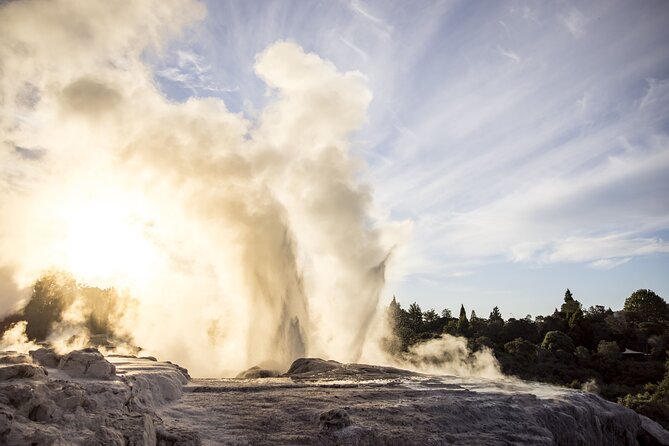
- Pōhutu Geyser can erupt up to 20 times a day, reaching around 100 feet, or 30 metres.
- The Māori Arts and Crafts Institute lets you see woodcarving, bone and greenstone carving, and flax weaving.
- A Māori guide leads the experience, adding stories about settlement, traditions, and legends.
- The kiwi conservation centre offers a chance to see New Zealand’s national bird in a nocturnal enclosure.
- The optional cultural performance includes a ceremonial welcome, poi, stick games, weaponry displays, and the haka.
- You can stay after the guided visit, which helps if the 90-minute route feels too quick.
Entering Te Whakarewarewa Thermal Valley
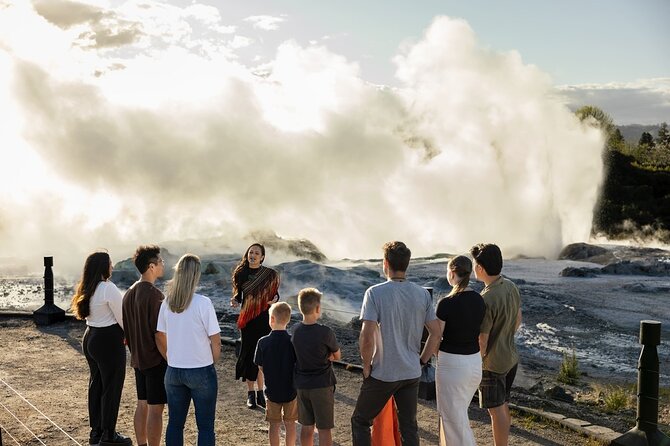
Te Puia sits on Hemo Road in Rotorua, inside the geothermal valley of Te Whakarewarewa. You make your own way there and meet the guide at the entrance to the New Zealand Māori Arts and Crafts Institute. There is no hotel pickup or drop-off, so check your route before booking, particularly if you are fitting this into a short Rotorua stop.
The setting immediately tells you why Te Puia is more than a standard cultural centre. Steam rises from the ground, mud pools bubble, and the smell of sulphur hangs in the air. It is not unpleasant for everyone, but you should expect the unmistakable rotten-egg scent that comes with geothermal activity.
The route links several parts of the site, but the experience is not simply a geyser walk. Your guide explains how Māori life in Rotorua is connected with the land, the geothermal valley, and traditions passed down through generations. That connection gives the visit more meaning than a quick stop for photographs.
The tour can include up to 36 people. That is not enormous by coach-tour standards, but it is large enough to affect how easily you hear the guide or see into the kiwi enclosure. A group of around 20 has been reported on some departures, and even that size can require the group to keep moving.
More Maori Cultural Experiences in Rotorua
- Mitai Maori Village: Cultural Experience and Dinner Buffet
★ 4.7 · 3,575 reviews - Cultural Experience & Seasonal Māori Cuisine at Te Pā Tū
★ 5.0 · 1,546 reviews - Mitai Maori Village Cultural Experience in Rotorua
★ 4.5 · 1,294 reviews
Māori stories, carving, and weaving
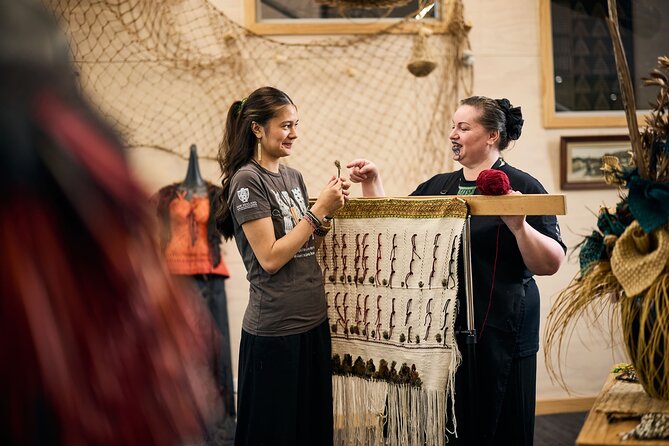
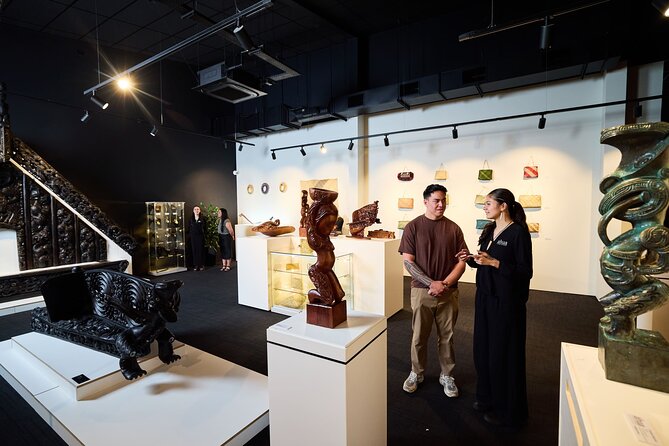
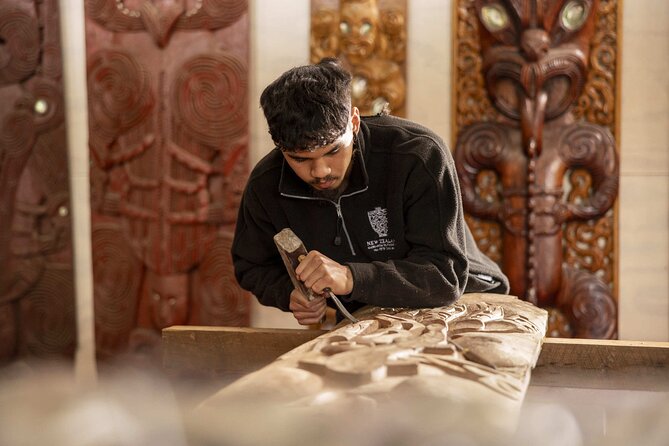
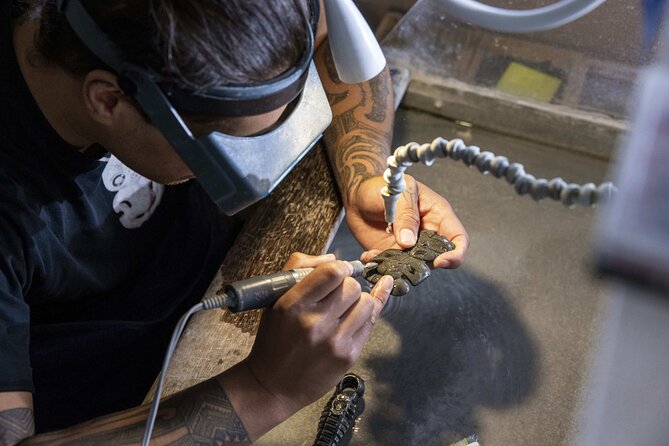
The cultural part of the visit begins at the arts and crafts institute. Here you can watch master woodcarvers and artisans at work, including people trained in wood, bone, and greenstone carving. You also see flax weaving, an intricate craft that requires patience and a steady hand.
I like this section because it shows Māori culture as a living practice rather than a display of old objects behind glass. The workshops connect directly with the stories told by the guide, and you get a clearer idea of how artistic skill, family teaching, and tradition fit together.
The amount of explanation can vary. Some guides add memorable stories and useful detail, while others keep the commentary light. Rebecca received particularly warm praise for making the visit interesting, and Ivy was also singled out for giving a strong tour with support from Buster. Those examples suggest what a good guide can add: context, warmth, and a sense that the place is more than a collection of attractions.
On the other hand, some people have found their guide difficult to hear or too inexperienced. One criticism described a guide walking ahead without a microphone, while another found the cultural information limited. If you cannot hear clearly, speak up early rather than waiting until the group has moved on.
The kiwi conservation centre
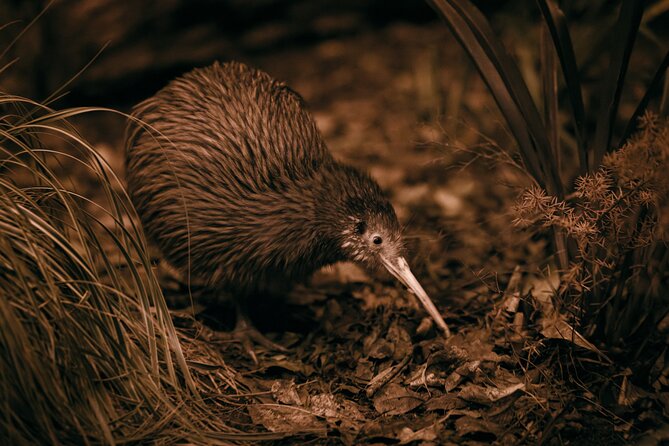
The nocturnal kiwi house offers one of the most unusual parts of the visit. Since kiwi are active at night, the enclosure is kept dark. You look through viewing windows and may catch one moving around in search of food.
Seeing a kiwi is never quite like seeing a brightly coloured zoo animal. The bird is flightless, unusual in shape, and often only visible for a short time. Several people have described seeing one up close, including a kiwi searching for worms, which can be a memorable moment for children and adults alike.
The drawback is time. Groups may move past the windows fairly quickly, and you might not get a long look. Keep your eyes on the darker areas of the enclosure and be ready when the bird appears. If the kiwi centre matters greatly to you, ask the guide how much time the group has there.
The centre also gives the geothermal visit a conservation angle. You are not just looking at a national symbol on a sign. You are seeing an effort to protect and present the bird in a carefully controlled setting.
Bubbling mud pools and steaming springs
The walking route continues through the geothermal area, where steaming vents, hot springs, and bubbling mud pools show the force below Rotorua. Mud pools are less dramatic than a geyser, but I find them just as useful for understanding the place. The slow plop of grey mud makes the ground feel active and unpredictable.
Stay on the marked path and keep to the group’s instructions. The very features that make the valley exciting also make it unsafe to wander freely. Steam can obscure parts of the route, and the strong smell becomes more noticeable near some pools.
This section is where the pace matters most. Some guides lead the group past the key points and then give you time to wander. Others keep the commentary moving and leave you wishing for longer at the mud pools. A few people have felt that the important geothermal areas were rushed, while others found the 90-minute tour a useful overview.
You can make the most of it by treating the guided route as an introduction, not the complete visit. Note the places you want to revisit, then return after the formal tour if time allows.
A completely different kind of day out in Rotorua:
- Rotorua Canopy Tours: 2.5Hour Native Forest Zipline Adventure
★ 5.0 · 4,563 reviews - Rotorua: Wai-O-Tapu Geothermal Park Entry Ticket
★ 4.6 · 2,601 reviews - Rotorua’s Ultimate Zipline: 6 ziplines, 400 m Tandem, Cliff Walk
★ 5.0 · 2,557 reviews - Rotorua Rafting: Kaituna River White Water Rafting & Free Sauna
★ 5.0 · 1,952 reviews
Waiting for Pōhutu Geyser
Pōhutu Geyser is the star of Te Puia. It can erupt up to 20 times daily and reach about 30 metres, or 100 feet. That frequency gives you a good chance of seeing activity, but an eruption is not guaranteed during the exact minutes of your tour.
Some people arrive and see several geysers erupt, while others miss the main show and feel disappointed given the ticket price. That is the central risk of any geothermal attraction built around natural activity. The mud pools and steam vents remain active even if Pōhutu keeps quiet, but the visit feels different without the big eruption.
Your guide provides background on the geysers and geothermal forces at work. When the timing cooperates, the spectacle is striking: water shoots upward, steam spreads across the valley, and the scale of the eruption makes school geography feel suddenly real.
Try not to judge the entire experience only by whether the geyser erupts during your group’s window. The Māori institute, kiwi centre, workshops, and wider geothermal route are all part of the entry. Still, if Pōhutu is your only reason for coming, you should understand that nature keeps its own schedule.
The optional Māori cultural performance
You can upgrade the visit to include a Māori performance, offered several times during the day. It begins with a ceremonial welcome at the marae, the meeting place, and may include the hongi, the traditional nose-to-nose greeting.
The performance features song and dance, poi dances, stick games, weaponry displays, and the haka. The haka is often the moment children remember most, but the full performance matters because it places the dance within a wider welcome and cultural presentation.
I would add the performance if this is your first visit to Rotorua and you want more than a short introduction to Māori traditions. It gives the cultural side of Te Puia greater weight and breaks up the geothermal touring with something staged, focused, and energetic.
The experience is not equally compelling for everyone. If you have already seen several Māori performances elsewhere in New Zealand, you may prefer to spend the extra time on the geothermal paths and workshops. One poor experience also described a guide asking only men to take part in a haka demonstration, which left other members of the group with little to do. That sort of presentation will depend on the day and the person leading it, but it is a fair reason to judge the performance as an optional extra rather than an essential part of the basic ticket.
Is $62.06 good value for 90 minutes?
At $62.06, the price is not a bargain-bin admission. You are paying for access to several parts of Te Puia: the geothermal valley, the Māori Arts and Crafts Institute, the kiwi conservation centre, the carving and weaving schools, the marae, and a professional guide.
The value is strongest when you want a broad Rotorua introduction without arranging separate visits. In one stop, you see the natural forces beneath the valley, learn about Māori arts, and have a chance to see a kiwi. Families may find that combination particularly useful because it gives children several different things to focus on.
The value is weaker if you mainly want a quiet walk through the geyser field. Several people have felt they could have explored more slowly on their own, and some considered the guided commentary too light for the price. If your priority is geothermal scenery alone, compare Te Puia with other Rotorua geothermal areas before committing.
The ability to remain on site after the formal tour helps. Spend more time at the places your guide had to pass quickly, look again for the kiwi, and return to the geysers. The Oha Store is also worth a browse, with locally made handcrafted items and taonga, or treasures, available at what some found reasonable prices. Food and drinks are not included, although the on-site café has received positive comments.
How to plan the 90-minute visit
The basic experience lasts about 1 hour 30 minutes. Since it ends back at the meeting point, you can leave then or continue looking around the site.
For a smoother visit, I would use this simple plan:
- Arrive with enough time to find the Te Puia entrance on Hemo Road.
- Wear shoes suitable for a walking path and geothermal viewing areas.
- Stay close enough to hear the guide, especially in a group of up to 36.
- Ask questions if the commentary is hard to hear.
- Watch the geyser closely, but treat the eruption as a bonus rather than a promise.
- Leave time after the tour for the kiwi centre, craft workshops, mud pools, or shop.
- Add the cultural performance if Māori song, dance, and ceremony are a central reason for your visit.
The site is near public transportation, and service animals are allowed. Most people can take part, but the route involves walking, so consider your own comfort with a 90-minute outdoor visit.
Who will enjoy Te Puia most?
I would recommend Te Puia to you if you want Rotorua’s geothermal activity and Māori culture in the same experience. It suits first-time visitors, families, and anyone who prefers having local stories explained rather than simply reading signs.
It is also a good opening activity for a Rotorua stay. Several people have found it a useful way to get oriented to the region’s geothermal activity and Māori heritage before visiting other attractions.
You may want a different option if you dislike group touring, need long quiet stretches at each viewpoint, or expect a detailed cultural lecture from the basic package. The guided experience can be excellent with a strong guide, but it can feel thin with a rushed or inexperienced one.
The 4.5 rating from 332 published ratings reflects that split well. The site itself earns steady praise for its geysers, mud pools, kiwi centre, and craft schools. The weaker experiences usually focus on guide quality, pace, or unclear commentary rather than the natural setting.
Should you book the Te Rā Guided Experience?
Book it if you want a practical introduction to Rotorua that combines Pōhutu Geyser, Māori arts, and kiwi conservation in one 90-minute visit. The guide can turn a striking geothermal site into a more meaningful cultural experience, and the option to remain afterward improves the value.
I would choose the cultural-performance upgrade if you have not seen a Māori performance before. If you mainly want to photograph geysers, consider a self-guided visit or another geothermal attraction where you can set your own pace.
The best approach is to arrive with realistic expectations. You are buying a compact overview, not an all-day private tour. With a strong guide, Te Puia can be memorable and thoughtful. With a weak one, the scenery may do most of the work.
FAQ
Where does the Te Puia Te Rā Guided Experience begin?
It begins at Te Puia, on Hemo Road in Whakarewarewa, Rotorua, New Zealand.
Where does the experience finish?
The activity ends back at the Te Puia meeting point.
How long does the guided experience last?
The experience lasts approximately 1 hour 30 minutes.
What is included in the price?
The price includes a professional guide, entry to the geothermal valley, the kiwi conservation centre, the wood, bone and greenstone carving areas, flax weaving schools, a marae, and a Māori village.
Is hotel pickup included?
No. Hotel pickup and drop-off are not included, so you need to make your own way to Te Puia.
Can I see Pōhutu Geyser erupt?
Pōhutu Geyser erupts up to 20 times a day, but an eruption is not guaranteed during your visit.
Is the cultural performance included?
The Māori cultural performance is an optional upgrade rather than part of the basic guided experience.
What does the Māori cultural performance include?
It can include a ceremonial welcome, the hongi greeting, weaponry displays, poi dances, stick games, Māori song and dance, and the haka.
Can I see a kiwi at Te Puia?
The experience includes entry to the nocturnal kiwi house at the kiwi conservation centre, where you may see New Zealand’s flightless national bird.
What is the cancellation policy?
You can cancel at least 24 hours before the experience start time for a full refund. Cancellations or changes made less than 24 hours before the start time are not accepted for a refund.
Just added around Rotorua
- Te Puia: Tuku Iho Trail with Cultural Show★ 5.0 · 5 reviews
- Ultimate self-drive rail car journey★ 5.0 · 5 reviews
- Private Tour Waiotapu Geothermal Shore Excursion up to 8 passengers★ 5.0 · 6 reviews
- Rotorua: Floatplane Flight with Orakei Korako Landing★ 5.0 · 6 reviews
- Rotorua: Evening Starlight Gourmet Kayak Tour with dinner★ 5.0 · 6 reviews
- Rotorua: Glow Worm Adventure Kayak★ 5.0 · 6 reviews
- Epic Tandem Kayak Tour down the Kaituna River Waterfalls★ 5.0 · 6 reviews
- From Rotorua: Whirinaki Rainforest Guided Cultural Tour★ 5.0 · 6 reviews
Maori Cultural Experiences, compared.
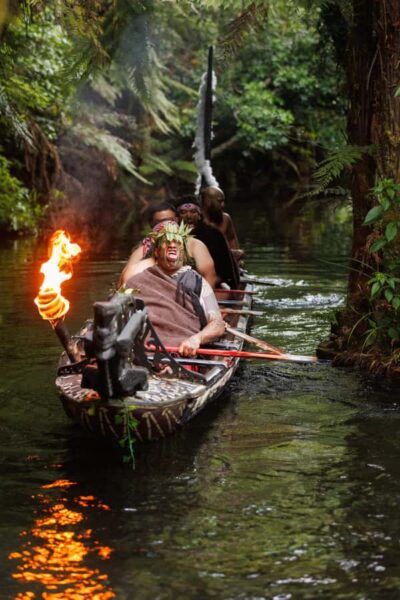
Mitai Maori Village: Cultural Experience and Dinner Buffet
Read our review →
Cultural Experience & Seasonal Māori Cuisine at Te Pā Tū
Read our review →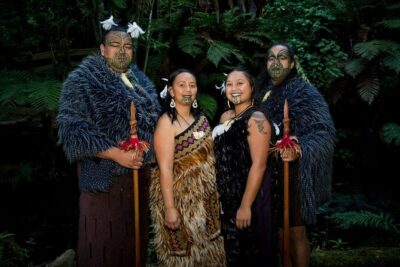
Mitai Maori Village Cultural Experience in Rotorua
Read our review →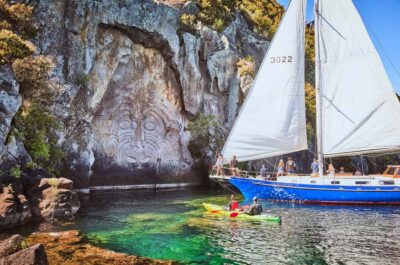
Lake Taupo: Classical Sailing to the Māori Rock Carvings
Read our review →
Te Pa Tu Māori Cultural Experience with Dinner
Read our review →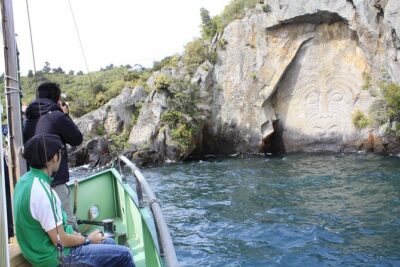
Lake Taupō Māori Rock Carvings Scenic Cruise aboard Ernest Kemp
Read our review →
Waitomo Caves & Rotorua – Te Puia Small-Group Tour from Auckland
Read our review →
Lake Taupo: Maori Rock Carvings 10.30 AM 1.5-Hour Cruise
Read our review →Browse the lists this tour appears in