
Reviewed · LAKE TEKAPO STARGAZING
Twizel: Stargazing Tour with an Astronomer and Telescope
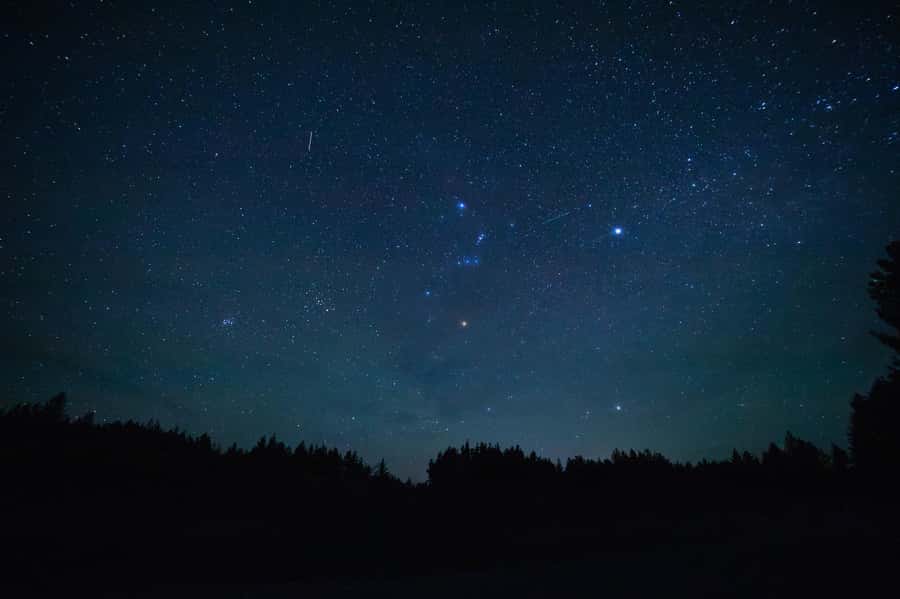
Stars look different from here. Twizel sits under the Aoraki Mackenzie International Dark Sky Reserve, where low light pollution lets you see far more than a few bright points overhead. I like the small group of up to 10 and the way astronomer Daniel turns complex astronomy into clear, engaging stories.
I also like the powerful telescope and personal night-sky photo, which give the evening a memorable finish. The main drawback is the cold: even summer nights can be bitter, and cloudy weather can cancel the tour.
- Southern-hemisphere highlights: Depending on the season, you might see the Milky Way, Orion, Saturn, Jupiter, Alpha Centauri, star clusters, nebulae, or distant galaxies.
- Daniel’s teaching style: Explanations are designed for ordinary curious people, not only serious astronomy fans.
- A proper telescope session: The second half moves from laser-guided viewing to close looks at objects selected for that night.
- Comfort in a cold setting: Outdoor chairs and blankets are provided, but you still need warm layers, a hat, and gloves.
- A personal souvenir: The tour ends with an astrophoto of you beneath the stars.
- Good value for a short evening: At $59 per person for 75 minutes, the intimate format and telescope access make this a reasonably priced Twizel activity.
In This Review
- Twizel’s Dark Sky Advantage
- A 75-Minute Tour With a Clear Structure
- The Laser-Guided Tour of Stars and Constellations
- The Telescope Session: Planets, Nebulae, and Galaxies
- Daniel’s Approach Makes the Science Easy to Follow
- The Personal Astrophoto Is More Than a Small Extra
- Cold Weather Is the Main Practical Challenge
- Is $59 Good Value for 75 Minutes?
- Who Will Enjoy This Twizel Activity Most?
- How This Fits Into a Twizel Visit
- Should You Book Stargaze Mackenzie?
- FAQ
- How long is the Twizel stargazing tour?
- How much does the tour cost?
- Where does the tour meet?
- What should I bring?
- Can children join the tour?
- What happens if the weather is cloudy?
Twizel’s Dark Sky Advantage
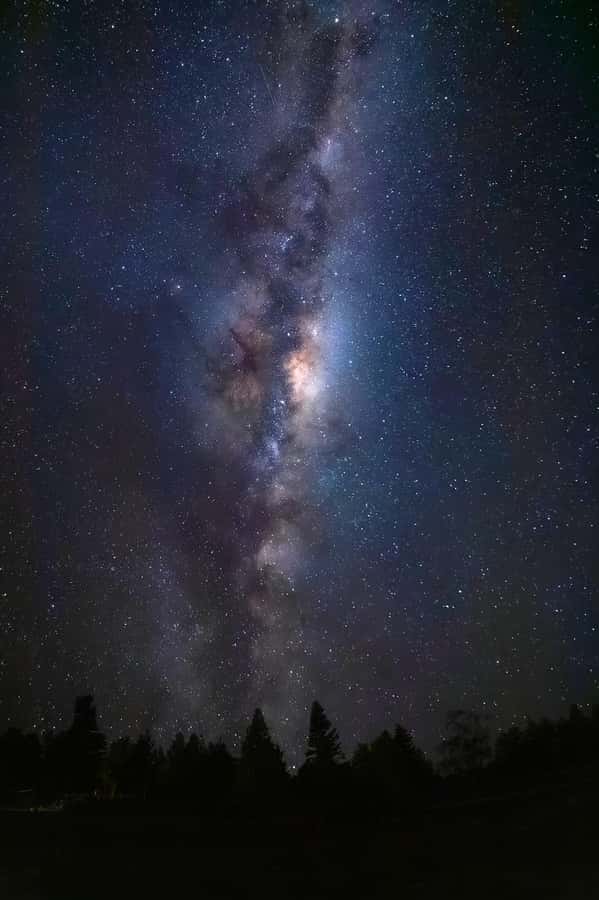
Twizel is in the heart of the Aoraki Mackenzie International Dark Sky Reserve, one of the best places in New Zealand for looking upward. The value here is not simply that the sky is dark. Darkness reveals more stars, makes the Milky Way easier to trace, and gives a telescope a better chance to show faint objects.
That setting matters because city light can wash out much of the sky. In Twizel, your eyes have a better chance to adjust to the night, and the guide can point out patterns that would be hard to pick out elsewhere.
The experience takes place at 50 Kate Cameron Drive. The meeting point is the car park at the first left as you enter Lake Front Road. This is worth noting because the location is not described as a full visitor facility. There are no toilets on-site, so use one before you arrive.
The tour is weather-dependent. Clear conditions are needed, and if the sky does not cooperate, you will be offered a refund or a chance to reschedule. That policy is sensible for astronomy, but it means you should avoid building your entire evening around this one activity if the forecast looks uncertain.
A 75-Minute Tour With a Clear Structure
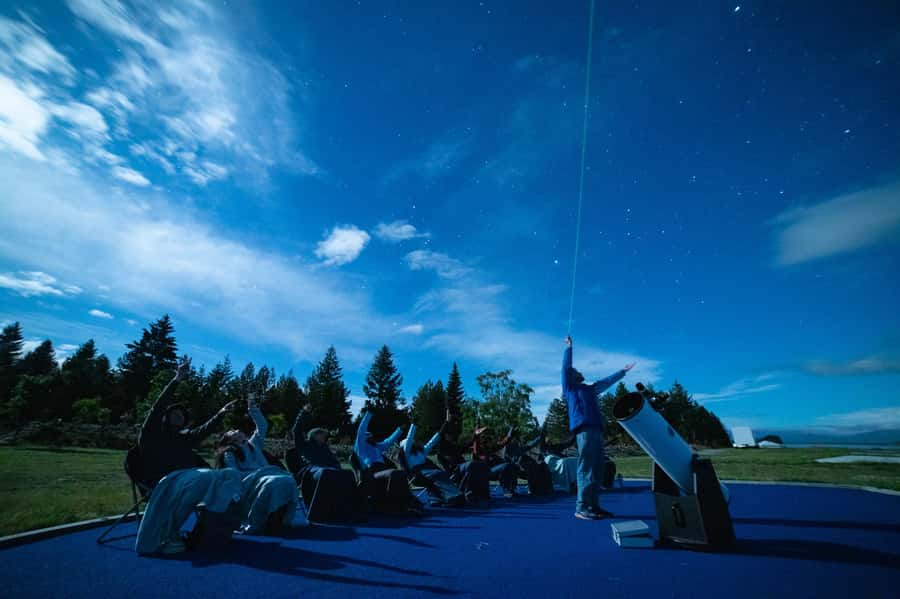
The evening has two main parts. First comes a guided tour of the visible sky. Then you use the telescope to inspect selected planets and deep-sky objects.
That structure works well. You first learn the broad map overhead, then focus on individual targets. It keeps the telescope portion from feeling like a random queue for a quick look through an eyepiece.
You meet the guide at the designated car park and should arrive about five minutes early for check-in. The tour is conducted in English and is limited to 10 people, which helps Daniel answer questions and keep everyone involved.
Outdoor seating is provided, along with blankets. I would treat these as helpful extras rather than a substitute for proper clothing. The Mackenzie night can turn cold quickly, and several people have found summer temperatures surprisingly low after dark.
Bring warm layers, a hat, and gloves. Avoid flash photography, alcohol, and drugs. The no-flash rule is especially important because bright light ruins night vision for everyone nearby.
More Lake Tekapo stargazing:
- Lake Tekapo: Alpine Stargazing Experience with a Guide
★ 4.5 · 626 reviews - Lake Tekapo: Stargazing Experience
★ 4.9 · 607 reviews - From Christchurch: Mount Cook & Lake Tekapo Day Tour & Lunch
★ 4.6 · 405 reviews
The Laser-Guided Tour of Stars and Constellations
The first section is a guided tour with a laser pointer. Daniel identifies stars, planets, and constellations visible at that time of year, then explains what makes them important.
This is where the tour becomes more than simply sitting outside and hoping you spot something interesting. The night sky can seem confusing at first. A laser helps you connect names with actual points of light, while the explanations give each object a place in the larger picture.
The southern sky also gives you sights that may be unfamiliar if you come from the Northern Hemisphere. The Milky Way, Alpha Centauri, and other southern objects can feel fresh even to someone who has attended a stargazing session elsewhere.
Daniel’s strength is his enthusiasm and his ability to explain difficult ideas in simple language. You do not need a science background. You can ask basic questions, and the small group makes the session feel closer to a private lesson than a large outdoor presentation.
The cultural and environmental side of the night sky also forms part of the discussion. The Dark Sky Reserve is not only a place for pretty photographs. Its low-light setting reflects a wider effort to protect the night from unnecessary artificial light and to keep the sky available for science, culture, and quiet enjoyment.
The Telescope Session: Planets, Nebulae, and Galaxies
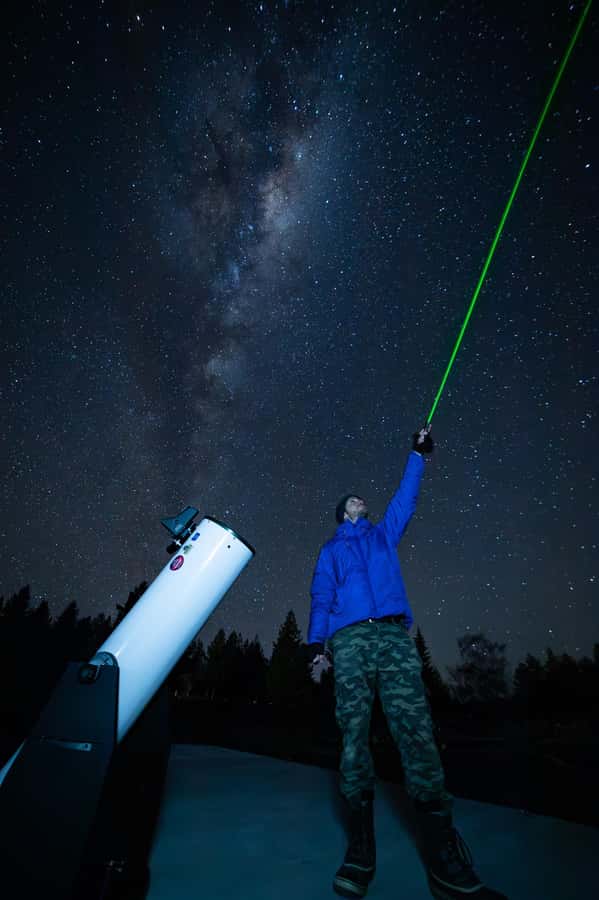
After the laser-guided portion, the tour turns to the telescope. The objects available depend on the season, time of night, and current visibility, so you should not arrive expecting one fixed list.
That flexibility is a strength. The guide can focus on what is actually above you instead of forcing the same program every night. You might look at a planet, a star cluster, a nebula, or a galaxy, with Daniel explaining what you are seeing and why it matters.
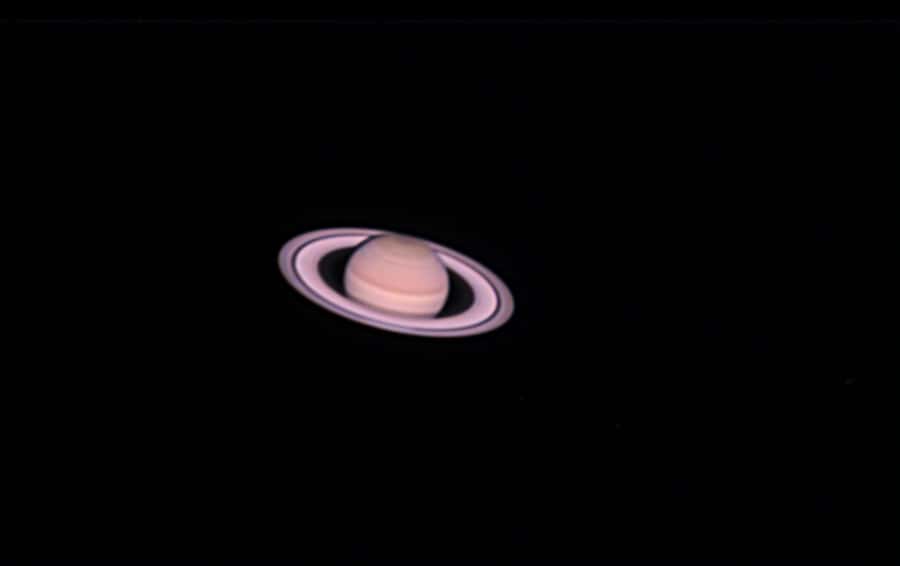
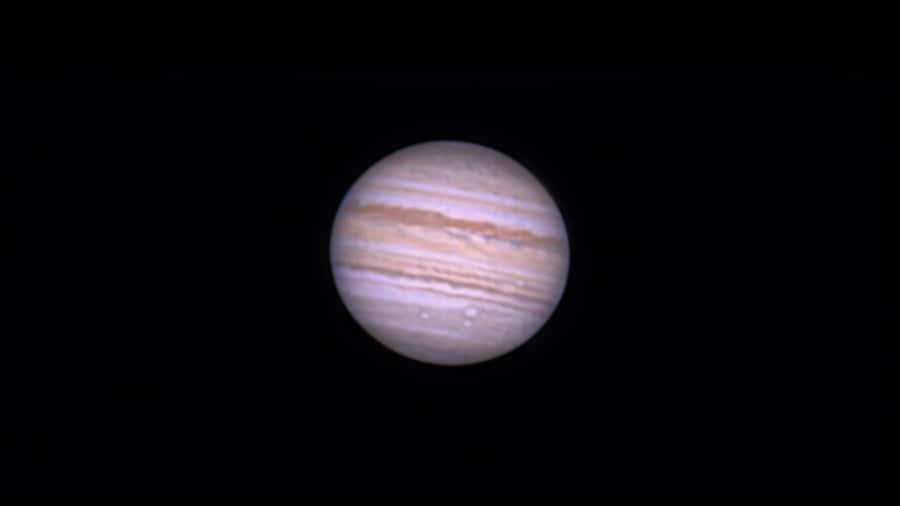
Past viewing examples include Jupiter and its bands and moons, Saturn and its rings, Alpha Centauri, the Tarantula Nebula, and the Milky Way. Seeing Saturn’s rings through a telescope is often the moment that makes the scale of the universe feel real. Jupiter can also be rewarding because its bands and moons are visible details, not just a bright point.
The telescope does not turn every object into a large, colorful space image. That is an important expectation to set. Some celestial objects appear as small points or faint patches, and what you see depends on the night. The guide’s explanation is a major part of the value, helping you understand why a faint object matters.
This is particularly useful for first-time stargazers. Instead of simply being told a name, you learn about distance, light, motion, and the long journey that light has taken to reach your eyes. The science gives the view weight without making the session feel like a classroom lecture.
Daniel’s Approach Makes the Science Easy to Follow
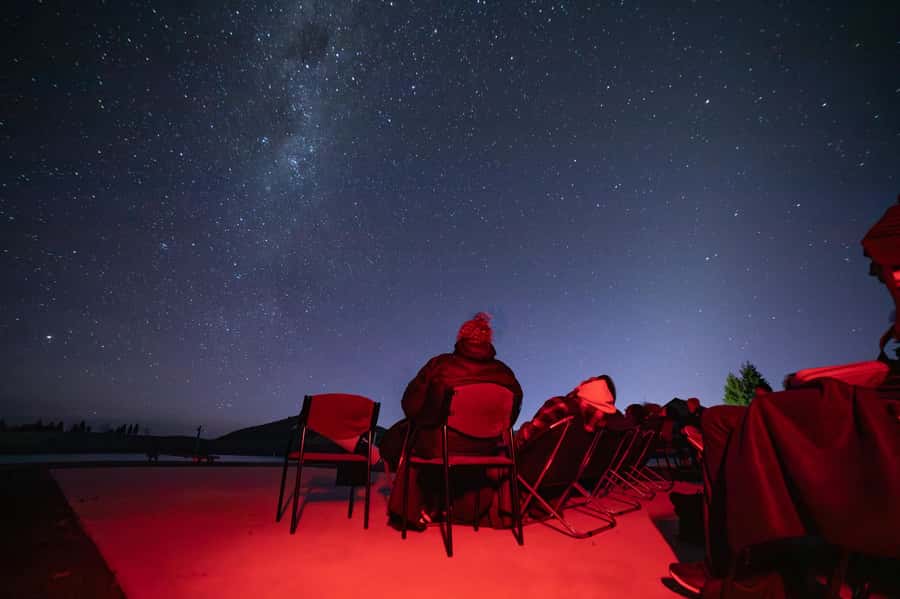
The guide, Daniel, is the owner and astronomer behind Stargaze Mackenzie. His background as a qualified astronomer and seasoned astrophotographer shapes the evening.
His presentation style is enthusiastic but accessible. He can discuss stars, planets, galaxies, astrophysics, and celestial travel, yet he does not assume you already understand the terminology. Complex ideas are broken into straightforward explanations, which helps children and adults follow along.
That personal approach is one of the best reasons to choose a small-group tour. With no more than 10 people, you have room to ask questions and time to look through the telescope. A larger group might offer a lower price, but it would likely feel less personal.
The calm setting also matters. This is not a loud attraction with a long list of staged effects. You sit outdoors, listen, look up, and wait your turn at the telescope. For some people, that quiet pace is the entire point.
Children must be at least six years old. Younger children are not suitable for this activity, partly because the tour requires patience, quiet observation, and staying outdoors in the cold.
A few more New Zealand trips worth weighing up
- Mount Cook: Scenic Helicopter Flight with Alpine Landing
★ 4.8 · 442 reviews - Mt Cook Small Group Scenic Day Tour from Queenstown
★ 5.0 · 407 reviews - Tekapo Shuttle: Mt Cook Day Tour via Pukaki & Tasman Lake
★ 4.8 · 307 reviews - Mt Cook & Tasman Glacier lookout Small Group Tour from Queenstown
★ 5.0 · 296 reviews
The Personal Astrophoto Is More Than a Small Extra
The tour finishes with a personal astrophoto of you beneath the stars. This is included in the $59 price.
The photographs have been praised for their color and clarity, and they can show you with the Milky Way behind you. That gives the evening a lasting record without requiring you to bring a camera or know how to photograph the night sky.
For many people, this will be more useful than a standard group snapshot. You get a personal image connected to the place and the experience. It also solves a common problem with stargazing trips: the sky may look astonishing in person, but ordinary phone cameras often capture very little.
Do not think of the photo as the main purpose of the tour. Weather and sky conditions affect any night image, and the real value is the guided time under the stars. Still, it is a generous inclusion at this price and a pleasant final touch.
Cold Weather Is the Main Practical Challenge
The biggest issue is simple: it can be cold. The tour runs outdoors, and nights in the Mackenzie region can feel chilly even during summer.
Bring more clothing than you think you need. Wear layers, and pack a warm hat and gloves. Blankets and outdoor seating are provided, but your comfort will depend mostly on what you wear.
Arrive five minutes early, since late arrivals can interrupt the group once the sky tour begins. Complete any toilet stop before reaching the meeting point because there are no facilities at the site.
Flash photography is not allowed. This protects everyone’s night vision and keeps the experience peaceful. Alcohol and drugs are also prohibited, and you should not arrive intoxicated.
Wheelchair access is available. The activity is conducted in English, so you should be comfortable following spoken explanations in that language.
Is $59 Good Value for 75 Minutes?
At $59 per person, the tour is priced fairly for what it includes. You receive a guided astronomy lesson, access to a powerful telescope, a small group limited to 10 people, outdoor seating, blankets, and a personal astrophoto.
The value is strongest if you are interested in understanding what you see. A simple dark-sky viewing session may cost less, but it would not necessarily include a qualified astronomer, laser-guided instruction, telescope observations, and a personal photograph.
The 75-minute duration is also well judged. It gives you enough time to learn the sky and view several objects without turning a cold outdoor evening into an endurance test.
The price may feel less attractive if clouds cancel the tour or if you are expecting a long photography session. It is also not the right choice for someone who wants a heated indoor planetarium show. This is a real outdoor experience, with all the beauty and inconvenience that brings.
Flexible booking helps reduce the risk. You can cancel up to 24 hours ahead for a full refund, and you can reserve now and pay later. If the operator cancels because of weather, you will be offered a refund or a new date.
Who Will Enjoy This Twizel Activity Most?
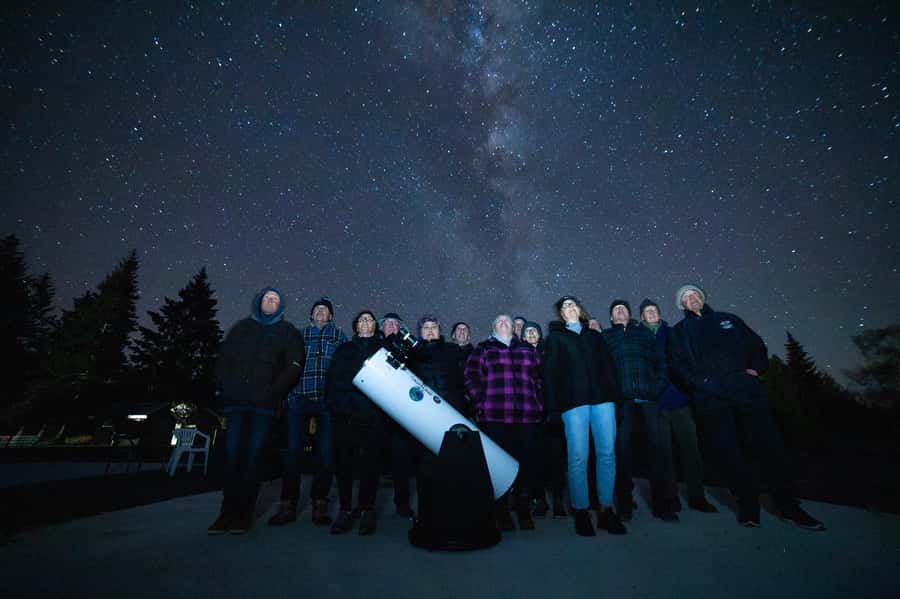
I would recommend it to anyone who has even a passing interest in the night sky. You do not need a telescope at home or a stack of astronomy books. Curiosity is enough.
It is especially well suited to:
- Couples looking for a quiet evening activity
- Families with children aged six and older
- People visiting the Aoraki Mackenzie region who want to understand the Dark Sky Reserve
- Amateur photographers interested in a night-sky portrait
- First-time stargazers who want guidance rather than guesswork
- Serious astronomy fans who appreciate telescope access and southern-sky targets
It may not suit you if you dislike cold weather, need indoor comfort, or want a guaranteed list of specific planets and galaxies. The program changes with visibility, and cloudy skies can stop the tour altogether.
I also would not choose it for very young children. The minimum age is six, and the dark, quiet setting works best for children who can sit still, listen, and stay warm.
How This Fits Into a Twizel Visit
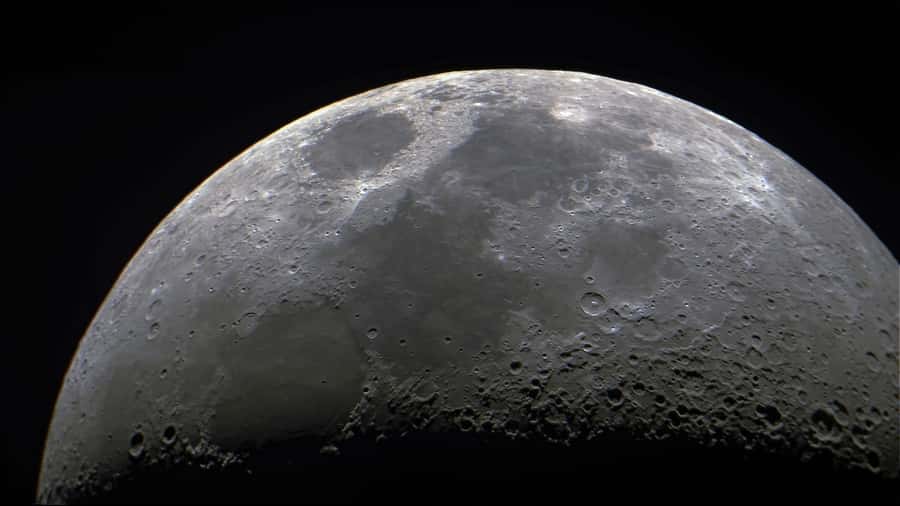
The tour makes sense as an evening activity during a stay in Twizel. Since the location is in town, you can plan it around other activities in the Mackenzie region, but you should leave enough time to reach the Lake Front Road meeting point five minutes early.
Because the start time changes with availability and the season, check the exact time when booking. Night skies change through the year, so the objects visible in summer will not be identical to those seen in winter.
Allow extra time before the tour for dinner, warm clothing, and a toilet stop. Once you arrive, the evening is intentionally simple. There is no need to carry much beyond warm gear, though a camera without flash may be useful if you want to take your own photos.
Keep your schedule flexible after the tour. The experience lasts 75 minutes, but the exact rhythm depends on questions, telescope targets, and viewing conditions. It is a better fit for a relaxed evening than for a tightly packed plan.
Should You Book Stargaze Mackenzie?
Yes, if you want an informative, personal introduction to the southern night sky. Daniel’s enthusiasm, the small group, and the mix of laser-guided teaching with telescope viewing make this more rewarding than simply looking up on your own.
The personal astrophoto adds real value, and $59 is reasonable for the full package. Just bring serious warm clothing, arrive early, use the toilet before you go, and accept that nature controls the schedule.
I would book this tour if you are spending a night in Twizel and the forecast looks promising. If clouds are gathering, keep your plans flexible. On a clear night, this is the kind of short activity that can change the way you look at the sky for the rest of your trip.
FAQ
How long is the Twizel stargazing tour?
The guided stargazing experience lasts 75 minutes.
How much does the tour cost?
The price is $59 per person.
Where does the tour meet?
The guide meets you at the car park on the first left as you enter Lake Front Road. The listed starting address is 50 Kate Cameron Drive.
What should I bring?
Bring warm clothing, including layers, a hat, and gloves. Nights in the Mackenzie region can be cold even during summer. Blankets and outdoor seating are provided.
Can children join the tour?
Children must be at least six years old. Children under six are not suitable for this activity.
What happens if the weather is cloudy?
The tour runs only in clear conditions. If poor weather causes a cancellation, you will be notified and offered a refund or the chance to reschedule.
Just added around New Zealand
- Auckland Museum and Highlight Sightseeing Tour★ 5.0 · 5 reviews
- From Auckland: Hobbiton Movie Set Small Group Tour★ 4.1 · 5 reviews
- Self-Guided Milford Track Day Walk from Lake Te Anau★ 5.0 · 5 reviews
- Tauranga-Hobbiton-Rotorua : Movie Set & Geysers: Private Tour★ 5.0 · 5 reviews
- Private Tour in Wellington★ 5.0 · 5 reviews
- Hawkes Bay – Scenic, luncheon, wine Tour★ 4.0 · 5 reviews
- Milford Sound Earnslaw Burn Helicopter Tour from Queenstown★ 5.0 · 5 reviews
- Queenstown: Remarakbles Helicopter Tour with Alpine Landing★ 4.6 · 5 reviews
Lake Tekapo Stargazing, compared.
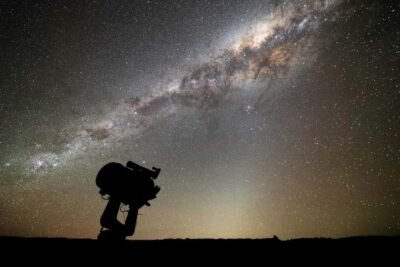
Lake Tekapo: Alpine Stargazing Experience with a Guide
Read our review →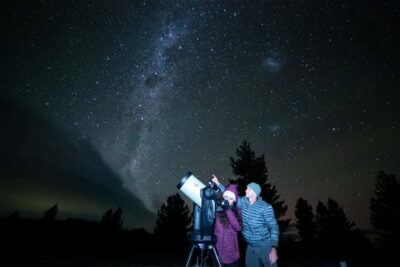
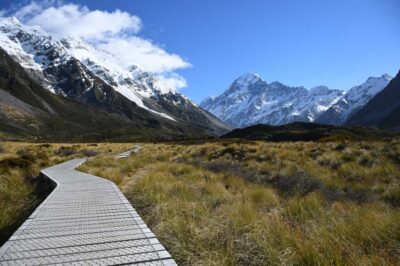
Mount Cook, Lake Tekapo and Tasman Glacier Tour from Christchurch
Read our review →
Mount Cook & Lake Tekapo Day Tour from Christchurch with Lunch
Read our review →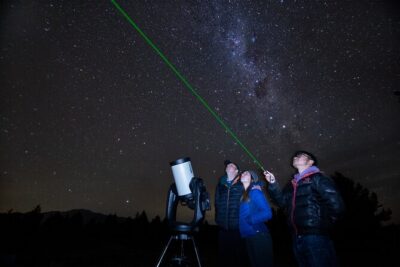
Lake Tekapo: Mountaintop Stargazing at Mount John Summit
Read our review →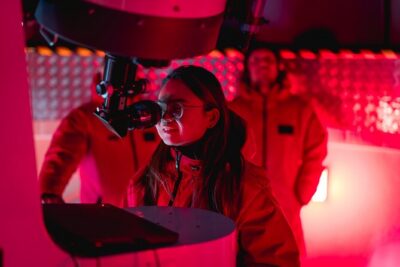
Mount John Observatory Stargazing Experience, Tekapo
Read our review →Browse the lists this tour appears in