
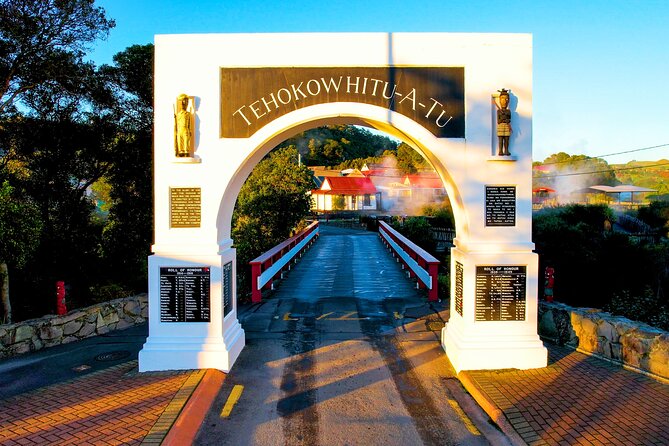
Reviewed · MAORI CULTURAL EXPERIENCES
Whaka Trails and Maori Village Combo Tour
Rotorua cooks lunch in boiling water. The Whaka Living Māori Village combines a guided look at daily life with steaming pools, bubbling mud, and the Pohutu Geyser. I like the chance to learn from people connected to the village, and I like that the combo includes a self-guided geothermal trail rather than stopping at a viewing platform. The main drawback is that some of the cultural content depends on your guide, and one poor report described a guide whose tone made the visit uncomfortable.
This is a compact, family-friendly outing at $54.30 per person, with roughly two to three hours on site. Guides such as Angela, Daniel, Mirama, Michael, Ben, and Waimairia have been praised for their humor, stories, and local insight. The tour is easy to fit into a busy Rotorua day, though coffee, lunch, bottled water, and any transport to the meeting point cost extra.
In This Review
- Key points about the Whaka experience
- Why this village feels different from a staged cultural stop
- The guided village walk and its geothermal view
- The corn tasting explains geothermal living
- Walking the Whaka Geothermal Trails
- Māori culture presented through daily life
- Is $54.30 good value?
- Timing, group size, and practical planning
- Who will enjoy this tour most?
- Should you book the Whaka Trails and Māori Village Combo?
- FAQ
- Where does the Whaka Trails and Māori Village tour start?
- How long does the experience take?
- What is included in the ticket?
- Is food included?
- How large is the tour group?
- Can I cancel for a full refund?
- What happens if bad weather cancels the tour?
Key points about the Whaka experience
- Eat corn cooked in geothermal water: A simple tasting makes the village’s use of hot springs feel practical, not theoretical.
- See Pohutu Geyser from two platforms: The geyser can erupt up to twice an hour, although nature keeps its own schedule.
- Meet guides who live in or belong to the community: The strongest part of the visit is the personal explanation of village life.
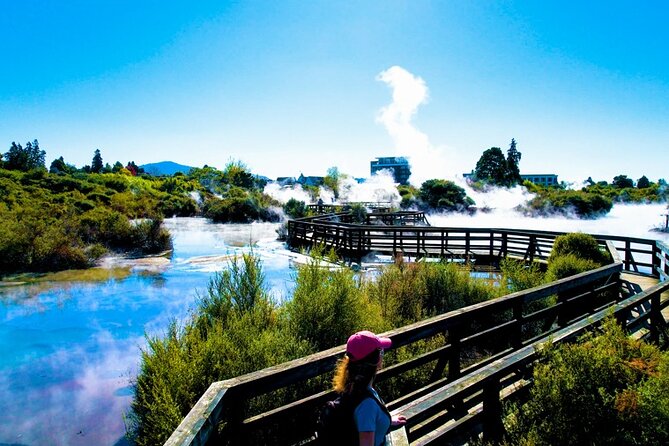
- Walk the Whaka Geothermal Trails: The self-guided paths reveal hot pools, steam vents, and bubbling mud beyond the main village area.
- Small groups of up to 20 people: This gives you a better chance to hear the guide and ask questions.
- Allow two to three hours: The guided village portion and the trail work well together, but you should not rush the walk.
Why this village feels different from a staged cultural stop
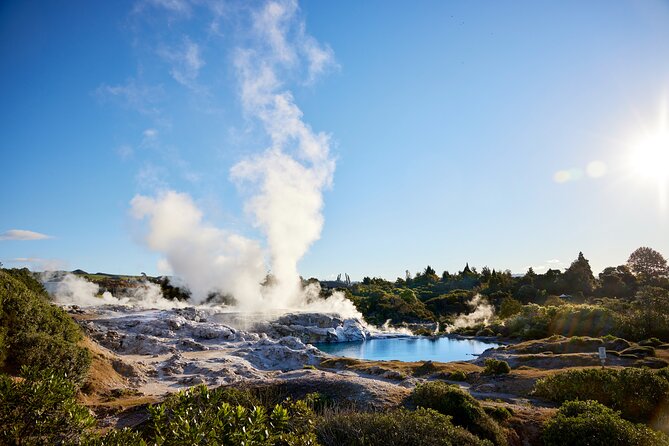
Whakarewarewa is presented as a living Māori village, not simply a cultural display built for an afternoon audience. People connected to the community explain how families have used the geothermal features for cooking, washing, bathing, and heating water for generations.
That distinction matters. You are not only looking at a boiling pool and then moving on. You are learning how a place with steam vents and hot springs underfoot can also serve as home. The most useful stories concern everyday life: cooking food in hot pools, bathing in outdoor thermal water, and sharing resources within the community.
I especially like the way the geothermal science and Māori culture are linked. The hot ground is not treated as a separate nature attraction. It is part of the village’s routine and identity. A guide who grew up there can explain details that are easy to miss if you simply walk past the pools alone.
The tone can vary with the guide. Angela received especially warm praise for making the visit engaging, while Daniel was described both as funny and accommodating and, in one case, as overly political and difficult to listen to. That does not define the whole experience, but it is a fair reminder that a guided cultural tour is shaped by the person holding the group’s attention.
More Maori Cultural Experiences in Rotorua
- Mitai Maori Village: Cultural Experience and Dinner Buffet
★ 4.7 · 3,575 reviews - Cultural Experience & Seasonal Māori Cuisine at Te Pā Tū
★ 5.0 · 1,546 reviews - Mitai Maori Village Cultural Experience in Rotorua
★ 4.5 · 1,294 reviews
The guided village walk and its geothermal view
The tour begins at 17 Tryon Street in Whakarewarewa, where the activity also finishes. The guided portion takes you through the village and toward viewing platforms for Pohutu Geyser. Along the way, you learn about Māori customs, family heritage, local traditions, and the ways people use geothermal heat.
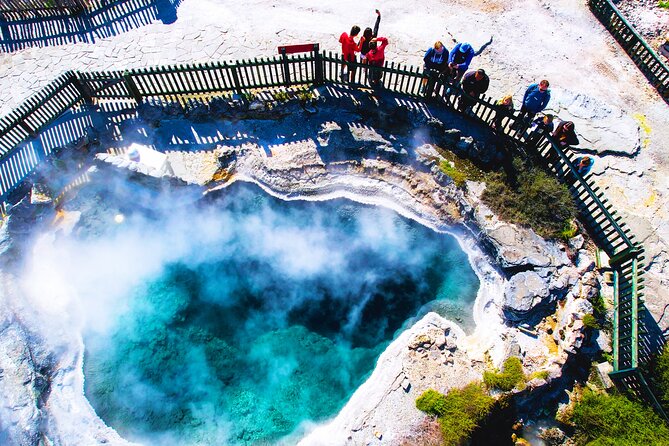
The two lookout platforms are a practical touch. They give you different angles for photographs and a safer way to watch the geyser without wandering too close to active thermal features. Pohutu may erupt as often as twice an hour, but you should treat that as a possibility rather than a promise. Geysers answer to underground pressure, not tour timetables.
The viewing platforms also help you understand the scale of Rotorua’s geothermal activity. Steam, hot water, mud, and mineral deposits are not confined to one dramatic feature. They surround the village. The result is an unusual mix of ordinary homes, cultural sites, walkways, and raw earth.
Take your time with the guide’s stories. Several praised guides, including Michael, Ben, Mirama, and Waimairia, are noted for explaining family connections and community life in a relaxed way. That personal element is one reason I would choose this tour over a quick, unguided look at the pools.
The village walk is generally easy, and most people can take part. Still, you will be on your feet and outdoors, so comfortable shoes are sensible. Stay with the guide around the thermal features and follow the marked route.
The corn tasting explains geothermal living
The tasting of a corn cob cooked in the largest hot pool is a small part of the tour, but it carries a lot of meaning. It gives you a direct example of how geothermal heat becomes useful food preparation rather than just something to photograph.
I like this kind of demonstration because it keeps the experience grounded. You hear about boiling water and steam, then taste the result. It is also a detail that works well for families. Teenagers and younger children may remember the corn long after they forget a date or a ceremonial term.
This is a tasting, not a full meal. Lunch, coffee, tea, and bottled water are not included, so plan around that. If you are hungry, have something before or after the tour rather than expecting the corn to replace lunch.
The food element also shows the difference between a living community and a museum display. The geothermal features are part of the village’s working environment. Cooking, bathing, and heating are not merely historical stories.
Walking the Whaka Geothermal Trails
After the guided visit, you can take a leisurely self-guided walk through the Whaka Geothermal Trails. This section gives you access to less altered geothermal areas, with hot springs, steam, mud pools, and other features that feel wilder than the village paths.
The walk is worth protecting time for. One of the most common pieces of advice is simple: do not stop after the guided tour. The trail adds the natural side of the experience and lets you move at your own pace.
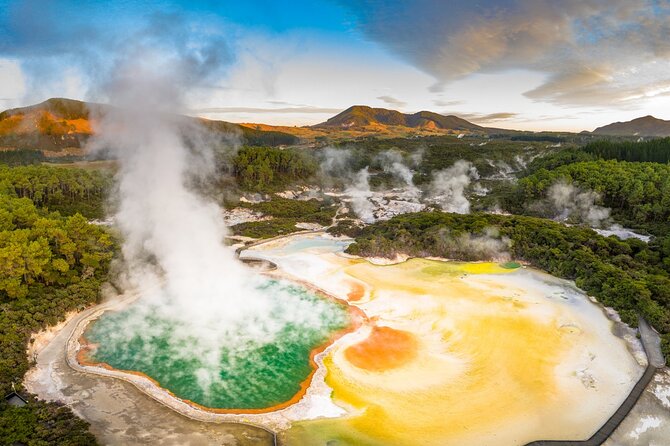
You might find the scenery strikingly strange, with steam rising beside pools and earth that seems to be working from below. The comparison to a Jurassic Park setting is understandable, but the real value is quieter. You can pause, take photos, and notice how many types of geothermal activity appear close together.
Because this is a self-guided section, you do not get the same running commentary as on the village walk. That can be a benefit if you want time for photographs or a calm stroll. It also means you should pay attention to signs and stay on the route around hot ground and water.
Allow about an hour for the trail if you want to enjoy it rather than hurry through. The supplied timing lists about two hours for the village and geothermal portion, with an additional one-hour geyser viewing component. In practice, the total experience is advertised at approximately one to three hours, so your pace and the geyser timing will shape the day.
A completely different kind of day out in Rotorua:
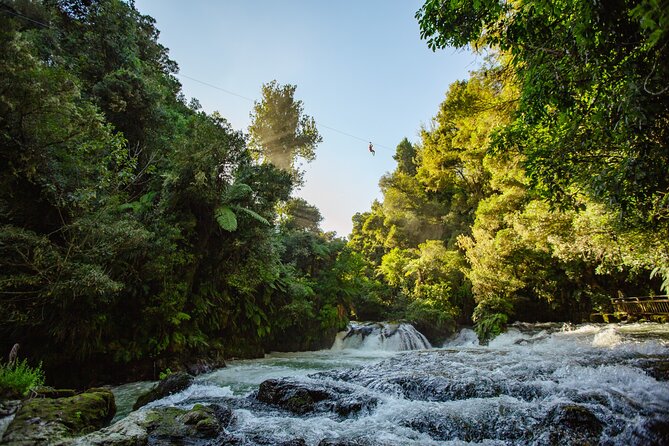
- Rotorua Canopy Tours: 2.5Hour Native Forest Zipline Adventure
★ 5.0 · 4,563 reviews - Rotorua: Wai-O-Tapu Geothermal Park Entry Ticket
★ 4.6 · 2,601 reviews - Rotorua’s Ultimate Zipline: 6 ziplines, 400 m Tandem, Cliff Walk
★ 5.0 · 2,557 reviews - Rotorua Rafting: Kaituna River White Water Rafting & Free Sauna
★ 5.0 · 1,952 reviews
Māori culture presented through daily life
The cultural value here is strongest when the guide talks about ordinary routines. You learn how people live with the geothermal area beneath them, how resources are shared, and how customs continue in a present-day community.
Several guides have been praised for making the subject accessible to children and adults. One family found that both a teen and a younger child enjoyed the stories. Another person described the walking tour as educational without feeling forced or artificial. That balance is important. You want cultural information that is clear and respectful, not a rushed performance built from slogans.
A Māori song heard around the village was described as adding to the atmosphere. There may also be a Māori dance presentation, depending on the program you receive. If you attend one, seating can affect your view. One report noted that shorter people may have trouble seeing past those in front, with the ends, front, or very back offering better sightlines.
Keep your expectations focused. This combo is primarily a guided village visit and geothermal walk. It is not described as a full-day cultural program, a large meal, or an extensive stage production. Its strength is the connection between local people, daily life, and the hot ground beneath the village.
Is $54.30 good value?
At $54.30 per person, the price is fair for a two to three-hour activity that includes both admission and guiding. You are paying for access to the village and geothermal trails, a local explanation of the area, geyser viewing, and the thermal-cooked corn tasting.
The value improves if you would otherwise visit a geothermal site without context. Bubbling mud and steam are impressive, but you may not understand how they affect housing, cooking, bathing, and community life. Here, the guide connects the sights to human use.
The price is less attractive if you want a long geothermal hike or a full cultural show with a meal. Coffee, tea, lunch, and bottled water are excluded. You will also need to make your own way to Tryon Street unless another arrangement applies.
For families, the short duration helps. You get a strong taste of Rotorua without committing a whole day. For adults with only a few hours in town, it offers a useful mix of culture and geology. The 94 percent recommendation rate and 4.7 out of 5 rating from 180 ratings also suggest that the experience delivers consistently for most people, though the guide’s style can affect your impression.
Timing, group size, and practical planning
The maximum group size is 20 people. That is small enough for questions and a clearer view of the guide, though your position in the group will still matter at the geyser platforms and any performance.
The meeting and return point is 17 Tryon Street, Whakarewarewa, Rotorua 3010. The site is near public transportation. Confirmation is provided when you book, and service animals are allowed.
Most people can participate, and the walk is described as easy. You should still expect outdoor paths, steam, wet-looking ground, and active thermal features. Wear shoes suited to walking and bring water, since bottled water is not included.
Weather matters. The activity requires good conditions, and poor weather can lead to a new date or a full refund. You can cancel for a full refund up to 24 hours before the start time. Cancellations or changes made less than 24 hours ahead are not accepted for a refund.
If you want a quieter visit, consider the overall timing of your Rotorua day and avoid arriving rushed. The guided portion is the part that benefits most from full attention. Afterward, the self-guided trail gives you more freedom.
Who will enjoy this tour most?
I would recommend it to families, first-time visitors to Rotorua, and anyone who wants culture and geothermal scenery in one manageable outing. Children may respond well to the geyser and corn tasting, while adults get the deeper value from stories about community life and Māori traditions.
It also suits people who prefer a local guide to an audio guide or signboard. The best moments come from asking questions and hearing how a guide’s family relates to the village.
You may want another option if your main goal is a long, strenuous walk, a substantial meal, or a large-scale evening cultural show. This is a compact visit. Its appeal lies in the mix of personal stories, active geothermal features, and access to a place where people live.
Should you book the Whaka Trails and Māori Village Combo?
Book it if you want Rotorua explained by people connected to the place, not just photographed from a path. The guided village walk gives meaning to the hot pools, the self-guided trail adds time in the geothermal area, and the corn tasting turns an abstract idea into something you can see and taste.
I would set aside two to three hours, bring water, wear comfortable shoes, and keep the schedule flexible enough for Pohutu Geyser. At $54.30, it is a solid choice for a short, useful introduction to Māori culture and Rotorua’s geothermal forces. Just remember that your guide will shape the mood, and the tour is best for learning and observation rather than a full meal or all-day adventure.
FAQ
Where does the Whaka Trails and Māori Village tour start?
The tour starts at 17 Tryon Street, Whakarewarewa, Rotorua 3010, New Zealand. The activity also ends back at this meeting point.
How long does the experience take?
The experience lasts approximately one to three hours. The village and trail portion is listed at about two hours, while the geyser viewing portion is listed at about one hour.
What is included in the ticket?
The combo includes access to the Whaka Geothermal Trails and the Village Guided Tour. It also includes viewing Pohutu Geyser and the corn tasting described as part of the guided visit.
Is food included?
A corn cob cooked in a hot pool is included as a tasting experience. Lunch, coffee, tea, and bottled water are not included.
How large is the tour group?
The activity has a maximum of 20 participants.
Can I cancel for a full refund?
Yes. You can cancel at least 24 hours before the experience start time for a full refund. Cancellations or changes made less than 24 hours before the start time are not accepted for a refund.
What happens if bad weather cancels the tour?
If poor weather causes cancellation, you will be offered a different date or a full refund.
Just added around Rotorua
- Te Puia: Tuku Iho Trail with Cultural Show★ 5.0 · 5 reviews
- Ultimate self-drive rail car journey★ 5.0 · 5 reviews
- Private Tour Waiotapu Geothermal Shore Excursion up to 8 passengers★ 5.0 · 6 reviews
- Rotorua: Floatplane Flight with Orakei Korako Landing★ 5.0 · 6 reviews
- Rotorua: Evening Starlight Gourmet Kayak Tour with dinner★ 5.0 · 6 reviews
- Rotorua: Glow Worm Adventure Kayak★ 5.0 · 6 reviews
- Epic Tandem Kayak Tour down the Kaituna River Waterfalls★ 5.0 · 6 reviews
- From Rotorua: Whirinaki Rainforest Guided Cultural Tour★ 5.0 · 6 reviews
Maori Cultural Experiences, compared.
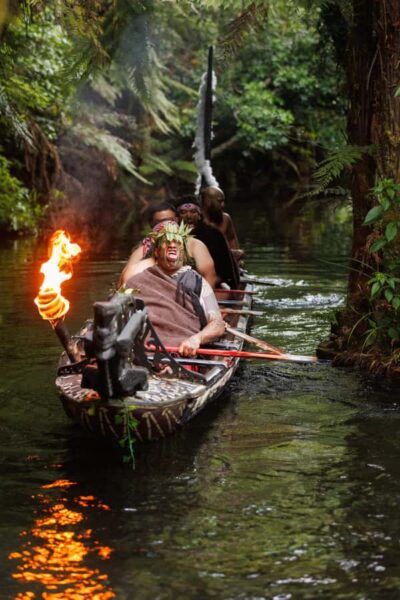
Mitai Maori Village: Cultural Experience and Dinner Buffet
Read our review →
Cultural Experience & Seasonal Māori Cuisine at Te Pā Tū
Read our review →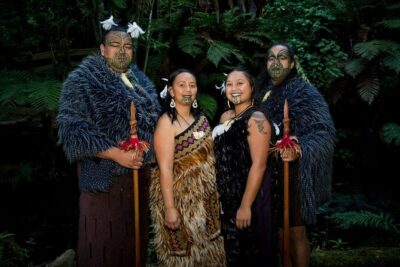
Mitai Maori Village Cultural Experience in Rotorua
Read our review →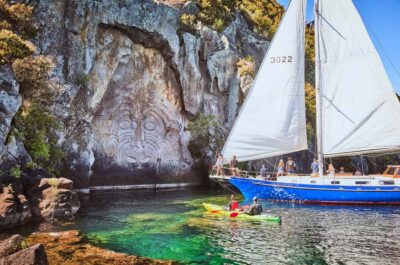
Lake Taupo: Classical Sailing to the Māori Rock Carvings
Read our review →
Te Pa Tu Māori Cultural Experience with Dinner
Read our review →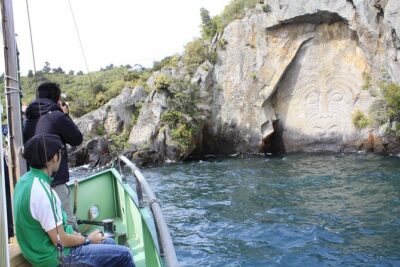
Lake Taupō Māori Rock Carvings Scenic Cruise aboard Ernest Kemp
Read our review →
Waitomo Caves & Rotorua – Te Puia Small-Group Tour from Auckland
Read our review →
Lake Taupo: Maori Rock Carvings 10.30 AM 1.5-Hour Cruise
Read our review →Browse the lists this tour appears in