
Reviewed · MAORI CULTURAL EXPERIENCES
Whakarewarewa Village Guided Tour
Geothermal power meets living Māori culture. Whakarewarewa Village gives you a guided look at the home of the Tūhourangi Ngāti Wāhiao people, where boiling mud, hot springs, and Pohutu Geyser are part of daily life. I especially like the village’s active community setting and the chance to taste corn cooked in a hot pool. The one-hour visit is also easy to fit into a busy Rotorua day.
The strongest part is the personal guiding. Guides such as Philip, Daniel, and Kylie have been praised for their warmth, humour, family connections, and pride in the village. The main drawback is that this short tour focuses heavily on geothermal features, so you may want a longer cultural experience if your priority is performance, storytelling, or a fuller picture of Māori life.
In This Review
- Key points to know before you go
- Why Whakarewarewa feels different from a standard Rotorua attraction
- Starting at 17 Tryon Street
- Meeting the village and its Māori guides
- Boiling mud and hot pools
- The small but memorable corn tasting
- What the one-hour itinerary gives you
- Allow time for the museum, café, and shops
- Is $34.13 good value?
- Who will enjoy this tour most
- Practical tips for a better visit
- Final decision: book it for context, not just scenery
- FAQ
- How long does the Whakarewarewa Village Guided Tour last?
- Where does the tour begin and end?
- What is included in the tour?
- How many people can join the tour?
- Is the tour suitable for most visitors?
- What is the cancellation policy?
Key points to know before you go
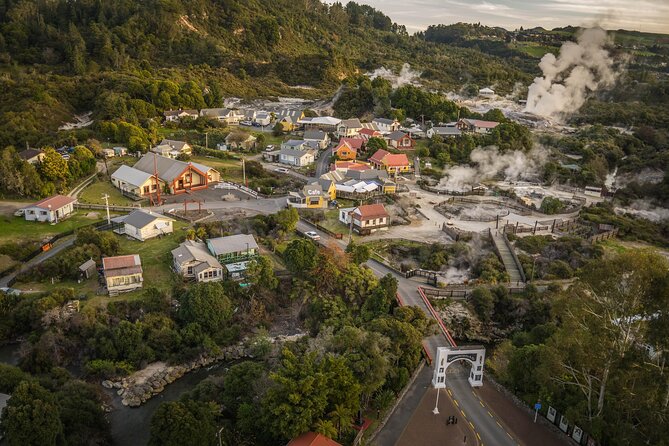
- A real working Māori community: Whakarewarewa is home to the Tūhourangi Ngāti Wāhiao people, not simply a reconstructed cultural display.
- Pohutu Geyser from two viewing platforms: You get a safe look at one of Rotorua’s best-known geothermal sights.
- Corn cooked in geothermal water: A small tasting makes the village’s use of natural heat feel practical rather than theoretical.
- One hour, with a maximum of 20 people: The tour is compact and personal enough for questions.
- Book your time slot carefully: A later tour can leave little time for the shops, while a short visit may not include separate performances.
- Bring sensible shoes and a rain layer: The route includes walking and can still be enjoyable in wet weather.
Why Whakarewarewa feels different from a standard Rotorua attraction
Rotorua offers plenty of places where you can see steam rising from the ground. Whakarewarewa adds something more important: people still live here, and the geothermal activity is tied to the practical life of the community.
The village is the home of the Tūhourangi Ngāti Wāhiao people, whose guiding tradition has welcomed visitors for more than two hundred years. That long connection with tourism is part of the story. Māori residents were among New Zealand’s earliest guides, showing outsiders the remarkable hot pools and geysers of Rotorua.
That makes the visit more than a walk past bubbling mud. You are seeing how a community has adapted to an unusual environment and used natural heat for food and daily life. The village setting gives the geothermal features a human scale.
I like that balance. You are not being asked to admire a hot spring in isolation. You are shown why it matters.
At the same time, keep your expectations in check. This is a one-hour guided tour, not an all-day cultural program. You will get an introduction to Māori traditions, village life, and the geothermal area, but the amount of detail depends on the guide and the questions you ask.
More Maori Cultural Experiences in Rotorua
- Mitai Maori Village: Cultural Experience and Dinner Buffet
★ 4.7 · 3,575 reviews - Cultural Experience & Seasonal Māori Cuisine at Te Pā Tū
★ 5.0 · 1,546 reviews - Mitai Maori Village Cultural Experience in Rotorua
★ 4.5 · 1,294 reviews
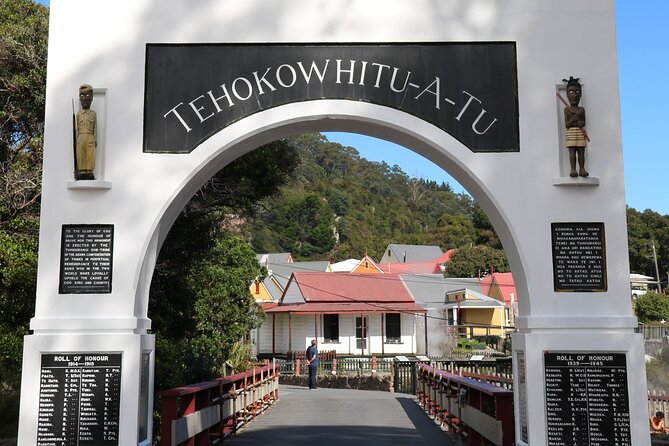
Starting at 17 Tryon Street
The meeting point is Whakarewarewa, The Living Māori Village, at 17 Tryon Street in Rotorua. The site is near public transportation, so you do not necessarily need a car to reach it.
Prebooking gives you a selected entry time and helps avoid waiting at the ticket counter. That matters in Rotorua, where many visitors try to fit several attractions into one day. A fixed start time lets you work the village around a geyser area, lake outing, museum visit, or evening meal.
The tour has a maximum of 20 participants. That is a useful limit for a guided walk. You should be able to hear the guide and ask a question without competing with a huge crowd, though the exact feel will depend on how full your departure is.
Plan to arrive ready to walk. The route is not described as difficult, but there are geothermal features spread around the village, and comfortable shoes are sensible. Rain is not automatically a reason to skip the visit. One guide kept the experience engaging during heavy rain, but a waterproof layer will make the hour much more pleasant.
Meeting the village and its Māori guides
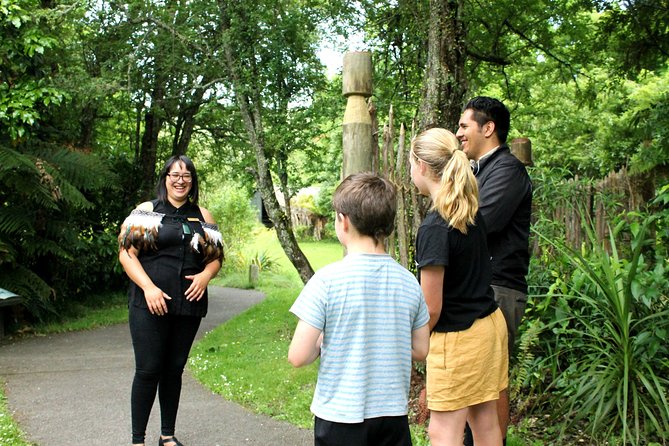
The guide is the heart of this experience. The best guides bring the village to life through family stories, personal memories, humour, and explanations of modern community life.
You might be led by someone who grew up in Whakarewarewa or has direct family ties to the village. That personal connection changes the tone. Instead of receiving only a formal talk about Māori culture, you may hear how traditions are carried forward within an active community.
Guides named Philip, Daniel, and Kylie have each received praise for being engaging and generous with questions. One guide was described as a fifth-generation Māori person from the village. Another was noted for being a strong singer and for explaining the community with obvious pride.
Of course, no guided tour is identical. A guide’s style may be more historical, more personal, or more focused on the geothermal activity. I suggest asking questions early if you want more detail about family life, language, colonisation, tourism, or present-day village customs.
There is also a sensitive point here. Māori history includes colonisation, conflict, land loss, and major social change. A guide may present strong views about those subjects. That can be an important part of honest cultural education, but you should expect the tone to be more direct than a neutral museum label.
Boiling mud and hot pools
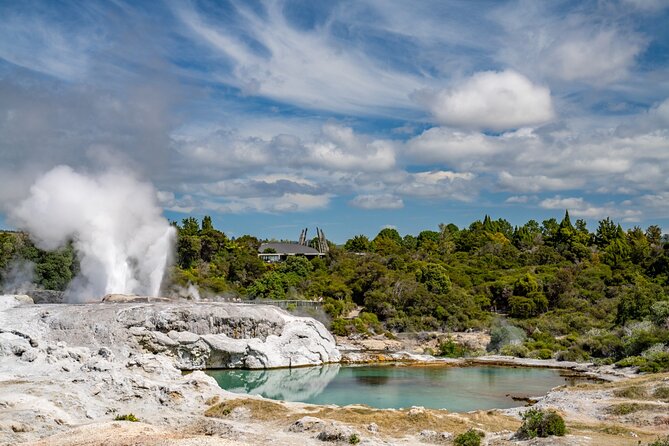
The geothermal features are impossible to miss. Whakarewarewa sits in one of Rotorua’s active geothermal areas, so you can expect boiling mud, steaming pools, hot springs, and the smell of sulphur.
The mud pools are visually odd and memorable. They bubble and pop rather than behaving like a normal pool of water. The hot springs show a different side of the same underground heat, with steam and mineral-rich water shaping the area around them.
The guide explains how the village uses this natural heat. That is where the visit becomes especially useful. You are not just looking at a dangerous natural feature from a path. You are learning how geothermal energy has supported food preparation and daily life.
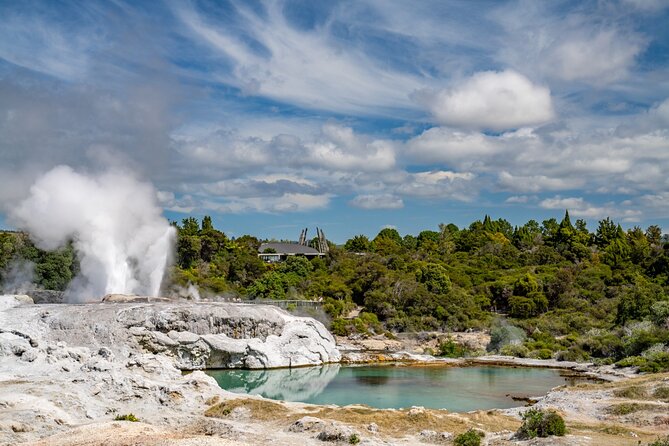
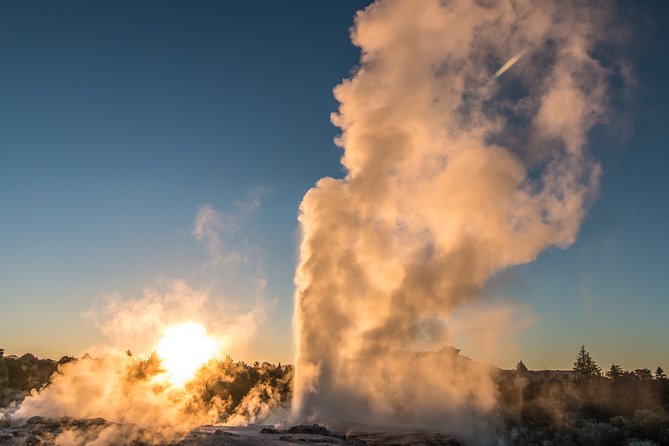
Pohutu Geyser is the star sight. The tour includes views from two platforms, giving you a safe place to watch the geyser’s activity. The exact display can vary, so do not treat the geyser as a timed stage performance. Its power is in the fact that it is part of a living geothermal field beside a real community.
Some people will find the geothermal side the most exciting part of the visit. If you have already toured several hot-spring parks around Rotorua, you may want more cultural content than the standard hour provides. The village works best when you treat the hot pools as part of the story, not the whole story.
A completely different kind of day out in Rotorua:
- Rotorua Canopy Tours: 2.5Hour Native Forest Zipline Adventure
★ 5.0 · 4,563 reviews - Rotorua: Wai-O-Tapu Geothermal Park Entry Ticket
★ 4.6 · 2,601 reviews - Rotorua’s Ultimate Zipline: 6 ziplines, 400 m Tandem, Cliff Walk
★ 5.0 · 2,557 reviews - Rotorua Rafting: Kaituna River White Water Rafting & Free Sauna
★ 5.0 · 1,952 reviews
The small but memorable corn tasting

A piece of corn on the cob cooked in the village’s largest hot pool is included with the guided tour. It is a simple touch, but it helps connect the explanation to something you can taste.
The corn has been praised for its sweetness. More important, the tasting shows that geothermal heat is not merely something to photograph. It has practical value, and Māori communities have long understood how to work with the natural conditions around them.
Do not expect a full meal. This is a sample, not lunch. If you are visiting around midday, plan food separately. The village includes a café and shops, but your available time for those depends on your tour slot and how long you spend looking around afterward.
What the one-hour itinerary gives you
The guided walk lasts about one hour, with admission included. During that time, you can expect an introduction to the village, Māori traditions, community life, geothermal features, and the use of hot pools for cooking.
The route includes viewing areas for Pohutu Geyser, boiling mud pools, and hot springs. You will also have the chance to taste the geothermal-cooked corn.
The pace is fairly purposeful. I would suggest staying with the guide rather than stopping too often for photographs. You can look around in more detail once the guided portion ends, but you may miss useful explanations if you fall behind.
That structure suits a first visit. You get a clear introduction before deciding how much extra time you want to spend on the site. It is also a good choice if you have only a short window in Rotorua.
The tradeoff is depth. A one-hour walk cannot cover every part of Māori history or village life. If you are hoping for a long performance, extensive craft demonstrations, or a full meal, check exactly what is included in your chosen booking. Separate cultural shows may be offered at other times, but they are not part of this basic guided tour.
Allow time for the museum, café, and shops
The guided walk ends back at the village meeting point, and you may have time to explore the museum, café, and gift shops. This extra time is useful because the tour itself moves along quickly.
The museum can help fill in details that a guide may only mention briefly. The shops give you a chance to browse local items, while the café offers a practical stop if you need food or a hot drink.
Timing matters. If you choose a 3 p.m. tour, the shop may be closed by the time your walk finishes. If browsing and shopping matter to you, arrive earlier or choose an earlier departure.
Some visitors also wished they had seen singing or a cultural performance. The one-hour tour may include traditional singing or chants as part of the guiding, but a separate performance is not guaranteed by the information provided for this experience. If that is your main reason for visiting, ask about performance times before you book.
Is $34.13 good value?
At $34.13 per person, this is a reasonable price for a short guided introduction to one of Rotorua’s most distinctive places. Admission is included, and you get a guide, geothermal viewing areas, cultural interpretation, and the corn tasting.
The value is strongest if you want three things in one visit: an active Māori village, geothermal scenery, and a guide who can explain both. Paying for a walk through hot pools alone would feel less distinctive. Here, the setting and community connection make the hour more meaningful.
The value is weaker if you want an extended cultural program. You may feel that the visit is mostly a walk around hot springs, especially if your guide gives less personal detail or if you arrive expecting a performance. In that case, compare this entry with longer experiences at the village.
I would also factor in the group size. A maximum of 20 people is not private touring, but it is small enough to keep the guide within earshot and make questions possible. For a short public tour, that helps justify the price.
The overall rating is 4.7 out of 5, with 92 percent recommending it. Those figures point to a consistently strong experience, but they do not remove the main question: do you want a compact introduction or a longer cultural visit?
Who will enjoy this tour most
I would recommend Whakarewarewa’s guided tour to you if you:
- Have about an hour available in Rotorua
- Want Māori culture presented by people connected to the village
- Enjoy geothermal sights but want more context than a nature-only park provides
- Are travelling with family and need an educational activity with a manageable time commitment
- Prefer a guided introduction before exploring on your own
- Want an experience near public transportation
It is also a good first stop before visiting other Rotorua attractions. The guide can give you a better sense of how geothermal activity shaped local life, and the visit does not consume half a day.
You may want something longer if you are especially interested in Māori performance, detailed history, or a more extended meal and cultural program. The short tour is a starting point, not the complete Rotorua story.
Practical tips for a better visit
Book your entry time in advance, especially if your Rotorua schedule is tight. Prebooking secures a selected time slot and avoids relying on space at the door.
Wear comfortable shoes. You will be walking around geothermal features, and the visit is more enjoyable when you are not worried about your feet.
Bring rain protection. The tour can still work in wet weather, but Rotorua weather can change quickly. Poor weather may lead to a different date or a full refund if the operator cancels.
If you want the shops, do not leave them until the end of a late tour. The 3 p.m. departure may finish after the shop has closed.
Keep a few dollar coins handy if you want to take part in the penny divers activity mentioned by one visitor. This is a small extra detail, not a central part of the guided tour.
Ask questions. The best moments often come when the guide moves beyond the set route and explains family connections, village customs, language, or modern life. A short tour gives you more value when you take an active part in the conversation.
Final decision: book it for context, not just scenery
You should book Whakarewarewa Village if you want a short, well-organized introduction to Māori culture in a real community, with Rotorua’s geothermal activity close at hand. The personal guides, Pohutu Geyser viewing platforms, and geothermal corn tasting give the hour a clear sense of place.
I would not choose it as your only Māori cultural activity if you are seeking a long performance or extensive historical treatment. But as a compact Rotorua experience, it offers a strong mix of people, place, and natural heat. Choose an earlier time if you want to browse afterward, wear good shoes, and arrive ready to listen as well as look.
FAQ
How long does the Whakarewarewa Village Guided Tour last?
The guided tour lasts approximately one hour.
Where does the tour begin and end?
It begins at Whakarewarewa, The Living Māori Village, 17 Tryon Street, Whakarewarewa, Rotorua 3010. The activity ends back at the meeting point.
What is included in the tour?
Admission, a guided village tour, views of boiling mud pools, hot springs, and Pohutu Geyser from two viewing platforms are included. You also have the opportunity to taste corn cooked in the village’s largest hot pool.
How many people can join the tour?
The activity has a maximum group size of 20 people.
Is the tour suitable for most visitors?
Most people can participate, and the site is near public transportation. Comfortable shoes are recommended because the tour includes walking.
What is the cancellation policy?
You can cancel up to 24 hours before the experience for a full refund. Changes or cancellations made less than 24 hours before the start time are not accepted for a refund. If poor weather causes the operator to cancel, you will be offered another date or a full refund.
Just added around Rotorua
- Te Puia: Tuku Iho Trail with Cultural Show★ 5.0 · 5 reviews
- Ultimate self-drive rail car journey★ 5.0 · 5 reviews
- Private Tour Waiotapu Geothermal Shore Excursion up to 8 passengers★ 5.0 · 6 reviews
- Rotorua: Floatplane Flight with Orakei Korako Landing★ 5.0 · 6 reviews
- Rotorua: Evening Starlight Gourmet Kayak Tour with dinner★ 5.0 · 6 reviews
- Rotorua: Glow Worm Adventure Kayak★ 5.0 · 6 reviews
- Epic Tandem Kayak Tour down the Kaituna River Waterfalls★ 5.0 · 6 reviews
- From Rotorua: Whirinaki Rainforest Guided Cultural Tour★ 5.0 · 6 reviews
Maori Cultural Experiences, compared.
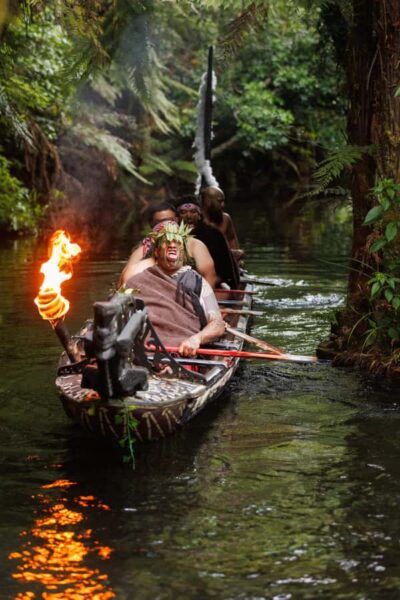
Mitai Maori Village: Cultural Experience and Dinner Buffet
Read our review →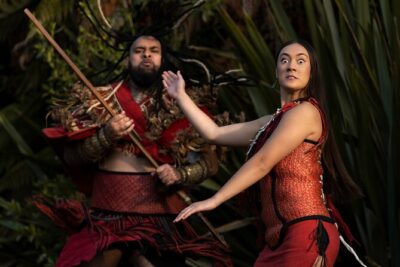
Cultural Experience & Seasonal Māori Cuisine at Te Pā Tū
Read our review →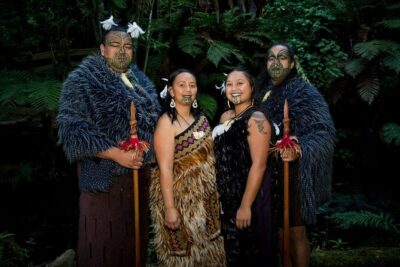
Mitai Maori Village Cultural Experience in Rotorua
Read our review →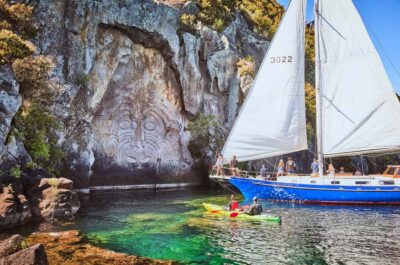
Lake Taupo: Classical Sailing to the Māori Rock Carvings
Read our review →
Te Pa Tu Māori Cultural Experience with Dinner
Read our review →
Lake Taupō Māori Rock Carvings Scenic Cruise aboard Ernest Kemp
Read our review →
Waitomo Caves & Rotorua – Te Puia Small-Group Tour from Auckland
Read our review →
Lake Taupo: Maori Rock Carvings 10.30 AM 1.5-Hour Cruise
Read our review →Browse the lists this tour appears in