
Reviewed · WILDLIFE & NATURE TOURS
Dunedin: Monarch – One Hour Wildlife Cruise
Albatross ride the wind here. This compact wildlife cruise takes you from Wellers Rock Wharf along the rugged Otago Peninsula, where royal albatross circle above volcanic cliffs and fur seals crowd the rocks below. I like the close look at wildlife and the steady stream of commentary on local geology, history, and birds.
I also like the price: $41 per person for a focused one-hour outing. You get a real taste of the peninsula without giving up most of your day. The main catch is the drive from central Dunedin, which can take 45 to 60 minutes, and the boat may feel rough for anyone prone to seasickness.
In This Review
- Key points to know before you go
- Why this short cruise works so well
- Reaching Wellers Rock Wharf from Dunedin
- Leaving the harbour for Aramoana Beach
- Military remains on the rocky shore
- Taiaroa Head and the royal albatross colony
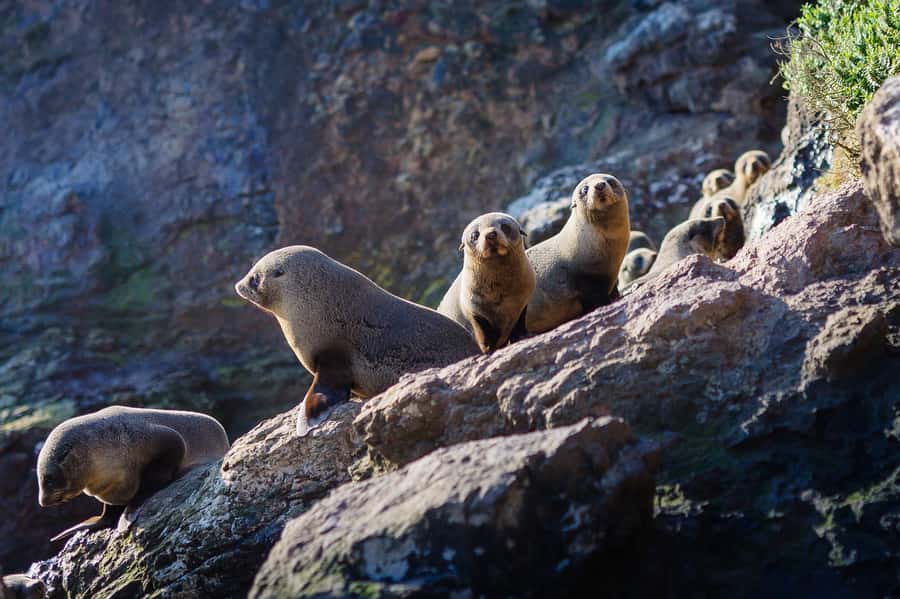
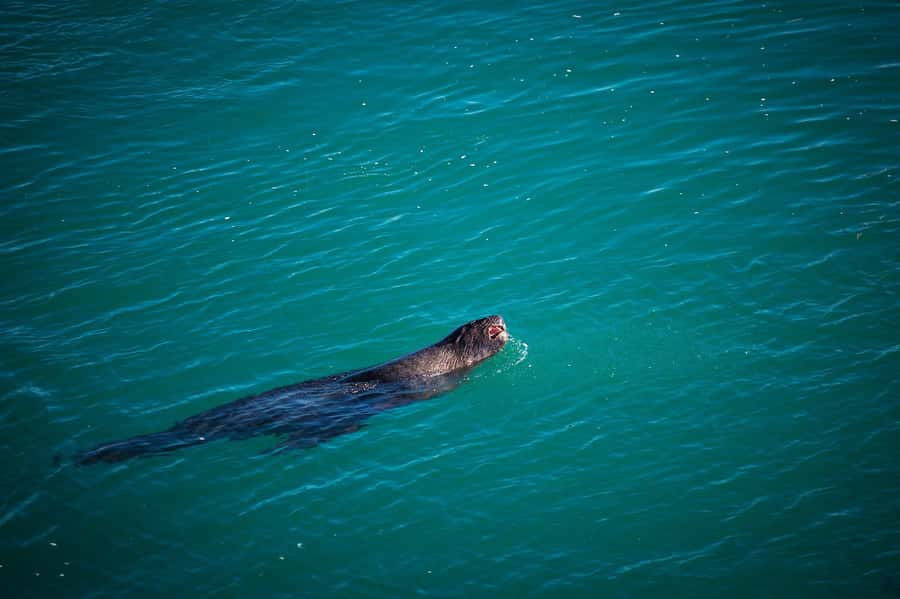
- Fur seals at the rocky breeding area
- A short run into the Pacific Ocean
- What the commentary adds
- Is $41 good value for one hour?
- Who should book this wildlife cruise?
- Should you book the Monarch cruise?
- FAQ
- Where does the Monarch wildlife cruise depart?
- How long is the wildlife cruise?
- How far is Wellers Rock Wharf from central Dunedin?
- What wildlife might I see?
- Is hotel transportation included?
- What should I bring?
Key points to know before you go
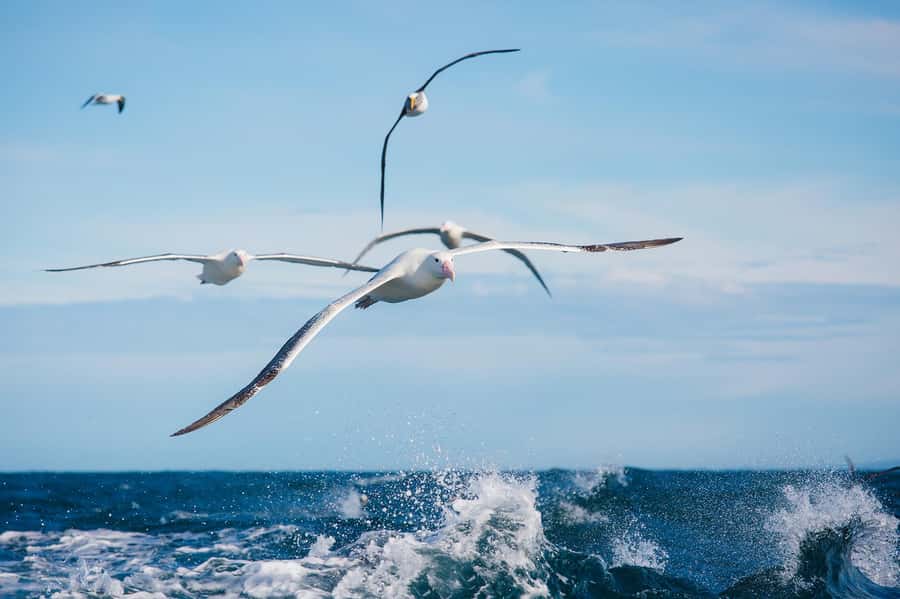
- Royal albatross at Taiaroa Head: Watch birds with wingspans of about three meters glide above the world’s only mainland royal albatross colony.
- A working wildlife boat trip: The sturdy boat heads beyond the harbour entrance into the Pacific Ocean, not just around a calm waterfront.
- Several kinds of wildlife: Look for New Zealand fur seals, sea lions, cormorants, petrels, smaller albatross species, and, with luck, dolphins or blue penguins.
- More than animal spotting: Commentary covers the Otago Peninsula’s wildlife, military remains, lighthouse, and volcanic geology.
- Allow extra time for access: Wellers Rock Wharf is 45 to 60 minutes by car from central Dunedin, and hotel transport is not included.
- Bring warm layers: A cool, brisk southerly wind is common, even when Dunedin feels mild.
Why this short cruise works so well
The Monarch Wildlife Cruise is a small slice of the Otago Peninsula, but it packs in a surprising amount. In one hour, you see birds overhead, marine mammals on the rocks, a historic lighthouse, old military defenses, and the rough edge where Otago Harbour meets the Pacific.
I like this format for visitors with limited time. A longer peninsula day can include land-based wildlife stops, but this cruise gives you a different view of Taiaroa Head and the harbour entrance. From the water, cliffs rise above you and wildlife sits at eye level instead of appearing as a distant shape through binoculars.
The boat is described as cosy, clean, and tidy, with a crew member providing live English commentary. That matters on a short trip. You are not left guessing which dark shape is a seal or why the hills are cut with tunnels. The guide explains what you are seeing as the boat moves along, so the hour feels purposeful rather than rushed.
Still, this is not a guaranteed marine mammal safari. Wildlife is wild, and the optional sightings, such as dolphins, blue penguins, and Hector’s dolphins, depend on the day. The royal albatross, seals, and coastal scenery are the stronger reasons to book.
More Boat Tours in Dunedin
- Otago Peninsula Wildlife Cruise with Monarch
★ 4.5 · 227 reviews - Albatross, seals, and sea birds-Wildlife Cruise
★ 5.0 · 189 reviews - Cruise Dunedin City and Castle Tour
★ 5.0 · 142 reviews
Reaching Wellers Rock Wharf from Dunedin
You need to drive yourself to Wellers Rock Wharf. From central Dunedin, allow 45 to 60 minutes, depending on traffic and road conditions. That travel time changes the way you should plan the outing: it is not a quick walk-up harbour activity from downtown.
The drive is part of the appeal. The Otago Peninsula is known for beautiful coastal scenery, and the route gives you time to shift from city sightseeing to open water and wind-shaped cliffs. If you are building a full day around the cruise, leave room for the drive in both directions rather than treating the one-hour boat ride as a one-hour total commitment.
Arrive prepared for exposed conditions. Bring warm clothing, a hat, sunscreen, and a camera. A waterproof camera is especially useful near spray and rocky shorelines. The cool southerly wind can make the boat feel brisk, even if the weather looked pleasant when you left Dunedin.
There is no hotel pickup, food, or drink included. Plan to eat before or after the cruise, and do not count on buying refreshments as part of the boat trip. Smoking, vaping, alcohol, drugs, drones, fishing, and feeding animals are not allowed.
Leaving the harbour for Aramoana Beach
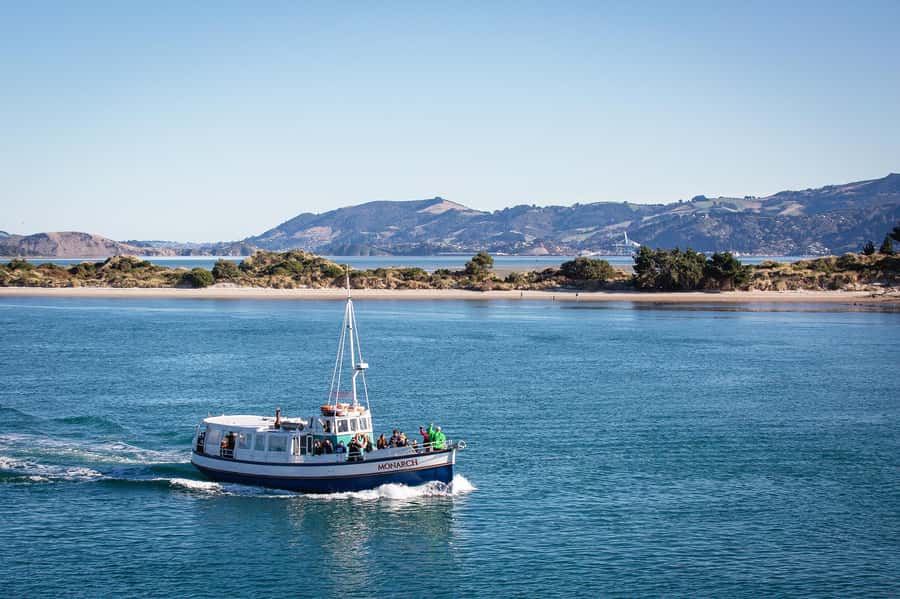
Once the boat gets underway, the first part of the cruise helps you understand the shape of the Otago Harbour. You pass toward Aramoana Beach, where tidal sandflats create a resting place for sea lions.
Sea lions may be sprawled across the sand, basking in the sun. Their relaxed appearance can be misleading. Marine mammals use these quiet areas to rest, and the boat gives you a chance to watch natural behavior without entering their space. Keep your camera ready, but do not expect every animal to pose neatly.
The beach and sandflats also show why tides matter here. At one moment, an area can look like a broad beach; later, water covers much of it. The commentary adds useful context about the coast and the creatures that depend on it.
The harbour section is also a good warm-up for the Pacific stretch. Water conditions may be calmer inside the harbour, while the open section can bring more movement. If you are prone to seasickness, this is a real consideration, not a minor footnote. Sit where the crew recommends, keep your eyes on the horizon when needed, and bring any personal seasickness remedy you normally use. The activity is specifically not suited to people who often become seasick.
Military remains on the rocky shore
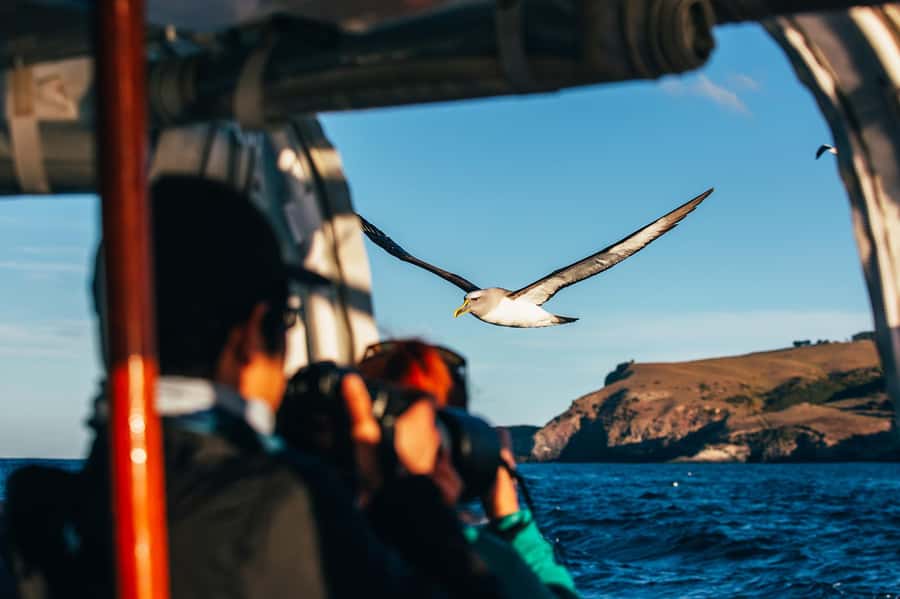
Across the harbour channel, the boat passes remnants of the area’s military past. Lookouts and gun emplacements were built into the rocky hill, with tunnels connecting some of the positions.
These structures are easy to miss when you focus only on birds and seals. The cruise commentary gives them a place in the story of the coast. You see how the hills were used for defense and how human history is still written into the rock.
This section will not replace a dedicated military history tour. Its value is the contrast. A few minutes earlier, you were watching sea lions on tidal flats. Now the boat is pointing toward tunnels and gun positions above the channel. The Otago Peninsula is not just a scenic backdrop, and the guide helps make that clear.
More Wildlife Tours in Dunedin
- Dunedin: Wildlife and Penguin Tour
★ 4.6 · 239 reviews - Dunedin: Otago Peninsula with Guided Penguin Reserve Tour
★ 4.7 · 66 reviews - From Dunedin: City, Otago Peninsula & Albatross Guided Tour
★ 4.7 · 35 reviews - Clearwater Wildlife Tours (small group 10max) Otago Peninsula
★ 5.0 · 531 reviews
Taiaroa Head and the royal albatross colony
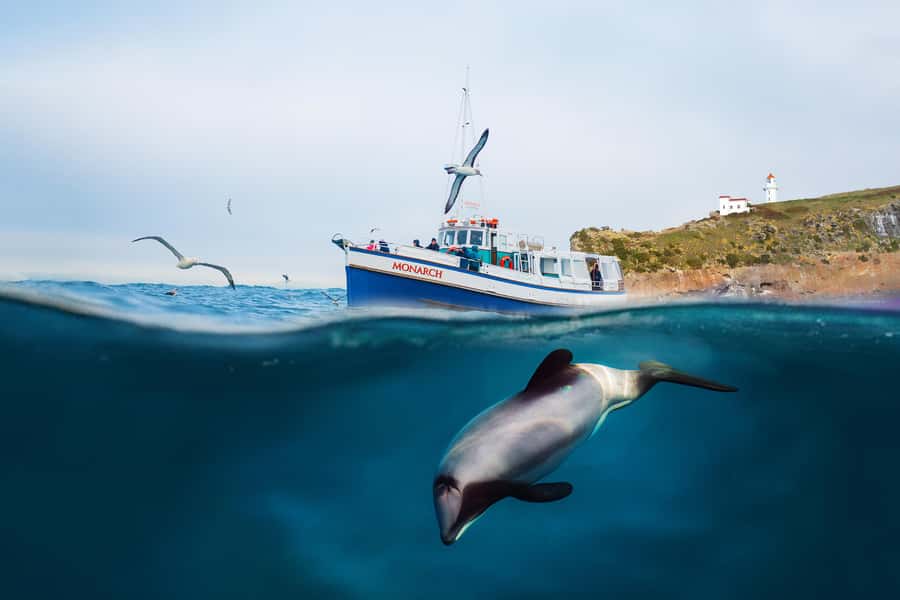
The main event is Taiaroa Head, where the boat offers views of the world’s only mainland colony of royal albatross. These are enormous seabirds, with wingspans reaching roughly three meters.
The best part is watching the birds use the air rather than simply watching them sit. Royal albatross can glide low over the ocean, then catch updrafts rising from the hillside to gain height. They may circle above the cliffs before returning toward their nesting area.
This is where the boat’s position becomes valuable. You get an uninterrupted view from the water, with no need to look through a crowded viewing window or stand behind a line of people on land. The birds are still wild and may not follow a schedule, but their size makes even a brief appearance memorable.
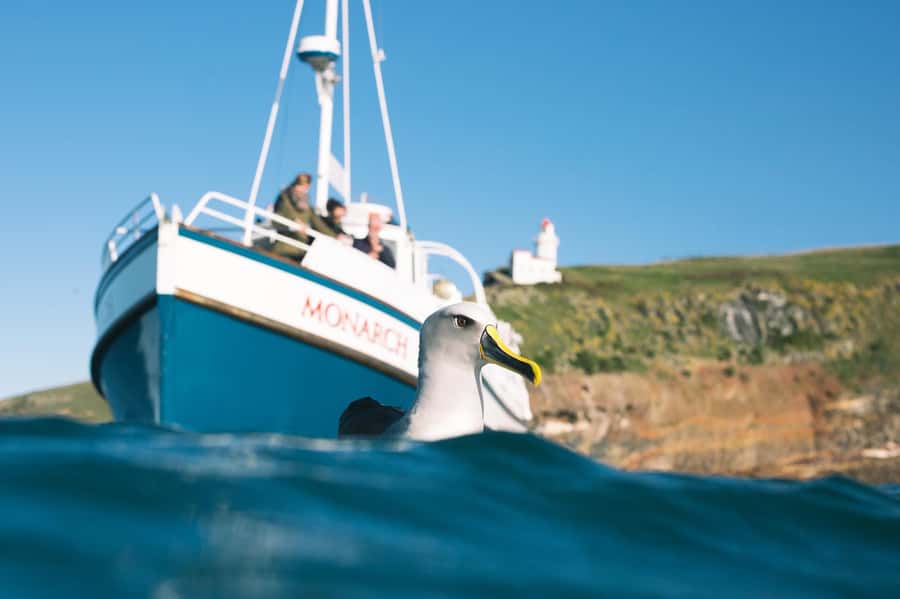
The cruise also passes the historic lighthouse perched above the volcanic cliffs. Built in 1864, it was the first lighthouse built on New Zealand’s South Island. The lighthouse adds a strong visual marker to the headland, while the volcanic cliffs explain the hard, dramatic shape of the coast.
You should bring a camera, but do not spend the whole time staring at a screen. Albatross move quickly, and their broad wings are easier to appreciate in real time. Take a few photographs, then watch the birds work the wind.
Fur seals at the rocky breeding area
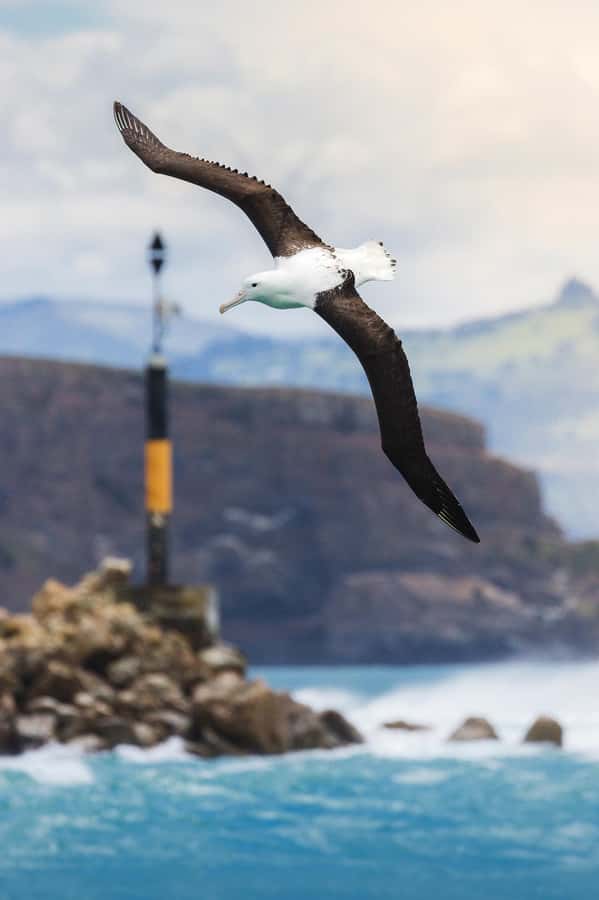
The boat then approaches rocky outcrops extending into the ocean. These rocks are home to a large New Zealand fur seal colony, and this is often the most entertaining wildlife stop.
Fur seals may be asleep in a heap, arguing over space, playing in the water, or scrambling across the rocks. Their behavior changes from one moment to the next, so the scene has more life than a simple seal haul-out.
The close approach is exciting, but the important word is close, not touching. The boat lets you observe the colony from the water, while the seals remain on their rocks or in the sea. Feeding animals is prohibited, and that is exactly as it should be. Wild behavior is more interesting than a performance created by snacks.
The rocky setting also makes the stop photogenic. Seals on gray stone, white water, and steep coastal cliffs give you a clear sense of how exposed these animals are to the ocean. Keep your waterproof camera ready, since the boat may be near spray and moving water.
A short run into the Pacific Ocean
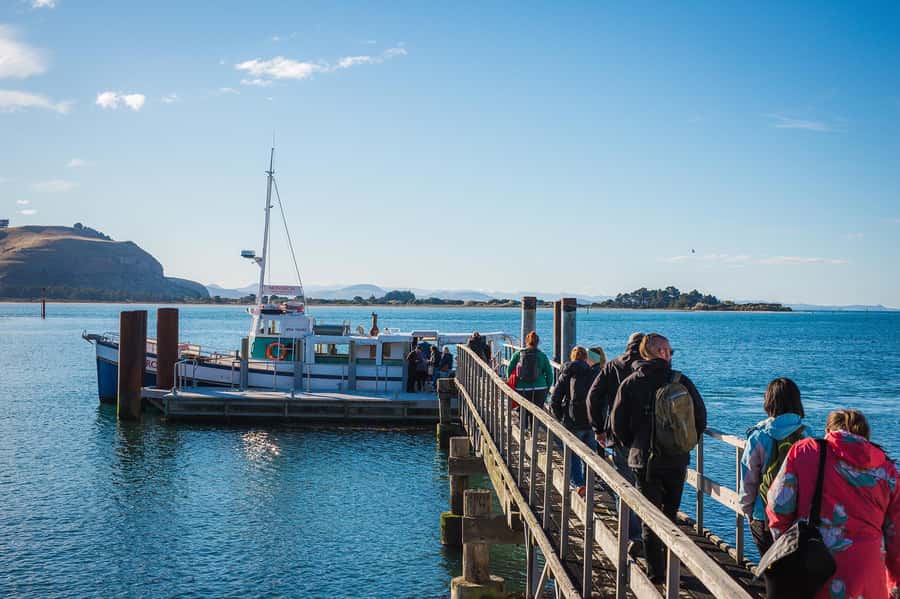
After the harbour and headland, the boat travels a short way into the Pacific Ocean. This is the part that makes the trip feel like a genuine wildlife cruise rather than a simple harbour loop.
You might see smaller albatross species, cormorants, and petrels moving over the water. These birds are harder to identify than the royal albatross, so the live commentary is especially useful. Watch flight patterns and listen for the differences between birds that soar, skim, and flap close to the surface.
Blue penguins, dusky dolphins, Hector’s dolphins, and other marine mammals are also possible. They are not promised, and you should treat them as lucky additions rather than the core product. If dolphins appear, the crew can help you focus your attention in the right direction, which is valuable when a sighting may last only moments.
The open ocean can also be the roughest part of the trip. That is why warm clothes and sensible preparation matter. The trip often has a cool, brisk southerly wind, and the conditions may feel much sharper once the boat clears the harbour.
What the commentary adds
A one-hour cruise can easily become a parade of quick sightings with no sense of place. Monarch’s full commentary helps prevent that. The guide covers wildlife, local history, and geology, tying together the birds in the air, the seals on the rocks, the lighthouse above Taiaroa Head, and the volcanic cliffs beneath it.
The commentary also makes the outing easier for mixed groups. One person may care most about photography, another about seabirds, and another about military history. You get enough explanation to keep each part connected without needing to research the peninsula before you arrive.
A recent passenger described the guide as especially strong on the subject and praised the clean, cosy boat. That matches the practical value of the trip: the boat provides a comfortable base, while the guide gives you the background needed to understand the views.
Is $41 good value for one hour?
At $41 per person, this is good value if you want a focused wildlife experience and can handle the drive to the wharf. The price includes the one-hour cruise and full commentary. It does not include transportation, food, or drinks, so your real cost will be higher if you need to rent a car or arrange other transport.
The short duration is both a strength and a limit. You can fit the cruise around other Dunedin plans, and you are not committing an entire day to one activity. On the other hand, wildlife sightings can take time, and one hour leaves little room for delays or extended searching.
I would choose this cruise if royal albatross, fur seals, and coastal views are high on your list. I would think twice if you want a full peninsula experience with long land-based stops, meals, or a guaranteed dolphin encounter.
The flexible booking terms add some practical value. You can cancel up to 24 hours ahead for a full refund, and the reserve-now, pay-later option lets you hold a place without paying immediately. Those details help when South Island weather and road plans are still shifting.
Who should book this wildlife cruise?
This trip suits couples, families with older children, photographers, bird lovers, and anyone who wants a manageable introduction to Otago Peninsula wildlife. It also works well for people with only part of a day available.
You should be comfortable on a moving boat and able to reach the vessel without wheelchair access. Baby strollers, electric wheelchairs, bikes, and climbing equipment are not permitted. The cruise is not suitable for wheelchair users or people prone to seasickness.
Bring layers rather than relying on a warm city forecast. Add a hat and sunscreen, protect your camera from spray, and keep your schedule loose enough to allow for the drive from Dunedin.
Should you book the Monarch cruise?
Book it if you want a reasonably priced hour on the water with a strong chance of seeing royal albatross and New Zealand fur seals. The combination of large seabirds, sea lions, military remains, a historic lighthouse, and volcanic cliffs gives the trip more substance than its short duration suggests.
Skip it if seasickness is a serious problem, if you do not have transport to Wellers Rock Wharf, or if you need a full-day peninsula tour. For the right visitor, though, this is an efficient and memorable way to meet the wildlife of Otago Harbour without giving up an entire day.
FAQ
Where does the Monarch wildlife cruise depart?
The cruise departs from Wellers Rock Wharf on the Otago Peninsula.
How long is the wildlife cruise?
The cruise lasts one hour.
How far is Wellers Rock Wharf from central Dunedin?
You should allow 45 to 60 minutes to drive from central Dunedin to the wharf.
What wildlife might I see?
You may see royal albatross, smaller albatross species, New Zealand fur seals, sea lions, cormorants, petrels, blue penguins, dusky dolphins, Hector’s dolphins, and other marine mammals.
Is hotel transportation included?
No. You must arrange your own transport to and from Wellers Rock Wharf. Food and drinks are also not included.
What should I bring?
Bring warm clothing, a hat, a camera, sunscreen, and a waterproof camera if you have one.
More 1-Hour Experiences
- One Hour Cathedral Cove Boat Tour in Hahei
★ 5.0 · 340 reviews - Queenstown: 1-Hour Zipline Tour with 2-Lines & 21-Meter Drop
★ 4.6 · 119 reviews - Lake Wanaka 1-Hour Cruise Including Wine and Cheese
★ 4.5 · 95 reviews - Russell: 1-Hour Sightseeing Tour by Coach & Long Beach
★ 4.8 · 61 reviews
Just added around Dunedin
- Private Dunedin City Highlights and Otago Peninsula Day Tour★ 4.3 · 7 reviews
- Dunedin: 3 Hour Artisan Food Walking Tour★ 4.4 · 7 reviews
- Dunedin: Peninsula with Lanarch Castle gardens & Olveston★ 5.0 · 8 reviews
- Dunedin City & Coastal Views 3-Hour Small-Group Tour★ 4.9 · 23 reviews
- From Dunedin: City, Otago Peninsula & Albatross Guided Tour★ 4.7 · 35 reviews
- Dunedin: Larnach Castle & Gardens Admission Ticket★ 4.6 · 36 reviews
- Dunedin City & Otago Peninsula Scenery Day Tour★ 4.7 · 49 reviews
- Dunedin: Otago Peninsula with Guided Penguin Reserve Tour★ 4.7 · 66 reviews
Wildlife & Nature Tours, compared.

Auckland Dolphin and Whale Watching Eco-Safari Cruise
Read our review →
Whale and Dolphin Watching Half-Day Eco Cruise
Read our review →
Gannet Safaris Overland tour to Cape Kidnappers Gannet Colony
Read our review →

Clearwater Wildlife Tours (small group 10max) Otago Peninsula
Read our review →

Guided Evening Penguin Viewing Otago Peninsula, Dunedin, New Zealand
Read our review →
Browse the lists this tour appears in