
Reviewed · WILDLIFE & NATURE TOURS
Dunedin: Wildlife and Penguin Tour
Penguins are never on your schedule. That is part of the charm of this 90-minute tour on Dunedin’s Otago Peninsula, where you ride into a private eco-reserve, walk about 2 kilometers, and search for hoiho, kororā, seals, sea lions, and native birds. I like the mix of wildlife viewing and conservation education, and I like that your $44 fee helps protect the reserve rather than simply paying for a photo stop.
The tour also includes a theatre presentation and, when penguins are present, a visit to the rehabilitation centre. Guides such as Emma and Eden have earned praise for their enthusiasm and clear explanations. The main caution is simple: wild penguin sightings are never guaranteed, especially for the rare yellow-eyed penguin. You need comfortable walking shoes, outdoor clothing, and patience.
In This Review
- Key points to know before you book
- Why this Otago Peninsula tour is different
- The theatre presentation sets the scene
- The rehabilitation centre offers a closer penguin view
- The bus ride saves time and adds useful commentary
- The 2-kilometer reserve walk is the heart of the visit
- Wildlife sightings depend on patience and conditions
- What the $44 price gets you
- Weather, clothing, and practical comfort
- Who will enjoy this tour most
- Should you book the Dunedin Wildlife and Penguin Tour?
- FAQ
- Where does the Dunedin Wildlife and Penguin Tour start?
- How long does the tour last?
- Will I definitely see a yellow-eyed penguin?
- Can I see penguins at the rehabilitation centre?
- What wildlife might I see besides penguins?
- What should I bring?
- Is the tour suitable for wheelchair users or people with limited mobility?
Key points to know before you book
- Three-part format: Start with a conservation presentation, visit the rehabilitation centre when penguins are present, then take a bus into the reserve for a guided walk.
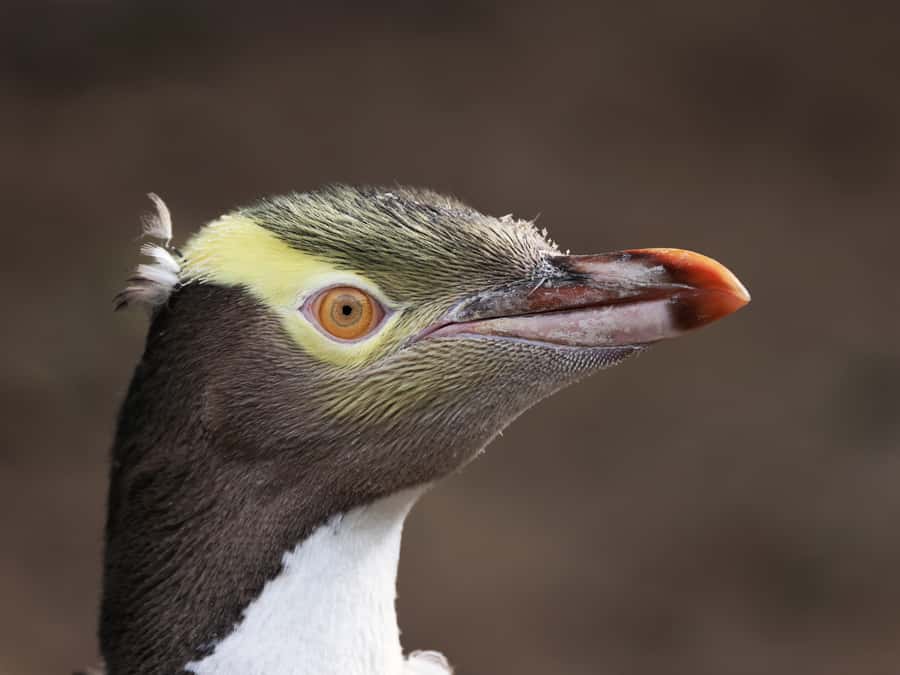
- Yellow-eyed penguins are the prize: Hoiho are rare and declining, so sightings can vary by season and from one day to the next.
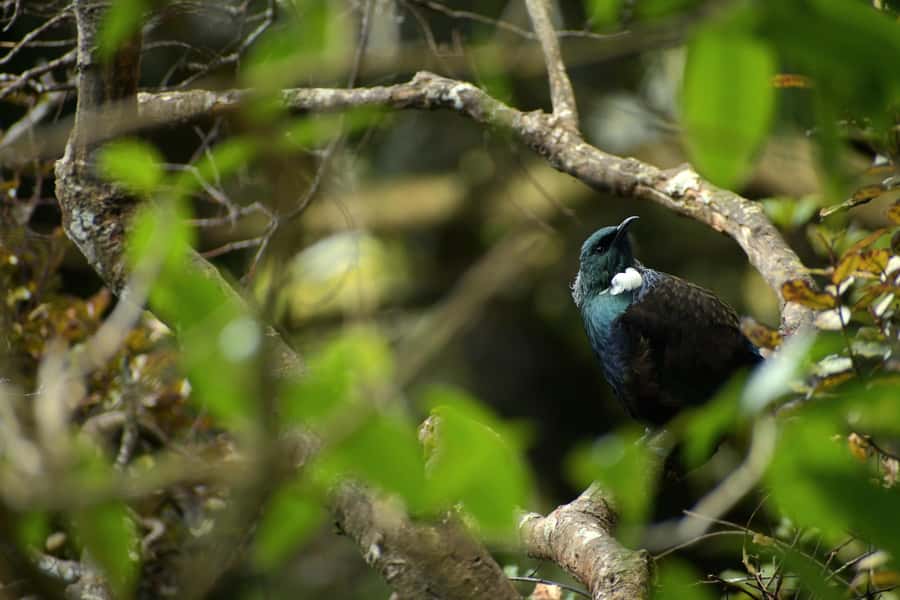
- Plenty beyond penguins: You might see little blue penguins, New Zealand fur seals, sea lions, shorebirds, and forest birds.
- A real nature walk: The route covers about 2 kilometers and is not suited to wheelchair users, people with mobility impairments, or visitors with low fitness.
- Good wet-weather planning: Rain jackets are included, and the operator may offer wet-weather gear if you arrive without suitable clothing.
- Conservation has a visible role: You learn how the reserve is being restored and how rehabilitation work supports local wildlife.
Why this Otago Peninsula tour is different
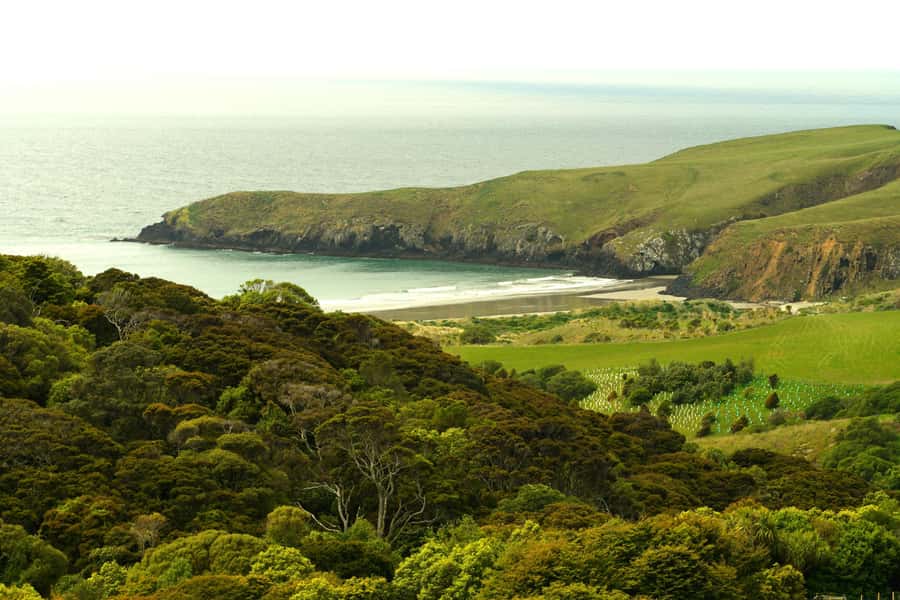
Many wildlife trips treat conservation as a short speech before the main event. Here, it shapes the whole visit. The reserve is privately managed and is being restored to a more natural condition for penguins, seabirds, forest birds, seals, and sea lions.
That matters because the animals are not being brought out for a guaranteed show. You are entering a protected place and looking for wildlife that follows its own timetable. If you see a yellow-eyed penguin coming ashore, you have had a lucky encounter. If you do not, the visit still gives you a better understanding of why these birds need quiet habitat and careful management.
I also like the three-part structure. The theatre session gives you context before the walk, the rehabilitation centre offers your best chance to see penguins at close range, and the reserve walk puts that conservation work into a real setting. The order makes the tour feel like more than a quick drive and photo stop.
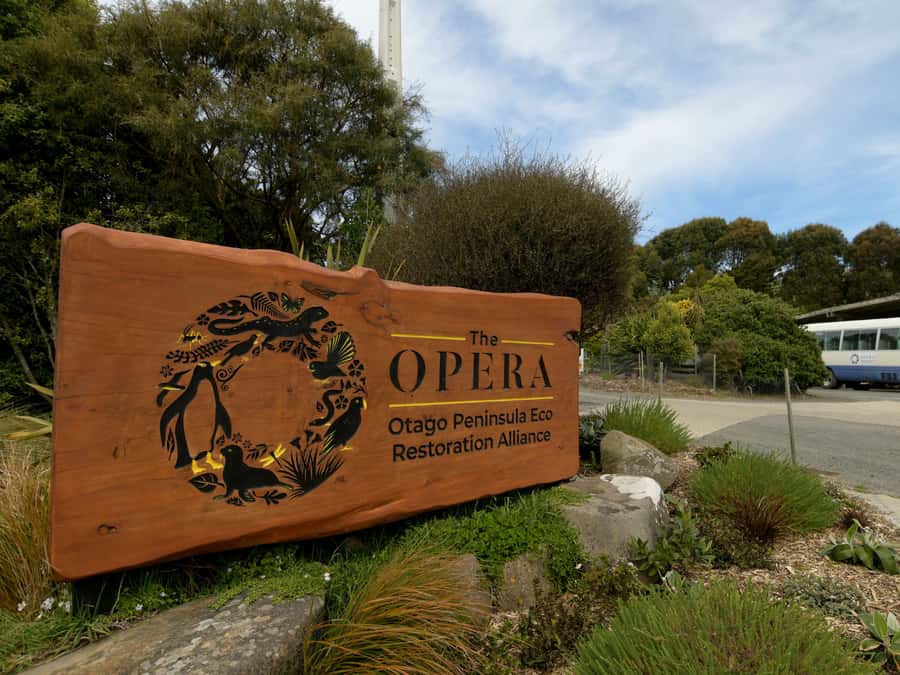
The experience begins at 45 Pakihau Road on the Otago Peninsula. Check in at reception, then settle in for the first section of the visit.
More Wildlife Tours in Dunedin
- Dunedin: Otago Peninsula with Guided Penguin Reserve Tour
★ 4.7 · 66 reviews - Dunedin: Monarch – One Hour Wildlife Cruise
★ 4.5 · 48 reviews - From Dunedin: City, Otago Peninsula & Albatross Guided Tour
★ 4.7 · 35 reviews
The theatre presentation sets the scene
The opening presentation explains the plan to restore the reserve to something closer to its original state. You learn about hoiho, or yellow-eyed penguins, along with the pressures affecting them and the work being done to protect all species in the reserve.
This is useful preparation for the walk. Without it, you might see a penguin in the distance and move on. After the presentation, you understand why guides ask you to keep still, avoid touching animals, and follow instructions closely. Yellow-eyed penguins are particularly sensitive to disturbance, so the rules are part of the protection effort, not a nuisance added to the tour.
The talks also cover nesting areas, native plants, and the wider mix of wildlife. This gives you something to watch for beyond the headline species. Several guides have been praised for answering questions and keeping up a running explanation during the bus ride. Emma and Eden are two names that come up often for their passion and strong command of the subject.
The theatre setting may feel less exciting than heading straight outside, especially if you have limited time in Dunedin. Still, it makes the later sightings more meaningful. You know what you are looking at and why the reserve matters.
The rehabilitation centre offers a closer penguin view
The rehabilitation centre is visited when yellow-eyed penguins or other penguin species are present. This is an important part of the tour because wild sightings can fail to appear, while the centre may provide a closer look at birds receiving care.
The level of visibility can vary. One practical criticism is that viewing areas may feel limited because the penguins need protection from people. That is a fair tradeoff, but you should not expect a full, close-up encounter every time. The centre exists for the animals first.
At different times, visitors have seen several penguins there, including yellow-eyed penguins. Some have also seen penguins being released, which can be a memorable conservation moment. The centre may also hold more than one species, giving you a chance to compare the larger yellow-eyed birds with little penguins.
This stop helps protect the tour from becoming an all-or-nothing wildlife bet. You may miss hoiho on the beach but still see them at the rehabilitation centre. You may also see little blue penguins in nest boxes, as some groups have. The viewing is not guaranteed, but the centre gives you a second setting in which penguins may be present.
Bring your camera, but keep your expectations sensible. The centre is not a petting area, and touching animals is not allowed.
The bus ride saves time and adds useful commentary
After the indoor sections, a short bus ride takes you into the private reserve. The transport is practical, since it avoids turning the entire 90-minute visit into a long walk from the entrance.
The ride also gives the guide time to point out features of the reserve. A continuous commentary can make this short transfer feel useful rather than merely functional. You might hear more about habitat restoration, nesting areas, and the animals you could encounter during the walk.
This is also where the tour’s compact length works in your favor. Ninety minutes is enough to see the main sections without consuming half a day, making it easy to fit around other Dunedin plans. The tradeoff is that the schedule leaves little room for a long wait if wildlife is hiding. Nature does not always cooperate with a neat timetable.
Groups may be divided into smaller parties, which can help during the walking section. The available comments suggest that guides try not to rush people who want to stop for photographs or watch animals for a little longer, though the full pace will still depend on the group and the conditions.
A completely different kind of day out in Dunedin:
- Dunedin: Speight’s Brewery Guided Tour with Tasting
★ 4.8 · 170 reviews - Dunedin: Scenic Railway Tour Through the Taieri Gorge
★ 4.7 · 73 reviews - Dunedin City & Otago Peninsula Scenery Day Tour
★ 4.7 · 49 reviews - Dunedin: Larnach Castle & Gardens Admission Ticket
★ 4.6 · 36 reviews
The 2-kilometer reserve walk is the heart of the visit
The guided nature walk covers approximately 2 kilometers, or 1.25 miles. It takes you through the reserve in search of wildlife rather than leading you to a single viewing platform.
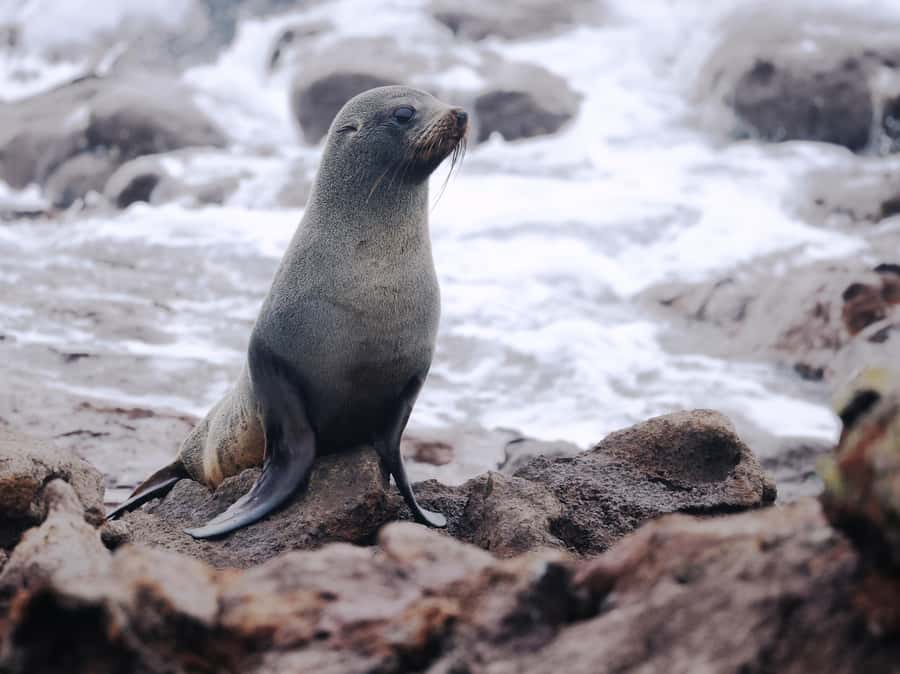
You might see yellow-eyed penguins, little penguins, New Zealand fur seals, sea lions, shorebirds, land birds, and native plants. Fur seals and sea lions can be especially rewarding because they may be visible at close range. Watching their behavior can fill the gap if the penguins stay out of sight.
Little blue penguins may appear in or around their nest boxes. These small birds can be easy to miss, so listen carefully to the guide and use binoculars if you have them. Some visitors have been able to see blue penguins, fur seals, sea lions, and several kinds of birds on the same outing.
Yellow-eyed penguins are less predictable. Their numbers are declining, and viewing changes throughout the year and from day to day. You might see one in the wild, several, or none at all. The guide will make the best possible effort, but no responsible operator can promise a sighting.
That uncertainty is worth understanding before you pay. If your main goal is a guaranteed penguin photograph, this may leave you disappointed. If you want to support a protected habitat and learn how wildlife survives there, the walk has more to offer.
The route is not suitable for wheelchair users, people with mobility impairments, people with visual impairments, or people with a low level of fitness. Wear shoes that are comfortable for a 2-kilometer outdoor walk. Bring warm outdoor clothing, even if the weather looks mild at the start.
Wildlife sightings depend on patience and conditions
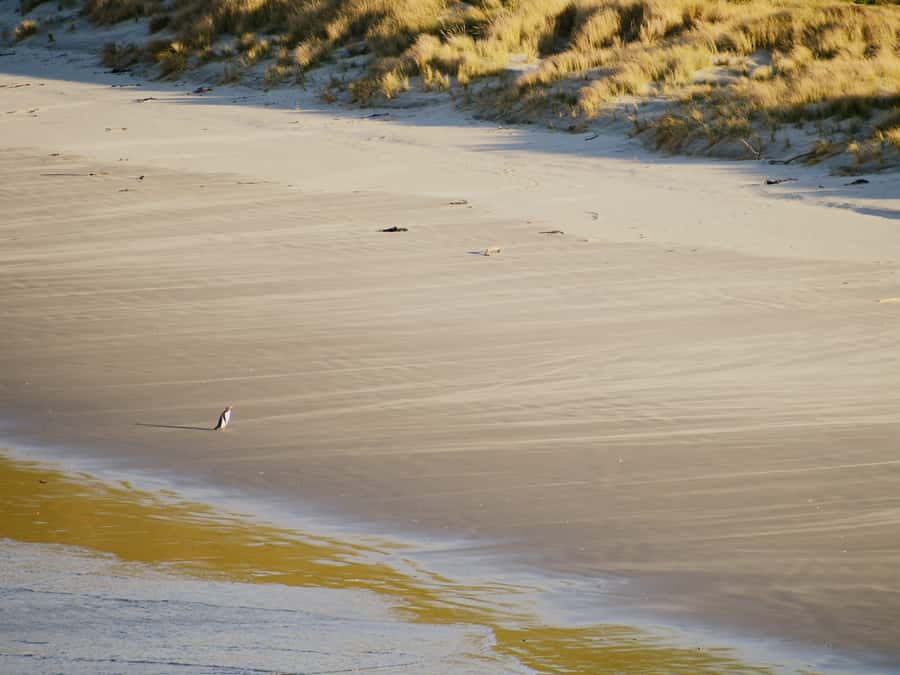
The best feature of this tour is also the hardest to control. The animals are wild. You are not moving through a zoo with a set display at every stop.
Some groups have seen yellow-eyed penguins on the beach or in the reserve, while others have missed them completely. Little blue penguins may be easier to encounter in nest boxes, but even they are not guaranteed. Seals and sea lions often provide a strong alternative, along with shorebirds and forest birds.
Your guide can improve your chances by knowing the reserve and explaining where to look. Guides Emma and Eden have been singled out for their enthusiasm, and that matters when you are waiting quietly for a small bird to appear. A guide who keeps explaining what is happening helps you stay interested even during a quiet spell.
Binoculars are worth bringing. The tour information asks you to bring them, though some groups have been supplied with binoculars when visitors arrived without them. I would not rely on that, especially if clear wildlife viewing matters to you.
A camera is also useful, but remember that many sightings may be at a distance. The best souvenir may be a photograph, but the better takeaway is learning how easily wildlife can be disturbed and how much work is needed to restore habitat.
What the $44 price gets you
At $44 per person, this is a reasonably priced short wildlife outing. You receive a 90-minute guided visit, the bus ride into the reserve, the theatre presentation, access to the rehabilitation centre when penguins are present, the nature walk, and rain jackets.
The value is strongest if you want a focused introduction to Otago Peninsula wildlife without committing to a much longer excursion. You are also contributing to conservation work, which gives the fee a purpose beyond transport and guiding.
The price is less compelling if you are paying solely for a yellow-eyed penguin sighting. That outcome cannot be promised, and the rare birds may remain hidden. Think of the penguin as a welcome possibility, not the product being guaranteed.
The conservation centre and the chance to see seals, sea lions, birds, and plants help balance the uncertainty. If the visit includes several wildlife sightings and a good guide, the cost feels fair. If the weather is poor and the animals stay hidden, the educational sections become much more important to the value.
Weather, clothing, and practical comfort
Otago Peninsula weather can change quickly, so outdoor clothing is essential. Comfortable walking shoes are required for the reserve path, and rain jackets are included.
The operator has offered wet-weather clothing when people arrived without suitable gear. Still, I would treat that as backup rather than a reason to pack lightly. Bring layers, a waterproof outer layer if you have one, and binoculars if you own them.
Food and drinks are not included. Since the tour lasts only 90 minutes, this is not a major issue, but plan any meal or snack separately.
Smoking is not allowed, and touching animals is prohibited. Keep close to the guide and follow instructions around penguins, seals, and sea lions. Quiet, careful behavior is especially important near nesting and rehabilitation areas.
Free cancellation is available up to 24 hours before the start time, and you can reserve now and pay later. Those terms help if your Dunedin schedule or weather plans are still shifting.
Who will enjoy this tour most
I would recommend this outing to you if you care about wildlife protection, enjoy guided walks, and can accept that nature may not perform on cue. It suits visitors who want a short Otago Peninsula activity with both education and outdoor viewing.
It is also a good choice if you want to see more than penguins. The reserve can offer seals, sea lions, birds, and native plants, so the day does not depend on one species alone.
You should think twice if you have mobility limitations, low fitness, or need wheelchair access. The 2-kilometer walk is a central part of the visit, not an optional extra.
I would also be cautious if you have only one wildlife goal and cannot tolerate uncertainty. A yellow-eyed penguin might appear in the wild, but the tour does not promise it. The rehabilitation centre can sometimes provide a closer look, although viewing there may be limited to protect the birds.
Should you book the Dunedin Wildlife and Penguin Tour?
Book it if you want a fairly priced, conservation-focused visit with a good chance of seeing several kinds of wildlife. The combination of a theatre session, rehabilitation centre, bus ride, and guided walk gives you more substance than a simple penguin lookout.
Go in expecting a thoughtful nature visit, not a guaranteed penguin show. The strongest reasons to book are the reserve setting, the chance to see seals and sea lions at close range, and guides such as Emma and Eden who bring real energy to the subject.
If yellow-eyed penguins appear in the wild, you have received a special bonus. If they do not, you can still come away having seen other wildlife and supported a project working to protect one of New Zealand’s rarest birds.
FAQ
Where does the Dunedin Wildlife and Penguin Tour start?
The tour starts at 45 Pakihau Road on the Otago Peninsula. Check in at reception before the experience begins.
How long does the tour last?
The guided tour lasts 90 minutes, including the presentation, rehabilitation centre visit when available, bus ride, and nature walk.
Will I definitely see a yellow-eyed penguin?
No. Yellow-eyed penguins are wild, rare, and declining in number. Sightings vary throughout the year and from day to day.
Can I see penguins at the rehabilitation centre?
You can visit the rehabilitation centre when penguins are present. Yellow-eyed penguins and other penguin species may be seen there, but the viewing arrangement can vary to protect the animals.
What wildlife might I see besides penguins?
Possible sightings include New Zealand fur seals, sea lions, forest birds, shorebirds, land birds, native plants, and little blue penguins.
What should I bring?
Bring comfortable walking shoes, outdoor clothing, a camera, and binoculars. Rain jackets are included, and wet-weather clothing may be available if needed.
Is the tour suitable for wheelchair users or people with limited mobility?
No. The tour is not suitable for wheelchair users, people with mobility impairments, people with visual impairments, or people with a low level of fitness.
Just added around Dunedin
- Private Dunedin City Highlights and Otago Peninsula Day Tour★ 4.3 · 7 reviews
- Dunedin: 3 Hour Artisan Food Walking Tour★ 4.4 · 7 reviews
- Dunedin: Peninsula with Lanarch Castle gardens & Olveston★ 5.0 · 8 reviews
- Dunedin City & Coastal Views 3-Hour Small-Group Tour★ 4.9 · 23 reviews
- From Dunedin: City, Otago Peninsula & Albatross Guided Tour★ 4.7 · 35 reviews
- Dunedin: Larnach Castle & Gardens Admission Ticket★ 4.6 · 36 reviews
- Dunedin: Monarch – One Hour Wildlife Cruise★ 4.5 · 48 reviews
- Dunedin City & Otago Peninsula Scenery Day Tour★ 4.7 · 49 reviews
Wildlife & Nature Tours, compared.

Auckland Dolphin and Whale Watching Eco-Safari Cruise
Read our review →
Whale and Dolphin Watching Half-Day Eco Cruise
Read our review →
Gannet Safaris Overland tour to Cape Kidnappers Gannet Colony
Read our review →

Clearwater Wildlife Tours (small group 10max) Otago Peninsula
Read our review →

Guided Evening Penguin Viewing Otago Peninsula, Dunedin, New Zealand
Read our review →
Browse the lists this tour appears in