
Reviewed · WILDLIFE & NATURE TOURS
Stewart Island Wild Kiwi Experiences
Kiwis come out after dark. That is what makes this Stewart Island evening tour so special: you leave the ferry terminal by catamaran, then walk through bush and along a beach in search of the elusive tokoeka, or southern brown kiwi. I like the mix of marine wildlife and nighttime forest, and I like that the guides add useful insight into the birds and Rakiura’s natural world. The main caution is simple: this is not a gentle sightseeing ride. You walk for about two hours, often on muddy or uneven tracks.
The $160.73 price is easier to justify if you see kiwi, but the trip still offers value through its boat ride, seabirds, penguins, seals, and expert guiding. You should also know that kiwi sightings are never guaranteed, and one report raises a fair concern about large torchlit groups and bright lights around shy birds.
In This Review
- Key points to know before booking
- Why Stewart Island is a good place to look for kiwi
- Checking in at the ferry terminal
- A torchlit walk through bush and beach
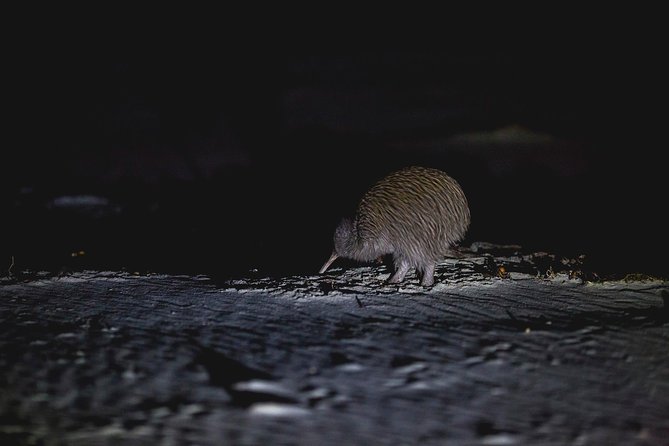
- What a kiwi sighting is really like
- The optional Oneke culture encounter
- The wildlife bonus before the kiwi search
- Is $160.73 good value?
- Who should book this evening?
- The final call on Stewart Island Wild Kiwi Experiences
- FAQ
- How long does Stewart Island Wild Kiwi Experiences last?
- Where does the tour begin?
- Where does the tour finish?
- How much does the experience cost?
- Is walking required?
- What level of fitness do I need?
- What should I bring?
- Can children join the tour?
- How many people can join?
- What happens if bad weather cancels the tour?
Key points to know before booking
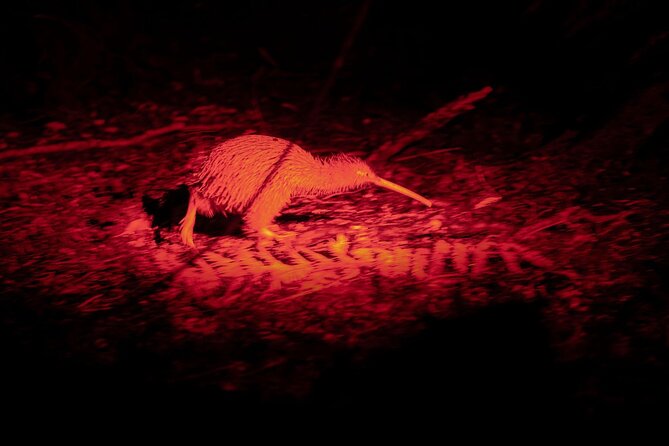
- Kiwi search after sunset: The main event is a guided walk through forest and beach, using torches to look for tokoeka.
- Marine wildlife comes first: The catamaran cruise may reveal seals, albatross, and several kinds of penguins before you reach the walking site.
- About two hours on foot: You need moderate fitness, sturdy footwear, and comfort with mud, uneven ground, and darkness.
- Small maximum group: The tour accepts up to 20 people, though the walking party may still feel fairly large.
- Warm clothes matter: Stewart Island evenings can feel cold, and hot drinks are provided during the experience.
- Best for adults and older teens: Children under 16 cannot join, and the activity suits mobile visitors who enjoy active wildlife outings.
Why Stewart Island is a good place to look for kiwi
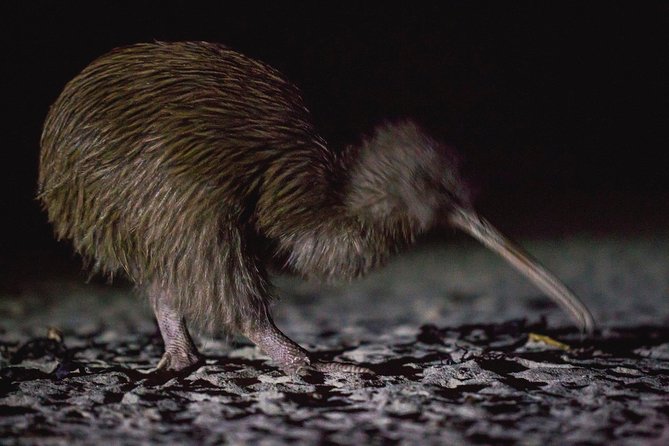
Stewart Island, also called Rakiura, gives you one of New Zealand’s better chances to see a kiwi in the wild. These birds are nocturnal, shy, and hard to find by chance. You are not simply walking through a zoo enclosure or watching a bird in a controlled habitat. You are entering its nighttime world, where patience matters as much as luck.
The tokoeka is the southern brown kiwi found in this part of New Zealand. It is a ground-dwelling bird, and a sighting may be brief. You might see one moving through vegetation, probing the ground, or crossing an open stretch of beach. You might also hear movement and see nothing at all.
That uncertainty is part of the bargain. A kiwi encounter can be thrilling, but no responsible operator can promise one on every outing. One evening produced only a partial glimpse, yet the walk through the bush still felt worthwhile. If your only goal is a guaranteed close-up, this may frustrate you. If you enjoy the search itself, the night has plenty to offer.
The tour also gives you a better sense of Stewart Island’s ecology than a quick daytime visit. Your guide explains the birds and the environment as you travel and walk. That context helps you understand why the kiwi is so unusual, and why the group needs to move quietly and carefully.
More wildlife tours in New Zealand:
- Auckland Dolphin and Whale Watching Eco-Safari Cruise
★ 4.5 · 1,790 reviews - Auckland: Whale and Dolphin Watching Half-Day Eco Cruise
★ 4.5 · 1,072 reviews - Gannet Safaris Overland tour to Cape Kidnappers Gannet Colony
★ 5.0 · 942 reviews
Checking in at the ferry terminal
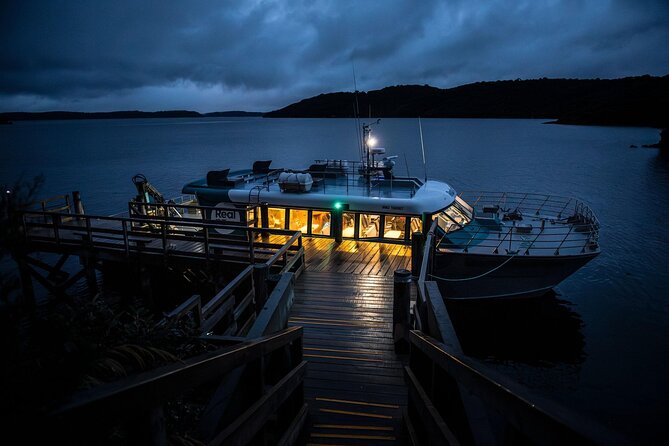
Your meeting point is the Visitor Terminal for Stewart Island Experience in the Southland Region. Check-in takes about 20 minutes before the evening outing gets moving. The activity finishes back at the same meeting point, which keeps the logistics tidy if you are staying near the terminal or arranging onward transport.
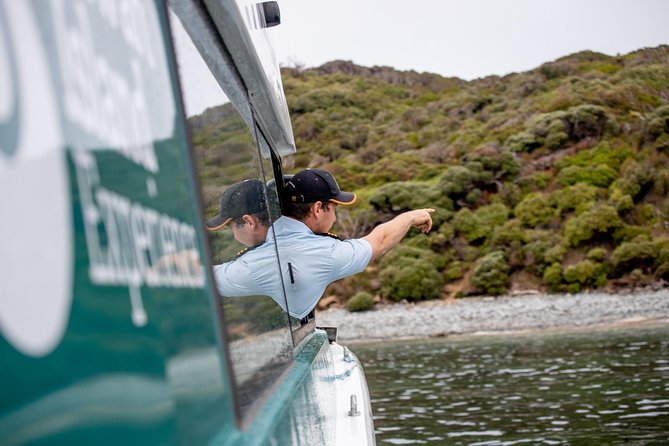
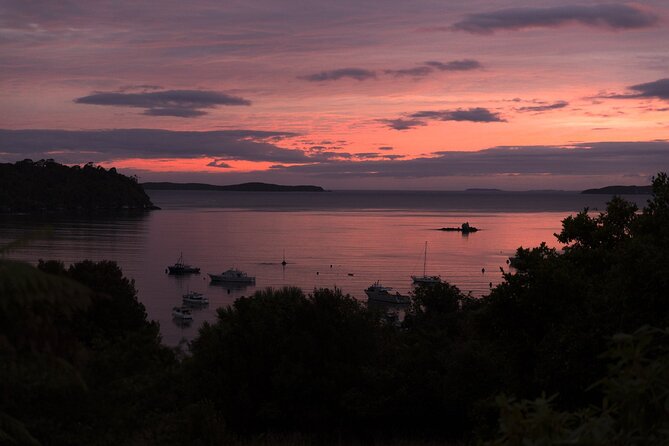
The first stage is a catamaran cruise. This is more than a transfer. The boat gives you a chance to watch for marine life and seabirds while there is still enough light to see the water around the island.
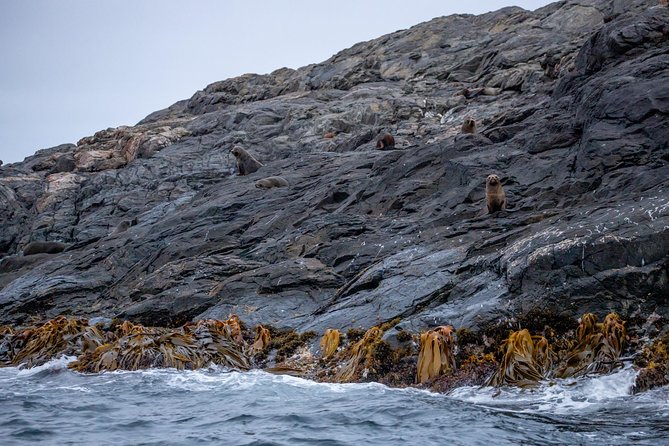
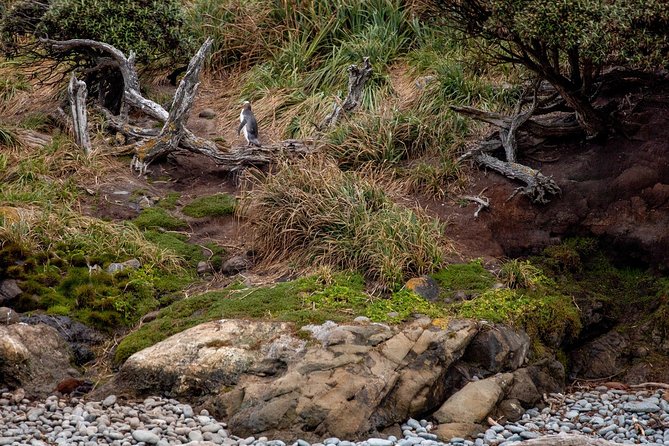
The boat portion was a highlight for several reasons. You may spot fur seals, albatross, Fiordland crested penguins, little blue penguins, or yellow-eyed penguins. That is an impressive list for one evening, though sightings depend on conditions and luck.
I like this opening because it eases you into the trip. You begin with open views and moving water, then shift into a darker, quieter search on foot. The change of pace makes the evening feel like two linked wildlife outings rather than a single long walk.
The boat ride can also make the price feel more reasonable. If the kiwi stays hidden, you still have the chance to see marine species that would be difficult to find on your own. Keep your expectations sensible, though. Wildlife is not scheduled like a stage show.
A torchlit walk through bush and beach
After the cruise, you head toward the kiwi-spotting area. The walk lasts about two hours in total, and the route includes forest and beach. You use a flashlight while the guide explains the birds, the habitat, and the signs that may reveal a kiwi nearby.
This is where the tour becomes physically demanding. The tracks can be muddy or uneven, so sturdy shoes are essential. Warm clothing is also important, as the evening gets cooler once the sun drops. Bring insect repellent too, since the tour specifically recommends it.
You should be comfortable walking at night over natural ground. The darkness adds atmosphere, but it also means you need to pay attention to your footing. If you have difficulty with uneven paths or long walks, this is not the right activity for you.
The forest walk itself can be rewarding even before a kiwi appears. Night changes familiar sounds and shapes. You may find the quiet and the careful pace as memorable as the eventual bird sighting. The guide helps keep the group focused, rather than letting the search turn into a noisy free-for-all.
Several guides have been praised for bringing energy and clear information to the outing. Jan, Natasha, and Karen are among the names associated with particularly strong experiences. Good guiding matters here. A quiet bird in dark bush is easy to miss, and a guide who understands its behavior can make the difference between a confusing walk and a purposeful search.
What a kiwi sighting is really like
A wild kiwi is not guaranteed to stroll into the middle of the group. You may see a bird only for a few seconds, and it may keep to the edge of the torch beam. One successful outing produced a kiwi just a few feet away, which is about as thrilling as wildlife watching gets.
Other outings have produced a less complete view. Seeing the back of a kiwi can still give you a sense of its size and shape, but it is not the same as watching one at close range for several minutes. You need to decide in advance how much uncertainty you can accept.
The use of torches deserves a practical note. One disappointed participant felt that groups of about 11 people, carrying torches without red filters, created too much noise, vibration, and bright light for naturally wary kiwi. That is a reasonable concern. The tour’s group maximum is 20, but the walking arrangement may place you in smaller subgroups.
You should ask about the current lighting and group procedure if this issue matters greatly to you. The experience can still produce close sightings, but the conditions are not as private or low-impact as a solitary night walk with a specialist guide.
The strongest part of the experience is the combination of real possibility and informed searching. The weakest part is that the group format may sometimes feel at odds with the quiet behavior needed for kiwi watching. I would treat the tour as a guided wildlife search, not a private photography session.
A few more New Zealand trips worth weighing up
- Stewart Island: Wild Kiwi Experiences
★ 4.8 · 177 reviews - Stewart Island: Ulva Island Guided Wilderness Walk & Cruise
★ 4.5 · 165 reviews - Stewart Island: Village and Bays Tour
★ 4.8 · 141 reviews - Milford Sound: Self-Guided Milford Track Day Walk
★ 4.5 · 114 reviews
The optional Oneke culture encounter
The experience can also be offered as a Wild Kiwi and Culture Encounter at Oneke. In that version, you hear stories connected with Māori and European heritage before the kiwi search. The evening finishes with a warm drink in a traditional whare.
This option adds cultural meaning to the wildlife outing. You are not only looking for a rare bird. You are also hearing how people and place are connected on Stewart Island. The warm drink at the end is a welcome touch after time outside.
The exact emphasis may depend on the option available when you book. If culture is important to you, check that you are selecting the Oneke version rather than assuming every departure includes the same presentation.
The standard Wild Kiwi Encounter focuses more directly on the torchlit bush and beach search. The Oneke version may suit you better if you want a broader evening that includes local heritage as well as nature.
The wildlife bonus before the kiwi search
The range of possible wildlife is one of this tour’s biggest strengths. In addition to kiwi, the outing has produced seals, albatross, Fiordland crested penguins, little blue penguins, and yellow-eyed penguins.
That list does not mean you will see every species. Weather, season, sea conditions, and animal behavior all affect the cruise. Still, the chance to see several rare or distinctive species before nightfall gives the tour more depth than a single-target bird search.
I especially like the way this changes the emotional balance of the evening. If the kiwi hides, the outing is not automatically a failure. You have still had a marine wildlife cruise, a guided walk, and time in Stewart Island’s bush after dark.
The guides also discuss other animals and the surrounding environment. That wider focus makes the trip useful for anyone who wants to understand the island rather than simply collect one photograph.
Is $160.73 good value?
At $160.73 per person, this is not a cheap evening activity. The value depends on what you want from it and how you measure success.
The price includes a roughly five-hour experience, a catamaran cruise, a guided search, natural history interpretation, and the chance to see wildlife that is difficult to find independently. The maximum group size is 20, which is not a private tour but is still limited compared with a large coach excursion.
I think the price is fair for visitors who place a high value on rare wildlife and guided access. The cost feels stronger when you see a kiwi close by, along with seals or penguins. It feels less satisfying if you want guaranteed sightings, prefer a quiet private outing, or dislike paying for an experience built around uncertainty.
The repeat use by one pair also says something about the quality of the guiding. They returned after an earlier trip because the guides and organization had worked so well for them. That does not remove the risk of a quiet wildlife night, but it suggests the experience can be memorable beyond the main sighting.
Who should book this evening?
I would choose this tour if you:
- Have a strong interest in New Zealand birds and wildlife
- Are happy walking for about two hours on natural tracks
- Can handle mud, uneven ground, darkness, and cool temperatures
- Enjoy guided interpretation rather than exploring entirely alone
- Accept that a kiwi sighting is possible, not promised
- Want marine wildlife and a forest walk in one evening
- Are aged 16 or older
I would think twice if you have limited mobility, dislike night walking, or need a guaranteed animal encounter. This is also not ideal if you want plenty of time for photography, since the group must keep moving and the birds are sensitive to light and noise.
A warm jacket, sturdy shoes, and insect repellent are not optional extras here. Bring them. Hot drinks are provided, but they are much more useful after you have dressed properly than as a substitute for warm clothing.
The tour requires good weather. If poor weather cancels it, you can choose another date or receive a full refund. You can cancel for a full refund up to 24 hours before the start time, but late cancellations and changes are not accepted.
The final call on Stewart Island Wild Kiwi Experiences
I recommend Stewart Island Wild Kiwi Experiences for active wildlife lovers who understand that wild animals set the schedule. The catamaran cruise, possible penguins and seals, strong guiding, and nighttime walk create a full evening rather than a one-note kiwi hunt.
Book it if seeing a tokoeka in its natural home would be a major New Zealand memory, and you are prepared to walk for it. Skip it if you need certainty, comfort, or a small private group. The best attitude is hopeful but realistic: enjoy the sea life, listen to the bush, and count a kiwi sighting as a rare bonus.
FAQ
How long does Stewart Island Wild Kiwi Experiences last?
The evening experience lasts approximately 5 hours and 20 minutes. The listed itinerary describes the main Stewart Island portion as about five hours.
Where does the tour begin?
You meet at the Visitor Terminal for Stewart Island Experience in the Southland Region of New Zealand.
Where does the tour finish?
The activity ends back at the meeting point.
How much does the experience cost?
The listed price is $160.73 per person.
Is walking required?
Yes. The experience includes approximately two hours of walking through forest and beach areas.
What level of fitness do I need?
You need a reasonable or moderate level of fitness. Tracks may be muddy or uneven, and the experience is best suited to mobile people.
What should I bring?
Bring warm clothing, insect repellent, and sturdy footwear suitable for muddy or uneven tracks. Hot drinks are provided.
Can children join the tour?
No. The experience is not suitable for children under 16.
How many people can join?
The tour has a maximum of 20 participants.
What happens if bad weather cancels the tour?
If poor weather causes cancellation, you can choose a different date or receive a full refund. You can also cancel at least 24 hours before the start time for a full refund.
Just added around New Zealand
- From Auckland: Hobbiton Movie Set Small Group Tour★ 4.1 · 5 reviews
- Auckland Museum and Highlight Sightseeing Tour★ 5.0 · 5 reviews
- Self-Guided Milford Track Day Walk from Lake Te Anau★ 5.0 · 5 reviews
- Tauranga-Hobbiton-Rotorua : Movie Set & Geysers: Private Tour★ 5.0 · 5 reviews
- Private Tour in Wellington★ 5.0 · 5 reviews
- Hawkes Bay – Scenic, luncheon, wine Tour★ 4.0 · 5 reviews
- Milford Sound Earnslaw Burn Helicopter Tour from Queenstown★ 5.0 · 5 reviews
- Queenstown: Remarakbles Helicopter Tour with Alpine Landing★ 4.6 · 5 reviews
Wildlife & Nature Tours, compared.

Auckland Dolphin and Whale Watching Eco-Safari Cruise
Read our review →
Whale and Dolphin Watching Half-Day Eco Cruise
Read our review →
Gannet Safaris Overland tour to Cape Kidnappers Gannet Colony
Read our review →

Clearwater Wildlife Tours (small group 10max) Otago Peninsula
Read our review →

Guided Evening Penguin Viewing Otago Peninsula, Dunedin, New Zealand
Read our review →
Browse the lists this tour appears in